标签: North America

北美洲

  • Google appeals landmark antitrust verdict over search monopoly

    Google appeals landmark antitrust verdict over search monopoly

    Google has formally challenged a historic U.S. antitrust decision that found the tech giant unlawfully maintained monopoly power in online search markets. The appeal targets District Judge Amit Mehta’s August 2024 ruling, which Google claims fundamentally misrepresents market dynamics and consumer behavior.

    Lee-Anne Mulholland, Google’s Vice President of Regulatory Affairs, asserted that the court’s decision overlooks the voluntary nature of search engine selection. “People choose Google because they prefer our services, not due to coercion or lack of alternatives,” Mulholland stated in the company’s Friday announcement. Google contends the ruling fails to acknowledge both the fierce competition within digital markets and the company’s continuous innovation pace.

    The appealed remedies, which some antitrust experts considered unexpectedly moderate, would compel Google to share portions of its proprietary search index with court-designated competitors. This database represents Google’s comprehensive inventory of web content, essentially functioning as a detailed internet map. Additionally, the order mandates that Google permit certain rivals to display its search results through syndication services, theoretically providing emerging competitors with development resources and market traction.

    Judge Mehta recognized the transformative impact of generative artificial intelligence on search technology when formulating his September remedies, explicitly rejecting government prosecutors’ requests to break up Google by divesting Chrome, the world’s dominant web browser. Instead, he implemented less drastic measures aimed at fostering competition.

    Mulholland justified the appeal by arguing these requirements jeopardize user privacy and create disincentives for competitors to develop independent technologies. “These mandates would ultimately suppress the innovation that maintains U.S. leadership in global technology,” she wrote, emphasizing Google’s concerns about regulatory overreach.

    The appeal emerges alongside heightened regulatory scrutiny of Google’s artificial intelligence ambitions. Last month, the European Commission launched an investigation into Google’s AI Overviews feature, examining whether the company utilized website data without proper publisher compensation. Google maintains that such inquiries potentially hinder technological advancement in competitive markets.

    This legal development coincides with Alphabet Inc., Google’s parent company, achieving a historic $4 trillion market valuation this week, becoming only the fourth corporation to reach this financial milestone.

  • Trump threatens tariffs on countries that don’t back Greenland takeover

    Trump threatens tariffs on countries that don’t back Greenland takeover

    In a significant escalation of his campaign to acquire Greenland, President Donald Trump announced on Friday that he may impose trade tariffs on countries refusing to support his proposed takeover of the mineral-rich Arctic territory. The declaration came during a health policy roundtable at the White House, where Trump asserted Greenland’s critical importance to U.S. national security interests.

    The president framed the potential economic measures as analogous to previous tariff threats against European nations France and Germany regarding pharmaceutical pricing. This latest pronouncement represents Trump’s most explicit economic pressure tactic yet in his intensified bid to obtain the autonomous Danish territory—a pursuit he has previously suggested might necessitate military intervention.

    Trump’s justification centers on Greenland’s substantial mineral resources and its strategic position in the Arctic, where he alleges the territory has inadequately addressed security concerns regarding geopolitical rivals Russia and China. The announcement has triggered swift international response, with European nations demonstrating solidarity with Denmark and Greenland through military deployments to the region.

    A bipartisan congressional delegation concurrently initiated diplomatic meetings in Copenhagen on Friday to express support for Danish sovereignty. This development follows Wednesday’s high-level discussions at the White House involving foreign ministers from both Denmark and Greenland, which concluded with acknowledged “fundamental disagreement” regarding Trump’s acquisition ambitions.

    Despite the diplomatic impasse, all parties have agreed to establish a working group that will convene every two to three weeks to continue dialogue on the contentious issue, according to a White House statement released Thursday.

  • US justice department investigates Minnesota Democrats over alleged obstruction of ICE

    US justice department investigates Minnesota Democrats over alleged obstruction of ICE

    The U.S. Justice Department has launched a formal investigation into Minnesota Governor Tim Walz and Minneapolis Mayor Jacob Frey for allegedly obstructing federal immigration enforcement operations. This development marks a significant escalation in the ongoing confrontation between the Trump administration and Democratic leaders regarding immigration policy.

    The inquiry centers on potential violations of 18 U.S.C. § 372, a federal statute that criminalizes conspiracies to impede federal officers through “force, intimidation or threats.” According to CBS News, federal subpoenas have been issued to both officials following their public criticisms of Immigration and Customs Enforcement (ICE) operations.

    The political conflict intensified following the fatal shooting of 37-year-old Renee Good by an ICE agent in Minneapolis last week. Official reports obtained by CBS indicate Good sustained at least three gunshot wounds to the chest and forearm, with possible fourth injury to the head. Paramedics found her unresponsive with an irregular pulse, and she was pronounced dead en route to the hospital.

    While federal authorities claim Good attempted to run over an ICE agent during an enforcement operation, local officials describe her as a legal observer who posed no threat. Video footage shows ICE agents approaching a vehicle blocking traffic, with an officer instructing Good to exit her Honda Pilot SUV. As she apparently attempted to drive away, an agent standing near the front of the vehicle discharged their weapon.

    Governor Walz responded to the investigation announcement by declaring on social media platform X: “Weaponizing the justice system against your opponents is an authoritarian tactic. The only person not being investigated for the shooting of Renee Good is the federal agent who shot her.” Walz had previously drawn administration criticism for comparing ICE to a “modern-day Gestapo,” while Mayor Frey has demanded ICE agents leave Minneapolis entirely.

    President Trump amplified tensions by accusing protesters of being “highly paid professionals” and claiming local leaders had “totally lost control” of the situation. Though the president suggested earlier this week he might invoke the Insurrection Act to deploy troops to Minnesota, he later stated he saw no current necessity for such measures.

    Meanwhile, Democratic lawmakers conducted hearings in Minnesota on Friday, with Congresswoman Ilhan Omar accusing ICE of attempting to “provoke chaos and fear” and New York Representative Adriano Espaillat describing the agency as a “deadly weapon.” Proposed reforms included requirements for ICE agents to wear body cameras, display identification, and obtain warrants before making arrests.

    The Department of Homeland Security defended its practices, with spokeswoman Tricia McLaughlin telling CNN that individuals “in the vicinity” of operations might be asked to confirm their identity based on “reasonable suspicion,” while denying such tactics reflect racial discrimination.

    Protests continued in Minneapolis throughout the weekend as thousands of ICE officers remain deployed in the state, with local officials appealing for calm during the holiday period.

  • Blair and Rubio among names on Gaza ‘Board of Peace’

    Blair and Rubio among names on Gaza ‘Board of Peace’

    The Trump administration has formally established a high-profile ‘Board of Peace’ to spearhead Gaza’s stabilization and reconstruction efforts, naming US Secretary of State Marco Rubio and former UK Prime Minister Sir Tony Blair as founding members. The White House announced on Friday that this board constitutes a central component of President Trump’s 20-point roadmap to resolve the Israel-Hamas conflict.

    The founding executive board will be chaired by President Trump himself, with additional members including Middle East envoy Steve Witkoff, presidential son-in-law Jared Kushner, private equity executive Marc Rowan, World Bank chief Ajay Banga, and US National Security Adviser Robert Gabriel. According to the official statement, each member will oversee specific portfolios ‘critical to Gaza’s stabilisation and long-term success.’

    This development follows the creation of a separate 15-member Palestinian technocratic committee, the National Committee for the Administration of Gaza (NCAG), which will handle day-to-day governance under the board’s supervision. Ali Shaath, a former deputy minister in the Palestinian Authority, will lead the NCAG, while Bulgarian politician and former UN envoy Nickolay Mladenov will serve as the board’s ground representative in Gaza.

    The comprehensive plan also involves deploying an International Stabilisation Force (ISF) under US Major General Jasper Jeffers to train vetted Palestinian police forces and establish security conditions. Although the US peace initiative entered its second phase in October, implementing ceasefire agreements and partial Israeli withdrawals, the situation remains precarious with both sides reporting violations and ongoing casualties.

    Humanitarian conditions in Gaza continue to be dire according to UN assessments, emphasizing the urgent need for unimpeded aid delivery. The conflict, triggered by Hamas’s October 2023 attack that killed approximately 1,200 Israelis, has resulted in over 71,260 Palestinian deaths according to Gaza health officials.

  • Why is there so much international interest in Greenland?

    Why is there so much international interest in Greenland?

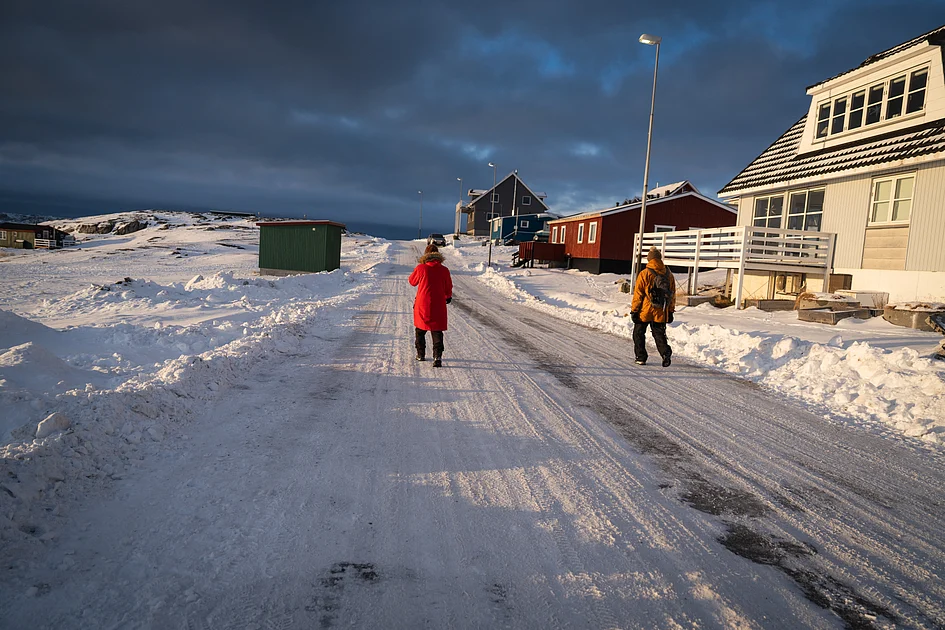
    The remote, ice-covered territory of Greenland has emerged as an unexpected focal point in international geopolitics, drawing significant attention from global powers. This immense Arctic island, while geographically part of North America, maintains autonomous governance under the Kingdom of Denmark. Its strategic significance stems from a confluence of factors that extend far beyond its stark natural beauty.

    Geopolitical analysts identify several key elements driving international interest. The island’s geographic position offers unparalleled access to the rapidly evolving Arctic region, where melting ice caps are unveiling new shipping routes and resource exploration opportunities. Furthermore, Greenland possesses substantial deposits of rare earth minerals—essential components in modern technology ranging from smartphones to defense systems—making it a critical resource hub in an increasingly resource-conscious world.

    The island also serves as a strategic vantage point for military and satellite installations, providing nations with enhanced Arctic surveillance capabilities. This combination of geographic positioning, untapped natural resources, and strategic military value has transformed Greenland from a peripheral territory into a region of intense global interest, prompting diplomatic engagements and strategic calculations at the highest levels of international relations.

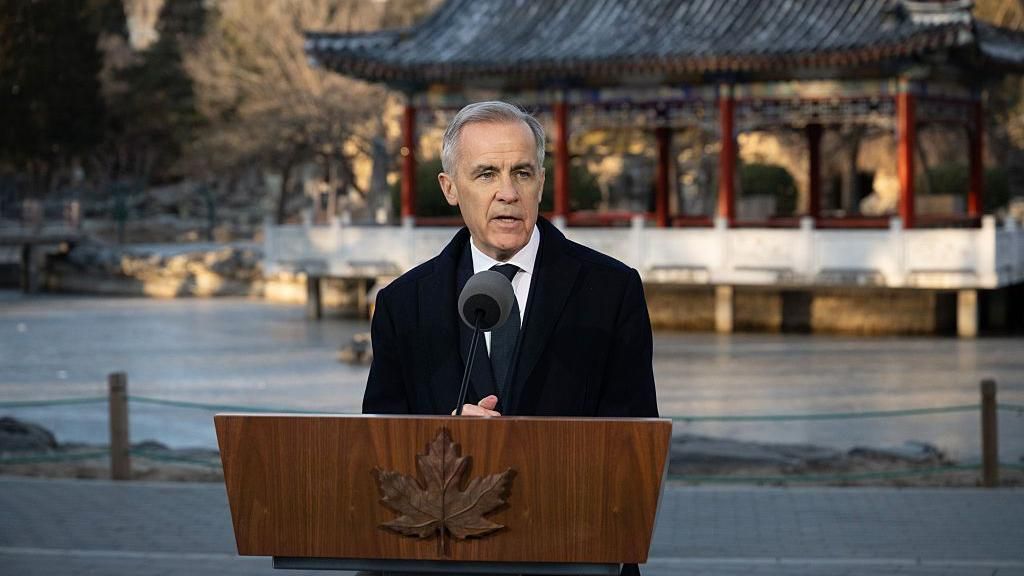
  • Canada’s deal with China signals it is serious about shift from US

    Canada’s deal with China signals it is serious about shift from US

    In a strategic pivot signaling Canada’s evolving foreign policy approach, Prime Minister Mark Carney has secured a significant trade agreement with China that reduces tariffs on electric vehicles and agricultural products. The deal, announced Friday, lowers Canada’s levies on Chinese EVs from 100% to 6.1% for the first 49,000 imported vehicles annually, with quotas potentially expanding to 70,000 within five years. In exchange, China will slash tariffs on Canadian canola seed from 84% to approximately 15% by March 1 and eliminate retaliatory tariffs on Canadian canola meal, lobsters, crabs, and peas until year-end.

    This arrangement marks a notable departure from Carney’s previous characterization of China as “the biggest security threat” to Canada less than a year ago. The Prime Minister defended the policy shift by stating, “We take the world as it is, not as we wish it to be,” emphasizing that global circumstances have fundamentally changed. He described the agreement as positioning Canada advantageously for the “new world order” while making the relationship with Beijing “more predictable” than Canada’s ties with the United States under the Trump administration.

    Domestic reactions revealed sharp regional divisions. Saskatchewan Premier Scott Moe welcomed the agricultural concessions as “very good news” for farmers devastated by Chinese tariffs, while Ontario Premier Doug Ford condemned the EV provisions as economically damaging to Canada’s auto sector. Experts projected Chinese automakers could capture up to 10% of Canada’s EV market, potentially pressuring US manufacturers like Tesla.

    The agreement emerges against a backdrop of deteriorating US-Canada trade relations. Since returning to office, President Trump has imposed tariffs on Canadian metals and automotive sectors while threatening to abandon the USMCA trade agreement currently under mandatory review. Trade analyst Eric Miller noted the China deal reflects Canada’s recognition that North American trade stability remains uncertain, stating: “There’s a reasonable chance we could end up in 2026 without a meaningful, workable trade deal with the United States.”

    The White House response appeared divided, with Trade Representative Jamieson Greer calling the arrangement “problematic” while President Trump endorsed bilateral deals with China. The agreement coincides with preparations for Trump’s April meeting with President Xi Jinping in Beijing, highlighting the complex interplay of global trade relationships. Prime Minister Carney characterized the agreement as the initial phase in a broader “strategic, pragmatic, and decisive” recalibration of Canada’s international trade posture.

  • Why’s the US craving Greenland?

    Why’s the US craving Greenland?

    The United States’ persistent interest in acquiring Greenland represents a complex geopolitical calculation rooted in strategic positioning and resource acquisition. This Arctic territory, while under Danish sovereignty, has captured Washington’s attention for its unparalleled military advantages and vast mineral wealth.

    Geopolitical analysts identify Greenland’s northern location as providing critical strategic dominance in the rapidly evolving Arctic theater. As climate change opens new shipping lanes and resource exploration opportunities, control of Greenland would offer the US enhanced surveillance capabilities and military positioning against competing powers, particularly Russia and China.

    The island contains substantial deposits of rare earth minerals and other critical resources essential for modern technology and defense applications. These materials hold significant importance for both economic security and military technological advancement, reducing American dependence on foreign supply chains.

    Despite Denmark’s consistent objections and the European Union’s reservations, US interest has remained undiminished. The tension between American strategic ambitions and European sovereignty concerns continues to shape diplomatic discussions in the Arctic region.

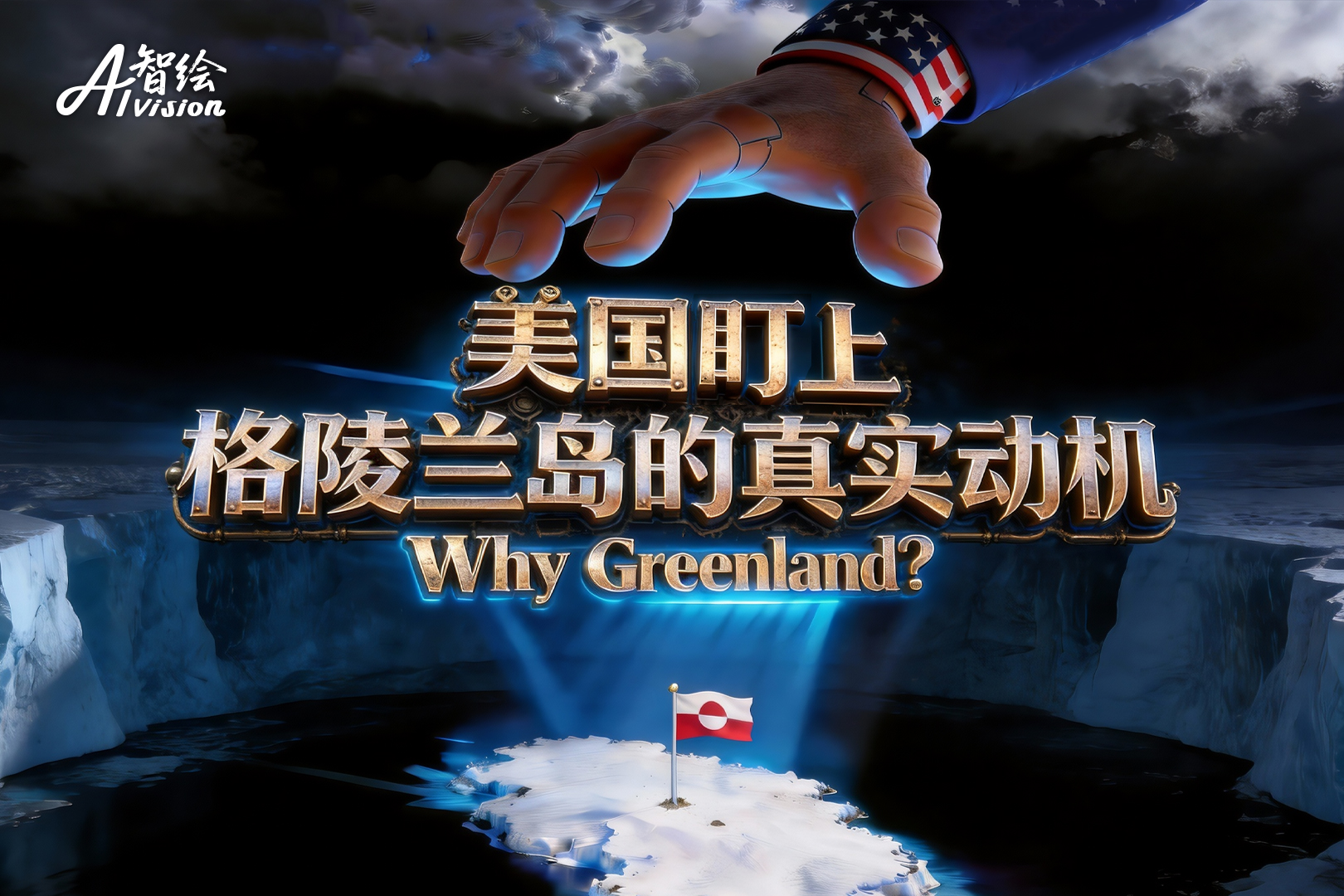
    The phenomenon has even entered popular culture, with an AI-generated rap video titled ‘Why Greenland?’ utilizing striking visuals and infectious rhythms to break down the geopolitical implications for broader public consumption. This cultural manifestation underscores how the Greenland question has captured imagination beyond policy circles.

  • Trump to unveil home buying plan involving retirement funds

    Trump to unveil home buying plan involving retirement funds

    The Trump administration is preparing to unveil a controversial housing initiative that would permit Americans to utilize retirement savings for home purchases. National Economic Council Director Kevin Hassett previewed the proposal during a Fox Business appearance, suggesting homeowners could potentially redirect a portion of their home equity back into retirement accounts after purchase.

    ‘Imagine allocating 10% for a down payment, then transferring 10% of the home’s equity into your 401(k). This approach would allow retirement savings to continue growing over time,’ Hassett explained, though he provided limited operational details regarding tax implications or withdrawal mechanisms.

    The announcement, scheduled for next week’s World Economic Forum in Davos, represents the administration’s latest effort to address mounting public concern about housing affordability. Current regulations typically impose penalties and taxes on early 401(k) withdrawals, creating significant financial barriers for prospective homeowners.

    This proposal follows two other major housing initiatives: a proposed ban on corporate investors purchasing single-family homes and a directive for government-backed mortgage firms Fannie Mae and Freddie Mac to acquire $200 billion in mortgage bonds. The bond purchase initiative has already contributed to 30-year mortgage rates dipping below 6% for the first time in nearly three years, according to Trump’s recent remarks in Michigan.

    Economic experts express mixed views on the retirement fund proposal. Redfin Chief Economist Daryl Fairweather noted that while the plan wouldn’t fundamentally solve the housing affordability crisis, it might provide temporary financial flexibility for some buyers. She compared the concept to pandemic-era policies that allowed penalty-free retirement fund access for down payments.

    However, housing economists caution that both the bond purchase program and retirement fund access could introduce long-term risks. LoanDepot’s head economist Jeff DerGurahian emphasized that ‘the timing and cadence of these purchases will determine whether the impact is healthy or introduces volatility into the mortgage market.’ Critics also warn that draining retirement accounts for home purchases could leave Americans financially vulnerable if property values decline.

  • US completes first Venezuelan oil sales valued at $500 million, US official says

    US completes first Venezuelan oil sales valued at $500 million, US official says

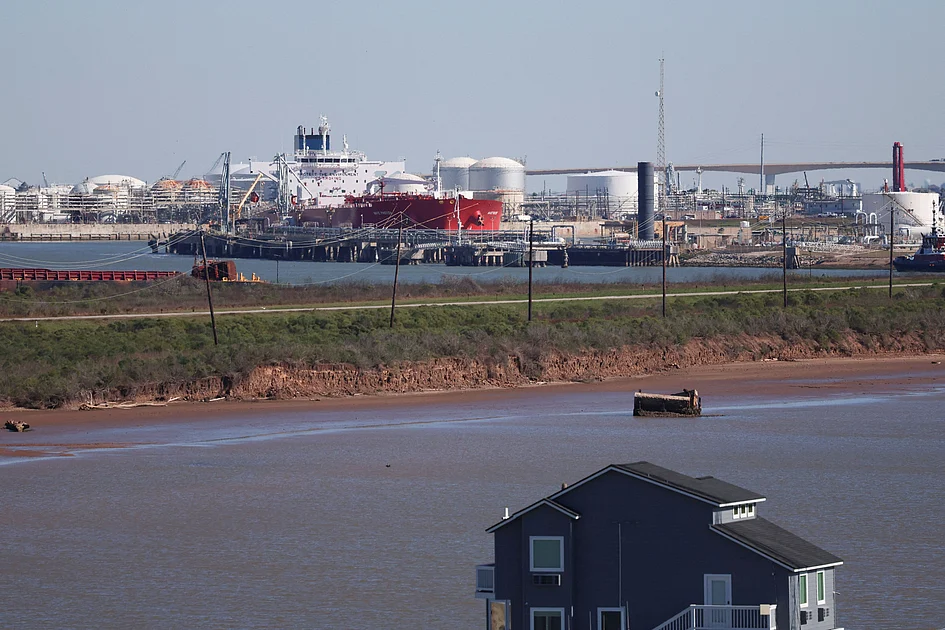
    The United States has successfully concluded its inaugural petroleum transaction with Venezuela, marking a significant milestone in the recently established $2 billion energy agreement between the two nations. According to a senior U.S. administration official who spoke with Reuters on Wednesday, this initial sale represents approximately $500 million in value, with subsequent transactions anticipated throughout the coming weeks.

    The revenue generated from these oil sales is being securely held within U.S. government-controlled banking institutions, as mandated by an official order issued on Friday. Financial industry sources reveal that the primary escrow account has been established in Qatar, strategically selected as a neutral financial jurisdiction that facilitates secure fund transfers with American oversight while minimizing risks of asset seizure.

    This development follows the broader bilateral arrangement reached earlier this month between the administrations in Caracas and Washington, representing a notable shift in energy diplomacy between the historically opposed nations. The selection of Qatar as the financial intermediary highlights the complex international dimensions of this economic relationship, with the Gulf nation providing a mutually acceptable banking solution that satisfies both parties’ security requirements.

    The completion of this transaction was initially reported by Semafor, with subsequent confirmation from U.S. officials indicating that the framework for additional petroleum sales under the $2 billion agreement is now operational.

  • Watch: Large show of support in North Carolina for Buddhist monks

    Watch: Large show of support in North Carolina for Buddhist monks

    A monumental peace pilgrimage spanning 2,300 miles from Texas to the nation’s capital has become a powerful testament to grassroots spiritual solidarity. Buddhist monks leading this transcontinental journey reported experiencing an unexpectedly profound outpouring of public support during their North Carolina segment, marking one of the most emotionally resonant moments of their ongoing walk for global harmony.

    The peace walk, conceived as a living meditation against violence and division, has attracted substantial crowds along various segments of its route. However, the monastic participants particularly noted the exceptional enthusiasm and numerical strength of supporters who gathered across North Carolina’s thoroughfares. This remarkable display of communal engagement underscores a growing public appetite for interfaith dialogue and non-violent activism in regions not traditionally associated with Buddhist practices.

    Eyewitness accounts describe multiline gatherings of citizens representing diverse demographics, many holding handmade signs expressing solidarity with the pilgrimage’s pacifist mission. The walking meditation, which combines physical endurance with spiritual contemplation, has evolved into an impromptu cultural exchange between the orange-robed monastics and local communities.

    This extraordinary civilian response in the American South suggests shifting attitudes toward Eastern spiritual traditions and indicates a broadening appreciation for contemplative practices in mainstream society. The monks’ journey continues toward Washington, DC, having already demonstrated that messages of peace can transcend cultural and geographical boundaries when embodied through determined, peaceful action.