标签: North America

北美洲

  • IMF sees steady global growth in 2026 as AI boom offsets trade headwinds

    IMF sees steady global growth in 2026 as AI boom offsets trade headwinds

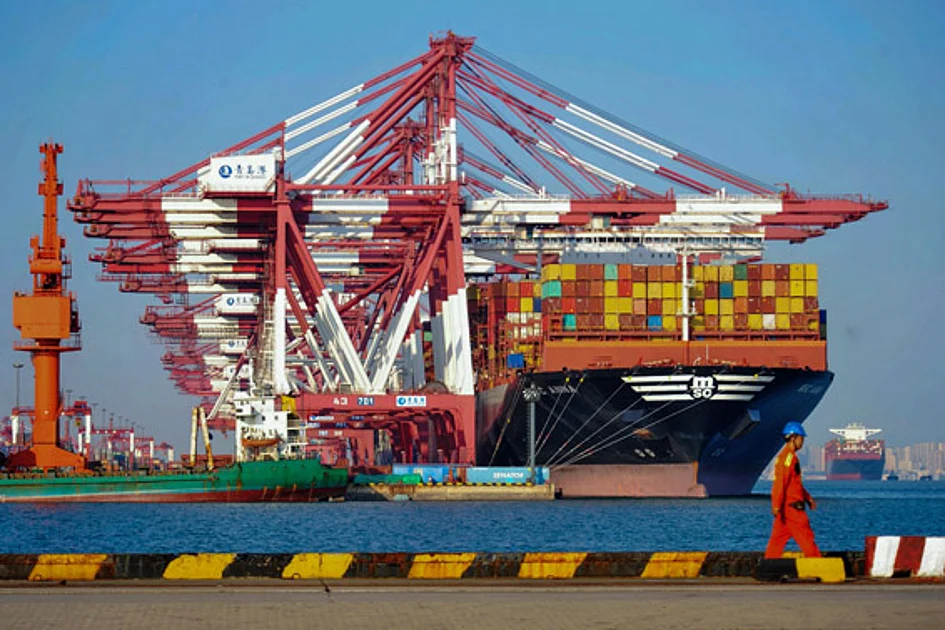
    The International Monetary Fund has delivered an optimistic revision to its global economic outlook, projecting sustained growth through 2026 driven by artificial intelligence investments and evolving trade dynamics. In its latest World Economic Outlook update, the IMF forecasts global GDP expansion of 3.3% for both 2025 and 2026, representing upward adjustments of 0.1 and 0.2 percentage points respectively from October’s projections.

    According to IMF Chief Economist Pierre-Olivier Gourinchas, the global economy demonstrates remarkable resilience despite previous trade disruptions. ‘The global economy is shaking off the trade and tariff disruptions of 2025 and is coming out ahead of what we were expecting before it all started,’ Gourinchas told reporters.

    The United States leads this upgraded outlook with 2026 growth projected at 2.4%, boosted by massive AI infrastructure investments including data centers, advanced chips, and power systems. Spain similarly benefits from technology investments, receiving a 0.3 percentage point upgrade to 2.3% growth for 2026.

    Trade dynamics have shifted significantly since the peak of tariff tensions in April 2025. Businesses have adapted through supply chain rerouting, while trade agreements have reduced effective U.S. tariff rates from approximately 25% to 18.5%. China’s growth forecast for 2026 was upgraded to 4.5%, reflecting both tariff reductions and successful export diversification to Southeast Asian and European markets.

    The AI boom presents a dual-edged scenario: while driving current growth through investment and wealth effects, it carries inflation risks if development continues at its breakneck pace. Conversely, if anticipated productivity gains fail to materialize, market corrections could dampen economic momentum.

    Regionally, the euro zone expects 1.3% growth in 2026, boosted by German public spending and strong performances in Spain and Ireland. Japan benefits from fiscal stimulus, while Brazil represents a notable exception with reduced growth projections due to tighter monetary policy combating inflation.

    Globally, inflation continues its downward trajectory from 4.1% in 2025 to a projected 3.4% in 2027, creating conditions for more accommodative monetary policies that should further support economic expansion.
  • Adnoc Gas signs $3 billion, 10-year LNG deal with Hindustan Petroleum

    Adnoc Gas signs $3 billion, 10-year LNG deal with Hindustan Petroleum

    In a significant development for global energy markets, Adnoc Gas has finalized a monumental ten-year liquefied natural gas (LNG) supply agreement with India’s Hindustan Petroleum Corporation Limited (HPCL), valued between $2.5 to $3 billion. The landmark deal was formalized during President Sheikh Mohamed bin Zayed Al Nahyan’s diplomatic visit to India, where he conferred with Prime Minister Narendra Modi, highlighting the growing strategic energy partnership between the two nations.

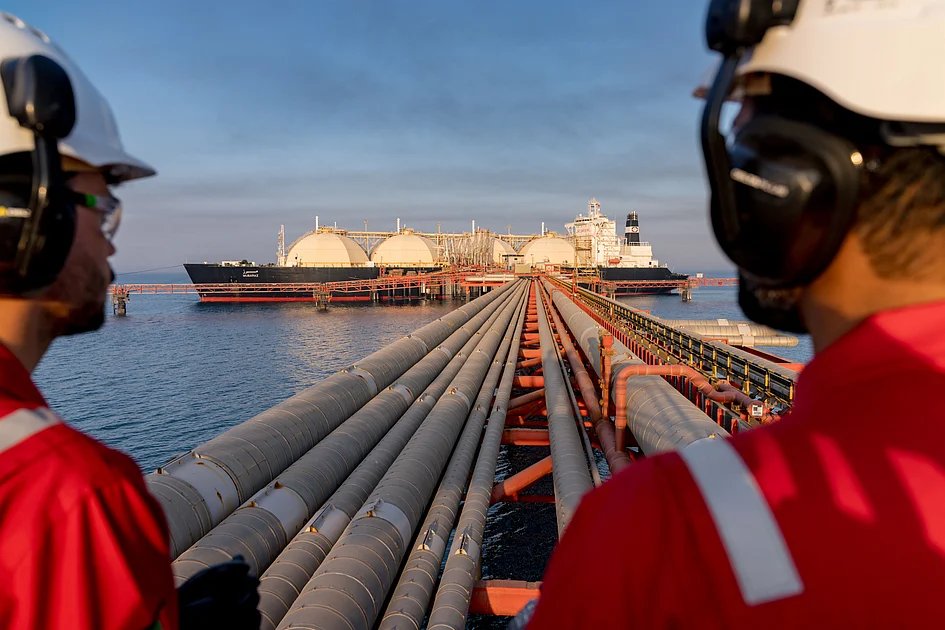
    The contract execution ceremony featured Dr. Sultan Ahmed Al Jaber, UAE Minister of Industry and Advanced Technology and Adnoc Managing Director, exchanging documents with HPCL Chairman Vikas Kaushal. This agreement transforms a previously signed Heads of Agreement into a comprehensive long-term supply arrangement that will see Adnoc Gas export 0.5 million tonnes per annum of LNG to India through its Das Island liquefaction facility, one of the world’s longest-operating LNG plants with a production capacity of 6 mtpa.

    Fatema Al Nuaimi, Chief Executive Officer of Adnoc Gas, emphasized the agreement’s significance: “This long-term supply arrangement reflects the robust energy partnership between our nations and demonstrates our commitment to meeting global LNG demand while supporting India’s objective to increase natural gas to 15% of its energy portfolio by 2030.”

    The strategic pact elevates India to become the UAE’s largest LNG customer, with Adnoc Gas now contracted to supply 3.2 million tonnes per annum to Indian energy companies by 2029. This represents approximately 20% of the 15.6 MTPA that Adnoc Gas will operate. The agreement reinforces the company’s expanding footprint in Asia’s rapidly growing energy markets, bringing its total contract value to over $20 billion.

    This arrangement represents Adnoc Gas’s continued market diversification strategy, marking the latest in a series of long-term LNG contracts secured over the past three years, ranging from 0.4 to 1.2 mtpa with durations extending to 14 years. The Das Island facility, with its proven track record of delivering more than 3,500 LNG cargoes globally, provides the operational reliability crucial for meeting India’s growing energy demands.

  • UAE boosts digital trade as mBridge volumes top $55b

    UAE boosts digital trade as mBridge volumes top $55b

    The United Arab Emirates is solidifying its position at the forefront of digital trade innovation as transaction volumes on the mBridge platform exceed $55 billion. This groundbreaking multi-central bank digital currency (CBDC) initiative is fundamentally transforming international payment systems by enabling real-time settlements using sovereign digital currencies.

    Developed through collaboration between central banks across Asia and the Middle East, mBridge represents a paradigm shift in cross-border financial transactions. The platform connects the People’s Bank of China, Hong Kong Monetary Authority, Bank of Thailand, Central Bank of the UAE, and Saudi Central Bank, with participation from over 20 commercial banking institutions. This coalition bypasses traditional correspondent banking networks, creating a more efficient settlement infrastructure.

    Atlantic Council data reveals that mBridge has already processed more than 4,000 cross-border transactions, with settlements occurring in seconds and at minimal transaction costs. Notably, approximately 95% of the total settled value has been conducted using China’s digital yuan, demonstrating both the scale of early adoption and the growing preference for digital currencies in wholesale payments.

    The UAE’s strategic engagement with mBridge extends beyond technological advancement. In November 2025, the nation formally launched its live operations with a cross-border payment to China, executed by Vice President and Deputy Prime Minister Sheikh Mansour bin Zayed Al Nahyan. This milestone followed an earlier landmark transaction in January 2024, when Sheikh Mansour initiated the first Digital Dirham transfer to China, sending Dh50 million via the platform.

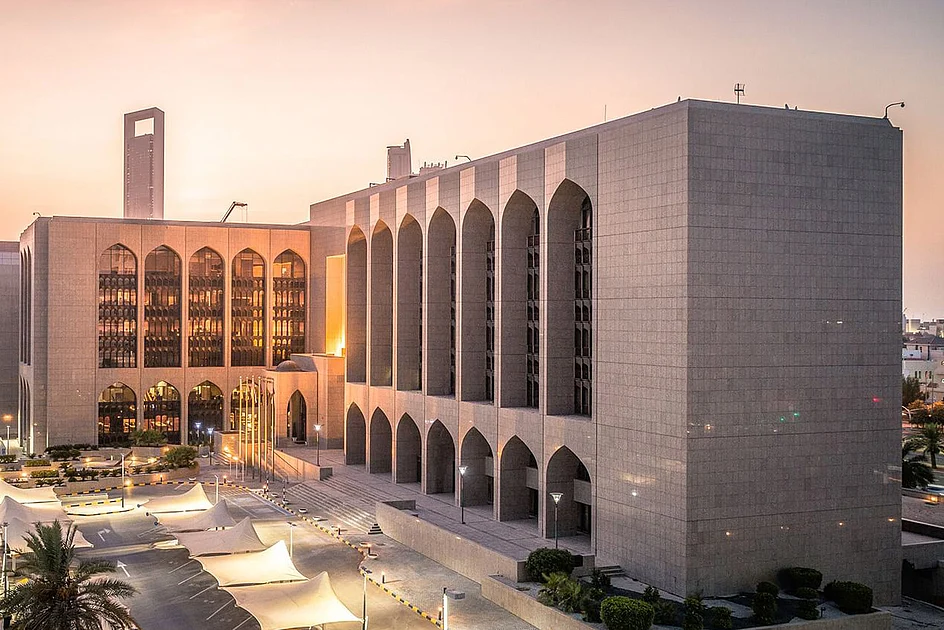
    The Central Bank of the UAE anticipates steady growth in mBridge usage as more financial institutions join and payment corridors expand. The platform serves as a cornerstone of the bank’s Financial Infrastructure Transformation programme, which aims to modernize payment systems, enhance financial inclusion, and strengthen the country’s competitiveness as a regional clearing hub.

    Unlike conventional transfers that rely on SWIFT messaging and correspondent banks, mBridge enables direct bank-to-bank transactions using tokenized central bank money. This architecture eliminates multiple intermediaries, reduces settlement risk, and compresses processing times from days to seconds. Embedded smart contracts automate compliance checks, foreign exchange conversion, and settlement finality.

    Market analysts observe that mBridge’s expanding transaction volumes signal a broader transformation of global payment infrastructure. While the digital yuan currently dominates settlement flows, participation from the UAE and other jurisdictions is enhancing the platform’s multi-currency functionality and establishing foundations for wider CBDC-based trade settlement adoption.

    According to People’s Bank of China data, the digital yuan has processed approximately 3.4 billion domestic and cross-border transactions worth around $2.4 trillion. These figures suggest China’s CBDC is transitioning from pilot programs to practical commercial applications, with mBridge providing a crucial international settlement channel.

    The Atlantic Council reports that 136 countries are currently exploring CBDCs at various development stages. While few nations have fully launched retail digital currencies, rapid progress with wholesale platforms like mBridge is attracting significant attention from central banks seeking alternatives to legacy payment systems.

    For the UAE, mBridge participation reinforces its role as a connector between Asian and Middle Eastern financial markets. As trade flows between the UAE, China, and other Asian economies continue to grow, faster settlement times and reduced transaction costs are expected to deliver substantial benefits for exporters, importers, and financial institutions.

    Although analysts suggest mBridge is unlikely to challenge the US dollar’s dominance in global finance immediately, its increasing adoption indicates a gradual shift toward more diversified, technology-driven settlement networks that could reshape international trade dynamics in the coming decades.

  • Trump says he will ‘100%’ carry out Greenland tariffs threat, as EU vows to protect its interests

    Trump says he will ‘100%’ carry out Greenland tariffs threat, as EU vows to protect its interests

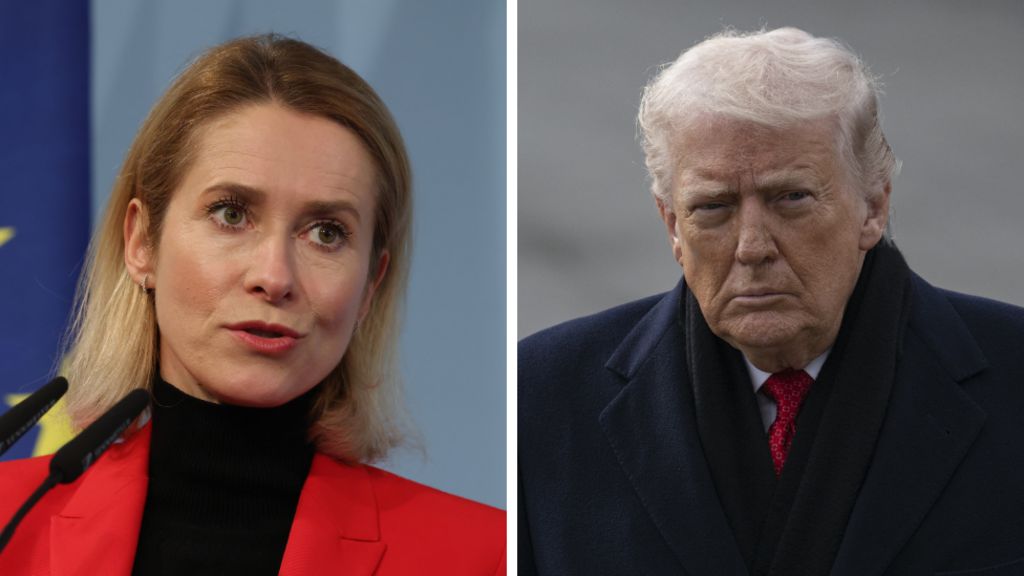
    A severe diplomatic crisis has erupted across the Atlantic following former U.S. President Donald Trump’s renewed threats to impose punitive tariffs on European NATO allies unless they acquiesce to his demand for Washington to purchase Greenland. The extraordinary proposition, treating sovereignty as a transactional asset, has drawn unified and fierce condemnation from European capitals.

    In a recent interview, Trump explicitly declined to rule out the use of military force to acquire the semi-autonomous Danish territory, responding to a direct question with a terse ‘No comment.’ He instead detailed a plan for escalating tariffs, starting with a 10% levy on all goods from the United Kingdom beginning February 1st, potentially rising to 25% by June. This same economic pressure would be applied to seven other NATO members: Denmark, Norway, Sweden, France, Germany, the Netherlands, and Finland.

    European leaders have mounted a staunch defense of Greenland’s sovereignty and international law. Danish Foreign Minister Lars Løkke Rasmussen asserted that one cannot ‘threaten your way to ownership of Greenland,’ emphasizing the existence of uncrossable ‘red lines.’ UK Foreign Secretary Yvette Cooper reinforced that Greenland’s future is a matter solely for ‘Greenlanders and for the Danes.’

    The collective European response has extended beyond rhetoric. In a significant symbolic gesture, several European nations deployed a small contingent of troops to Greenland last week, a move interpreted as a show of solidarity and a deterrence signal. Trump’s subsequent tariff announcement is widely seen as a direct retaliation for this deployment.

    Further complicating the diplomatic fray, a separate text message exchange between Trump and Norwegian Prime Minister Jonas Gahr Støre was revealed. In the messages, Trump complained that Norway was responsible for him not receiving the Nobel Peace Prize, a claim Støre refuted by explaining the prize’s independence from government control.

    In response to the escalating situation, the European Union has scheduled an emergency summit in Brussels. EU foreign policy chief Kaja Kallas stated the bloc has ‘no interest to pick a fight, but we will hold our ground,’ firmly declaring that ‘sovereignty is not for trade.’ Meanwhile, NATO Secretary General Mark Rutte affirmed the alliance’s commitment to continue working with Denmark and Greenland on Arctic security, attempting to navigate the unprecedented rift.

  • Ankabut and WeVideo partner to advance video-based learning and digital creativity across the GCC

    Ankabut and WeVideo partner to advance video-based learning and digital creativity across the GCC

    In a significant move to transform educational technology across the Gulf Cooperation Council, Ankabut, the UAE’s premier provider of advanced technological solutions for education and research, has forged a strategic alliance with WeVideo, a globally recognized cloud-based video learning platform. This partnership marks a pivotal advancement in digital pedagogy, aligning with the UAE’s comprehensive national strategy to embed innovation and digital excellence at the heart of its education system.

    The collaboration will integrate WeVideo’s sophisticated video creation and editing tools into Ankabut’s existing portfolio of educational technologies. This integration is designed to vastly expand accessibility to creative digital resources, supporting the UAE’s broader agenda to cultivate a knowledge-based economy. National initiatives such as the National Strategy for Higher Education 2030 and various digital transformation policies provide the foundational framework for this endeavor.

    Through this enhanced technological capability, the partnership aims to equip universities, K-12 institutions, and professional training organizations with intuitive and powerful tools for creating interactive content, facilitating video-based learning, and enabling seamless digital collaboration. The objective is to empower educators to foster greater student engagement, creativity, and critical 21st-century skills, thereby accelerating the development of a more connected and intelligent educational ecosystem throughout the GCC.

    Tarek Jundi, CEO of Ankabut, emphasized the strategic nature of the initiative, stating, ‘Our dedication lies in delivering cutting-edge solutions that directly support the UAE’s vision for a knowledge-driven economy. The incorporation of WeVideo addresses the escalating demand for dynamic, active learning tools and guarantees that our member institutions maintain a leadership position in global educational innovation.’

    Echoing this sentiment, Kevin Knight, CEO of WeVideo, highlighted the importance of the regional expansion, noting, ‘This partnership with Ankabut is a cornerstone of our global education strategy and our entry into the GCC market. Their unparalleled regional expertise and established relationships are ideal for ensuring the platform’s seamless integration. Together, we will enable countless educators and students to narrate their stories, showcase their learning, and propel the region’s shift toward a more creative and collaborative digital pedagogy.’

    The formal Framework Agreement establishes Ankabut as WeVideo’s primary go-to-market partner across the GCC, tasked with ensuring the smooth implementation of the platform within educational institutions and national digital learning projects. By merging Ankabut’s regional infrastructure and networking prowess with WeVideo’s acclaimed platform, the collaboration is set to deliver more dynamic, engaging, and personalized learning experiences, thereby reinforcing the GCC’s status as a frontrunner in technology-enabled education.

  • Look: Why everyone’s speculating over Kriti Sanon’s boyfriend

    Look: Why everyone’s speculating over Kriti Sanon’s boyfriend

    Bollywood sensation Kriti Sanon has become the center of intense romantic speculation following recent social media activity from rumored beau Kabir Bahia. The entertainment circles are abuzz after Bahia posted intimate photographs from the lavish Udaipur wedding of Sanon’s sister, Nupur Sanon, who married actor Stebin Ben in a dreamy ceremony.

    The Instagram upload featured several captivating images showing Bahia and Kriti Sanon together at various wedding functions. During the Christian ceremony, the actress dazzled in an elegant turquoise blue gown while Bahia complemented her in a sophisticated white tuxedo. Additional photographs captured the couple during the traditional Haldi ceremony, where they appeared comfortably close and genuinely happy in each other’s company.

    Social media reactions erupted immediately following the post’s publication. Fans flooded the comments section with enthusiastic responses, with one follower exclaiming, ‘Finally Kabir and Kriti in one frame,’ while others expressed admiration for their apparent chemistry. Notably, Sanon herself acknowledged the post with a ‘like,’ though neither party has officially confirmed the nature of their relationship.

    This development follows previous instances that fueled dating rumors. Last November, Sanon shared a beachside selfie with Bahia on her Instagram Stories to celebrate his birthday, accompanied by a heartfelt caption: ‘Happy Birthday to the one I can be stupid with! May this world never change the good heart you have!’

    While the romance speculation continues to dominate entertainment news, Sanon maintains professional momentum with multiple upcoming projects, including the anticipated sequel ‘Cocktail 2’ alongside co-stars Shahid Kapoor and Rashmika Mandanna.

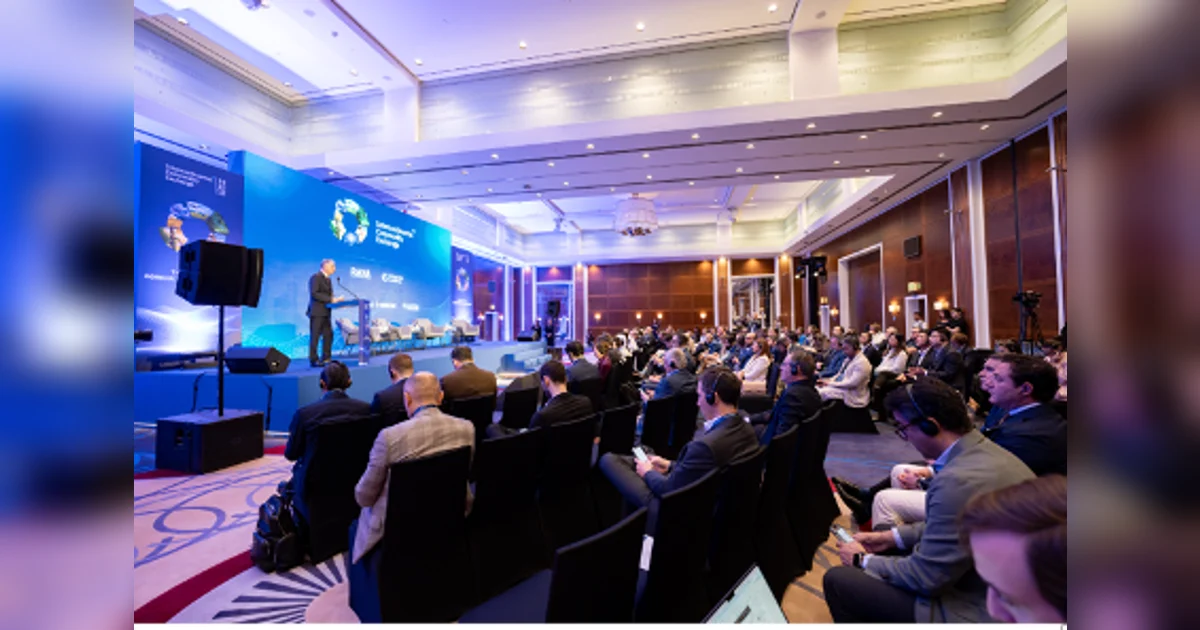
  • Intercontinental Commodity Exchange 2026 summit to convene global leaders in Dubai

    Intercontinental Commodity Exchange 2026 summit to convene global leaders in Dubai

    Dubai is set to host the Intercontinental Commodity Exchange (ICX) 2026 Summit on January 29 at the Museum of the Future, assembling government officials, agricultural exporters, and logistics experts to address critical threats to global food security. The convening occurs during one of the most strained periods for agricultural systems in decades, with particular focus on disruptions across the Black Sea region—a vital export corridor for grains and oilseeds.

    Supply chains to MENA, Africa, and Asia have been severely destabilized, compelling importers to seek alternative sources under conditions of elevated cost, extended transit durations, and heightened operational risk. These challenges are compounded by attacks on export infrastructure, shifting energy dynamics—including Venezuela’s evolving role—and persistent security threats in the Red Sea, a crucial maritime passage.

    Philip Werle, Executive Director of ICX, emphasized the urgency: “The summit was established under the recognition that stable food supply can no longer be assumed. With freight routes imperiled and energy markets in flux, closer collaboration between governments and market participants is essential to preempt systemic crisis.”

    The event will feature high-level participation from key agricultural nations, including Kazakhstan’s Minister of Agriculture Aidarbek Saparov, alongside delegates from Egypt, Brazil, and Argentina. UAE entities such as the Abu Dhabi Agriculture and Food Safety Authority (ADAFSA) and the Arab Authority for Agricultural Investment (AAAID) will also contribute, underscoring the Emirates’ strategic role in food security governance.

    Major market institutions including Al Dahra, Agthia, and Transoil Group are slated to attend, alongside sponsors like FERGUS Kazakhstan and Turkish trading firm MEKE, which operates across Black Sea territories. The dialogue will center on stabilizing trade routes, safeguarding import-dependent regions, and ensuring long-term commodity availability in an increasingly volatile geopolitical landscape.

  • No OTPs? UAE residents get in-app bank alerts as new rule goes into effect

    No OTPs? UAE residents get in-app bank alerts as new rule goes into effect

    Financial institutions across the United Arab Emirates are implementing a significant security overhaul, replacing traditional SMS-based one-time passwords with in-app authentication systems for transaction verification. This strategic shift responds to escalating concerns about sophisticated phishing and social engineering schemes that exploit OTP vulnerabilities to authorize fraudulent payments.

    The transition comes as banking authorities acknowledge the inherent security weaknesses of SMS-delivered codes, which have proven susceptible to interception and manipulation by cybercriminals. The new framework requires customers to verify transactions directly within their banking applications, providing enhanced visibility of payment details before authorization.

    Consumer reactions reflect a nuanced balance between security priorities and convenience considerations. Cosmina Condrat, a kitchen appliance advisor who fell victim to OTP fraud, expressed strong support for the change after losing over Dh1,000 to scammers. ‘The SMS I received didn’t clearly state the amount being charged,’ she recounted. ‘Now I prefer the new system because I can double-check the transaction amount within the app before approval.’

    While some users initially find the additional steps cumbersome, many acknowledge the security benefits. Reema Khan noted that although the process requires opening the banking application rather than simply reading a notification, the added protection outweighs the minor inconvenience. ‘Unless you open the app and approve it, the transaction will not go through,’ she emphasized.

    The implementation has not been without challenges. Some customers report occasional notification delays and the necessity of maintaining internet connectivity for transaction approval. However, banking institutions maintain that the enhanced security measures provide critical protection against the escalating threat of financial fraud in the digital banking landscape.

  • China’s Q4 GDP growth slows to 3-year low, full-year pace meets official target

    China’s Q4 GDP growth slows to 3-year low, full-year pace meets official target

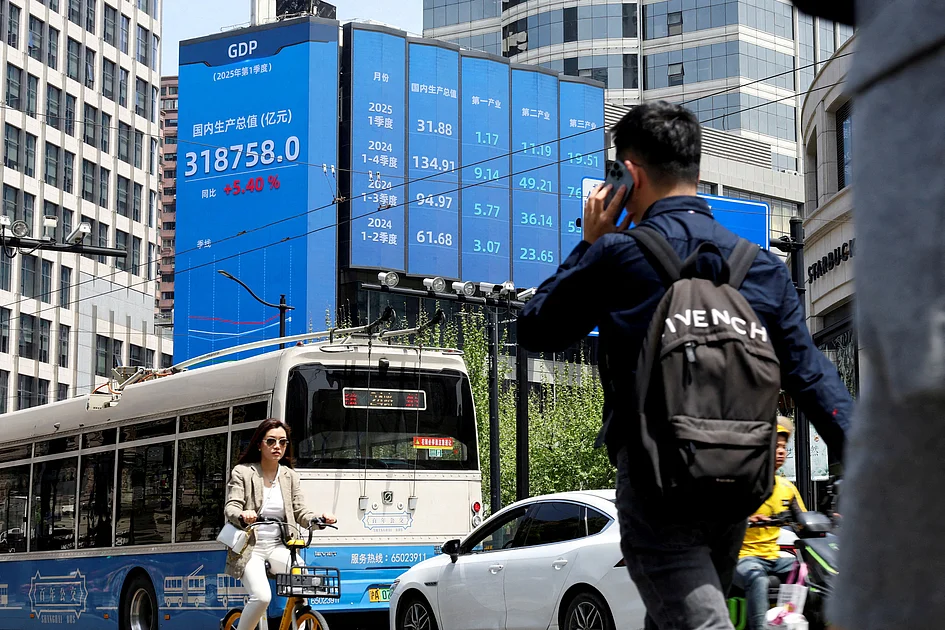
    China’s economic expansion decelerated to its slowest pace in three years during the fourth quarter of 2025, registering 4.5% year-on-year growth according to National Bureau of Statistics data released Monday. While the full-year growth of 5.0% met Beijing’s official target, the quarterly slowdown reveals underlying vulnerabilities in the world’s second-largest economy.

    The manufacturing sector and export performance provided crucial support throughout 2025, with China achieving a record trade surplus of nearly $1.2 trillion. This remarkable export resilience stemmed from strategic diversification to non-U.S. markets amid ongoing trade tensions and smaller-than-anticipated tariff increases from Washington.

    However, this external strength masks significant domestic weaknesses. The economy faces mounting challenges from persistently soft domestic demand, a protracted property market crisis, and deflationary pressures. Fixed asset investment contracted by 3.8% in 2025—the first annual decline since records began in 1996—while property investment plummeted 17.2%.

    Consumption indicators remain particularly concerning. December retail sales grew a meager 0.9%, falling short of analyst expectations and November’s 1.3% growth. This consumption weakness persists despite stable employment figures, with the urban survey-based jobless rate holding at 5.1% in December.

    Policy makers have begun implementing supportive measures, with the central bank recently cutting sector-specific interest rates and indicating potential further reductions in reserve requirements. The government maintains its commitment to “proactive” fiscal policy and ambitions to significantly increase household consumption’s share of the economy over the next five years.

    Analysts note that structural reforms addressing income growth and social safety net strengthening will be crucial for rebalancing the economy away from its current export and investment dependence toward sustainable consumption-led growth.

  • India’s central bank proposes linking BRICS’ digital currencies, sources say

    India’s central bank proposes linking BRICS’ digital currencies, sources say

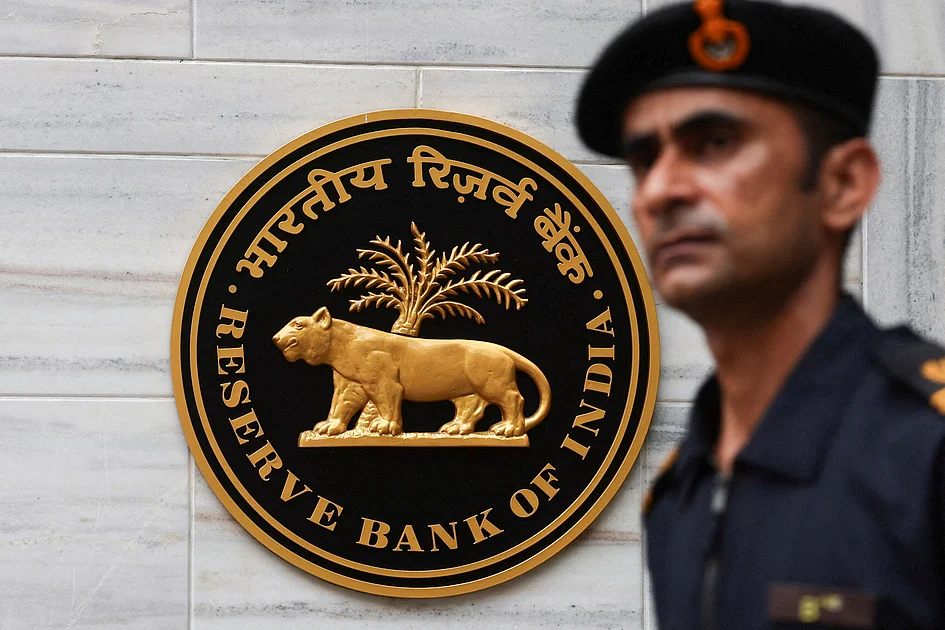
    In a strategic move that could reshape global financial architecture, India’s central bank has advanced a proposal to interconnect the digital currencies of BRICS nations, according to sources familiar with the matter. The Reserve Bank of India (RBI) has recommended including this initiative on the agenda for the 2026 BRICS summit, which India will host later this year.

    The proposal aims to establish technological linkages between central bank digital currencies (CBDCs) of BRICS members—Brazil, Russia, India, China, and South Africa—to facilitate seamless cross-border trade and tourism payments. This development marks the first formal effort to create a multilateral digital currency framework within the bloc, potentially reducing dependency on the U.S. dollar amid escalating geopolitical tensions.

    This initiative builds upon the 2025 BRICS declaration in Rio de Janeiro that advocated for payment system interoperability among member states. While none of the BRICS nations have fully launched their digital currencies, all five core members are conducting advanced pilot projects. India’s e-rupee has attracted approximately 7 million retail users since its December 2022 debut, while China has been aggressively promoting international usage of its digital yuan.

    The RBI has publicly expressed interest in currency linking mechanisms to accelerate cross-border transactions and enhance the global footprint of its currency, though officials maintain these efforts are not explicitly aimed at de-dollarization. Technical and regulatory challenges remain significant, including the need for interoperable technology platforms, governance frameworks, and mechanisms to address trade imbalances.

    Sources indicate that bilateral foreign exchange swap arrangements between central banks are being considered to manage potential trade imbalances. The proposal also contemplates weekly or monthly settlement mechanisms through these swaps. However, progress may be hindered by member states’ reluctance to adopt technological platforms from other countries, requiring consensus on both technical standards and regulatory approaches.

    The initiative emerges against a backdrop of renewed trade tensions, with former U.S. President Donald Trump having previously characterized the BRICS alliance as “anti-American” and threatening tariffs against member states. Previous attempts to deepen economic cooperation within BRICS, including a proposed common currency, have encountered substantial obstacles.

    The RBI has positioned its e-rupee as a regulated alternative to stablecoins, with Deputy Governor T Rabi Sankar recently highlighting concerns about stablecoins’ potential to facilitate illicit payments, undermine monetary stability, and fragment national payment ecosystems.