标签: North America

北美洲

  • Trump threatens to impose 200% tariff on French wines, champagnes

    Trump threatens to impose 200% tariff on French wines, champagnes

    In a significant escalation of trade tensions with a key European ally, U.S. President Donald Trump has threatened to impose unprecedented 200% tariffs on French wines and champagnes. The declaration came late Monday following French President Emmanuel Macron’s refusal to participate in Trump’s proposed “Board of Peace” initiative.

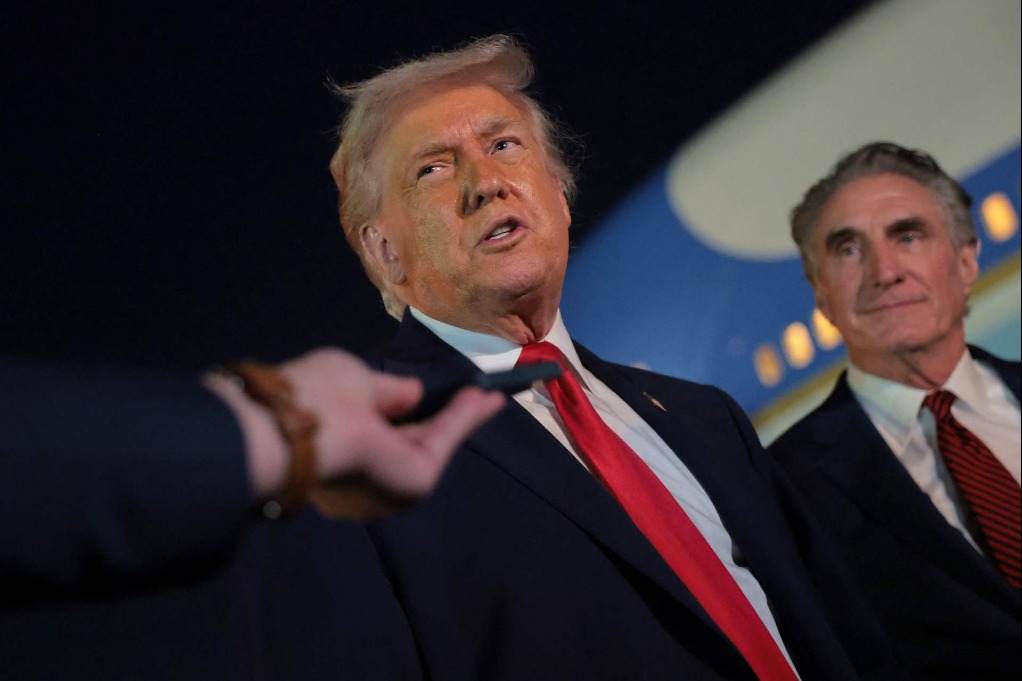
    Trump made the retaliatory threat in response to a reporter’s question about Macron’s decision, stating: “I’ll put a 200 percent tariff on his wines and champagnes, and he’ll join, but he doesn’t have to join.” The remarks represent a significant departure from traditional diplomatic protocols, linking trade policy directly to participation in presidential initiatives.

    The proposed tariffs would effectively triple the price of French wine and champagne imports to the United States, potentially devastating a sector that exported approximately $2 billion worth of products to the U.S. market annually. France remains the second-largest supplier of wine to American consumers after Italy.

    This development marks another chapter in the complex relationship between Trump and Macron, which has featured both public displays of camaraderie and significant policy disagreements. The “Board of Peace” initiative itself remains undefined in public documents, leaving unclear what specific commitments Trump sought from European allies.

    Trade experts indicate that such a tariff move would likely trigger immediate retaliation from the European Union under its existing trade defense mechanisms. The French wine industry, which employs approximately 500,000 people across production, distribution, and tourism, would face severe disruption from such measures.

    The threat emerges against the backdrop of ongoing transatlantic trade negotiations and follows previous tensions over digital services taxes and agricultural imports. Market analysts are monitoring whether this represents a negotiating tactic or a firm policy direction from the administration.

  • Chile wildfires kill 19 as extreme heat triggers mass evacuations

    Chile wildfires kill 19 as extreme heat triggers mass evacuations

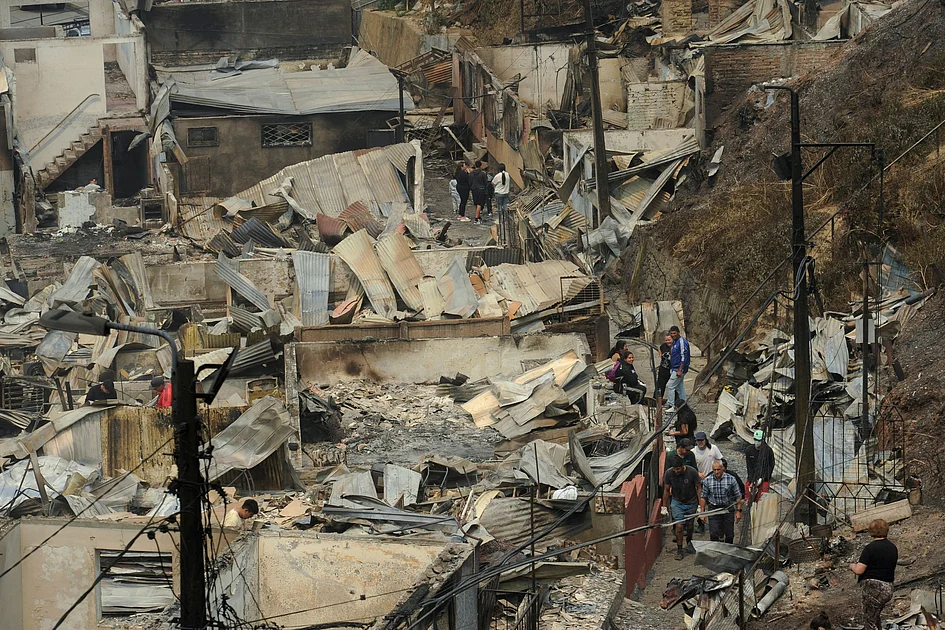
    Chile is grappling with a devastating wildfire catastrophe that has claimed at least 19 lives and triggered mass evacuations across central and southern regions. The fires, fueled by an intense heatwave and powerful winds, have consumed over 35,000 hectares—an area comparable to Philadelphia—destroying 325 homes and damaging another 1,100 properties.

    The coastal city of Penco, just north of Concepcion, has suffered the heaviest human toll, with most fatalities occurring in this vulnerable community. Thousands of residents returned to their neighborhoods on Monday to sift through the ashes of their destroyed homes while firefighters continued battling more than 30 active blazes.

    Security Minister Luis Cordero warned that despite slightly improved overnight conditions, the largest fires remained uncontrolled with high temperatures expected to persist throughout the day. ‘Our main concern is that new fires will be triggered throughout the region,’ Cordero stated during a news briefing.

    The crisis has prompted President Gabriel Boric to declare a state of catastrophe in the hardest-hit Ñuble and Bio Bio regions, mobilizing national emergency resources. Meteorological services have issued extreme heat warnings for central and southern Chile, with temperatures forecast to reach 37°C (99°F).

    University of Chile forest fire expert Miguel Castillo explained the unprecedented scale of the disaster: ‘There have been several consecutive days over 30 degrees Celsius, which is rare for the Concepcion area. When fires reach this size under extreme conditions, they practically become uncontrollable monsters.’

    The tragedy follows similar wildfires in Argentina’s Patagonia region earlier this month, where approximately 15,000 hectares burned, suggesting a broader pattern of climate-related disasters affecting South America during its summer season.

  • Skyscrapers set to redefine city skylines across the GCC

    Skyscrapers set to redefine city skylines across the GCC

    The Gulf Cooperation Council (GCC) region is undergoing a transformative architectural renaissance, with skyscrapers evolving from symbolic landmarks into strategic infrastructure driving economic diversification. This vertical expansion represents a fundamental reimagining of urban development rather than mere height competition.

    Saudi Arabia has unveiled plans for an unprecedented architectural marvel—a two-kilometer tower in Riyadh that would double the height of Dubai’s Burj Khalifa. With an estimated $5 billion budget and a site selected near King Khalid International Airport, this project signals Riyadh’s ambition to become a global business hub. International architectural firms including Skidmore Owings and Merrill are already contributing conceptual designs for what would become the tallest structure in human history.

    Meanwhile, Dubai continues to reinforce its skyscraper expertise with Burj Azizi, a 725-meter vertical district featuring 130 floors of luxury residences, seven-star hotel suites, retail centers, and cultural spaces. The project’s commercial success was immediate, with a penthouse selling for Dh63 million on launch day, demonstrating sustained market demand for integrated vertical living environments.

    The United Arab Emirates has achieved global recognition, overtaking the United States as the second-ranking country for supertall buildings (exceeding 300 meters) according to the Council on Tall Buildings and Urban Habitat. With over 30 such structures—most built within the past decade—the UAE has established itself as a leader in futuristic design and engineering excellence.

    Beyond height records, GCC architects are developing culturally resonant designs. Dubai’s Muraba Veil tower, standing at 380 meters with a width of just 22.5 meters, represents this new direction. Designed by Pritz Prize-winning RCR Arquitectes, the tower incorporates regional architectural traditions through its stainless steel veil and internal courtyard design.

    This vertical transformation is driven by multiple structural factors: economic diversification requirements, population growth outpacing horizontal expansion capabilities, transit-oriented planning, and sustainability frameworks favoring compact cities. By 2030, the skylines of Riyadh, Jeddah, Dubai, Abu Dhabi, and Doha will reflect this strategic shift toward intentional, culturally grounded, and economically functional high-rise development that supports tourism, finance, and global business operations.

  • Trump administration appeals limits on agents’ tactics toward Minnesota protesters

    Trump administration appeals limits on agents’ tactics toward Minnesota protesters

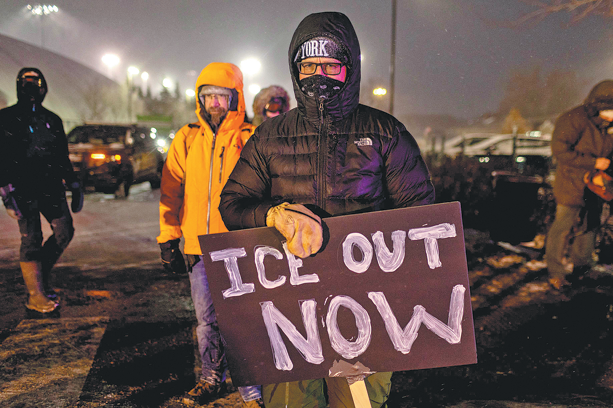
    The Trump administration has formally initiated an appeal against a federal court order that imposed significant restrictions on the tactics employed by immigration enforcement officers during protests in Minneapolis. This legal maneuver comes in response to a judicial ruling that explicitly prohibited federal agents from arresting or using chemical munitions against peaceful demonstrators and observers.

    The contentious court order, issued on Friday, emerged from a lawsuit filed against the Department of Homeland Security and related federal agencies on December 17. The litigation gained urgency following the fatal shooting of 37-year-old Renee Good by an immigration agent approximately three weeks after the initial filing, an incident that triggered widespread public demonstrations across Minneapolis.

    In recent weeks, the administration has deployed thousands of Immigration and Customs Enforcement (ICE) personnel to the Minneapolis region as part of an intensified campaign to identify and deport individuals residing in the country without legal authorization. This substantial deployment has significantly heightened tensions between federal authorities and local communities.

    The plaintiffs in the case comprised six protesters and observers who alleged constitutional rights violations through the aggressive tactics employed by ICE agents during enforcement operations. The judicial order specifically forbids federal officers from detaining individuals engaged in peaceful protest or documentation activities unless there exists reasonable suspicion of criminal activity or direct interference with law enforcement operations.

    Additionally, the ruling expressly bans the deployment of pepper spray, tear gas, and other crowd-control munitions against non-violent demonstrators and bystanders who are merely observing or recording immigration enforcement actions. This legal development represents a significant check on federal immigration enforcement practices amid ongoing debates about appropriate law enforcement conduct during public demonstrations.

  • Trump’s Chagos dig poses massive strategic question for Starmer

    Trump’s Chagos dig poses massive strategic question for Starmer

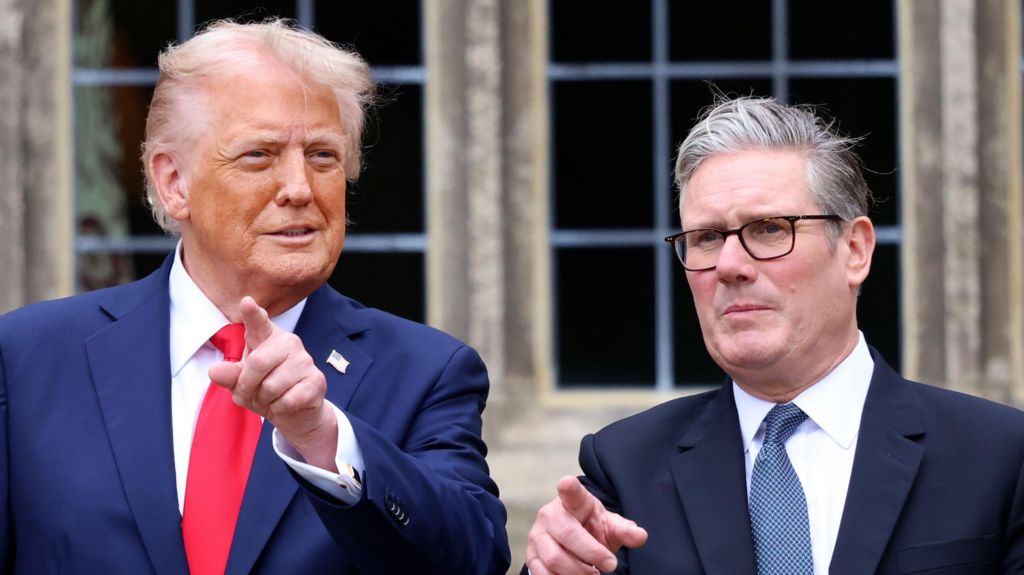
    In a dramatic shift from yesterday’s calls for “calm discussion,” Prime Minister Sir Keir Starmer confronts an unprecedented diplomatic challenge following President Trump’s explosive social media reactions regarding UK foreign policy decisions. The American president’s latest outburst targets Britain’s agreement to transfer sovereignty of the Chagos Islands to Mauritius—a deal previously celebrated as a foreign policy achievement.

    Sir Keir’s administration had meticulously cultivated its relationship with the White House, considering it a cornerstone of their international strategy. This alliance had yielded tangible benefits, most notably evidenced by last year’s successful tariff negotiations that Downing Street hailed as a model of productive bilateral cooperation. President Trump had previously expressed warm approval of both the Chagos agreement and the British leadership, with the UK government believing it maintained stronger ties with Washington than many European counterparts.

    However, the current administration now finds itself defending what was once a praised arrangement. Senior government sources emphasize that the Chagos decision emerged from practical necessity—legal challenges threatened the viability of the strategically vital Diego Garcia military base, jointly operated by the UK and US. The transfer agreement, they argue, actually secures the long-term future of this critical defense installation.

    Complicating matters further, an imminent decision regarding a new Chinese embassy in London presents additional diplomatic risks. Washington has expressed deep reservations about perceived British alignment with Beijing, particularly concerning given the Prime Minister’s anticipated visit to China in coming weeks. This development raises the possibility of further presidential reactions, potentially undermining what had been considered Sir Keir’s most successful foreign policy achievement.

  • US Minneapolis shooting continues to fuel debate

    US Minneapolis shooting continues to fuel debate

    MINNEAPOLIS — A fatal shooting involving a U.S. Immigration and Customs Enforcement (ICE) agent has ignited a severe constitutional crisis in Minneapolis, exposing deep fractures between federal authorities and local governance. The January 7th incident, which resulted in the death of 37-year-old American citizen Renee Good during an enforcement operation, has triggered widespread protests and escalated into a nationwide debate over immigration enforcement tactics and federal overreach.

    The situation deteriorated further when another ICE agent shot a Venezuelan immigrant in the leg exactly one week later in the same vicinity, amplifying public outrage and street demonstrations. Minneapolis Mayor Jacob Frey characterized the escalating tensions as “not sustainable,” demanding the immediate withdrawal of ICE personnel from the city and state.

    The Trump administration has deployed nearly 3,000 additional ICE and Border Patrol agents to the Minneapolis area following allegations of welfare fraud involving immigrants. This substantial federal presence has created a volatile standoff with Minnesota Governor Tim Walz joining Mayor Frey in condemning the deployment as unconstitutional and provocative.

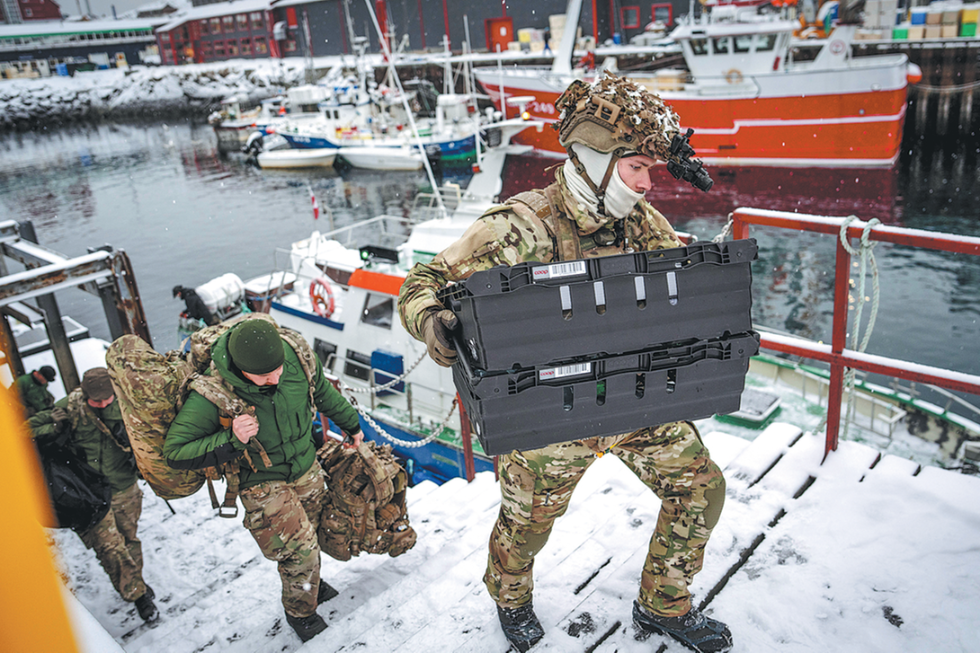
    Adding to the extraordinary circumstances, the Pentagon has placed approximately 1,500 active-duty soldiers from Alaska on standby for potential deployment to Minnesota. Defense officials, speaking anonymously to The Associated Press, indicated these troops specializing in arctic operations could be mobilized if President Trump invokes the Insurrection Act—a rare 19th-century law permitting military intervention in domestic affairs.

    The shooting itself has become a subject of sharply conflicting narratives. Homeland Security Secretary Kristi Noem, alongside President Trump and Vice-President JD Vance, defended the ICE agent’s actions, characterizing Good’s alleged attempt to run over officers as “an act of domestic terrorism.” Conversely, Mayor Frey maintains that video evidence shows Good posed no legitimate threat and that the agent acted recklessly.

    Policy experts warn this confrontation represents broader national tensions. Darrell West, a senior fellow at the Brookings Institution, noted that graphic video footage of the shooting has galvanized protesters across America who perceive it as a gross injustice. “ICE agents seem less well-trained than police officers and don’t have the same ability to de-escalate personal confrontations,” West observed, adding that many fear similar incidents could occur elsewhere.

    Former Iowa House Representative Gregory Cusack attributed the crisis to “the predictable outcome of the militarization of police forces, the hiring of masked thugs armed to the teeth, and the ugly branding of anyone who disagrees with this administration as ‘the enemy’.”

    Christopher Galdieri, a political science professor at Saint Anselm College, expressed concern that federal authorities show no indications of reconsidering their approach: “ICE, DHS, and the White House probably see the chaos and protests as beneficial to them.”

    As protests continue and federal presence expands, Minneapolis has become the epicenter of a national confrontation that tests the boundaries between federal power and local autonomy, with implications that could reshape immigration enforcement and police practices across the United States.

  • Allies stand against Trump’s tariff threats over Greenland

    Allies stand against Trump’s tariff threats over Greenland

    A severe diplomatic crisis has erupted between the United States and its European allies following President Donald Trump’s threats to impose punitive tariffs in response to opposition to his bid for U.S. control of Greenland. The unprecedented confrontation has triggered emergency meetings and threats of substantial retaliatory measures from European powers.

    In a Truth Social post on Saturday, Trump announced plans to implement a 10% tariff on all goods imported from eight European countries effective February 1, with a threat to increase tariffs to 25% by June 1 if his demands regarding Greenland remain unmet. The president has repeatedly asserted that U.S. control of the semi-autonomous Danish territory is essential for “national security” and that any alternative would be “unacceptable.”

    The European response has been swift and unified. German Finance Minister Lars Klingbeil and French Finance Minister Roland Lescure jointly declared that European powers “will not allow ourselves to be blackmailed,” characterizing the tariff threats as “obviously unacceptable” between longstanding allies. Eight NATO nations, including Denmark, issued a collective statement condemning the tariffs as “dangerous” to trans-Atlantic relations and expressing “full solidarity” with both Denmark and Greenland.

    Greenland’s Premier Jens-Frederik Nielsen reinforced the territory’s position, stating on Facebook that “we will not be pressured” by U.S. threats and welcoming international support “as a clear recognition that Greenland is a democratic society with the right to make its own decisions.”

    The European Union is considering significant countermeasures, including potentially imposing €93 billion ($107.68 billion) worth of tariffs on U.S. goods or restricting American companies’ access to the bloc’s market. EU leaders are scheduled to convene an emergency summit to discuss activating the previously unused Anti-Coercion Instrument, which could limit U.S. access to public tenders, investments, and banking activities within the EU.

    The escalating conflict has already disrupted diplomatic engagements, with Danish officials canceling their participation in the World Economic Forum in Davos. The European Parliament has also suspended work on the EU-US trade deal that was scheduled for ratification later this month.

    Meanwhile, European troops have begun arriving in Greenland in a show of support for Denmark, as talks with U.S. officials have revealed “fundamental disagreement” on the matter. For many Greenlanders, discussions about transferring their territory to U.S. control are viewed as a “complete insult,” according to local media reports.

  • Confronted over Greenland, Europe is ditching its softly-softly approach to Trump

    Confronted over Greenland, Europe is ditching its softly-softly approach to Trump

    A profound rupture in transatlantic relations has emerged as former President Donald Trump’s renewed campaign to acquire Greenland has triggered an unprecedented diplomatic confrontation with European allies. During his Monday address, Trump reiterated his position that the United States “has to have” the semi-autonomous Danish territory for national security purposes, while confidently predicting limited European resistance.

    The situation escalated dramatically when Trump began pressuring Denmark’s NATO and EU allies to abandon Copenhagen or face punitive tariffs on all exports to the United States. This ultimatum represents a fundamental shift in how Washington leverages economic power for geopolitical objectives, effectively weaponizing trade against military allies.

    European leaders responded with remarkable unity and defiance. German Finance Minister declared, “we will not allow ourselves to be blackmailed,” following emergency consultations with French counterparts ahead of the World Economic Forum. French Finance Minister Roland Lescure characterized the moment as “uncharted territories,” noting that “an ally, a friend of 250 years, is considering using tariffs… as a geopolitical weapon.”

    The EU has prepared a formidable countermeasure: €93 billion in retaliatory tariffs targeting American goods, with potential restrictions on US financial and technology firms’ access to the European single market. This economic leverage is substantial—EU investors employ 3.4 million Americans across all 50 states, and the bloc accounts for nearly 16% of global trade.

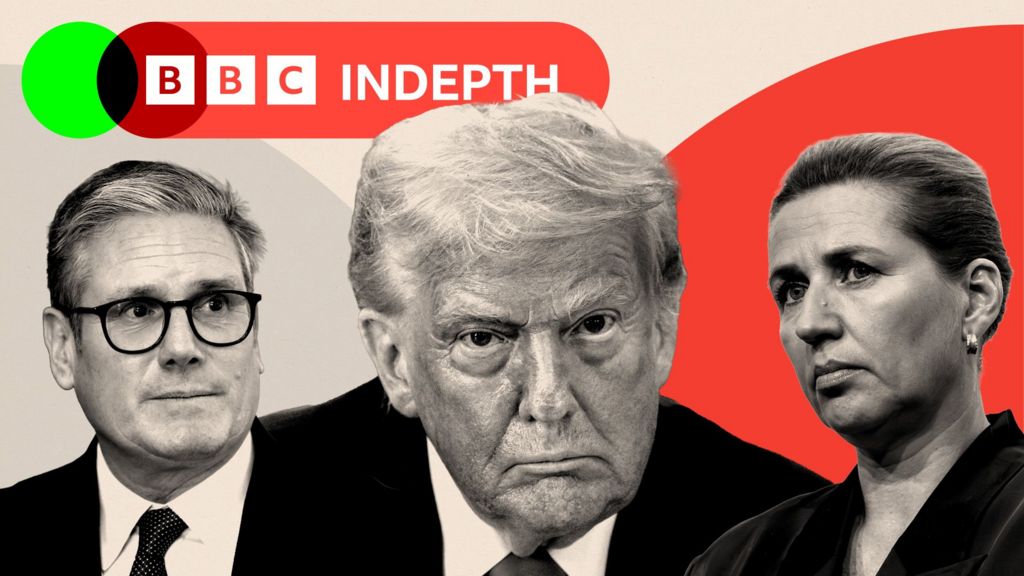
    Beyond economic ramifications, the crisis threatens to undermine European security architecture. While UK Prime Minister Keir Starmer emphasized the continuing importance of US-UK defense cooperation, particularly regarding nuclear deterrence, European officials expressed deep concerns about the reliability of American security guarantees under the current administration.

    The confrontation has global implications, with Russia and China closely observing the Western alliance’s fragmentation. Beijing particularly views Trump’s perceived unreliability as an opportunity to position China as a more stable international partner, evidenced by Canada’s recent limited trade agreement with China to reduce Washington exposure.

    Complicating matters further is Trump’s parallel establishment of a “Board of Peace,” which France has already rejected due to concerns about its challenge to United Nations primacy. The invitation extended to Russian President Vladimir Putin despite ongoing hostilities in Ukraine has raised additional questions about the initiative’s credibility.

    As leaders converge in Davos, European diplomats are adopting a revised strategy combining firm resistance with continued engagement. EU Commission officials emphasize that “our priority is to engage, not escalate,” while simultaneously preparing robust countermeasures should Trump proceed with his Greenland tariffs.

    The crisis represents a pivotal moment for transatlantic relations, testing whether decades of alliance can withstand the pressure of economic coercion over territorial acquisition. With 55% of Americans opposing Greenland’s purchase and 86% rejecting military action, the domestic political calculus remains uncertain as this geopolitical standoff continues to unfold.

  • Exhibition highlights American youth voices

    Exhibition highlights American youth voices

    SAN FRANCISCO—An extraordinary collection of artistic works created by American high school students during their cultural immersion trips to China is now captivating audiences at the Cupertino City Library. The exhibition, titled “China in the Eyes of Americans,” showcases photography, sketches, and personal narratives from 21 students who explored China’s Hubei province during the summers of 2024 and 2025.

    Organized by the US-China Culture and Communication Association in collaboration with the Youth Horizon Culture Connection Association, the exhibition represents a unique cross-cultural initiative. The participating students, primarily from California with additional representation from Florida and Tennessee, documented their journeys through Wuhan, Enshi, Xiaogan, and surrounding regions, capturing both iconic landscapes and everyday moments of Chinese life.

    Chloe Xiao, a California high school sophomore and founder of the Youth Horizon association, emphasized the transformative nature of the experience. “In Enshi, we wore traditional Tujia attire, gaining firsthand appreciation for the elegance and rich heritage of Tujia culture,” she recalled, describing the silver hair ornaments and complete costumes as “gorgeous.”

    The exhibition reveals diverse perspectives through different artistic mediums. Jasmine White, a senior from Carlmont High School, focused her photographic work on Hubei’s bridges, particularly the Yingwuzhou Yangtze River Bridge. “This trip taught me the significance of bridges in China—they represent connection: linking people, communities, and cultures across generations,” White explained.

    For many participants, the human connections formed during their travels proved most meaningful. Benjamin Li, a sophomore from Florida, described bonding with Chinese university students from ethnic minority backgrounds in Enshi. “We laughed, played games, and had fun together,” he shared. “It made my summer unforgettable.”

    Aiden Wei Tanner from San Jose contrasted his China experience with previous European travels, noting, “Those cities in Europe feel distinctly foreign. China is different—I felt part of the culture rather than an outsider.” This sense of belonging influenced how he photographed everyday life in Hubei, capturing images of store owners, students, and strangers alike.

    Beyond cultural immersion, students also gained practical benefits. Iris Zhu, a California freshman, reported significant improvement in her Chinese language skills, while all participants gained insights rarely accessible to most foreigners.

    Song Min, president of UCCA, initiated the program six years ago to foster connections between American and Chinese youth. “When young people start to listen to their peers and learn from each other, great things will happen,” Song stated, emphasizing that these American students serve as “practitioners of cross-cultural communication” rather than mere observers.

    The exhibition continues through January at the Cupertino library, offering Bay Area residents a rare glimpse of China through the authentic perspectives of American youth.

  • Guardiola shrugs off derby defeat as City focus on Champions League progress

    Guardiola shrugs off derby defeat as City focus on Champions League progress

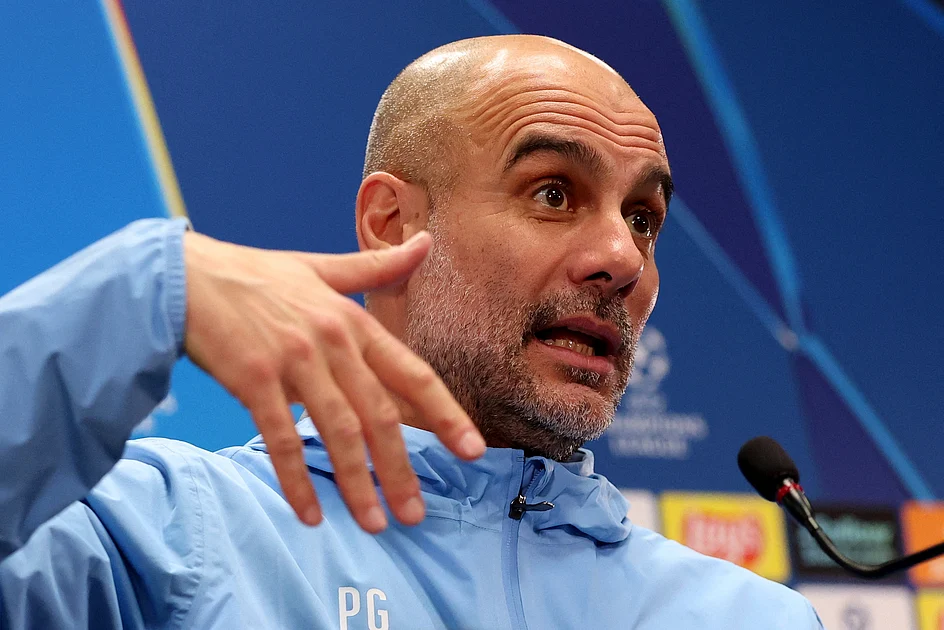
    Manchester City manager Pep Guardiola has swiftly redirected his team’s attention toward their crucial Champions League campaign following Saturday’s 2-0 Premier League defeat to rivals Manchester United. Speaking from Norway ahead of Tuesday’s match against Bodo/Glimt, Guardiola acknowledged United’s superiority in the derby while emphasizing the importance of securing automatic qualification for the tournament’s knockout stages.

    With City currently positioned fourth in the Champions League standings with 13 points, a victory against the Norwegian side would significantly enhance their prospects of finishing among the top eight teams and bypassing the playoff round. Guardiola drew comparisons to last season’s campaign, where City faced greater uncertainty at this juncture before eventually progressing.

    The artificial playing surface at Bodo’s Aspmyra Stadium has prompted unusual preparations, with City conducting their Monday training session on the match venue to acclimatize to the unique conditions. Guardiola noted the importance of adapting to different circumstances, stating: ‘Life is never a red carpet. How quickly you adjust to the comfort of situations brings you closer to success.’

    In team news, midfielder Phil Foden will be available despite sustaining hand injuries during the United match, with protective measures in place. The squad also welcomes new defensive reinforcement Marc Guehi, who completed his transfer from Crystal Palace on Monday. The 25-year-old defender’s arrival provides timely support for City’s injury-plagued backline, with regular starters Ruben Dias, Josko Gvardiol, and John Stones currently unavailable.

    Guardiola praised the acquisition, describing Guehi as ‘a top central defender with the perfect age to play for many years,’ while expressing gratitude to the club’s management for facilitating the defensive reinforcement during this challenging period.