
In a remarkable display of resilience, a 500kg brown bear named Chunk has emerged victorious in Fat Bear Week 2025, overcoming a broken jaw to claim the title. The annual competition, held at Alaska’s Katmai National Park and Preserve, invites voters from around the world to select the bear that best embodies ‘fatness and success’ as they prepare for winter hibernation. Chunk’s triumph was celebrated by park rangers and fans alike, who were inspired by his ability to adapt and thrive despite his injury. Park ranger Naomi Boak remarked, ‘He reminded us how resilient bears are and how they have the ability to recover from injury and hardship.’ Chunk’s journey to victory was closely followed by voters from over 100 countries, who watched live web streams of the bears at Katmai’s Brooks River. One voter, Amy Hall, shared her admiration for Chunk on an explore.org livestream, calling him an ‘inspiration’ for his ability to heal and adapt. Chunk’s profile on the Fat Bear Week website revealed that he sustained the injury during mating season, likely from a fight with another bear. Despite this setback, he managed to outpace his rival, a massive bear known as 856, by over 30,000 votes. The competition, which began as a small event in 2014, has since grown into a global phenomenon, drawing attention to the lives and challenges of these majestic creatures.
标签: North America
北美洲
-
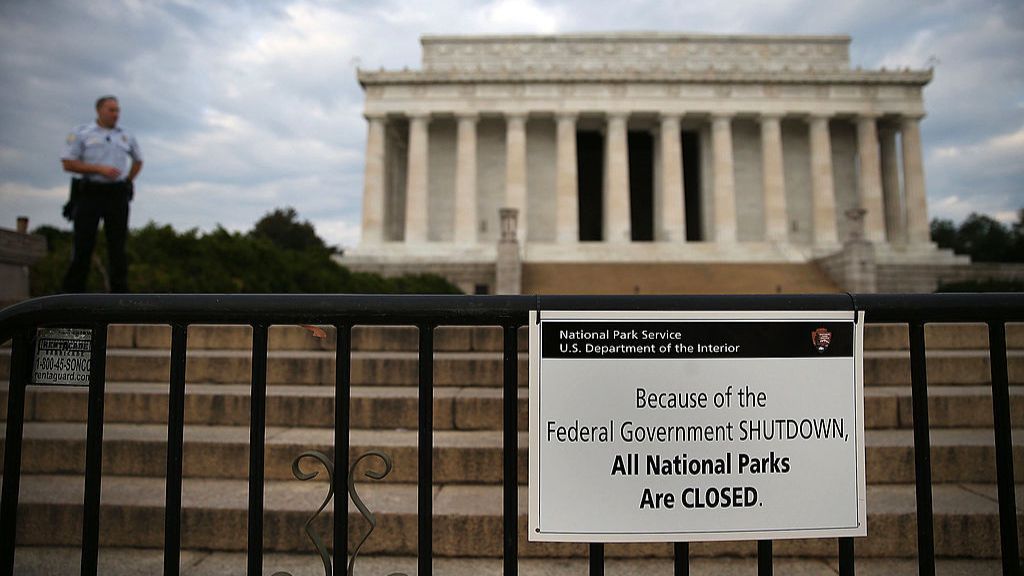
Jobs, travel, national parks – what impact will US shutdown have?
The US federal government has entered a shutdown following a deadlock between Republican and Democratic lawmakers over budget negotiations. This impasse, which threatens to extend beyond October, is set to disrupt various sectors, from air travel to national parks, and impact millions of Americans. Approximately 800,000 federal employees, representing 40% of the workforce, face unpaid leave, exacerbating financial strain on households. Air travelers may encounter prolonged security lines and delays as unpaid air traffic controllers and Transportation Safety Administration (TSA) workers, though deemed essential, may opt to stay home. Passport processing times are also expected to lengthen, complicating international travel plans. Federal employees, particularly those in non-essential roles, will bear the brunt of the shutdown, with no paychecks until the impasse is resolved. Agencies like the Centers for Disease Control and Prevention (CDC) and the National Institutes of Health (NIH) are likely to furlough staff, disrupting critical research. President Donald Trump, who has previously advocated for reduced government spending, warned that the shutdown could accelerate layoffs and curtail programs favored by Democrats. Contractors working for federal agencies will also miss out on work, with no guarantee of backpay. National Parks and Forests, which faced vandalism during the last shutdown, remain a contentious issue, with former park superintendents urging their closure to prevent further damage. Meanwhile, the Smithsonian Institution museums and the National Zoo will remain open temporarily, though non-essential services like webcams will be suspended. Social health programs such as Medicare and Medicaid will continue, but staffing shortages may cause service interruptions. Emergency disaster relief remains largely unaffected, but the National Flood Insurance Program’s closure could delay mortgages. Food assistance programs, including WIC and SNAP, are at risk of funding shortages, potentially leaving vulnerable populations without support. The shutdown’s ripple effects underscore the broader implications of political gridlock on public services and the economy.
-
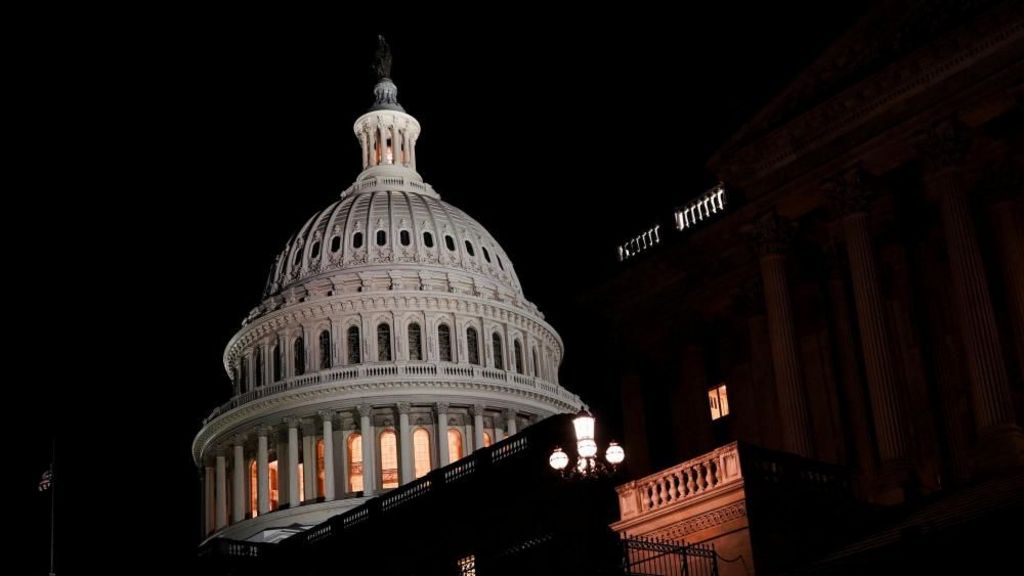
US government shuts down with path to reopening uncertain
The United States government has entered its first shutdown in nearly seven years, as Congress failed to reach a consensus on a critical funding bill. The impasse has left hundreds of thousands of federal workers facing furloughs or layoffs, while national parks, museums, and essential services risk closure. The shutdown could also disrupt air travel due to staff shortages, echoing the consequences of previous government closures.
The stalemate stems from a bitter partisan divide over healthcare spending, with Democrats insisting on extending health insurance subsidies set to expire at year-end, while many Republicans oppose the costly measures or demand stricter eligibility rules. Despite frenetic negotiations, a Republican-led short-term funding bill fell short of the required 60 Senate votes, with a Democrat-led proposal also failing to pass.
President Donald Trump has escalated tensions by threatening mass firings of federal employees and cuts to programs he claims are favored by Democrats. ‘A lot of good can come from shutdowns,’ Trump remarked, suggesting the crisis could be an opportunity to eliminate policies opposed by his administration. However, the White House has hinted at permanent layoffs for ‘non-essential’ workers if the shutdown persists.
Senate Majority Leader Mitch McConnell and top Democrat Chuck Schumer have traded blame, with Schumer accusing Republicans of ‘bullying’ tactics. The shutdown highlights the unique challenges of U.S. governance, where spending plans require bipartisan agreement across the legislative and executive branches. Analysts predict this shutdown could surpass the 2018 crisis, potentially affecting over 800,000 federal workers.
The path forward remains uncertain, with both parties entrenched in their positions. As the standoff continues, the economic and social repercussions of the shutdown are expected to deepen, leaving federal employees and the public in limbo.
-

Scot murdered in LA had sought restraining order against accused
June Bunyan, a 37-year-old Scottish woman who moved to Los Angeles to pursue a legal career, was found dead on September 11, suffering from traumatic neck injuries. Her boyfriend, Jonathan Renteria, 25, has been charged with her murder, as well as mutilation, disinterment, and sexual contact with human remains. Renteria has pleaded not guilty, with bail set at $4 million (£2.97 million). The couple, who had a young child together, had a tumultuous relationship marked by allegations of domestic violence. In December 2023, Bunyan applied for a restraining order against Renteria, citing threats to ruin her life and wishes for her death. However, the case was dropped in January 2024 after Bunyan failed to appear in court, reportedly due to reconciliation with Renteria. Bunyan, originally from the Isle of Arran, graduated from Robert Gordon University in 2022 and moved to America in 2023, where she established Renteria Paralegal Services, specializing in immigration law. Friends and neighbors described her as a driven and kind individual who loved America and dreamed of becoming a US citizen. A GoFundMe campaign organized by her friend in the UK has raised nearly £17,000 to repatriate her remains. A preliminary hearing for Renteria is scheduled for November 18.
-
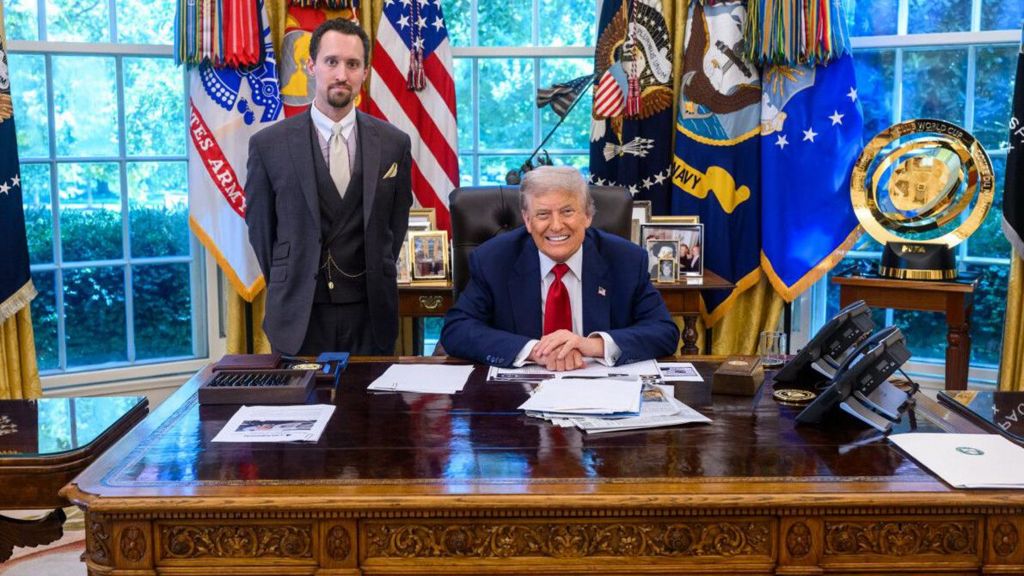
Trump pulls pick to lead US jobs data agency
In a surprising turn of events, former US President Donald Trump has retracted his nomination of conservative economist EJ Antoni to lead the Bureau of Labor Statistics (BLS). This decision follows Trump’s abrupt dismissal of former BLS commissioner Erika McEntarfer in August, which occurred mid-term after a disappointing jobs report sparked concerns about the US economy. While Antoni’s nomination was lauded by conservative circles, it faced criticism from independent economists who questioned his qualifications and warned of potential damage to the BLS’s credibility. The White House has not provided a specific reason for the withdrawal but confirmed that Trump intends to propose a new candidate soon. A White House official described Antoni as a ‘brilliant economist and American patriot’ who will continue contributing to the nation’s economic discourse. Trump has long criticized the BLS, accusing it of manipulating employment data to undermine his administration. The August jobs report, which revealed only 73,000 new jobs—far below the projected 109,000—further fueled his discontent. Antoni, an economist at the Heritage Foundation, has been a vocal critic of the BLS, labeling its data as ‘phoney baloney.’ Heritage Foundation president Kevin Roberts defended Antoni, calling him ‘one of the sharpest economic minds in the country’ and emphasizing the need for BLS reform. The US Senate, currently controlled by Republicans, will be responsible for confirming the next nominee.
-

Emily Blunt among Hollywood stars outraged over ‘AI actor’ Tilly Norwood
The emergence of Tilly Norwood, an AI-generated ‘actor,’ has sparked intense debate in Hollywood, with industry heavyweights like Emily Blunt, Natasha Lyonne, and Whoopi Goldberg voicing strong opposition. Created by Dutch actor and comedian Eline Van der Velden, Norwood has been marketed as a synthetic performer with ‘girl next door vibes,’ complete with an Instagram page showcasing AI-generated comedy sketches and faux film tests. However, Hollywood’s Screen Actors Guild-American Federation of Television and Radio Artists (SAG-AFTRA) has condemned the creation, stating that Norwood lacks the life experience, emotion, and human connection essential to acting. The union warned that using AI actors like Norwood could undermine the contractual protections secured after the 2023 Hollywood strikes, which were partly driven by concerns over AI’s impact on the industry. Van der Velden defended her creation as a ‘piece of art’ rather than a replacement for human actors, urging critics to judge AI performers within their own genre. Despite this, A-list stars remain unconvinced. Emily Blunt described Norwood as ‘terrifying,’ while Natasha Lyonne called for a boycott of any talent agency working with AI actors. Whoopi Goldberg, meanwhile, expressed skepticism that AI could replicate the nuances of human performance. As Hollywood grapples with the ethical and artistic implications of AI, the debate over Tilly Norwood highlights the ongoing tension between technological innovation and the preservation of human artistry.
-
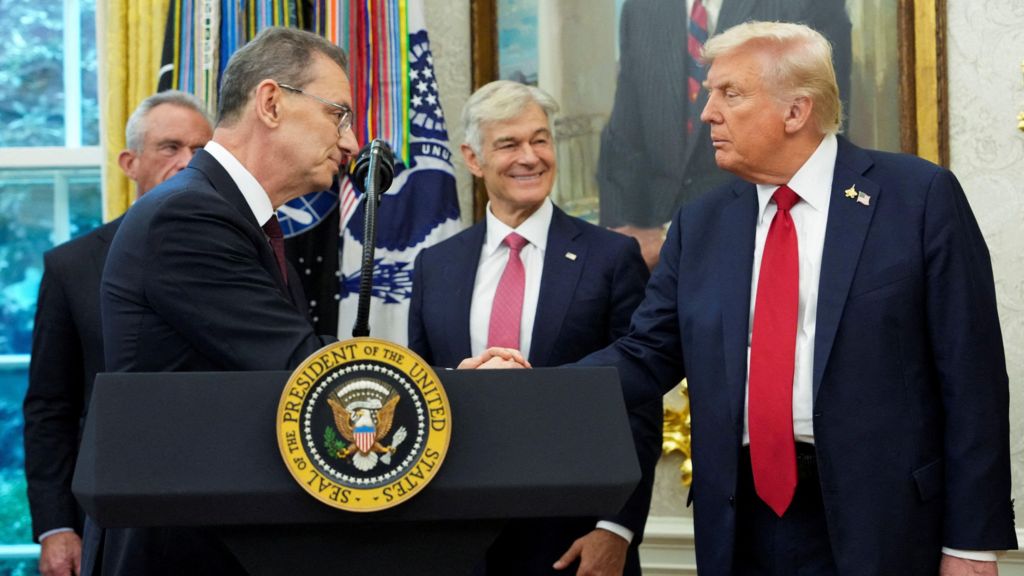
Pfizer to offer cheaper drugs via Trump’s website
In a significant move aimed at reducing healthcare costs, the Trump administration has finalized a groundbreaking agreement with pharmaceutical giant Pfizer. The deal, announced during a White House press conference on Tuesday, will enable patients to purchase prescription drugs at heavily discounted rates through a new federal government-operated website, TrumpRx. Under the terms of the agreement, prices for certain medications will be reduced by up to 85% on the platform. Additionally, Pfizer has committed to lowering drug prices for Medicaid, the government’s health insurance program for low-income Americans, in exchange for exemption from tariffs. This development follows President Trump’s recent announcement of a 100% tariff on imported branded or patented drugs, effective October 1. Pfizer is the first pharmaceutical company to reach such an agreement after Trump issued ultimatums to 17 drug manufacturers earlier this summer, demanding price reductions within 60 days. During the press conference, Trump emphasized his policy of aligning U.S. drug prices with lower international rates, stating that Pfizer’s commitment to offering Medicaid medications at ‘most-favored nations’ prices would significantly reduce program costs. Pfizer confirmed that the majority of its primary care drugs would be available on TrumpRx, though specific medications were not disclosed. The company also pledged an additional $70 billion investment in U.S. manufacturing, research, and development. Pfizer’s CEO, Albert Bourla, highlighted the stability the deal provides regarding tariffs and pricing. Following the announcement, Pfizer’s shares surged nearly 7%. However, Trump acknowledged that his efforts to lower U.S. drug prices might lead to price increases abroad, as seen with Eli Lilly’s decision to raise prices in Europe to offset reductions in the U.S. The effectiveness of TrumpRx, set to launch in early 2026, remains uncertain, as insurance companies and intermediaries continue to influence drug costs.
-
Canada Post is on strike. What this means for your mail
Canada’s postal services have come to a standstill as thousands of postal workers initiated a nationwide strike on September 25, protesting sweeping reforms authorized by the federal government. The reforms, aimed at stabilizing the financially struggling Canada Post, include phasing out door-to-door delivery for approximately four million households, reducing delivery days, and closing rural post offices. These measures, expected to be implemented over nearly a decade, have sparked outrage from the Canadian Union of Postal Workers (CUPW), which labeled the changes as a ‘direct assault’ on public postal services and unionized jobs. The strike has left millions of Canadians without mail and parcel deliveries, with Canada Post suspending service guarantees and halting new item acceptance. However, essential services such as social security cheques and passport applications remain operational. This strike follows a similar walkout in November 2024 over unresolved pay and working conditions, which ended only after federal intervention. Canada Post, facing a financial crisis with a projected loss of C$1.5 billion this year, has warned that the strike will exacerbate its economic woes. The postal service, once a dominant player in parcel delivery, has seen its market share plummet from 62% in 2019 to 24% in 2023, driven by declining letter mail volumes and competition from private couriers. While CUPW advocates for diversifying revenue streams, such as offering banking and insurance services, Canada Post insists on focusing on core operations, including expanding parcel delivery. The ongoing dispute highlights the challenges of modernizing a traditional public service in an increasingly digital and competitive landscape.
-
Bowen: Momentum is the strength of Trump’s Gaza plan, but lack of detail is its weakness
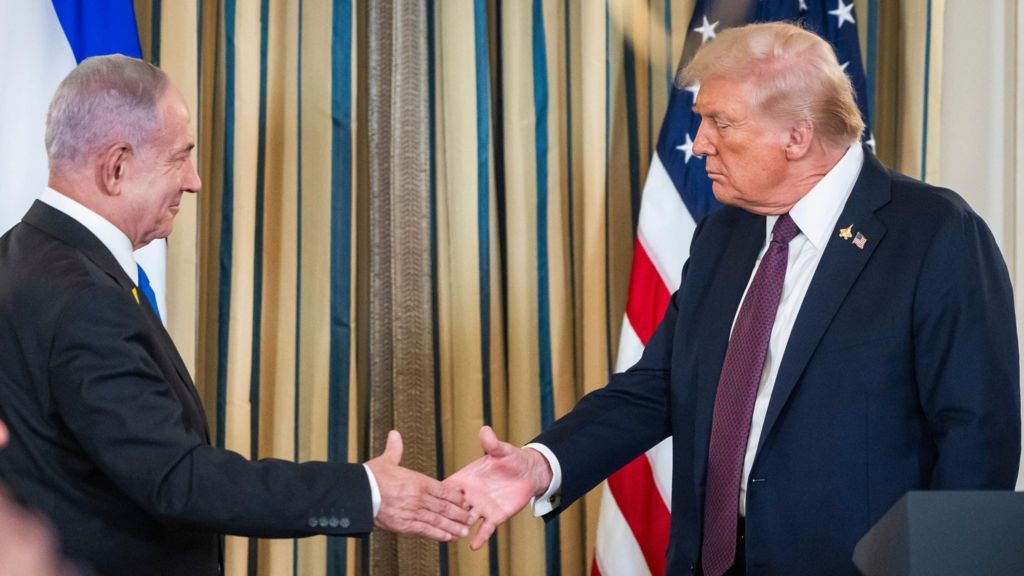
A framework agreement proposed by former U.S. President Donald Trump to end the Gaza war and reconstruct the devastated territory has garnered significant momentum, driven by Trump’s personal influence and support from key Arab and Islamic nations, including Jordan, Egypt, Qatar, Saudi Arabia, the UAE, Pakistan, Indonesia, and Turkey. Israeli Prime Minister Benjamin Netanyahu, standing alongside Trump, has also accepted the plan, despite its implicit nod to a potential pathway to Palestinian statehood—a concept he has vehemently opposed. Trump has set a tight deadline, giving Hamas ‘three to four days’ to decide on the proposal, warning that a rejection would result in the continuation of hostilities. The plan bears resemblance to an earlier initiative by President Joe Biden, which faltered due to Netanyahu’s shifting demands under pressure from his hard-right cabinet. However, Trump’s framework marks a pivotal moment, as it represents the first instance of him exerting pressure on Israel to cease the conflict. The document, endorsed by the UK and other European countries, outlines a rough roadmap for an IDF pullback but lacks detailed specifics, a hallmark of Trumpian diplomacy. While mainstream Israeli opposition parties have backed the plan, it has drawn condemnation from ultra-nationalist factions within Netanyahu’s coalition, who previously supported the controversial ‘Trump Riviera’ proposal advocating for the displacement of Gaza’s Palestinian population. The new plan explicitly states that no Palestinian will be forced to leave, a stance that has angered hardliners like Finance Minister Bezalel Smotrich, who likened it to the 1938 Munich Agreement. The agreement’s ambiguity allows for divergent interpretations, with Netanyahu viewing it as a step toward Israel’s victory over Hamas, while Arab and Islamic nations see it as a pathway to a two-state solution and the rebuilding of Gaza. The plan’s success hinges on intricate negotiations, with numerous opportunities for breakdowns, particularly given the structural flexibility it affords Israel to veto unfavorable moves. Ultimately, the framework’s lack of clarity and detail raises questions about its viability in resolving a century-old conflict.
-

Trump peace plan ‘ignores interests of Palestinian people’, Hamas official tells BBC
A senior Hamas official has indicated to the BBC that the group is poised to reject former U.S. President Donald Trump’s proposed peace plan for Gaza, labeling it as heavily skewed in favor of Israel while neglecting Palestinian interests. The official emphasized that Hamas is unlikely to comply with the plan’s key condition of disarming and surrendering their weapons. Additionally, the group opposes the deployment of an International Stabilisation Force (ISF) in Gaza, viewing it as a potential new form of occupation. Israeli Prime Minister Benjamin Netanyahu has already endorsed Trump’s plan following White House discussions on Monday, but Hamas has yet to issue an official response. Qatar’s foreign ministry has noted that Hamas is currently reviewing the proposal ‘responsibly.’
Hamas’s military commander in Gaza, Ez al-Din al-Haddad, is reportedly determined to continue fighting rather than accept the plan. Meanwhile, Hamas leaders outside Gaza have found themselves increasingly marginalized in negotiations due to their lack of direct control over hostages. The ongoing discussions, expected to last several days, also involve other Palestinian factions, including the Palestinian Islamic Jihad (PIJ), which has already rejected the plan. A major sticking point for Hamas is the requirement to release all hostages at once, effectively eliminating their primary bargaining chip.
Despite Trump’s backing, there is widespread skepticism that Israel will halt military operations post-hostage release, especially following a recent assassination attempt on Hamas leadership in Doha. Further complicating matters, a map shared by the Trump administration suggests a planned buffer zone along Gaza’s southern border with Egypt, raising concerns about Israeli involvement. Netanyahu’s recent statements, including a video on X, have also contradicted the plan’s terms by insisting on continued Israeli military presence in Gaza and opposing Palestinian statehood.
Within Gaza, many Palestinians support the plan solely for its potential to end the war, despite its perceived flaws. Resident Khadar Abu Kweik expressed this sentiment, stating, ‘The American plan has bad clauses, but I support it because it will stop the war and get rid of Hamas.’ Palestinian journalist Fathi Sabah warned that a Hamas rejection could embolden Netanyahu to continue the conflict with Western backing, further devastating Gaza. The Israeli military’s campaign in Gaza, launched in response to the October 7, 2023, Hamas-led attack, has resulted in significant casualties and widespread destruction, with recent UN reports confirming famine and allegations of genocide.