标签: North America

北美洲

  • Florida airport to be renamed after US President Donald Trump

    Florida airport to be renamed after US President Donald Trump

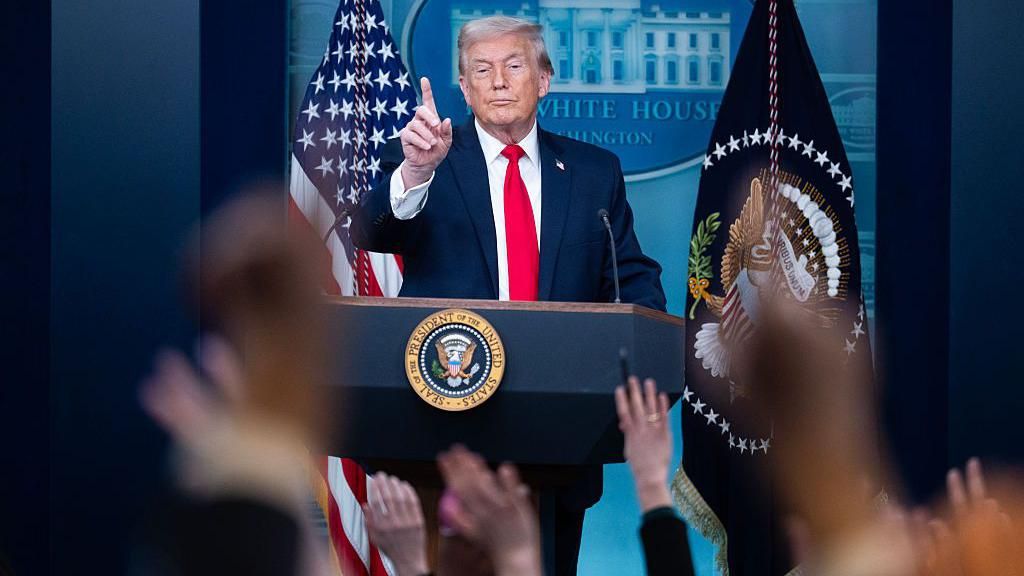
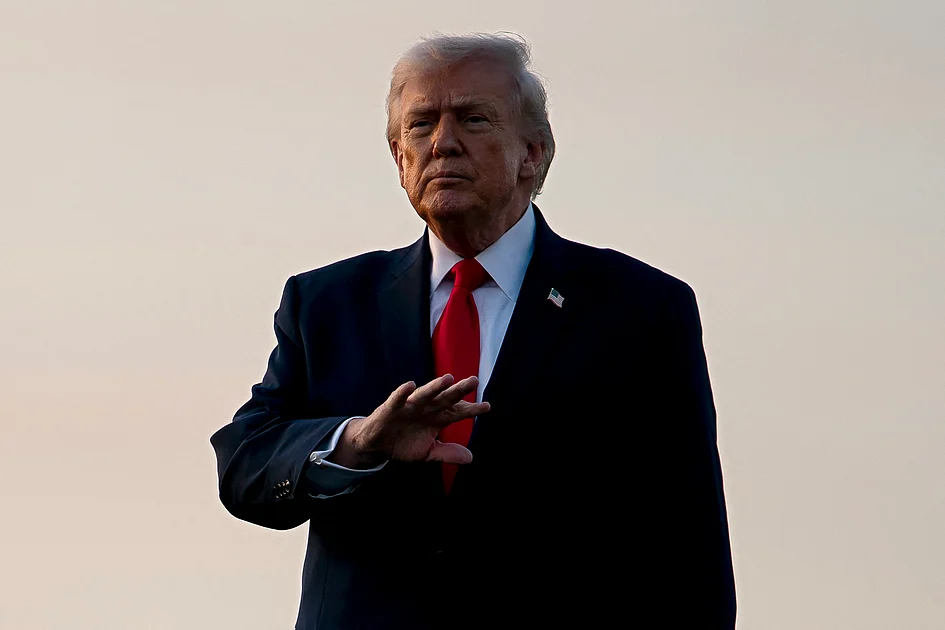
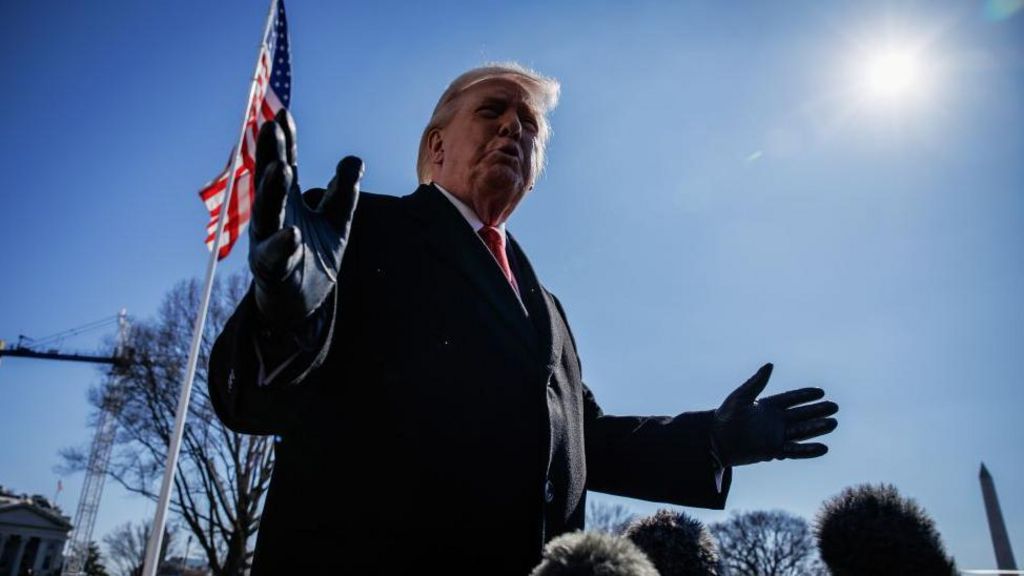
    Florida’s Republican-controlled legislature has passed legislation to rebrand Palm Beach International Airport as ‘President Donald J. Trump International Airport,’ marking a significant political tribute to the former president. The approved bill, which now awaits Governor Ron DeSantis’ expected signature, would immortalize Trump’s name on a major transportation hub located merely minutes from his Mar-a-Lago estate.

    The proposed renaming requires subsequent approval from the Federal Aviation Administration to become official. This initiative represents the latest in a series of institutional rebrandings honoring the former president, following recent decisions by the Kennedy Center and the U.S. Institute of Peace to incorporate Trump’s name into their official titles.

    According to legislative records, the move reflects Trump’s continued influence within Florida’s political landscape despite previous tensions with Governor DeSantis. The airport serves the affluent Palm Beach community, known for its luxurious properties and coastal amenities, creating a symbolic connection between Trump’s political legacy and an area central to his post-presidential life.

    Media reports indicate the administration has pursued additional renaming initiatives for other prominent facilities including New York’s Penn Station and Washington’s Dulles International Airport, though those efforts were unsuccessful. Concurrently, the Treasury Department has reportedly drafted designs for a commemorative Trump coin, potentially testing legal boundaries regarding living presidents’ images on currency.

    The political symbolism extended further this week with the appearance of a large banner featuring Trump’s image at the Justice Department headquarters, traditionally considered insulated from overt political displays.
  • Nasa targets early March to send humans back around the Moon

    Nasa targets early March to send humans back around the Moon

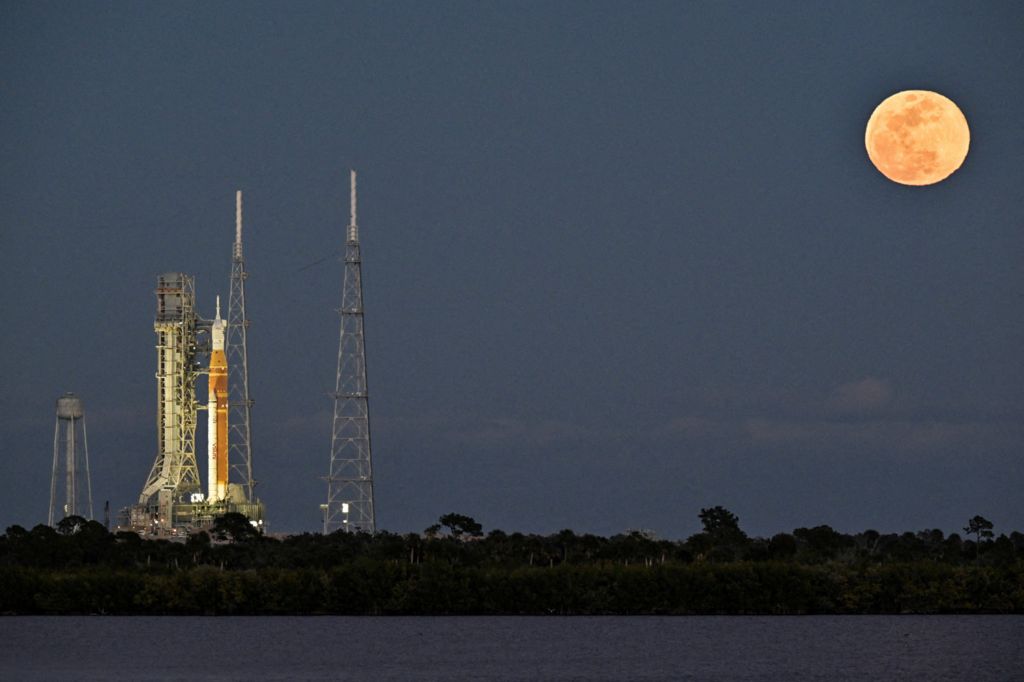
    NASA has officially scheduled early March for humanity’s most distant space voyage in over half a century, marking a pivotal moment in space exploration history. The Artemis II mission will launch four astronauts on a groundbreaking 10-day journey around the far side of the Moon and back to Earth, setting the stage for subsequent lunar landings.

    The space agency confirmed March 6 (March 7 UK time) as the earliest launch window following a successful ‘wet dress rehearsal’ at Florida’s Kennedy Space Center. This critical pre-launch test involved fully fueling the Space Launch System (SLS) rocket and executing complete countdown procedures. The achievement comes after an earlier February rehearsal was abbreviated due to a hydrogen fuel leak, with NASA officials confirming all technical issues involving seals and filters have been comprehensively resolved.

    ‘Every night I look up at the Moon and feel her calling us—and we’re ready,’ declared NASA’s Lori Glaze during a recent press briefing. ‘The excitement for Artemis II is genuinely building momentum as we approach launch readiness.’

    The international crew comprises NASA astronauts Reid Wiseman, Victor Glover, and Christina Koch alongside Canadian Space Agency astronaut Jeremy Hansen. These spacefarers will embark aboard the 98-meter-tall SLS rocket—NASA’s most powerful launch vehicle—which previously completed an uncrewed test flight in November 2022 during the Artemis I mission.

    During their expedition, the crew will reside within the Orion capsule’s minibus-sized interior, conducting scientific observations and capturing unprecedented imagery while orbiting 6,500-9,500 kilometers above the lunar far side. Following their lunar flyby, the astronauts will commence a four-day return journey culminating in a Pacific Ocean splashdown.

    This milestone mission directly enables Artemis III, which aims to land astronauts on the lunar surface by 2028. However, NASA faces significant challenges as SpaceX’s Starship lunar lander development experiences delays, prompting the agency to solicit alternative acceleration proposals from both SpaceX and Blue Origin. This urgency is compounded by growing international competition, particularly from China’s planned 2030 lunar landing mission, with both nations targeting the Moon’s strategically valuable south pole for future base establishments.

  • Tariffs ruling is major blow to Trump’s second-term agenda

    Tariffs ruling is major blow to Trump’s second-term agenda

    In a landmark ruling with profound implications for presidential power, the U.S. Supreme Court has delivered a significant setback to the Trump administration’s trade agenda. By a decisive six-justice majority, the court ruled on Friday that the president lacks constitutional authority to unilaterally impose tariffs without explicit congressional authorization.

    The court determined that the 1977 Emergency Economic Powers Act—the legal foundation for Trump’s controversial tariffs—contains no provision granting the president such sweeping powers. This decision represents a rare judicial check on this administration’s expansive interpretation of executive authority, particularly notable given the court’s general tendency to permit Trump’s policy initiatives to proceed during legal challenges.

    Legal analysts suggest the ruling may have immediate practical consequences, potentially forcing the administration to refund billions in tariff revenues collected over the past year. Justice Brett Kavanaugh, in his dissenting opinion, characterized the prospective repayment process as likely to become a ‘mess’ of litigation.

    The decision fundamentally alters America’s trade negotiation dynamics, stripping the president of his ability to threaten or implement massive tariffs through mere executive action. Future tariff measures will now require detailed agency reports, face limitations on scope and duration, and undergo extended implementation timelines—a stark contrast to the sudden ‘Liberation Day’ tariffs that caused significant economic disruption last year.

    While the Trump administration had anticipated this possible outcome, with Trade Adviser Jamieson Greer previously stating the White House had ‘multiple options’ regardless of the ruling, the alternatives remain constrained. The administration could seek explicit congressional authorization, though such efforts appear unlikely to succeed given narrow Republican majorities and approaching midterm elections.

    Paradoxically, the decision may relieve political pressure on many congressional Republicans who have faced criticism from constituents over tariff-related consumer price increases. The ruling sets the stage for an unusually tense atmosphere during the upcoming State of the Union address, where the president may literally face the justices who undermined a cornerstone of his second-term agenda.

  • A rare ‘no’ for Trump, but not necessarily an end to tariffs

    A rare ‘no’ for Trump, but not necessarily an end to tariffs

    In an unprecedented legal setback for the executive branch, the U.S. Supreme Court has ruled that President Donald Trump overstepped his authority by invoking emergency powers to implement reciprocal, country-specific tariffs. This decision effectively dismantles a cornerstone of Trump’s aggressive trade strategy, which had previously upended global economic norms through unilateral actions.

    The controversial tariffs, first announced during last April’s ‘Liberation Day’ ceremony in the Rose Garden and later expanded through threats against European nations regarding Greenland, had established an average tariff rate of approximately 15% on imports. While the Court’s ruling theoretically reduces this rate by more than half, the practical impact remains complex. A baseline tariff of about 6% persists—triple the pre-2025 levels—implemented through various other legal mechanisms.

    Despite the judicial check, importers may experience minimal immediate relief. The administration’s use of the 1977 International Emergency Economic Powers Act (IEEPA) had already prompted significant supply chain adaptations, with many businesses shifting sourcing away from heavily tariffed nations like China. This agility, combined with importers absorbing additional costs, has paradoxically muted the inflationary impact on U.S. consumers while generating substantial government revenue—tariff collections reached $240 billion last year.

    The White House has signaled its intention to pursue alternative legal avenues to maintain its trade policy objectives, though these pathways are notably more complex and time-consuming. This creates a dual landscape of opportunity and risk: importers may rush goods through during the interim period, while smaller businesses with less flexible supply chains face renewed uncertainty.

    Globally, the decision has catalyzed a reassessment of trade relationships. While China has sustained export strength through IT hardware demand fueled by the AI boom, other Asian manufacturers like Thailand and Vietnam have gained market share. Simultaneously, Beijing has intensified outreach to African emerging markets and traditional U.S. allies like Canada.

    The enduring legacy of Trump’s trade approach may be the accelerated diversification of global supply chains and trading partnerships. Despite the turbulence, international trade volumes likely exceeded global economic growth in 2025, demonstrating how nations have adapted to volatility. However, this fresh uncertainty may further strain relationships with traditional partners like the EU and UK, potentially driving them closer together in response to perceived U.S. unpredictability.

    Financial markets now face additional layers of complexity regarding existing agreements—such as those with Japan involving investment guarantees in exchange for tariff relief—and the broader implications of a presidency that has weaponized economic uncertainty as a diplomatic tool. While the Supreme Court has removed one potent policy lever, the world continues navigating the transformed trade landscape that Trump’s actions created.

  • UAE ‘ready to support’ Board of Peace for regional stability: Foreign minister

    UAE ‘ready to support’ Board of Peace for regional stability: Foreign minister

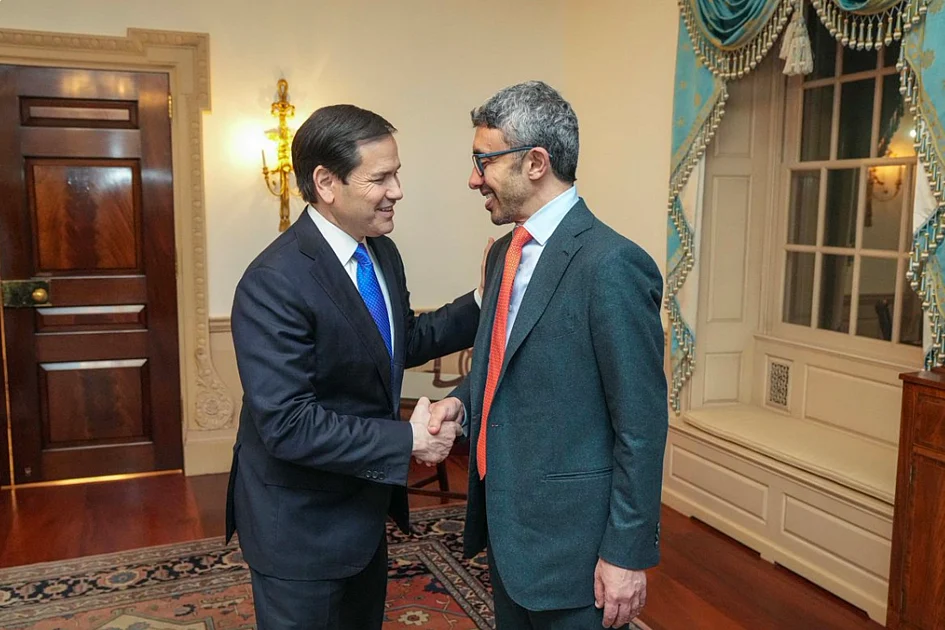
    In a significant diplomatic engagement, UAE Foreign Minister Sheikh Abdullah bin Zayed Al Nahyan and US Secretary of State Marco Rubio convened in Washington to strengthen bilateral relations and advance regional peace initiatives. The high-level discussions, held on February 20, 2026, focused on expanding cooperation across economic, trade, and technological sectors, with particular emphasis on artificial intelligence and advanced technology.

    The central agenda item involved the Board of Peace framework, with Sheikh Abdullah confirming the UAE’s commitment to support this international platform for achieving regional security and stability. Both diplomats emphasized the Board’s critical role in facilitating multilateral coordination and advancing peaceful solutions aligned with the aspirations of Middle Eastern populations for development and prosperity.

    Secretary Rubio subsequently highlighted on social media the substantive progress made regarding Phase Two implementation of former President Trump’s Gaza peace plan. The dialogue also addressed pressing humanitarian concerns in Gaza, with both parties stressing the urgent need for sustained civilian aid delivery and intensified international efforts to mitigate the ongoing crisis.

    Additionally, the officials examined the devastating civil conflict in Sudan, exploring mechanisms to reinforce regional and international initiatives for an immediate ceasefire and enhanced humanitarian relief operations. The UAE’s participation in these peace efforts demonstrates its strategic positioning as a key mediator in regional stability operations, working alongside international partners to foster security and prosperous futures for affected populations.

  • Woman charged over abandoning dog at Las Vegas airport

    Woman charged over abandoning dog at Las Vegas airport

    A Las Vegas woman is confronting multiple criminal charges following an incident of alleged animal abandonment at Harry Reid International Airport on February 2nd. According to the Las Vegas Metropolitan Police Department, the unidentified woman attempted to board a flight with her two-year-old golden doodle/mini poodle mix but was denied boarding by airline staff. Officials confirmed she lacked proper documentation to travel with the animal as a service dog.

    Surveillance footage captured the moment the woman approached the Jet Blue ticket counter with her leashed dog, engaged in conversation with airline personnel, and subsequently departed the area without the animal. After leaving the dog tethered to a baggage sizer, she proceeded to a departure gate where police later located her.

    When questioned by officers, the woman reportedly claimed that the airline’s refusal to accommodate her dog justified her actions, suggesting the animal’s tracking device would enable its return. Police statements indicate she became hostile during the encounter and resisted arrest attempts.

    The abandoned dog, now nicknamed ‘Jet Blue’ by authorities, was immediately taken into custody by Animal Protective Services. Following a mandatory 10-day holding period during which the owner failed to reclaim the animal, the dog was transferred to Retriever Rescue of Las Vegas. The charity organization reports being inundated with adoption applications for the abandoned poodle mix.

    In an official Facebook statement, Las Vegas police emphasized: ‘We can’t believe we have to say this… but please don’t abandon your dog at the airport – or anywhere else.’ The woman now faces formal charges of animal abandonment and resisting arrest.

  • How Eric Dane gave his final months to ‘moving the needle’ on ALS

    How Eric Dane gave his final months to ‘moving the needle’ on ALS

    Eric Dane, the acclaimed actor renowned for his portrayal of Dr. Mark ‘McSteamy’ Sloan on the hit medical drama Grey’s Anatomy, has passed away at age 53 following a courageous battle with amyotrophic lateral sclerosis (ALS). His death comes just ten months after publicly disclosing his diagnosis with the progressive neurodegenerative condition.

    Dane transformed his personal health struggle into a powerful advocacy mission, dedicating his final months to raising both funds and public consciousness about ALS, the most prevalent form of motor neurone disease. In a poignant interview with Time magazine published shortly before his passing, the actor revealed his dual motivation: ‘I’m trying to save my life,’ while simultaneously striving to advance research for countless others affected by the incurable illness.

    The California-born performer launched an ambitious three-year campaign last September targeting over $1 billion in federal research funding. His advocacy efforts included joining the board of Target ALS, where his involvement helped surpass a $500,000 fundraising goal. Dane further leveraged his acting profession to illuminate the ALS experience, delivering a critically acclaimed performance on medical drama Brilliant Minds as a firefighter confronting the emotional and physical realities of diagnosis.

    Medical experts emphasize the particular challenges in treating ALS, which Professor Kevin Talbot of Oxford University describes as lacking ‘a single unifying cause.’ The disease’s rapid progression and relatively small patient population create significant obstacles for clinical trials, as noted by Neil Thackur of the ALS Association.

    Dane’s condition deteriorated rapidly following his April 2025 diagnosis. Colleagues including Grey’s Anatomy co-star Patrick Dempsey reported the actor had become bedridden with severely compromised swallowing and speech functions. Despite these challenges, Dane maintained his public advocacy until the end, telling People magazine that sharing his journey had become ‘imperative’ because he no longer felt his life was ‘about me anymore.’

    While medical interventions can improve quality of life for ALS patients, Professor Talbot emphasizes that finding a cure will require ‘major funding, sustained for years’ to overcome the complex biological mechanisms underlying not just ALS but other neurodegenerative disorders including Alzheimer’s and Parkinson’s diseases.

  • UAE firms to deploy 8 exaflops supercomputers in India

    UAE firms to deploy 8 exaflops supercomputers in India

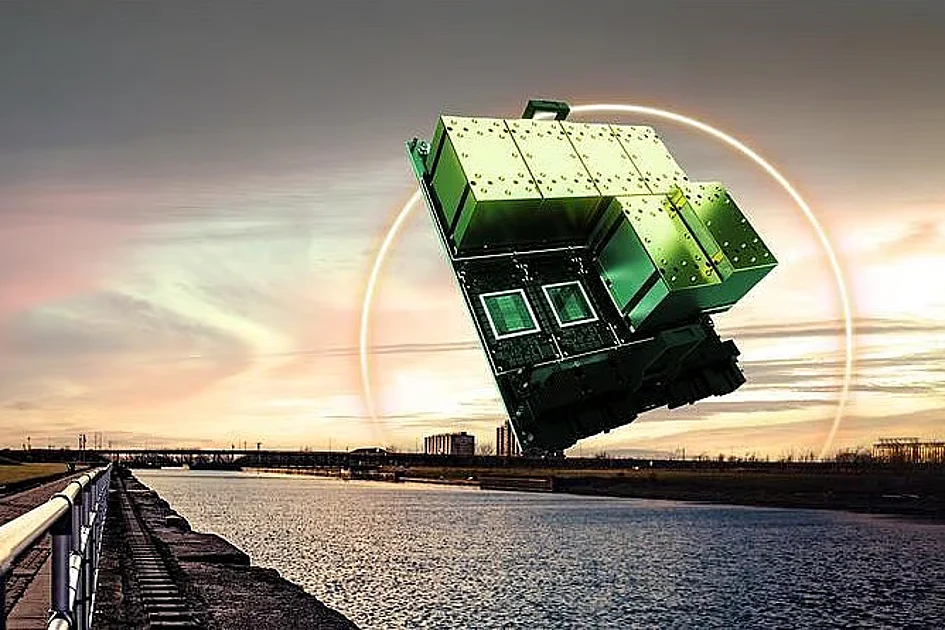
    In a landmark development for artificial intelligence infrastructure, Abu Dhabi’s technology conglomerate G42 has announced plans to deploy an 8 exaflop supercomputer in India through a strategic international partnership. The project, unveiled during the AI Impact Summit 2026 in New Delhi, represents a quantum leap in India’s computational capabilities and marks the country’s transition to exaflop-scale AI infrastructure.

    The advanced computing system will be developed through collaboration between G42, AI hardware specialist Cerebras, Mohamed Bin Zayed University of Artificial Intelligence (MBZUAI), and India’s Centre for Development of Advanced Computing (C-DAC). This sovereign AI infrastructure will operate entirely within India’s borders under national governance frameworks, ensuring complete data sovereignty and security compliance.

    Manu Jain, CEO of G42 India, emphasized the strategic importance of sovereign AI infrastructure for national competitiveness, noting that this initiative will enable Indian researchers, innovators, and enterprises to become AI-native while maintaining full control over their data. The supercomputer is designed as a foundational asset under the India AI Mission, positioning the country among global leaders in AI development.

    Richard Morton, Executive Director of the Institute of Foundation Models at MBZUAI, highlighted the partnership’s commitment to addressing real-world challenges through advanced AI research. The collaboration aims to facilitate breakthroughs in critical sectors including healthcare, agriculture, and education by expanding access to cutting-edge computational resources.

    Cerebras Chief Strategy Officer Andy Hock pointed to the project’s significance in accelerating training and inference for large-scale models, enabling developers to create AI solutions specifically tailored to India’s unique requirements. The deployment builds on Cerebras and G42’s previous success with Condor Galaxy supercomputers in the United States.

    The infrastructure will employ a democratized access model, making unprecedented computing power available to India’s diverse innovation ecosystem—from premier academic institutions and government ministries to startups and small-to-medium enterprises. This approach is specifically designed to lower barriers to AI innovation and support applications serving India’s population of 1.4 billion citizens.

    The project represents the latest chapter in G42’s ongoing commitment to supporting global AI capability development, following the December 2025 release of the open-source Hindi-English large language model Nanda 87B featuring 87 billion parameters. As one of the world’s fastest-growing digital economies, India continues to play a central role in advancing regional AI innovation through such strategic partnerships.

  • Watch: Trump claims threat of 200% tariffs pressured India and Pakistan into ceasefire

    Watch: Trump claims threat of 200% tariffs pressured India and Pakistan into ceasefire

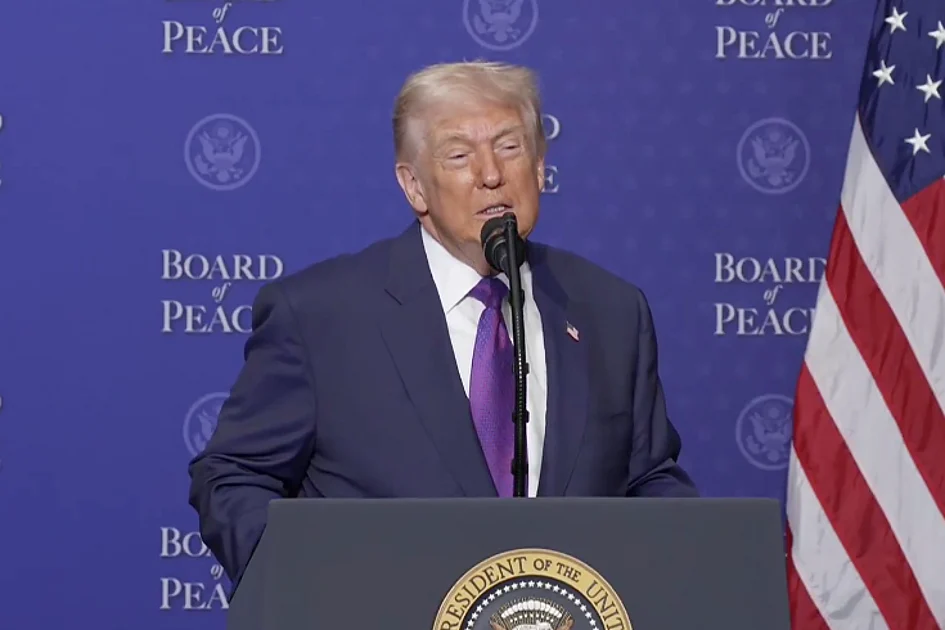
    Former President Donald Trump has asserted that the threat of imposing crippling 200% tariffs compelled India and Pakistan to accept a ceasefire during their intense military confrontation in May 2025. Speaking at the inaugural meeting of his newly established Board of Peace on February 19, Trump recounted his personal intervention in the conflict that had escalated dangerously between the nuclear-armed neighbors.

    According to Trump’s account, the situation deteriorated rapidly with both nations engaging in intense aerial combat and artillery exchanges. ‘They were really going at it,’ Trump stated. ‘Then it got worse and worse; many planes were shot down. It was all out.’

    The former president described how he leveraged economic pressure to force de-escalation: ‘I called them, ‘Listen, I’m not doing trade deals with you two guys if you don’t settle this up.” Trump claimed both countries initially resisted but eventually softened their stance when confronted with the prospect of devastating economic consequences. ‘I told them I’m going to put 200% tariffs on each of their countries. It essentially doesn’t allow them to do any business,’ he revealed.

    The confrontation Trump referenced began in May 2025 when India launched ‘Operation Sindoor,’ striking nine locations in Pakistan that New Delhi claimed housed terrorist infrastructure. This operation came in response to a militant attack in Pahalgam, Jammu & Kashmir, that killed 26 people. Pakistan retaliated by targeting multiple Indian military installations, including a missile storage facility.

    After four days of intense conflict that represented the worst military engagement between the two nations since 1999, Trump brokered what became known as the ‘full and immediate ceasefire.’ Both countries subsequently claimed to have achieved their military objectives without acknowledging significant losses.

    The Board of Peace, Trump’s new diplomatic initiative, primarily focuses on progress in Gaza but aims to address conflicts worldwide. During the same meeting, Trump announced that countries had pledged $7 billion to a Gaza reconstruction fund, contingent on Hamas disarming—a condition that remains unmet. The board faces significant challenges including Hamas disarmament, Israeli troop withdrawal, and humanitarian aid delivery to Gaza’s affected population.

    The Washington gathering also occurred amid heightened tensions between the United States and Iran, with Washington threatening military action if Tehran refuses to abandon its nuclear program.

  • Audi S6 e-tron Review: Where quiet luxury meets instant torque

    Audi S6 e-tron Review: Where quiet luxury meets instant torque

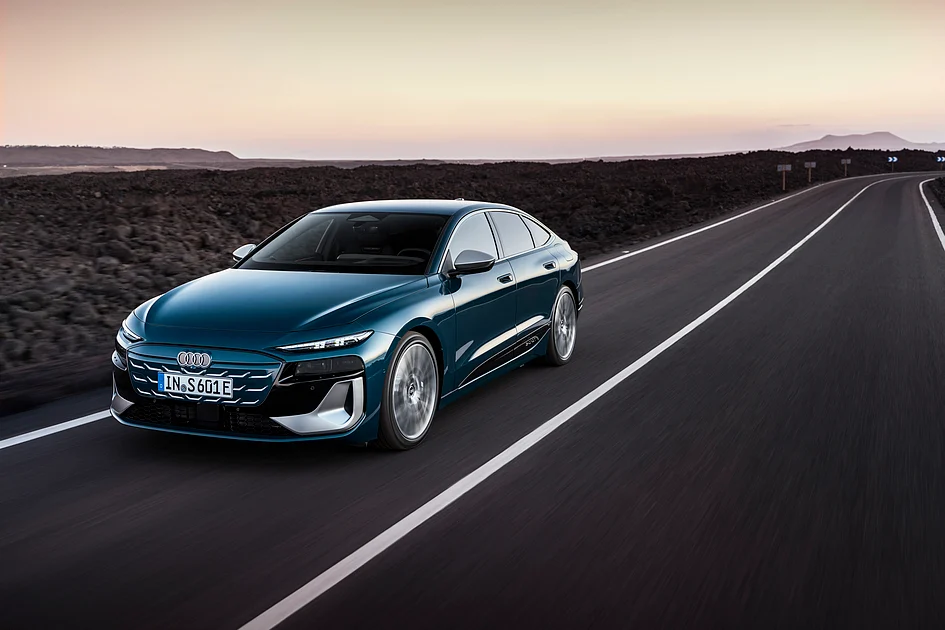
    Audi has transitioned from tentative electrification experiments to full-scale commitment with its 2026 S6 Sportback e-tron, positioning this performance-oriented four-door coupé as the vanguard of its mature electric lineup. Drawing inspiration from the iconic A5 design philosophy rather than traditional S6 models, the vehicle combines aerodynamic Sportback styling with next-generation digital luxury while delivering exceptional acceleration capabilities.

    The exterior showcases a highly aerodynamic coupé-like silhouette featuring integrated door handles and a hatchback rear end. The front fascia replaces conventional grilles with a closed panel adorned with hockey-stick accents, flanked by silver-accented air intakes. Chinese design influences manifest through a continuous rear light bar with customizable graphics and subtle diffuser elements. The vehicle rides on distinctive 10-spoke Y-design alloy wheels with staggered tire sizing (275/35 R21 rear, 245/40 R21 front).

    Inside, the cabin presents a mixed experience. While retaining Audi’s characteristic dark dashboard aesthetic, the new jagged-edge styling departs from the brand’s traditional geometric simplicity. Premium piano black and metal trims contrast with unexpectedly cheap plastic components. The technological heart comprises an impressive curved glass housing for the Audi Virtual Cockpit Plus (11.9-inch) and MMI display (14.5-inch), though the graphics appear surprisingly simplistic. User interface frustrations emerge through a slightly oversized steering wheel with confusing touch controls and unresponsive touch-based door controls. The digital camera-based side mirrors prioritize form over function, while exceptionally comfortable perforated and quilted seats with extendable thigh support provide compensation. Rear legroom remains adequate despite elevated flooring from underfloor battery placement.

    Performance specifications impress with 370 kW of power surging to 405 kW using Launch Control, enabling breathtaking 0–100 km/h acceleration in 3.9 seconds. The rear-biased all-wheel-drive system with variable torque distribution ensures exceptional traction, though steering feedback proves disappointingly vague for an S-badged model. Braking components feature sporty red calipers but omit expected drilled discs. The standard air suspension delivers superlative ride comfort, creating an exceptionally quiet and smooth driving experience. Range claims of 675 km translate to approximately 450 km in real-world conditions, mitigated by rapid 10-80% charging capability in just 21 minutes. Practical charging cable storage beneath the trunk floor contrasts with frustratingly slow-charging port operation.

    Functionality presents both strengths and weaknesses. Climate control operates through touchscreen interfaces rather than physical controls, while rear passengers benefit from dual-zone ventilation through B-pillar and console vents. The minimalist infotainment system offers user-friendly menus with acceptable customization despite ineffective voice control. Bluetooth connectivity performs seamlessly, while a poorly accessible wireless charging pad and two USB-C ports occupy the center console. Audio delivery through a 16-speaker Bang & Olufsen system achieves good quality without reaching excellence. Practical advantages include a generous 502-liter trunk (expandable to 1,330 liters), supplemented by a 27-liter frunk suitable for small items. Additional conveniences encompass deep storage cubbies, ISOFIX child-seat mounts, effective 360-degree camera systems, and adaptive cruise control.

    For Dubai consumers seeking electric grand touring capabilities, the S6 e-tron delivers quiet luxury with instantaneous torque delivery, though traditional Audi enthusiasts may find steering feedback and interior material quality falling short of expectations for the prestigious S designation.