标签: North America

北美洲

  • Audi S6 e-tron Review: Where quiet luxury meets instant torque

    Audi S6 e-tron Review: Where quiet luxury meets instant torque

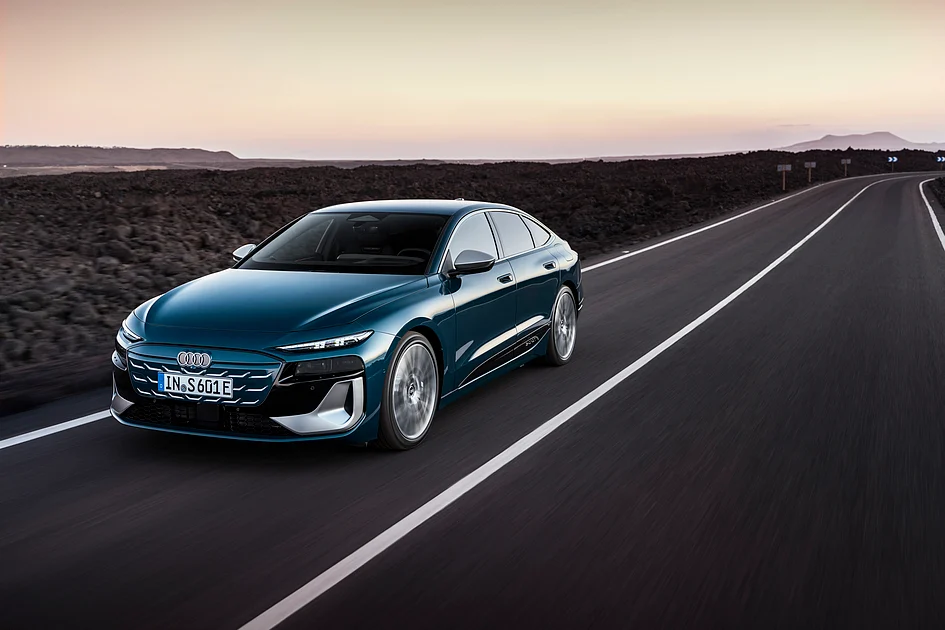
    Audi has transitioned from tentative electrification experiments to full-scale commitment with its 2026 S6 Sportback e-tron, positioning this performance-oriented four-door coupé as the vanguard of its mature electric lineup. Drawing inspiration from the iconic A5 design philosophy rather than traditional S6 models, the vehicle combines aerodynamic Sportback styling with next-generation digital luxury while delivering exceptional acceleration capabilities.

    The exterior showcases a highly aerodynamic coupé-like silhouette featuring integrated door handles and a hatchback rear end. The front fascia replaces conventional grilles with a closed panel adorned with hockey-stick accents, flanked by silver-accented air intakes. Chinese design influences manifest through a continuous rear light bar with customizable graphics and subtle diffuser elements. The vehicle rides on distinctive 10-spoke Y-design alloy wheels with staggered tire sizing (275/35 R21 rear, 245/40 R21 front).

    Inside, the cabin presents a mixed experience. While retaining Audi’s characteristic dark dashboard aesthetic, the new jagged-edge styling departs from the brand’s traditional geometric simplicity. Premium piano black and metal trims contrast with unexpectedly cheap plastic components. The technological heart comprises an impressive curved glass housing for the Audi Virtual Cockpit Plus (11.9-inch) and MMI display (14.5-inch), though the graphics appear surprisingly simplistic. User interface frustrations emerge through a slightly oversized steering wheel with confusing touch controls and unresponsive touch-based door controls. The digital camera-based side mirrors prioritize form over function, while exceptionally comfortable perforated and quilted seats with extendable thigh support provide compensation. Rear legroom remains adequate despite elevated flooring from underfloor battery placement.

    Performance specifications impress with 370 kW of power surging to 405 kW using Launch Control, enabling breathtaking 0–100 km/h acceleration in 3.9 seconds. The rear-biased all-wheel-drive system with variable torque distribution ensures exceptional traction, though steering feedback proves disappointingly vague for an S-badged model. Braking components feature sporty red calipers but omit expected drilled discs. The standard air suspension delivers superlative ride comfort, creating an exceptionally quiet and smooth driving experience. Range claims of 675 km translate to approximately 450 km in real-world conditions, mitigated by rapid 10-80% charging capability in just 21 minutes. Practical charging cable storage beneath the trunk floor contrasts with frustratingly slow-charging port operation.

    Functionality presents both strengths and weaknesses. Climate control operates through touchscreen interfaces rather than physical controls, while rear passengers benefit from dual-zone ventilation through B-pillar and console vents. The minimalist infotainment system offers user-friendly menus with acceptable customization despite ineffective voice control. Bluetooth connectivity performs seamlessly, while a poorly accessible wireless charging pad and two USB-C ports occupy the center console. Audio delivery through a 16-speaker Bang & Olufsen system achieves good quality without reaching excellence. Practical advantages include a generous 502-liter trunk (expandable to 1,330 liters), supplemented by a 27-liter frunk suitable for small items. Additional conveniences encompass deep storage cubbies, ISOFIX child-seat mounts, effective 360-degree camera systems, and adaptive cruise control.

    For Dubai consumers seeking electric grand touring capabilities, the S6 e-tron delivers quiet luxury with instantaneous torque delivery, though traditional Audi enthusiasts may find steering feedback and interior material quality falling short of expectations for the prestigious S designation.


  • How extreme cold is affecting Americans’ lives, according to a new AP-NORC poll

    How extreme cold is affecting Americans’ lives, according to a new AP-NORC poll

    A profound cold snap has seized North America, with millions experiencing what many describe as the most severe winter conditions in decades. The Arctic blast, striking early in 2026, has triggered widespread disruptions across daily life and infrastructure.

    Chris Ferro, a Brooklyn-based property owner, reported unprecedented freezing in his Albany residences. “Pipes that never froze on me for 15 years froze,” Ferro noted, describing how subzero temperatures halted renovation projects. While grateful for avoiding burst pipes, he contrasted this deep freeze with the milder winters of recent years.

    New data from The Associated Press-NORC Center for Public Affairs Research reveals 60% of U.S. adults have encountered severe cold or winter storms within the past five years—a significant increase from the 50% recorded in February 2025. This surge follows a massive winter storm that crippled the East Coast and caused southern power outages.

    The perception of intensifying cold occurs against a backdrop of global warming. Scientific consensus maintains that human-induced climate change has made the first quarter of the 21st century historically warm, with abnormally cold winters becoming increasingly rare in North America. This rarity makes prolonged cold spells feel more intense and unfamiliar, particularly to younger generations.

    The practical impacts are substantial: 70% of Americans faced elevated utility bills due to winter conditions, while 40% experienced work or school cancellations. Approximately one-third endured power outages, and 30% suffered travel disruptions.

    Annie Braswell of Greenville, North Carolina, saw her utility bills double during what she described as the coldest period in forty years. This starkly contrasted with the extreme heat she endured just months earlier, with temperatures reaching 100°F (38°C).

    The political dimension emerges through rising electricity prices, which nearly 40% of Americans cite as a major stressor. Climate activist Bill McKibben predicts significant political repercussions from increasing energy costs.

    Regional variations show Midwesterners (60%) most affected by cancellations, followed by Southerners (50%) and Northeasterners (40%), compared to just 15% of Westerners.

    The climate change connection remains contentious among Americans. While two-thirds of those experiencing severe weather attribute it to climate change, a stark partisan divide exists: 80% of affected Democrats blame climate change versus only 40% of Republicans.

    Scientists explain this apparent paradox: extreme cold outbreaks increasingly result from polar vortex disruptions caused by rapid Arctic warming and diminishing sea ice. As the Arctic warms, the swirling low-pressure system that typically contains cold air stretches southward more frequently.

    Overall, 80% of U.S. adults have experienced some form of severe weather in the past five years, with extreme heat and cold being the most commonly reported events.

  • Washington DC mayor declares Potomac sewage spill emergency, requests federal support

    Washington DC mayor declares Potomac sewage spill emergency, requests federal support

    The District of Columbia has escalated its response to a major environmental crisis, with Mayor Muriel Bowser formally declaring a local public emergency on Wednesday concerning a catastrophic sewage pipeline failure. The emergency declaration aims to mobilize federal resources to address a massive wastewater discharge into the Potomac River that has persisted for approximately one month.

    The crisis originated on January 19th when a critical segment of the Potomac Interceptor, a major sewage conduit operated by DC Water, suffered a structural collapse. This infrastructure failure has resulted in the release of more than 200 million gallons of untreated wastewater into the vital waterway, creating ongoing environmental and public health concerns for the nation’s capital and surrounding regions.

    Mayor Bowser’s emergency declaration specifically requests that the federal government direct FEMA to establish coordinated response efforts between federal agencies, affected states, and the District. The administration seeks enhanced technical support for expanded water quality monitoring, environmental modeling, and engineering expertise to mitigate the spill’s impact.

    In a significant financial consideration, the District has requested full reimbursement for all costs incurred by both municipal authorities and DC Water in addressing this environmental emergency. The mayor communicated this aspect of the request via social media platform X, emphasizing the substantial financial burden of the ongoing cleanup and repair operations.

    The Potomac River, which flows through the nation’s capital into the Chesapeake Bay and ultimately the Atlantic Ocean, represents a critical ecological and recreational resource. Despite the severity of the spill, DC Water officials have maintained that regional drinking water supplies remain uncontaminated and safe for consumption.

    The emergency declaration emerges amid growing political tensions, with former President Donald Trump recently criticizing local leadership’s handling of the crisis. Through his Truth Social platform, Trump urged officials from DC, Maryland, and Virginia to intensify their response efforts, offering federal intervention if local capabilities prove insufficient.

    DC Water continues repair operations, reporting that a temporary bypass system established shortly after the initial collapse has successfully diverted wastewater around the damaged section, though permanent repairs remain ongoing.

  • How UAE built first homegrown rocket after 2 years of trial and error

    How UAE built first homegrown rocket after 2 years of trial and error

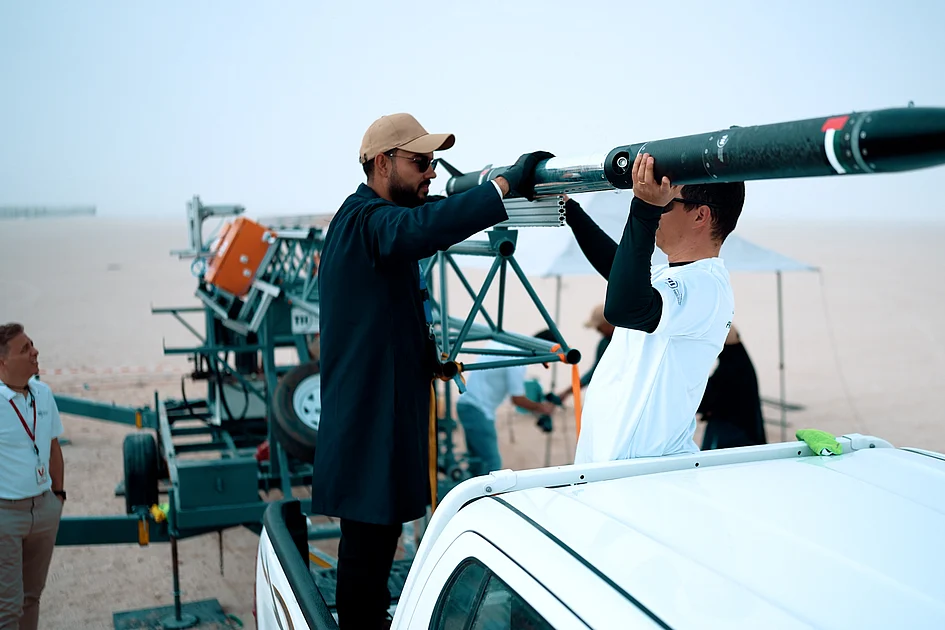
    In a landmark achievement for its space program, the United Arab Emirates has successfully launched its first entirely domestically developed hybrid rocket. The breakthrough moment culminated over two years of intensive research, development, and rigorous testing conducted by the Technology Innovation Institute’s Propulsion and Space Research Centre.

    Under the leadership of Chief Researcher Dr. Elias Tsoutsanis, a deliberately assembled mixed team of experienced experts and young talent established a clear roadmap from inception. The project faced significant challenges from the outset, particularly in manufacturing and supply chain logistics, as components were produced at prototype scale rather than mass production.

    “We put together experienced experts and young talent, and we established a clear roadmap,” Dr. Tsoutsanis explained, emphasizing that suppliers had to adapt their capabilities to produce components for these novel applications. The decision to prioritize local manufacturing ultimately proved successful, resulting in a fully indigenous system.

    The development process involved exhaustive testing procedures with multiple iterations, including simulations, repeated ground tests of the rocket motor, and comprehensive integration with the launch platform. A multidisciplinary team of 15 specialists spanning propulsion, aerospace, mechanical, electrical, and software engineering collaborated on the project, with several UAE nationals taking responsibility for critical systems including telemetry, control paths, and launch pad operations.

    The tension peaked during the final moments before launch. “Two minutes before the launch, we were coding and verifying aspects of the telemetry,” Dr. Tsoutsanis recalled. The emotional intensity was palpable as team members fell into silence during countdown, collectively hoping for success.

    The successful flight saw the rocket cleanly separate into two sections at its highest point, both descending safely to Earth under parachute. Recovery of all components was crucial for data analysis and performance verification. This achievement provides valuable flight data that will enable the team to scale the technology for higher altitudes and larger payloads, potentially evolving into small satellite launch capability in the future.

  • Rest enters the UAE sleep market with the launch of Evercool

    Rest enters the UAE sleep market with the launch of Evercool

    Science-driven sleep brand Rest has entered the United Arab Emirates market with the introduction of Evercool, its innovative temperature-regulating bedding system designed specifically for hot sleepers. The launch represents the company’s first expansion into the Middle Eastern region and addresses the widespread issue of thermal discomfort during sleep that affects a substantial portion of consumers.

    Unlike conventional bedding solutions that depend on breathable fabrics or superficial cooling treatments, Evercool employs advanced thermal engineering to actively absorb and dissipate excess body heat throughout the night. The technology provides a consistently cool surface contact experience that maintains optimal sleeping temperatures, addressing what the company identifies as one of the most persistent yet underserved challenges in sleep wellness.

    The product development involved rigorous material science research and performance-driven design, resulting in a solution that fundamentally reimagines how bedding manages body temperature. This approach moves beyond traditional methods to create a more effective system for thermal regulation during sleep.

    Internationally, Rest has gained recognition through its collaboration with Sleep Wellness Advocate Drew Barrymore in the United States, highlighting the brand’s mission to make scientifically-engineered sleep solutions more accessible and relatable to mainstream consumers. This partnership reinforces Rest’s philosophy that quality sleep should be an achievable reality rather than an aspirational goal through properly designed sleep technology.

    The UAE market introduction is supported by a comprehensive launch campaign centered on the theme “Sleep Just Got Cool,” which aims to educate consumers about the science behind the product while establishing Evercool as the premier cooling bedding solution currently available. The rollout includes limited-time promotional offers to encourage consumer trial and firsthand experience with the technology.

    This market entry establishes a foundation for Rest’s continued expansion in the region, with plans to introduce additional products to its portfolio in the future. The company demonstrates how applied sleep science and deliberate design can create tangible improvements in daily rest quality for consumers struggling with temperature-related sleep disruptions.

  • Setting the standard for property snagging across the UAE

    Setting the standard for property snagging across the UAE

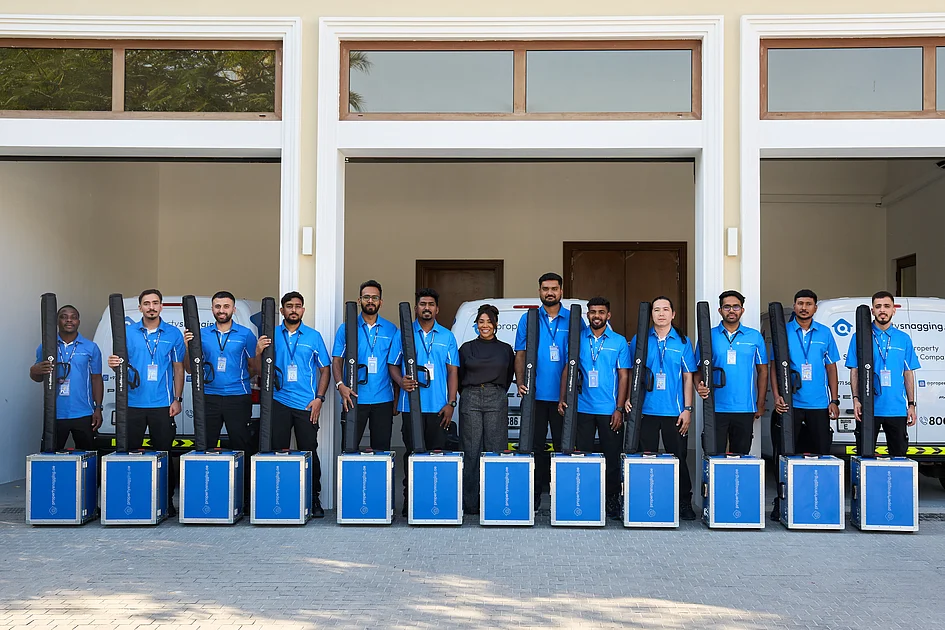
    In the dynamic real estate landscape of the United Arab Emirates, PropertySnagging.ae has established itself as a premier inspection specialist under the co-leadership of industry veteran Romaa’l Patel. With over fifteen years of dedicated service in Dubai’s property sector, Patel has cultivated an organization renowned for its technical expertise and client-focused approach.

    The company’s foundational mission centers on safeguarding property investments through meticulously detailed, impartial inspections conducted to exacting technical standards. This commitment has positioned the firm as a regional benchmark for reliability, particularly crucial as property handovers grow increasingly complex and voluminous throughout the UAE.

    PropertySnagging.ae maintains its rigorous standards through a team of InterNACHI-certified inspectors who adhere to internationally recognized protocols. The company’s operational philosophy emphasizes customer prioritization, meticulous attention to detail, and uncompromising integrity. Each inspection aims to verify that properties meet developer-promised specifications across multiple dimensions.

    The firm offers comprehensive evaluation services for both newly constructed and resale properties, examining civil infrastructure and Mechanical, Electrical, and Plumbing (MEP) systems. Their detailed reports include photographic evidence that enables clients to hold developers accountable during critical pre-possession negotiations.

    Remarkably, the company’s expansion has been primarily driven by organic reputation rather than aggressive marketing. With over 820 Google reviews maintaining consistently high ratings, PropertySnagging.ae enjoys substantial referral business and repeat clients who frequently commend Patel’s professionalism and industry knowledge.

    Technological advancement remains central to the company’s competitive edge. Patel has championed the integration of sophisticated inspection tools, calibrated equipment, and digital workflows that enhance reporting speed and accuracy without sacrificing quality. These operational efficiencies help clients resolve identified defects within developers’ liability periods.

    The financial implications for clients are significant, as early defect identification prevents costly post-move-in repairs, mitigates long-term maintenance concerns, and preserves property value. In numerous instances, the savings realized from these inspections substantially exceed their initial cost.

    Ultimately, clients select PropertySnagging.ae for its consistent delivery of proven results under Patel’s stewardship. The end-to-end process—from scheduling to final report delivery—maintains transparency and dependability, solidifying the company’s status as a trusted partner in protecting one of life’s most substantial investments.

  • Grey’s Anatomy star Eric Dane dies at 53 after ALS diagnosis

    Grey’s Anatomy star Eric Dane dies at 53 after ALS diagnosis

    The entertainment industry mourns the passing of acclaimed actor Eric Dane, who succumbed to complications from amyotrophic lateral sclerosis (ALS) on Thursday afternoon at age 53. Best recognized for his iconic portrayal of Dr. Mark Sloan (affectionately dubbed ‘McSteamy’) on the long-running medical drama Grey’s Anatomy and his recent role as family patriarch Cal Jacobs in HBO’s groundbreaking series Euphoria, Dane’s career spanned over three decades of memorable performances.

    Dane’s family confirmed the tragic news through an official statement that highlighted his courageous fight against the progressive neurological condition. “With heavy hearts, we share that Eric Dane passed on Thursday afternoon following a courageous battle with ALS,” the statement read. “He spent his final days surrounded by friends, his devoted wife Rebecca Gayheart, and his two daughters, Billie and Georgia, who were the center of his world.”

    The California-born actor received his diagnosis last year and subsequently dedicated his remaining months to raising public awareness about ALS, the most common form of motor neurone disease. His advocacy work brought renewed attention to the rare degenerative condition that progressively paralyzes muscles by attacking nerve cells in the brain and spinal cord.

    In a poignant interview with ABC’s Good Morning America last summer, Dane expressed raw emotion about his diagnosis, stating it made him “angry” due to childhood trauma surrounding his father’s suicide when Dane was just seven years old. “There’s a very good chance I’m going to be taken from my girls while they’re very young,” he told the program, referencing his own two daughters.

    Beyond his most famous television roles, Dane’s extensive filmography included portrayals of Jason Dean in the fantasy series Charmed, Captain Tom Chandler in the action drama The Last Ship, and appearances in feature films including Marley & Me, Valentine’s Day, and Burlesque. His family’s statement concluded: “He will be deeply missed, and lovingly remembered always. Eric adored his fans and is forever grateful for the outpouring of love and support he’s received.”

  • At Board of Peace debut, Trump announces global commitments for Gaza reconstruction

    At Board of Peace debut, Trump announces global commitments for Gaza reconstruction

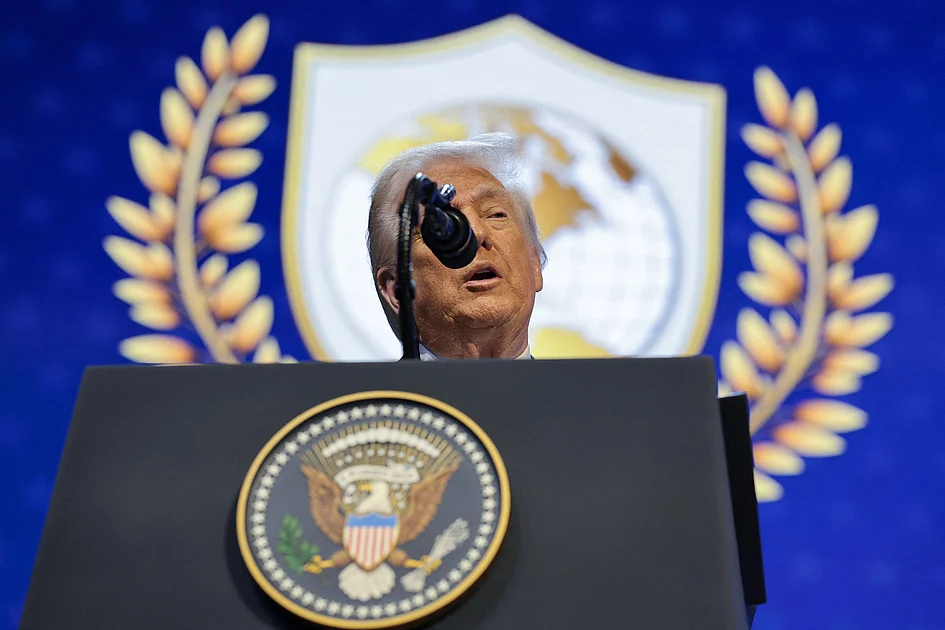
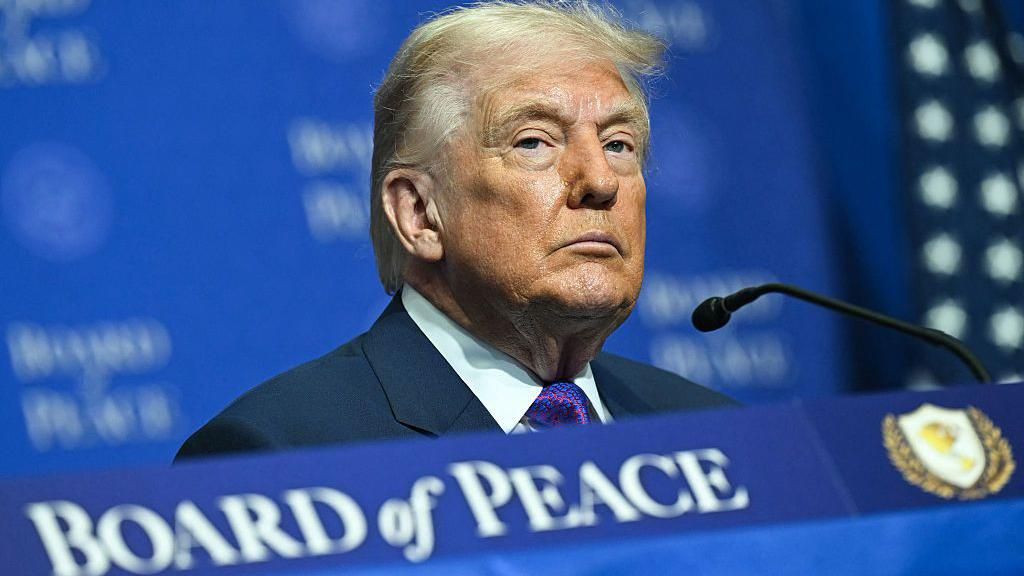
    In a landmark Washington gathering, former U.S. President Donald Trump inaugurated his Board of Peace initiative with significant financial commitments for Gaza’s reconstruction. The inaugural meeting, attended by representatives from 47 nations, secured $7 billion in initial pledges toward rebuilding the war-devastated territory, though estimates indicate a staggering $70 billion may ultimately be required to restore the enclave after two years of conflict.

    The Board’s composition notably features predominantly Middle Eastern nations including the United Arab Emirates, Saudi Arabia, Qatar, Kuwait, Bahrain, Morocco, Kazakhstan, Azerbaijan, and Uzbekistan. While Israel holds membership, Palestinian representatives remain excluded from the nascent diplomatic body. The United States pledged an additional $10 billion contribution, though funding mechanisms and congressional approval remain unspecified.

    Central to the reconstruction effort remains the unresolved issue of Hamas disarmament—a prerequisite condition that currently appears distant from implementation. Israeli Prime Minister Benjamin Netanyahu emphasized that Hamas would be disarmed “one way or the other,” while Hamas spokesperson Hazem Qassem suggested disarmament discussions could only occur alongside guarantees against Israeli aggression.

    The initiative also includes plans for an International Stabilization Force, with Indonesia committing up to 8,000 troops. This force, led by a U.S. general with an Indonesian deputy, would initially deploy in Israeli-controlled areas including Rafah to train a new Palestinian police force aiming eventually to reach 12,000 officers.

    The Board’s establishment occurs alongside heightened regional tensions, with Trump simultaneously issuing warnings to Iran regarding its nuclear program while positioning himself as a peacemaker. The initiative has raised concerns among some Western allies about its potential to undermine existing international institutions, despite Trump’s assurances to “strengthen the United Nations.” Norway notably clarified it would not join the Board despite hosting an upcoming event.

    The meeting blended diplomatic proceedings with campaign-style elements, complete with musical selections from Elvis Presley and the Beach Boys, and distribution of signature red Trump hats to participants.

  • Trump’s foreign policy dilemma laid bare by Iran tensions

    Trump’s foreign policy dilemma laid bare by Iran tensions

    In a striking display of diplomatic duality, President Donald Trump simultaneously advocated for peace while threatening military action against Iran during Thursday’s Board of Peace summit in Washington. The address revealed the fundamental contradictions characterizing Trump’s second-term foreign policy approach, particularly regarding the escalating standoff with Tehran.

    The administration maintains it prefers a diplomatic resolution to halt Iran’s nuclear weapons program, with a White House official recently suggesting Iran would be ‘very wise’ to negotiate. Yet this rhetoric contrasts sharply with the largest U.S. military buildup in the Middle East since the 2003 Iraq War, according to defense analysts.

    This pattern of military escalation without congressional approval has become a hallmark of Trump’s second term. The administration followed through on similar threats against Venezuela in January, resulting in the capture of former President Nicolás Maduro. With Iran, however, the strategic objectives remain markedly unclear. While preventing nuclear proliferation remains a stated priority shared by U.S. allies, the administration has additionally demanded Tehran curb its ballistic missile program and cease support for regional proxy groups—conditions that have stalled indirect negotiations.

    The rationale for additional military action remains particularly puzzling given Trump’s assertion that last June’s strike already ‘obliterated’ Iran’s nuclear facilities. The administration has not clarified what new targets might justify another campaign or how it would achieve different outcomes. Broader strategic questions also remain unanswered: Does the administration seek regime change? Is it prepared for Iranian retaliation against U.S. bases? How would prolonged conflict affect Middle East stability and Gaza reconstruction efforts?

    Israel’s potential involvement adds another layer of complexity. Prime Minister Benjamin Netanyahu’s recent White House meeting suggests coordinated planning, though specifics remain undisclosed. Domestically, Trump faces political challenges as his actions contradict campaign promises to disengage from foreign conflicts—a position popular with his MAGA base and congressional Republicans. An extended Iranian campaign could alienate supporters ahead of midterm elections, particularly when voters express frustration over immigration and economic issues.

    The situation creates a peculiar paradox for Trump’s Nobel Peace Prize aspirations. While he claims credit for ending eight conflicts since beginning his second term, he simultaneously pursues military interventions that contradict the prize’s fundamental purpose. No previous U.S. president has actively campaigned for the peace prize while conducting military operations abroad.

    This strategic ambiguity appears intentional—a manifestation of Trump’s self-styled role as global dealmaker-in-chief. From tariff diplomacy to territorial disputes over Greenland, the president has consistently kept international counterparts guessing about his true intentions. Regarding Iran, Trump offered characteristically vague remarks: ‘We have to make a meaningful deal otherwise bad things happen.’ The world now watches to see whether those ‘bad things’ will involve diplomacy or destruction.

  • Nasa boss says Boeing Starliner failure one of worst in its history

    Nasa boss says Boeing Starliner failure one of worst in its history

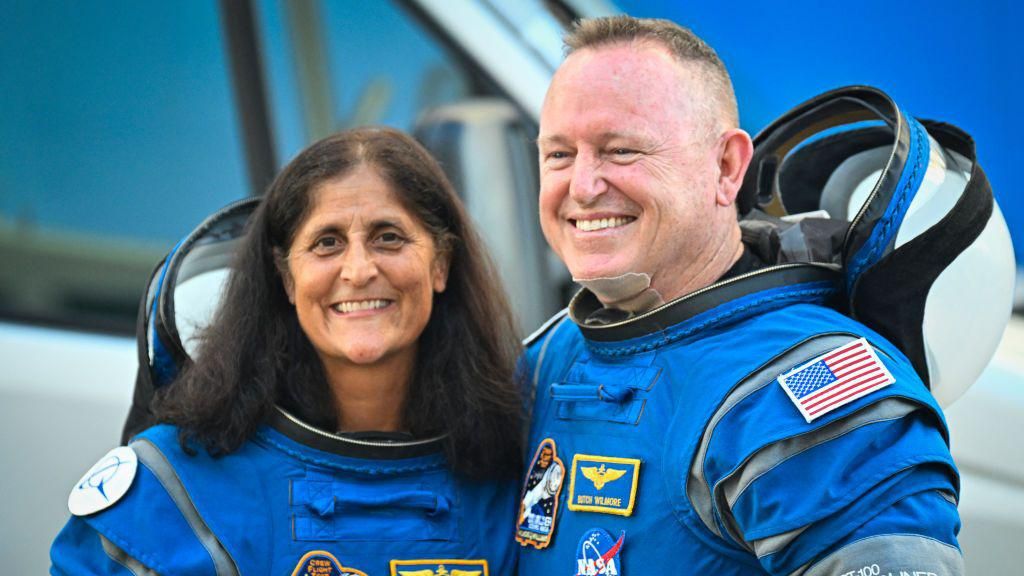
    NASA has officially classified the troubled 2024 Starliner mission as its most severe ‘Type A’ mishap, placing it in the same category as the fatal Challenger and Columbia space shuttle disasters, according to a newly released comprehensive report.

    The designation, reserved for incidents resulting in vehicle loss, control failure, fatalities, or damage exceeding $2 million, follows an extensive independent investigation into the mission that left astronauts Suni Williams and Butch Wilmore stranded aboard the International Space Station for over nine months.

    NASA Administrator Jared Isaacman, who assumed leadership in late 2025 after nomination by President Donald Trump, publicly criticized both Boeing—the spacecraft’s manufacturer—and his own agency for critical leadership failures and poor decision-making that culminated in the botched mission. The spacecraft had exhibited concerning issues during prior missions yet was still approved for the crucial test flight.

    The 312-page investigative report identified multiple systemic failures including hardware malfunctions, engineering deficiencies at Boeing, inadequate oversight, and organizational cultural problems that collectively created conditions falling short of NASA’s rigorous safety standards. What was originally planned as an 8-14 day mission evolved into a months-long ordeal for the veteran astronauts, who eventually returned to Earth in March 2025 via a SpaceX rescue flight and have since retired from the agency.

    While acknowledging that no injuries occurred and mission control was ultimately regained before docking, NASA’s statement emphasized that the highest-level classification recognizes the significant potential for catastrophe that existed. The agency has committed to implementing all recommended corrective actions and ensuring leadership accountability to prevent similar incidents in future missions.

    Isaacman stated: ‘To undertake missions that change the world, we must be transparent about both our successes and our shortcomings. We are correcting those mistakes and ensuring situations like this never reoccur.’