
Sean ‘Diddy’ Combs, the renowned music mogul, faces a pivotal moment as he awaits his sentencing following a high-profile criminal trial. Convicted on two counts of transportation to engage in prostitution, Combs could potentially serve up to 20 years in prison. However, his legal team is vigorously advocating for a more lenient sentence, which could see him released in a matter of weeks or even acquitted. The trial, which concluded in July, saw Combs acquitted of the more severe charges of racketeering and sex trafficking but found guilty on the prostitution-related counts. Each count carries a maximum sentence of 10 years, with prosecutors pushing for a minimum of 11 years. Combs’ attorneys argue that such a sentence would be excessive, given the circumstances. The defense has portrayed Combs as a reformed individual, emphasizing his contributions to the music industry and his role as a father to seven children and caregiver to his elderly mother. They have also highlighted his time spent in jail during the trial, suggesting it should count towards his total sentence. On the other hand, prosecutors have emphasized Combs’ history of abusive behavior, including domestic violence and illegal drug use, arguing that he remains unrepentant. Victim testimonies, particularly from Cassandra Ventura, have played a significant role in the case. Ventura, who submitted a letter to the judge, expressed her fear of retaliation and the lasting impact of Combs’ abuse on her life. The sentencing hearing, set for Friday, will see both sides present their arguments, with the judge ultimately deciding the final punishment. Combs’ legal team has also challenged the use of the Mann Act, a century-old law that forms the basis for the charges against him. They argue that the sexual encounters in question were consensual and do not constitute prostitution. Prosecutors, however, have countered with testimonies from Ventura and another woman, referred to as Jane Doe, detailing coerced and physically harmful experiences. As the sentencing looms, the case continues to draw significant attention, with many questioning the future of Combs’ career and the broader implications for the music industry.
标签: North America
北美洲
-

Xbox Game Pass price increase angers players
Microsoft has ignited a wave of discontent among gaming enthusiasts following its announcement of a significant price increase for its Xbox Game Pass subscription service. The most popular tier, Ultimate, will now cost £22.99 per month, marking a 50% rise from its previous £14.99 price point. This decision has led to a surge in subscription cancellations, with some users reporting that the service’s cancellation page crashed due to overwhelming demand. Microsoft has yet to confirm whether the outage was directly linked to the surge in activity. The revamped Game Pass structure now offers three tiers: Essential (£10/month), Premium (£14.99/month), and Ultimate (£22.99/month). While the basic tier is necessary for online multiplayer access, the higher tiers provide a broader selection of games and perks, including day-one access to new releases from Microsoft-owned studios like Call of Duty. Despite the addition of blockbuster titles such as Hogwarts Legacy and Assassin’s Creed entries to the Game Pass library, many users perceive the price hike as anti-consumer. Industry experts, including Ed Nightingale of Eurogamer, have expressed concerns that the increased costs could alienate gamers, especially as the overall cost of gaming continues to rise. Microsoft has defended the move, stating that the new pricing structure offers greater flexibility, choice, and value. However, critics argue that the company risks undermining its reputation as a consumer-friendly brand. This price adjustment follows a series of cost increases across Microsoft’s gaming division, including higher prices for Xbox consoles and accessories, which the company attributes to rising development costs and market conditions. The broader gaming industry has also seen similar trends, with Sony and Nintendo implementing price hikes for their products. Amidst these changes, Microsoft has also faced scrutiny for its recent layoffs and increased investment in artificial intelligence, raising questions about its long-term strategy in the gaming sector.
-

Could US government ban apps which track ICE agents?
The US government and law enforcement agencies have intensified their criticism of apps designed to track Immigration and Customs Enforcement (ICE) agents, claiming these tools endanger the lives of officers. The FBI has linked a recent attack on an ICE facility in Dallas, which resulted in the deaths of two detainees, to the use of such apps. Special Agent Joseph Rothrock likened the apps to providing a hitman with the location of their target, a statement contested by developers of these applications. ICEBlock, the most popular of these apps, has been downloaded over one million times since its release in April. Despite backlash from the Trump administration, it remains available on the Apple Store. Joshua Aaron, the developer of ICEBlock, defended his creation, stating it was designed to protect vulnerable communities in response to the administration’s aggressive immigration policies. US Attorney General Pam Bondi accused Aaron of threatening law enforcement, but he remains resolute, arguing that the app serves a necessary purpose. Critics argue that the apps could be misused, while supporters claim they are a tool for safety and transparency. The debate highlights the tension between national security concerns and constitutional freedoms, with legal experts noting that banning such apps would be challenging under US law.
-
Musk becomes world’s first half-trillion-dollar man
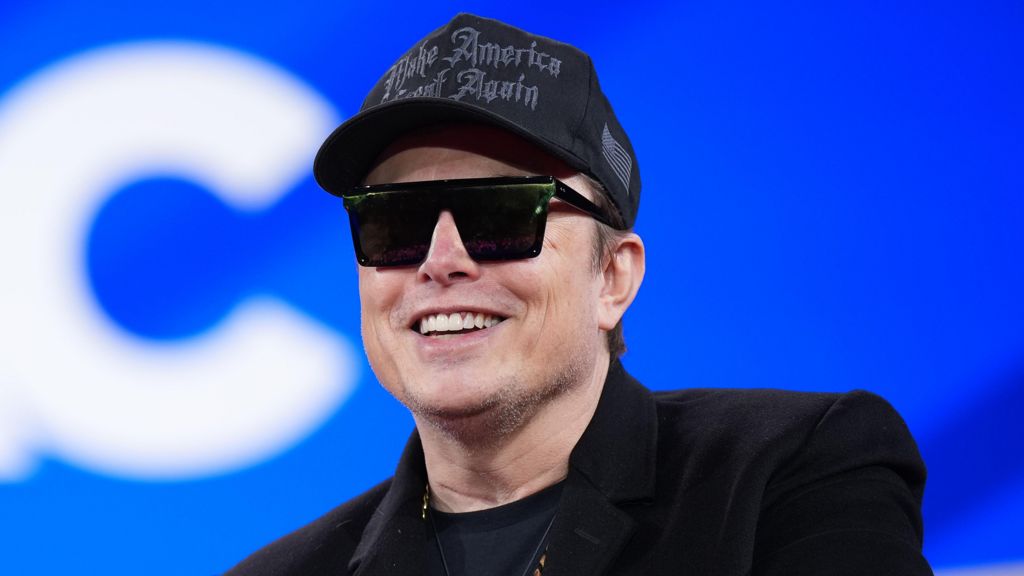
Elon Musk, the visionary entrepreneur behind Tesla, SpaceX, and artificial intelligence startup xAI, has achieved an unprecedented milestone by becoming the first person in history to amass a net worth exceeding $500 billion. This remarkable feat was reported by Forbes’ billionaires index, which noted that Musk’s wealth briefly touched $500.1 billion on Wednesday afternoon, New York time, before settling slightly below the threshold later in the day. Musk’s financial ascent is largely attributed to the soaring valuations of his ventures, particularly Tesla, where he holds a significant 12% stake. Tesla’s shares have surged by over 14% this year, buoyed by investor optimism as Musk shifts his focus back to his companies rather than political engagements. His recent purchase of $1 billion worth of Tesla shares further underscored his confidence in the company’s future. Despite facing stiff competition from rivals like China’s BYD and navigating challenges in the electric vehicle market, Tesla is also pivoting towards artificial intelligence and robotics, signaling a transformative phase for the company. Musk’s wealth eclipses that of Oracle founder Larry Ellison, the world’s second-richest person, whose fortune stands at approximately $350.7 billion. This achievement solidifies Musk’s dominance in the global tech sector and underscores his unparalleled influence in shaping the future of technology and innovation.
-
US shutdown will leave a world of hurt even if it ends quickly
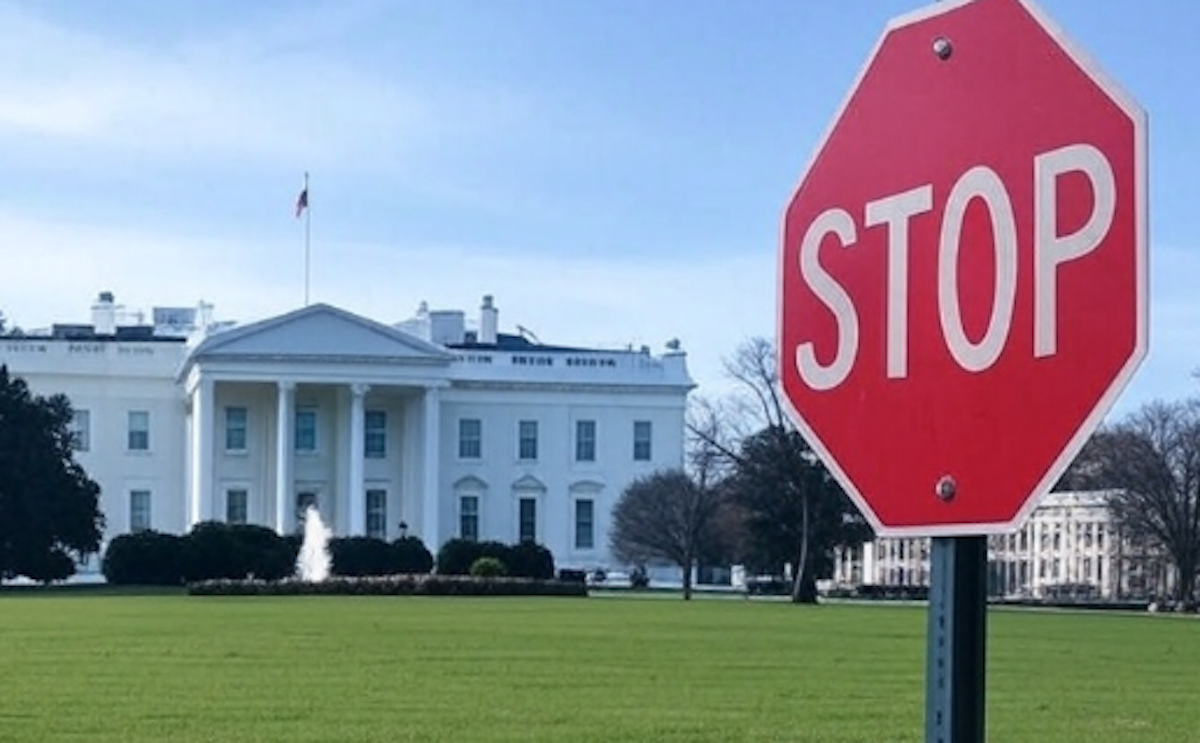
The ongoing US government shutdown has placed federal workers in a precarious position, with hundreds of thousands furloughed without pay. This disruption comes at a time when the federal workforce has already seen significant reductions, with over 300,000 jobs lost this year due to the Trump administration’s efforts to streamline government operations. While back pay is guaranteed, the immediate financial strain on employees is undeniable, and the long-term effects on morale and workforce stability are profound.
Research based on the 2013 shutdown reveals that such events have lasting negative impacts. Employees exposed to furloughs were 31% more likely to leave their jobs within a year, leading to a sustained decline in workforce numbers. This exodus forces agencies to rely on costly temporary workers, resulting in measurable declines in critical functions such as payment accuracy, legal enforcement, and patenting activity.
The loss of human capital is particularly pronounced among young, female, and highly educated professionals, who often have more external opportunities. Survey data from the 2018-2019 shutdown confirms that morale, rather than financial loss, drives these departures. Employees report diminished agency, control, and recognition, which significantly increases their likelihood of leaving.
Policy implications are significant. While some argue that shutdowns serve as a necessary reduction in government size, the evidence suggests otherwise. Agencies spend billions more on contractors to fill gaps, and government performance suffers, with inaccurate payments and reduced productivity costing taxpayers hundreds of millions of dollars.
Shutdowns are blunt instruments that demoralize the workforce and erode public trust in government efficiency. As the federal workforce faces another period of uncertainty, the broader implications for government accountability and service delivery remain a pressing concern.
-
White House says layoffs ‘imminent’ with no end to shutdown in sight
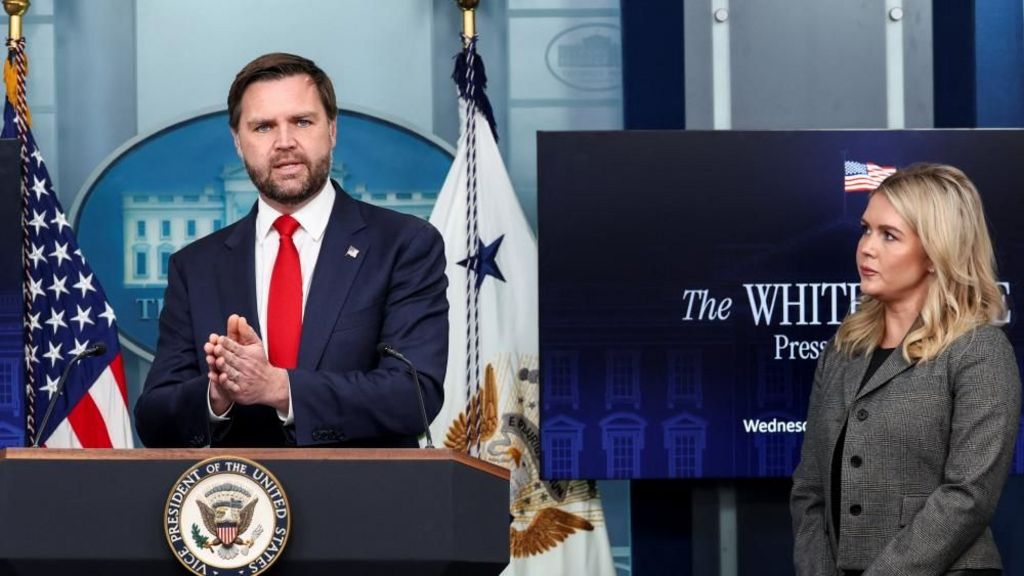
The United States is bracing for its first government shutdown in nearly seven years, as Republicans and Democrats in Congress remain deadlocked over a new spending plan. The shutdown, which began on Wednesday, has triggered a bitter blame game between the two parties, with mass layoffs of federal workers expected within two days. Vice-President JD Vance, in a rare appearance at a White House briefing, accused Democrats of playing political games, while Press Secretary Karoline Leavitt warned of impending job cuts. Democrats, led by Senate Majority Leader Chuck Schumer, have countered by accusing Republicans of attempting to ‘bully’ them into accepting their funding plan. The impasse centers on healthcare funding, with Democrats seeking guarantees for lower-income Americans, while Republicans advocate for a temporary stop-gap measure to keep the government open until mid-November. Essential workers, such as border agents and the military, may be forced to work without pay, while non-essential employees face temporary unpaid leave. Analysts predict this shutdown could be more severe than the 2018 episode, potentially affecting 750,000 federal workers. As both sides dig in, the economic and social repercussions of the shutdown loom large, with no immediate resolution in sight.
-

‘None of us have ever asked for special treatment’ – Female veterans respond to Hegseth
Female US Army veterans are refuting Defense Secretary Pete Hegseth’s assertion that combat role requirements will revert to the ‘highest male standard,’ emphasizing that standards have always been uniform regardless of gender. Speaking to hundreds of generals, Hegseth argued that previous adjustments to accommodate women had compromised military effectiveness and endangered personnel. He vowed to restore higher standards, even if it meant fewer women qualifying for combat roles. However, he clarified that women would not be entirely excluded from the armed forces. This announcement has sparked outrage among female veterans, who insist that combat standards have always been gender-neutral. Elisa Cardnell, a former US Navy officer, stated that assessments for combat roles have never considered gender or age. Combat standards vary by unit—special operations, infantry, armor, or pararescue—but all personnel must pass the same rigorous tests. Cardnell noted that while not all women meet these standards, neither do all men. Hegseth’s remarks have raised concerns about potential sweeping changes to military assessments, though details remain unclear. His critics, including Senator Tammy Duckworth, argue that his stance could harm recruitment and undermine women’s progress in the military. Duckworth, a combat pilot injured in Iraq, accused Hegseth of discrimination, given his own controversial confirmation as Defense Secretary. Despite the backlash, some female veterans and Republican lawmakers, such as Representative Sheri Biggs and Nancy Mace, support Hegseth’s efforts to prioritize excellence over diversity quotas. The debate underscores the ongoing tension between gender inclusivity and military readiness in the US armed forces.
-
Four ways this shutdown could end
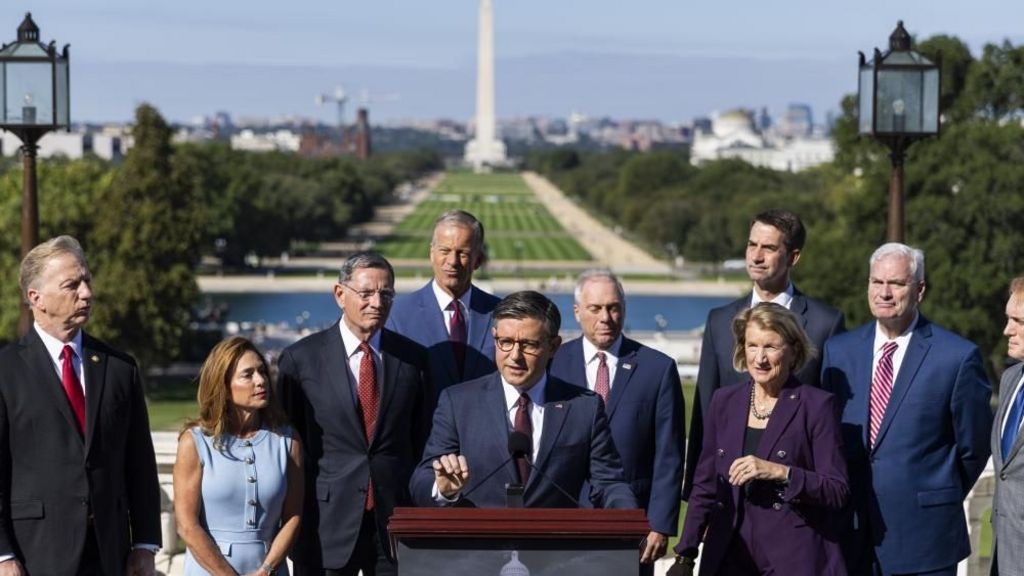
The United States government has entered a shutdown in 2025, marking the first federal closure in nearly seven years. The crisis unfolded after the Senate failed to pass a spending bill, leaving federal operations severely curtailed. While the shutdown is expected to end eventually, the timeline remains uncertain, with public pressure and political maneuvering likely to play decisive roles in its resolution. Here are four potential scenarios for how the situation might unfold. Senate Democrats rejected a Republican-backed spending bill that would have funded the government until November. However, the vote revealed cracks in Democratic unity, as two Democrats and one independent aligned with the Republican majority. Among them was Catherine Cortez Masto of Nevada, who faces re-election in a state that has been trending Republican. Her vote, driven by concerns over the economic impact of the shutdown on Nevada, highlights the political risks for Democrats in battleground states. Other vulnerable Democrats in Georgia, Virginia, and Colorado may also feel the heat as the shutdown drags on. Republican Senate leader John Thune has signaled plans to hold additional funding votes to maintain pressure on Democrats. If five more Democrats defect, the shutdown could end regardless of the party’s broader stance. Meanwhile, the prolonged closure is already affecting government employees, who face delayed paychecks and potential job losses. The broader public will also feel the impact through reduced government services and economic disruption. Historically, the party seen as triggering the shutdown bears the brunt of public blame. In this case, Democrats may face criticism for their role in the impasse, potentially forcing them to reconsider their strategy. However, the party could find solace in highlighting Republican-backed cuts to health insurance subsidies for low-income Americans, a move that could resonate with voters. Republicans, emboldened by their perceived strength, are exploring ways to intensify pressure on Democrats. Yet, they risk overplaying their hand, as past shutdowns have often backfired on the party initiating them. A potential compromise could involve Republicans extending health insurance subsidies, a move that would benefit their own low-income constituents while defusing Democratic attacks. Despite the current acrimony, there may be room for negotiation. Both parties have engaged in heated rhetoric, with President Trump sharing AI-generated videos mocking opponents and Democrats responding with provocative imagery. The stakes are high, as the 2025 shutdown could surpass the record 35-day closure of 2018-2019, which ended only after air travel faced imminent disruption. This time, the consequences could be even more severe. If the shutdown persists, both parties may face public backlash, leading to electoral losses in the 2026 midterms. Such a scenario could further erode public trust in the political system, paving the way for new leaders promising to dismantle the status quo.
-

Chunk of NYC building collapses in possible explosion
A 20-story residential building in the Bronx, New York City, partially collapsed on Wednesday morning, prompting a swift response from emergency services. Fortunately, no injuries were reported, though firefighters and rescue teams spent hours searching through rubble to ensure no one was trapped. Witnesses described hearing a loud explosion before the collapse, with one resident noting that windows shattered as far as the 16th floor of a neighboring building. According to Fire Commissioner Robert Tucker, the incident appears to have originated from an explosion in the boiler room’s ventilation shaft. While no apartments were directly damaged, some residents were evacuated as a precaution, and gas services to the building were shut off pending an investigation. Mayor Eric Adams suggested that a gas leak might have caused the explosion, though utility provider ConEd has yet to comment. The New York City Housing Authority (NYCHA), which manages the building, is assessing the damage and investigating the incident. Public records reveal that the building had multiple open violations, including issues with plumbing and facade safety. This collapse follows a recent fire in the same building that left a teenage girl in critical condition, though she is now recovering. Local officials, including Assembly Member Amanda Septimo, emphasized the need for improved safety measures to prevent future emergencies. ‘We can’t be relying on luck to keep our community safe,’ Septimo stated at a press conference.
-
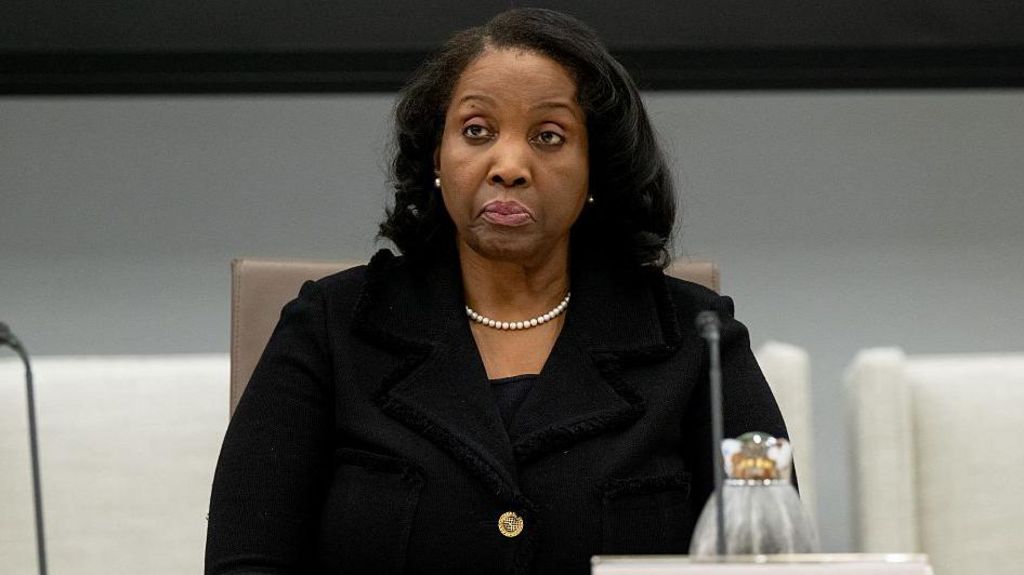
Supreme Court lets Lisa Cook stay at Federal Reserve for now
In a significant legal development, the U.S. Supreme Court has ruled that Lisa Cook can retain her position as a Federal Reserve governor, marking a setback for former President Donald Trump in his ongoing dispute with the central bank. The court, in an unsigned order, rejected Trump’s request to immediately remove Cook and scheduled arguments regarding her dismissal for January. Trump had announced in August his intention to fire Cook over allegations of mortgage fraud, which she has vehemently denied. Cook swiftly filed a lawsuit, arguing that her removal was unlawful and could pave the way for political interference in the traditionally independent Federal Reserve. Historically, no president has attempted to remove a Fed governor, as such actions can only be justified ‘for cause,’ a term that remains undefined in the law. A federal judge had previously placed a stay on her dismissal, a decision now upheld by the Supreme Court. Cook, appointed by President Biden, plays a crucial role on the board that sets the Federal Reserve’s benchmark interest rate. The court’s ruling ensures she will participate in at least two more votes on potential rate cuts. Trump has accused Cook of falsifying a mortgage application prior to her appointment, but she contends that his real motive is her stance on monetary policy. The Federal Reserve recently announced its first rate cut in nearly a year, with Chair Jerome Powell emphasizing that the decision was driven by economic data rather than political pressure. The central bank’s ‘dual mandate’ focuses on controlling inflation and maximizing employment, with mortgage rates largely influenced by Treasury bond yields rather than direct Fed actions. Trump’s persistent criticism of the Fed and his unprecedented move to appoint White House economic adviser Stephen Miran to a temporary board vacancy underscore the ongoing tension between the administration and the central bank.