标签: North America

北美洲

  • Legendary Notre Dame college football coach Lou Holtz dies at 89

    Legendary Notre Dame college football coach Lou Holtz dies at 89

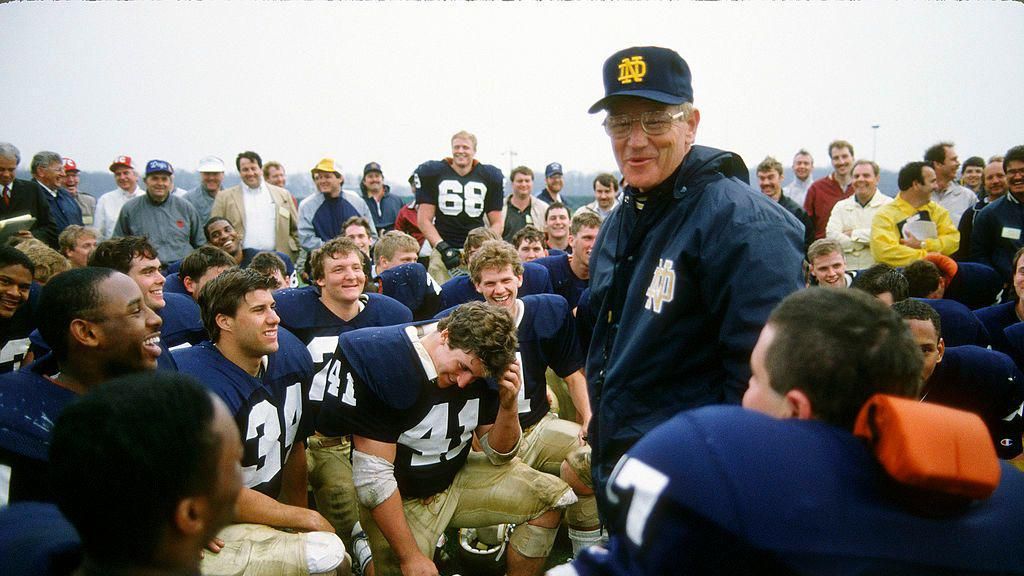
    Lou Holtz, the iconic American football coach who led the University of Notre Dame to a national championship during his transformative tenure, has passed away at age 89. His family confirmed he died peacefully while surrounded by loved ones in Orlando, Florida.

    Holtz’s coaching legacy spans five remarkable decades, most notably his 11-season leadership of Notre Dame’s Fighting Irish from 1986 to 1996. His crowning achievement came in 1988 when he guided the team to an undefeated season and national championship victory. Throughout his 33-season coaching career across multiple universities, Holtz accumulated 249 total victories, including 100 wins with Notre Dame alone.

    Beyond his athletic accomplishments, Holtz was recognized for his profound impact on players’ lives and his commitment to team values. He implemented enduring traditions including the famous ‘Play Like A Champion’ locker room sign and removed individual names from jerseys to emphasize collective effort over personal recognition.

    His influence extended into the political arena where the longtime Republican endorsed Donald Trump at the 2020 party convention and received the Presidential Medal of Freedom that same year. Post-coaching, Holtz transitioned to broadcasting roles with ESPN and CBS, where his inspirational pre-game speeches gained renewed popularity among new generations of fans.

    The Holtz Charitable Foundation continues his legacy of service, reflecting what his family described as ‘enduring values of faith, family, service, and an unwavering belief in the potential of others.’ Tributes from Notre Dame and the broader sports community highlight his dual legacy as both a championship coach and transformative mentor who shaped countless lives beyond the football field.
  • US sub sinks Iranian warship in intl waters near Sri Lanka

    US sub sinks Iranian warship in intl waters near Sri Lanka

    In a significant naval escalation, a United States submarine has sunk an Iranian warship during a military operation in the Indian Ocean. The incident occurred in international waters off the southern coast of Sri Lanka, marking the first torpedo sinking of an enemy vessel by U.S. forces since World War II.

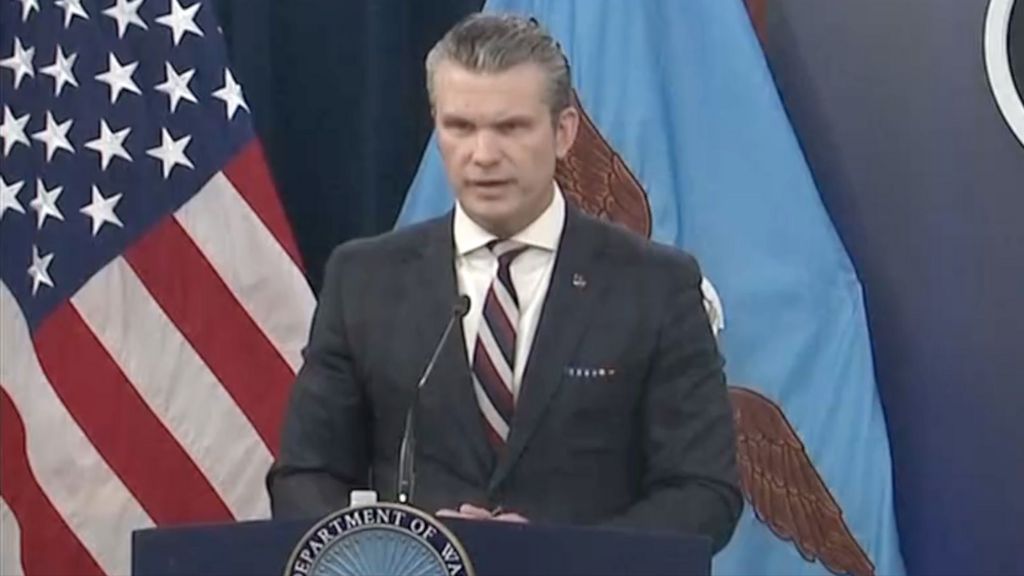
    U.S. Defense Secretary Pete Hegseth confirmed the engagement during a Pentagon briefing on Wednesday, stating, “An American submarine sunk an Iranian warship that thought it was safe in international waters. Instead, it was sunk by a torpedo.”

    The targeted vessel was identified as the IRIS Dena, a Soleimani-class frigate of the Iranian navy. According to Sri Lankan officials, the attack resulted in substantial casualties. Sri Lanka’s Deputy Minister of Foreign Affairs Arun Hemachandra reported that at least 80 crew members aboard the Iranian frigate were killed in the sinking.

    The incident represents a dramatic escalation in ongoing military operations between the United States and Iran. U.S. Central Command (CENTCOM) disclosed that American forces have now struck or sunk more than 20 Iranian vessels since joint U.S.-Israel military operations against Iran commenced on Saturday morning.

    Notably, the IRIS Dena had recently participated in multinational naval exercises held in the Bay of Bengal from February 18-25, according to official exercise documentation. The sinking has raised concerns about further regional instability and potential impacts on crucial shipping lanes in the Indian Ocean.

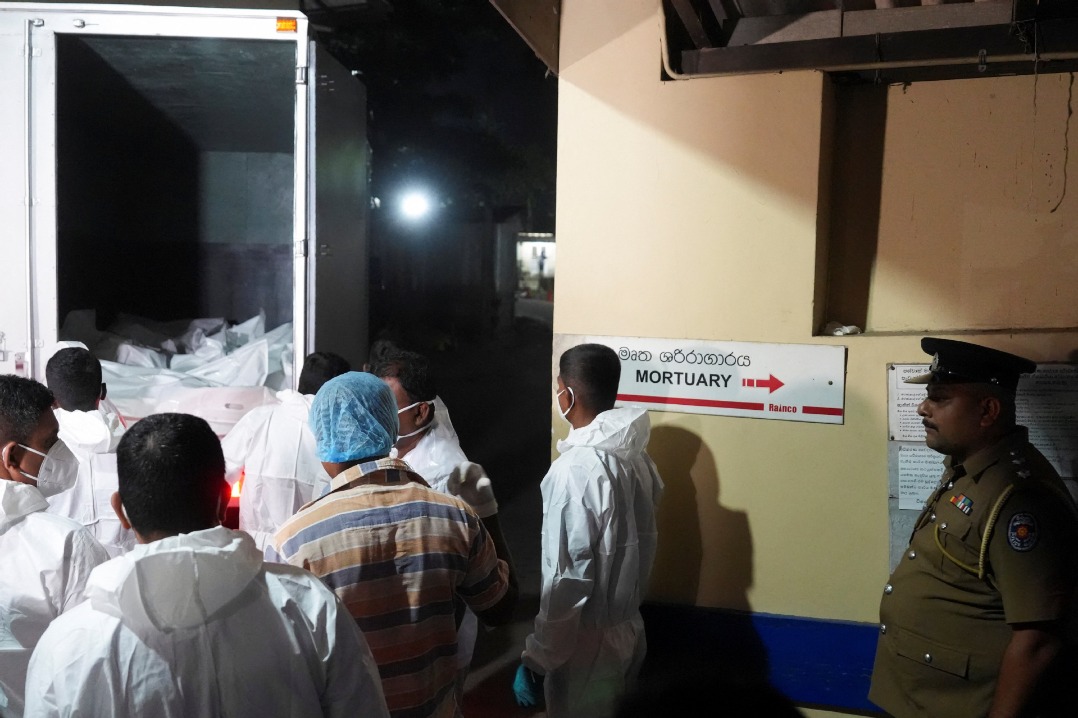
    Recovery operations are underway, with photographs showing bodies of Iranian sailors being transported to the mortuary at Karapitiya Hospital in Galle, Sri Lanka, highlighting the human cost of the confrontation.

  • Tech firms pledge to pay for AI data centre power costs. But will they?

    Tech firms pledge to pay for AI data centre power costs. But will they?

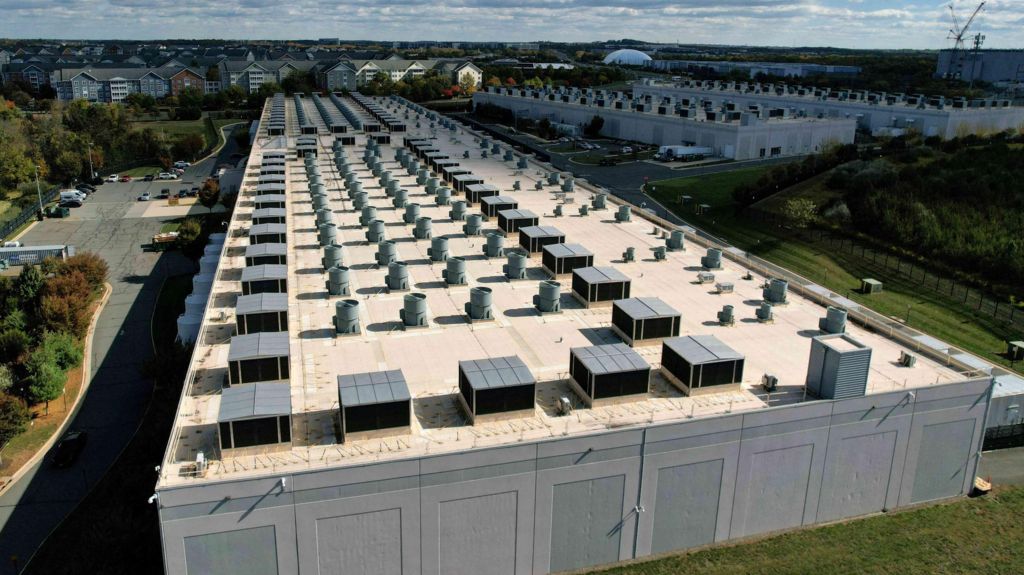
    In a significant move addressing America’s growing energy challenges, seven leading technology corporations—Google, Meta, Microsoft, Oracle, xAI, OpenAI, and Amazon—have formally committed to financing new power generation capacity for their artificial intelligence data centers. The commitment came during a White House meeting where executives signed what President Donald Trump termed the “ratepayer protection pledge,” an initiative unveiled last month to prevent AI expansion from driving up household electricity bills.

    The pledge emerges as data center proliferation creates substantial strain on national power grids, with utility costs becoming a pivotal voter concern ahead of November’s midterm elections. Under the agreement, companies will directly fund new power infrastructure upgrades, negotiate state-level rate structures with utility providers, and prioritize local hiring for data center construction projects.

    President Trump praised the commitment, stating it would “help keep down utility bills very substantially,” though he acknowledged results would require time. Energy Secretary Chris Wright reinforced the administration’s dual commitment to AI leadership and stable electricity pricing.

    However, policy experts express skepticism regarding enforcement mechanisms. John Quigley of the University of Pennsylvania’s Kleinman Center for Energy Policy noted the complexity of power project regulation across multiple government layers, suggesting the administration bears the “burden of proof” to demonstrate the pledge transcends political theater.

    Compounding these challenges are external factors including supply chain disruptions from the U.S.-Israel conflict with Iran, which have triggered spikes in global oil and natural gas prices. Additionally, increased natural gas exports—driven by lucrative international demand—are contributing to domestic price pressures. These developments occur alongside a 6% average increase in residential electricity prices during 2025, despite campaign promises to slash energy costs.

  • A Canadian town says it’s the ‘birthplace’ of ice hockey. Some historians aren’t so sure

    A Canadian town says it’s the ‘birthplace’ of ice hockey. Some historians aren’t so sure

    A legislative proposal in Nova Scotia has ignited a fiery historical debate among scholars regarding the true origins of modern ice hockey. The controversial bill, introduced by lawmaker Melissa Sheehy-Richard in late February, seeks to officially designate the town of Windsor as hockey’s “birthplace” based on documented accounts of “hurley on the ice” being played there as early as 1810.

    The proposed legislation traces hockey’s evolution from these early ice adaptations of hurling—an ancient Irish field sport—to British soldiers playing organized games in Halifax by the mid-1850s, before the sport gained widespread popularity in Montreal where the first Stanley Cup was awarded in 1893.

    However, prominent historians have challenged this narrative. Jean-Patrice Martel, co-author of “On the Origin of Hockey,” presented evidence suggesting the sport was played earlier in Manhattan, though his research ultimately points to 1607 Scotland during The Great Frost as the earliest documented instance of shinty played on ice.

    Indigenous communities have also voiced strong objections. Mi’kmaw historian Cheryl Maloney testified that her ancestors were playing ice games with tree roots in Tufts Cove, Dartmouth, as early as 1749—decades before the Windsor documentation. Local historian David Jones supported this claim, emphasizing the Mi’kmaq’s significant role in hockey’s evolution and suggesting the bill should be scrapped entirely.

    Sheehy-Richard has responded to critics, stating the bill was “not intended to be exclusionary” and that she remains open to amendments. The controversy mirrors other Canadian historical disputes, including the origins of poutine and butter tarts, highlighting the complex nature of tracing cultural heritage.

  • Musk tells jury ‘people read too much’ into his posts

    Musk tells jury ‘people read too much’ into his posts

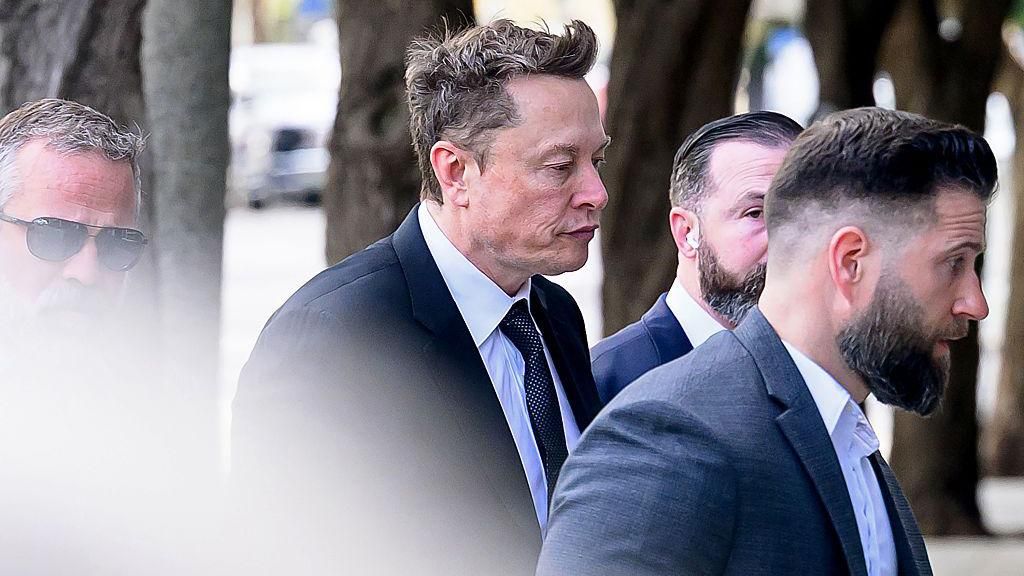
    SAN FRANCISCO – Billionaire entrepreneur Elon Musk testified before a California jury on Wednesday, asserting that financial markets overanalyze his social media communications. The testimony forms part of Musk’s defense against allegations that he deliberately manipulated markets through misleading tweets preceding his 2022 acquisition of Twitter.

    Musk characterized his posts following the initial acquisition agreement as “extremely literal” statements rather than tactical maneuvers to renegotiate the purchase price. “I was simply speaking my mind,” Musk stated when questioned about his awareness of the market impact caused by his declaration that the takeover was “on hold.”

    The litigation represents the first courtroom battle stemming from Musk’s $44 billion Twitter acquisition. While Musk has previously defeated legal challenges regarding his social media communications involving Tesla investors and defamation claims, this class action lawsuit initiated by individual investors seeks unspecified monetary damages for alleged financial losses.

    Lead plaintiff Brian Belgrave testified Monday that he sold thousands of Twitter shares in July 2022 based on his interpretation that Musk was abandoning the acquisition. Belgrave liquidated his position below both his original purchase price and the eventual $54.20 per share that Musk paid after Twitter successfully sued to enforce the merger agreement. “I got screwed. I got cheated,” Belgrave told the court.

    Plaintiffs’ attorney Aaron Arnzen presented a theory that Musk employed strategic negotiation tactics comparable to boxing’s “rope-a-dope” technique – intentionally allowing Twitter to exhaust itself to gain bargaining leverage. When questioned about this approach, Musk conceded he “may have” utilized such strategies.

    Throughout Wednesday’s proceedings, Musk initially provided terse responses limited to “yes,” “no,” or “I don’t recall” before later accusing Arnzen of “trying to mislead the jury” through his questioning methodology. Presiding Judge Charles Breyer briefly paused testimony to address the witness before allowing proceedings to continue.

    The trial, expected to span three weeks, also featured testimony from Jared Birchall, head of Musk’s family office, who repeatedly responded to questions about Twitter acquisition discussions with “I don’t recall” – including questions about whether Jack Dorsey served as Twitter’s CEO prior to Musk’s takeover bid. Dorsey had led the company for seven years before stepping down just months before Musk’s acquisition attempt.

  • Congress votes to summon Attorney General Bondi in Epstein case

    Congress votes to summon Attorney General Bondi in Epstein case

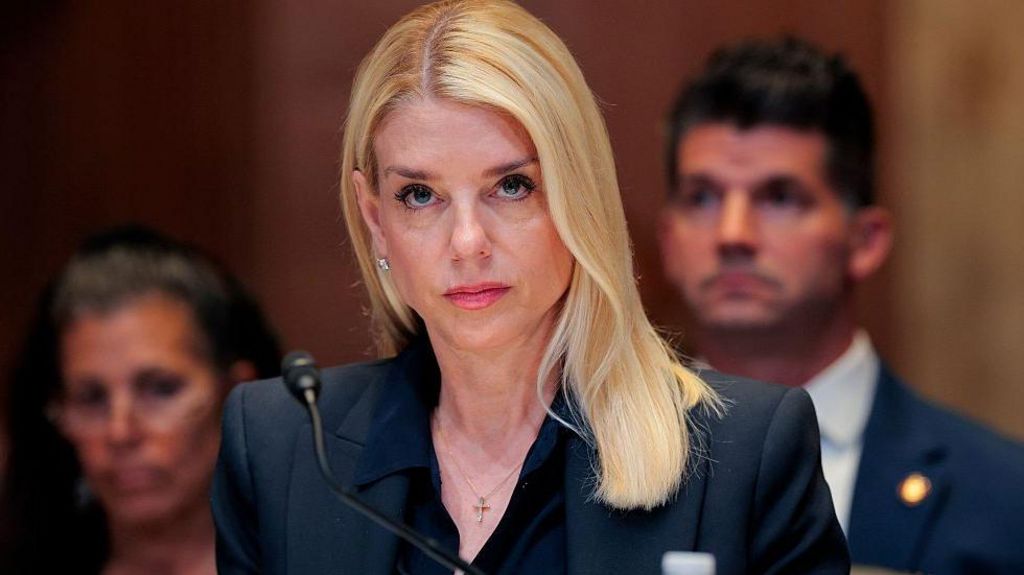
    In a significant bipartisan move, a congressional oversight committee has authorized a subpoena compelling U.S. Attorney General Pam Bondi to testify regarding the Justice Department’s handling of the Jeffrey Epstein investigation documents. The motion, introduced by Republican Representative Nancy Mace, gained support from both sides of the political aisle amid growing concerns about transparency and document management.

    The committee action follows mounting pressure on the Trump administration to release all materials connected to the Epstein probe, with lawmakers accusing the Justice Department of inadequate redaction practices that allegedly exposed victims’ identities while protecting non-victims. Representative Mace, despite her general support for the president, has been particularly vocal in her criticism, describing the Epstein case as “one of the greatest cover-ups in American history” on social media platforms.

    The bipartisan nature of the vote saw five Republican representatives, including Mace, Lauren Boebert, Tim Burchett, Michael Cloud, and Scott Perry, joining Democratic colleagues in approving the legal summons. This development occurs against the backdrop of ongoing document releases, with millions of files already public but millions more reportedly remaining undisclosed.

    Democratic oversight committee member Robert Garcia has further intensified scrutiny by alleging that the Justice Department is withholding files containing sexual abuse allegations against former President Donald Trump. Garcia claims to have personally reviewed such documents that have not been made publicly available.

    The Justice Department has maintained that no relevant documents have been deleted, stating that materials are only withheld if they constitute duplicates, contain privileged information, or relate to ongoing federal investigations. This testimony demand follows recent committee appearances by former President Bill Clinton and former Secretary of State Hillary Clinton, though neither has been accused of wrongdoing by Epstein’s victims.

  • Protesters rally in San Francisco against OpenAI deal with Pentagon

    Protesters rally in San Francisco against OpenAI deal with Pentagon

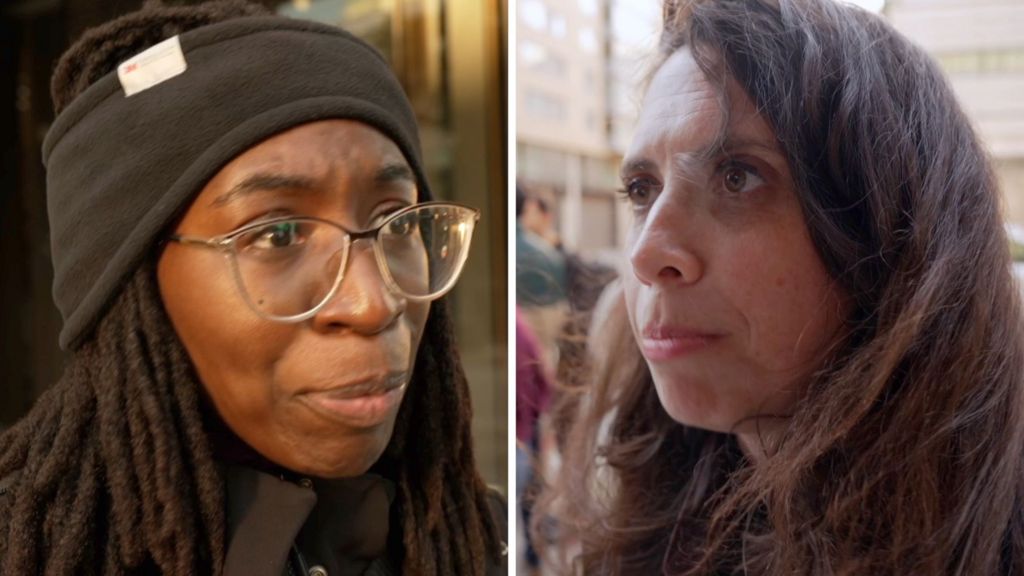
    San Francisco became the epicenter of a growing technological ethics debate this week as demonstrators gathered to vocally oppose OpenAI’s newly revealed collaboration with the U.S. Department of Defense. The protest movement, gaining momentum through digital activism and street demonstrations, reflects deepening concerns about the militarization of artificial intelligence technology.

    The controversy emerged following disclosures that the maker of ChatGPT had entered into a strategic partnership with Pentagon officials, though specific project details remain classified. This development has triggered what industry observers are calling a ‘significant user exodus’ from OpenAI’s flagship platform, with uninstallation rates reportedly surging across multiple metrics since the announcement.

    Protest organizers, representing a coalition of digital rights activists, ethical AI researchers, and concerned citizens, argue that military applications fundamentally violate OpenAI’s original charter principles emphasizing beneficial AI development. ‘We founded this movement to ensure artificial intelligence would serve humanity, not warfare,’ stated one demonstrator holding a sign reading ‘ETHICS NOT ARMS’ outside OpenAI’s headquarters.

    The backlash illustrates the challenging balance AI companies face between commercial opportunities, government contracts, and maintaining public trust. While defense officials characterize the collaboration as focusing on ‘cybersecurity enhancements and veteran support services,’ skeptics remain unconvinced, fearing eventual weaponization pathways.

    Industry analysts note this represents a pivotal moment for the AI sector, where ethical considerations increasingly collide with expansion ambitions. The user backlash demonstrates how quickly public sentiment can shift when perceived ethical boundaries are crossed, potentially establishing precedent for how AI firms approach governmental partnerships moving forward.

  • US Senate to vote on Trump’s war powers as Iran conflict continues

    US Senate to vote on Trump’s war powers as Iran conflict continues

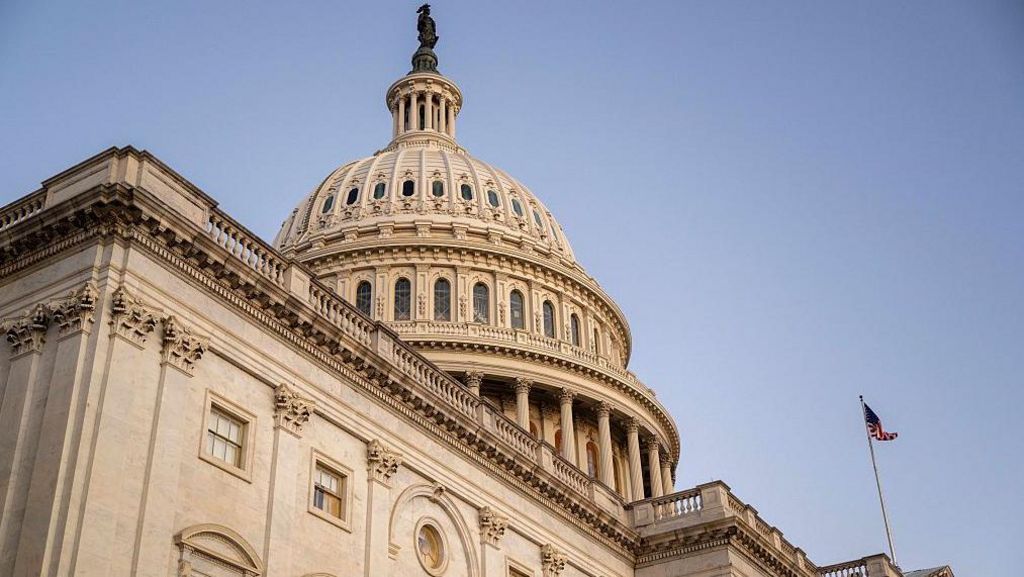
    The United States Senate is poised for a critical vote on a war powers resolution that would significantly curtail President Donald Trump’s authority to conduct military operations against Iran without explicit congressional approval. The legislative measure, if enacted, would mandate the withdrawal of American forces from hostilities unless Congress formally authorizes continued military engagement.

    This constitutional confrontation emerges just five days after the initiation of joint U.S.-Israel strikes against Iranian targets, which triggered retaliatory attacks by Iran against Israel and American allies throughout the Gulf region. The resolution represents the most substantial legislative challenge to presidential war-making authority since hostilities began.

    Democratic Senator Tim Kaine of Virginia, the primary sponsor of the legislation, framed the vote as a historic moment of accountability. “Every senator will have to go on the record to declare whether it is in our best interest to send our sons and daughters into conflict against Iran,” Kaine stated, emphasizing the human cost already incurred with six service members lost and others injured in the ongoing conflict.

    The political dynamics reveal a deeply divided Congress. While a majority of Democratic senators are expected to support the measure, Republican support remains uncertain. The resolution requires a simple majority for passage, after which it would proceed to the House of Representatives for consideration later this week.

    Even if both chambers approve the measure, it would face an almost certain presidential veto. Overriding such a veto would necessitate a two-thirds majority in both the Senate and House—a formidable political hurdle given current divisions.

    The constitutional debate centers on the War Powers Resolution of 1973, enacted to constrain presidential authority following the Vietnam War. The legislation requires presidential notification of Congress within 48 hours of military engagement and congressional authorization within 60 days for operations to continue.

    Secretary of State Marco Rubio has maintained that the administration has complied with notification requirements, though he echoed previous administrations in questioning the constitutionality of the War Powers Act itself. The current administration, like its predecessors, has relied on post-9/11 authorizations for military force to justify operations in the Middle East, despite multiple unsuccessful attempts to repeal those authorities.

    This legislative action occurs against the backdrop of expanding military operations, with the administration having previously conducted strikes against Iranian nuclear facilities and other military actions without congressional approval, establishing a pattern of executive action that has increasingly concerned legislators from both parties.

  • Higher tariffs likely this week, says US Treasury

    Higher tariffs likely this week, says US Treasury

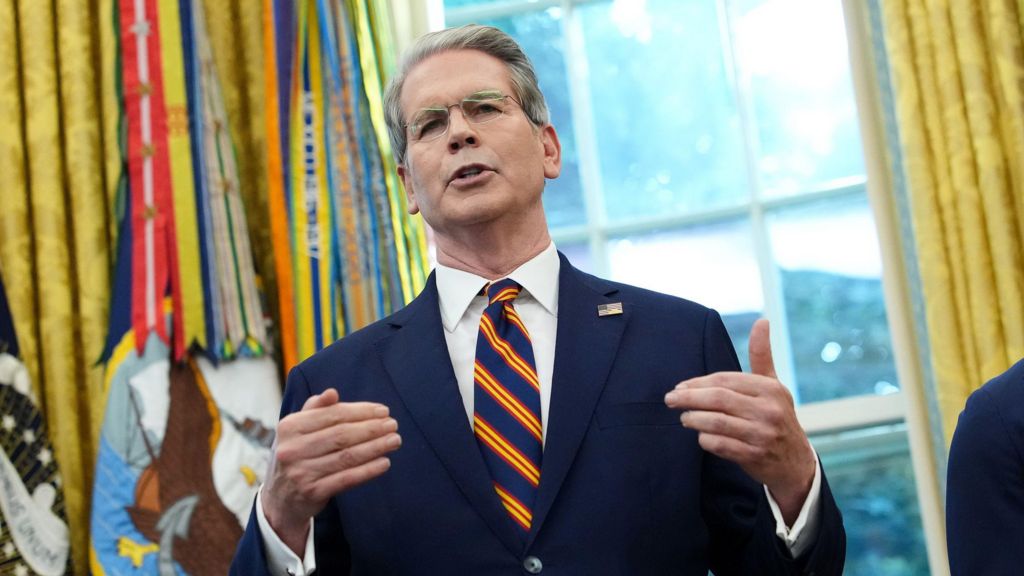
    The United States is poised to implement a 15% global tariff this week, according to Treasury Secretary Scott Bessent, following a period of conflicting statements from the Trump administration regarding the precise rate. This new tariff structure is designed to replace the sweeping “Liberation Day” import taxes imposed last year, which were recently invalidated by the Supreme Court.

    The policy confusion originated when the White House, responding to the court’s ruling, initially enacted a 10% levy. This move directly contradicted President Donald Trump’s social media announcement of a 15% rate, creating significant uncertainty among global business leaders and international trading partners. White House officials have since been working to align official documentation with the President’s stated 15% target, while simultaneously downplaying the legal impact of the Supreme Court’s decision.

    To implement the temporary tariff, the administration employed Section 122, an unconventional trade authority that permits the president to declare tariffs of up to 15% without congressional approval for 150 days under specific conditions. The administration has indicated it will pursue more permanent tariff measures using established legal instruments such as Section 301 and Section 232, which target unfair trade practices and national security threats respectively.

    Secretary Bessent expressed confidence that the tariff rates would return to their previous levels within five months. The original “Liberation Day” tariffs, announced in April last year, featured rates starting at 10% and escalating to 50% for certain countries, triggering extensive trade negotiations as nations sought preferential rates through investment commitments and policy concessions.

    The transition to a uniform 10% tariff with some product exemptions eliminated the competitive advantages previously secured by countries like the United Kingdom through bilateral agreements. Business communities have indicated a preference for the structured procedures associated with Section 301 and 232 implementations, which include investigation periods and opportunities for comment, providing more predictability than the administration’s abrupt policy announcements.

    The ongoing tariff uncertainty continues to raise fundamental questions about the future of U.S. trade policy and its impact on global economic relationships.

  • Watch: BBC asks Hegseth about reports of strike on Iranian girls’ school

    Watch: BBC asks Hegseth about reports of strike on Iranian girls’ school

    During a televised interview with the BBC, U.S. Secretary of Defense Pete Hegseth addressed emerging reports concerning a military strike on a girls’ school located in Iran. When pressed for details and confirmation of U.S. involvement, Secretary Hegseth maintained a measured diplomatic stance, stating unequivocally that the incident was under active investigation by American authorities. He refrained from confirming any operational details or attributing immediate responsibility, emphasizing the procedural necessity of gathering and verifying facts before drawing conclusions. The exchange highlights the sensitive and often opaque nature of international military operations and the standard protocol of official inquiries in the immediate aftermath of such reports. The Secretary’s comments reflect the administration’s cautious approach to navigating complex geopolitical allegations, prioritizing verified intelligence over speculative claims.