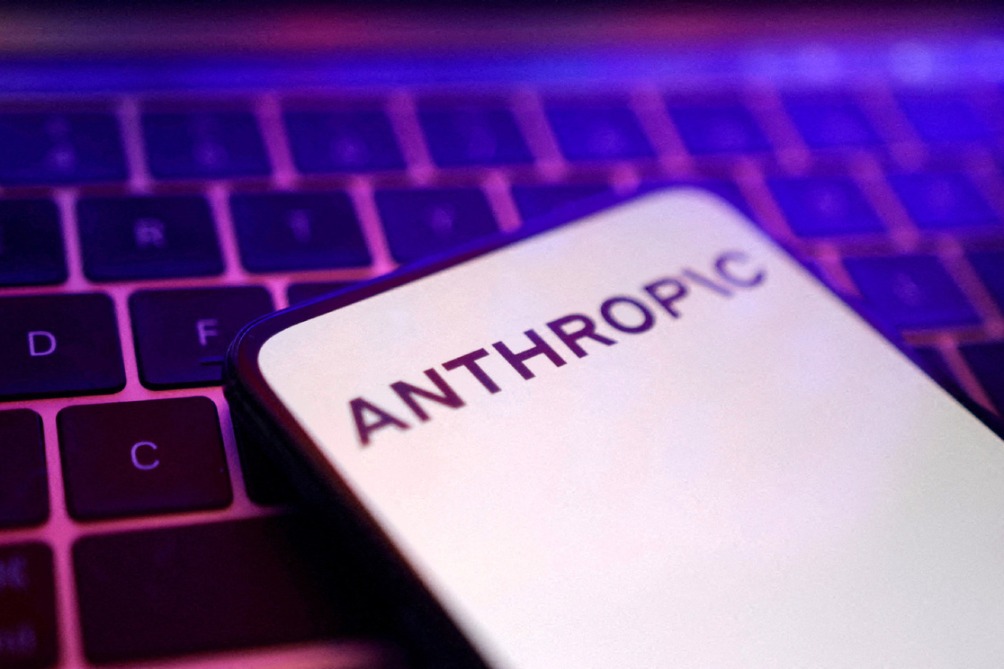
A dramatic confrontation between the United States government and artificial intelligence firm Anthropic has escalated into a defining moment for the ethical boundaries of military AI applications. The clash centers on the company’s refusal to compromise its safety protocols that prohibit deployment in fully autonomous weapons systems and domestic mass surveillance programs.
The tension reached a critical point when the Pentagon formally designated Anthropic as a supply-chain risk on March 5, 2026, following the administration’s February 27 directive for all government agencies to cease using the company’s Claude AI model within six months. This decisive action came after Anthropic CEO Dario Amodei publicly declined a request from the Department of War, stating the company “cannot in good conscience accede to” demands that would violate its core ethical principles.
According to military analysts, the Claude language model had been utilized by US forces for operational support in recent engagements with Venezuela and Iran, demonstrating AI’s expanding combat role. However, experts warn that current AI systems lack the necessary predictability, robustness, and safety requirements for lethal autonomous applications.
Dr. Jiang Tianjiao of Fudan University’s Center for Global AI Innovative Governance emphasized the dangers: “Even powerful models cannot guarantee reliability in real battlefield conditions where errors can have deadly consequences and risk escalating international conflicts.” He further cautioned that the Pentagon’s aggressive push for military AI integration could trigger a global arms race while potentially conflicting with international humanitarian law principles.
The repercussions extended beyond defense applications, with several federal departments including State, Treasury, and Health and Human Services instructing staff to discontinue Anthropic products. Meanwhile, OpenAI secured a contract to deploy its models within the Department of War’s classified networks, highlighting the competitive landscape.
Dr. Sun Chenghao of Tsinghua University’s Center for International Security and Strategy warned that punishing companies for maintaining safety standards creates perverse incentives to “prioritize contracts over constraints,” ultimately pushing risks to battlefields and society. He noted that existing international frameworks remain insufficient for governing AI militarization, as traditional arms control methods don’t apply well to software-based systems protected by commercial confidentiality and national security concerns.
Ironically, Anthropic’s principled stance coincided with a surge in public popularity, with its Claude chatbot recently topping the Apple App Store downloads and reported revenue increases. Experts suggest this reflects growing consumer awareness of ethical boundaries in technology.
The confrontation underscores the urgent need for international consensus on AI military applications. A December UN General Assembly resolution highlighted the pressing requirement to address emerging technologies in lethal autonomous weapons systems. Experts advocate for establishing verifiable safety guardrails and reaching minimum consensus on “meaningful human control” over dangerous applications, embedding the principle of “ultimate human command and accountability” into national policies and international agreements.