标签: North America

北美洲

  • Volcanic fragments rain down as Hawaii’s Kilauea volcano erupts

    Volcanic fragments rain down as Hawaii’s Kilauea volcano erupts

    Hawaii’s Kilauea volcano, one of the world’s most active volcanic systems, has commenced a significant eruption phase, discharging substantial volumes of volcanic material into surrounding communities. The explosive event propelled a hazardous mixture of fine ash, porous pumice, and sharp volcanic glass fragments across residential areas, creating potentially dangerous conditions for inhabitants and infrastructure.

    The volcanic activity necessitated immediate emergency measures, including the closure of major transportation arteries to ensure public safety. Authorities implemented mandatory evacuation protocols for tourists and residents in vulnerable zones, prioritizing human safety above all considerations. The eruption’s intensity demonstrates the unpredictable nature of volcanic systems, particularly Kilauea’s dynamic geological behavior.

    Volcanologists continue to monitor the situation closely, analyzing seismic data and gas emissions to predict potential developments in the volcanic activity. The current eruption episode serves as a stark reminder of the powerful geological forces continuously shaping Hawaii’s landscape and the ongoing challenges of coexisting with active volcanoes.

  • Severe weather batters US including this tornado in Illinois

    Severe weather batters US including this tornado in Illinois

    A devastating wave of severe weather tore through the American Midwest on Tuesday, leaving a trail of destruction and claiming multiple lives. The powerful storm system generated numerous tornadoes, with one particularly destructive twister causing significant damage in Illinois. The extreme conditions extended beyond Illinois, with the neighboring state of Indiana reporting two fatalities as a direct result of the violent weather.

    The outbreak serves as a stark reminder of the region’s vulnerability to spring tornado activity. Emergency response teams across affected states were immediately mobilized to conduct search and rescue operations, assess structural damage to buildings and infrastructure, and provide assistance to displaced residents. Meteorologists had issued advanced warnings for the severe weather event, though the intensity and precise locations of the tornado touchdowns highlighted the persistent challenges in predicting such extreme meteorological phenomena with absolute precision. The event is part of a larger pattern of severe spring storms affecting central United States.

  • US had blueprint to cut civilian war casualties – Trump killed it

    US had blueprint to cut civilian war casualties – Trump killed it

    A devastating missile strike on an elementary school in Minab, southern Iran, has become the tragic focal point of a major policy reversal in US military operations. Horrific images from the February 28 attack show grieving parents, blood-stained backpacks, and rows of small coffins – with Iranian health officials reporting over 165 fatalities, predominantly children under 12, and nearly 100 wounded.

    The tragedy coincides with the systematic dismantling of the Pentagon’s Civilian Harm Mitigation and Response (CHMR) program, an initiative established during the Biden administration to reduce noncombatant casualties. According to defense analysts, the Trump administration has reorganized national security around principles of increased aggression and reduced accountability, gutting the fledgling protection framework.

    Wes Bryant, a former special operations targeting specialist and senior CHMR adviser, witnessed the program’s abrupt termination after Defense Secretary Pete Hegseth prioritized ‘lethality’ over civilian safeguards. ‘We’re departing from the rules and norms that we’ve tried to establish as a global community since at least World War II,’ Bryant stated. ‘There’s zero accountability.’

    Open-source investigations by Bellingcat have authenticated video evidence showing a US-made Tomahawk missile striking adjacent to the school, with fragments recovered from the site. As the sole conflict party possessing Tomahawks, the United States faces mounting international scrutiny, with UN human rights experts calling for an investigation into potential violations of international law.

    The CHMR program, developed through painful lessons from past conflicts including the Kunduz hospital bombing and Mosul civilian casualties, employed approximately 200 personnel with a $7 million budget. It established standardized protocols for pre-strike civilian mapping, no-strike list maintenance, and post-operation investigations to incorporate lessons learned.

    Despite initial support from Trump-appointed defense officials during confirmation hearings, the program suffered approximately 90% reduction in staffing. Current operations in Iran have reportedly resulted in over 1,200 civilian casualties according to Human Rights Activists News Agency, echoing the very ‘forever war’ scenarios that originally prompted reforms.

    Military professionals warn that the administration’s approach risks creating what retired General Stanley McChrystal termed ‘insurgent math’ – where every innocent killed generates at least ten new enemies. With harm-reduction capabilities largely eliminated, analysts fear the Minab tragedy may represent just the beginning of a dangerous new chapter in US military operations.

  • US inflation stable ahead of Iran shock

    US inflation stable ahead of Iran shock

    New economic data reveals that US inflation maintained a steady pace in February, though analysts warn this stability precedes an anticipated surge driven by geopolitical conflict and energy market disruptions.

    According to the latest Consumer Price Index report, prices increased by 2.4% year-over-year in February, matching January’s rate. This consistency stemmed from counterbalancing forces: rising costs for essential categories including food and housing were offset by declining prices in sectors such as used vehicles.

    Critically, this data captures economic conditions prior to the recent military engagement between the US, Israel, and Iran—an event that has since triggered significant volatility in global energy markets. The conflict has propelled oil prices upward, with Brent crude futures climbing approximately $30 in recent weeks. This surge is already impacting consumers; the national average price for a gallon of gasoline surpassed $3.50 this week, reaching its highest point since 2024.

    Financial experts now project that these developments could drive inflation back above the 3% threshold in coming months. Such a scenario creates substantial uncertainty regarding the Federal Reserve’s timeline for interest rate adjustments. The central bank had aggressively raised borrowing costs throughout 2022 to combat inflation, which has remained persistently above its 2% target since 2021.

    Seema Shah, Chief Global Strategist at Principal Asset Management, characterized the February report as offering ‘some reassurance’ that underlying inflation trends weren’t deteriorating. However, she cautioned that the data effectively represents a ‘historical artifact’ given recent market developments. ‘With oil prices potentially heading toward triple digits, investors are far more focused on how this conflict feeds into inflation over the months ahead,’ Shah noted.

    While the Fed historically exercises caution regarding energy-driven price spikes due to their typically transient nature, Shah suggested the persistent inflation overshoot might make such patience ‘harder to justify this time.’ The central bank’s next policy decisions will likely hinge on whether energy cost increases trigger broader inflationary pressures across the economy.

  • America’s AI boom powering electricity squeeze

    America’s AI boom powering electricity squeeze

    A dramatic surge in electricity demand from artificial intelligence infrastructure is triggering a national energy crisis across the United States, creating unprecedented strain on power grids and escalating economic pressures on businesses and households alike.

    The alarming trend manifests in shocking utility bills, exemplified by Artisanal Brew Works in Saratoga Springs, New York, where co-owner Kurt Borchardt witnessed his electricity bill suddenly double with a $3,000-$4,000 monthly increase. This devastating cost spike has become the brewery’s second-largest expense after rent, severely compressing margins during an already challenging slow season.

    This individual case reflects a broader national pattern. Recent data from the U.S. Bureau of Labor Statistics reveals electricity prices surged 6.3% year-over-year in January, dramatically outpacing the overall inflation rate of 2.4%. The accelerating adoption of AI technologies has created an insatiable appetite for computational power, driving exponential growth in data center electricity consumption.

    According to Lawrence Berkeley National Laboratory, data centers accounted for 4.4% of total U.S. electricity consumption in 2023, projected to reach between 6.7% and 12% by 2028. In absolute terms, consumption has tripled from 58 terawatt-hours in 2014 to 176 TWh in 2023, with projections indicating potential growth to 580 TWh within four years—equivalent to powering over 50 million American households annually.

    The infrastructure implications are staggering. PJM Interconnection, serving 13 states and Washington D.C., recently reported its capacity auction fell 6,623 megawatts short of reliability requirements for 2027/2028. This supply-demand imbalance underscores the grid’s inability to keep pace with technology-driven consumption patterns.

    Economic consequences are already materializing. “Higher energy costs will act as a drag on growth and competitiveness for US firms and heighten affordability issues facing US households,” warned Aaron Pacitti, economics professor at Siena University. He emphasized that since electricity represents an inelastic good, these price increases will continue exerting upward pressure on inflation.

    The crisis exposes critical infrastructure vulnerabilities. The U.S. Department of Energy notes that over 70% of transmission lines exceed 25 years old, requiring substantial upgrades that haven’t kept pace with evolving demands. Extreme weather events further compound these systemic weaknesses.

    Internationally, China faces similar challenges but adopts a different approach, directing new data centers to regions with abundant renewable resources. Researcher Kyle Chan from the Brookings Institution notes China generates twice America’s electricity with nearly 6% annual growth, over half from clean energy sources.

    Solutions remain complex. While some experts suggest data centers develop dedicated power generation, such proposals face regulatory hurdles. Without significant acceleration in generation capacity and grid investment, electricity prices will likely maintain upward pressure, influencing both economic conditions and political debates for years to come.

  • Carney inches closer to majority, as fourth MP defects to Liberals

    Carney inches closer to majority, as fourth MP defects to Liberals

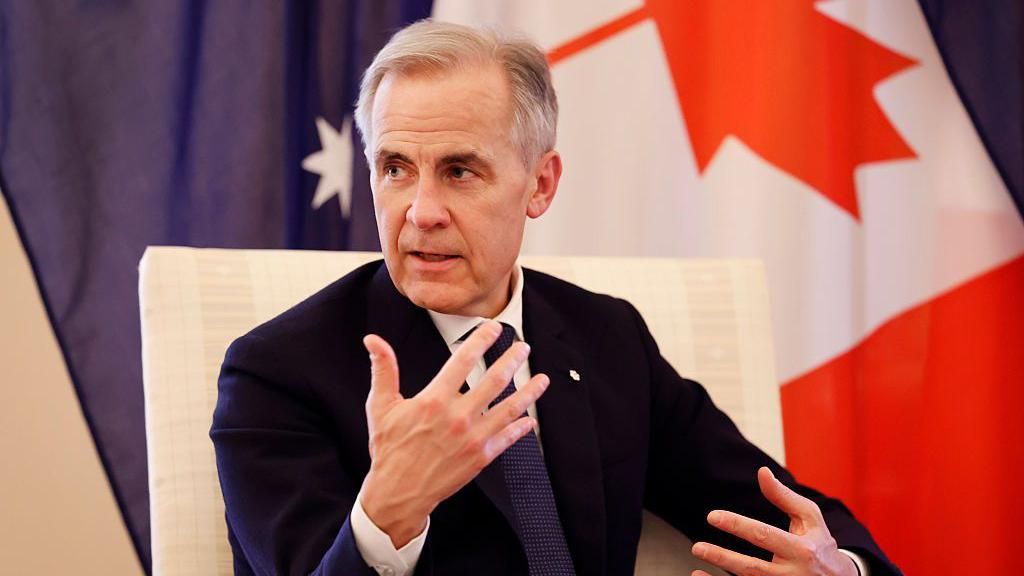
    Canadian Prime Minister Mark Carney’s minority government stands on the brink of securing parliamentary majority following a significant political defection. Lori Idlout, representing Nunavut and previously aligned with the left-leaning New Democratic Party (NDP), has crossed the floor to join the governing Liberal Party. This move marks the fourth parliamentary defection to Carney’s administration in recent months.

    Idlout’s decision follows extensive personal deliberation and consultations with her constituency, family, and political supporters. In an official statement released by the Liberals, she expressed her conviction that joining the governing party would better serve her constituents’ interests. The Liberal leadership enthusiastically welcomed Idlout, characterizing her defection as evidence of growing confidence in Carney’s leadership.

    The NDP’s interim leader Don Davies voiced strong disapproval, asserting that elected officials who switch party allegiance should seek renewed electoral mandates from their constituents. This defection occurs amid broader political realignments, with three former Conservative MPs—Matt Jeneroux, Chris d’Entremont, and Michael Ma—having previously joined the Liberal ranks.

    Conservative opposition figures have accused the government of employing coercive tactics to lure opposition members, though no specific evidence has been presented. The political landscape further intensifies with Carney’s announcement of three critical by-elections scheduled for April 13th. Two contests in Liberal-friendly Toronto districts and one highly competitive race in Montreal—where the previous election was decided by a single vote later invalidated by the Supreme Court—could determine the government’s future.

    Should the Liberals secure all three seats alongside Idlout’s defection, they would achieve 173 parliamentary seats, providing Carney with a stable majority that could extend his government’s tenure for three additional years without elections. This political shift occurs against the backdrop of the NDP’s organizational challenges, having retained only seven seats in last year’s federal election amid significant voter erosion. The party prepares to select new leadership later this month as it reevaluates its political strategy.

  • ICE fears looming on New York restaurants

    ICE fears looming on New York restaurants

    New York’s vibrant restaurant sector faces an unprecedented crisis as intensified Immigration and Customs Enforcement (ICE) operations target undocumented workers, creating widespread fear and potential economic disruption across the state’s service industry.

    Recent enforcement actions, mirroring nationwide raids that initially focused on major metropolitan areas like Minneapolis, have now emerged in New York through smaller-scale operations. According to a comprehensive joint study by the Fiscal Policy Institute (FPI) and Immigration Research Initiative (IRI), approximately 42,300 undocumented individuals form an essential component of New York’s workforce.

    Legal professionals report a dramatic surge in immigration-related cases. Edward J. Cuccia, a Manhattan-based attorney practicing near Chinatown, confirms receiving daily distress calls regarding detentions. “The rules mandate that individuals subject to deportation orders should receive formal notice,” Cuccia explained, “yet ICE routinely bypasses this procedural requirement.”

    The human impact extends beyond legal concerns to fundamental economic stability. With foreign-born workers constituting approximately 60% of New York’s restaurant and food service workforce according to the City Comptroller’s Office, the enforcement campaign threatens to destabilize the industry’s operational capacity.

    Emily Eisner, FPI’s acting executive director and chief economist, emphasizes the dual nature of the crisis: “These operations represent not only human rights violations affecting families and communities but also generate substantial economic repercussions by reducing essential labor force participation.”

    The restaurant industry contributes $93.3 billion in direct economic output to New York’s economy, supported by round-the-clock operations requiring extensive staffing from chefs and servers to delivery personnel. The FPI-IRI report identifies particularly vulnerable groups including 7,000 chefs, 17,000 cooks, 9,100 food preparation workers, and 9,200 waitstaff facing deportation risks.

    David Dyssegaard Kallick, IRI director and immigration integration expert, underscores the broader economic implications: “Large-scale deportation initiatives will contract economic activity by reducing workforce numbers, consumer base, and entrepreneurial capacity simultaneously.”

    Financial analyses reveal significant fiscal consequences. The Institute on Taxation and Economic Policy estimates that working migrants contributed $3.1 billion in state and local taxes during 2022. FPI projections indicate that deporting merely 10% of undocumented workers would eliminate $319 million in annual tax revenue.

    In response, New York City’s administration has implemented support mechanisms through the Mayor’s Office of Immigrant Affairs. “We’re intensifying efforts to connect immigrants with legal resources and rights education,” stated Shaina Torres, the office’s communications director.

    Community initiatives have emerged alongside governmental responses. Over 100 restaurants established the “Solidarity Restaurants” coalition in June with nonprofit backing, creating protective networks for food service workers. Despite these measures, experts warn that continued deportations will increase living costs for all New Yorkers through reduced service availability and higher prices.


  • US Senate approves Joshua Rudd as leader of NSA and Cyber Command

    US Senate approves Joshua Rudd as leader of NSA and Cyber Command

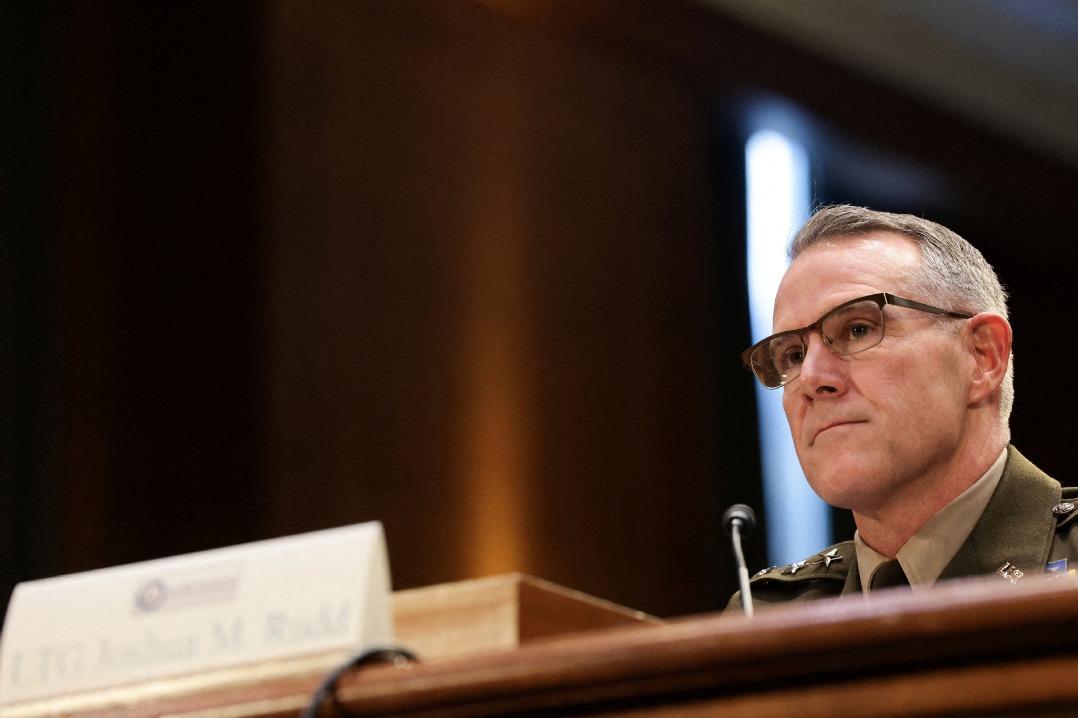
    WASHINGTON – In a decisive bipartisan move, the United States Senate has confirmed Joshua Rudd as the new director of both the National Security Agency (NSA) and the US Cyber Command. The confirmation, which occurred on Tuesday, March 11, 2026, concludes an 11-month leadership vacuum that began with the dismissal of the previous chief in April 2025.

    The upper chamber approved Rudd’s nomination with a final tally of 71 votes in favor to 29 against. This margin, while comfortable, revealed a notable level of opposition. A faction of Democratic lawmakers mounted resistance to the appointment, primarily challenging Rudd’s credentials. Their central argument centered on his perceived lack of specialized, hands-on experience in the complex domain of cybersecurity and digital warfare.

    Rudd’s professional background is deeply rooted in conventional military strategy and command. Prior to this appointment, he held the position of Deputy Director at the US Indo-Pacific Command, capping a military career spanning several decades. Proponents of his nomination highlighted this extensive command experience as a critical asset for leading the nation’s premier signals intelligence and cyber operations entities.

    Since the departure of former director Timothy Haugh last spring, William Hartman has been serving as the acting head of the two agencies, ensuring operational continuity during the extended interim period. Rudd’s confirmation now provides permanent, Senate-mandated leadership to oversee the nation’s cyber defense and intelligence-gathering apparatus at a time of escalating global digital threats.

  • Washington signals quick end to conflict

    Washington signals quick end to conflict

    The United States and Iran present starkly divergent projections regarding the timeline and conclusion of their ongoing military conflict, with Washington signaling imminent resolution while Tehran pledges indefinite resistance.

    President Donald Trump declared at a Monday press conference that military operations were progressing significantly ahead of schedule, suggesting the conflict could conclude ‘very soon.’ Despite previously estimating several more weeks of engagement, Trump asserted that campaign momentum indicated a ‘short-term excursion’ that would continue until Iran’s ‘total and decisive defeat.’ The administration characterized current achievements as substantial yet insufficient, without providing specific criteria for defining ultimate victory.

    Tehran’s leadership presented a contrasting narrative through multiple channels. Foreign Minister Seyed Abbas Araghchi informed PBS News that Iranian forces remained fully prepared to sustain missile attacks indefinitely. The Islamic Revolutionary Guard Corps separately asserted their authority to ‘determine the war’s conclusion,’ while state media broadcast images of substantial public rallies across Iranian cities demonstrating support for new Supreme Leader Mojtaba Khamenei.

    The strategic Strait of Hormuz emerged as a critical flashpoint in the conflict. President Trump guaranteed the vital oil passageway’s security, offering US naval escorts for tankers if necessary. French President Emmanuel Macron concurrently announced allied nations were developing defensive measures to reopen the shipping lane, describing the mission as focused on vessel escort operations following the conflict’s most intense phase.

    Diplomatic prospects appear increasingly remote according to Kamal Kharazi, foreign policy adviser to Iran’s supreme leader. He explicitly rejected current negotiation possibilities based on previous experiences with US diplomatic engagements, suggesting only severe economic pressure compelling third-party intervention might terminate American and Israeli aggression against Iran.

    Oil markets demonstrated volatility throughout the crisis, with West Texas Intermediate crude briefly approaching $120 per barrel before retreating to approximately $94. Brent crude settled near $90, reflecting market sensitivity to Hormuz shipping disruptions, regional conflict expansion, and production reductions by major Middle Eastern suppliers.

    Domestic US perspectives reveal significant concerns according to a Reuters/Ipsos poll, with 67% of Americans anticipating rising gasoline prices and 60% expecting prolonged military involvement in Iran. The administration acknowledged considering tariff or sanction relief for certain nations to help moderate oil prices amid these economic pressures.

  • ‘It’s Wilt, me, then Kobe’ – Adebayo scores 83 points

    ‘It’s Wilt, me, then Kobe’ – Adebayo scores 83 points

    In a breathtaking offensive explosion at the Kaseya Center, Miami Heat center Bam Adebayo delivered a performance for the ages, scoring 83 points to lead his team to a decisive 150-129 victory over the Washington Wizards. This monumental achievement now stands as the second-highest single-game scoring performance in NBA history, surpassing the legendary Kobe Bryant’s 81-point game from 2006 and trailing only Wilt Chamberlain’s iconic 100-point record set in 1962.

    The 28-year-old, three-time All-Star reached this historic milestone with remarkable efficiency, converting 36 of 43 free-throw attempts. This set new NBA records for both the most free throws attempted and made in a single game. Following the game, an emotional Adebayo reflected on the significance of his accomplishment, stating, ‘It’s Wilt, me, then Kobe, which sounds crazy.’ He described the experience as a ‘special moment’ that evoked deep emotions, adding, ‘I wish I could relive it twice.’

    Adebayo paid heartfelt tribute to his support system, acknowledging his family and trainers who stood by him during his most challenging times. ‘They’ve seen me at the lowest, at the bottom of the bottom, trying to figure out how to really pick myself up,’ he shared. ‘To have this moment and share it with all them, it’s a pretty emotional moment.’

    In other NBA action, the Los Lakers secured a 120-106 home victory against the Minnesota Timberwolves, propelled by Luka Doncic’s impressive triple-double of 31 points, 11 rebounds, and 11 assists. This win elevated the Lakers to fourth place in the Western Conference standings, edging ahead of the Timberwolves based on a tie-breaker despite identical 40-25 records.

    Meanwhile, Eastern Conference frontrunners the Detroit Pistons strengthened their position with a commanding 138-100 road win against the Brooklyn Nets. The victory, powered by Jalen Duren’s 26-point contribution, improved the Pistons’ league-leading record to an impressive 46-18.