标签: North America

北美洲

  • Trump orders total blockade of sanctioned oil tankers to and from Venezuela

    Trump orders total blockade of sanctioned oil tankers to and from Venezuela

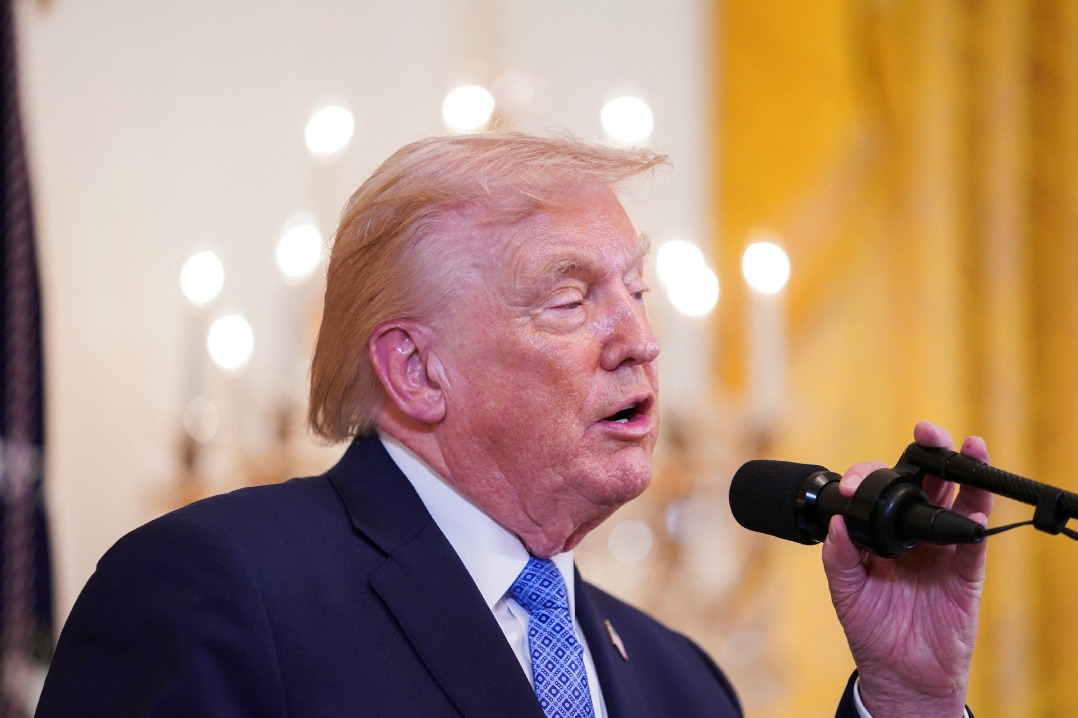
    In a significant escalation of pressure against the Venezuelan government, former U.S. President Donald Trump announced on Tuesday a comprehensive naval blockade targeting all sanctioned oil tankers traveling to and from Venezuela. The declaration, made via his Truth Social platform, marks the latest development in a prolonged campaign against the administration of President Nicolás Maduro.

    Trump formally designated the Venezuelan government as a ‘foreign terrorist organization,’ leveling serious accusations of involvement in international terrorism, narcotics trafficking, and human smuggling operations. The former president asserted that the United States would not permit ‘a hostile regime to take our oil, land, or any other assets,’ demanding the immediate return of what he characterized as stolen national resources.

    The announcement comes amid a substantial U.S. military buildup in the Caribbean region, which Trump described as ‘the largest armada ever assembled in the history of South America.’ This naval presence, ostensibly deployed to combat drug trafficking, has drawn sharp criticism from the Venezuelan government, which views it as a thinly disguised attempt to force regime change in Caracas.

    Recent weeks have seen concrete actions preceding this latest escalation. Last week, U.S. authorities intercepted an oil tanker near Venezuela’s coastline and imposed fresh sanctions on three relatives of Maduro’s wife, a business associate with government ties, and six companies involved in Venezuelan petroleum shipping.

    According to available data, U.S. military operations in the Caribbean and eastern Pacific since early September have resulted in the sinking of approximately 25 suspected narcotics vessels and the reported deaths of at least 95 individuals aboard these craft.

    Trump has repeatedly hinted at impending ground operations against Caribbean drug traffickers, statements that have substantially heightened tensions between the two nations. These developments have raised concerns among U.S. lawmakers and international observers regarding the legal justification and underlying motives behind military actions in the region.

    Recent polling indicates significant public skepticism, with a Reuters/Ipsos survey showing nearly half of American adults oppose military strikes against suspected drug vessels without prior judicial authorization.

  • Chinese legend White Snake reimagined through experimental theater in New York

    Chinese legend White Snake reimagined through experimental theater in New York

    NEW YORK—The ancient Chinese folktale of The Legend of the White Snake has undergone a transformative reinterpretation through experimental theater, captivating audiences at New York’s HERE Arts Center from December 14-16, 2025. The production titled ‘Qing Bai: Innocence’ represents a groundbreaking fusion of Eastern mythology and Western avant-garde performance techniques, created by a collaborative team of emerging Chinese theater artists.

    This innovative staging employed movement, sound, and physical gesture within an experimental framework to explore universal emotional themes transcending cultural boundaries. The creative team deliberately moved beyond conventional narrative structures, implementing an ‘ensemble approach’ that granted four central characters equal narrative weight and complete story arcs.

    Lead performer and co-playwright Ophelia He, who portrays the serpent spirit Bai Suzhen while simultaneously playing traditional pipa instrumentation, described the New York presentation as profoundly significant. ‘I feel honored to bring this beautiful piece of traditional Chinese culture to New York theaters,’ He stated, emphasizing the production’s accessibility despite cultural differences. ‘Even without prior knowledge of Chinese tradition or language, audiences can feel the emotional struggles and identities through performance and physical expression.’

    Director and co-playwright Tara Nyingje explained the production’s experimental nature: ‘I’m especially drawn to exploring how familiar stories can be reimagined through different forms of expression. This tale can be interpreted in numerous ways and understood from multiple perspectives.’

    The production faced unique linguistic challenges, performing primarily in Mandarin while projecting English surtitles rendered in deliberately archaic language to match the historical tone of the original dialogue. This approach, while potentially ‘awkward’ to modern ears, intentionally blended contemporary and ancient storytelling elements.

    The creative process, which began in September, formed part of a broader East Coast tour including performances at Brown and Yale Universities. For the artists involved, the project represents both cultural exploration and personal discovery, with He noting that her Western academic experience intensified her desire to investigate her Chinese cultural heritage. ‘This makes me look back and explore the underlying core of my own culture,’ she reflected.

    The team views their work as continuing the folktale’s evolutionary tradition—a story that has transformed across Chinese dynasties through retellings and adaptations. As Nyingje concluded, ‘Performance methods are primarily tools. The ongoing interest always lies in integrating Chinese cultural elements into experimental theater and testing how they could be combined.’

  • Manhunt continues days after deadly shooting at Brown University

    Manhunt continues days after deadly shooting at Brown University

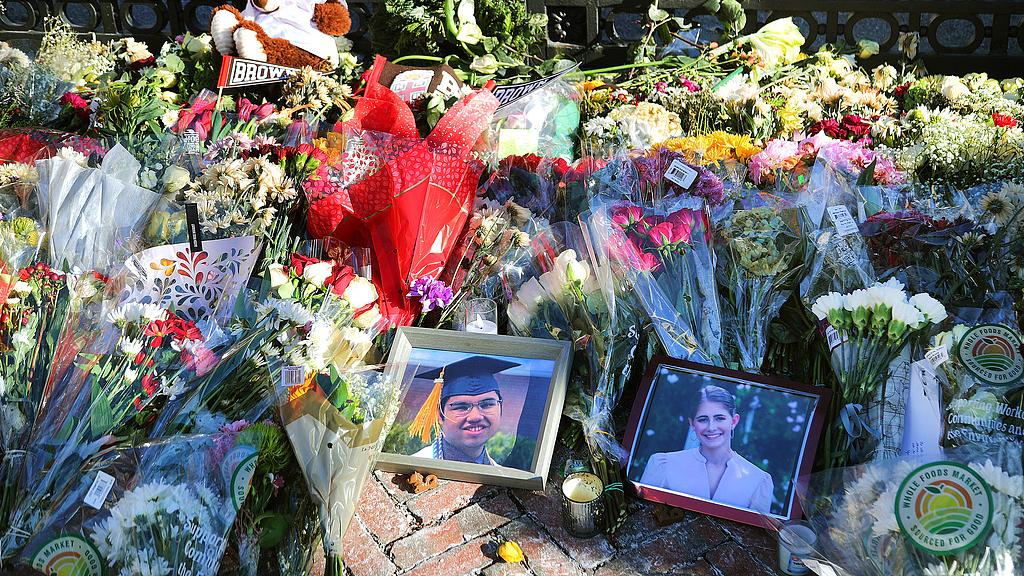
    PROVIDENCE, R.I. – Law enforcement authorities continue their intensive search for a gunman responsible for a deadly campus shooting at Brown University that resulted in two fatalities and nine injuries, now entering its fourth day without a confirmed suspect in custody.

    The tragic incident occurred during final examination period at the Barus and Holley engineering building, which was densely populated with students preparing for exams and the approaching Christmas break. According to eyewitness accounts, the shooting triggered an immediate campus-wide lockdown protocol, with students and faculty sheltering in place for several hours while police secured the area.

    University administration confirmed the identities of the deceased as Mukhammad Aziz Umurzokov, an incoming freshman from Uzbekistan, and Ella Cook, an Alabama native and sophomore who served as vice-president of the university’s Republican club. A memorial vigil was held on campus to honor the victims, even as the institution canceled remaining in-person classes and examinations for the semester.

    Despite initial detention of a person of interest on Sunday, Providence Police Department subsequently released the individual without charges, acknowledging that investigative leads remain limited. This development has compounded frustrations within the campus community, where many expected quicker resolution given Rhode Island’s status as one of America’s states with lowest violent crime rates, according to FBI Crime Data Explorer statistics.

    The Gun Violence Archive has documented this incident as the 393rd mass shooting nationwide in 2025, placing renewed attention on firearm violence in educational environments. While university officials have stated there is no ongoing threat to campus safety, many students report persistent unease and concerns about security measures.

    Graduate student Zico, who was present in the engineering building during the shooting, described sheltering beneath a desk while awaiting police assistance. “Beyond the immediate fear, what lingers is profound frustration,” he noted. “The perpetrator remains at large days later, with apparently minimal investigative progress.”

    Another student, Bella Wang, recounted barricading herself in a third-floor classroom for nearly six hours after realizing the shooting was occurring in adjacent facilities. “The surreal nature of violence invading our academic environment remains difficult to process,” Wang stated. “Educational institutions should represent safety, but that fundamental trust has been profoundly shaken.”

    As the campus partially reopens ahead of holiday break, university administrators face mounting pressure to enhance security protocols while addressing broader concerns about gun violence prevention in academic settings.

  • Trump administration expands list of countries subject to entry restrictions

    Trump administration expands list of countries subject to entry restrictions

    In a significant escalation of its immigration policy, the Trump administration has substantially widened the scope of countries facing entry restrictions into the United States. President Donald Trump formalized this expansion through a presidential proclamation on Tuesday, December 16, 2025, set to take effect on January 1, 2026.

    The White House justified the move as a necessary measure to bolster national security, targeting nations identified as having “demonstrated, persistent, and severe deficiencies” in their screening, vetting, and information-sharing protocols. This policy overhaul represents the most substantial revision since the initial travel restrictions were implemented in June 2025, which affected 19 countries through full or partial bans.

    The updated framework introduces sweeping changes. Five additional nations—Burkina Faso, Mali, Niger, South Sudan, and Syria—now face comprehensive entry restrictions. Furthermore, the administration has imposed full bans on all individuals holding travel documents issued by the Palestinian Authority.

    Notably, two countries previously under partial restrictions, Laos and Sierra Leone, have been elevated to the full restrictions list. Concurrently, partial entry limitations have been extended to citizens from 15 new countries: Angola, Antigua and Barbuda, Benin, Cote d’Ivoire, Dominica, Gabon, The Gambia, Malawi, Mauritania, Nigeria, Senegal, Tanzania, Tonga, Zambia, and Zimbabwe.

    The administration maintains partial restrictions on four nations from the original list: Burundi, Cuba, Togo, and Venezuela. While Turkmenistan sees a relaxation for nonimmigrant visas, its suspension on immigrant visas remains in force.

    This policy expansion occurs against a backdrop of heightened security concerns. The White House cited a recent Thanksgiving week shooting incident in Washington DC, involving a 29-year-old Afghan asylum recipient, as illustrative of the threats prompting these enhanced measures. These actions align with parallel initiatives by U.S. Citizenship and Immigration Services (USCIS), which last month initiated renewed reviews of green card holders from 19 designated “countries of concern.”

    President Trump had previously signaled this policy direction through social media, advocating for the permanent suspension of immigration from what he termed “Third World countries.” The State Department has concurrently announced a suspension of visa issuances to holders of Afghan passports.

    Media analysis suggests the administration has strategically utilized politically sensitive moments to advance its immigration agenda. The initial travel ban in June was announced shortly after an attack in Boulder, Colorado, perpetrated by an Egyptian national who had entered on a visa.

  • Trump orders blockade of sanctioned oil tankers in and out of Venezuela

    Trump orders blockade of sanctioned oil tankers in and out of Venezuela

    In a dramatic escalation of tensions, former US President Donald Trump has announced a comprehensive naval blockade targeting all sanctioned oil tankers entering or departing Venezuelan waters. The declaration came via Trump’s Truth Social platform, where he formally designated Nicolás Maduro’s government as a foreign terrorist organization while leveling serious allegations of asset theft, drug smuggling, and human trafficking.

    This provocative move follows last week’s seizure of the oil tanker ‘Skipper’ by US forces off Venezuela’s coast, which Caracas condemned as an act of ‘kidnapping and theft.’ Trump asserted that Venezuela is now ‘completely surrounded by the largest Armada ever assembled in the South American region,’ promising the military presence would ‘only get bigger’ and exceed anything previously witnessed.

    The Trump administration has maintained consistent pressure against Maduro’s government, with the US military reporting approximately 90 casualties in recent anti-narcotics operations targeting vessels allegedly transporting fentanyl. Additional sanctions have been imposed on six more ships carrying Venezuelan oil, alongside measures targeting Maduro’s relatives and businesses associated with his administration.

    Venezuela, possessing among the world’s largest proven oil reserves, has repeatedly accused Washington of attempting to plunder its natural resources. The escalating situation has drawn serious concern from US lawmakers, with Congressman Joaquin Castro (D-Texas) characterizing the naval blockade as ‘unquestionably an act of war.’ The House of Representatives is scheduled to vote on a resolution directing the president to cease hostilities with Venezuela, highlighting domestic political divisions over the aggressive foreign policy approach.

  • IPL auction: How Cameron Green struck gold in Abu Dhabi

    IPL auction: How Cameron Green struck gold in Abu Dhabi

    The Indian Premier League auction in Abu Dhabi witnessed historic bidding wars on Tuesday, with Australian all-rounder Cameron Green emerging as the standout acquisition. The 26-year-old cricket sensation sparked an intense competition among franchises, ultimately securing a record-breaking $2.8 million contract with Kolkata Knight Riders. This monumental deal establishes Green as the most expensive overseas player in IPL history, underscoring the premium value placed on versatile athletes capable of contributing across multiple disciplines.

    Green’s exceptional dual capabilities as a powerful top-order batsman and skilled seam bowler made him the most sought-after talent of the auction. His acquisition reflects a strategic shift among IPL franchises toward prioritizing multi-dimensional players who provide tactical flexibility throughout the demanding tournament season.

    Beyond the headline-making Green signing, Chennai Super Kings demonstrated calculated aggression by securing both Prashanth Veer and Kartik Sharma for identical $1.58 million contracts. This dual investment strategy highlighted CSK’s focused approach to building immediate competitiveness while planning for future transitions as veteran players approach retirement.

    Royal Challengers Bengaluru strengthened their squad balance with the strategic addition of Venkatesh Iyer for $780,000. The experienced all-rounder brings proven IPL performance credentials and pressure-handling capabilities to a team historically reliant on specialist batsmen.

    The auction proceedings saw 77 players successfully secured, including 29 international cricketers, with particular demand for bowlers possessing specialized death-over or spin techniques. While some established names initially went unsold, teams returned during accelerated bidding rounds to address specific roster requirements.

    With the 2026 IPL season commencing March 26, franchises now shift focus to finalizing team combinations and strategic preparations. The Abu Dhabi auction has once again demonstrated how strategic acquisitions during this single-day event can fundamentally reshape team prospects and championship expectations in the world’s premier T20 cricket competition.

  • Warner Bros to reject $108bn Paramount bid, reports say

    Warner Bros to reject $108bn Paramount bid, reports say

    Warner Bros Discovery is preparing to formally recommend that its shareholders reject a monumental $108.4 billion acquisition proposal from Paramount Skydance, with an official announcement anticipated as early as Wednesday. This development follows Paramount’s assertion that its bid is financially superior to a separate $72 billion agreement Warner Bros recently finalized with Netflix for its film and streaming divisions.

    The acquisition landscape has grown increasingly complex with the reported withdrawal of a key financial supporter, Affinity Partners, from the Paramount-led bid. Founded by prominent US businessman Jared Kushner, son-in-law of former President Donald Trump, Affinity cited the emergence of ‘two strong competitors’ as the reason for its exit, though specifics were not disclosed.

    According to insights from the Financial Times, Warner Bros’ opposition to the Paramount offer is multifaceted, centering primarily on concerns regarding the feasibility and structure of the proposed financing. This corporate maneuvering began in October when Warner Bros Discovery initiated a formal sale process after attracting numerous expressions of interest from potential acquirers.

    The current situation presents a tale of two competing transactions. On December 5th, Warner Bros Discovery announced its agreement to transfer film and streaming assets to Netflix. Shortly thereafter, Paramount Skydance—backed by the billionaire Ellison family, which maintains close presidential connections—countered with a comprehensive bid for the entire company, including valuable television networks.

    Should any acquisition proceed, regulatory hurdles await. Both U.S. and European competition authorities are expected to subject a Warner Bros takeover to intense scrutiny. The successful acquirer would obtain a commanding position in the streaming marketplace, gaining control over an extensive content library featuring iconic franchises including Harry Potter, Friends, and the HBO Max streaming platform.

    The potential consolidation has drawn criticism from industry representatives. The Writers Guild of America East and West branches have jointly called for regulators to block the merger, warning that such market concentration would inevitably lead to reduced wages, significant job cuts, and diminished content variety for viewers.

    All involved parties—Warner Bros Discovery, Paramount Skydance, and Affinity Partners—have declined to comment publicly on these recent developments when contacted by news organizations.

  • Trump expands US travel ban to five more countries

    Trump expands US travel ban to five more countries

    The Trump administration has significantly expanded its controversial travel restrictions, adding five additional countries and Palestinian Authority document holders to the list of those facing entry prohibitions to the United States. Effective January 1st, the enhanced security measure will impose full entry restrictions on nationals from Burkina Faso, Mali, Niger, South Sudan, and Syria, alongside individuals traveling with Palestinian Authority-issued documentation.

    White House officials justified the expansion as a necessary precaution to safeguard national security, citing deficiencies in foreign screening systems, elevated visa overstay rates, unreliable civil documentation, corruption concerns, terrorist activities, and insufficient cooperation regarding deportation procedures. The policy revision follows recent security incidents, including the arrest of an Afghan national suspected of attacking National Guard personnel during the Thanksgiving weekend.

    This represents the third iteration of the travel ban since President Trump initially implemented the policy in 2017, which previously faced widespread protests and legal challenges before ultimately being upheld by the U.S. Supreme Court. The administration has now reclassified Laos and Sierra Leone from partial to full restrictions while implementing limited entry limitations for fifteen additional countries including Nigeria, Tanzania, and Zimbabwe.

    The restrictions will remain indefinitely until affected nations demonstrate measurable improvements in identity management protocols, information-sharing practices, and cooperation with U.S. immigration authorities. Exemptions apply for lawful permanent residents, current visa holders, diplomats, and athletes participating in major international sporting events, with case-by-case waivers available for travel deemed to serve national interests.

    Countries now facing full entry restrictions include Afghanistan, Burkina Faso, Burma, Chad, Equatorial Guinea, Eritrea, Haiti, Iran, Laos, Libya, Mali, Niger, Republic of the Congo, Sierra Leone, Somalia, South Sudan, Sudan, Syria, and Yemen, plus Palestinian Authority document holders. Partial restrictions apply to Angola, Antigua and Barbuda, Benin, Burundi, Côte d’Ivoire, Cuba, Dominica, Gabon, The Gambia, Malawi, Mauritania, Nigeria, Senegal, Tanzania, Togo, Tonga, Venezuela, Zambia, and Zimbabwe. Turkmenistan maintains restrictions for immigrants while having them lifted for non-immigrant visas.

  • Police release new video in manhunt for Brown University attacker

    Police release new video in manhunt for Brown University attacker

    Law enforcement authorities have intensified their search for the perpetrator behind the deadly shooting at Brown University, releasing newly enhanced surveillance footage of an individual considered a person of interest in the ongoing investigation. The video, compiled from various security cameras, depicts a figure clad in dark attire with a black mask and hat moving through campus areas approximately two hours prior to the tragic incident that resulted in two fatalities and nine injuries.

    Providence Police Chief Oscar Perez characterized the footage as showing potential ‘casing’ behavior—a reconnaissance tactic often employed by criminals before executing planned offenses. The individual appears carrying a black bag across their chest in certain frames, though this detail remains inconsistent across all footage. Despite four days of intensive investigation, authorities have yet to establish a confirmed identity for the suspect, leaving the Ivy League community in a state of heightened alertness.

    Investigators have disclosed that no internal CCTV cameras within the lecture hall—where students were conducting exam reviews during the attack—captured imagery of the gunman. Officials remain guarded regarding potential motives or whether specific individuals were deliberately targeted in the assault.

    Rhode Island Attorney General Peter Neronha affirmed that investigative operations are progressing effectively, urging public confidence in the capabilities of experienced detectives working on the case. Concurrently, law enforcement presence has been substantially amplified throughout the campus and surrounding Providence area as a precautionary measure. Mayor Brett Smiley emphasized that these enhanced security deployments aim primarily to reassure community members, noting there exists ‘no credible, actionable, specific threat’ identified since the Saturday shooting.

    Authorities continue soliciting public assistance, requesting residents review personal security systems for any relevant footage and noting distinctive characteristics such as gait patterns or other identifiable features of the individual in the released video.

  • Trump signs more orders in one year than his entire first term, a record since World War II

    Trump signs more orders in one year than his entire first term, a record since World War II

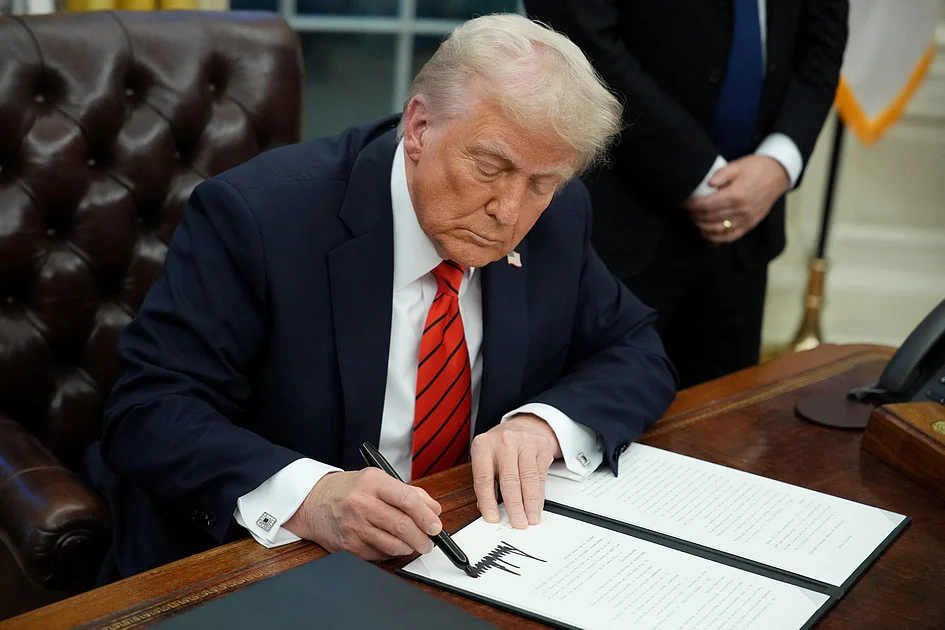
    President Donald Trump has redefined presidential power dynamics during his current term, issuing executive orders at a historical rate unmatched since World War II. Official records from the Federal Register reveal that Trump has signed 221 executive orders since his January 20 inauguration, surpassing the total from his entire previous term in just eleven months.

    The most recent order, signed Monday, designates fentanyl as a ‘weapon of mass destruction,’ continuing the administration’s pattern of bypassing Congressional approval mechanisms. This executive action frenzy represents one of the most substantial exercises of presidential authority in modern American history.

    Comparative analysis shows Trump’s three immediate predecessors—Joe Biden, Barack Obama, and George W. Bush—averaged between 30-40 executive orders annually. Only Franklin D. Roosevelt exceeded Trump’s current pace, issuing approximately 4,000 orders across four terms during the extraordinary circumstances of the Great Depression and World War II.

    According to AFP’s comprehensive analysis of official data, the orders span an exceptionally diverse range of policy areas. Domestic policy dominates at nearly 60%, while foreign affairs accounts for fewer than 10%. Social issues including culture, civil rights, education, and health constitute approximately 30% of all orders, outpacing economic and trade matters (20%) and government reform initiatives (18%).

    The administration’s most productive period occurred during the first four months, with over 30 orders issued monthly. However, the pace has notably slowed since early October, with only a dozen new orders appearing in the subsequent two and a half months. The orders have addressed topics ranging from artificial intelligence regulation and customs barriers to cultural policies and federal architecture standards.