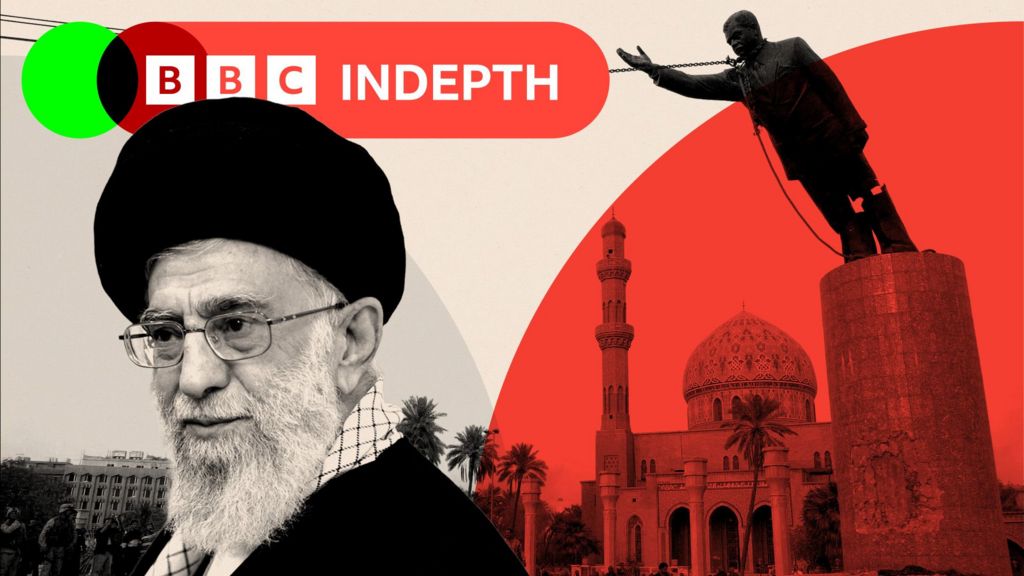
The iconic toppling of Saddam Hussein’s statue in Baghdad’s Firdos Square on April 9, 2003, marked a symbolic endpoint to his regime, yet became the opening chapter of a conflict whose consequences continue to reverberate through global politics. What appeared as a swift victory—celebrated by President George W. Bush’s “Mission Accomplished” declaration just three weeks later—unfolded into a protracted engagement costing approximately 461,000 Iraqi lives and $3 trillion in U.S. expenditures.
The Iraq War fundamentally altered Middle Eastern geopolitics while eroding public trust in Western governments. Today, as the United States engages in military action against Iran, analysts identify both haunting parallels and critical distinctions between these conflicts. Both represent American-led “wars of choice” with complex, overlapping motivations including regime change aspirations, weapons proliferation concerns, and regional power rebalancing.
Whereas the Iraq invasion featured meticulous public persuasion campaigns emphasizing Saddam’s alleged WMD capabilities (later proven false), current operations against Iran have emerged with strikingly different diplomatic preparation. The Trump administration has bypassed United Nations legitimacy processes and made minimal efforts to build domestic consensus, reflecting both the collapse of traditional international frameworks and a more mercurial presidential approach.
Alliance structures have similarly transformed. The 2003 invasion featured robust UK participation under Prime Minister Tony Blair’s “whatever” commitment to Washington. Today, Britain’s Labour government maintains deliberate distance, refusing base access for offensive operations—a caution born from Iraq’s painful legacy.
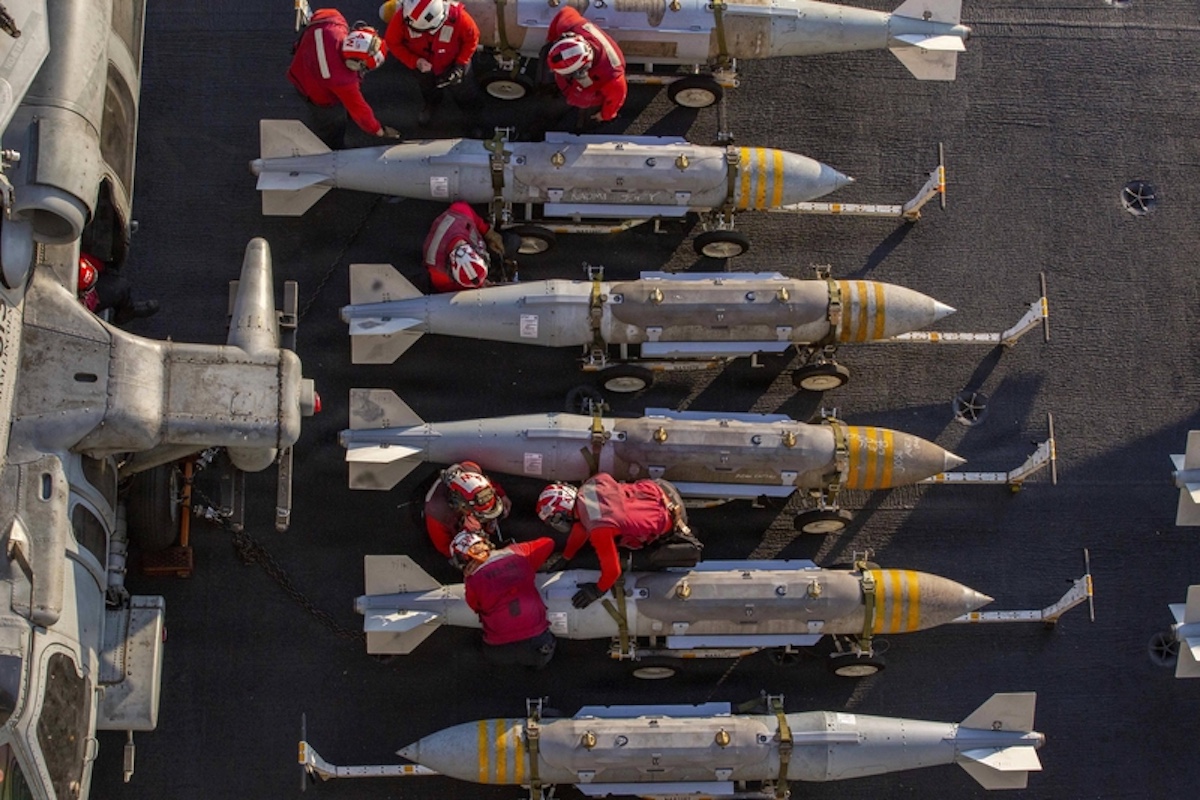
Military strategy diverges significantly as well. Unlike the 150,000 ground troops deployed to Iraq, current operations emphasize aerial capabilities and proxy partnerships, particularly with Israel. Defense officials explicitly reject comparisons to Iraq’s “forever war,” though critics question whether limited engagement can achieve stated objectives like regime change or permanent degradation of Iranian capabilities.
Perhaps the most sobering parallel lies in the apparent lack of post-conflict planning. Just as Iraq descended into insurgency and civil war despite initial military success, current operations risk empowering Iran’s regional influence while destabilizing neighboring states. The Iraq experience demonstrated that destroying regimes proves easier than building stable replacements—a lesson seemingly unabsorbed as conflict escalates without clear endgame objectives.