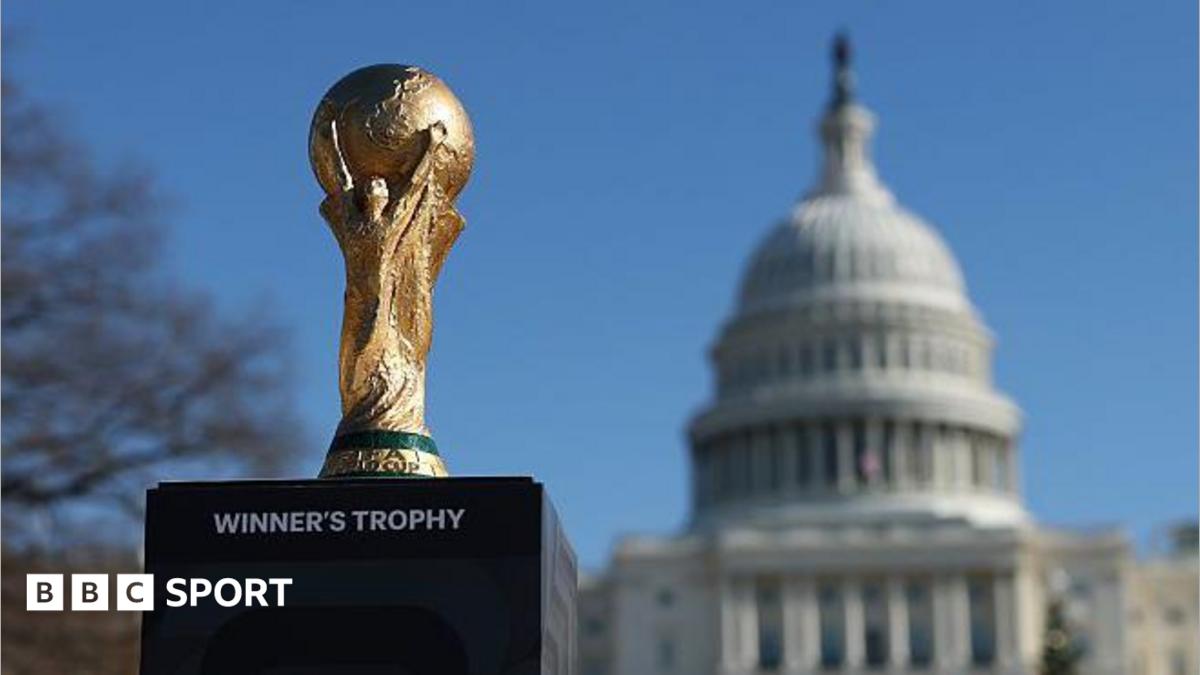
After more than three decades since the United States last welcomed the FIFA World Cup, the world’s most-watched sporting spectacle is returning to North American soil this summer, co-hosted jointly by the US, Canada and Mexico. As the kickoff draws near, organizers and local communities are navigating a range of pre-tournament challenges, from lingering geopolitical tensions and widespread frustration over strict visa rules to sticker shock from record-high ticket prices. At the top of many minds remains one pressing question: is the United States truly prepared to shoulder the pressure of co-hosting an event of this unprecedented scale?
标签: North America
北美洲
-
Air Canada pilot accused of flying without correct licence
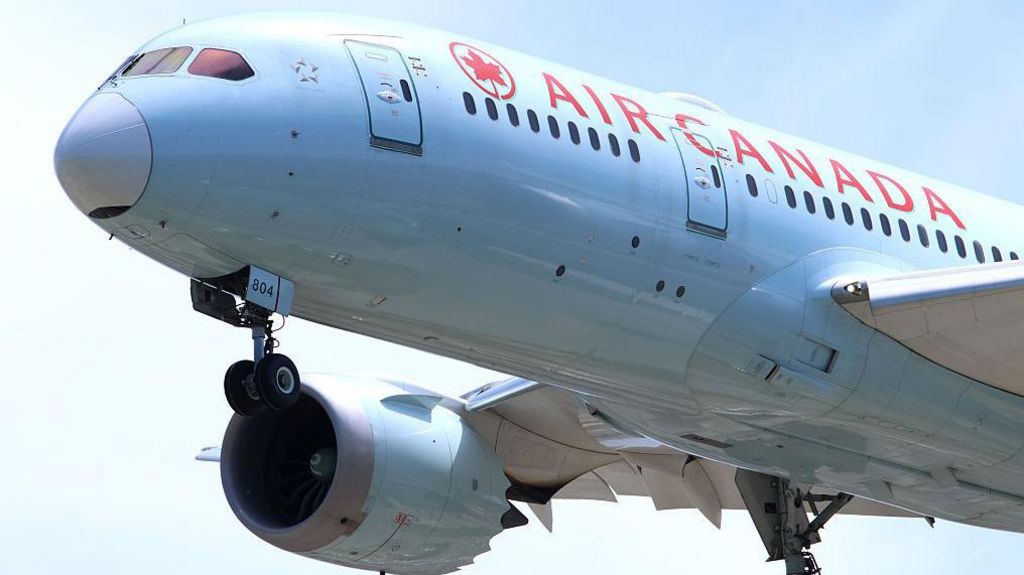
A major scandal has erupted in Canadian commercial aviation after authorities revealed a former Air Canada captain allegedly operated thousands of commercial flights carrying passengers while lacking a mandatory top-tier flying credential required for his role. According to official and airline statements, the pilot did hold a valid basic pilot licence, but failed to secure the critical Airline Transport Pilot Permit – a mandatory qualification that all promoted captains must obtain by passing a rigorous sequence of written and practical assessments. Air Canada confirmed that as soon as internal oversight processes uncovered the discrepancy, the pilot was immediately removed from all active flight duties, and the airline proactively reported the entire incident to Canada’s national civil aviation regulator, Transport Canada. To reassure the traveling public, the carrier emphasized that at no point was passenger safety compromised. All Air Canada pilots, including the accused individual, undergo mandatory standardized competency assessments every six months to confirm they meet all flight proficiency requirements, the airline added. Stressing that it treats regulatory non-compliance issues with the highest degree of seriousness, Air Canada also noted that it launched a full company-wide audit of all active pilots’ credentials following the discovery. The audit, which has now been completed, found no other instances of missing or invalid certification across the airline’s pilot corps. According to a report from ABC News, which cited unnamed official sources, the ex-Air Canada pilot has been arrested on fraud-linked criminal charges, and was subsequently released from custody to await upcoming legal proceedings. Neither Canadian law enforcement officials nor Air Canada have released the name of the accused pilot, nor have they disclosed the full details of the specific criminal charges he is facing. The BBC has confirmed it reached out to Air Canada to request additional comment on the ongoing case. The incident has sparked renewed questions about pilot credential verification processes in Canadian commercial aviation, even as Air Canada moved quickly to contain potential public concern over safety standards.
-
I have right papers and visa – barred referee Artan
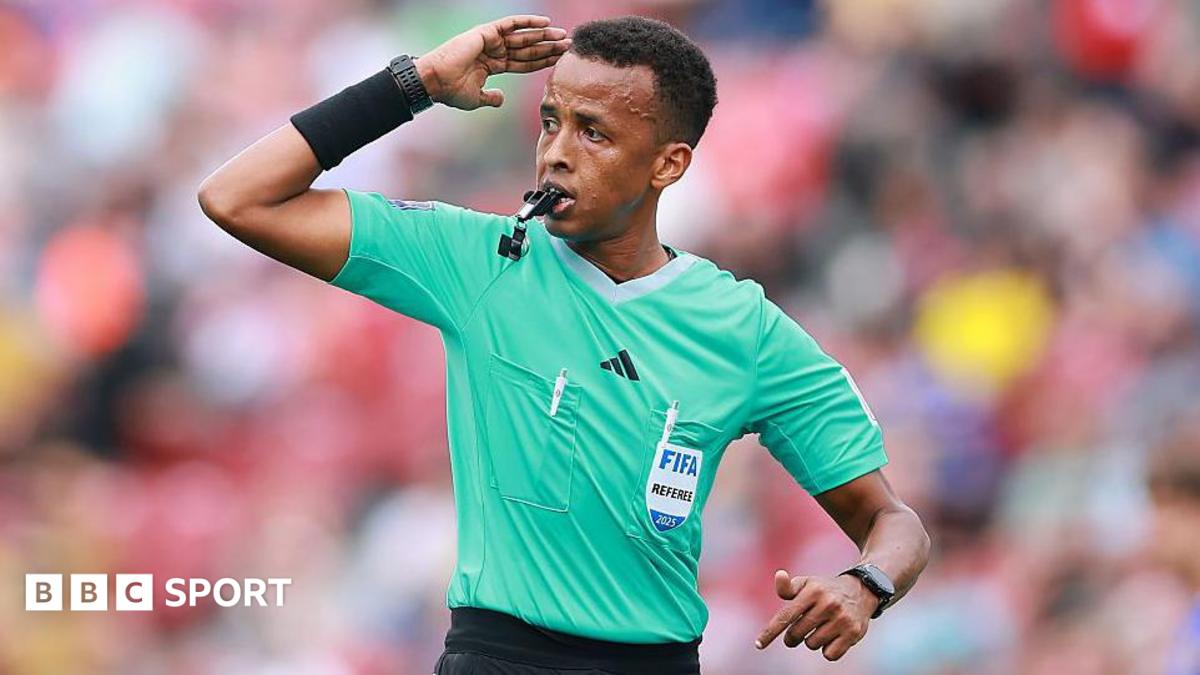
The 2026 FIFA World Cup, co-hosted by the United States, Canada and Mexico, has been hit by another high-profile controversy after Somali referee Omar Artan – set to make history as the first Somali official to work a World Cup finals – was denied entry to the US and removed from the tournament’s officiating roster.
Artan, a FIFA-listed referee since 2018 with prior experience officiating at the 2025 Africa Cup of Nations, says he completed an grueling 11-hour immigration interview at Miami International Airport before being detained in a holding cell for several hours and ultimately repatriated on a flight back to Istanbul. The referee told reporters he carried all required documentation, including a specifically issued diplomatic passport arranged after earlier travel complications and a valid US visa aligned with World Cup requirements.
“I am very, very disappointed,” Artan told the New York Times. “I’m just simply a referee who’s trying to live his dream – the biggest dream of my life, to come to the World Cup. I think that they have a problem with my country.”
To date, US immigration authorities have not released any public explanation for the entry denial. Somalia is one of the Muslim-majority nations included in a travel restriction first implemented by the Trump administration, and President Trump reaffirmed his anti-immigrant stance toward Somalis just months ago, telling reporters Somali immigrants should “go back to where they came from.”
FIFA confirmed Artan’s removal from the roster in an official statement earlier this week, noting that global governing body has no authority over host country immigration processes. “Fifa can confirm that match official Omar Abdulkadir Artan will be unable to train and officiate at the Fifa World Cup 2026 after he was denied entry into the United States,” the statement read. “Fifa is not involved in host country immigration processes, including visa adjudications, and has been informed by authorities that Mr Artan’s status will not be changed at present.”
Senior advisors with Somalia’s Ministry of Youth and Sports and embassy officials based in Nairobi have both corroborated Artan’s account, confirming all of his travel documentation was valid and issued in accordance with US entry requirements for World Cup officials.
Andrew Giuliani, who leads the White House Task Force for the 2026 World Cup, defended US Customs and Border Protection’s decision in comments to BBC World Service. “While I can’t go into the derogatory information on that I can tell you it was the right decision by customs and border patrol and I support that decision,” Giuliani said.
The structure of the 2026 tournament leaves Artan no alternative path to participate: FIFA’s lead referee official Pierluigi Collina has centralized all 52 referees and 88 assistant referees at a training and preparation hub in Miami, requiring all on-pitch officials to remain based in Florida for the duration of pre-tournament preparations and the event itself. Allowing Artan to only officiate matches held in Canada or Mexico is not permitted under tournament logistics rules.
Artan’s exclusion is just the latest in a string of disruptions that have marred the lead-up to the 2026 World Cup, which kicks off June 11 and runs through July 19. Just one day after Artan’s removal, Iran’s national football federation announced that all of its allocated fan tickets for the team’s group stage matches had been revoked by tournament organizers.
Prominent British football pundit and former England striker Ian Wright has labeled the ongoing string of issues a “World Cup of chaos” in a viral Instagram video. “Every few hours, it’s another story about fans denied, player denied, officials denied, journalists denied, now refs,” Wright said. “I’m laughing but it’s not funny. The most expensive tickets ever, expensive accommodation, transport through the roof. Is this how the hosts behave for the greatest game, the greatest tournament in the world? I feel for the American fans who are desperate for this – how embarrassing for this must be for them.”
-
Sea drone rescues US army helicopter crew near Strait of Hormuz
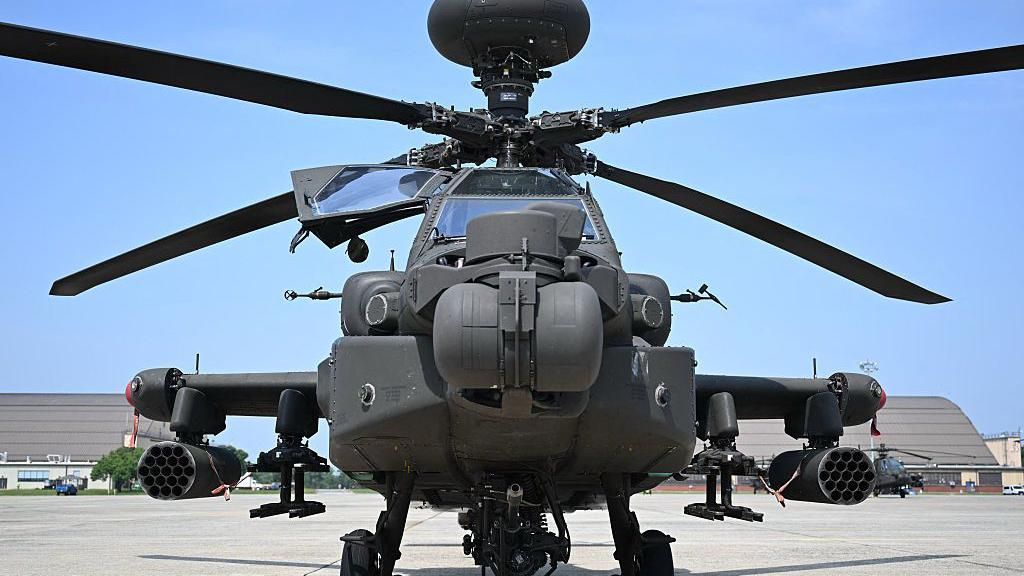
In a groundbreaking first for U.S. military operations, an uncrewed surface sea drone executed the successful rescue of two U.S. Army soldiers after their AH-64 Apache attack helicopter crashed in waters near the Strait of Hormuz on Monday, senior U.S. officials confirmed to CBS News, a media partner of the BBC.
The crash unfolded as the twin-turboshaft attack helicopter, manufactured in the U.S., conducted a routine patrol of regional waters off the coast of Oman. U.S. Central Command (Centcom) confirmed shortly after the incident that both crew members were extracted safely within roughly two hours of the crash and remain in stable medical condition. The rescue was officially timed at 19:33 EDT (23:33 GMT) Monday, per Centcom’s official Tuesday statement.
The operation marked a historic milestone for U.S. forces: it is the first time an uncrewed surface vessel has completed a combat rescue of downed personnel in U.S. military history, officials told CBS. The rescue mission was coordinated by U.S. Naval Forces Central Command and the 82nd Airborne Division, with backup support from U.S. Air Force and Navy units, including Task Force 59 of the U.S. 5th Fleet, the same formation that operated the rescue drone, military sources added.
Task Force 59 launched a specialized initiative in 2024 focused on integrating unmanned systems with manned operational teams to strengthen maritime security across the volatile Middle East region, a strategic waterway that carries roughly a fifth of the world’s oil trade. While officials have not released details on the specific model of drone used in the rescue, a U.S. official told ABC News the vessel has a speedboat-style design optimized for fast maneuvering in coastal waters.
Investigators have not yet determined the cause of the crash, with multiple possible scenarios still under active review. Authorities have not ruled out mechanical failure, other technical malfunctions, or even hostile fire from Iranian forces, Centcom confirmed, adding that a full investigation into the incident is ongoing.
U.S. President Donald Trump told reporters early this week that both crew members are “fine” and a full public report on the crash and rescue will be released once the investigation concludes. The BBC has requested additional comment from Centcom to elaborate on the details of the operation.
The crash and landmark rescue come amid heightened tensions in the Strait of Hormuz region, where U.S. military forces regularly conduct freedom of navigation patrols and maritime security operations amid long-running friction with Iran.
-
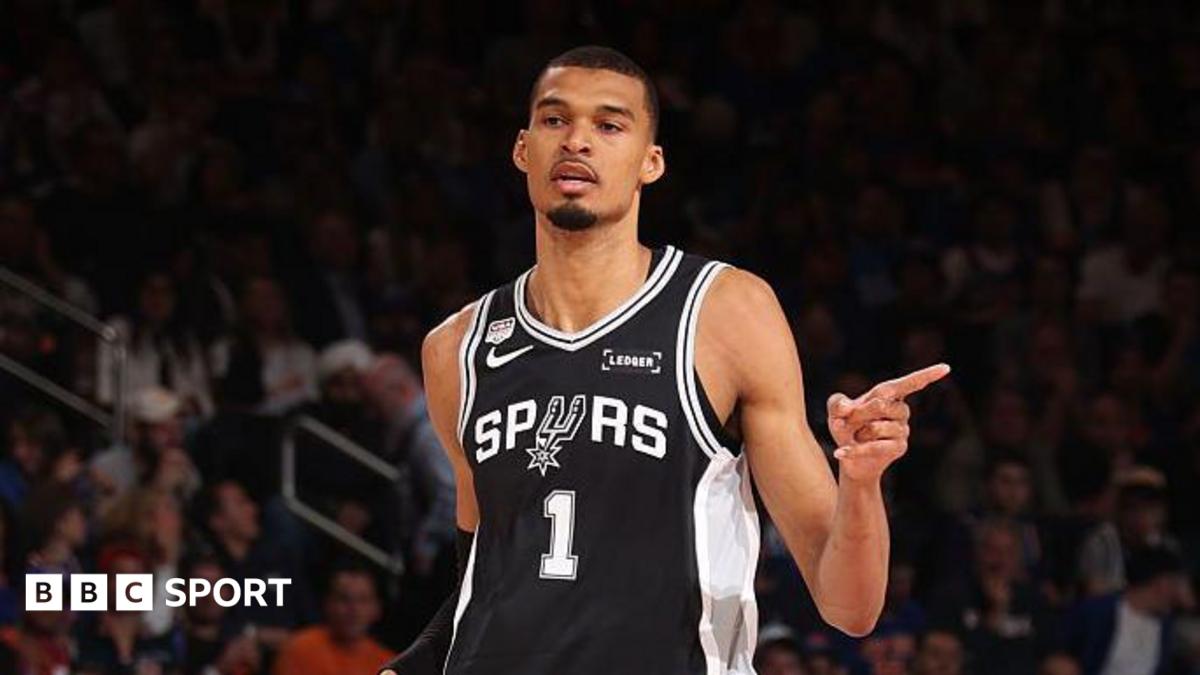
Wembanyama stars as Spurs trim Knicks’ Finals lead
The 202X NBA Finals took another dramatic twist on Monday, as the San Antonio Spurs secured a nail-biting 115-111 road victory over the New York Knicks at the world-famous Madison Square Garden, cutting the Knicks’ series lead to 2-1.
At the center of the win was 7-foot-4 generational talent Victor Wembanyama, who bounced back from a costly error-ridden performance in Game 2 to deliver a dominant 32-point outing. The young star added eight rebounds and six assists to his stat line, anchoring the Spurs’ comeback after a slow first half.
The sell-out crowd at Madison Square Garden, which hosted its first NBA Finals game since 1999, also got a surprising political spotlight: sitting US President Donald Trump, who made history as the first sitting US president to attend an NBA Finals championship series, was loudly booed by attendees when his image appeared on the arena’s big screen during the pre-game national anthem.
Wembanyama was not alone in securing the critical win for San Antonio. Guard Stephon Castle chipped in 23 crucial points, while reserve Dylan Harper added 13 points off the bench to shore up the Spurs’ second unit. The win was far more than just a single game victory: it kept the Spurs from falling into a 0-3 series deficit, a hole no NBA franchise has ever climbed out of in Finals history.
For the Knicks, the defeat snapped a 13-game overall winning streak that had carried them through the early rounds of the playoffs, leaving them two wins short of the Golden State Warriors’ all-time playoff winning streak record set in 2017. The Knicks have not claimed an NBA championship since 1973, and their quest to end the 50-plus-year drought now heads to a pivotal Game 4.
The game unfolded as a back-and-forth battle: New York held a 64-57 lead at halftime, but the Spurs rallied with a 35-point third quarter to flip the score in their favor. With just under two minutes remaining, Castle drained a three-pointer to push San Antonio’s advantage to 111-104. Unlike Game 1, where the Spurs collapsed under a late New York surge, this time San Antonio held firm under pressure. Even after OG Anunoby knocked down a late three-pointer to cut the lead to two points, Castle iced the game with two clutch free throws in the final 10 seconds.
Anunoby finished the game with 28 points for the Knicks, while point guard Jalen Brunson matched Wembanyama’s output with 32 points of his own.
Speaking after the game, Wembanyama kept his team grounded despite the much-needed win. “We’ve done what we were supposed to do but the job is absolutely not done,” he said. “We’re not even halfway. The hardest is yet to come.”
The best-of-seven series will remain at Madison Square Garden for Game 4 on Wednesday, with tipoff scheduled for 01:30 BST on Thursday. After that, the series will travel back to San Antonio for Game 5 on Saturday, scheduled to tip off at 01:30 BST on Sunday.
-
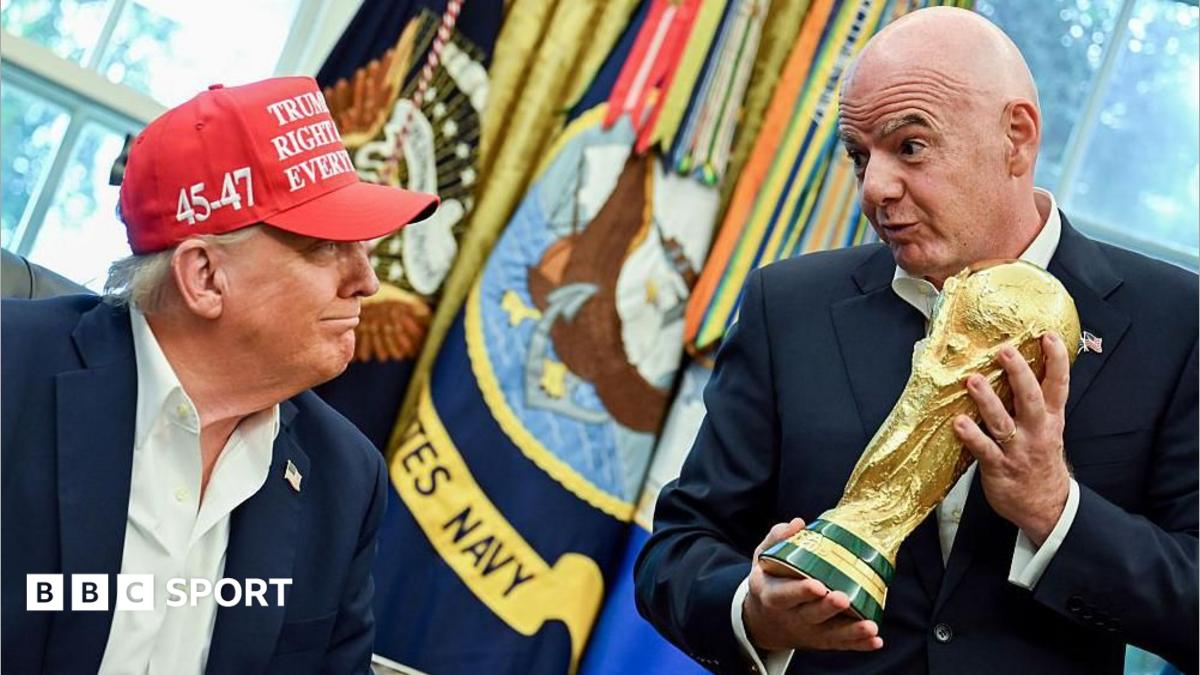
Why super-sized and politicised World Cup comes at a cost
As the opening match of the 2026 FIFA World Cup kicks off Thursday at Mexico City’s iconic Estadio Azteca – the first venue ever to host three World Cup opening games – the global football community is gearing up for what FIFA President Gianni Infantino calls “the greatest event humanity has ever seen.” This summer’s tournament, the first 48-team, tri-nation World Cup spread across 16 cities in the United States, Mexico and Canada, is already making history for far more than just its groundbreaking size. From political polarization to exorbitant ticket prices, unresolved security gaps and environmental concerns, this expanded showcase of the world’s most popular sport carries with it a level of contention unseen in any previous World Cup.
Infantino has framed the first pan-continental iteration of the tournament as the most inclusive, welcoming and unifying edition in the event’s 96-year history. But critics say those superlatives mask deep flaws that have undermined the tournament before a ball is even kicked: it is the most politicized, the most expensive, the most carbon-intensive, and the most commercially lucrative for FIFA itself, which is projected to pull in a record-breaking $9 billion in revenue this year alone.
The current state of play began eight years ago, when FIFA awarded the 2026 hosting rights to the North American bid, a move crafted to help the governing body rebuild its reputation after crippling 2010 corruption scandals tied to the 2018 Russia and 2022 Qatar World Cups. With most stadium infrastructure already in place across the three countries, the bid was seen as a low-risk, high-reward proposition that would leverage the world’s most valuable commercial sports market to unlock unprecedented broadcasting and sponsorship revenue. That windfall will let FIFA distribute $2.7 billion to global member associations over the next four years, a boost widely viewed as strengthening Infantino’s odds of securing a third term as president in 2027.
But the first major controversy to erupt has centered on ticket pricing, which has sparked public backlash and even official investigations. Ahead of the 2018 bid, organizers promised final tickets would cost no more than $1,550. When tickets went on sale last December, the most expensive premium seats hit $8,680, with dynamic pricing – a first for World Cup, where ticket costs fluctuate based on demand – pushing costs even higher for popular matches. Leading supporters’ groups called the pricing a “monumental betrayal,” and while FIFA released a limited batch of $60 entry-level tickets, New York and New Jersey officials have launched a formal probe into allegations that FIFA artificially inflated prices and misled fans. Thousands of tickets for matches featuring lower-ranked nations are currently selling below face value on official and secondary platforms, suggesting the governing body overestimated demand for high-priced inventory.
Off the pitch, other costs have also sparked anger. Regular train fares from New York City to MetLife Stadium, host of the 2026 final, jumped from $12.90 to as high as $150, with New Jersey’s governor blaming FIFA for refusing to subsidize public transport costs. A late policy change that initially banned reusable water bottles from stadiums drew widespread condemnation over public health risks, with 14 of 16 host venues expected to see dangerous summer heat; FIFA walked back the ban days later under intense pressure from fans and politicians, though scientists still warn the governing body’s heat safety protocols remain inadequate to protect players and spectators.
The tournament’s most intractable challenges, however, stem from its unprecedented entanglement in global politics, amplified by the policies of U.S. President Donald Trump’s second administration. Never before has a host country been engaged in ongoing military conflict with a participating nation: after the U.S. and Israel launched strikes against Iran in February, with a ceasefire holding only nominally since April, Trump initially questioned whether Iran should be allowed to participate, suggesting unqualified Italy should replace the four-time World Cup qualifier. Iran ultimately secured its place in the draw, but the country has accused the U.S. of denying visas to dozens of its backroom staff, imposing harsh entry requirements for matches hosted in the U.S., and revoking all fan ticket allocations for its group stage matches. FIFA has also moved to ban Iran’s pre-revolutionary flag from stadiums, turning Iran’s opening two matches in Los Angeles – home to one of the world’s largest Iranian diaspora communities – into inherently politically charged events. The team relocated its training base from Arizona to Tijuana, Mexico, to avoid ongoing political and travel friction.
Immigration policies have created even broader barriers to entry. Back in 2017, during Trump’s first term, Infantino warned that a U.S. travel ban on majority-Muslim nations violated FIFA rules and could disqualify the U.S. from hosting. Today, four participating nations – Iran, Haiti, Senegal and Ivory Coast – face full or partial travel bans on their fans under second-term Trump administration policies, with the White House citing security concerns. BBC analysis found fans from more than a quarter of the 48 participating teams face either travel bans, tightened visa restrictions, or extremely high visa rejection rates. Most recently, FIFA confirmed that Omar Artan, set to become the first Somali referee at a men’s World Cup, was dropped from the officials’ roster after U.S. immigration denied his entry visa. The International Sports Press Association has also complained that dozens of accredited journalists have been denied entry visas to cover the tournament.
Infantino’s close public relationship with Trump has drawn further criticism: last year, he awarded the U.S. president a controversial FIFA Peace Prize during the World Cup draw, drawing condemnation from human rights groups that label the tournament a “bonanza of sportswashing” as Trump leverages the event to boost his political standing, coinciding with the 250th anniversary of U.S. independence. Amnesty International has warned the World Cup risks becoming “a stage for repression,” highlighting abusive U.S. immigration enforcement and the role of Immigration and Customs Enforcement (ICE) in the tournament’s security apparatus, coming off a high-profile fatal shooting of two U.S. citizens during an ICE immigration crackdown earlier this year. The White House World Cup Task Force has pushed back, vowing the tournament will be “the safest, most welcoming sporting event in history,” though a recent partial shutdown of the Department of Homeland Security – the agency leading tournament security – exposed critical planning gaps that officials admit are still being addressed just weeks ahead of kickoff. The recent Ebola outbreak centered in the Democratic Republic of Congo, whose team will play group matches in Houston, Atlanta and Guadalajara, has added an additional public health layer to security planning.
Even environmental pledges have come under fire. While the use of existing stadiums aligns with FIFA’s goal to cut carbon emissions 50% by 2030, the expanded 104-match tournament spread across three countries has forced teams, fans and media to rely heavily on air travel, leading environmental groups to label it the most climate-damaging World Cup in history. It is projected to generate more than nine million tonnes of carbon dioxide equivalent, almost double the average of the past four World Cups – far exceeding the 3.6 million ton estimate included in the original 2018 bid, which promised the tournament would set new sustainability standards for global sport.
In host co-host Mexico, challenges are already playing out in plain view: high ticket prices have priced out local fans, ongoing cartel violence has raised security concerns, and teacher protests demanding higher wages have toppled World Cup player statues and threatened to disrupt match play. In the U.S., polls show a majority of average Americans say the tournament is too expensive to attend, and hotel bookings across almost all host cities are well below initial projections, suggesting high costs and political tensions have deterred casual fans. Even for international visiting supporters, turnout is lower than expected: the Football Supporters’ Association projects just 12,000 to 15,000 England fans will attend each of the team’s group matches, a figure leaders call disappointing given pre-tournament excitement.
As the world turns its attention to Estadio Azteca for the opening match between Mexico and South Africa, the tournament stands at a crossroads. Proponents argue the expanded 48-team format will be a transformative moment for football in the U.S., which last hosted the tournament in 1994, when the event helped propel the sport into the American mainstream. Today, with a thriving domestic MLS and massive U.S. investment in European football, supporters see an opportunity to unlock a trillion-dollar growth market for the global game. But critics warn that the unbridled expansion, commercialization and politicization of this World Cup has created a perfect storm of controversy that could overshadow the on-pitch action. The next five weeks will answer one burning question: will this unprecedented tournament cement football’s place as the world’s most popular sport, or will it collapse under the weight of its own unaddressed challenges?
-
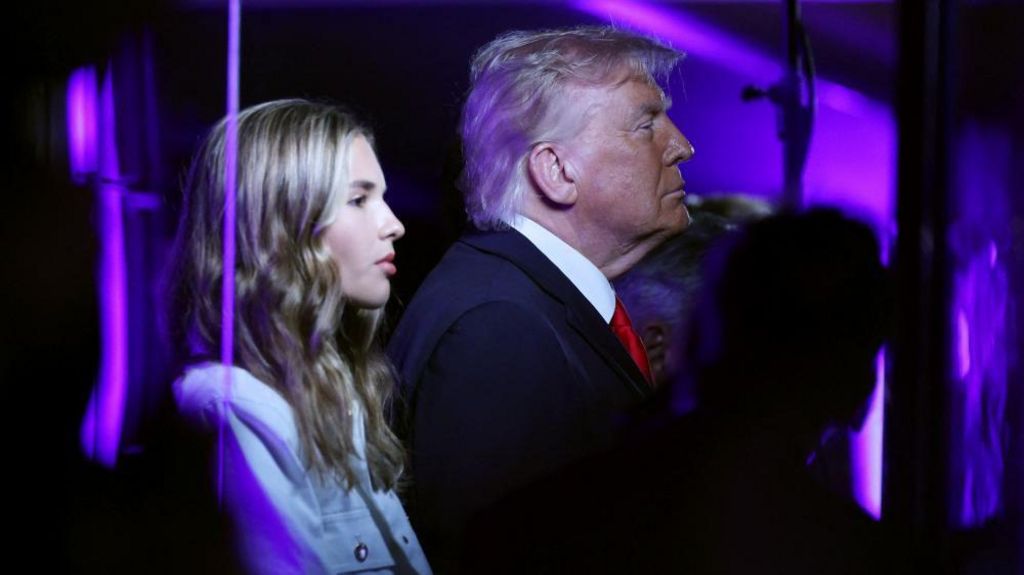
Trump booed in New York as he becomes first sitting US president to attend NBA Finals
Months of electric anticipation for the New York Knicks’ first NBA Finals appearance in 27 years reached a fever pitch on Monday at Madison Square Garden, but the historic home game was overshadowed by sweeping security measures and a public split over a surprise high-profile attendee: sitting U.S. President Donald Trump, the first sitting commander-in-chief ever to attend an NBA Finals contest.
Trump, a Queens native whose relationship with deep-blue New York City has long been fraught, touched down in Manhattan via Marine One after spending the morning at his New Jersey golf club, then traveled to the Garden via a closed motorcade. The massive security detail deployed for his visit shut down all vehicle and foot traffic for blocks around the iconic arena, deployed thousands of NYPD officers and hundreds of Secret Service agents, and strung metal barriers along every surrounding street, forcing ticketholders and fans to endure airport-style security screenings and wait in lines stretching more than two blocks to enter.
By the time Trump took his courtside seat alongside his granddaughter Kai, Knicks owner James Dolan, and multiple senior members of his administration—including Transportation Secretary Sean Duffy, Interior Secretary Doug Burgum, EPA Administrator Lee Zeldin, and special envoy Steve Witkoff—frustration was already running high among fans inside and outside the venue. When the arena’s center jumbotron cut to a shot of Trump saluting during the pre-game national anthem, the crowd erupted in loud, sustained boos.
The security crackdown upended plans across the neighborhood for a night that was supposed to be a once-in-a-generation celebration. Local bars near the Garden, which typically earn massive profits on big game nights, saw foot traffic dry up behind barriers and left many venues nearly empty. The official community watch party planned outside Madison Square Garden was canceled entirely due to the security restrictions, forcing thousands of ticketless fans to relocate to nearby Bryant Park, where crowds packed the streets dressed in the Knicks’ iconic orange and blue to cheer on the team on shared screens and laptops. Even city landmarks including the Empire State Building and One World Trade Center were lit up orange and blue to mark the occasion, but the disruption left many fans irritated.
“The high security is killing the vibe of the Knicks,” one local resident told the BBC. A 44-year-old fan who watched the game from the Bryant Park watch party, who was 17 the last time the Knicks faced the San Antonio Spurs in the 1999 Finals, called the widespread disruption “very annoying.”
Not all reaction to the president’s attendance was negative, however. Anthony Pulley, a 43-year-old Knicks fan, acknowledged the inconvenience of the security measures, telling AFP that “it really put a damper on all the watch parties,” but added that “it’s pretty cool he wants to show up and be a part of it.”
Monday’s game was not lacking in star power beyond the president: New York Mayor Zohran Mamdani was in attendance, along with an A-list roster of celebrities including Timothee Chalamet, Tina Fey, Tracy Morgan, Ben Stiller, Larry David, and Spike Lee, plus local sports legends Derek Jeter and Eli Manning, all filling premium courtside seats.
The 2025-26 NBA season has marked a stunning turnaround for the Knicks, who have spent decades as one of the league’s worst performing franchises before clinching a spot in the Finals against the San Antonio Spurs. Entering Game 3, the Knicks held a 2-0 series lead, and fans across Manhattan had been celebrating wildly all week. Even when the first two games were played in San Antonio, thousands of fans packed the streets near the Garden, leading to dozens of arrests after crowds climbed lampposts, jumped on food carts, and blocked traffic.
Tickets for the first home game of the series have broken records for cost, with the cheapest resale tickets listed for upwards of $10,000, and premium seats going for more than $100,000—far above the Knicks’ already league-high standard ticket prices. When asked about the exorbitant costs earlier last week, Trump brushed off the concern, saying “It’s sort of semi-free to watch it on television.” Mayor Mamdani confirmed to reporters Monday that he paid nearly $1,000 for his own ticket to the game.
-
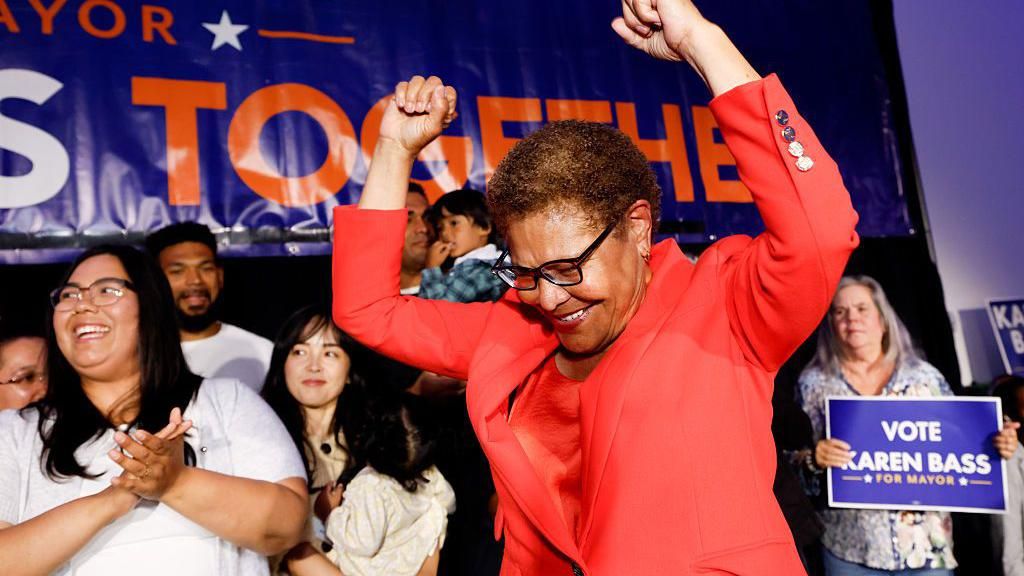
Spencer Pratt out of LA mayor race as left-wing rival Nithya Raman advances
Nearly a week after Los Angeles’ June 2 primary election, official vote counting has finalized the field for November’s general election mayoral race, with progressive city councilor Nithya Raman advancing to challenge incumbent Democratic Mayor Karen Bass. Reality television personality Spencer Pratt, a political outsider and longshot Republican candidate, saw his unconventional bid for city leadership end in elimination.
Incumbent Bass crossed the vote threshold to lock in her general election spot shortly after polls closed on June 2, but slow vote tallying stretched out the race to determine her opponent for the November runoff, as the city works to fill the top executive role for the second most populous urban center in the United States. The winner of the upcoming general election will inherit leadership of a city grappling with two longstanding, pressing crises: widespread unhoused populations and crippling housing affordability that has priced out thousands of working and middle-class residents.
For Bass, a November victory would grant her a second four-year term, which will also be her final one due to city term limits. The 72-year-old Democratic politician boasts a decades-long career rooted in Los Angeles community organizing and public service. Before her first mayoral win, she represented sections of Los Angeles for six terms in the U.S. House of Representatives, where she chaired the Congressional Black Caucus and held a prestigious seat on the House Committee on Foreign Affairs. Ahead of the 2020 presidential election, Bass was widely discussed as a potential vice presidential running mate for then-Democratic presumptive nominee Joe Biden. Bass made history long before her time in Congress, too: during her tenure in the California State Assembly, she became the first Black woman to serve as speaker of a state legislative lower chamber in U.S. history.
Bass’ first mayoral term has been dominated by high-stakes crises, from her administration’s ongoing efforts to reduce homelessness to responses to federal immigration enforcement actions and extreme wildfire events. Most notably, her leadership faced intense public and political scrutiny following the January 2025 Palisades Fire, one of the most destructive wildfires in California’s recorded history. The blaze burned through a wealthy Los Angeles coastal neighborhood, destroyed more than 1,000 homes, killed 12 people, and drew widespread criticism of the city’s emergency response efforts.Raman, a 44-year-old urban planner and self-identified democratic socialist, entered the mayoral race in a last-minute surprise, announcing her candidacy just before the filing deadline – and only weeks after she had already officially endorsed Bass’ re-election. A member of the Democratic Socialists of America, she has been compared to New York City Mayor Zohran Mamdani, a fellow DSA member who won office on a progressive platform. Though Raman has served on the Los Angeles City Council since 2020, she failed to secure endorsements from any of her fellow council members for her mayoral bid. Her campaign has centered on aggressive policy proposals to expand access to affordable housing, drastically reduce the city’s homeless population, and revitalize job growth in Hollywood’s iconic entertainment sector. Raman has centered her criticism of Bass on the claim that the incumbent has not moved fast or aggressively enough to solve the city’s homelessness crisis.
Pratt, the 42-year-old Republican candidate who made his name as a reality TV star on MTV’s hit 2000s series *The Hills*, launched his longshot candidacy in January, positioning himself as a political outsider with no prior experience holding public office. The former publicist rose to fame in 2007 when he joined the cast of *Laguna Beach* spin-off *The Hills* as then-boyfriend (now husband) of co-star Heidi Montag. Pratt became one of Bass’ most high-profile critics after the Palisades Fire destroyed his personal home, turning his personal loss into a central talking point of his campaign.
The week-long delay in finalizing vote totals drew unfounded claims of voter fraud from former U.S. President Donald Trump, who alleged without evidence that California Democrats were attempting to “steal” local elections in the state.
-
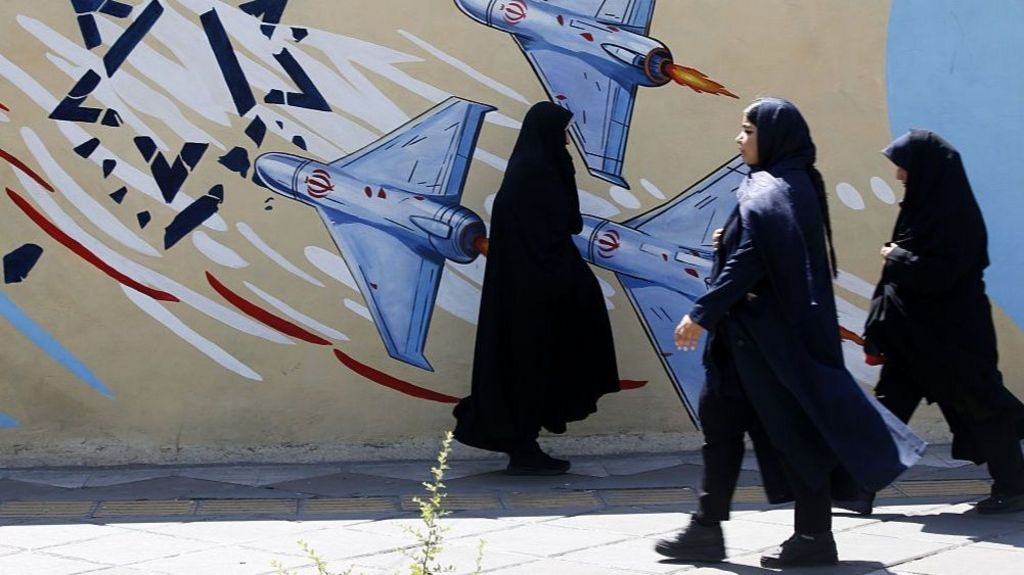
Israel and Iran flare-up tests Trump’s grip and could strengthen Tehran’s negotiating hand
A weekend of tit-for-tat military exchanges between Israel and Iran has reignited fears that the Middle East is sliding toward open direct conflict between Washington and Tehran, putting long-strained alliance dynamics and fragile nuclear diplomacy under the global spotlight.
The latest cycle of violence began when Israel carried out targeted airstrikes on Beirut, the capital of Lebanon, prompting Iran to launch a missile barrage against Israeli territory in retaliation. In response, Israel launched its own airstrikes against Iranian sites – the first such direct attack since a shaky ceasefire between the US, Israel and Iran took hold in April.
More than three months after the US and Israel opened their formal conflict with Iran, the region remains perched on a knife’s edge. The fractured network of temporary ceasefires and competing alliances has created a dangerously unstable landscape, and this latest escalation lays bare three critical truths about the current trajectory of hostilities.
First, US President Donald Trump lacks the ability – or the willingness – to rein in his Israeli ally to the degree he publicly claims, a gap Tehran has been quick to spot and exploit to widen rifts between the two allies. Second, Iran is willing to accept retaliatory strikes on its own territory to tie the US-Iran conflict directly to the ongoing standoff between Israel and Lebanese militant group Hezbollah. Third, the long-awaited nuclear deal Trump has prioritized is far from imminent: Iran has detected that Trump currently has a low appetite for military risk in an election year, and is pushing to extract greater concessions from Washington at the negotiating table.
Hours after Iran’s Sunday missile attack, Trump told reporters he would immediately call Netanyahu and order him to stand down from retaliation, warning that an Israeli counterstrike could derail his delicate diplomatic outreach to Tehran. But just hours later, Israel carried out its strikes anyway. When questioned by the BBC on Monday, Trump pushed back against claims Netanyahu had defied him, arguing that Israeli warplanes were already airborne when the two leaders spoke. “If I tell him to do something, he does it,” Trump told the BBC in a brief phone interview.
On the surface, the incident appears to be another example of Trump failing to control Israeli policy, adding to a growing list of public tensions between the two leaders. Just last week, multiple reports emerged that Trump launched a profanity-laced tirade against Netanyahu, labeling him “crazy” for his push to strike Beirut. Netanyahu has defended the Beirut strikes as a necessary measure to counter persistent Hezbollah threats to northern Israel, while Trump has argued that unprompted Israeli escalation threatens his efforts to strike a deal with Tehran that would reopen the Strait of Hormuz and secure binding guarantees on Iran’s nuclear program. In an interview with the New York Post last week, Trump said he was deeply frustrated by Netanyahu’s “constantly fighting with Lebanon”.
Despite the prevailing narrative that Netanyahu defied Trump’s order, the reality is far more nuanced. Veteran American Middle East negotiator Aaron David Miller noted that Trump gave Netanyahu what amounted to a “blinking yellow light” – a signal of limited, cautious approval for a single, limited strike. Military analysts point out that Israel could never have carried out a direct strike on Iran without at least tacit approval from Washington. The US currently maintains its largest military buildup in the Middle East since the 2003 invasion of Iraq, with hundreds of American personnel embedded with the Israel Defense Forces (IDF) for joint coordination. Any Israeli airstrike on Iran would require detailed coordination with US military commands to avoid accidental clashes with American forces operating in the region. After the strikes, IDF officials told Israeli journalists there had been “full co-ordination” with US Central Command, and confirmed that the US military assisted in shooting down incoming Iranian missiles targeting Israel.
By Monday afternoon Washington time, both Israel and Iran had signaled that the current round of hostilities was over – a status quo aligned perfectly with Trump’s immediate goals. Analysts suggest two plausible explanations for Trump’s pre-strike call for restraint: either the public warning was intended for Tehran, to distance Washington from the upcoming Israeli strike and preserve diplomatic progress, or Trump genuinely intended to halt the attack but was persuaded to back down by Netanyahu.
While Israel viewed retaliation as a necessary deterrent to future Iranian attacks, Iran’s decision to launch missiles against Israel in response to a strike in Lebanon marked a significant strategic shift. For the first time in the current conflict, Iran responded to an Israeli strike against Lebanese targets rather than an attack on Iranian soil, a deliberate choice to tie the separate US-Iran ceasefire to the nominal, largely unenforced ceasefire between Israel and Hezbollah. The strikes also served as a test of Trump’s commitment to Israel: how far would Washington back an Israeli counterstrike, and would the US enter the conflict directly? For Tehran, any public rift that can be opened between Washington and Jerusalem improves its negotiating position.
In the end, Trump opted for public distance from the strikes while continuing his diplomatic outreach. Just hours before the escalation, Trump told NBC News that a nuclear deal with Iran was “very close”. After the exchanges, he struck a dismissive tone toward both sides, saying each had “had their fun” and it was now time to return to negotiations.
Iranian leadership has emerged from the confrontation emboldened. Iranian President Masoud Pezeshkian argued that the country’s military strikes against Israel had strengthened its hand in talks with Washington, describing “diplomacy and defence” as the “two wings of national power”. “We have neither abandoned the field nor the negotiating table,” he wrote on social media.
Iran’s economy is reeling under the weight of crippling US sanctions, a crisis worsened by the ongoing American naval blockade of Iranian ports. Tehran’s top priorities in negotiations with Washington are clear: first, meaningful sanctions relief and the unfreezing of tens of billions of dollars in blocked Iranian oil revenue, and second, a commitment from the US to rein in Israeli escalation against Hezbollah in Lebanon, which Iran views as a key deterrent against future Israeli strikes on its own territory.
With high global oil prices driven by Iran’s closure of the Strait of Hormuz putting pressure on the US economy ahead of midterm elections, Tehran has calculated that Trump has little incentive to open a new round of full-scale conflict. Each incremental escalation tests Trump’s patience, but Iran believes Trump is far more motivated to secure a signature foreign policy win than to return to open war, so it is pushing to front-load its key demands in any final agreement.
When asked Sunday whether he would agree to unfreeze Iranian assets or lift sanctions upfront as part of a deal, Trump gave a clear answer: “No.” That refusal has emerged as a key sticking point blocking progress, and the risk of further regional destabilization remains high – a dynamic that could yet push the US and Iran back into open, direct conflict.
-
SpaceX’s stock market blast-off could be Musk’s biggest gamble yet
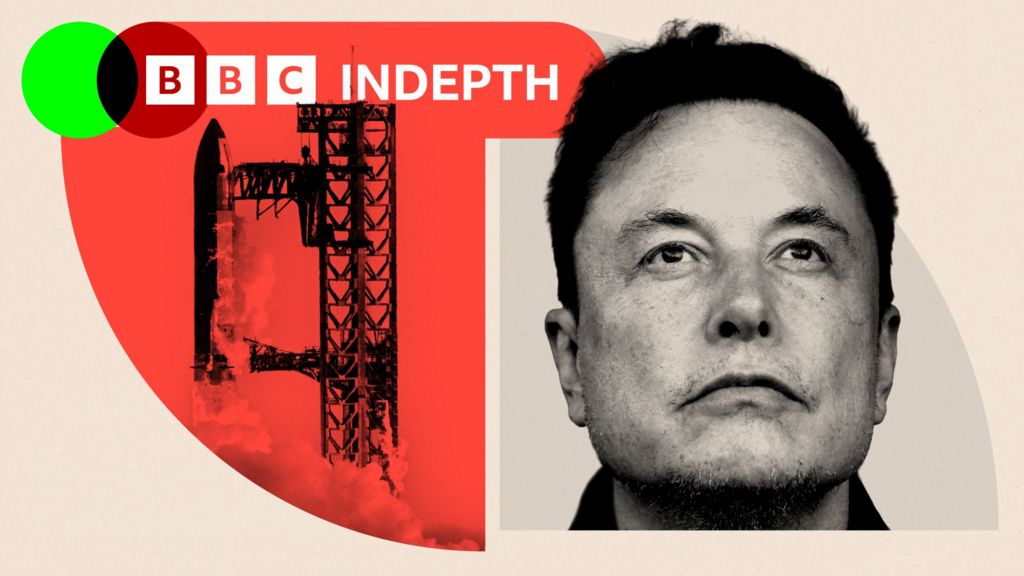
On a crisp October morning in 2024, engineers and executives at SpaceX’s Starbase facility along the U.S.-Mexico border watched as the largest rocket ever constructed lifted off from its launch pad over the Gulf of Mexico. What made this event a landmark for space exploration was not the launch itself, but the unprecedented precision of the booster’s return. Seven minutes after propelling the Starship craft toward orbit, the massive first stage reignited its engines mid-descent, slowed its fall, and locked into the mechanical ‘Mechazilla’ capture arms colloquially called ‘the chopsticks’ — a feat no aerospace operator had ever achieved before. Amid cheers and high-fives in the control room, CEO Elon Musk framed the success as a critical leap toward his decades-long goal of making human life multiplanetary, by delivering a fully reusable rocket system that will drastically cut the cost of accessing orbit, the Moon, and eventually Mars.
This technical breakthrough arrives just months before SpaceX opens its doors to public investors, in what is poised to become one of the most consequential initial public offerings (IPO) in modern stock market history. Starting June 12, a slice of SpaceX shares previously held exclusively by Musk and a small group of elite private investors will begin trading on public markets. UK stockbrokers have already reported a massive surge in retail investor interest, with leading investment platforms projecting the offering could draw a new generation of first-time investors into the market. Around £1.5 billion in shares are expected to be allocated to UK retail buyers alone, and even passive investors with standard pension funds will almost certainly hold a stake in the company through diversified funds, whether they have chosen to invest directly or not.
Underwriters have set a target valuation of $1.75 trillion for SpaceX, a figure that would place the company firmly among the top 10 most valuable public corporations on Earth. That staggering valuation comes despite the firm posting nearly $5 billion in losses last year, leading analysts and critics to question what exactly investors are buying when they purchase SpaceX stock.
SpaceX operates a sprawling portfolio of businesses far beyond its iconic rocket development program. It designs, builds, and launches both its own satellites and those owned by public and private entities around the globe, with launch capabilities that outpace those of any other private company or even sovereign nation. Its Starlink satellite internet network has already become a profitable core business, delivering critical communications infrastructure for Ukrainian defense efforts against Russia’s invasion and generating steady, significant revenue. Even the most bullish independent estimates, however, value Starlink and SpaceX’s core launch operations at only around $300 billion — less than one-fifth of the company’s targeted $1.75 trillion IPO valuation.
The real bet underpinning SpaceX’s public valuation is not rocketry, but artificial intelligence. Included in the public offering is Musk’s standalone AI firm xAI, alongside long-term plans to build solar-powered, space-cooled data centers in orbit that would deliver unprecedented computing capacity, paired with the development of crewed lunar and Mars bases. According to SpaceX’s own IPO prospectus, of the $28.5 trillion total addressable market the company projects for its services, $26.5 trillion comes from AI-related opportunities. For this valuation to hold, investors must believe the global AI industry will grow to match the size of the entire U.S. or European economy combined — a projection that has left many industry observers deeply skeptical.
“Most of the capital expenditure is actually on data centers and an AI company that seems to be more about social media than anything to do with space,” notes Sinead O’Sullivan, an economist and former NASA advisor. O’Sullivan argues that the IPO is less a bet on a coherent business and more a bet on the Musk brand itself: “When you buy a share at this valuation, you’re buying a stake in Elon Musk’s reputation more than any proven space or technology business.” Other critics echo concerns about the concentration of corporate and political power, pointing out that even though Musk holds only 42% of SpaceX’s equity, special voting rights give him effective control of 85% of the company. That level of unaccountable control, says financial journalist Robert Armstrong, means ordinary investors should demand a discount for surrendering all decision-making power: “What does ownership mean if you have no say over how the company is run?” As one large institutional investor put it to the BBC, the “cult of Elon Musk” requires followers to pay a premium for the privilege of having no control — and many are still willing to do so.
Critics also point to Musk’s controversial use of his wealth and power, including his nearly $300 million contribution to Donald Trump’s 2024 presidential campaign, his receipt of billions in U.S. government contracts, and his public interventions in the domestic politics of nations including the United Kingdom, to argue that SpaceX represents a dangerous fusion of private wealth, tech power, and geopolitical influence.
Still, history has shown that betting against Musk has rarely paid off for skeptics. Twenty years after founding Tesla, he upended the global auto industry, growing the electric car maker’s valuation to exceed the combined market capitalization of Toyota, Ford, General Motors, and Volkswagen. Since 2020 alone, SpaceX’s valuation has skyrocketed from $40 billion to $1.75 trillion — a more than 40-fold increase — while Tesla’s stock rose tenfold over the same period, even as vehicle production plateaued. Musk’s track record of defying expectations has created a powerful fear of missing out (FOMO) among investors, who watched early Tesla skeptics miss out on life-changing gains.
Some market watchers warn the SpaceX IPO could signal the start of a 21st-century repeat of the late 1990s dot-com boom and bust, as a wave of unprofitable, high-growth AI companies rush to go public. SpaceX is only selling 5% of its total equity in this first offering, but fellow AI leaders Anthropic and OpenAI are also expected to launch their own IPOs in the near future. Over the coming years, trillions of dollars in new tech stock could flood the market, creating a supply glut that demand may struggle to absorb, potentially dragging down valuations across the sector. Unlike the dot-com era, however, modern automatic index funds that buy all constituents of major market indices may absorb much of this new supply over time, softening any potential correction.
If the IPO succeeds, SpaceX will cement its place alongside other U.S. tech giants as one of the most powerful and influential companies in the world, with outsize influence over both the future of AI and the future of human space exploration. Just as the world watched Starship lift off from the Texas coast last October, all eyes on global financial markets are now fixed on this historic IPO — a test of both investor appetite for AI ambition and the cult of personality around one of the most controversial business leaders in modern history.