标签: North America

北美洲

  • Iran war costing US untold billions, with no end in sight

    Iran war costing US untold billions, with no end in sight

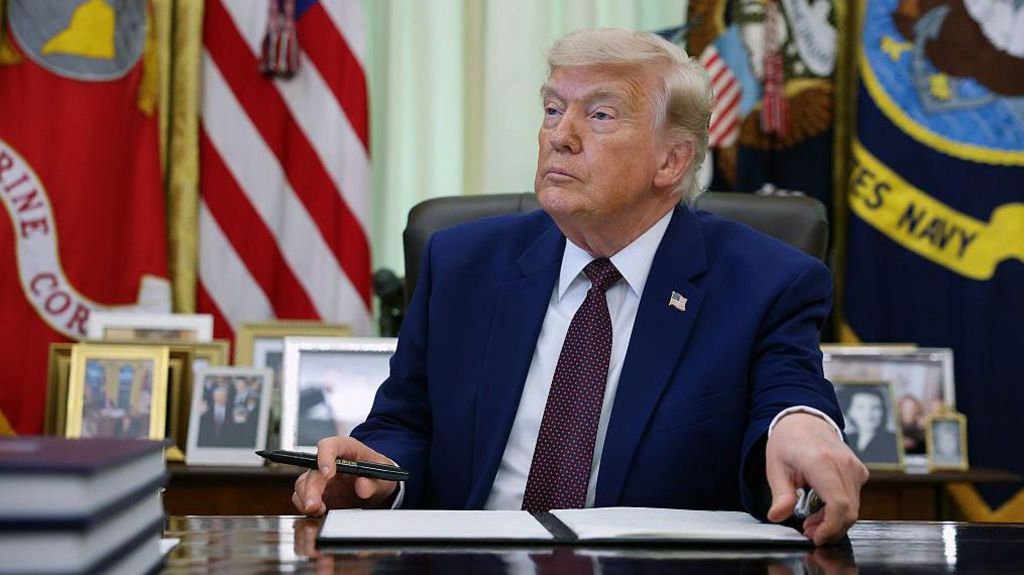
    WASHINGTON — U.S. lawmakers confront a constitutional dilemma as they prepare to authorize emergency funding for Operation Epic Fury without formal congressional war declaration. The Trump administration has provided no clear timeline, expenditure projections, or strategic endgame for the ongoing military engagement with Iran, leaving legislators to approve resources amid profound uncertainty about financial and human costs.

    Defense spending analysts indicate the aerial bombardment campaign alone has already consumed billions of dollars, with Pentagon officials revealing $5.6 billion was spent on munitions during the initial 48 hours of conflict. Congressional aides familiar with briefings suggest expenditures have since escalated into double-digit billions, with costs potentially multiplying exponentially should ground troops be deployed for regime change operations.

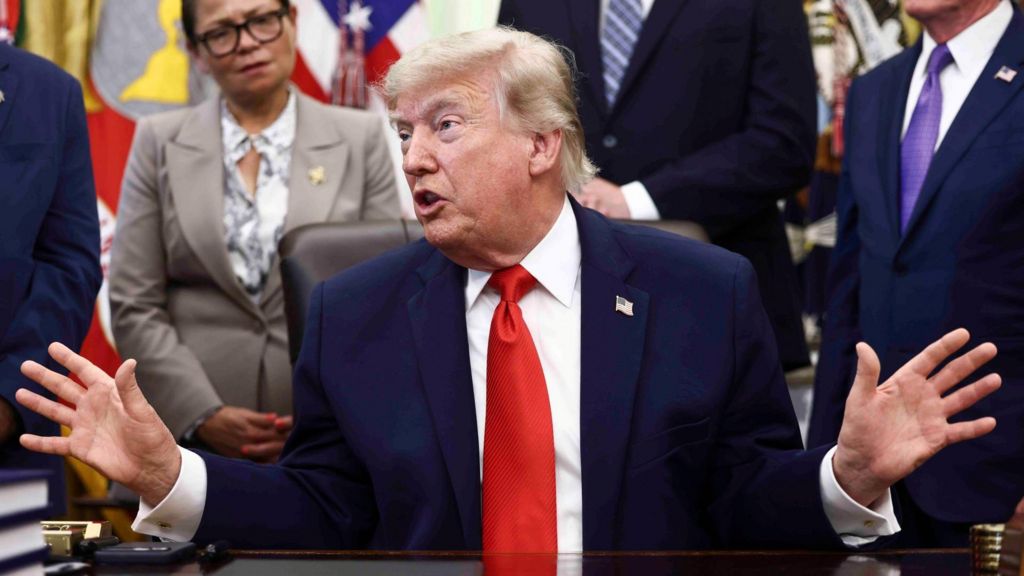
    President Trump has delivered contradictory statements regarding operational timelines, initially projecting a four-to-six week campaign before suggesting a potentially quicker resolution. The administration has neither disclosed total expenditures to date nor provided cost projections for extended military engagement.

    Michael O’Hanlon of Brookings Institution estimates current weekly military costs at approximately $2 billion, warning that a full-scale occupation involving 250,000 troops could escalate to $300 billion annually. These projections exclude secondary economic impacts including global energy price fluctuations, reduced fertilizer production affecting agricultural yields, and damage to diplomatic infrastructure throughout the region.

    Historical comparisons reveal sobering precedents: the Iraq and Afghanistan conflicts averaged $1 million per deployed troop annually, with peak annual expenditures reaching $200 billion. Stephanie Savell of Brown University’s Cost of War Project emphasizes that “wars are never quick or cheap or easy,” noting that contemporary conflicts consistently exceed initial projections in both duration and resource requirements.

    The human cost continues to mount with seven confirmed U.S. military fatalities, while experts warn of potential civilian casualties reaching thousands through both direct combat and indirect consequences including infrastructure collapse, disease outbreaks, and malnutrition particularly affecting children under five.

    Strategic analysts question the feasibility of achieving regime change without substantial ground forces, noting that previous attempts at foreign government restructuring in Iraq, Afghanistan and Libya required years of military engagement and resulted in prolonged insurgencies. Security experts additionally warn of potential conflict expansion through proxy engagements with Houthi forces in Yemen, Iraqi Shiite militias, and possible retaliatory attacks on U.S. interests worldwide.

    The Congressional appropriation process faces political complications, with Democratic support necessary to advance supplemental funding legislation through the Senate. This creates a potential legislative check on prolonged military engagement, though Republican leadership has expressed unwillingness to constrain presidential authority as commander-in-chief.

  • King expresses ‘concern’ over Alberta separatists in meeting with First Nations chiefs

    King expresses ‘concern’ over Alberta separatists in meeting with First Nations chiefs

    In a significant diplomatic engagement at Buckingham Palace, King Charles III has conveyed his apprehension regarding Alberta’s growing separatist movement during a meeting with Indigenous leaders from Canada. The delegation, led by Confederacy of Treaty 6 First Nations Grand Chief Joey Pete, presented the monarch with detailed concerns about how the potential secession of Alberta threatens century-old treaty agreements between First Nations and the Crown.

    Grand Chief Pete characterized the audience as a meeting of “Treaty partners and equals,” noting the King demonstrated genuine interest through extensive questioning and committed to further examination of the matter. This royal engagement occurs as the Alberta Prosperity Project, a grassroots separatist organization, gathers signatures to force a provincial independence referendum scheduled for October.

    The First Nations leaders specifically requested King Charles issue a Royal Proclamation affirming their treaty rights established with the Crown, which predate Canada’s formation and remain constitutionally protected. These treaties govern the relationship between Indigenous peoples and the Canadian government, making First Nations consent legally necessary for any constitutional changes affecting treaty obligations.

    Legal challenges are already underway, with the Sturgeon Lake Cree Nation suing the Alberta government for permitting signature collection that allegedly violates treaty rights. Meanwhile, at the Alberta legislature in Edmonton, Indigenous leaders demanded Premier Danielle Smith quash the proposed referendum and faced immediate rejection when attempting to initiate a no-confidence vote against her government.

    The separatist movement, rooted in decades of perceived federal underrepresentation despite Alberta’s substantial oil wealth, argues for improved financial prospects through sovereignty. Under provincial legislation, organizers must collect 177,732 valid signatures by May to proceed with the referendum, which the Alberta Prosperity Project claims it will achieve.

  • Sheriff: Synagogue suspect dead, security guard injured

    Sheriff: Synagogue suspect dead, security guard injured

    A potential tragedy was averted at a Michigan synagogue with an attached preschool following a confrontation that left the suspect deceased and a security guard injured. Oakland County Sheriff Michael Bouchard confirmed that the incident concluded without any apparent harm to staff or children present at the preschool facility.

    The swift response by law enforcement to the threat ensured the safety of the most vulnerable individuals on the premises. While details surrounding the initial confrontation remain under investigation, authorities have confirmed the suspect is no longer a threat. The injured security guard received prompt medical attention, though their current condition has not been fully disclosed. The event highlights ongoing security concerns for community institutions and the critical role of prepared security personnel in mitigating violent threats.

  • Police respond to reports of ‘active shooter’ at Temple Israel

    Police respond to reports of ‘active shooter’ at Temple Israel

    Law enforcement authorities in an undisclosed county initiated a comprehensive emergency response following reports of a potential active shooter situation at Temple Israel. The local sheriff’s office confirmed the deployment of multiple units to the religious institution as a precautionary measure. According to official statements, nearby educational facilities were immediately placed under lockdown protocols while officers conducted systematic sweeps of the synagogue premises. Preliminary investigations revealed no evidence of actual gunfire or casualties at the location. The incident, now classified as a false alarm, prompted discussions among community leaders about emergency preparedness procedures. Security experts emphasized the importance of rapid response protocols despite the ultimately unfounded nature of the threat. Local residents received emergency notifications through community alert systems during the height of the situation. The sheriff’s department continues to investigate the origin of the initial report that triggered the large-scale response.

  • Watch: Groceries remain on shelves after tornado rips roof off supermarket

    Watch: Groceries remain on shelves after tornado rips roof off supermarket

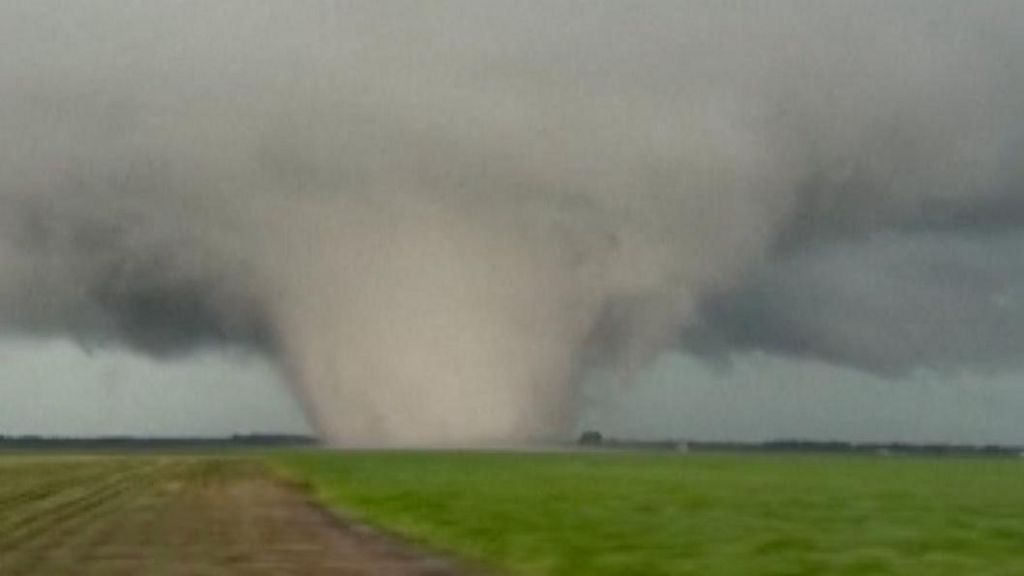
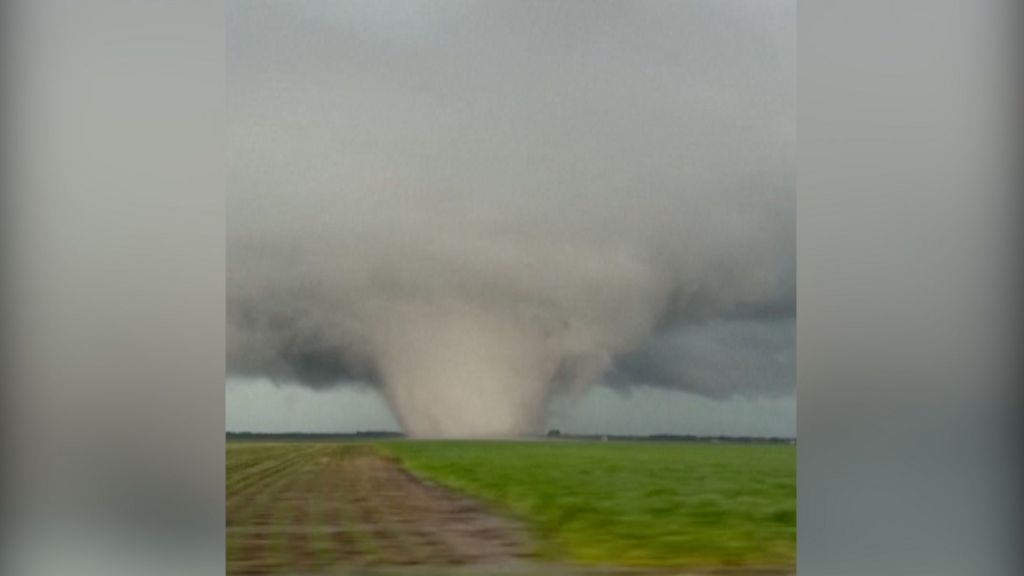
    In a remarkable display of nature’s selective force, an Indiana supermarket experienced catastrophic structural damage while leaving its interior merchandise largely undisturbed. A powerful tornado packing wind speeds reaching 150 miles per hour tore through Lake Village, Indiana, completely stripping the roof from a local grocery store while leaving shelves stocked with products standing neatly aligned.

    The dramatic scene revealed an almost surreal dichotomy: entire sections of the building suffered complete destruction with debris scattered across the parking lot, while within the compromised structure, grocery aisles remained orderly with products perfectly intact. The tornado’s path demonstrated unpredictable behavior, demolishing certain portions of the commercial establishment while sparing others in what meteorologists describe as a common but nonetheless astonishing phenomenon with violent weather systems.

    Emergency responders expressed relief that the event occurred during off-hours when the store was unoccupied, preventing what could have been catastrophic human casualties. Structural engineers have since cordoned off the area to assess the stability of the remaining walls and infrastructure. The incident has sparked conversations within meteorological circles about the complex physics of tornado damage patterns and their seemingly random manifestations across affected landscapes.

    Local authorities have initiated disaster response protocols while simultaneously marveling at the photographic evidence showing pristine food containers standing in neat rows beside completely devastated sections of the building. The event underscores both the destructive power of extreme weather events and the sometimes unpredictable nature of their impact on human infrastructure.

  • Customer sues Costco for tariff refunds

    Customer sues Costco for tariff refunds

    A significant legal challenge has emerged against retail giant Costco, initiated by customer Matthew Sockov through a proposed class action lawsuit. Filed in an Illinois federal court, the suit alleges that Costco stands to potentially recover its tariff expenses twice—first from consumers via elevated pricing and subsequently from government reimbursements. Sockov contends this constitutes ‘unjust enrichment’ and seeks judicial intervention to mandate refunds to affected shoppers.

    This litigation arises amidst broader complexities surrounding approximately $166 billion in tariff reimbursements owed to U.S. companies. The refund obligation follows last month’s Supreme Court decision to invalidate numerous tariffs imposed during the Trump administration, which utilized the International Emergency Economic Powers Act (IEEPA) of 1977 to levy duties on imports from dozens of countries. The Court of International Trade has since directed the government to commence refund distributions, though operational challenges persist.

    Goldman Sachs research cited in the complaint estimates consumers bore roughly two-thirds of the tariff burdens. With over 330,000 importers eligible for refunds, the Trump administration recently requested a 45-day period to develop an electronic processing system, warning that existing infrastructure could be overwhelmed by manual claims processing.

    Costco, among thousands of enterprises seeking reimbursements, has not publicly commented on the lawsuit. However, CEO Ron Vachris recently told analysts the company remains uncertain about ‘what refunds, if any, will be received,’ noting that full tariff costs weren’t always passed to members. Vachris committed that if reimbursements occur, Costco would ‘return this value to our members through lower prices and better values’ with transparency.

    Other corporations including FedEx have pledged to refund tariff reimbursements to affected clients, highlighting how businesses are navigating post-tariff financial reconciliation.

  • Sly fox sneaks onto cargo ship in Southampton and arrives in New York

    Sly fox sneaks onto cargo ship in Southampton and arrives in New York

    A remarkable transatlantic journey has culminated in sanctuary for an unlikely voyager. A two-year-old male red fox, weighing approximately 11 pounds (5 kg), has been placed under professional care at the Bronx Zoo’s Animal Health Center after being discovered as a stowaway aboard a cargo ship that traveled from Southampton, UK, to the Port of New York and New Jersey.

    The unexpected passenger was detected by U.S. officials during a routine cargo inspection on February 19th. Following its discovery, the animal was promptly transferred to the wildlife experts at the Bronx Zoo for evaluation and care. The vessel had previously been docked at the English port city of Southampton, though the precise method by which the fox gained access remains undetermined.

    Initial veterinary assessments indicate the animal is in surprisingly good condition despite its arduous journey. Keith Lovett, the zoo’s Director of Animal Programs, reported to the Associated Press that the fox “seems to be settling in well” after having “gone through a lot.” A comprehensive health screening is currently underway to ensure the animal carries no diseases.

    The Port of Southampton authorities expressed amusement at the unusual incident. A spokesperson for Associated British Ports Southampton remarked that while they handle diverse cargo from vehicles to container shipments, “even we were surprised to find a fox had booked itself a transatlantic crossing,” jokingly suggesting the animal might have preferred “swapping the Solent for the Staten Island Ferry.”

    According to the Bronx Zoo’s statement, red foxes (Vulpes vulpes) rank among the world’s most widely distributed carnivorous mammals, recognized for their distinctive reddish coat and bushy white-tipped tail. Their remarkable adaptability enables them to thrive across diverse habitats spanning Europe, Asia, North America, and parts of Africa, with diets ranging from fruits to rodents.

    The zoo has confirmed that once veterinary clearance is obtained, wildlife specialists will identify an appropriate long-term habitat for the transatlantic traveler, ensuring its continued wellbeing following its extraordinary journey.

  • Questions mount for Hegseth over possible US involvement in strike on Iranian school

    Questions mount for Hegseth over possible US involvement in strike on Iranian school

    A bipartisan crisis is unfolding in Washington as nearly all Senate Democrats have formally challenged Defense Secretary Pete Hegseth regarding a devastating missile strike in Minab, Iran, that reportedly killed 168 civilians—including approximately 110 children—according to Iranian officials. The incident occurred during a joint US-Israeli military operation initiated on February 28th.

    Multiple US media outlets, including CBS News, report that preliminary military investigations suggest American forces were ‘likely responsible’ for unintentionally striking a primary school adjacent to an Islamic Revolutionary Guard Corps (IRGC) military base. While no final conclusion has been reached, expert analysis of verified video evidence indicates the weapon used was a Tomahawk cruise missile—a system exclusively operated by US forces in the region.

    The congressional letter, signed by all but one Senate Democrat, poses detailed inquiries about target verification procedures and potential intelligence failures. Legislators specifically question whether outdated information—possibly misidentifying the school compound as an active military site—led to the tragic miscalculation. The correspondence also references Secretary Hegseth’s recent controversial remarks dismissing ‘stupid rules of engagement,’ demanding clarification on compliance with international laws governing armed conflict.

    Senator Gary Peters, an Armed Services Committee member who endorsed the letter, characterized the event as ‘a horrific tragedy’ requiring urgent factual resolution before determining subsequent actions. The political divide emerged clearly as no Republican senators signed the document, while Democratic Senator John Fetterman abstained despite supporting military action generally.

    Pentagon representatives confirmed they would respond directly to the senators’ concerns through standard congressional correspondence channels. When pressed by BBC journalists, Secretary Hegseth maintained that the US does not intentionally target civilians and that the investigation remains ongoing.

    The strike represents potentially one of the worst single-instance civilian casualty events in decades of US Middle Eastern engagements if American involvement is confirmed. Satellite imagery and verified videos reveal extensive damage to civilian infrastructure including hospitals and cultural landmarks since operations began.

    Former CIA Director and US Central Command Commander General David Petraeus acknowledged the likelihood of US responsibility based on weapon system evidence, though he cautioned about reviewing full investigative findings. He suggested outdated intelligence might have failed to reflect the school’s presence near a former naval compound.

    Iran has retaliated with attacks on Israeli and US-allied Gulf states, expanding targeting to include energy facilities and non-military sites. Israeli officials told the Washington Post they had no awareness of operations in the strike area.

    President Trump, initially suggesting without evidence that Iran might have conducted the strike, later stated he would ‘live with’ whatever conclusions the military investigation produces.

  • Americans worry about war in Iran, Trump’s promises

    Americans worry about war in Iran, Trump’s promises

    A significant political storm is brewing within the United States as President Donald Trump faces mounting criticism over his decision to initiate military action against Iran, with many of his former supporters expressing feelings of betrayal over what they perceive as broken campaign promises.

    The discontent stems from Trump’s 2024 campaign rhetoric that heavily emphasized an ‘America First’ policy and criticized US involvement in prolonged foreign conflicts. Prominent conservative voices including influential podcaster Joe Rogan, who commands an audience of over 16 million followers, have publicly denounced the military action. ‘He ran on no more wars, end these stupid, senseless wars, and then we have one that we can’t even really clearly define why we did it,’ Rogan stated, capturing the sentiment of many disillusioned supporters.

    Recent polling data reveals substantial public opposition to the conflict. A CNN survey conducted between February 28 and March 1 indicates that 59% of Americans disapprove of military action against Iran, while only 41% express support. Furthermore, 54% believe that US military engagement will actually increase the Iranian threat to American interests.

    The financial implications are becoming increasingly concerning. According to New York Times reports, Pentagon officials briefed lawmakers that the initial week of military operations cost approximately $11.3 billion—a figure that excludes preliminary buildup expenses. This expenditure significantly exceeds earlier projections from the Center for Strategic and International Studies, which had estimated $3.7 billion for the first 100 hours of operations.

    Conservative activist Tucker Carlson, known for his regular White House visits, reportedly described the airstrikes as ‘absolutely disgusting and evil’ and had actively lobbied against military action. The growing dissent is reflected in digital media as well, with content creator Candace Owens’ video titled ‘Donald Trump has Betrayed America’ amassing 2.3 million views and over 27,000 comments within just two days.

    Many Americans express concern that the administration has created an untenable situation where either withdrawal or escalation carries severe consequences. As Houston resident Michael articulated, ‘If the US withdraws soon, we would look weak because Iran would be able to recoup with more vengeance against the US. We can’t eliminate the Iran threat without considerable military involvement or a new regime friendly to the US.’

  • Military push in Latin America raises concerns

    Military push in Latin America raises concerns

    The United States has initiated a new military coalition targeting drug cartels in Latin America, a strategic move that regional experts characterize as an effort to reestablish hemispheric dominance while potentially compromising regional stability. The “Shield of the Americas” summit, convened in Florida on March 7, featured President Donald Trump announcing the formation of a regional military partnership, framing it as an essential response to transnational criminal organizations posing critical threats to hemispheric security.

    Academic analysts challenge the official narrative, suggesting the anti-drug justification conceals broader geopolitical objectives. According to Cao Ting, Director of the Center for Latin American Studies at Fudan University, the emphasis on combating crime serves primarily to legitimize US interventionism while advancing Washington’s goal of strengthened regional control. This perspective finds support in the explicitly stated intentions within the US National Security Strategy to restore American preeminence throughout the Western Hemisphere.

    The proposed security framework reveals significant structural concerns regarding burden distribution and sovereignty. Niu Haibin of the Shanghai Institutes for International Studies notes the “uneven nature” of joint military operations that disproportionately assign responsibility for addressing drug production, transit, and consumption to Latin American nations. This approach, experts argue, effectively compromises the strategic autonomy of regional states in sovereign and security matters.

    The summit attendance pattern itself revealed political fractures, with notable absences from major regional powers including Brazil and Mexico. Their non-participation reflects apprehension about potential sovereignty violations through US military operations conducted within their territories. The gathering has accentuated existing political divisions across Latin America, particularly the growing ideological schism between left-leaning and right-leaning governments.

    Cuban President Miguel Diaz-Canel condemned the initiative as “reactionary and neocolonial,” characterizing it as both an assault on the Proclamation of Latin America and the Caribbean as a Zone of Peace and a threat to regional integration aspirations. Experts further warn that heightened US involvement may intensify pressure on left-wing governments, exacerbate political fragmentation, and increase overall regional uncertainty.

    The effectiveness of the newly established anti-drug mechanism faces serious questions due to the absence of critical narcotics-combating nations like Mexico and Colombia. Additionally, Trump’s warnings against “hostile foreign influence” gaining footholds in the hemisphere introduce another dimension of geopolitical tension. Analysts observe that while participating nations might share common ground on combating drug trafficking, consensus regarding broader security threats—particularly those related to alleged foreign influence—remains considerably more limited.

    Niu highlights the US tendency toward “pan-securitization,” framing diverse issues as security concerns to justify intervention, as demonstrated in approaches to Venezuela and the Panama Canal. This security narrative fundamentally conflicts with Latin American aspirations for active globalization participation and diversified economic partnerships. Forcing US security strategies upon the region, experts conclude, may ultimately generate increased tension in inter-American relations rather than enhanced cooperation.