标签: North America

北美洲

  • UN Security Council divided over Iran sanctions

    UN Security Council divided over Iran sanctions

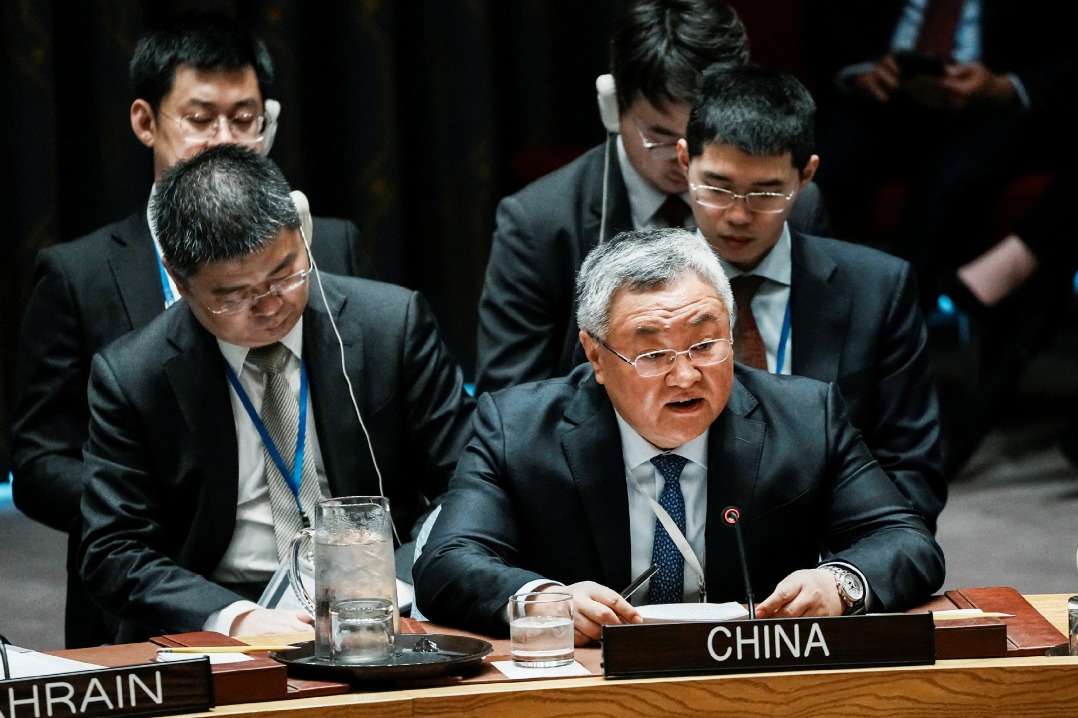
    The United Nations Security Council convened a contentious session on Thursday, exposing profound divisions among member states regarding the reinstatement of sanctions against Iran’s nuclear program. The meeting, presided over by the United States during its March presidency, reignited diplomatic tensions amid escalating Middle East hostilities.

    China’s Permanent Representative to the UN, Ambassador Fu Cong, delivered a stern warning during the mandated meeting of the 1737 Sanctions Committee. He expressed grave concerns that Washington’s decision to convene the session would exacerbate regional tensions and undermine political resolution prospects for the Iranian nuclear dilemma. Ambassador Fu emphasized that the meeting occurred against the backdrop of renewed Middle East conflict and an increasingly complex nuclear situation, potentially intensifying contradictions among involved parties.

    The diplomatic confrontation centers on the controversial reactivation of the sanctions committee established in 2006 through Resolution 1737, which was subsequently suspended following the 2015 Joint Comprehensive Plan of Action (JCPOA). The current dispute originated when France, Germany, and the United Kingdom triggered the JCPOA’s snapback mechanism in August, attempting to restore UN sanctions after the United States’ 2018 withdrawal from the nuclear agreement.

    Ambassador Fu challenged the legal foundation of these actions, stating that Resolution 2231—which governed the JCPOA—expired on October 18, 2025, thereby terminating the Security Council’s formal consideration of Iran’s nuclear program. He supported Russian Ambassador Vasily Nebenzya’s procedural motion and declined to comment on the committee’s work, asserting its legitimate existence had ceased.

    The Chinese diplomat called for immediate cessation of military operations by the United States and Israel, particularly against Iranian facilities under International Atomic Energy Agency safeguards. He attributed the current crisis to America’s unilateral JCPOA withdrawal and subsequent military actions during negotiations with Tehran, which he characterized as violations of international law and UN Charter principles.

    Meanwhile, Iran’s UN Ambassador Amir Saeid Iravani reinforced this position, declaring Resolution 2231 definitively terminated and dismissing snapback mechanism claims as baseless. The humanitarian dimension emerged through UN Refugee Agency reports indicating between 600,000 and one million Iranian households have been internally displaced due to ongoing conflict.

    European nations faced criticism for allegedly fueling tensions rather than contributing constructively to de-escalation efforts. Ambassador Fu concluded that the Security Council must not serve as a tool for individual countries’ sanctions or political agendas, urging an end to the body’s politicization.

  • Chinese envoy attends Chilean president’s inauguration

    Chinese envoy attends Chilean president’s inauguration

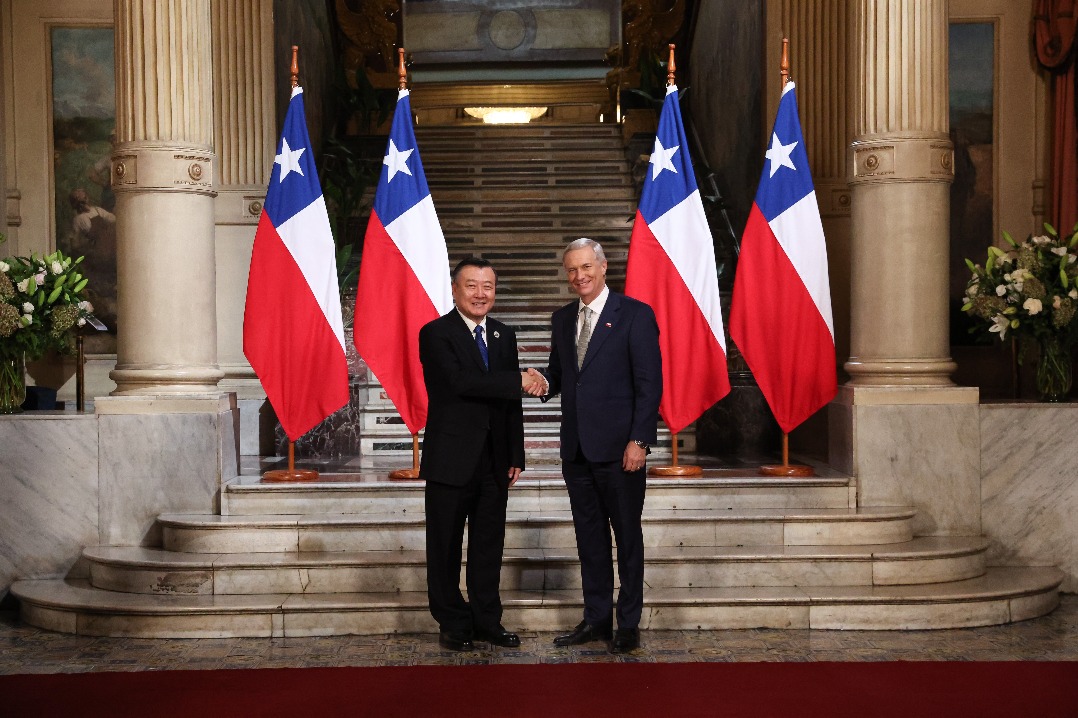
    In a significant diplomatic engagement, Chinese President Xi Jinping’s special envoy Ni Hong attended the presidential inauguration of José Antonio Kast in Valparaíso, Chile, on March 11, 2026. The visit, conducted at the formal invitation of the Chilean government, underscores the continuing importance both nations place on their bilateral relationship.

    Prior to the inauguration ceremonies, Minister Ni, who also serves as China’s Minister of Housing and Urban-Rural Development, held separate meetings with both incoming President Kast and outgoing President Gabriel Boric in Santiago. During these discussions, Ni conveyed President Xi’s personal greetings and expressed China’s commitment to strengthening the comprehensive strategic partnership between the two countries.

    In his meeting with President Kast, the Chinese representative emphasized China’s readiness to collaborate with Chile’s new administration to further develop the traditional friendship between the nations. Kast responded by affirming Chile’s consistent foreign policy regarding China, including adherence to the One-China principle. The newly inaugurated president identified several key areas for enhanced cooperation, including trade, investment, scientific innovation, housing development, and public health initiatives.

    The meeting with former President Boric included recognition of his contributions to advancing Sino-Chilean relations during his term. Boric characterized China as a crucial partner for Chile and expressed optimism for the continued development of bilateral ties under the new administration.

    This high-level diplomatic exchange occurs against the backdrop of China’s growing engagement with Latin American nations and demonstrates the continuity of diplomatic traditions regardless of governmental changes in Chile.

  • ‘Chinamaxxing’ piques curiosity of Gen Z in US

    ‘Chinamaxxing’ piques curiosity of Gen Z in US

    A remarkable cultural phenomenon dubbed ‘Chinamaxxing’ is captivating American Gen Z audiences through social media platforms, representing a significant shift in how younger generations engage with Chinese culture. This digital movement involves Western youth adopting various aspects of Chinese daily life, wellness practices, and aesthetics as a form of personal optimization and lifestyle enhancement.

    The trend has gained substantial traction on TikTok and Instagram, where videos tagged #Chinamaxxing have accumulated millions of views. Content creators showcase routines featuring traditional Chinese elements—from drinking honey-infused hot water to the accompaniment of guzheng music to practicing Chinese-style aerobics and enjoying authentic dim sum. Many participants humorously refer to themselves as ‘Chinese baddies’ while documenting their cultural exploration.

    This cultural curiosity aligns with recent Pew Research Center data revealing a generational divide in American perceptions of China. Among adults under 30, only 21% hold strongly unfavorable views, compared to 37% of those aged 50-64. Analysts attribute this divergence to younger generations encountering China primarily through algorithm-driven social content rather than traditional news media or political discourse.

    Shaoyu Yuan of NYU’s Center for Global Affairs identifies Chinamaxxing as evidence of China’s growing ‘cultural cachet,’ noting that engagement increasingly occurs through lifestyle and aesthetic appreciation rather than geopolitical framing. Jing Gao, founder of Chinese food brand Fly By Jing, emphasizes that this represents more than a passing trend—it’s a meaningful recalibration of cultural perception driven by genuine curiosity and daily practice.

    The movement finds embodiment in figures like Matt Soren, an American who has lived in Chongqing for nearly 17 years. Through his platform Baimanzhi, Soren shares his deep cultural immersion, suggesting that Chinamaxxing reflects a broader search for alternatives to Western cultural norms. He emphasizes that truly understanding Chinese culture requires looking beyond superficial habits to embrace underlying values like family connection and tradition.

    This organic, youth-driven cultural exchange demonstrates how digital platforms can facilitate cross-cultural understanding through shared daily experiences rather than political narratives, potentially signaling a new era of Sino-American cultural relations.

  • NASA OKs April manned Artemis II moon launch – but problems loom

    NASA OKs April manned Artemis II moon launch – but problems loom

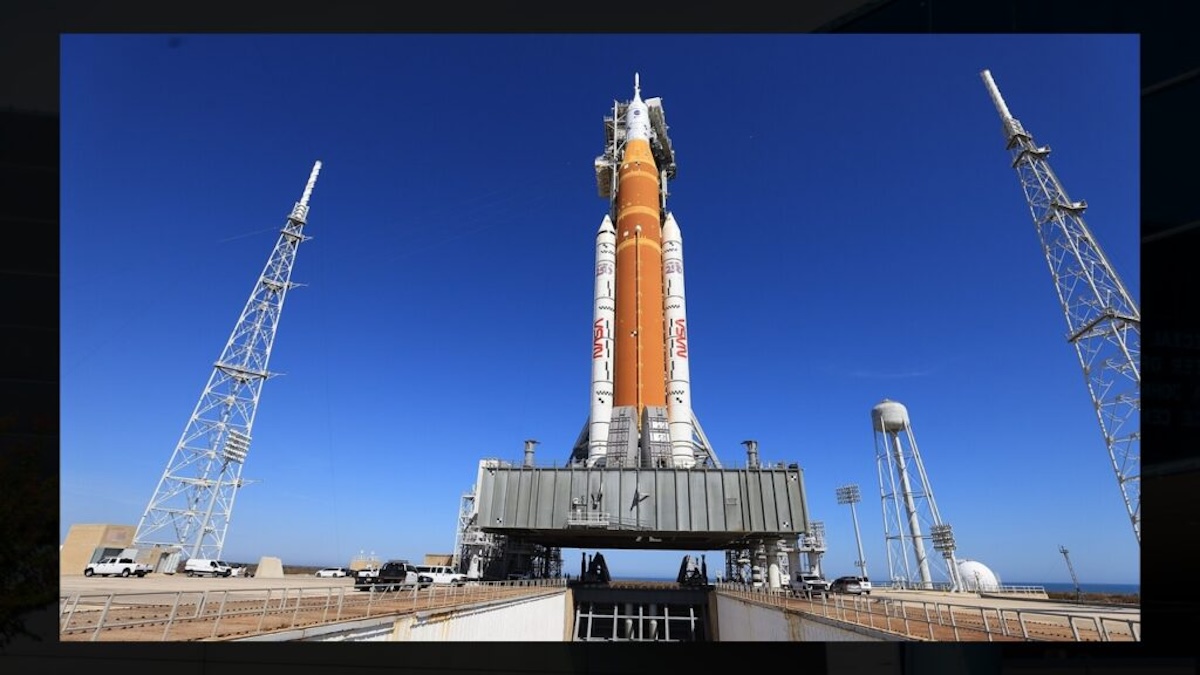
    NASA’s ambitious Artemis II mission, scheduled for an April launch as the first crewed lunar flyby in five decades, faces mounting safety concerns regarding its Orion capsule’s heat shield system. Despite the space agency’s confidence in proceeding with the historic mission, internal reports and engineering analyses reveal potentially catastrophic vulnerabilities that could endanger astronaut lives during atmospheric reentry.

    The Artemis program, initiated in 2017 as the successor to the Apollo missions, has already consumed $93 billion in funding with each launch costing approximately $4.2 billion. The program aims to establish sustained lunar presence as a precursor to eventual Mars expeditions. However, the upcoming crewed mission has raised alarms following the 2024 Inspector General’s report detailing critical issues from the uncrewed Artemis I test flight in November 2022.

    The primary concern centers on Orion’s heat shield performance during Artemis I, where post-flight analysis revealed extensive damage to the AVCOAT thermal protection tiles. More than half of the tiles exhibited cracking or fragmentation, with the char layer wearing away unpredictably and creating dangerous debris trails that threatened the parachute systems essential for safe splashdown.

    Additional risks identified include unexpected melting and erosion on three of the four critical separation bolts connecting the crew module to the service module. NASA investigators warned that more severe erosion could exceed structural design limits, potentially causing vehicle breakup during reentry. While NASA proposes trajectory adjustments and additional thermal protection for these components, these mitigations remain untested under actual flight conditions.

    The heat shield anomalies appear linked to gas entrapment within the tile matrix during reentry, compounded by potential vibration damage during launch that may have compromised the shield’s structural integrity. Ground-based arc jet tests conducted at higher temperatures than actual reentry conditions have questionable relevance, according to engineering experts.

    Notably, NASA has announced improvements for Artemis III and subsequent missions, including enhanced manufacturing methods and material uniformity, raising questions about why these critical upgrades aren’t being implemented before the crewed Artemis II flight. Space safety experts argue that the combination of unproven mitigations and known vulnerabilities presents an unacceptable risk level for human spaceflight, suggesting that NASA should reconsider its launch timeline until these fundamental safety issues are properly addressed.

  • US travelers look to China for deeper travel experiences

    US travelers look to China for deeper travel experiences

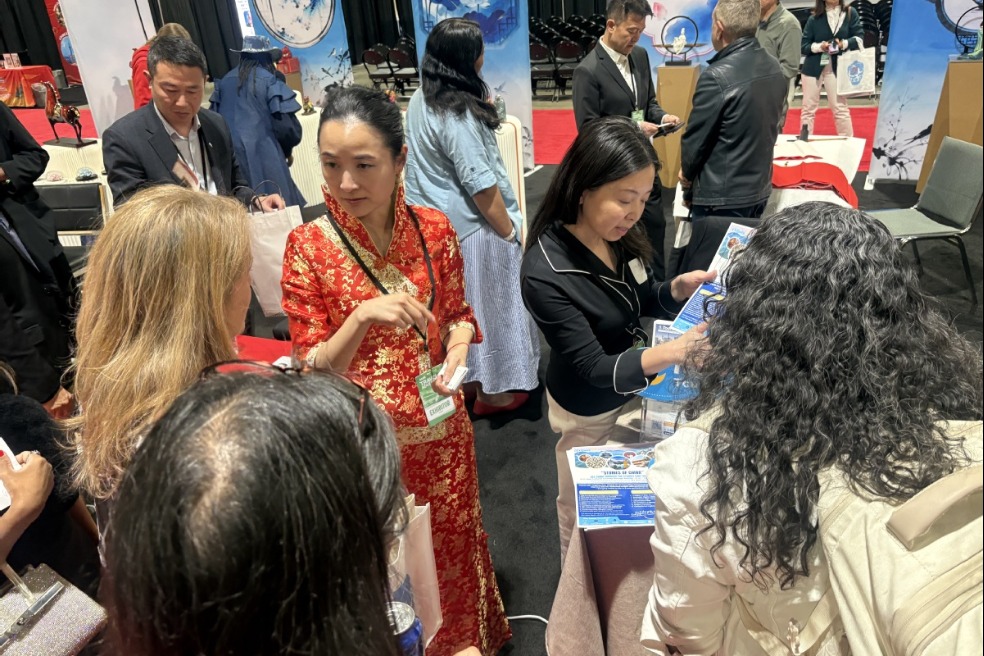
    American tourists are increasingly looking beyond conventional sightseeing to pursue profound cultural engagement when considering China as their next travel destination. This emerging trend was prominently displayed at the recent Los Angeles Travel & Adventure Show, where China’s tourism representatives observed growing interest in immersive experiences rather than merely iconic landmarks.

    Amy Tarpein, founder of the acclaimed accessible family travel platform Elijah’s Baby Bucket List, noted that China consistently emerges as a preferred destination among her global community of over half million followers. “Families are constantly searching for destinations that combine cultural discovery with inclusive travel opportunities,” Tarpein explained during a media briefing at the exhibition. While her platform hasn’t yet organized trips to China, she confirmed that the country’s rich history, architecture, art, and culinary traditions place it high on many travel bucket lists.

    Wu Dawei, Director of the China National Tourist Office in Los Angeles, identified a paradigm shift in global tourism preferences. “Travelers today pay greater attention to seasonality, flexibility and local culture rather than simply choosing destinations,” Wu stated. He elaborated that China’s tourism industry has responded by developing diverse products ranging from urban lifestyle exploration and rural cultural immersion to traditional experiences and contemporary creative spaces.

    The exhibition’s China booth attracted substantial visitor attention with interactive cultural activities and creative displays showcasing regional travel experiences. Beyond the famous Great Wall, Forbidden City, and Terracotta Warriors, modern attractions including winter sports facilities, ice-and-snow festivals, and wellness retreats have gained significant international recognition.

    China’s enhanced tourism infrastructure, particularly its extensive high-speed rail network and widespread digital technology adoption, has facilitated easier regional connectivity and exploration of emerging destinations. These developments are complemented by streamlined visa policies, including the China Port E-Visa system and the 240-hour visa-free transit policy that permits up to ten days of exploration during international stopovers.

    Travel industry professionals at the event confirmed this growing interest. Chelsea Borders, Vice-President of Emblem Outdoor, expressed particular interest in experiencing China’s vibrant culinary culture, specifically mentioning Chongqing’s renowned spicy cuisine. Meanwhile, former professional basketball player Matthew Kyle shared his positive previous travel experiences and interest in exploring potential business opportunities in China.

    Ye Menglei, General Manager of American Spring Travel, reported that most exhibition visitors approached the China booth with specific inquiries about visa policies and detailed travel arrangements, indicating serious travel intentions rather than casual interest.

  • Synagogue attacked in US state of Michigan, suspect killed

    Synagogue attacked in US state of Michigan, suspect killed

    A violent incident unfolded at Temple Israel synagogue in West Bloomfield, Michigan, on Thursday afternoon, culminating in the death of an armed suspect following an exchange of gunfire with security personnel.

    The attack occurred approximately at 12:30 PM local time, triggering a massive law enforcement response from multiple agencies across metropolitan Detroit. Preliminary investigations indicate the individual arrived at the religious institution and immediately engaged in an armed confrontation with temple security forces.

    Oakland County Sheriff Michael Bouchard provided initial confirmation that no congregational injuries had been verified despite the severity of the encounter. Law enforcement authorities established a shelter-in-place order within a one-mile radius of the synagogue as investigation protocols continued throughout the afternoon.

    Eyewitness footage captured by local media outlets showed substantial police mobilization and visible smoke emanating from sections of the building complex. The Jewish Federation of Detroit initially implemented precautionary lockdown procedures across affiliated organizations before subsequently lifting security restrictions as the immediate threat subsided.

    Additional patrols were deployed to other worship centers throughout the district as standard precautionary measures. Investigation teams are currently examining potential connections to additional individuals while forensic analysis of the scene continues.

  • Trump’s immigration comments may incite hate crimes, UN watchdog says

    Trump’s immigration comments may incite hate crimes, UN watchdog says

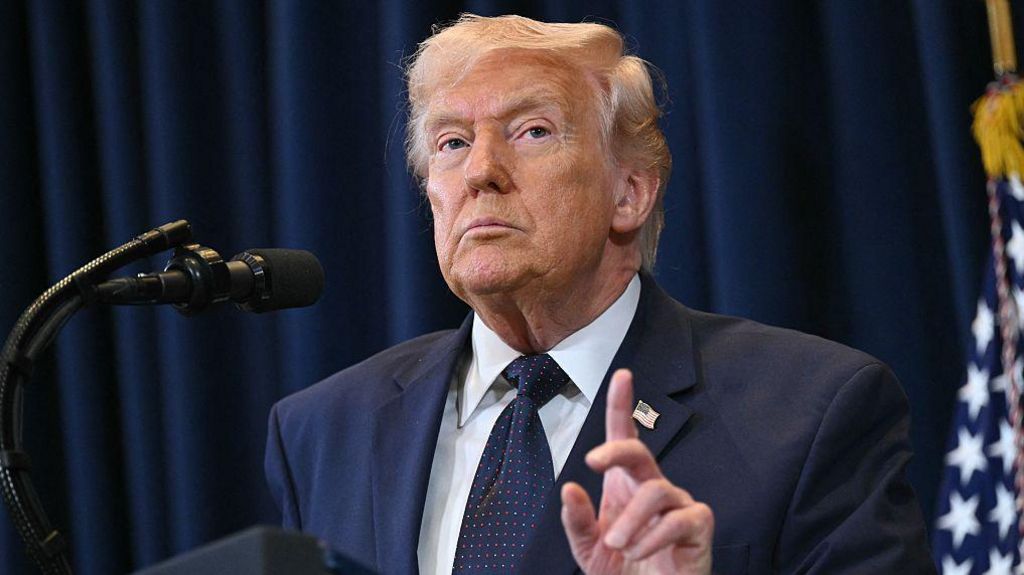
    A United Nations human rights monitoring body has issued a stern condemnation of inflammatory political rhetoric emanating from the highest levels of U.S. leadership, warning that such discourse has directly contributed to human rights violations. The Committee on the Elimination of Racial Discrimination (CERD), comprising independent experts operating under UN auspices, published a comprehensive assessment expressing grave concerns about the characterization of migrants, refugees, and asylum seekers as criminal elements or societal burdens by prominent political figures.

    The Geneva-based committee’s report specifically highlighted problematic language employed by President Donald Trump and other influential officials, noting that such discourse risks inciting racial discrimination and potentially violent hate crimes. The assessment urged the United States government to realign its policies with international human rights standards and conduct a thorough review of current practices.

    In a sharp rebuttal, the White House dismissed the UN committee’s findings as fundamentally biased and irrelevant. Presidential spokesperson Olivia Wales characterized the report as “useless” while defending the administration’s border security initiatives. “Americans are living in a safer, stronger country than ever before,” Wales asserted, adding that “no one cares what the biased United Nations’ so-called ‘experts’ think.”

    The committee expressed particular alarm about arbitrary identity checks targeting refugee and migrant populations, citing these practices as evidence of systemic discrimination. While the report avoided referencing specific incidents, it did mention Operation Metro Surge—an immigration enforcement action in Minnesota that resulted in nationwide protests following the fatal shootings of two U.S. citizens, Renee Good and Alex Pretti, by federal agents. The UN body classified these shootings as “gross violations of international human rights law.”

    Among its recommendations, the committee called for the immediate cessation of immigration operations near sensitive locations including educational institutions, healthcare facilities, and places of worship. The report also noted concerns about the escalating use of derogatory and dehumanizing language against vulnerable populations.

    The CERD has previously issued assessments critical of racial discrimination patterns in the United States across multiple administrations, including those of former Presidents Barack Obama and Joe Biden. The current report comes as the Trump administration intensifies its deportation efforts, deploying thousands of federal agents to conduct widespread raids in various cities including Minneapolis—fulfillment of a key campaign promise that garnered substantial electoral support.

    The committee specifically referenced controversial remarks made by President Trump in December, when he suggested Somali immigrants should “go back to where they came from” and characterized certain immigrants as “garbage” that would lead the country “the wrong way.” Such statements, the committee concluded, represent exactly the type of inflammatory rhetoric that undermines human rights protections.

  • US eases Russia oil sanctions as Iran war pushes up energy prices

    US eases Russia oil sanctions as Iran war pushes up energy prices

    In a significant policy shift amid escalating Middle East tensions, the United States has granted authorization for countries to purchase sanctioned Russian oil and petroleum products currently aboard vessels at sea. U.S. Treasury Secretary Scott Bessent announced this as a temporary measure designed to mitigate the severe economic disruptions caused by the U.S.-Israel conflict with Iran, particularly focusing on promoting stability within global energy markets. The authorization is set to remain in effect until April 11th.

    Secretary Bessent emphasized the narrowly tailored nature of this decision, stating, ‘This short-term measure applies only to oil already in transit and will not provide significant financial benefit to the Russian government.’ The move comes as a direct response to the dramatic upheaval in energy supply chains. Recent attacks on commercial shipping and energy infrastructure in the Gulf, coupled with the effective closure of the critical Strait of Hormuz—a chokepoint for roughly one-fifth of the world’s oil supply—have sent shockwaves through markets.

    The impact was immediately felt as oil prices surged back above $100 per barrel, triggering a downturn in global stock markets. This spike followed reports of three additional cargo vessels being struck in the Gulf and a vow from Iran’s new supreme leader to continue blocking the vital waterway. While prices showed slight stabilization in early Asian trading on Friday, with Brent crude dipping 0.2% to $100.29, the week’s overall volatility prompted a coordinated international response.

    The International Energy Agency (IEA) announced plans to release a record 400 million barrels of oil from emergency reserves to calm markets. Simultaneously, major Asian oil-importing nations have implemented a series of emergency measures. The Philippines, which sources approximately 95% of its crude from the Middle East, has mandated a four-day workweek for public sector employees to conserve fuel. Japan, South Korea, and Thailand have all instituted price caps on petrol to shield consumers from soaring costs.

    Looking forward, Secretary Bessent framed the current price instability as a ‘short-term and temporary disruption,’ asserting that the long-term strategic benefits for the U.S. and its allies would be substantial. He also confirmed that the U.S. government is preparing to commence military escorts for commercial vessels through the Strait of Hormuz. ‘The possible need for a military escort was always in our planning,’ Bessent stated, adding that the operation would begin ‘as soon as it is militarily possible to ensure safe passage.’

  • Mission accomplished? The 2003 boast that haunts today’s Iran conflict

    Mission accomplished? The 2003 boast that haunts today’s Iran conflict

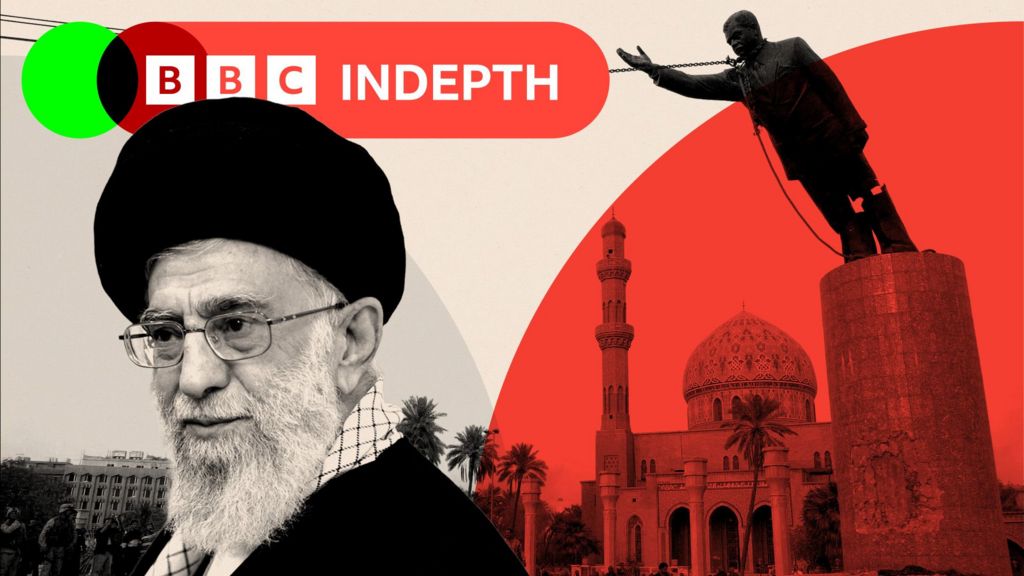
    The iconic toppling of Saddam Hussein’s statue in Baghdad’s Firdos Square on April 9, 2003, marked a symbolic endpoint to his regime, yet became the opening chapter of a conflict whose consequences continue to reverberate through global politics. What appeared as a swift victory—celebrated by President George W. Bush’s “Mission Accomplished” declaration just three weeks later—unfolded into a protracted engagement costing approximately 461,000 Iraqi lives and $3 trillion in U.S. expenditures.

    The Iraq War fundamentally altered Middle Eastern geopolitics while eroding public trust in Western governments. Today, as the United States engages in military action against Iran, analysts identify both haunting parallels and critical distinctions between these conflicts. Both represent American-led “wars of choice” with complex, overlapping motivations including regime change aspirations, weapons proliferation concerns, and regional power rebalancing.

    Whereas the Iraq invasion featured meticulous public persuasion campaigns emphasizing Saddam’s alleged WMD capabilities (later proven false), current operations against Iran have emerged with strikingly different diplomatic preparation. The Trump administration has bypassed United Nations legitimacy processes and made minimal efforts to build domestic consensus, reflecting both the collapse of traditional international frameworks and a more mercurial presidential approach.

    Alliance structures have similarly transformed. The 2003 invasion featured robust UK participation under Prime Minister Tony Blair’s “whatever” commitment to Washington. Today, Britain’s Labour government maintains deliberate distance, refusing base access for offensive operations—a caution born from Iraq’s painful legacy.

    Military strategy diverges significantly as well. Unlike the 150,000 ground troops deployed to Iraq, current operations emphasize aerial capabilities and proxy partnerships, particularly with Israel. Defense officials explicitly reject comparisons to Iraq’s “forever war,” though critics question whether limited engagement can achieve stated objectives like regime change or permanent degradation of Iranian capabilities.

    Perhaps the most sobering parallel lies in the apparent lack of post-conflict planning. Just as Iraq descended into insurgency and civil war despite initial military success, current operations risk empowering Iran’s regional influence while destabilizing neighboring states. The Iraq experience demonstrated that destroying regimes proves easier than building stable replacements—a lesson seemingly unabsorbed as conflict escalates without clear endgame objectives.

  • Winners, Sinners and record breakers: 17 fun facts about this year’s Oscars

    Winners, Sinners and record breakers: 17 fun facts about this year’s Oscars

    As the 2026 Academy Awards approach, this year’s nominations reveal extraordinary behind-the-scenes stories and potential record-breaking achievements. The awards race features two dominant contenders: Ryan Coogler’s genre-blending ‘Sinners,’ which merges blues music with vampire horror in 1930s Mississippi, and the critically acclaimed ‘One Battle After Another,’ creating one of the most suspenseful Oscar competitions in recent memory.

    Disney’s ‘Zootopia 2’ leads the box office among nominees with $1.86 billion globally, though European audiences know it as ‘Zootropolis’ due to trademark conflicts. Emma Stone makes history as the youngest woman to achieve seven Oscar nominations at age 37, surpassing Meryl Streep’s record. Meanwhile, Guillermo del Toro’s ‘Frankenstein’ adaptation represents a 207-year gap from Mary Shelley’s original novel, though it falls short of the 2,700-year adaptation gap for ‘O Brother Where Art Thou.’

    Newcomer Chase Infiniti carries cinematic destiny in her name—inspired by Nicole Kidman’s character in ‘Batman Forever’ and Buzz Lightyear’s iconic phrase. British actress Miriam Margolyes receives her first Oscar recognition for ‘A Friend of Dorothy’ after decades of acclaimed performances, though she remains vocal about her previous snub for ‘The Age of Innocence.’

    Several director-actor partnerships demonstrate remarkable loyalty, with four lead acting nominees appearing in films by their frequent collaborators. Ethan Hawke and Richard Linklater lead with nine joint films, followed by Michael B. Jordan and Ryan Coogler, and Emma Stone and Yorgos Lanthimos with five collaborations each.

    Jessie Buckley could become the first Irish winner for Best Actress, having already swept major awards ceremonies. Brad Pitt’s ‘F1’ breaks a 35-year trend by scoring a Best Picture nomination without corresponding directing, screenplay, or acting nods—the first since ‘Beauty and the Beast’ in 1991.

    Netflix’s ‘KPop Demon Hunters’ aims for a rare double victory in Best Animated Feature and Best Original Song, a feat previously achieved only by ‘Toy Story 3’ and ‘Frozen.’ Timothée Chalamet matches Marlon Brando’s record as the youngest actor since 1954 to receive three acting nominations by age 30.

    Norwegian cinema celebrates a breakthrough with two acting nominations for ‘Sentimental Value’ stars Renate Reinsve and Inga Ibsdotter Lilleaas, joining Liv Ullmann as only the third Norwegian actor recognized by the Academy. Leonardo DiCaprio ties Robert De Niro with his 12th Best Picture-nominated film, while ‘One Battle’ director Paul Thomas Anderson could join an exclusive group of filmmakers who’ve won for writing, directing, and producing.

    Brazil’s Wagner Moura enters the prestigious circle of Best Actor nominees for performances entirely in non-English languages. Several veterans return after lengthy gaps, including Kate Hudson (25 years), Benicio del Toro (22 years), and Amy Madigan (40 years), though none approach Judd Hirsch’s record 42-year gap between nominations.

    Delroy Lindo’s supporting actor nomination arrives without precursor recognition, a rare occurrence last seen with Andrea Riseborough in 2022. Finally, ‘Hamnet’ completes an unexpected cultural circle by featuring Max Richter’s ‘On The Nature of Daylight’—previously heard in everything from ‘Arrival’ to ‘EastEnders’—creating an improbable Shakespeare-Albert Square crossover at cinema’s most prestigious ceremony.