标签: North America

北美洲

  • UAE citizens travelling to Georgia must have health, accident insurance under new rule

    UAE citizens travelling to Georgia must have health, accident insurance under new rule

    Beginning January 1, 2026, Emirati citizens planning travel to Georgia must obtain both health and accident insurance coverage that meets specific regulatory requirements. The UAE Ministry of Foreign Affairs (Mofa) has instituted this new mandate, which will apply to all citizens departing for Georgia on or after the effective date.

    The insurance documentation must satisfy three critical criteria: Policies must remain valid throughout the entire duration of stay, be issued in either English or Georgian languages, and provide coverage of no less than 30,000 Georgian Lari. The regulations permit policies from reputable international insurance providers, Georgian insurance companies, or coverage obtained through airline carriers.

    Notably, the requirement exempts holders of diplomatic, special, and mission passports from this insurance mandate. This regulatory change emerges as the UAE maintains its position as holder of the world’s most powerful passport for the seventh consecutive year according to the 2025 Passport Index by Arton Capital. The insurance requirement underscores the growing importance of comprehensive travel protection even for citizens of nations with strong international mobility privileges.

  • Trump says health is ‘perfect’ amid ageing concerns

    Trump says health is ‘perfect’ amid ageing concerns

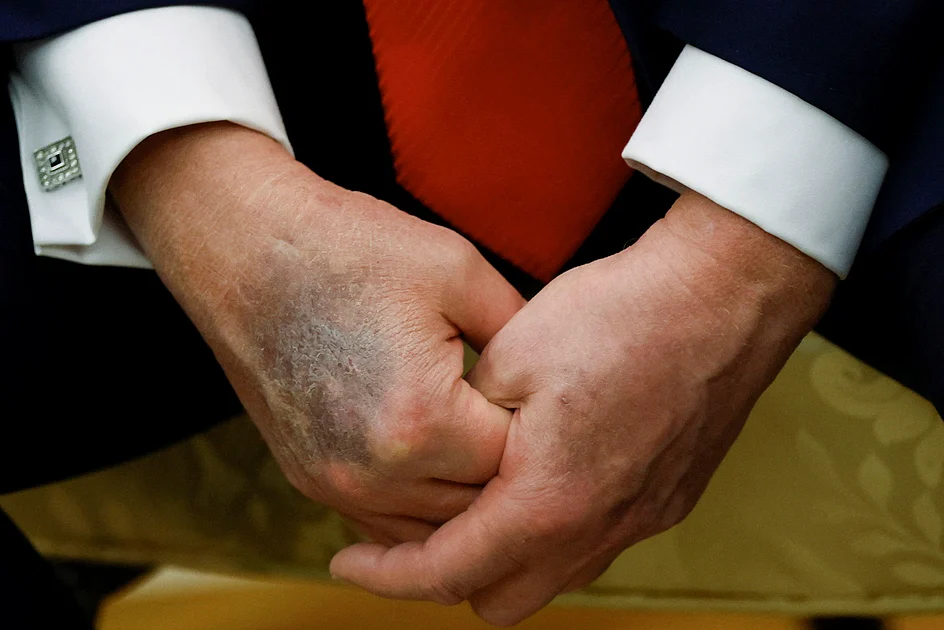
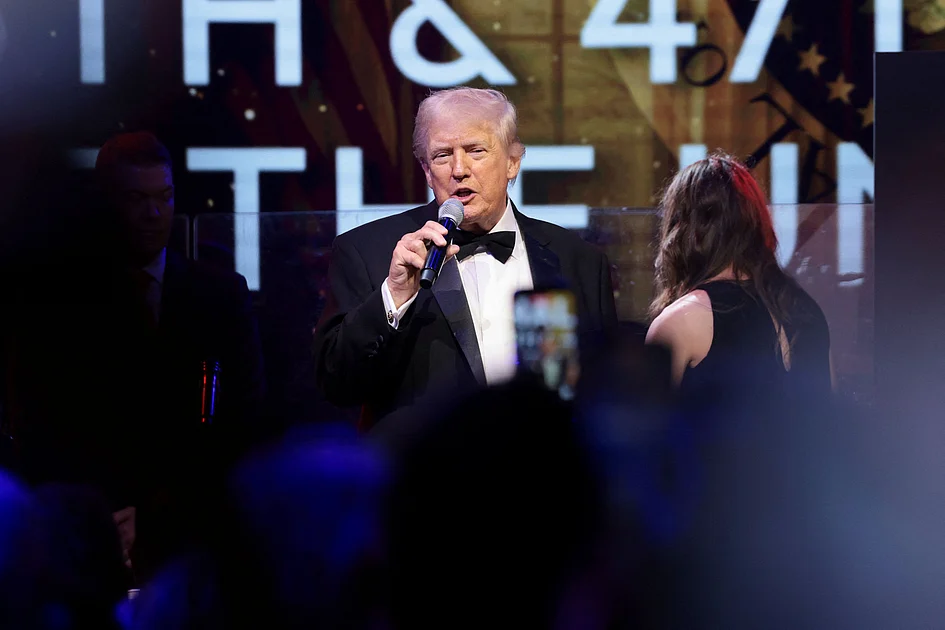
    In a remarkably transparent interview with The Wall Street Journal, former President Donald Trump disclosed unconventional health management approaches that contradict standard medical advice. The 79-year-old, who holds the distinction of being the oldest inaugurated president in American history, revealed he consistently exceeds recommended aspirin dosage, employs cosmetic solutions to conceal bruising, and avoids structured exercise regimens due to personal preference.

    Trump acknowledged taking 325mg of aspirin daily—significantly above the 81mg dose commonly recommended by physicians—citing blood thinning benefits despite recognizing the medication contributes to his susceptibility to bruising. ‘They say aspirin is good for thinning out the blood, and I don’t want thick blood pouring through my heart,’ Trump explained, adding his reluctance to alter a quarter-century routine due to superstition.

    The interview included a correction regarding his recent medical examination. Contrary to his previous public statements, Trump confirmed he underwent a CT scan rather than an MRI at Walter Reed National Medical Center in October. His physician, Navy Capt. Sean Barbabella, provided documentation confirming the CT scan was administered to eliminate cardiovascular concerns and revealed no abnormalities.

    Regarding visible signs of aging that have sparked public discussion, Trump offered alternative explanations. He characterized closed eyes during meetings as ‘relaxing’ rather than sleeping, and attributed photographic evidence of drowsiness to poorly timed blinking captures. For hand bruising, he revealed carrying makeup for quick coverage when his hands get ‘whacked’—a process he claims takes approximately ten seconds.

    Trump expressed frustration with ongoing public scrutiny of his health, which he repeatedly described as ‘perfect.’ He rejected medical advice to wear compression socks for diagnosed chronic venous insufficiency, instead opting for more frequent movement from his desk to address leg swelling. His only acknowledged physical activity remains golf, as he finds treadmill exercise ‘boring’ and unsuitable for his preferences.

    Despite these unconventional approaches, Trump’s physician affirmed in an official statement that the former president maintains ‘exceptional health and [is] perfectly suited to execute his duties as Commander in Chief.’

  • Trump blames bruised hand on aspirin, denies falling asleep

    Trump blames bruised hand on aspirin, denies falling asleep

    In a revealing interview with The Wall Street Journal published Thursday, former President Donald Trump addressed mounting questions about his physical condition while defending his overall health. The 79-year-old, who holds the record as the oldest individual to assume the U.S. presidency, attributed significant bruising on his right hand to daily aspirin consumption rather than any underlying medical condition.

    Trump presented a defiant stance regarding his well-being, stating ‘my health is perfect’ while expressing visible frustration with the persistent public scrutiny. The Republican leader, known for cultivating an image of vitality through constant media engagement and social media activity, offered specific explanations for physical manifestations that have drawn attention during his second term.

    Regarding the noticeable bruising often concealed with makeup or bandages, Trump explained that aspirin serves as a blood-thinning agent, remarking ‘I don’t want thick blood pouring through my heart.’ He attributed one particular cut to an enthusiastic high-five with former Attorney General Pam Bondi, whose ring allegedly made contact with his hand.

    The interview also revealed a correction to Trump’s previous medical statements. While he had told reporters in October about undergoing an MRI scan, he clarified to the Journal that the procedure was actually a less comprehensive CT scan. His physician, Dr. Sean Barbabella, confirmed the CT scan was administered to ‘definitively rule out any cardiovascular issues.’

    Trump additionally addressed observations about his apparent drowsiness during public events, including a notable November Oval Office meeting with health representatives. Dismissing claims that he falls asleep during engagements, Trump asserted ‘I’ve never been a big sleeper,’ characterizing moments where he closes his eyes as intentional relaxation rather than fatigue. He attributed photographs suggesting sleep to being captured mid-blink, stating ‘Sometimes they’ll take a picture of me blinking, blinking, and they’ll catch me with the blink.’

    The former president’s health has become increasingly politically significant as he continues to frame his Democratic predecessor Joe Biden—who left office at 82 as the oldest president in history—as ‘sleepy’ while facing similar age-related scrutiny himself.

  • What does the New Year have in store for us: 10 predictions for life in 2026

    What does the New Year have in store for us: 10 predictions for life in 2026

    As we step into 2026, The New York Times presents a compelling forecast of societal transformations driven by technological fatigue, political theater, and evolving cultural values. Their team of expert reporters identifies ten significant trends poised to redefine modern living.

    Technology Backlash and Status Symbols: The smartphone era faces a counter-movement as ‘dumb phones’ transition from practicality to status symbols. This shift highlights a growing class divide: who can afford digital disconnection? While affluent individuals embrace low-tech devices, gig economy workers remain tethered to app-dependent livelihoods.

    AI Aesthetic Rebellion: Artificial intelligence’s ‘slop’—characterized by overly polished, synthetic content—is sparking an artistic revolution. Consumers increasingly favor the Japanese philosophy of wabi-sabi, celebrating imperfection and human authenticity over algorithmically generated perfection.

    Political Theater Escalates: The White House has transformed into a reality show under the second Trump administration, with FBI Director Kash Patel’s romantic entanglements and Health Secretary Robert F. Kennedy Jr.’s virtual relationships generating both gossip and legitimate security concerns.

    Emotional Culture Shift: Miley Cyrus’s 2025 anthem ‘End of the World’ captures a cultural move away from emotional detachment. In response to global uncertainties, people are embracing vulnerability, intentional dating, and rejecting AI companionship for genuine human connection.

    Entertainment and Gambling Convergence: Prediction markets are expanding beyond politics into entertainment, with platforms like Kalshi processing millions in bets on reality television outcomes. This merger of gambling and pop culture represents a new frontier in speculative entertainment.

    Tobacco Renaissance: Following the vaping decline, traditional tobacco experiences are resurging. Pipes and snuff are gaining popularity as people seek tactile, historical alternatives to modern nicotine delivery systems.

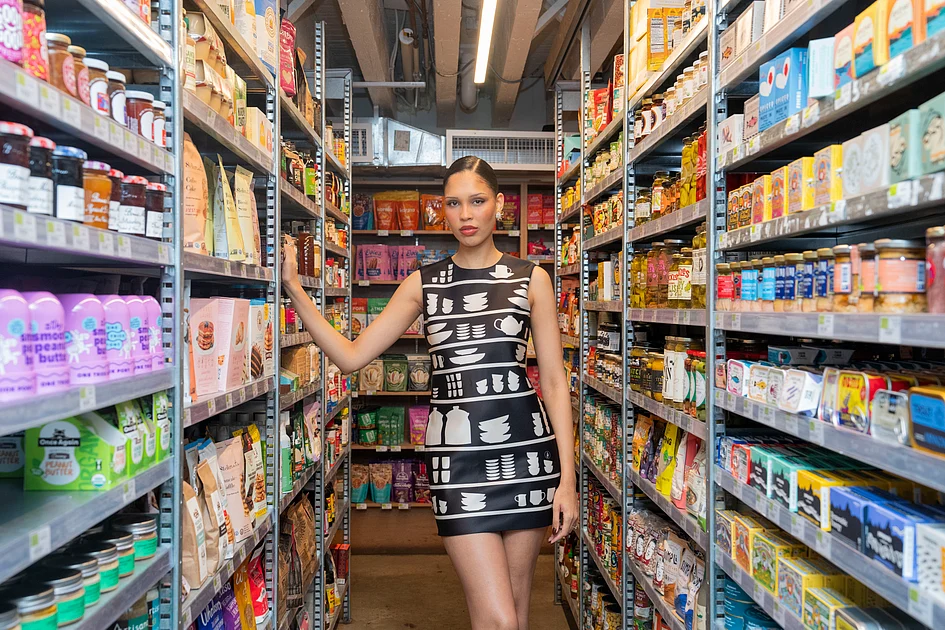
    Style and Influence Evolution: New York’s First Lady Rama Duwaji emerges as a fashion icon, while social media influencers increasingly abandon digital fame for traditional careers—a phenomenon dubbed ‘exfluencing.’ Meanwhile, fan-driven cinematic universes are challenging established entertainment franchises through crowdfunded creativity.

  • The standard keeps getting better year on year: Simon Doull on DP World ILT20’s growth

    The standard keeps getting better year on year: Simon Doull on DP World ILT20’s growth

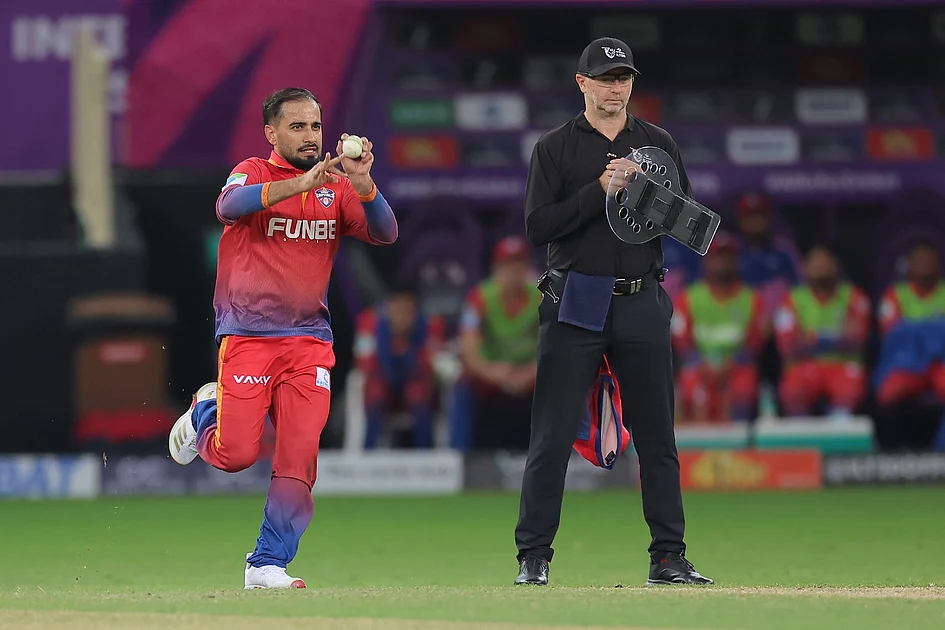
    Former New Zealand international cricketer and tournament commentator Simon Doull has praised the DP World ILT20 for its remarkable evolution into a premier global T20 competition while significantly advancing the development of UAE and regional cricket talent.

    Doull, who has been involved with the tournament since its inception, emphasized the noticeable year-on-year improvement in playing standards. ‘The overall quality has been exceptional and continues to elevate annually – this progression has particularly impressed me,’ Doull stated.

    The commentator highlighted the tournament’s transformative impact on local players, noting their accelerated development through exposure to high-level competition. ‘We’re witnessing local athletes being entrusted with more crucial roles, which represents a significant positive development this season,’ Doull observed. He specifically cited pacer Khuzaima Tanveer as a standout performer, describing him as possessing all the attributes for future international success with his impressive pace and strategic variations.

    Doull also recognized consistent performances from established players, mentioning Muhammad Waseem’s tournament-leading 335 runs and Sam Curran’s all-round contributions of 323 runs and seven wickets as particularly noteworthy.

    The tournament’s strategic scheduling within the global cricket calendar has proven advantageous according to Doull. ‘The current window has been crucial – it’s an ideal time for cricket and integrates perfectly into the international schedule,’ he commented, predicting continued improvement in coming seasons.

    Expansion initiatives have seen the inclusion of players from Kuwait and Saudi Arabia, broadening the league’s regional development scope. Doull emphasized the importance of this regional inclusion: ‘The league initially focused on UAE player development but is now expanding its regional growth mandate. The opportunity for emerging talents to train alongside established international stars provides invaluable learning experiences.’

    The DP World ILT20 Player Development Initiative brought seven African cricketers into franchise environments this season, potentially creating ripple effects across the continent’s cricket ecosystem. Doull stressed the importance of knowledge transfer: ‘Young players gain tremendously from networking with international-caliber athletes like Kieron Pollard and Jason Roy – these interactions create learning opportunities that extend beyond individual development.’

    Contrary to early predictions about spin bowling’s decline in T20 cricket, Doull noted the continued relevance of wrist spin, with Dubai Capitals’ Waqar Salamkheil emerging as tournament’s leading wicket-taker with 17 scalps. ‘Every franchise actively seeks quality wrist spin options, and these venue dimensions perfectly suit its effective utilization,’ Doull remarked.

    Addressing batting trends, Doull emphasized situational awareness over pure strike rates: ‘Context determines approach – first innings require aggressive scoring while successful run chases justify more measured batting strategies.’
  • Meydan rings in 2026 with classy Carnival card as Dubai World Cup pathways intensify

    Meydan rings in 2026 with classy Carnival card as Dubai World Cup pathways intensify

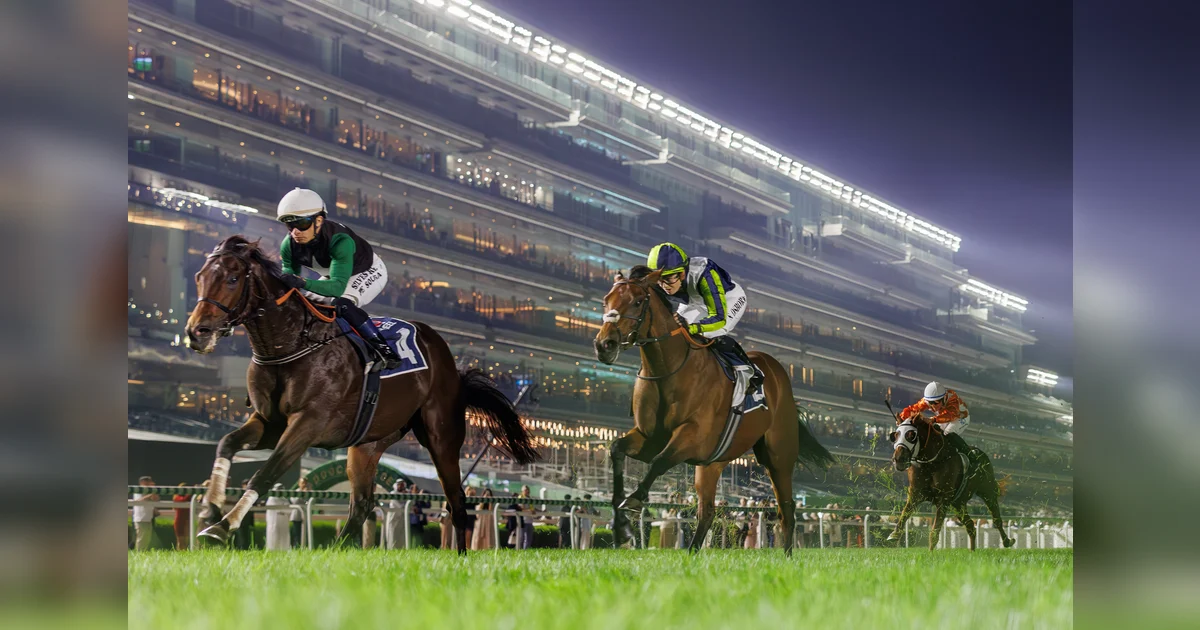
    Meydan Racecourse inaugurated the 2026 sporting calendar with a prestigious eight-race Dubai Racing Carnival program on Friday, marking a pivotal moment in the buildup to the 30th anniversary Dubai World Cup in March. The event, featuring over AED 3.2 million in prize money, showcased elite Thoroughbred talent and served as a critical proving ground for international connections targeting the sport’s richest night.

    The program spotlighted two major Group contests offering early-season form insights. The Group 2 Zabeel Mile (1600m, AED 1.5 million) emerged as a key indicator for milers aspiring toward the Godolphin Mile. Trainer Charlie Appleby—seeking a record-extending seventh victory—pitted Aomori City against formidable rivals including Audience (Lockinge Stakes winner) and Quddwah (representing Simon and Ed Crisford’s stable).

    Simultaneously, the Dubawi Stakes (1200m dirt) provided a crucial trial for the Dubai Golden Shaheen. Despite the absence of dual winner Tuz, the sprint featured compelling narratives: El Nasseeb (Oasis Stables) arrived with Listed race credentials, while Mufasa’s trainer Bhupat Seemar touted his colt as ‘the next Tuz.’ Veteran campaigner Dark Saffron also returned seeking redemption after gate-related setbacks.

    Supplementary races enriched the card with developmental storylines. The UAE Guineas Trial featured unbeaten Lino Padrino testing his classic potential, while the Zoho Handicap (2810m) introduced stayers like Burdett Road launching Middle Eastern campaigns. Competitive handicaps featuring Arabie and Twilight Calls completed a strategically diverse program emphasizing speed, stamina, and emerging talent.

    Supported by partnerships with the Jockey Club, France Galop, and Churchill Downs, this Carnival meeting demonstrated Meydan’s growing influence in global racing circuits. The event provided owners and trainers with actionable intelligence for refining World Cup preparations, reinforcing Dubai’s status as a winter racing destination of unparalleled quality and opportunity.

  • Higher US tariffs on imported furniture take effect

    Higher US tariffs on imported furniture take effect

    The United States has enacted significant increases on import duties for specific furniture categories, effective January 1, 2026. These measures represent the implementation of previously scheduled tariff escalations originally established under the Trump administration’s sector-specific trade policies.

    The updated tariff structure imposes a 30 percent duty on certain upholstered furniture items, marking a 5 percentage point increase from previous levels. Meanwhile, import charges on kitchen cabinets and vanities have doubled to 50 percent, substantially raising costs for these household goods. These changes form part of broader trade measures affecting various sectors including steel, automobiles, and wood products.

    This policy development primarily impacts furniture imports from Vietnam and China, nations that serve as major suppliers to the American market. However, differential tariff rates apply to products originating from other trading partners. Wood imports from Britain face a maximum 10 percent duty, while goods from European Union countries and certain other negotiated partners are subject to a 15 percent ceiling.

    The Trump administration has consistently justified these protectionist measures as necessary for revitalizing domestic manufacturing capabilities and safeguarding national security interests. These sector-specific tariffs operate independently from the broader countrywide ‘reciprocal’ levies that the administration has simultaneously implemented, though the Supreme Court is currently reviewing the legal validity of those comprehensive tariffs under the International Emergency Economic Powers Act.

    Market analysts anticipate these increased costs will ultimately transfer to American consumers, potentially exacerbating existing financial pressures from sustained elevated living expenses. The furniture industry now faces significant pricing adjustments as importers and retailers adapt to the new trade landscape.

  • Fireworks fade, first cries ring: UAE welcomes New Year 2026 with babies born at midnight

    Fireworks fade, first cries ring: UAE welcomes New Year 2026 with babies born at midnight

    As fireworks illuminated the skies marking the transition into 2026, hospital delivery rooms across the United Arab Emirates witnessed a more intimate form of celebration—the first cries of newborns arriving precisely as the new year dawned. These symbolic births, occurring from midnight onward on January 1st, represented both personal milestones and national hope across the federation.

    In Abu Dhabi, Burjeel Medical City recorded the nation’s first documented birth at exactly 12:00 AM—baby Saeed Saif Al Rumaithi, weighing 3.302kg, born to Emirati first-time parents. The name Saeed, meaning ‘happy’, was deliberately chosen to honor paternal lineage while embodying the joy of a new beginning. Mere minutes later, Burjeel Hospital welcomed Hamdan (2.470kg) to the Alhosani family, whose father described the timing as ‘auspicious’ for global new beginnings.

    NMC Specialty Hospital witnessed another significant arrival at 12:11 AM when Indian expatriates Rakhi and Mayur Patil welcomed their third child—a son following two daughters. The aircraft maintenance engineer and homemaker expressed particular thrill at completing their family with a New Year’s birth overseen by Dr. Kiran Mehndiratta.

    Dubai’s International Modern Hospital hosted perhaps the most emotionally charged delivery at 12:14 AM. Baby Umama Sufyan (2.35kg) arrived after a high-risk pregnancy complicated by hypertension and growth restrictions, ending parents Sufyan Ali and Saima Naz’s painful journey through three previous miscarriages. Dr. Komila Singhal Verma acknowledged the ‘precious’ successful delivery after numerous complications.

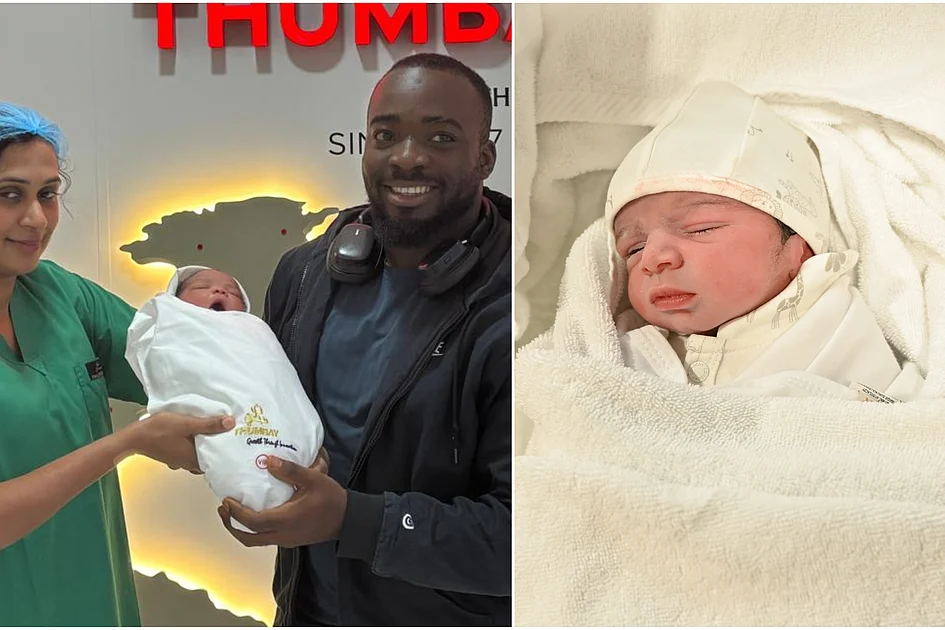
    The celebrations extended across emirates: Aster Hospital in Dubai welcomed a boy to Abdul Shereef’s family at 7:42 AM; Zulekha Hospital Sharjah recorded a 2:24 AM delivery; Fujairah’s Thumbay Hospital celebrated Nigerian baby Kafayat Uyomide (3.27kg) at 2:41 AM alongside an Indian baby born exactly at midnight; while Ras Al Khaimah’s first newborn—Emirati baby Shamma (3.4kg)—arrived at 6:28 AM at RAK Hospital, described by her father as a ‘blessing’ and memorable start to 2026.

    Medical professionals universally highlighted the honor of facilitating these symbolic births, with Dr. Srividya Venugopal of Burjeel Medical City capturing the sentiment: ‘Helping a family welcome their child at the dawn of a brand-new year is a heartwarming experience.’ These simultaneous arrivals across the UAE represented not just expanded families but a nation embracing future generations with renewed optimism.

  • Donald Trump joins criticism of George Clooney’s French passport

    Donald Trump joins criticism of George Clooney’s French passport

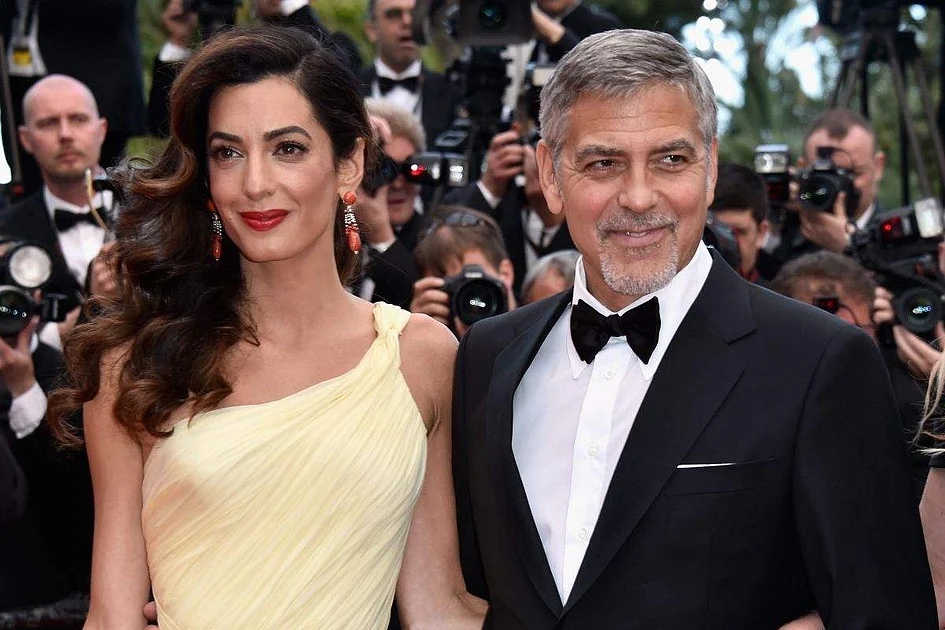
    Former US President Donald Trump has amplified criticism surrounding France’s decision to grant citizenship to Hollywood actor George Clooney and his family, injecting himself into a contentious debate over immigration standards. The controversy emerged following an official decree confirming the naturalization of Clooney, his human rights attorney wife Amal, and their two children through ministerial approval rather than standard administrative channels.

    The diplomatic gesture coincides with France’s implementation of stricter language requirements for citizenship applicants effective January 1, 2026, creating perceptions of preferential treatment. Trump utilized his Truth Social platform to mock the development, stating: ‘Good News! George and Amal Clooney, two of the worst political prognosticators of all time, have officially become citizens of France which is, sadly, in the midst of a major crime problem because of their absolutely horrendous handling of immigration.’

    Internal government divisions surfaced when Marie-Pierre Vedrenne, a junior interior minister, acknowledged ‘double standards’ in the case, noting Clooney’s limited French proficiency despite his claims of 400 lessons. This contrasted with defending statements from Interior Minister Laurent Nunez and the Foreign Ministry, which emphasized the family’s compliance with legal procedures including security vetting, interviews, and tax payments.

    The ministry justification highlighted the Clooneys’ ‘distinguished service to France’s influence’ through George’s film industry contributions and Amal’s collaborations with French academic institutions. Statistics reveal approximately 48,800 individuals acquired French nationality by decree in 2024, though most undergo the newly strengthened language and civic knowledge requirements that exclude the Clooneys due to their pre-2026 application timing.

    The actor maintains a property in Provence’s Brignoles region, describing France as where his family feels ‘happiest’ due to privacy protections. Meanwhile, Hollywood director Jim Jarmusch has similarly sought French citizenship, reflecting broader patterns of cultural figures seeking European alternatives amid American political tensions.

  • From battleships to buildings: Trump’s name is everywhere

    From battleships to buildings: Trump’s name is everywhere

    In an unprecedented fusion of personal branding with national governance, former President Donald Trump has embarked on a comprehensive campaign to affix his name to federal institutions and programs throughout his second term. This strategic initiative represents a remarkable convergence of commercial marketing tactics with presidential authority, creating a new paradigm in American political legacy-building.

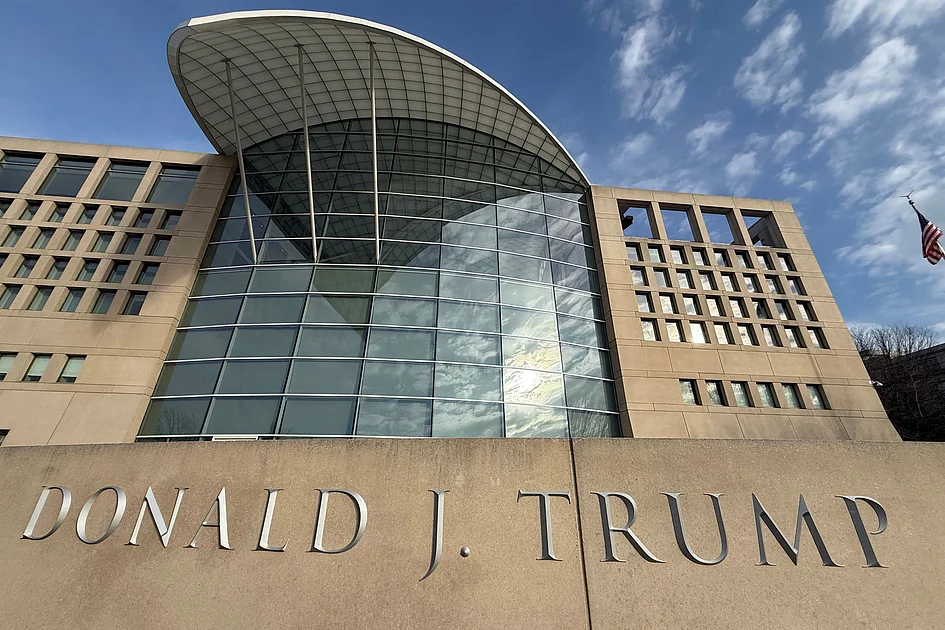
    The scope of this naming blitz encompasses diverse sectors of government operations. Washington’s premier cultural venue has been redesignated as the Donald J. Trump and John F. Kennedy Memorial Centre for the Performing Arts, while a government-funded conflict resolution think tank now operates as the Donald J. Trump Institute of Peace. The administration has further extended this branding to include a proposed class of Navy warships designated as ‘Trump-class’ battleships, children’s savings accounts labeled ‘Trump Accounts’ on official IRS documentation, and specialized visa programs branded as the ‘Trump Gold Card’.

    This systematic rebranding has generated significant controversy among historians, political analysts, and civil society organizations. Critics argue that these actions create the perception that government services originate from Trump personally rather than representing institutional state functions. The Kennedy Centre renaming particularly ignited public backlash, resulting in several performing artists canceling scheduled appearances in protest.

    Presidential historian Julian Zelizer of Princeton University notes that while previous administrations have taken credit for policy achievements, the current scale of personal branding represents a qualitative departure from traditional practice. ‘This approach prioritizes immediate symbolic recognition over substantive legislative accomplishment,’ Zelizer observed. ‘The relative ease of attaching names to buildings and programs contrasts sharply with the challenging process of creating enduring policy frameworks.’

    The administration defends these initiatives as natural extensions of Trump’s leadership philosophy. White House spokeswoman Elizabeth Huston characterized the branding as incidental to substantive achievements, stating that ‘historic initiatives including drug pricing agreements, national landmark upgrades, peace agreements, and wealth-creation accounts for children would not have been possible without President Trump’s bold leadership.’

    Historical precedent suggests that such naming conventions may prove temporary, particularly if subsequent administrations choose to reverse them. The durability of these designations remains uncertain, as many require congressional approval for modification. This naming campaign exemplifies the distinctive intersection of personal branding and governmental authority that has characterized Trump’s unconventional approach to presidential legacy construction.