标签: North America

北美洲

  • Oscars red carpet: Stars and fashion in pictures

    Oscars red carpet: Stars and fashion in pictures

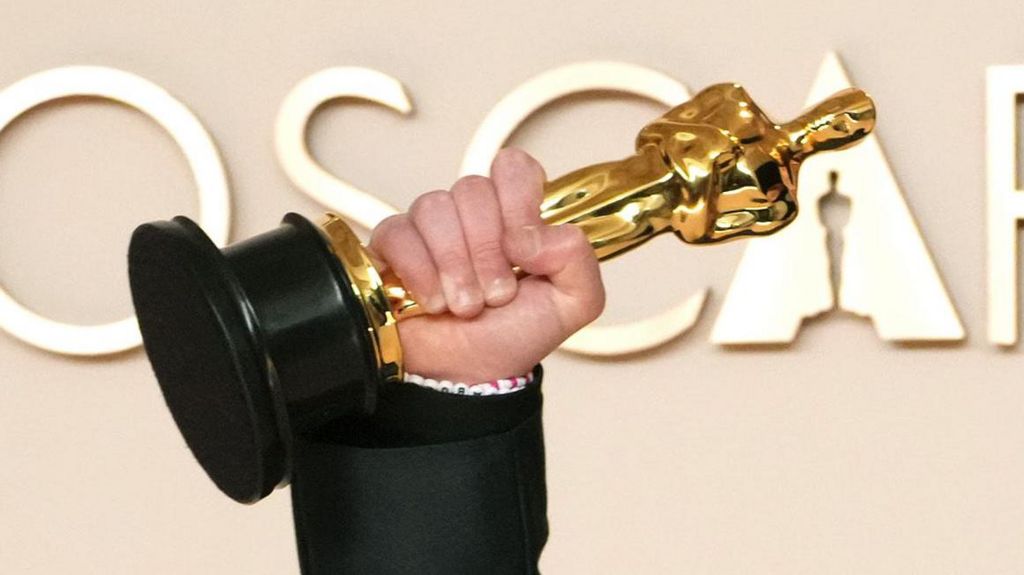
    The 2026 Academy Awards red carpet transformed into a high-fashion runway where Hollywood’s elite showcased sartorial excellence, making the entrance arguably more competitive than the awards ceremony itself. Held in Los Angeles, the event featured breathtaking ensembles that blended classic elegance with avant-garde design.

    Alicia Silverstone, renowned for her role in ‘Clueless,’ made a striking appearance in Christian Siriano, complemented by dramatic long black opera gloves. Australian actress Rose Byrne, nominated for her performance in ‘If I Had Legs I’d Kick You,’ dazzled in an exquisite custom Chanel creation featuring elaborate floral embroidery.

    Bella Thorne opted for ethereal sophistication with delicate feathered cuffs and a sheer slip dress, while author Maggie O’Farrell—nominated for co-writing the ‘Hamnet’ screenplay—chose a vibrant bubblegum pink gown accessorized with black lace gloves and a mesh fascinator.

    Breakout television star Hudson Williams, though not nominated, captured attention through his rising prominence from the viral series ‘Heated Rivalry.’ Veteran songwriter Diane Warren, hoping for her first Oscar win on her 17th nomination, radiated timeless elegance in a satin suit adorned with a black neck bow.

    Amelia Dimoldenberg, serving as red carpet reporter and social media ambassador for the third consecutive year, stunned in a sculptural black Ralph Lauren column gown, Jimmy Choo footwear, and luxurious Bvlgari jewelry, cementing the Oscars’ status as fashion’s premier global stage.

  • Oscars 2026: Winners list in full (updating live)

    Oscars 2026: Winners list in full (updating live)

    The global entertainment industry turns its attention to Los Angeles as Tinseltown’s most celebrated figures assemble for the 96th Academy Awards ceremony. Scheduled to commence at 4:00 PM PST on Sunday at the Dolby Theatre, this glittering event will determine which cinematic achievements from the past year will claim the film industry’s most coveted honors.

    This year’s competition showcases an extraordinary diversity of talent across major categories. The Best Picture race features ten contenders including psychological thriller ‘Bugonia,’ gothic adaptation ‘Frankenstein,’ sports biopic ‘Marty Supreme,’ and Ryan Coogler’s critically acclaimed ‘Sinners.’ The directing category presents a fascinating mix of established visionaries and rising talents, with Paul Thomas Anderson (‘One Battle After Another’) competing against Chloé Zhao (‘Hamnet’) and Joachim Trier (‘Sentimental Value’).

    Acting categories demonstrate remarkable depth, with Timothée Chalamet (‘Marty Supreme’) and Leonardo DiCaprio (‘One Battle After Another’) leading the Best Actor nominations. The Best Actress category includes standout performances from Jessie Buckley (‘Hamnet’), Emma Stone (‘Bugonia’), and Renate Reinsve (‘Sentimental Value’).

    International cinema receives significant recognition with ‘Sentimental Value’ and ‘The Secret Agent’ competing for Best International Feature, while animated offerings include highly anticipated sequels and original creations such as ‘Zootopia 2’ and ‘KPop Demon Hunters.’

    Technical categories highlight groundbreaking achievements in visual effects, sound design, and production, with ‘Avatar: Fire and Ash,’ ‘F1,’ and ‘Frankenstein’ receiving multiple nominations. The ceremony promises to celebrate both artistic excellence and technical innovation that has defined the past year in cinema.

    The Oscars maintain their status as the preeminent event in global entertainment, recognizing outstanding achievements in filmmaking while setting cultural trends and industry standards for the coming year.

  • FCC chair threatens to revoke broadcasters’ licences over Iran coverage

    FCC chair threatens to revoke broadcasters’ licences over Iran coverage

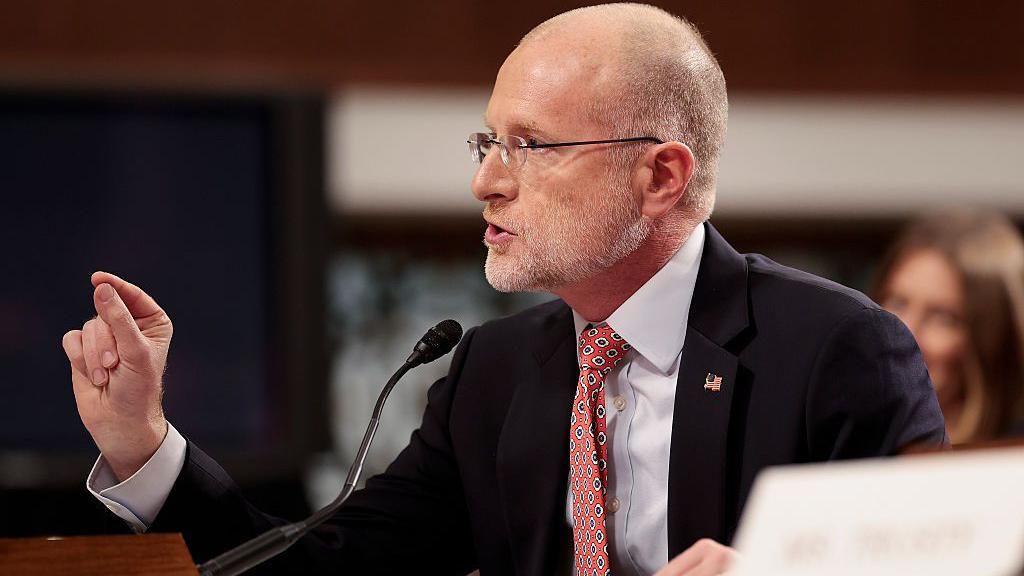
    A constitutional confrontation has emerged between U.S. media regulators and broadcast networks following controversial remarks by Federal Communications Commission (FCC) Chair Brendan Carr. The dispute originated when Carr explicitly threatened to revoke broadcasting licenses in response to former President Donald Trump’s criticisms of media coverage regarding U.S.-Israel relations with Iran.

    During an interview with CBS News, Carr asserted that broadcast licenses do not constitute ‘property rights’ and emphasized that stations must operate according to public interest standards. His comments came directly after Trump accused media organizations of deliberately undermining national security interests in their wartime reporting.

    ‘The legal framework is unequivocal,’ Carr stated on social media. ‘Broadcasters must operate in the public interest, and they will lose their licenses if they do not.’ This position reflects the FCC’s statutory authority as the nation’s broadcast media regulator, governing radio, television, and satellite communications, including oversight of mergers and decency complaints.

    The threat prompted immediate backlash from Democratic lawmakers who condemned Carr’s position as constitutionally impermissible. Massachusetts Senator Elizabeth Warren declared that ‘government censorship of disfavored speech about Trump’s Iran war is illegal,’ while California Governor Gavin Newsom characterized the threat as ‘flagrantly unconstitutional.’ Senator Mark Kelly accused the administration of attempting to evade accountability through regulatory overreach.

    This incident continues a pattern of tension between the Trump administration and media organizations. Carr previously advocated for suspending ABC host Jimmy Kimmel following criticism of Republican responses to political violence, resulting in the show’s temporary removal from airwaves. Trump has consistently pursued legal action against major news organizations including the Wall Street Journal and New York Times over alleged bias.

    The FCC operates as an independent agency that grants eight-year licenses to individual broadcast stations, many affiliated with major networks, though it explicitly does not license the networks themselves. According to its official guidelines, the Commission’s content oversight remains ‘very limited’ due to First Amendment protections and statutory prohibitions against censorship. Its regulatory authority specifically excludes cable networks and streaming platforms, covering only broadcast television and radio content.

  • Trump says Iran’s terms ‘not good enough’ for ceasefire deal

    Trump says Iran’s terms ‘not good enough’ for ceasefire deal

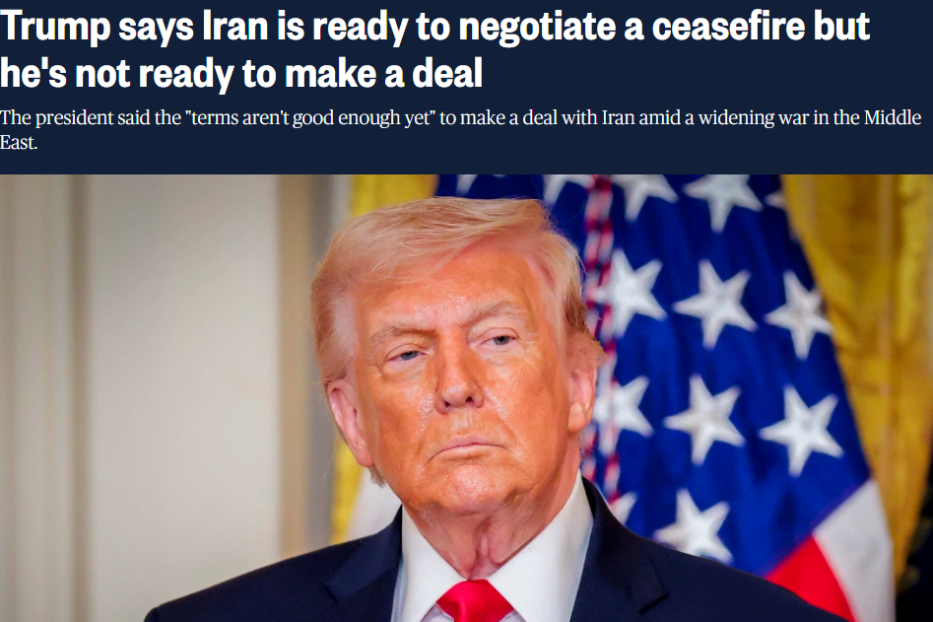
    President Donald Trump declared on Saturday that current conditions for a potential ceasefire with Iran remain unsatisfactory, despite Tehran’s apparent willingness to negotiate an end to the ongoing military conflict. In an exclusive interview with NBC News, the American leader emphasized that any agreement would require “very solid” commitments from Iran, particularly regarding the complete abandonment of its nuclear ambitions.

    The presidential remarks come precisely two weeks after the United States and Israel initiated coordinated military strikes against Iranian targets on February 28. These sustained operations have triggered significant disruptions to global shipping networks, propelled oil prices to unprecedented heights, and created substantial instability throughout international economic markets.

    As the conflict enters its third consecutive week, the economic repercussions continue to intensify. President Trump revealed he has actively solicited support from nations impacted by the turmoil to help maintain security and navigational freedom through the critically important Strait of Hormuz. This strategic maritime passage serves as one of the world’s most vital shipping corridors, particularly for oil tankers transporting petroleum from the Gulf region to global markets.

    Trump indicated that multiple countries have already committed to participating in security operations, though he declined to identify specific nations. “They’ve not only committed, but they think it’s a great idea,” the president stated during the interview.

    Earlier on Saturday, through posts on his Truth Social platform, Trump called upon countries that rely on oil shipments through the strait to assume responsibility for safeguarding the waterway. He announced that the United States would “coordinate” these multinational efforts. In a separate message, he suggested that numerous nations “will be sending war ships” to ensure the strait remains open, without providing operational details.

    When questioned about potential US Navy involvement in escorting commercial vessels through the volatile region, Trump maintained an ambiguous stance, remarking, “I don’t want to tell you anything about that,” while conceding that “it’s possible.”

  • US strikes over 90 military targets on Iran’s Kharg Island: CENTCOM

    US strikes over 90 military targets on Iran’s Kharg Island: CENTCOM

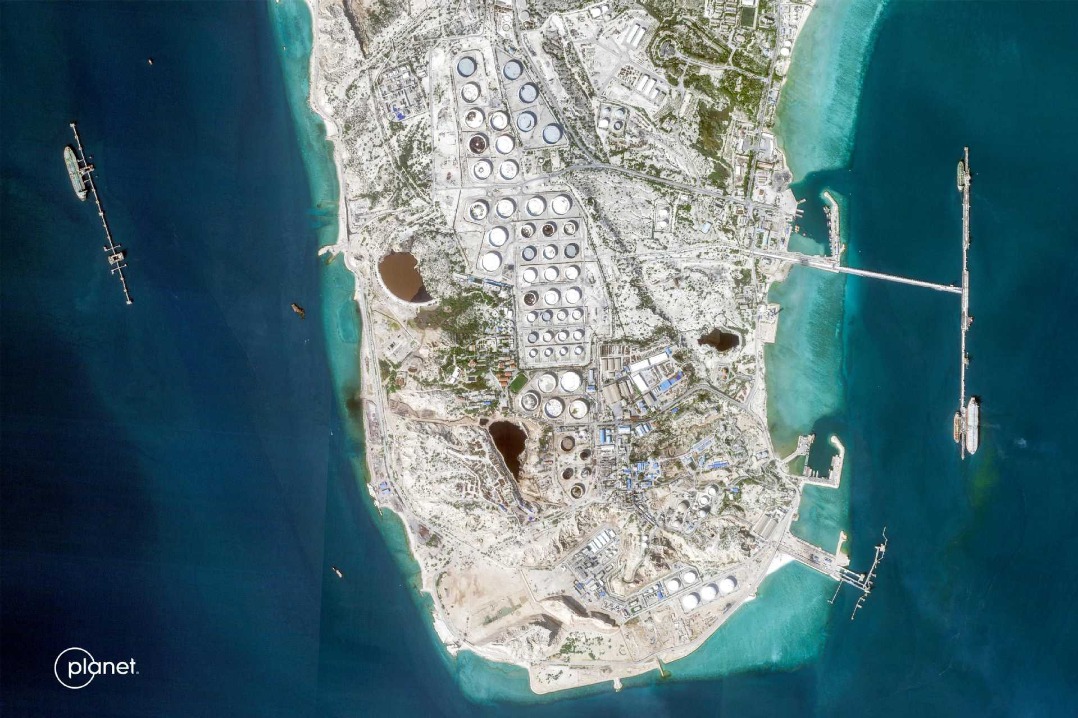
    The United States Central Command (CENTCOM) has confirmed conducting extensive military operations against Iranian targets on Kharg Island, a critical petroleum export facility located in the Persian Gulf. According to official statements released Saturday, American forces targeted over 90 military installations during nighttime operations on Friday.

    The strategic offensive, described by CENTCOM as ‘large-scale precision strikes,’ specifically targeted Iranian military infrastructure including naval mine storage facilities and missile storage bunkers. Military authorities emphasized that operational planning deliberately avoided damage to oil export infrastructure, maintaining the island’s crude processing and shipping capabilities.

    Kharg Island’s strategic significance stems from its position approximately 25 kilometers off Iran’s coast, serving as the primary export terminal for approximately 90% of Iran’s crude oil shipments. The facility represents a crucial component in global energy markets and regional economic stability.

    Former President Donald Trump characterized the military action as having ‘totally obliterated’ designated targets through social media communications. The former commander-in-chief further issued warnings regarding potential escalation, indicating readiness to target petroleum infrastructure should maritime operations through the Strait of Hormuz face disruption.

    Iranian Foreign Minister Seyed Abbas Araghchi delivered a formal response Saturday, warning that any attacks targeting Iran’s energy infrastructure would precipitate immediate retaliation against regional facilities associated with American interests. This exchange marks a significant escalation in diplomatic and military tensions between the longstanding adversaries.

    The development occurs amid ongoing regional instability and follows previous confrontations in strategic maritime channels, particularly the Strait of Hormuz which serves as a critical global shipping route for petroleum exports. Military analysts suggest these operations represent calculated demonstrations of military capability rather than attempts to disrupt global energy markets.

  • US names six crew killed in refuelling plane crash in Iraq

    US names six crew killed in refuelling plane crash in Iraq

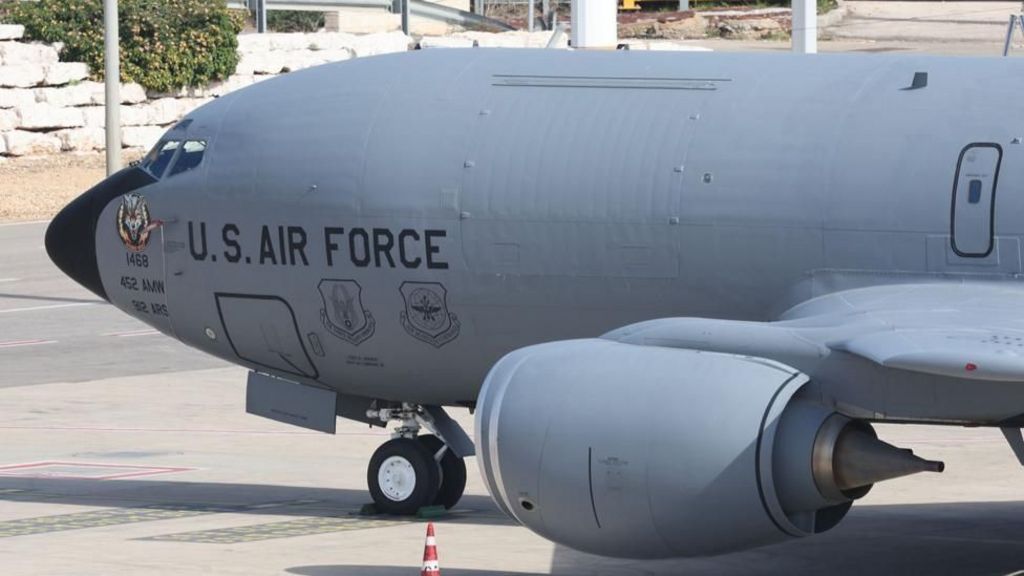
    The United States Department of Defense has officially released the identities of all six service members who perished in the tragic crash of a Boeing KC-135 Stratotanker aerial refueling aircraft in western Iraq. The fallen crew, hailed as “American heroes” by Defense Secretary Pete Hegseth, are: Air Force personnel John Klinner, 33 (Alabama); Ariana Savino, 31 (Washington); Ashley Pruitt, 34 (Kentucky); and National Guard members Seth Koval, 38 (Indiana); Curtis Angst, 30 (Ohio); and Tyler Simmons, 28 (Ohio).

    The incident occurred on Thursday during a combat mission supporting ongoing U.S. operations against Iran. The aircraft was one of a pair involved in the event; the second tanker landed safely. Preliminary U.S. military assessments have ruled out hostile fire or friendly fire as immediate causes for the loss. However, U.S. officials speaking to CBS News indicated that investigators are exploring the possibility of a mid-air collision. The crash site was reported near Turaibil, close to the Iraqi-Jordanian border—a region known for operations by Iran-aligned militias.

    Contradicting the U.S. assessment, Iranian state television broadcast a claim that an allied militia group successfully targeted the aircraft with a missile. U.S. Central Command (Centcom) described the crash as occurring over “friendly airspace.”

    This tragedy marks a significant escalation in the official U.S. military death toll, which now stands at 13 since the outbreak of the U.S.-Israel war with Iran a fortnight ago. The conflict began with combined U.S. and Israeli strikes on Iran on February 28th. In addition to the six lives lost in Iraq, six more service members were killed in Kuwait and another in Saudi Arabia. The U.S. military has now lost at least four aircraft in the conflict, including three F-15 fighter jets downed in a suspected friendly-fire incident over Kuwait in early March; all crew in that event ejected safely.

    The KC-135 Stratotanker, manufactured by Boeing in the 1950s and 1960s, remains a critical backbone of the U.S. Air Force’s global mobility and refueling capabilities, enabling extended combat missions for fighter aircraft across the globe.

  • Bespoke women’s football stadiums? Why US sides are making the move

    Bespoke women’s football stadiums? Why US sides are making the move

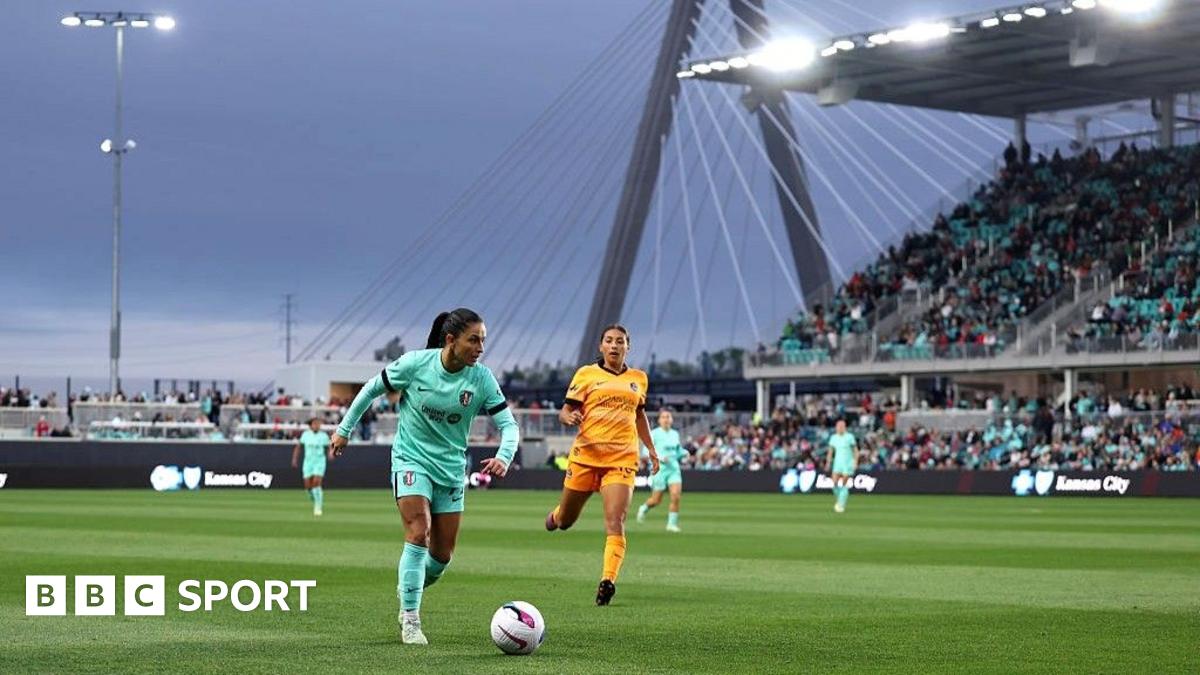
    KANSAS CITY – A groundbreaking transformation is underway in women’s football as the United States leads the charge in stadium infrastructure development. The Kansas City Current, having competed at the revolutionary CPKC Stadium for two seasons, has established the world’s first purpose-built venue exclusively for women’s football. This pioneering facility represents a seismic shift in how women’s sports franchises approach infrastructure and fan engagement.

    Chris Long, co-owner of Kansas City Current, asserts that dedicated stadiums will become essential for competitive advantage within the next decade. “If a women’s football team does not have their own stadium in 10 years’ time, they will be at a disadvantage,” Long states emphatically.

    The movement is gaining momentum with Denver Summit, a new NWSL franchise, constructing their own stadium scheduled for completion by the 2028 season. This trend raises fundamental questions about the future direction of women’s football infrastructure globally, particularly in comparison to traditional models where teams share facilities with men’s franchises or other sports organizations.

    Kansas City’s football heritage runs deep, though the journey hasn’t been straightforward. FC Kansas City, an NWSL founding member in 2012, folded by 2017. The Current emerged in 2021 through investments from local business leaders Angie and Chris Long, alongside Brittany Mahomes. Their ambitious vision materialized with the opening of CPKC Stadium in March 2024, boasting an 11,500 capacity that consistently sells out—a stark contrast to many UK venues where women’s teams often play in partially filled large stadiums.

    Raven Jemison, KC Current president, emphasizes the strategic advantage: “Our job is to create the best home advantage and make sure every seat is filled so our opponents feel it’s going to be very hard to play here.”

    The financial implications are equally significant. Jen Millet, president of Denver Summit, highlights the revenue control aspect: “A big part of a sustainable business model is controlling revenue streams. Women have been tenants and missed out on those things—food, beverage, parking, rentals, retail.”

    Design innovations specifically tailored for women’s sports are emerging as a key differentiator. Denver’s planned 14,500-seat venue, designed by architectural firm Populous, will feature an intentionally open end to blend architecture with green space and community. Sherri Privitera, Senior Principal at Populous, explains the inclusive design philosophy: “We will have flexible seating for people to be communal and areas for children who cannot sit for three hours. We have more toilets than required and sensory rooms for mothers who are nursing.”

    The contrast with England’s Women’s Super League is striking. Eleven of twelve WSL teams remain attached to men’s operations, with only London City Lionesses fully independent. Most play in large, often sparsely filled stadiums or small shared grounds. Brighton had proposals for a purpose-built stadium approved in 2023, but owner Tony Bloom could not “put a time on it” as of late 2025.

    Financial barriers present significant challenges. While NWSL teams like Kansas City reportedly generate approximately $36 million in revenue—comparable to top WSL clubs Arsenal (£21.5m) and Chelsea (£21.3m)—English clubs often rely on parent companies for funding. Long acknowledges the financial hurdles: “It is very expensive—when we started, we approached 40 banks and got 39 noes. You need them to believe.”

    Despite these challenges, the evidence from Kansas City suggests dedicated stadiums deliver competitive advantages. The team dominated the 2025 regular season, winning the NWSL Shield by 21 points. Long attributes this success partly to the psychological impact: “It’s the feeling of belonging. If you’re a tenant, the schedule isn’t based on you… you put your stuff in the locker room but have to take it out because it’s temporary.”

    As the women’s game continues its remarkable growth trajectory, the stadium revolution pioneered in America’s heartland may well define the next chapter of professional women’s football worldwide.

  • Trump says ‘many countries’ will send warships to Hormuz Strait

    Trump says ‘many countries’ will send warships to Hormuz Strait

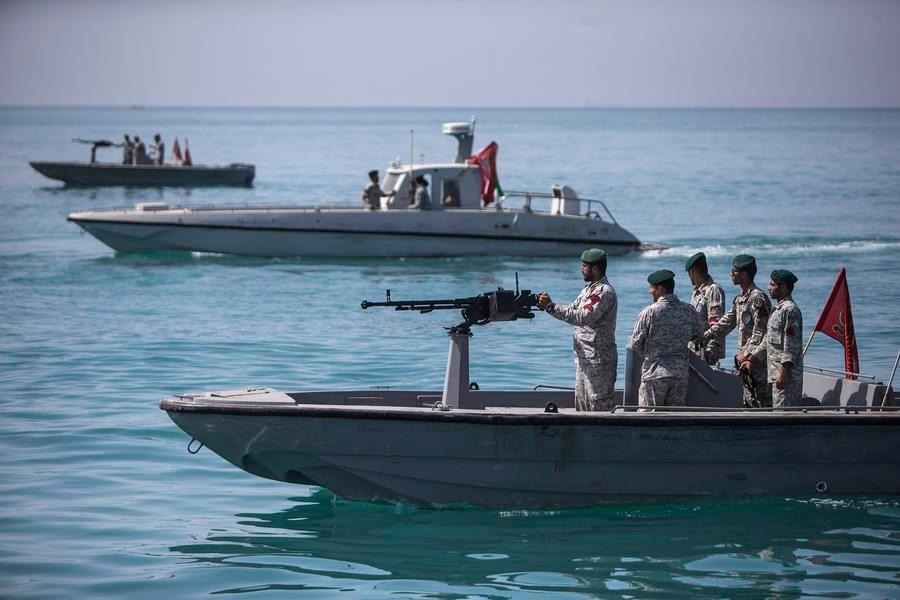
    In a significant escalation of tensions in the Persian Gulf, former US President Donald Trump declared through social media platforms that multiple nations are preparing to deploy naval forces to ensure the Strait of Hormuz remains accessible for international shipping. The strategic waterway, through which approximately 20% of globally consumed oil passes, has become the focal point of renewed geopolitical tensions.

    Trump’s statement on Truth Social indicated that affected nations would collaborate with United States naval assets to maintain open passage through the vital shipping lane. The former president employed characteristically forceful language, vowing aggressive military action including coastal bombardment and the destruction of Iranian vessels attempting to interfere with maritime traffic.

    The announcement follows Trump’s previous remarks to journalists regarding imminent US Navy escorts for commercial tankers transiting the strait. This development occurs alongside provocative statements from Iran’s new Supreme Leader, Mojtaba Khamenei, who has advocated for maintaining the waterway’s closure while promising expanded confrontation against American and Israeli interests.

    Diplomatic tensions further intensified through statements from Iran’s United Nations representative, Amir Saeid Iravani, who attributed regional instability directly to American aggression and security undermining actions. The exchange represents the latest chapter in the long-standing adversarial relationship between Tehran and Washington, with global energy markets closely monitoring developments that could significantly impact oil transportation and pricing worldwide.

  • My letter to my dead daughter – after forgiving the man who killed her

    My letter to my dead daughter – after forgiving the man who killed her

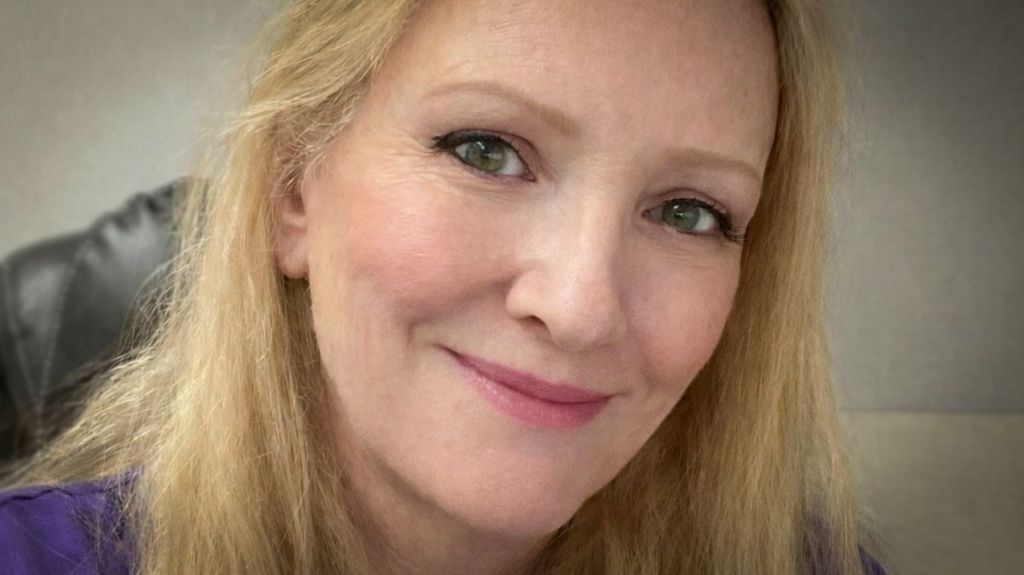
    In an extraordinary testament to human resilience, Kate Grosmaire has transformed unimaginable grief into a powerful advocacy for forgiveness and restorative justice. Sixteen years after her 19-year-old daughter Ann was fatally shot by her boyfriend Conor McBride, Kate reveals how choosing forgiveness became her pathway to peace.

    The tragedy unfolded in spring 2010 when Ann Grosmaire, a theater-loving college student with dreams of establishing a wildlife refuge, engaged in a prolonged argument with her boyfriend Conor McBride. Both 19 at the time, their overnight dispute escalated catastrophically when Conor retrieved his father’s shotgun. Despite Ann’s final plea of ‘No, I don’t’ when confronted with the weapon, Conor pulled the trigger in what he later described as exhausted desperation.

    While Ann lingered on life support, Kate performed her first radical act of compassion: visiting Conor in jail to express forgiveness. ‘When I said those words, I just felt a peace come over me,’ Kate recalls in her letter to Ann for the BBC World Service podcast ‘Dear Daughter.’ This initial forgiveness evolved into a formal restorative justice process—a pioneering approach that brings victims and perpetrators together to address harm collectively.

    Through facilitated meetings in summer 2011, the Grosmaires poured out their grief while Conor assumed full accountability for his actions. Remarkably, the family participated in crafting his sentence: instead of maximum imprisonment, Conor received 20 years with probation contingent on anger management classes, public speaking about teen dating violence, and volunteering in areas reflecting Ann’s interests.

    Now 35, Conor has utilized his incarceration meaningfully—working as a law clerk, facilitating classes on accountability, and contributing to violence prevention efforts. Kate maintains measured contact, ensuring her forgiveness ‘stuck’ through his rehabilitation journey.

    Kate emphasizes that forgiveness neither pardons the crime nor diminishes its horror, but rather liberates victims from bitterness. This perspective has allowed her to remain fully present for her two surviving daughters while honoring Ann’s legacy through advocacy. The family continues celebrating Ann’s birthday and Christmas stocking, acknowledging the perpetual grief while refusing to be imprisoned by it.

    Kate’s story challenges conventional notions of justice, demonstrating how restorative practices can create meaning from tragedy without minimizing suffering. Her journey offers a compelling model for addressing violent crime through humanity rather than pure retribution.

  • ‘Gruesome’ war bets fuel calls for crackdown on prediction markets

    ‘Gruesome’ war bets fuel calls for crackdown on prediction markets

    The rapid expansion of prediction markets in the United States has triggered intense regulatory debates and ethical concerns as platforms enable betting on sensitive geopolitical events, including potential assassinations and military actions. These digital platforms, which function similarly to stock exchanges, have witnessed explosive growth with over $44 billion in trades despite operating in a legal gray area.

    Recent controversial wagers include markets speculating on the removal of Iran’s Ayatollah Ali Khamenei, nuclear detonation probabilities, and military operations involving Venezuela and Israel. Such bets directly challenge US financial regulations that explicitly prohibit trading on contracts involving war, terrorism, assassination, or other illegal activities.

    The regulatory landscape became increasingly complex after a legal victory allowed prediction markets to accept election bets during the 2024 presidential campaign. This development prompted firms like Polymarket and Kalshi to expand their offerings, though both companies have since removed particularly sensitive markets following public scrutiny. Polymarket alone facilitated an estimated $500 million in bets related to potential Iran conflict scenarios before withdrawing nuclear-related markets.

    Critics including Public Citizen and Better Markets argue these platforms enable war profiteering, create national security risks, and facilitate insider trading opportunities. The controversy has sparked multiple legal battles across states, with traditional gaming firms intensifying lobbying efforts to subject prediction markets to similar regulations and taxation.

    The regulatory approach has shifted significantly following the 2024 election. The Commodities Futures Trading Commission (CFTC) under the Trump administration has withdrawn proposed bans on sports and politics-related event contracts, taking the side of prediction market firms in ongoing legal challenges. CFTC Chairman Michael Selig contends these contracts serve ‘legitimate economic functions’ by allowing businesses to hedge against event-driven risks.

    In response to mounting pressure, major platforms have implemented stricter self-regulation measures. Kalshi, advertising itself as a ‘regulated exchange,’ has publicly disclosed insider trading investigations and punishments, while Polymarket has enhanced monitoring of suspicious activity. Both companies now face the challenge of balancing market freedom with ethical considerations and regulatory compliance in an increasingly scrutinized industry.