标签: Europe

欧洲

  • Slovakia’s parliament approves plan to dismantle whistleblower protection office

    Slovakia’s parliament approves plan to dismantle whistleblower protection office

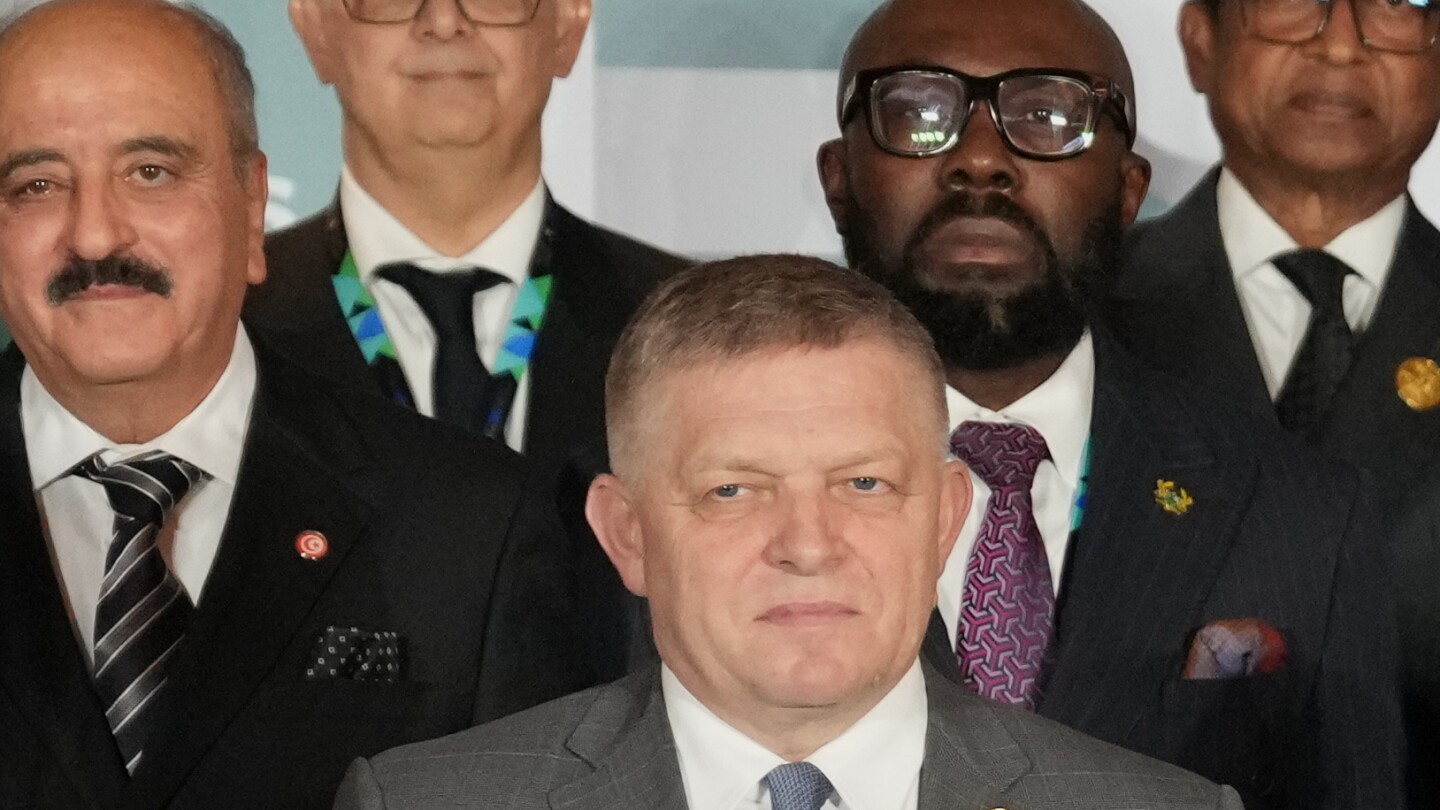
    BRATISLAVA, Slovakia — Slovakia’s parliamentary body has ratified a contentious governmental initiative to dissolve the nation’s autonomous anti-corruption whistleblower protection agency, triggering widespread domestic and international condemnation. The ruling coalition administration under populist Prime Minister Robert Fico secured 78 affirmative votes within the 150-seat legislative chamber to advance the measure, bypassing substantial opposition from multiple sectors.

    The decision has drawn sharp criticism from an unusual coalition of detractors including opposition parties, Slovakia’s Prosecutor-General, European Union authorities, and both international and local anti-corruption organizations. Even President Peter Pellegrini, typically a Fico ally, has expressed reservations about the legislative changes. While Pellegrini retains authority to sign the bill into law, the government maintains sufficient parliamentary strength to override any potential presidential veto.

    In an official statement, the Whistleblower Protection Office warned that “the level of protection, as well as public confidence in the whistleblower protection system meticulously developed over recent years, will be substantially undermined by this legislation.” The office was originally established in 2021 pursuant to European Union regulatory requirements.

    The government justifies its action by proposing to establish a replacement institution that would simultaneously address whistleblower protections and crime victim rights, asserting that previous regulations had been manipulated for political purposes. However, the new framework introduces provisions enabling the revocation of previously granted protections and permits recurrent reassessments of protection status at employer request.

    Notably, the governing coalition employed an accelerated parliamentary procedure to advance the changes, effectively eliminating standard expert review and stakeholder consultation processes. The legislative debate itself was constrained to merely hours before the vote.

    Opposition leader Michal Šimečka of the Progressive Slovakia party condemned the move as “an assault against the rule of law” and indicated plans to challenge the legislation before Slovakia’s Constitutional Court. The political climate remains intensely polarized, with Fico’s critics alleging Slovakia is emulating the authoritarian trajectory of Hungarian Prime Minister Viktor Orbán’s administration. Mass demonstrations have recurrently mobilized thousands across Slovakia protesting Fico’s Russia-friendly orientation and broader policy directions.

  • Trump criticises ‘weak’ European leaders over Ukraine and immigration

    Trump criticises ‘weak’ European leaders over Ukraine and immigration

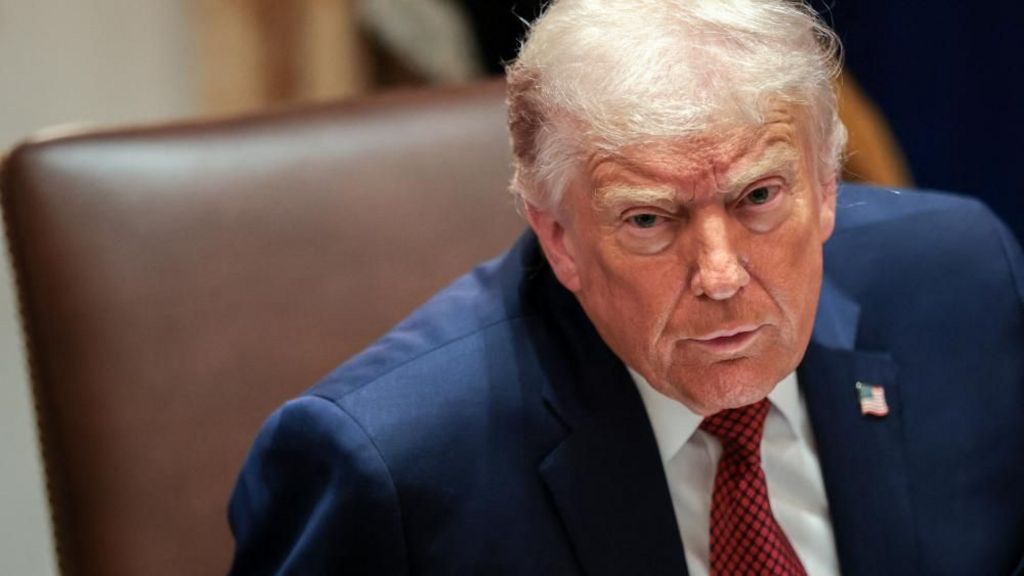
    In a provocative interview with Politico, former US President Donald Trump launched scathing criticisms against European leadership, characterizing them as “weak” and suggesting a potential reduction in American support for Ukraine. The controversial remarks have ignited fresh transatlantic tensions regarding the ongoing conflict with Russia.

    Trump asserted that “decaying” European nations have demonstrated incompetence in managing migration crises and formulating decisive strategies to resolve the Ukraine-Russia war. He accused European leaders of permitting Kyiv to continue fighting “until they drop” without providing adequate assistance.

    The former president presented a stark assessment of the military situation, claiming Russia maintains the “upper hand” in the conflict. He further urged Ukrainian President Volodymyr Zelensky to “play ball” by considering territorial concessions to Moscow as a potential pathway to peace.

    British authorities swiftly countered Trump’s assertions, with Downing Street highlighting the UK’s leadership in implementing sanctions against Russia and reaffirming commitment to the US-led peace initiative. The official response emphasized Europe’s substantial contributions to supporting Ukraine’s defense efforts.

    These diplomatic exchanges occurred concurrently with the release of a 33-page National Security Strategy document from Trump’s administration, which contained alarming warnings about Europe’s potential “civilisational erasure” and raised questions about the reliability of certain NATO allies. The document outlines a strategic pivot that could significantly alter traditional American foreign policy approaches toward European partnerships.

  • French feminists outraged by Brigitte Macron’s comment about activists

    French feminists outraged by Brigitte Macron’s comment about activists

    A political and cultural firestorm has erupted in France after First Lady Brigitte Macron used vulgar language to describe feminist protesters, triggering a widespread online movement reclaiming the insult. The controversy began when activists from the organization Nous Toutes, which campaigns against violence toward women, disrupted a stand-up performance by comedian Ary Abittan on Saturday. The protesters, wearing masks of Abittan, shouted “Abittan rapist” during his show—referencing 2021 rape allegations against the comedian that were later dropped due to insufficient evidence.

    The following day, Mrs. Macron attended Abittan’s performance with her daughter and met with the comedian beforehand. In a video recording of their conversation, Abittan expressed feeling “scared” about potential further disruptions. Mrs. Macron responded with “if there are any stupid bitches we’ll kick them out,” using the French phrase “sales connes” while smiling and laughing. Her team subsequently told AFP that her comments were intended to “critique the radical method” of the protest rather than target women specifically, emphasizing that “Brigitte Macron does not approve of this radical method.”

    Instead of quelling the situation, Mrs. Macron’s remark ignited a digital uprising among French celebrities and feminists. The term “#salesconnes” (stupid bitches) has been widely adopted across social media platforms as a badge of honor rather than an insult. Prominent figures in French entertainment have joined the movement, including actress Judith Godrèche—who has previously accused a film director of historical rape—who declared on social media: “I too am a stupid bitch.”

    Belgian comedian Florence Mendez expressed pride in identifying with the term, while actor and singer Nadège Beausson-Diagne posted on Instagram: “I too am a stupid bitch in summer, winter, spring and autumn.” She further voiced support for the “courageous” woman who had initially accused Abittan of rape and praised Nous Toutes, predicting the group would “come back stronger to fight together against sexual violence.” Actor Rachida Brakni similarly thanked the “bitches” in her social media post, directly tagging the feminist organization.

    Stand-up comedian Marine Leonardi offered a different perspective, asserting that “Feminists are never stupid bitches” in her Instagram post. The overwhelming response has transformed the First Lady’s derogatory comment into a unifying symbol for those advocating against sexual violence and supporting women’s rights movements in France.

  • Crunch budget vote risks trouble for French PM

    Crunch budget vote risks trouble for French PM

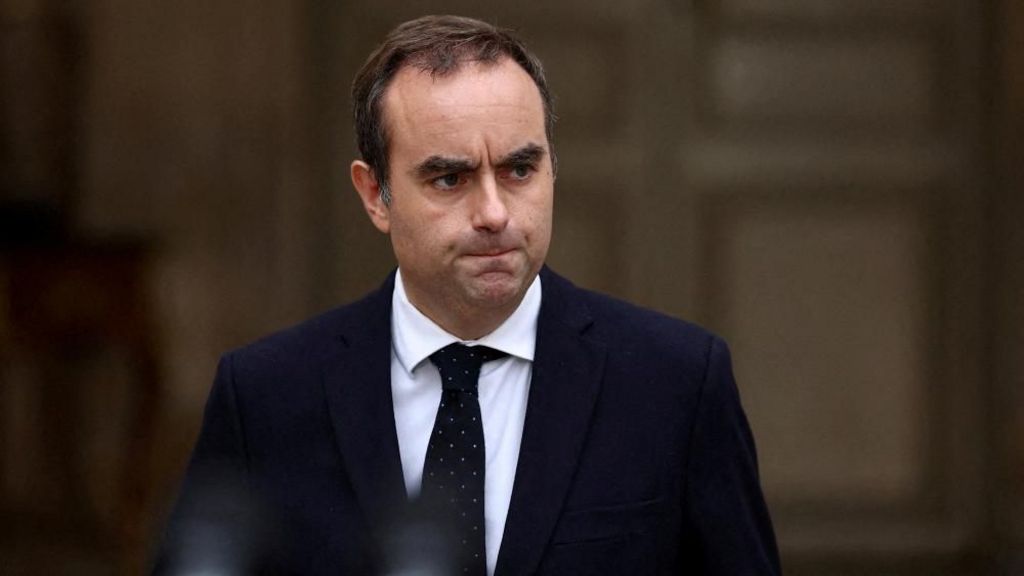
    French Prime Minister Sebastien Lecornu confronts a pivotal political challenge as the National Assembly prepares to vote on the 2026 social security budget this Tuesday. The outcome will serve as a critical indicator for the government’s ability to pass subsequent financial legislation and could potentially undermine Lecornu’s leadership authority.

    Appointed by President Emmanuel Macron in September, Lecornu has dedicated his premiership to navigating complex budget legislation through France’s divided parliament. The National Assembly, fractured since Macron’s June 2024 snap elections, remains split into three nearly equal blocs—center, left, and far-right—with none holding an outright majority.

    In a strategic maneuver to secure passage, Lecornu has made significant concessions to the Socialist Party (PS), which holds approximately 70 seats. These include suspending Macron’s controversial pension reform that would raise the retirement age to 64 and renouncing the use of constitutional article 49-3 to bypass parliamentary approval. Socialist leaders Olivier Faure and Boris Vallaud have acknowledged Lecornu’s compromise efforts and are urging their deputies to support the budget.

    However, these overtures to the left have risked alienating center-right allies, with prominent figures like former Prime Minister Edouard Philippe criticizing the bill’s inadequacy in addressing France’s deteriorating public finances. The parliamentary arithmetic remains exceptionally tight, with the far-right National Rally (140 seats), far-left France Unbowed (71 seats), and smaller left-wing factions (55 seats) all expected to reject the legislation.

    France operates with two distinct budget laws: the social security budget covering healthcare and pensions, and the main budget encompassing all other government expenditures. Both have consistently run substantial deficits for years. If Tuesday’s vote fails, the government would likely implement emergency provisions to maintain operations using 2025 allocations starting January 1st.

    Despite the high stakes, political observers suggest Lecornu is unlikely to resign immediately following a potential defeat. By voluntarily relinquishing the 49-3 option, the Prime Minister has strategically positioned parliament to bear responsibility should the budget legislation collapse.

  • EU investigates Google over AI-generated summaries in search results

    EU investigates Google over AI-generated summaries in search results

    The European Commission has initiated a formal investigation into Google’s artificial intelligence systems, marking a significant escalation in regulatory scrutiny of AI development practices. The probe centers on whether the tech giant improperly utilized content from websites and YouTube videos to train its AI models without providing adequate compensation or opt-out mechanisms to content creators.

    The investigation will specifically examine Google’s AI Overview feature, which displays AI-generated summaries above traditional search results, and its conversational AI Mode that provides ChatGPT-style responses. Regulators expressed concern that these innovations may be diverting traffic from original content sources, potentially devastating publishers who rely on advertising revenue. The Daily Mail reported a 50% decline in click-through rates since the implementation of AI Overviews.

    Commission executive vice-president Teresa Ribera emphasized that while AI brings ‘remarkable innovation’ and benefits, its development must not compromise European values or creative ecosystems. ‘A free and democratic society depends on diverse media, open access to information, and a vibrant creative landscape,’ she stated.

    Google responded that the investigation ‘risks stifling innovation in a market that is more competitive than ever,’ adding that Europeans deserve access to cutting-edge technologies. The company pledged continued collaboration with news and creative industries during the AI transition.

    AI ethics advocates welcomed the probe. Ed Newton-Rex of Fairly Trained noted that content creators face ‘career suicide’ if they avoid publishing online, yet Google essentially requires them to permit their work to train competing AI systems. He called the investigation ‘critically timed’ for global creators.

    The outcome could have far-reaching implications for how tech companies train AI models using publicly available content, potentially establishing new precedents for compensation and consent in the digital era.

  • German leader says US strategy shows the need for more European security independence

    German leader says US strategy shows the need for more European security independence

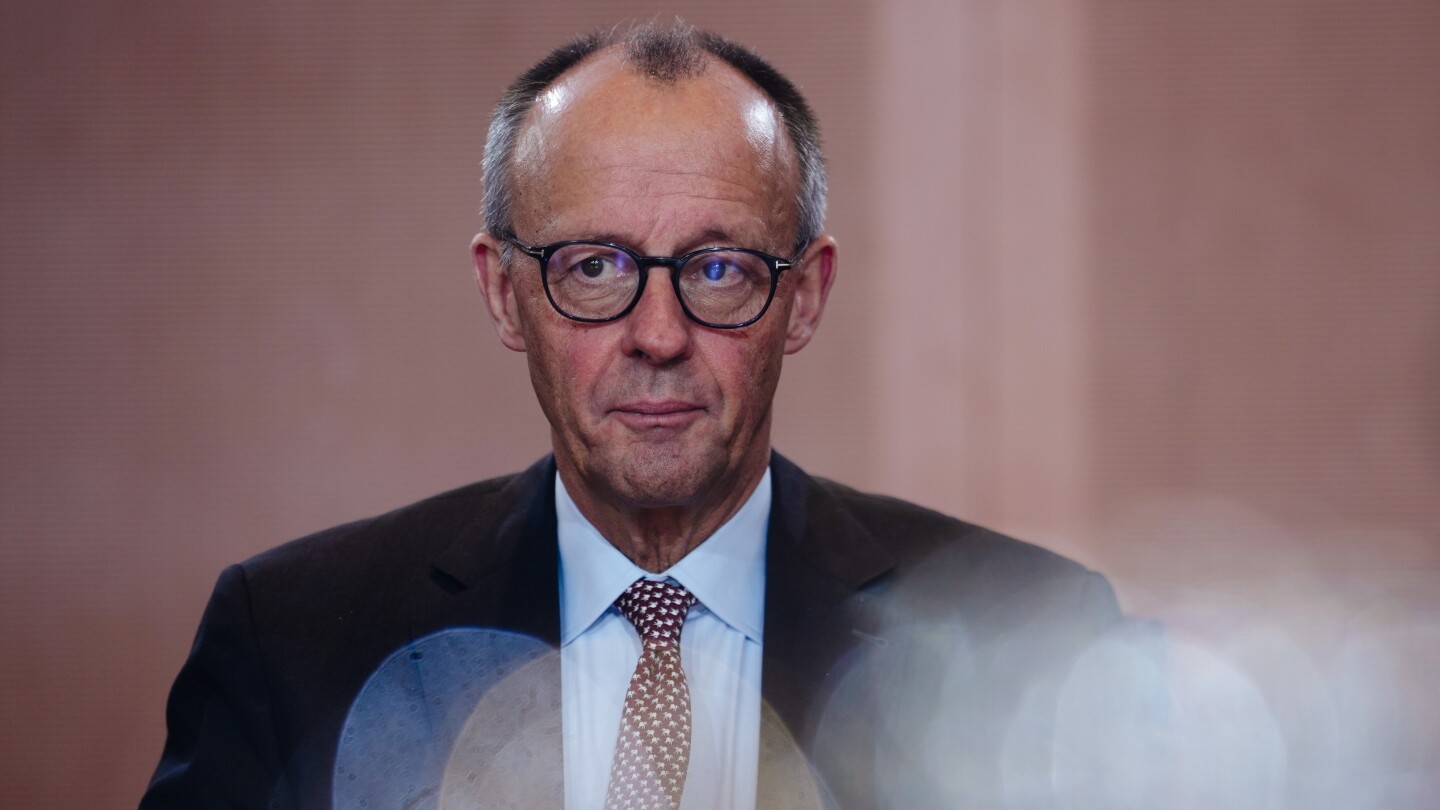
    BERLIN — German Chancellor Friedrich Merz declared on Tuesday that Europe must pursue significantly greater autonomy in security policy, responding to what he characterized as unacceptable elements within the Trump administration’s newly published national security strategy. The document, released Friday, has drawn sharp criticism for its portrayal of European allies as weakened and its perceived endorsement of far-right political movements across the continent.

    Merz, leader of the European Union’s most populous nation and largest economy, expressed particular concern over the strategy’s critical stance on European free speech and migration policies. His comments followed Monday’s warning from European Council President António Costa against U.S. interference in European governance matters, emphasizing that only European citizens should determine their political leadership.

    While acknowledging portions of the U.S. strategy as understandable, Merz stated that certain aspects remained unacceptable from a European perspective. He firmly rejected the notion that European democracy required American salvation, asserting that European nations possessed both the capability and responsibility to safeguard their democratic institutions independently.

    The chancellor revealed that the strategy’s content aligned substantially with Vice President JD Vance’s February address to European allies in Munich, which Merz said had profoundly influenced his thinking on defense matters. This awakening, he noted, had already manifested in Germany’s increased defense expenditures.

    Since assuming office in May, Merz’s government has implemented significant fiscal policy changes to enable enhanced military spending. By relaxing strict debt regulations, Germany has accelerated its military modernization initiative—a process ongoing since Russia’s full-scale invasion of Ukraine in 2022. This development occurred alongside NATO members’ agreement to substantially increase defense spending targets during June’s alliance meeting, following pressure from President Donald Trump.

    Merz concluded with a diplomatic overture to American leadership: “While ‘America first’ remains acceptable, ‘America alone’ cannot serve U.S. interests. Global partnerships remain essential, and Europe—or at minimum Germany—should stand among these crucial allies.”

  • Ukrainians raise flag to show BBC the fight goes on in city claimed by Russia

    Ukrainians raise flag to show BBC the fight goes on in city claimed by Russia

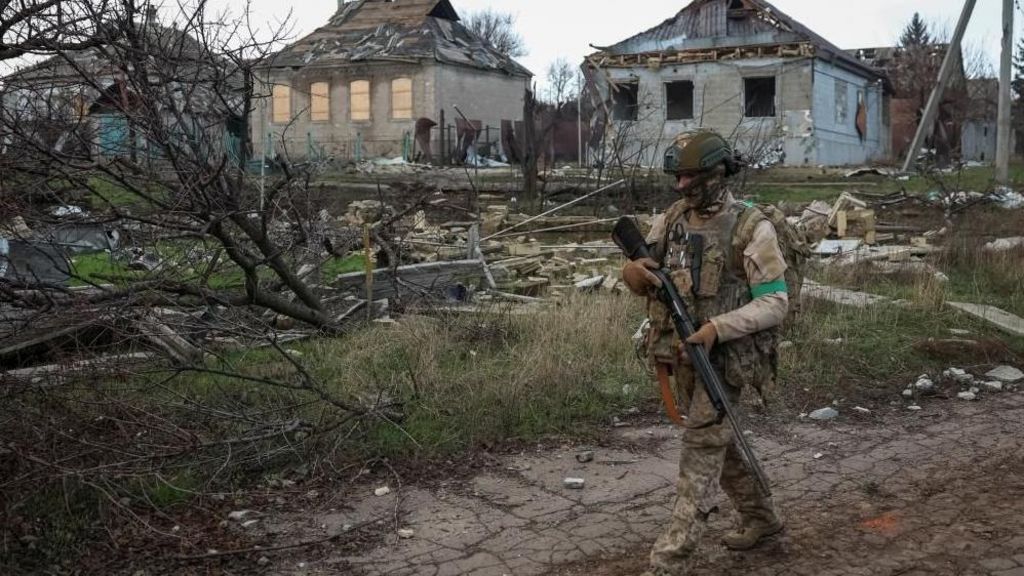
    Despite Russian President Vladimir Putin’s declaration of victory, Ukrainian military units continue to maintain defensive positions in the strategically vital city of Pokrovsk, according to frontline observations. The city, which has endured nearly 18 months of continuous combat, remains partially under Ukrainian control despite relentless Russian advances from the south.

    At a Ukrainian command post situated behind front lines, military personnel coordinate defensive operations through rapid radio communications while monitoring numerous live drone feeds. In a symbolic demonstration of defiance, soldiers from the Skala Assault Regiment executed a high-risk maneuver to briefly display the Ukrainian flag within the city’s northern sector—a direct refutation of Kremlin claims regarding total occupation.

    Yuri, commander of the Skala Regiment, emphasized the psychological significance of this resistance: ‘The whole world should know we will not just give up our territory. If we do not show this, everyone will lose faith and stop helping Ukraine.’

    Military assessments indicate Ukrainian forces maintain control up to the railway line that bisects the devastated urban landscape. Battalion commanders utilize detailed tactical maps with plastic figurines to track positions, revealing that Russian forces have employed small infiltration teams—sometimes disguised as civilians—to penetrate Ukrainian defenses.

    While acknowledging the challenging conditions, soldiers describe the situation as ‘hard, but under control’ and ‘tense, but not critical.’ The conflict has exacted heavy casualties on both sides, with Ukrainian troops reporting the retrieval of documents from fallen Russian soldiers. One soldier with the call sign Rabbit remarked on the human cost with grim determination: ‘Not enough,’ when asked if they had eliminated sufficient enemy combatants.

    The technological asymmetry presents significant challenges, as Russian forces deploy thermal-imaging drones capable of 24/7 surveillance. Ukrainian troops have developed countermeasures and frequently express hope for adverse weather conditions that impede aerial reconnaissance.

    International perspectives emerge from foreign volunteers like the Latvian deputy commander known as ‘Godfather,’ who warns that Western support remains crucial: ‘If Ukraine loses the war, it’s going to be our country next.’ He criticized international response efforts as containing ‘a lot of talking, a lot of bureaucracy and not enough doing.’

    The collective resolve among Ukrainian defenders remains firm, with soldiers emphasizing their connection to the land and rejecting territorial concessions despite the tremendous physical and psychological toll of prolonged urban warfare.

  • Czech populist billionaire Babiš sworn in as prime minister

    Czech populist billionaire Babiš sworn in as prime minister

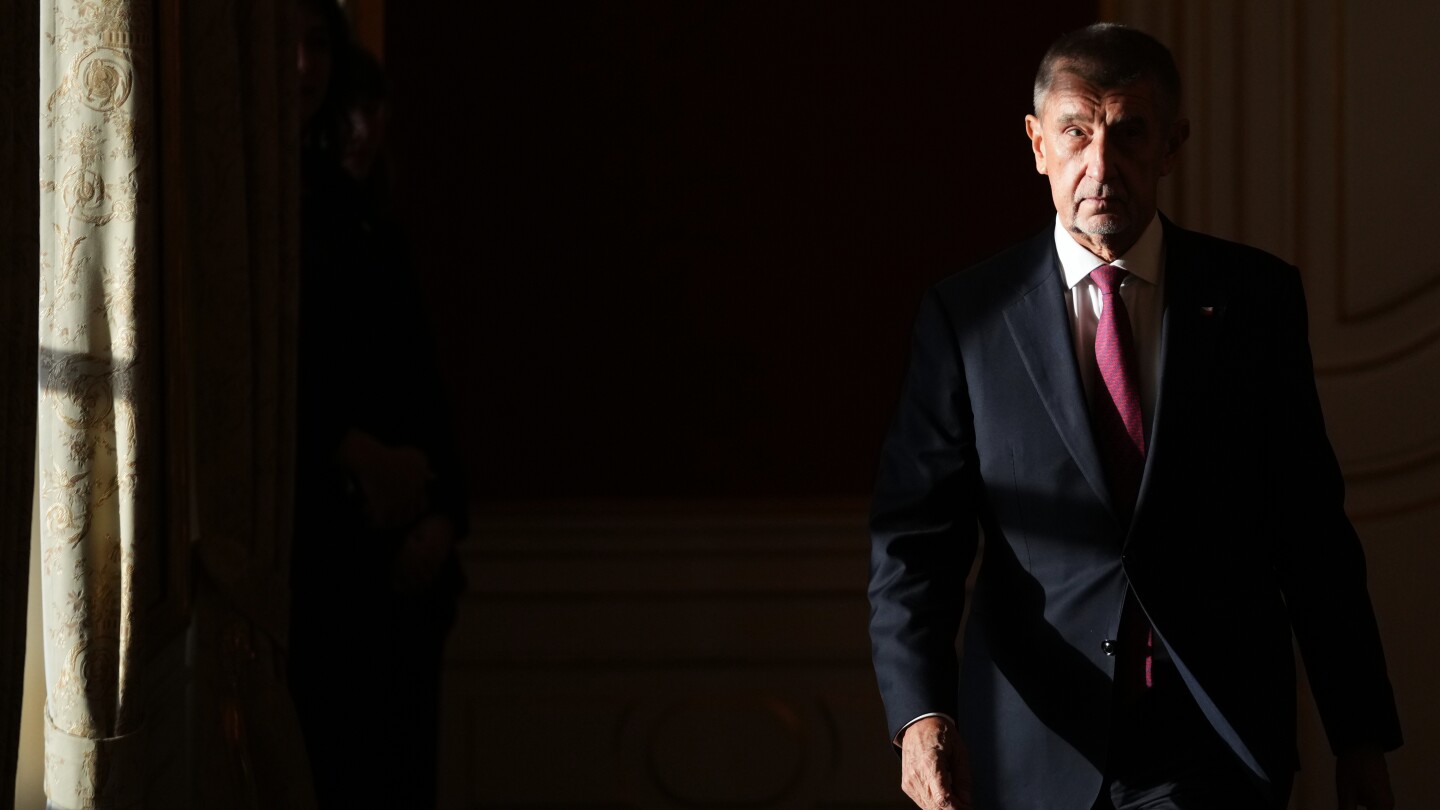
    PRAGUE — Andrej Babiš, the populist billionaire leader, officially assumed the role of Czech Prime Minister on Tuesday following his October parliamentary election victory. This political comeback marks a significant shift in the nation’s trajectory, particularly regarding European Union relations and support for Ukraine amidst ongoing regional conflicts.

    Babiš, who previously governed from 2017 to 2021, took his oath of office with ambitious promises to champion Czech interests globally and transform the country into ‘the best place for life on earth.’ His appointment came after President Petr Pavel formally requested him to form a government, recognizing the strong electoral performance of Babiš’s ANO (YES) movement.

    The new administration represents a coalition between Babiš’s centrist ANO party, the anti-migrant Freedom and Direct Democracy party, and the right-wing Motorists for Themselves group. This alliance commands 108 seats in the 200-member lower parliamentary house, effectively sidelining the previous center-right coalition led by Petr Fiala.

    Government structure will see ANO controlling eight ministerial positions including the premiership, while coalition partners receive four and three portfolios respectively. The complete cabinet is scheduled for formal appointment by President Pavel next Monday.

    International observers note this development aligns the Czech Republic more closely with the foreign policy approaches of Hungary and Slovakia, particularly regarding reduced support for Ukraine in the ongoing conflict with Russia. The coalition has additionally expressed strong criticism toward EU policies, especially concerning environmental regulations and migration management.

    Hungarian Prime Minister Viktor Orbán, widely regarded as Vladimir Putin’s closest EU ally, welcomed Babiš’s return to power with enthusiastic remarks: ‘An old ally has returned. Welcome back on board Andrej!’

    The 71-year-old billionaire’s return to power comes despite ongoing legal challenges, including fraud charges related to EU subsidies. The new parliament must lift his immunity before courts can proceed with a verdict.

    Babiš secured the premiership after meeting President Pavel’s condition to address potential conflicts of interest by transferring his extensive business empire—approximately 200 companies under the Agrofert conglomerate—into a trust fund managed by an independent trustee. The arrangement stipulates the businesses will remain under independent supervision during his lifetime before passing to his descendants.

  • Ukraine prepares new peace plan as Zelensky rules out giving up land

    Ukraine prepares new peace plan as Zelensky rules out giving up land

    As diplomatic efforts intensify, Ukraine is formulating an alternative peace proposal for White House consideration while maintaining its firm stance against territorial concessions to Russia. President Volodymyr Zelensky, during his European diplomatic tour, emphasized that surrendering land would violate both Ukrainian constitutional law and international legal frameworks.

    The development follows intensive weekend negotiations between U.S. and Ukrainian officials that failed to yield an agreement acceptable to Kyiv. Zelensky’s chief aide Rustem Umerov is expected to provide critical insights from direct communications between American and Russian leadership as Ukraine prepares to submit its revised peace framework as early as Tuesday.

    Meanwhile, military confrontations persist along eastern frontlines. The northwestern city of Sumy experienced complete power disruption overnight following coordinated Russian drone strikes targeting energy infrastructure. Regional authorities confirmed over a dozen aerial assaults damaged critical facilities, though no casualties were reported.

    The original U.S.-mediated 28-point proposal, which suggested Ukraine relinquish complete control of Donbas and share operational authority over the Zaporizhzhia nuclear facility, has been condensed to 20 points. Ukrainian officials maintain that no pro-Ukrainian elements were eliminated during this revision process, while territorial compromises remain unequivocally off the table.

    European leadership demonstrated unified support during Zelensky’s hastily arranged London summit with British Prime Minister Keir Starmer, French President Emmanuel Macron, and German Chancellor Friedrich Merz. The gathering reinforced transatlantic commitment to achieving “a just and lasting peace” with robust security guarantees, though specific mechanisms for international military support post-settlement remain undefined.

    While Moscow characterizes discussions with Washington as constructive, the Kremlin shows no indication of modifying its fundamental objectives outlined at the invasion’s inception. The Trump administration identifies Zelensky as the primary obstacle to resolution, claiming Russian acceptance of proposed terms contrasts with Ukrainian resistance. This diplomatic stalemate persists as nightly attacks continue devastating Ukrainian infrastructure and communities.

  • The UK-funded dog sniffing out migrant boats

    The UK-funded dog sniffing out migrant boats

    At the Kapitan Andreevo border checkpoint in Bulgaria—Europe’s frontline against people smuggling—a specialized counter-smuggling operation is underway to intercept inflatable boats destined for Channel crossings. The UK-funded initiative, formalized in February 2023, has equipped Bulgarian authorities with advanced resources including thermal imaging technology, drones, and specialized training.

    The operation’s star operative is Adele, an English pointer trained to detect rubber materials from actual boats recovered from British shores. Under the guidance of senior customs inspector Sonia Daneva, Adele systematically searches lorries, coaches, and vehicles at one of the world’s busiest land borders. Smugglers frequently disguise the deflated vessels as inflatable pools, tarpaulins, or other rubber goods to evade detection.

    According to National Crime Agency senior manager Simone Alleyne, the smuggling pipeline originates in China, with equipment transiting through Bulgaria before reaching storage points in Germany and France. Despite a 25% reduction in Eastern Mediterranean irregular crossings in 2025, the Channel migration crisis has intensified. Over 39,000 people have reached UK shores via small boats this year—approaching the 2022 peak of 45,774—with increasing numbers per vessel.

    Philip Nikolov, head of Kapitan Andreevo Border Customs Police, reported significant successes: 72 boats intercepted this year alone, and 200 seized over the three-year cooperation period. Recent intensified checks in November involved searching over 350 vehicles and detecting multiple illegal border crossing attempts.

    The political dimension remains contentious. Shadow Home Secretary Chris Philp acknowledged interception successes while criticizing the current government’s record on illegal immigration. In response, Minister for Border Security and Alex Norris highlighted a 33% increase in disruption activities and plans to remove migration “pull factors.”