标签: Europe

欧洲

  • Iceland becomes fifth country to boycott Eurovision

    Iceland becomes fifth country to boycott Eurovision

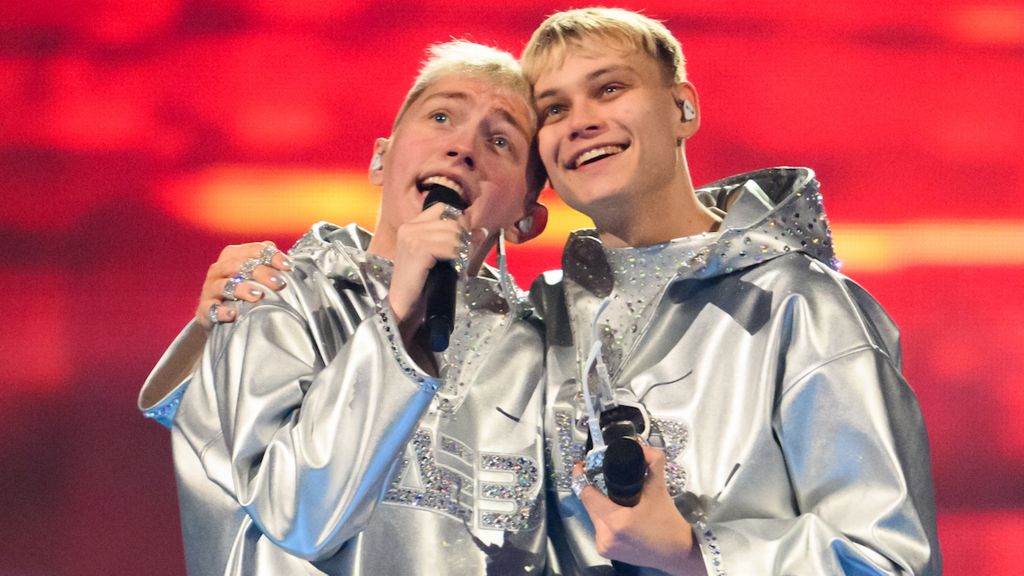
    Iceland has become the fifth European nation to formally withdraw from the 2026 Eurovision Song Contest, joining Spain, Ireland, Slovenia, and the Netherlands in protest of Israel’s confirmed participation. The Icelandic National Broadcasting Service (RÚV) announced its decision following a board meeting on Wednesday, just hours before the official deadline for countries to confirm their involvement in what was intended to be a celebratory 70th anniversary edition of the competition.

    The broadcaster stated that the participation of Israeli national broadcaster KAN has ‘created disunity among both members of the European Broadcasting Union (EBU) and the general public.’ While acknowledging that new measures approved at last week’s EBU summit address some concerns about voting integrity, RÚV expressed doubts about whether these adjustments would be ‘fully satisfactory.’

    The decision comes amid ongoing tensions surrounding Israel’s presence at Eurovision due to the war in Gaza and concerns about voting processes, including allegations that Israel’s government attempted to influence public voting during the 2025 contest. RÚV revealed it had repeatedly raised concerns that various Icelandic stakeholders, including artist associations and the general public, opposed participation.

    Public opinion in Iceland and reactions to the EBU summit indicate that the country’s participation would ‘neither be a source of joy nor peace,’ according to the broadcaster’s statement. RÚV had previously requested the EBU exclude KAN from the contest based on precedents, calling it ‘a complex matter which has already damaged the contest’s reputation.’

    Meanwhile, KAN chief executive Golan Yochpaz criticized the boycott efforts, characterizing them as ‘a cultural boycott’ that could set a dangerous precedent. ‘A boycott may begin today with Israel, but no one knows where it will end or who else it may harm,’ he stated during a meeting last week.

    The 2026 contest is scheduled to take place in Vienna next May following Austrian singer JJ’s victory in the 2025 competition. Israel has participated in Eurovision since 1973, winning four times including most recently in 2018, and placing second in the 2025 contest.

  • EU enlargement chief says Ukraine’s membership ‘inevitable’ despite Hungary’s objections

    EU enlargement chief says Ukraine’s membership ‘inevitable’ despite Hungary’s objections

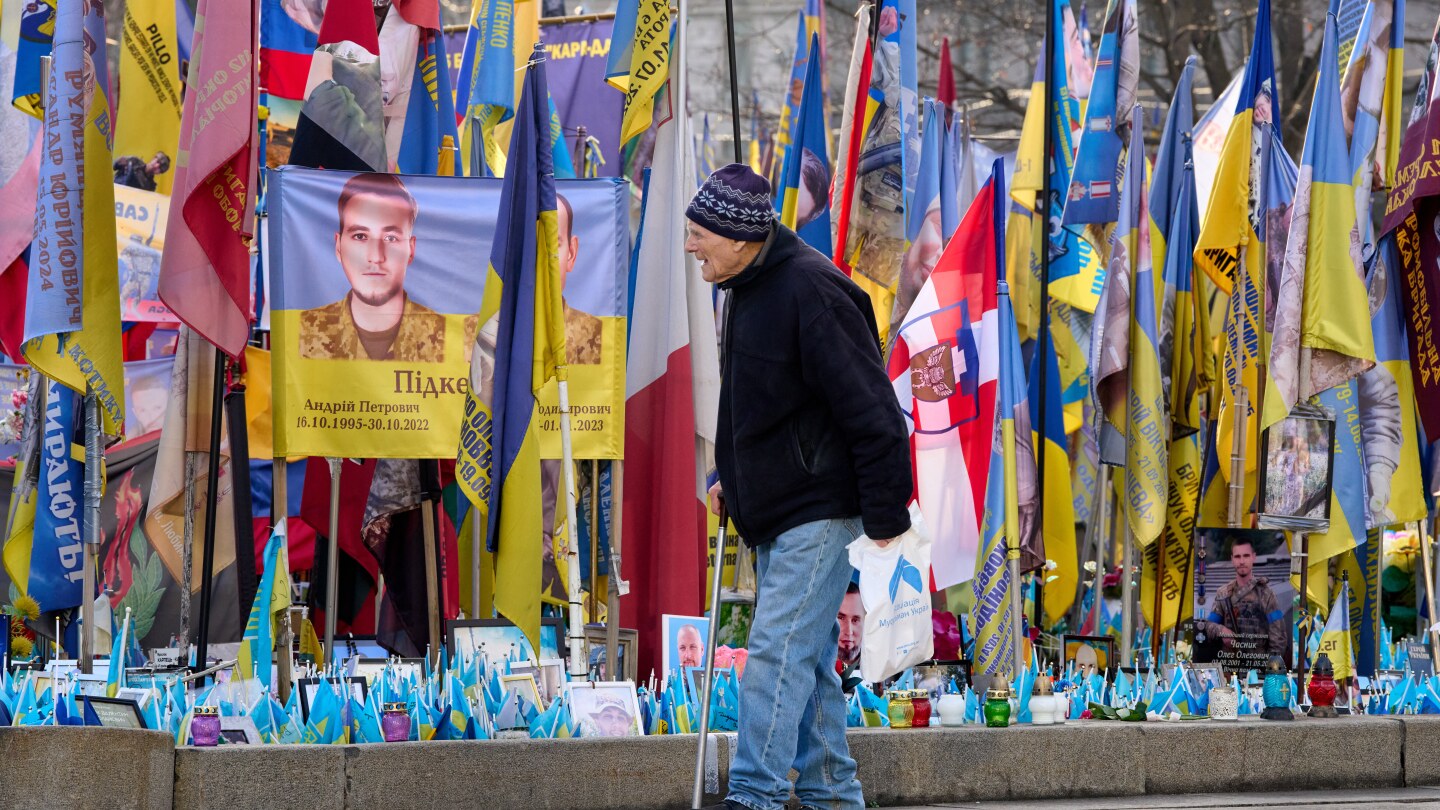
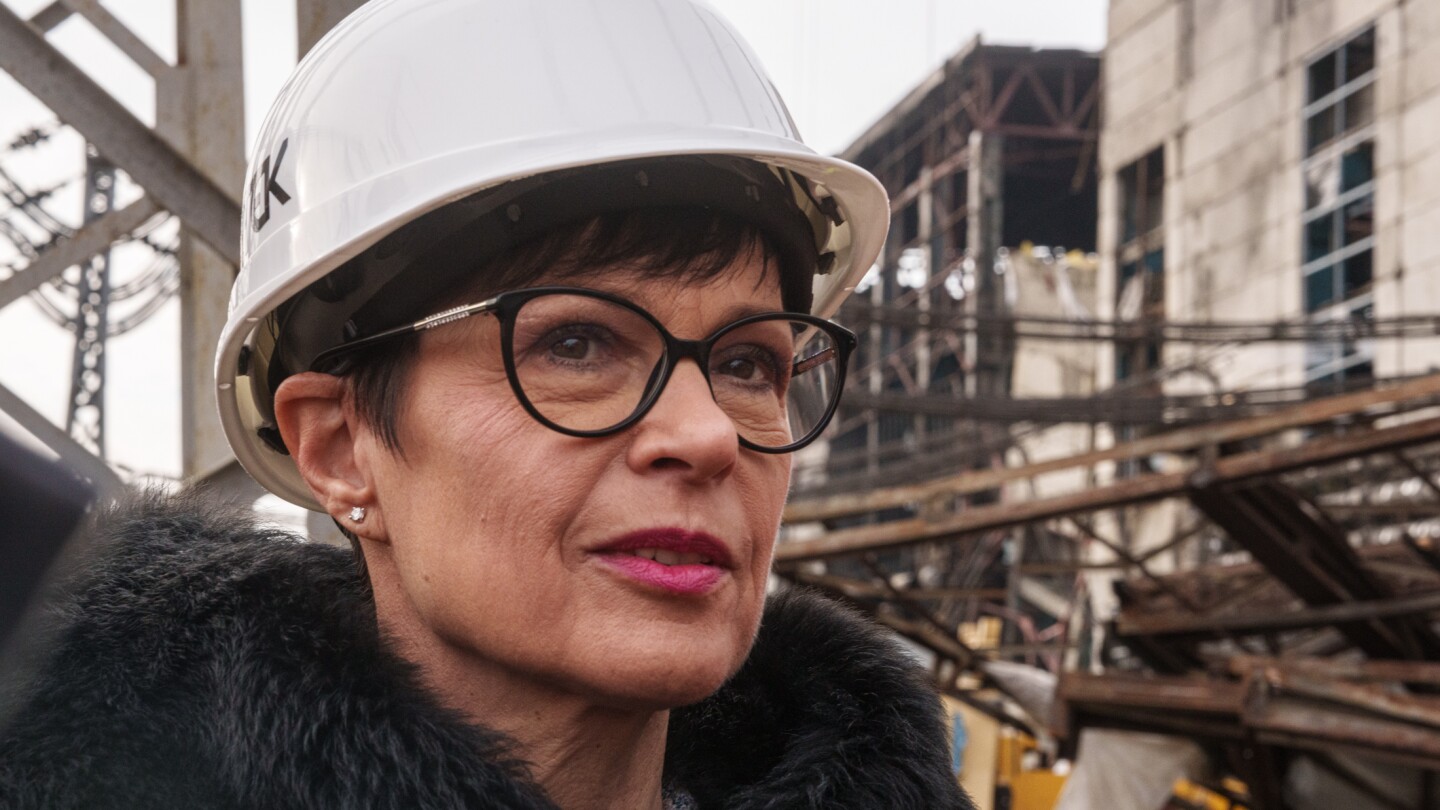
    KYIV, Ukraine — European Union Enlargement Commissioner Marta Kos expressed unwavering confidence during a visit to war-torn Ukraine that the nation’s accession to the bloc remains unstoppable, despite objections from Hungarian Prime Minister Viktor Orbán.

    Speaking at a severely damaged thermal power plant in western Ukraine, the Slovenian diplomat dismissed concerns about Hungary potentially derailing Ukraine’s EU membership path. “I’m not worried,” Kos told reporters amidst the wreckage of critical energy infrastructure targeted by Russia’s systematic campaign. “I would be concerned only if there were legitimate substantive reservations.”

    Kos characterized Ukraine’s eventual EU integration as “inevitable” and described it as a “political anchor of security guarantees,” emphasizing that “There has never been a war on the territory of the European Union.” Her remarks came as she convened an informal meeting of European affairs ministers to prepare for the next phase of accession negotiations.

    While Ukraine aspires to join the bloc by 2030, Prime Minister Orbán has opposed initiating membership talks during ongoing hostilities. Kos directly addressed these objections, stating, “We do not require Orbán’s approval to implement the reforms essential for Ukraine’s EU membership.”

    The Commissioner suggested the accession process could accelerate based on reform implementation, noting, “The pace of this journey depends entirely on Ukraine’s progress with necessary transformations.”

    Her visit included an inspection of a devastated power facility operated by private utility DTEK, where heavy machinery stood blackened, control panels melted, and structural damage revealed gaping openings to the sky. Turbine operator Andrii, who requested partial anonymity for security reasons, recounted the chaos of recent attacks: “The initial sensation is an overwhelming adrenaline surge. Thick smoke, deafening noise, and intense pressure create disorientation amid escaping steam and high-temperature feedwater.”

    Kos praised the extraordinary resilience of Ukrainian energy workers and citizens, declaring, “No nation worldwide demonstrates greater fortitude than Ukrainians. Putin anticipated a week-long conquest, yet nearly four years later, you stand as victors.”

  • McDonald’s pulls AI Christmas ad after backlash

    McDonald’s pulls AI Christmas ad after backlash

    McDonald’s Netherlands has retracted a controversial Christmas advertisement created entirely with artificial intelligence technology following significant online criticism. The 45-second commercial, which premiered on the fast food chain’s YouTube channel on December 6th, utilized generative AI clips to portray holiday mishaps under the ironic slogan ‘the most terrible time of the year.’

    The advertisement immediately drew sharp criticism across social media platforms, with viewers describing the visual aesthetics as ‘creepy’ and condemning the apparent poor editing quality. Particular attention was drawn to the uncanny appearance of AI-generated characters and the visibly stitched-together nature of multiple short clips, a technical limitation inherent in current AI video generation systems.

    Beyond aesthetic concerns, the advertisement sparked serious discussions about AI’s potential impact on creative industries. Numerous commenters expressed alarm about job displacement, with one Instagram user noting the absence of traditional production roles: ‘No actors, no camera team… welcome to the future of filmmaking.’

    Despite the backlash, production company The Sweetshop defended their creative process. Chief Executive Melanie Bridge revealed the project required seven weeks of intensive work, involving thousands of generated takes that were meticulously edited through traditional high-craft production methods. ‘This wasn’t an AI trick,’ Bridge asserted in statements to Futurism. ‘It was a film.’

    McDonald’s Netherlands acknowledged the situation as ‘an important learning’ in their exploration of AI’s effective application in advertising. The company explained the advertisement’s intended purpose was to reflect stressful holiday moments while suggesting McDonald’s as a comforting solution.

    This incident occurs amidst growing adoption of AI-generated content by major brands seeking to reduce production timelines. While Coca-Cola has reportedly achieved 61% positive sentiment with its AI Christmas campaigns, other luxury brands including Valentino have faced similar criticism for AI implementations deemed ‘cheap’ and ‘lazy’ by critics.

    The controversy highlights ongoing tensions between technological innovation and creative quality standards in digital advertising, particularly during high-stakes seasonal marketing campaigns.

  • European nations agree to consider weakening protections for migrants dating to WWII

    European nations agree to consider weakening protections for migrants dating to WWII

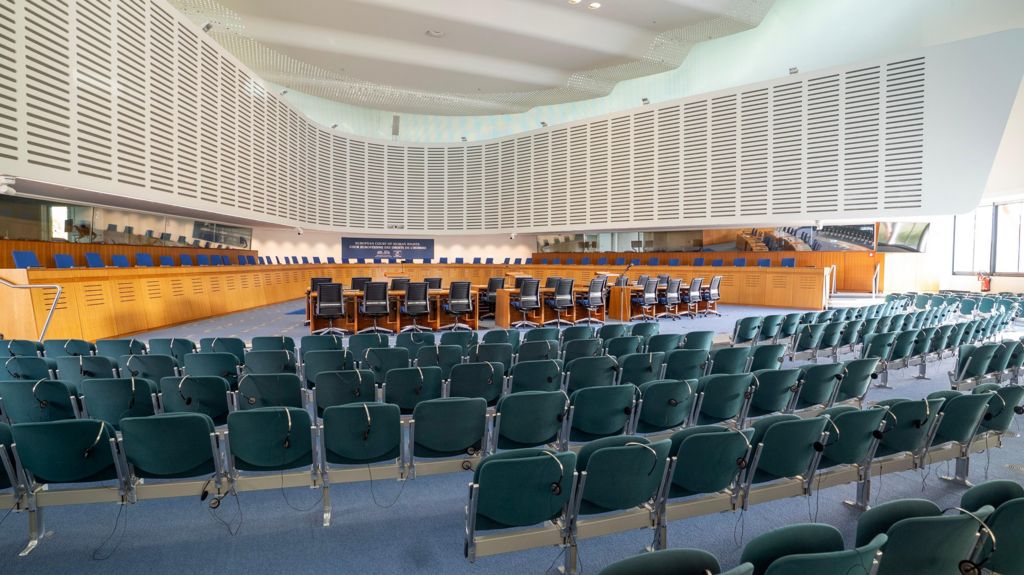
    BRUSSELS (AP) — In a significant policy shift reflecting Europe’s evolving political landscape, 46 member states of the Council of Europe have initiated deliberations that could substantially reinterpret human rights protections for migrants. The discussions, held Wednesday in Strasbourg, France, signal a growing consensus toward modifying the application of the European Convention on Human Rights—a foundational document established post-World War II.

    Council of Europe Secretary General Alain Berset characterized the 75-year-old convention as a ‘living instrument’ while acknowledging nations’ responsibility to ‘safeguard national vital interests such as security.’ This development emerges as mainstream political parties across Europe increasingly adopt stricter migration policies to counter far-right political advances, despite data showing a 22% decrease in irregular border crossings into the EU this year.

    The movement gained momentum last year when nine nations signed a letter seeking to curtail the powers of the European Court of Human Rights—the council’s independent judicial arm. Critics, including Italy, Denmark and the United Kingdom, argue the court’s interpretations hinder their ability to deport migrant criminals and ensure national security. On Wednesday, 27 nations endorsed a separate statement advocating for less restrictive legal interpretations.

    Andrew Forde, co-founder of the AGORA legal academic group and former council employee, noted this represents the first time in the Council of Europe’s history that member states have explicitly identified a specific population segment for reduced rights protections.

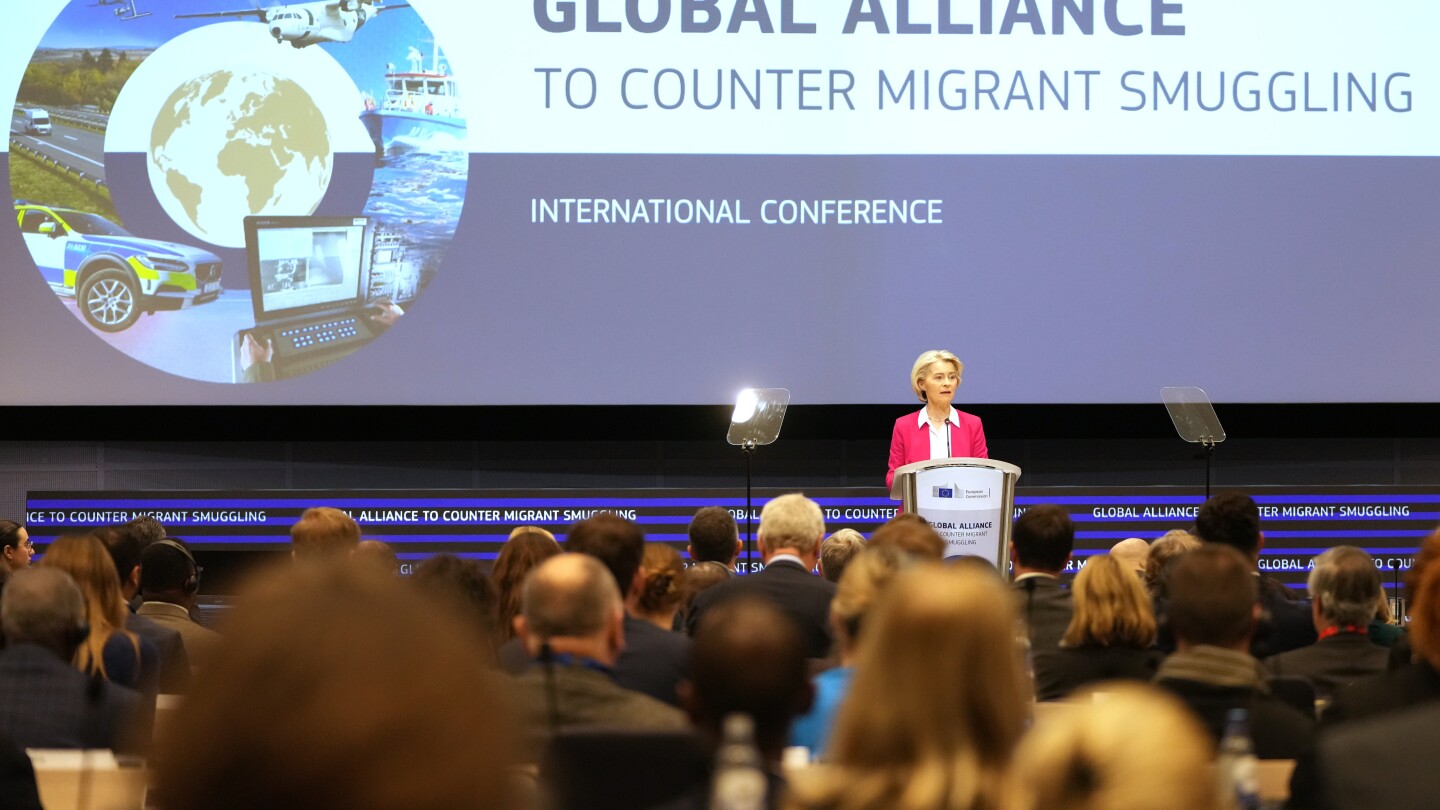
    Concurrently, European Commission President Ursula von der Leyen pledged in Brussels to dismantle human smuggling networks, declaring: ‘Our goal is simple. We want to bankrupt their businesses through all means available.’ This commitment came during the second anniversary observance of the EU-led Global Alliance to Counter Migrant Smuggling.

    Paradoxically, while migration dominates political discourse, European nations simultaneously invest in programs to attract foreign workers to address aging populations and labor shortages, highlighting the continent’s complex relationship with migration policy.

  • Ukraine to give revised peace plans to US as Kyiv readies for more talks with its coalition partners

    Ukraine to give revised peace plans to US as Kyiv readies for more talks with its coalition partners

    In a significant diplomatic development, U.S. President Donald Trump revealed Wednesday that he had engaged in substantive discussions with European counterparts regarding potential pathways to end the Ukraine conflict. The phone consultation with German Chancellor Friedrich Merz, British Prime Minister Keir Starmer, and French President Emmanuel Macron addressed what Trump characterized as “pretty strong terms” for a settlement, with a proposed follow-up meeting this weekend involving U.S. and Ukrainian representatives.

    The negotiations have reached what European leaders describe as “a critical moment” as Washington pursues a swift compromise to conclude hostilities that began with Russia’s full-scale invasion in 2022. This American urgency has reportedly constrained Kyiv’s diplomatic flexibility, placing President Volodymyr Zelenskyy in a delicate position where he must simultaneously safeguard national interests while demonstrating willingness to compromise to the Trump administration.

    Zelenskyy confirmed that Ukraine was preparing to submit its latest peace framework to U.S. negotiators, coinciding with planned virtual discussions Thursday with approximately 30 supporting nations dubbed the “Coalition of the Willing.” These allies have reinforced Zelenskyy’s efforts to ensure any settlement both addresses Ukrainian sovereignty and deters future Russian aggression while accommodating European security concerns.

    The Ukrainian leader outlined two primary documents under development: a comprehensive plan for postwar reconstruction and economic development, plus a separate 20-point framework specifically addressing conflict resolution. In a notable shift, Zelenskyy expressed conditional openness to holding presidential elections within 60-90 days if international partners can guarantee security during wartime and necessary legislative adjustments are implemented. This responsiveness follows Trump’s previous questioning of Ukraine’s democratic processes, which echoed similar Russian criticisms.

    The diplomatic landscape is further complicated by the Trump administration’s recently released national security strategy, which explicitly seeks improved relations with Moscow and “reestablished strategic stability with Russia” while characterizing European allies as weak. Russian Foreign Minister Sergey Lavrov praised Trump as “the only Western leader” demonstrating “understanding of the reasons that made war in Ukraine inevitable.”

    Meanwhile, military assistance to Ukraine has declined significantly since the Trump administration mandated that NATO countries fund any further U.S. weapons transfers. According to data from Germany’s Kiel Institute, foreign military aid dropped sharply through 2025, with total support falling to €32.5 billion compared to the €41.6 billion annual average from 2022-2024. While Scandinavian nations and Germany substantially increased contributions, several European countries including Spain and Italy reduced or eliminated their military support.

  • Ukraine ‘ready for elections’ if partners guarantee security, Zelensky says

    Ukraine ‘ready for elections’ if partners guarantee security, Zelensky says

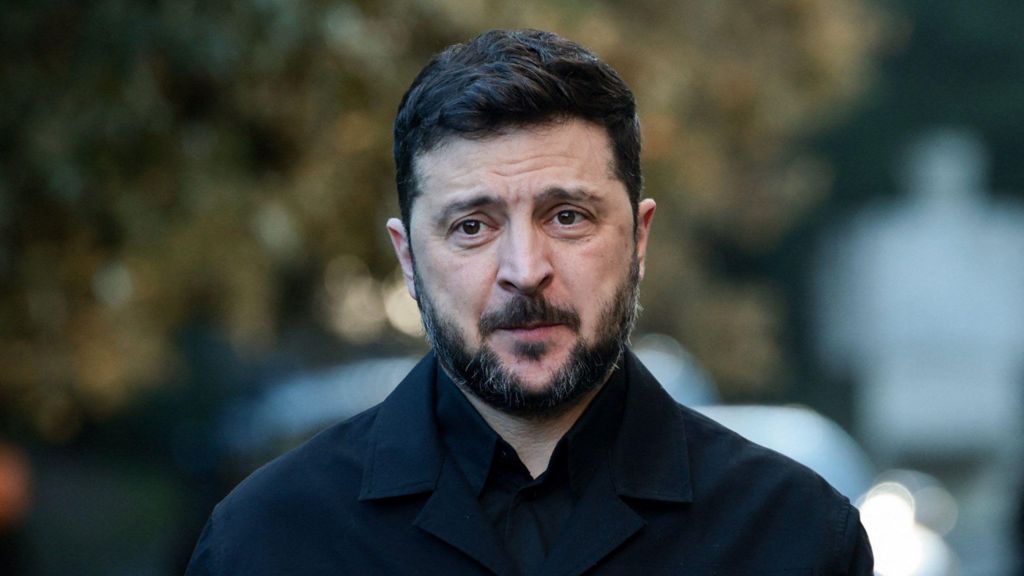
    Ukrainian President Volodymyr Zelensky has forcefully responded to international pressure regarding presidential elections, declaring Ukraine’s readiness to conduct a democratic vote within 60-90 days provided adequate security guarantees from Western allies materialize. This statement comes as a direct rebuttal to claims by former US President Donald Trump that Kyiv exploits ongoing hostilities to avoid electoral accountability.

    The constitutional dilemma stems from the suspension of normal electoral processes under martial law imposed after Russia’s full-scale invasion in 2022. While Zelensky’s five-year term technically concluded in May 2024, Ukrainian law prohibits elections during military emergency periods.

    In detailed remarks to journalists following Trump’s Politico interview, Zelensky announced he would request legislative proposals to enable exceptional wartime elections. He emphasized that electoral decisions remain Ukraine’s sovereign prerogative, stating: ‘The issue of elections in Ukraine depends first and foremost on our people, not the people of other countries.’

    The Ukrainian leader specifically addressed what he termed ‘completely unreasonable narratives’ suggesting his administration clings to power deliberately prolonging the conflict. These allegations mirror Kremlin propaganda positioning Zelensky as an illegitimate leader and demanding elections as a ceasefire precondition.

    Practical implementation challenges remain formidable according to opposition lawmakers and policy experts. Lesia Vasylenko, an opposition parliamentarian, emphasized that true electoral fairness requires inclusive participation of all citizens—including frontline military personnel and the approximately four million refugees dispersed across Europe.

    Security concerns present perhaps the most significant obstacle. Hanna Shelest of Ukrainian Prism think tank noted the impossibility of securing polling stations amid ongoing missile strikes and occupation of Ukrainian territory. Historical precedent also exists—Western democracies including Britain suspended elections during World War II.

    Public sentiment appears to reinforce governmental caution. A March survey by the Kyiv International Institute of Sociology revealed 78% of Ukrainians oppose elections even after conflict resolution, prioritizing national unity over political processes during existential warfare.

    The election discourse emerges as US-mediated peace negotiations continue, with Zelensky’s legitimacy becoming an unexpected bargaining point in diplomatic discussions.

  • French far-right leader tells BBC he shares US warnings on Europe ‘for most part’

    French far-right leader tells BBC he shares US warnings on Europe ‘for most part’

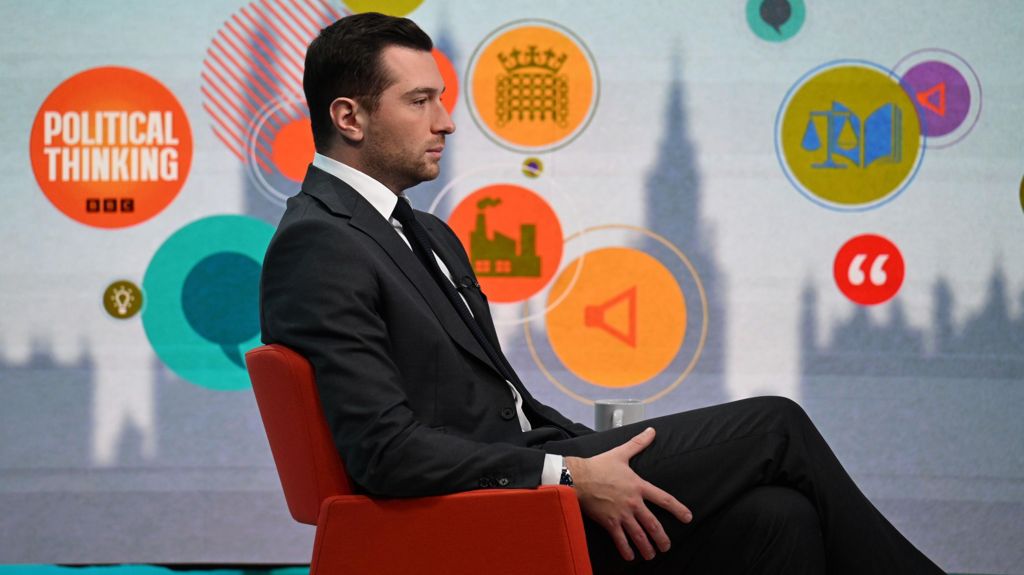
    Jordan Bardella, leader of France’s National Rally (RN), has expressed substantial agreement with former U.S. President Donald Trump’s critical assessment of Europe’s direction, particularly regarding immigration policies and cultural preservation. In an exclusive BBC Political Thinking podcast interview, the 30-year-old political phenomenon addressed his party’s positioning ahead of the 2027 presidential election.

    Bardella characterized Trump’s recently published National Security Strategy as validating concerns about ‘civilizational erasure’ in Europe, attributing this primarily to decades of lenient migration policies. ‘Mass immigration and governmental laxity over the past 30 years have fundamentally destabilized European societies, particularly France,’ Bardella asserted, while simultaneously emphasizing that Europe should not become ‘subservient to any major power.’

    The interview revealed significant developments within France’s far-right movement. Current polling indicates Bardella leads presidential preferences with 44% support, potentially positioning him to succeed Marine Le Pen should her legal challenges prevent her candidacy. Le Pen faces exclusion from the 2027 race pending an appeal against her conviction for EU fund embezzlement. Bardella dismissed suggestions of internal tension, stating they campaign together based on ‘trust and friendship.’

    Addressing the RN’s controversial history under founder Jean-Marie Le Pen—convicted multiple times for Holocaust denial—Bardella distanced his leadership from past extremism. ‘I combat caricatures of my political movement,’ he stated, claiming significant Jewish support for the RN as a ‘bulwark against extremism.’

    On policy matters, Bardella pledged a national referendum on immigration if elected, despite constitutional limitations requiring parliamentary approval for such a measure. His platform includes closing radical mosques, expelling ‘hate preachers,’ and implementing stricter assimilation requirements. Notably, Bardella—whose own parents are of immigrant origin—distinguished between those who ‘reject republican institutions’ and immigrants who ’embrace French language, culture, and values.’

    Economically, Bardella described France as ‘sick’ from excessive taxation and regulation, promising to remove ‘shackles’ on growth. His foreign policy stance shows nuance regarding Ukraine: while recognizing Russia as a ‘multidimensional threat,’ he opposes troop deployments favored by Macron’s government, warning such actions could trigger escalation given nuclear capabilities.

    Responding to concerns about his youth and political inexperience compared to President Macron’s governmental background, Bardella remarked: ‘I’d rather be told today is too soon than tomorrow is too late.’

  • Sperm from donor with cancer-causing gene was used to conceive almost 200 children

    Sperm from donor with cancer-causing gene was used to conceive almost 200 children

    A comprehensive multinational investigation has uncovered a critical public health situation involving a European sperm donor carrying a dangerous genetic mutation that significantly elevates cancer risk. The anonymous donor, who began contributing sperm as a student in 2005, has biologically fathered at least 197 children across multiple European countries, with some offspring already developing cancer and several having died at young ages.

    The investigation, conducted by 14 public service broadcasters including the BBC through the European Broadcasting Union’s Investigative Journalism Network, revealed that approximately 20% of the donor’s sperm contains a mutated TP53 gene. This genetic defect severely compromises the body’s natural cancer prevention mechanisms, resulting in Li Fraumeni syndrome—a condition associated with up to 90% lifetime cancer risk, particularly during childhood and for breast cancer in later life.

    Despite passing standard donor screening protocols, the donor carried this mutation in a portion of his reproductive cells. Children conceived using affected sperm inherit the mutation in every cell of their body, creating a lifelong health vulnerability. Medical experts describe the situation as particularly devastating because affected individuals require annual MRI scans of the body and brain plus abdominal ultrasounds for early tumor detection, with many women opting for preventive mastectomies.

    The European Sperm Bank, which distributed the genetic material, expressed sympathy for affected families while noting that neither the donor nor his biological relatives exhibit illness. The organization acknowledged that current genetic screening practices cannot proactively detect such mutations and stated they immediately blocked further use of the donor’s sperm upon discovery of the problem.

    Distribution records indicate the sperm was utilized by 67 fertility clinics across 14 nations, with significant regulatory breaches occurring in several countries. Belgium, which limits donors to six families per donor, recorded 38 women producing 53 children from this single source. While the sperm was not directly sold to UK clinics, British authorities confirmed a “very small number” of families who sought treatment in Denmark have been notified.

    This case has reignited debates about international sperm bank regulations and donor usage limits. Currently, no global standards govern how frequently a single donor’s sperm may be used internationally, with individual countries setting their own restrictions. The UK maintains a 10-family limit per donor, while the European Society of Human Reproduction and Embryology recently proposed a 50-family maximum—though experts note this wouldn’t prevent rare genetic disease transmission.

    Reproductive health specialists emphasize that while such cases remain extremely rare compared to the overall number of donor-conceived children, they highlight systemic vulnerabilities in the global fertility industry. With approximately half of the UK’s sperm supply now imported from international banks, experts recommend prospective parents inquire about donor origins and usage history when considering fertility treatments.

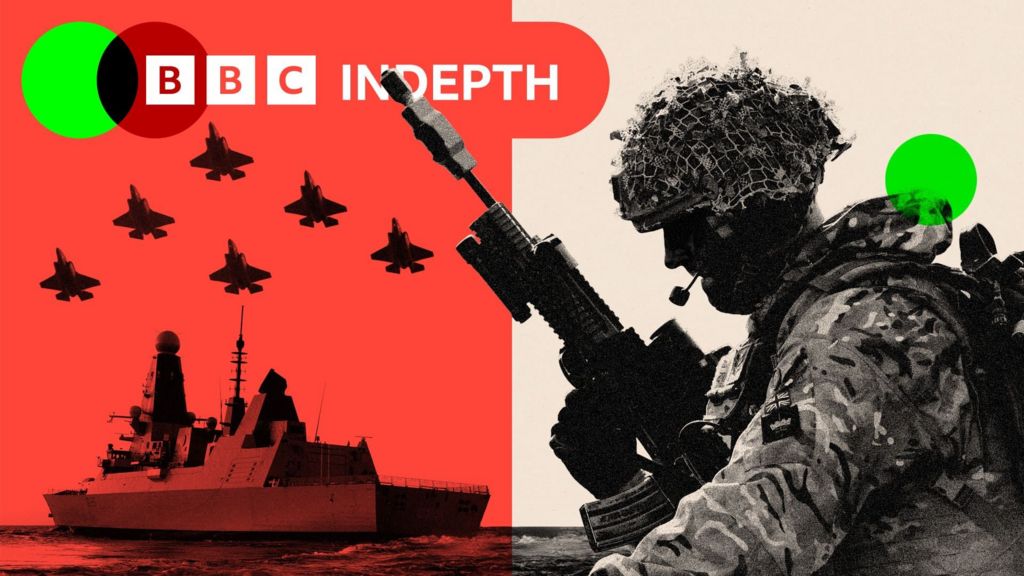
  • How long Britain could really fight for if war broke out tomorrow

    How long Britain could really fight for if war broke out tomorrow

    As Russia’s full-scale invasion of Ukraine approaches its fifth anniversary, Western military analysts are raising urgent concerns about the United Kingdom’s preparedness for potential conflict with Moscow. Recent warnings from British military leadership emphasize that preparation for war remains the most reliable method of prevention, yet multiple assessments suggest the UK would struggle to sustain prolonged combat operations.

    Russian President Vladimir Putin’s December declaration that Russia stands ready for European conflict serves as a stark reminder that war between Russia and NATO nations, including the UK, represents a tangible threat rather than distant speculation. Modern warfare would likely commence not with conventional attacks but through hybrid tactics including cyber operations targeting critical infrastructure, communications blackouts, and disruption of financial systems and energy networks.

    Britain’s technology-dependent society relies extensively on subsea cables and pipelines for data transmission, financial transactions, and energy distribution. Intelligence indicates Russian spy vessels have extensively mapped these vulnerabilities for potential sabotage during hostilities. The Royal Navy has responded by investing in underwater drone technology with integrated sensors to monitor these critical assets.

    According to analysis from the Royal United Services Institute (Rusi), the UK lacks comprehensive plans for warfare extending beyond several weeks. Critical shortages exist in ammunition, artillery, vehicles, air defense systems, and medical capacity. Reserve regeneration pipelines operate slowly, and force design lacks the depth necessary to absorb losses and continue fighting effectively.

    The Ukraine conflict has demonstrated two crucial military lessons: the fundamental importance of drone technology across all combat levels, and the necessity of mass—both in personnel and military hardware. Russia maintains significant advantages in both categories, with monthly production reaching approximately 150 tanks, 550 infantry fighting vehicles, 120 Lancet drones, and over 50 artillery pieces. Russia’s defense spending approaches 7% of GDP, while the UK struggles to reach 2.5% by 2027.

    Personnel presents another critical challenge. The British Army’s paper strength of approximately 74,000 reduces to just 54,000 deployable soldiers when accounting for non-deployable personnel and global postings. This number falls below Russia’s average two-month casualty rate in Ukraine. While European nations like Germany, France, and Sweden are reinstating voluntary military service programs, the UK government rejected similar proposals for a ‘citizen army’ in 2024.

    Potential flashpoints include the Suwalki Gap between Poland and Lithuania, Baltic states with significant Russian-speaking minorities, and the Arctic archipelago of Svalbard. The UK maintains a battle group of approximately 900 personnel in Estonia, which would require rapid reinforcement to brigade strength in conflict scenarios.

    The wildcard remains U.S. commitment under President Donald Trump’s administration, though NATO’s Military Committee chairman maintains American dedication to alliance defense. Ultimately, experts conclude that while an isolated UK-Russia conflict remains improbable, Britain must address critical defense vulnerabilities through increased spending, industrial capacity expansion, and societal recognition that continued freedom requires substantial investment and preparation.

  • Major talks on changes to ECHR migration rules set to start

    Major talks on changes to ECHR migration rules set to start

    A landmark diplomatic initiative is underway as European nations convene in Strasbourg to potentially reshape the application of human rights law in migration cases. The high-level talks, commencing Wednesday at the Council of Europe, represent the most substantial effort in decades to reinterpret the European Convention on Human Rights in response to the continent’s migration challenges.

    British Prime Minister Sir Keir Starmer and Danish Prime Minister Mette Frederiksen have jointly advocated for modernizing the framework through which states address illegal migration, arguing that current interpretations undermine public confidence in governance systems. In a pre-meeting editorial, the leaders emphasized that ‘responsible, progressive governments must deliver the change people are crying out for’ by controlling borders to strengthen democracies.

    The negotiations aim to establish a political declaration by spring 2026 that would clarify how the 75-year-old human rights convention applies to contemporary migration issues. Key discussion points include streamlining measures against human smuggling networks, creating rights-compliant ‘returns hubs’ outside Europe, and refining the application of Article 8 (right to family life) and Article 3 (prohibition of inhuman treatment) in deportation cases.

    While the UK delegation, led by Deputy Prime Minister David Lammy, maintains commitment to the convention, it seeks interpretations that don’t impede anti-smuggling operations. Domestically, Britain already plans legislation limiting privacy and family rights in removal proceedings.

    The talks follow months of diplomatic preparation and mounting pressure from nine member states, notably Italy and Denmark, though Britain pursued behind-the-scenes lobbying rather than signing their open letter. Council of Europe Secretary General Alain Berset has expressed readiness to discuss reforms while emphasizing the convention’s continuing relevance, stating the goal is ‘not to weaken the Convention, but to keep it strong and relevant.’

    The outcome could represent one of the most significant modifications to international human rights law implementation since the convention’s establishment, balancing border security concerns with fundamental rights protections.