标签: Europe

欧洲

  • Ukraine’s health supplies hit in series of Russian strikes on medical warehouses

    Ukraine’s health supplies hit in series of Russian strikes on medical warehouses

    A systematic Russian campaign targeting pharmaceutical infrastructure has crippled Ukraine’s medical supply chain, destroying over $300 million worth of vital medicines in recent months through precision strikes on distribution centers.

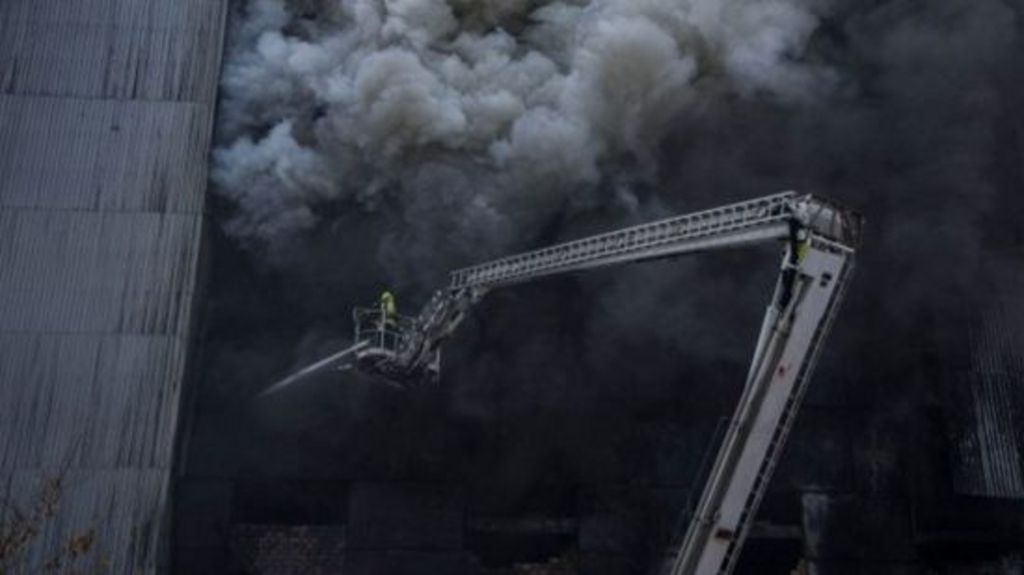
    The strategic bombardment culminated on December 6th when kamikaze drones struck the Dnipro warehouse facility operated by BADM, one of Ukraine’s two major pharmaceutical distributors. The attack ignited an uncontrollable blaze that consumed approximately $110 million in medications—representing nearly 30% of the nation’s monthly medical inventory.

    Dmytro Babenko, BADM’s acting director-general, recounted the precision strike: ‘Missiles flew past but the drones hit their mark. The resulting fire proved impossible to contain, leading to total destruction of the facility.’

    This incident follows similar attacks on Optima Pharm, the other primary distributor serving Ukraine’s pharmacy network. Their Kyiv storage complex was destroyed in an October assault costing over $100 million, with additional strikes occurring in August and November. Together, these two companies supply approximately 85% of medications to Ukrainian pharmacies.

    The International Rescue Committee confirmed the loss of $195,000 in humanitarian medical supplies stored at the Dnipro facility, enough to treat 30,000 vulnerable patients. Andriy Moskalenko of IRC described the devastation: ‘All this medicine could have served people for years, lost in a single moment.’

    Russia’s defense ministry continues to deny targeting civilian infrastructure, claiming instead it struck military equipment and drone production facilities. These assertions contradict eyewitness accounts and documented evidence from attack sites.

    According to Ukrainian authorities, the systematic targeting of medical infrastructure has damaged over 2,500 healthcare institutions and killed more than 500 medical professionals since the invasion began. The World Health Organization recorded 2,763 attacks on Ukraine’s healthcare system through 2025, noting a 12% year-over-year increase in assaults.

    Despite the catastrophic losses, BADM officials express cautious optimism about recovery, predicting potential shortages only in specific medication categories with full supply restoration expected within six weeks.
  • Turkish car ferry damaged in strike at Ukrainian port

    Turkish car ferry damaged in strike at Ukrainian port

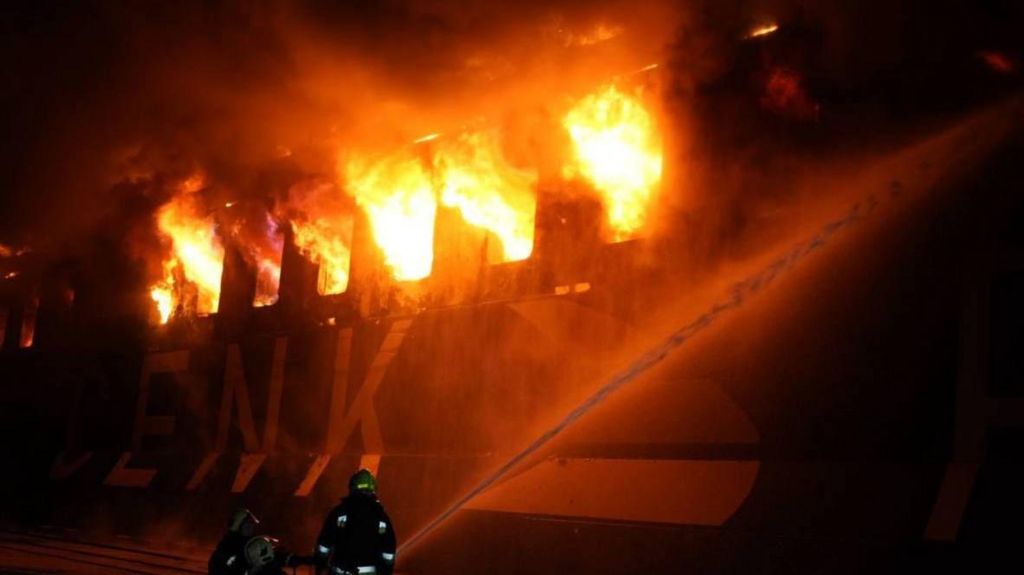
    A Turkish-flagged cargo vessel, the Cenk T, was struck by a missile while docked at the Chornomorsk port near Odesa, Ukraine, on Friday afternoon, triggering a significant fire aboard the civilian ship. The attack occurred at precisely 16:00 local time (14:00 GMT), shortly after the ferry had completed its docking procedures.

    Operating company Cenk Denizcilik confirmed the vessel, which plies the Karasu-Odesa route across the Black Sea, was carrying essential food supplies when it was hit. Emergency protocols were immediately activated, with the ship’s crew, port fire services, and assisting tugboats combating a major blaze that erupted on the vessel’s forward section. Preliminary reports indicate no casualties among the crew members.

    Ukrainian President Volodymyr Zelensky publicly attributed the strike to Russian forces, sharing video footage on his Telegram account that showed emergency crews desperately fighting the intense fire. Zelensky condemned the attack as militarily meaningless, emphasizing the vessel’s civilian status and humanitarian cargo. Moscow has maintained silence regarding the incident.

    The maritime assault occurred mere hours after Turkish President Recep Tayyip Erdogan proposed a limited ceasefire covering energy infrastructure and port facilities during discussions with Russian President Vladimir Putin. This diplomatic overture marks Turkey’s continued effort to mediate between the warring nations, a role it has maintained since Russia’s full-scale invasion began in February 2022.

    Ankara’s Foreign Ministry subsequently issued a statement urging an immediate agreement to guarantee shipping security and suspend attacks against critical infrastructure, emphasizing the urgent need to prevent further escalation in the strategically vital Black Sea region. Turkey’s geopolitical significance is amplified by its control of the Bosphorus Strait, the crucial maritime passage for Ukrainian grain and Russian oil exports to Mediterranean markets.

    This incident represents a significant escalation in Moscow’s campaign to isolate Ukraine from maritime commerce, coming in response to Kyiv’s ongoing drone attacks against Russian oil tankers operating as part of the so-called ‘shadow fleet’—a primary source of funding for Russia’s military operations.

  • Farmers call for French blockades over cow disease cull

    Farmers call for French blockades over cow disease cull

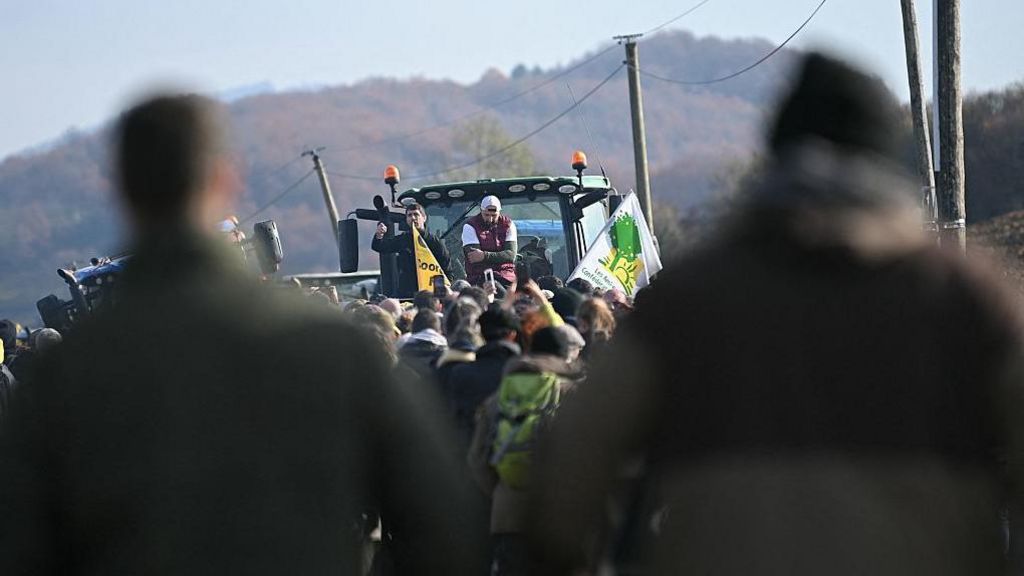
    French agricultural regions have descended into turmoil as farmers intensify protests against the government’s controversial approach to containing Lumpy Skin Disease (LSD) outbreaks. The southern Ariège department witnessed violent confrontations on Thursday, with riot police clashing demonstrators attempting to prevent veterinary teams from destroying potentially infected cattle herds.

    The unrest has spread across southern France, where agricultural workers have employed disruptive tactics including dumping manure outside government buildings, creating road blockades, and reportedly ransacking offices of environmental organizations in Charente-Maritime. The escalating conflict stems from a fundamental disagreement over disease management strategies.

    Lumpy Skin Disease, a highly contagious bovine illness transmitted primarily through insect bites, causes fever, mucous discharge, and distinctive skin nodules. While rarely fatal, the disease severely impacts milk production and renders affected cattle commercially valueless. First detected in Europe approximately a decade ago after spreading from Africa, France confirmed its initial case in the Alps region last June, which notably disrupted the Tour de France cycling event.

    The government’s zero-tolerance policy mandates complete herd slaughter when any single animal tests positive for LSD. This approach has drawn fierce opposition from two major farming unions—Confédération Rurale and Confédération Paysanne—who argue for alternative strategies combining selective culling and vaccination programs.

    Veterinary experts maintain that comprehensive slaughter remains necessary due to diagnostic limitations. “Current technology cannot distinguish between healthy animals and asymptomatic carriers,” explained Stephanie Philizot, head of the SNGTV veterinarians’ union. “This diagnostic gap necessitates whole-herd interventions to prevent further transmission.”

    Since June, France has documented approximately 110 LSD outbreaks, initially concentrated in eastern regions but increasingly emerging in southwestern territories. Agricultural authorities attribute the spread to illegal cattle transportation from infected zones, resulting in the destruction of roughly 3,000 animals to date.

    The protests reflect broader anxieties within France’s agricultural sector, which faces mounting pressures from European Union regulations and international competition. Farmers plan to escalate demonstrations during next week’s EU leadership summit in Brussels, highlighting multiple crises affecting wine growers facing declining consumption and poultry farmers combating avian influenza.

    Additional concerns center on the impending EU-Mercosur trade agreement with South American nations, which French farmers fear will flood markets with cheaper imports produced under less stringent environmental and sanitary standards.

  • Russia hits back at Europe’s big plan to loan Moscow’s frozen cash to Ukraine

    Russia hits back at Europe’s big plan to loan Moscow’s frozen cash to Ukraine

    European Union leaders are racing against time to finalize a groundbreaking plan to utilize Russia’s frozen assets for Ukraine’s reconstruction ahead of next week’s Brussels summit. With Ukraine facing a critical budget shortfall of €135.7 billion amid ongoing military conflict, the proposed solution involves accessing €210 billion of immobilized Russian funds held within EU jurisdiction.

    The contentious proposal has sparked significant diplomatic tensions, with Moscow already initiating legal proceedings against Euroclear, the Belgian financial institution holding €185 billion of the frozen assets. Russian officials have condemned the EU’s plan as outright theft, while the Kremlin’s central bank filed a preemptive lawsuit in a Moscow court last Friday.

    European leaders, including German Chancellor Friedrich Merz, argue that utilizing these assets represents both moral justice and practical necessity. “It’s only fair that Russia’s frozen assets should be used to rebuild what Russia has destroyed,” Ukrainian President Volodymyr Zelensky stated, echoing the position of many EU member states.

    However, Belgium has emerged as a cautious voice, expressing serious concerns about potential financial repercussions. Prime Minister Bart de Wever has demanded comprehensive guarantees before endorsing the plan, fearing his nation could bear unsustainable liability given that Euroclear’s holdings represent nearly one-third of Belgium’s GDP. Financial law expert Professor Veerle Colaert warns that concentrating such massive exposure violates fundamental banking principles and could destabilize the entire financial system.

    The EU has developed a two-pronged approach: either raising capital markets funds backed by EU budget guarantees or directly loaning cash from matured Russian assets held at Euroclear. The latter option has gained traction as international military aid to Ukraine has dramatically decreased in 2025, particularly after the United States substantially reduced funding under the Trump administration.

    In a significant development, EU ambassadors are expected to approve indefinite freezing of Russian central bank assets using emergency powers under Article 122 of the EU Treaties. This move would eliminate the previous requirement for unanimous six-month renewals and create a more stable legal foundation for the reconstruction plan.

    Meanwhile, concerns persist about competing proposals from the United States regarding how to utilize the frozen assets, with early drafts of US peace plans suggesting different allocation formulas that could reduce European control over the funds.

  • Germany accuses Russia of 2024 cyber-attack and disinformation

    Germany accuses Russia of 2024 cyber-attack and disinformation

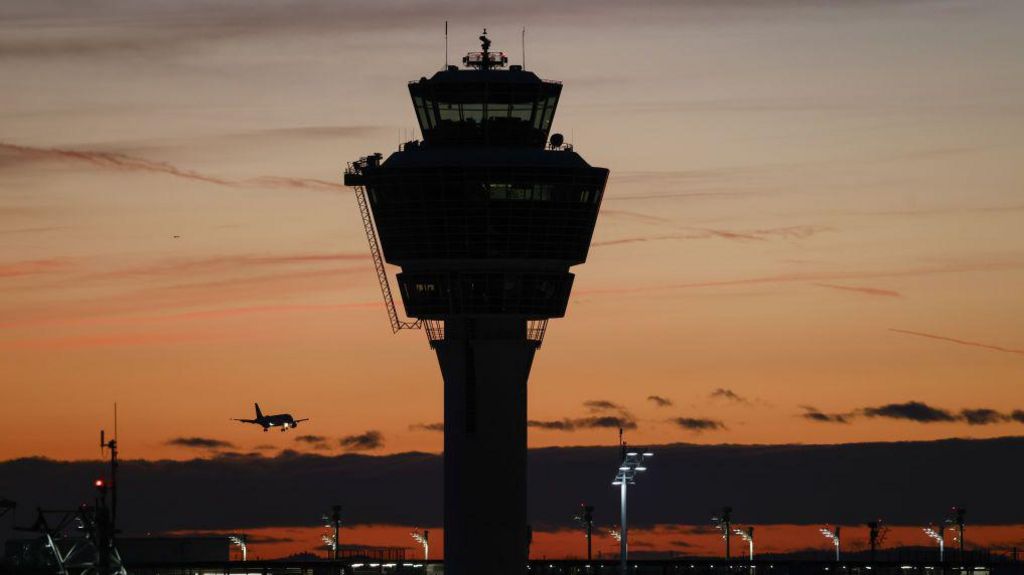
    The German government has formally accused Russian military intelligence of orchestrating a sophisticated cyber-attack against the nation’s air traffic control systems while simultaneously conducting a disinformation campaign to undermine its democratic processes. In an unprecedented diplomatic move, German officials summoned the Russian ambassador to address what they term “hybrid actions” requiring substantial countermeasures.

    According to a foreign ministry spokesperson, the August 2024 cyber-incident targeting Germany’s aviation infrastructure has been conclusively attributed to the GRU, Russia’s military intelligence service. The sophisticated attack, allegedly executed by the notorious hacker collective Fancy Bear, represents one of the most serious digital assaults on critical German infrastructure to date.

    Beyond the aviation sector breach, German authorities presented evidence of a coordinated Russian influence operation dubbed “Storm 1516” designed to destabilize both the February federal election and ongoing internal affairs. The campaign specifically targeted leading political figures including Green Party’s Robert Habeck and CDU’s Friedrich Merz, who currently serves as chancellor.

    Security agencies identified fabricated videos circulating days before the election that falsely alleged systematic ballot manipulation. These materials formed part of a broader psychological operation intended to erode public trust in Germany’s electoral integrity.

    The Fancy Bear group, previously implicated in the World Anti-Doping Agency data breach and the 2016 cyber-attack on the US Democratic National Committee, continues to operate as a persistent threat to Western democracies. German officials emphasized their commitment to coordinated European response measures intended to make Russia “pay a price” for its destabilizing activities.

    These allegations emerge amidst escalating concerns across Europe regarding suspected Russian cyber-operations, particularly since the full-scale invasion of Ukraine in 2022. While Moscow has consistently denied previous European allegations of sabotage and hybrid warfare, the current charges represent one of the most specific and well-documented accusations to date.

  • Germany summons Russian ambassador over alleged sabotage, cyberattacks and election interference

    Germany summons Russian ambassador over alleged sabotage, cyberattacks and election interference

    Germany has formally summoned Russia’s ambassador in Berlin following concrete evidence of state-sponsored hybrid warfare operations targeting German infrastructure and democratic processes. The German Foreign Ministry presented detailed allegations of cyberattacks, disinformation campaigns, and election interference orchestrated by Moscow.

    Foreign Ministry spokesperson Martin Giese identified GRU, Russia’s military intelligence agency, as the primary actor behind these coordinated attacks. The agency has been directly linked to a sophisticated 2024 cyber intrusion against German air traffic control systems, allegedly executed through the hacker collective APT28, also known as Fancy Bear.

    Investigative findings reveal that GRU operatives attempted to manipulate Germany’s recent federal election through ‘Storm 1516,’ a comprehensive influence operation deploying artificially generated content, deepfake imagery, and fabricated witness statements across multiple platforms. This campaign represents the latest in a series of Russian efforts to undermine European democratic institutions, building upon previous interference operations including those targeting the 2016 U.S. presidential election.

    The German government has announced it will implement countermeasures against Russian hybrid warfare tactics. These developments coincide with the European Union’s decision to indefinitely freeze Russian state assets within its jurisdiction, ensuring these resources can be directed toward supporting Ukraine’s defense efforts against Russian aggression.

    Giese emphasized that these attacks aim to fracture social cohesion, erode public trust, and weaken confidence in democratic governance. Germany remains committed to strengthening its cybersecurity infrastructure while continuing military and financial support for Ukraine amidst the ongoing conflict.

  • EU indefinitely freezes Russian assets so Hungary and Slovakia can’t veto their use for Ukraine

    EU indefinitely freezes Russian assets so Hungary and Slovakia can’t veto their use for Ukraine

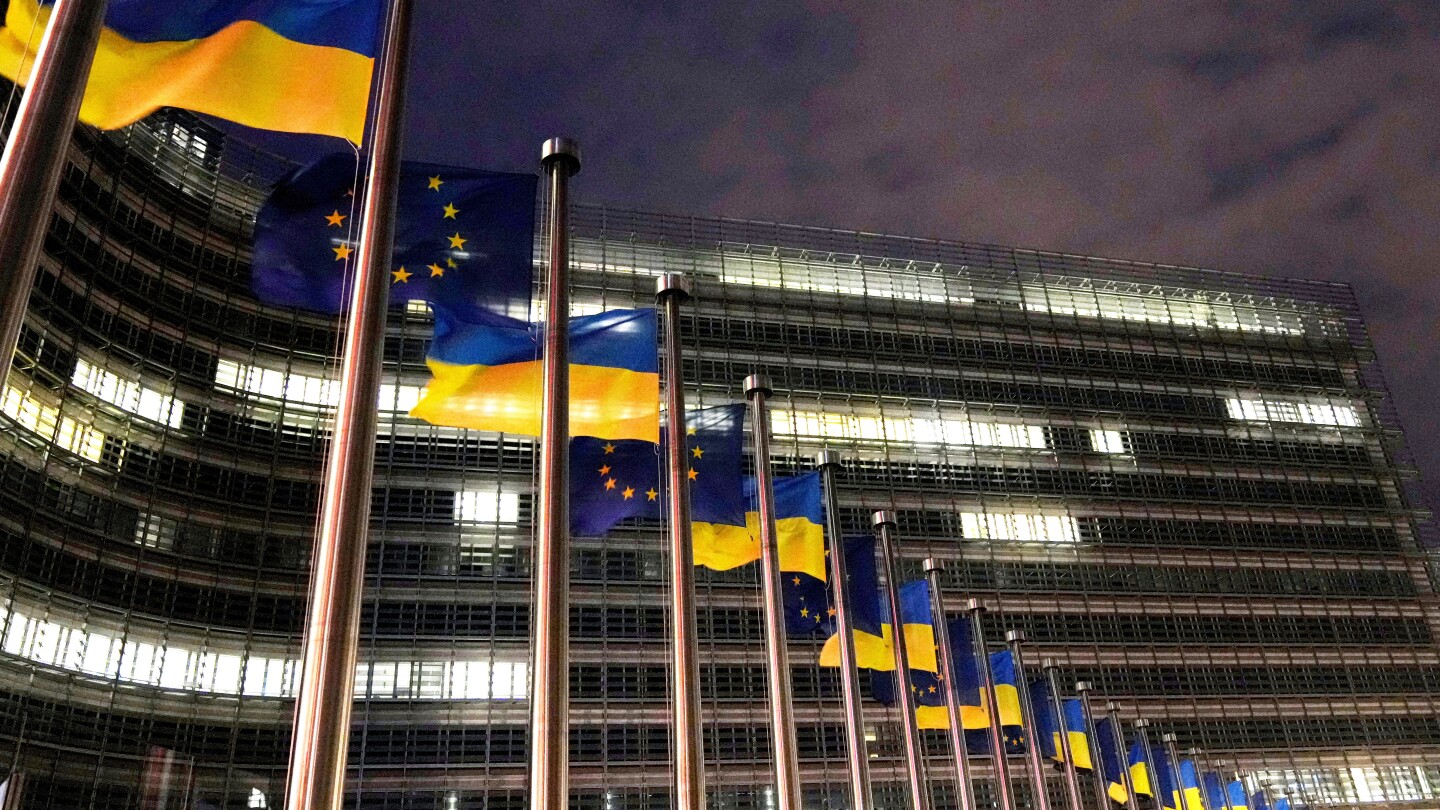
    In a decisive move against Russian aggression, the European Union has enacted an indefinite freeze on Russian state assets held within its jurisdiction. The unprecedented measure, activated through a special economic emergency procedure on Friday, ensures that approximately €210 billion ($247 billion) in Russian Central Bank assets remain immobilized until Moscow ceases its war against Ukraine and provides compensation for the extensive damages inflicted.

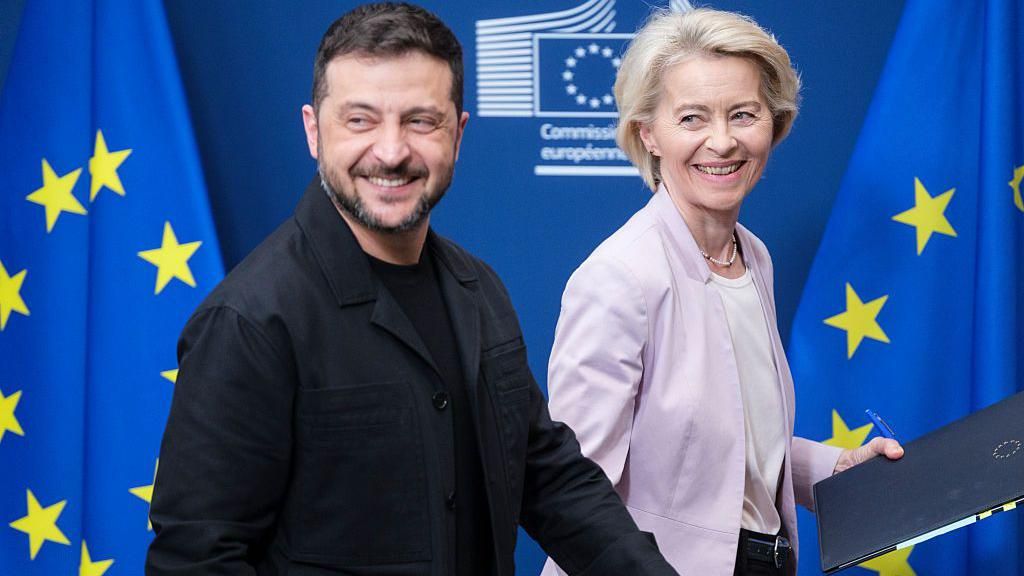
    The strategic decision effectively neutralizes potential opposition from Hungary and Slovakia, both governed by Moscow-friendly administrations, by removing their ability to block the six-monthly sanctions renewals required to maintain the asset freeze. EU Council President António Costa declared the action fulfills the commitment European leaders made in October to sustain economic pressure on Russia.

    This foundational step enables EU leadership to finalize plans during their December 18 summit for leveraging these immobilized funds to underwrite substantial financial assistance for Ukraine. The proposed mechanism would convert frozen assets into collateral for a massive loan addressing Ukraine’s military and budgetary requirements through 2026-2027.

    The move explicitly prevents these resources from being utilized in any peace negotiations without European authorization, directly countering a 28-point U.S.-Russian draft plan that proposed distributing frozen assets among Ukraine, Russia, and the United States—a proposal previously rejected by Kyiv and its European allies.

    Hungarian Prime Minister Viktor Orbán, Vladimir Putin’s closest EU ally, condemned the decision as marking ‘the end of the rule of law’ within the bloc, vowing to ‘restore lawful order.’ Similarly, Slovak Prime Minister Robert Fico opposed using frozen assets for Ukraine’s military expenses, warning such actions could undermine U.S. peace initiatives.

    Meanwhile, Russia’s Central Bank has initiated legal proceedings in Moscow against Euroclear, the Belgian financial clearinghouse holding approximately €193 billion of the frozen assets, seeking damages for alleged mismanagement. EU Economy Commissioner Valdis Dombrovskis dismissed the lawsuit as ‘speculative,’ asserting the EU’s position remains ‘legally robust’ under international law.

  • Houses searched as part of fire murder inquiry

    Houses searched as part of fire murder inquiry

    Irish law enforcement authorities have launched an intensive murder investigation following a deliberately set house fire that claimed two lives in County Offaly. The tragic incident occurred at a residential property in Castleview Park, Edenderry, resulting in the deaths of 60-year-old Mary Holt and her four-year-old grandnephew Tadhg Farrell.

    An Garda Síochána confirmed the execution of coordinated search operations across three separate residences in Counties Kildare and Offaly as part of their expanding criminal investigation. The targeted police action comes in response to what authorities have characterized as a ‘premeditated, reckless and callous attack’ on a family home.

    Official reports indicate that both victims were discovered in the front room of the property where the arsonist initially ignited the blaze. Tadhg Farrell had been visiting his grandmother at the time of the fatal incident. The grandmother herself sustained serious burn injuries and remains hospitalized under medical supervision.

    Investigators have released critical CCTV footage documenting the attack, hoping to gather additional evidence from public sources. According to RTÉ, Ireland’s national broadcaster, the same residence had been previously targeted in earlier incidents, suggesting possible premeditation.

    The local community prepares to mourn the victims with separate funeral arrangements: Tadhg Farrell’s service will convene Friday at noon, followed by Mary Holt’s memorial on Sunday afternoon. Gardaí continue to appeal for any information regarding this violent fatal incident, urging witnesses to come forward immediately.

  • Clair Obscur sweeps The Game Awards with nine wins

    Clair Obscur sweeps The Game Awards with nine wins

    In a spectacular triumph for the gaming industry, Clair Obscur: Expedition 33 achieved an unprecedented victory at the 2025 Game Awards ceremony in Los Angeles. The French-developed role-playing game secured the coveted Game of the Year award alongside eight additional honors, setting a new benchmark for recognition in the industry’s most prestigious event.

    Developed by Sandfall Interactive—a studio formed by former Ubisoft employees pursuing their creative vision—Clair Obscur captivated audiences with its emotionally resonant narrative and innovative turn-based combat system. The game presents a distinctive fantasy world where an enigmatic entity known as The Paintress imposes an age ceiling on humanity, following adventurers determined to challenge this supernatural constraint.

    The awards ceremony witnessed director Guillaume Broche’s heartfelt acceptance speech, where he acknowledged his team’s dedication and humorously credited YouTube tutorial creators as ‘unsung heroes’ who guided their development journey. The game’s exceptional performance included victories in Best Narrative, Best Music, Best Role-Playing Game, and Best Independent Game categories.

    Despite fierce competition from anticipated titles including Death Stranding 2, Donkey Kong Bananza, and Hades 2, Clair Obscur emerged as the night’s dominant force. The game’s composer, Lorien Testard, claimed Best Score honors for his debut video game soundtrack, originally discovered through SoundCloud submissions.

    Beyond the awards, the event served as a platform for major industry revelations. Attendees received first glimpses of two new Tomb Raider installments, Larian Studios’ RPG Divinity, and fresh footage from Resident Evil 9. The ceremony also addressed ongoing industry challenges, including widespread layoffs and calls for greater recognition of developmental achievements amid criticisms of the awards’ commercial focus.

    While Battlefield 6 secured Best Audio Design and Wuthering Waves won the Player’s Voice category, Clair Obscur’s near-total dominance underscored a significant shift toward independent development achieving mainstream critical acclaim.

  • Eurovision winner Nemo to return trophy in protest of Israel

    Eurovision winner Nemo to return trophy in protest of Israel

    In an unprecedented move that strikes at the heart of Eurovision’s founding principles, 2024 champion Nemo has formally returned their trophy to contest organizers. The Swiss performer—who made history as the first non-binary artist to win the competition—declared the symbolic gesture reflects profound disagreement with the European Broadcasting Union’s (EBU) decision to maintain Israel’s participation amid ongoing military operations in Gaza.

    Nemo’s statement, disseminated via Instagram, articulated that Israel’s continued involvement creates a ‘clear conflict’ with Eurovision’s professed values of ‘unity, inclusion and dignity.’ The artist specifically referenced a September report from the UN’s Independent International Commission of Inquiry that characterized Israel’s actions as genocide, making the EBU’s position untenable in their view.

    This protest occurs against a backdrop of escalating tensions within the Eurovision community. Five nations—Iceland, Spain, Ireland, Slovenia, and the Netherlands—have already announced boycotts of the 2025 event in Vienna, which was intended to mark the contest’s 70th anniversary. The crisis represents the most significant organizational challenge in Eurovision history, further complicated by voting irregularities and allegations of governmental interference during the 2024 competition.

    While Israel’s government has celebrated its inclusion as a ‘victory over critics’ and an ‘appreciated gesture of solidarity,’ Nemo emphasized their action targets institutional decisions rather than individual artists. ‘When entire countries withdraw, it should be clear that something is deeply wrong,’ they stated, adding that the contest must not be used to ‘soften the image of a state accused of severe wrongdoing.’

    The EBU has implemented some procedural reforms following this year’s controversies, including enhanced mental health support for participants—a measure partly inspired by Nemo’s own experiences of isolation during the 2024 contest. Despite the ongoing turmoil, the broadcasting union maintains that a ‘large majority’ of members support Israel’s continued participation and that Eurovision 2026 will proceed as planned.