标签: Europe

欧洲

  • Czech president swears in new coalition government of populist billionaire Andrej Babiš

    Czech president swears in new coalition government of populist billionaire Andrej Babiš

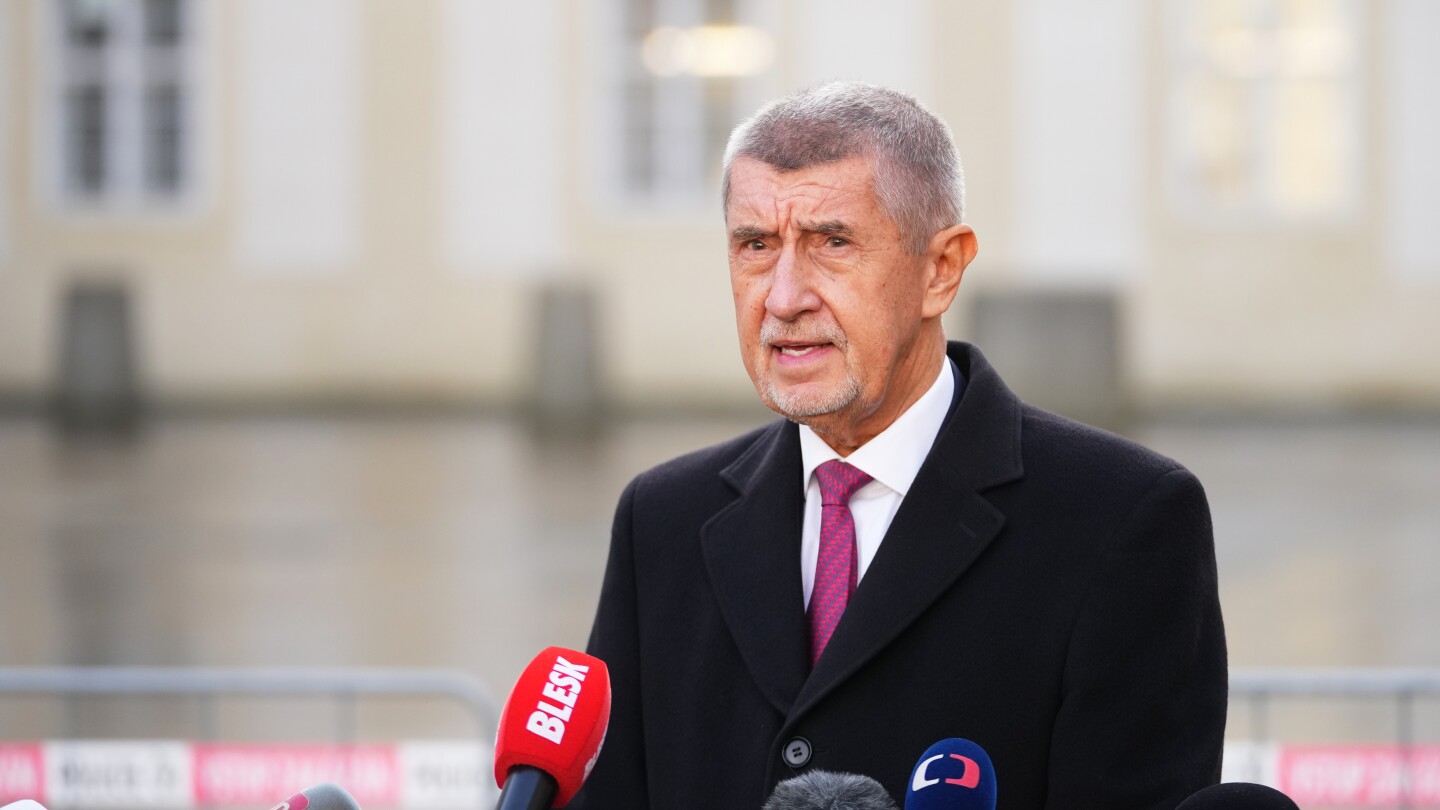
    PRAGUE — The Czech Republic witnessed a significant political transformation on Monday as populist billionaire Andrej Babiš assumed leadership of a new coalition government, marking a dramatic departure from the nation’s previous pro-Western orientation. President Petr Pavel formally swore in the 16-member Cabinet at Prague Castle, concluding the tenure of former Prime Minister Petr Fiala’s administration that had established the country as a steadfast supporter of Ukraine and a sanctuary for hundreds of thousands of Ukrainian refugees.

    Babiš, who previously served as prime minister from 2017-2021, orchestrated a remarkable political comeback following his ANO (YES) movement’s substantial victory in the October elections. The newly formed majority coalition unites his centrist-populist party with two smaller political entities: the anti-immigrant Freedom and Direct Democracy party and the right-wing Motorists for Themselves group. This alliance signals a fundamental reorientation of Czech foreign and domestic policies.

    The emerging government structure allocates eight ministerial positions, including the prime minister’s office, to ANO, while the Motorists secure four portfolios and the Freedom party obtains three. These parties share notable admiration for former U.S. President Donald Trump and are poised to align the Czech Republic with the diplomatic approaches of Hungarian Prime Minister Viktor Orbán and Slovak Prime Minister Robert Fico.

    Foreign policy shifts include the anticipated abandonment of military assistance to Ukraine, opposition to European Union sanctions against Russia, and rejection of financial aid packages for Kyiv. Babiš has already collaborated with Orbán to establish the “Patriots for Europe” alliance within the European Parliament, representing hard-right factions across the continent.

    Domestically, the coalition partners advocate for controversial measures including the potential expulsion of most Ukrainian refugees, revocation of pension reforms, reduction of electricity prices, and restructuring of public broadcasting financing that critics argue may compromise editorial independence. The government also plans to challenge EU environmental policies, particularly the Green Deal, while seeking to revitalize regional partnerships through the Visegrád Group framework.
  • European leaders expected to cement support for Ukraine amid Washington pressure to accept deal

    European leaders expected to cement support for Ukraine amid Washington pressure to accept deal

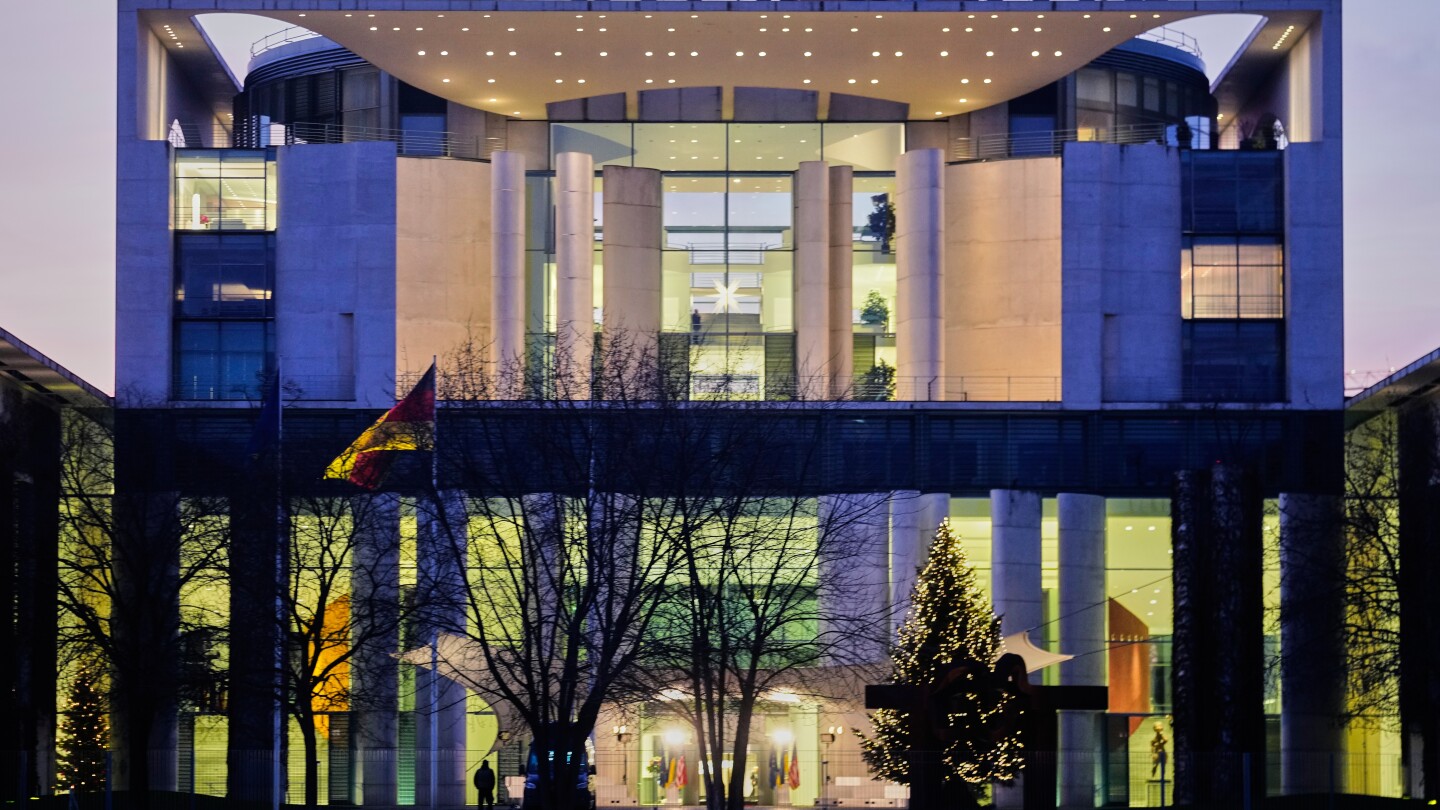
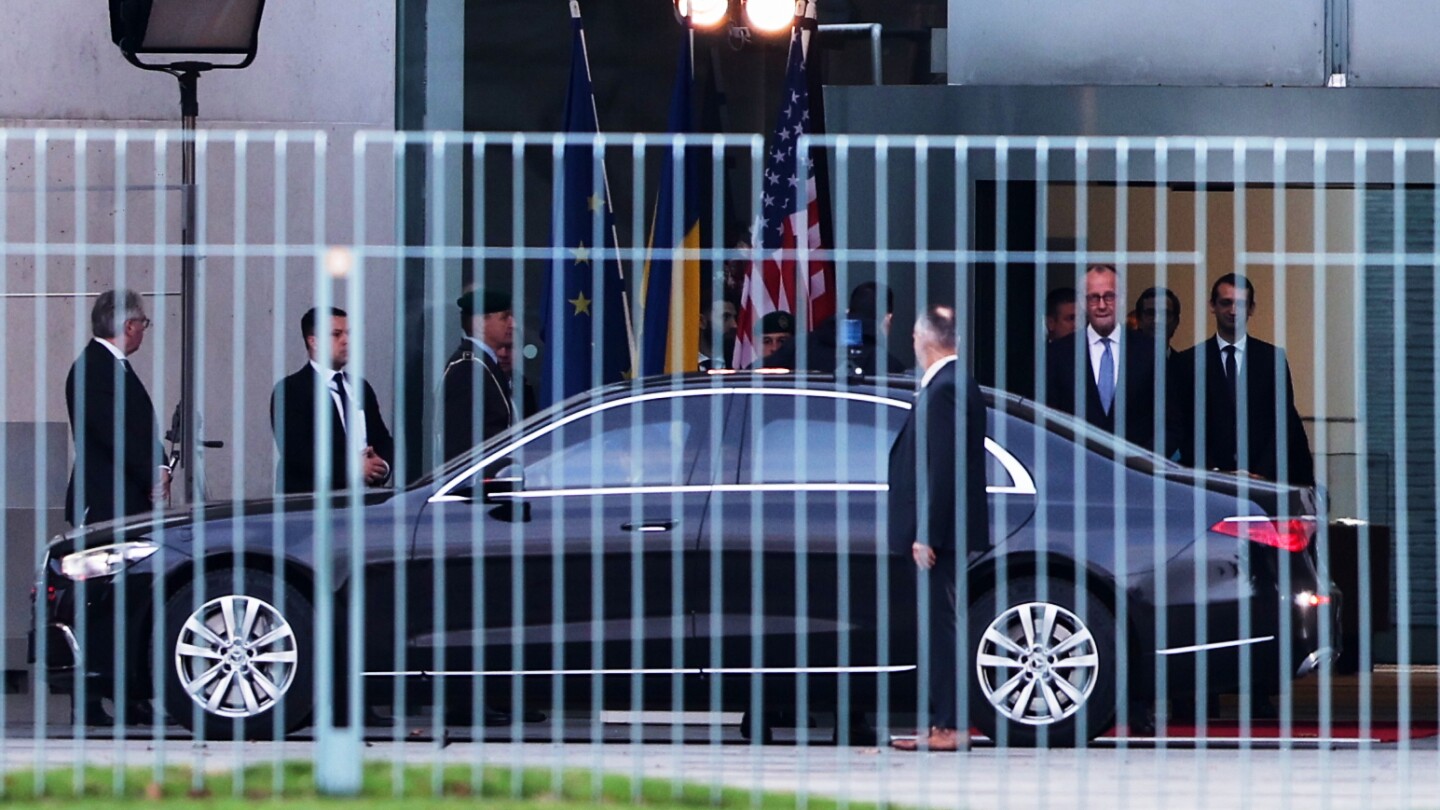
    European leaders are convening in Berlin to reinforce their commitment to Ukraine as the nation faces mounting pressure from Washington to accept a U.S.-brokered peace agreement. The diplomatic engagements follow Sunday’s crucial discussions between Ukrainian President Volodymyr Zelenskyy and U.S. envoys, including President Trump’s special envoy Steve Witkoff and senior advisor Jared Kushner, held at the German federal chancellery.

    The negotiations occur against the backdrop of increasing U.S. frustration with the protracted conflict duration. Washington has intensified efforts to mediate between the warring parties, though significant obstacles persist. Primary sticking points include territorial control over Ukraine’s eastern Donetsk region, currently predominantly occupied by Russian forces, and Ukraine’s potential NATO membership status.

    In a significant strategic shift, President Zelenskyy indicated willingness to abandon Ukraine’s NATO membership aspirations if Western nations provide equivalent security guarantees. However, he maintained firm opposition to territorial concessions demanded by Russian President Vladimir Putin, who insists on Ukrainian withdrawal from remaining Donetsk territories under its control.

    The geopolitical landscape has been further complicated by German Chancellor Friedrich Merz’s declaration that the era of ‘Pax Americana’ has concluded for Europe. Merz cautioned that Putin’s ultimate objective involves fundamental border alterations across Europe and potential restoration of the former Soviet Union’s boundaries. Concurrently, French President Emmanuel Macron reaffirmed France’s unwavering support for Ukraine’s sovereignty and European security through robust, lasting peace arrangements.

    President Putin has consistently denied expansionist ambitions toward European allies while maintaining that Ukraine’s NATO integration pursuits represent an existential threat to Russian security—the primary justification cited for the February 2022 invasion.

  • Louvre faces fresh test as staff weigh strike after jewel heist and June shutdown

    Louvre faces fresh test as staff weigh strike after jewel heist and June shutdown

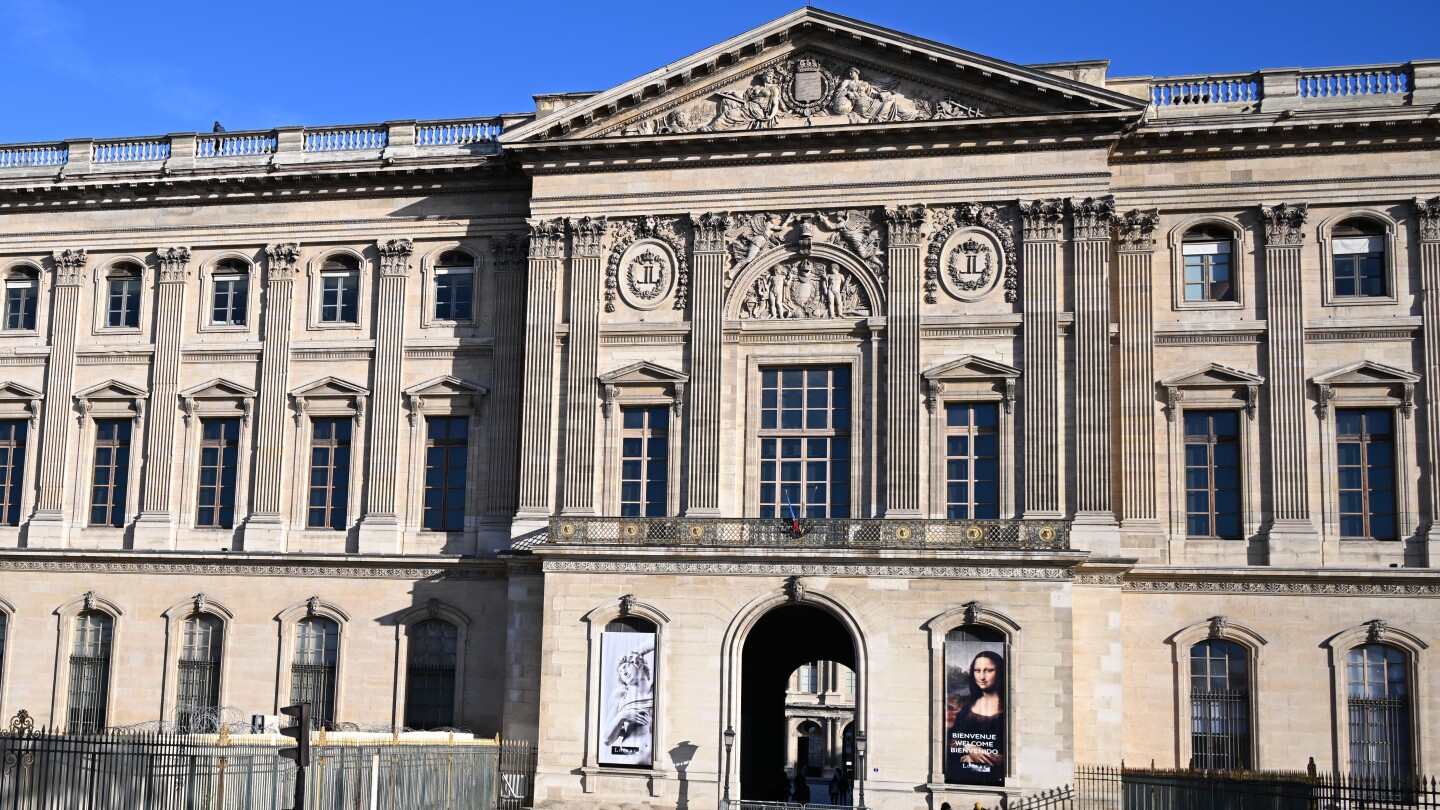
    PARIS — The Louvre Museum, the world’s most visited cultural institution, faces a pivotal moment as hundreds of employees convene Monday to determine whether to initiate strike action or continue negotiations with the French government. This decisive vote follows months of escalating tensions over security vulnerabilities and deteriorating working conditions that unions have characterized as a full-blown institutional crisis.

    The closed-door assembly, held in the museum’s 500-seat auditorium, will feature union representatives presenting outcomes from recent discussions with Culture Minister Rachida Dati. A subsequent show-of-hands vote could potentially paralyze the vast museum complex, echoing a June strike that left thousands of visitors stranded beneath I.M. Pei’s iconic glass pyramid.

    The vote occurs against a backdrop of multiple operational challenges. Recent events include a daring October jewel heist where thieves exploited security weaknesses to steal French crown jewels with barely 30 seconds to spare, as detailed in a Senate inquiry. The report highlighted broken cameras, outdated equipment, understaffed control rooms, and coordination failures that initially dispatched police to incorrect locations.

    Additionally, the museum announced temporary closures of staff offices and one public gallery due to structurally compromised floor beams, further compounding operational difficulties.

    For employees, the high-profile theft epitomized long-standing concerns that excessive visitor numbers and inadequate staffing have undermined both security protocols and working conditions. These tensions manifested publicly during June’s strike action, creating viral social media images of motionless visitor lines that revealed the institution’s operational fragility.

    While union officials acknowledge “quite important progress” in three negotiation rounds last week—including promises of additional full-time hires and increased state funding—they emphasize that proposals remain incomplete and require written confirmation. Alexis Fritche, general secretary of the culture wing of the CFDT union, characterized the progress as “not completely satisfying” while noting employees’ determination balanced against their commitment to keeping the museum accessible.

    In a parallel development, the Culture Ministry has assigned Philippe Jost, who oversaw Notre-Dame’s reconstruction, to propose a comprehensive Louvre reorganization based on administrative inquiry findings.

    The strike notice submitted to Minister Dati last week by three major unions described the institution as suffering from insufficient resources and “increasingly deteriorated working conditions.” If workers approve strike action, it could commence with a one-day closure (coinciding with the museum’s Tuesday closure) under an open-ended strike notice.

    All eyes remain on Monday morning’s meeting outcome, with lawmakers scheduled to visit the museum shortly afterward. France now watches anxiously to determine whether its premier cultural landmark can remain operational amid mounting pressures.

  • The difficult question of what it would take to stop Putin fighting in Ukraine

    The difficult question of what it would take to stop Putin fighting in Ukraine

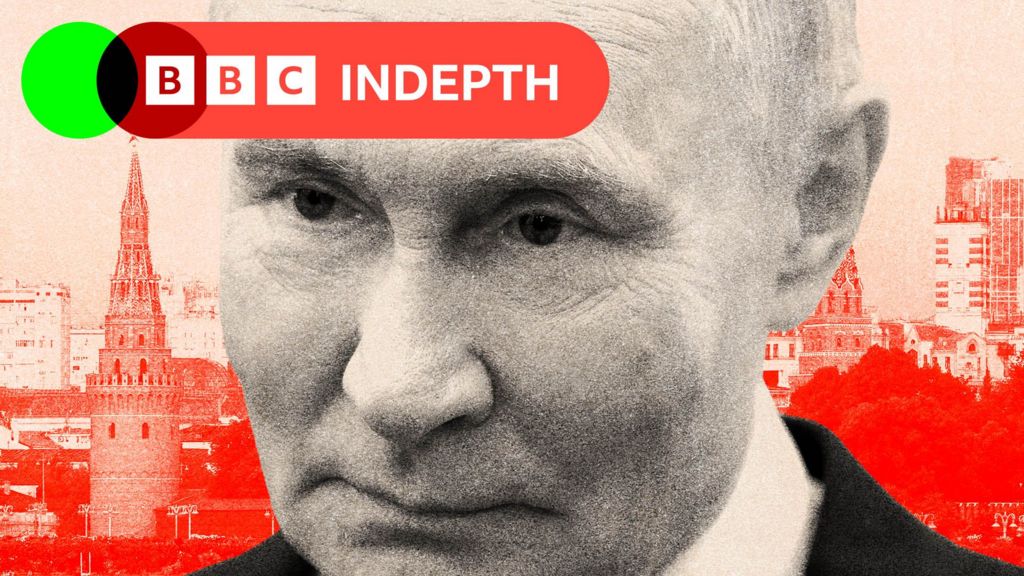
    Russian President Vladimir Putin currently exhibits an air of unwavering confidence in diplomatic engagements, a stark contrast to his reputation as an inscrutable autocrat. This self-assured demeanor stems from his perception of shifting geopolitical tides favoring Moscow, characterized by improved relations with Washington and incremental territorial gains in Eastern Ukraine.

    Analysts indicate Putin maintains maximalist objectives including Ukrainian surrender of remaining Donetsk territories, international recognition of annexed regions, permanent NATO membership prohibition, and severe military restrictions for Kyiv. Current trajectories suggest multiple scenarios: potential U.S.-forced ceasefire unfavorable to Ukraine, continued gradual Russian advances, or prolonged conflict continuation.

    The Trump administration’s revised national security posture notably downgrades Russia from “existential threat” status while advocating “strategic stability” restoration. This policy shift raises fundamental questions regarding sustained American military and intelligence support for Ukraine, including potential withdrawal of critical drone detection capabilities and targeting assistance against Russian energy infrastructure.

    European nations are preparing contingency plans under the “coalition of the willing” framework, contemplating international military deployment for invasion deterrence and post-war reconstruction financing. Some officials advocate preparing for extended conflict duration (15-20 years) rather than imminent ceasefire, emphasizing need for both immediate drone assistance and long-term strategic support.

    Security proposals include expanding the European Sky Shield Initiative to protect Western Ukrainian airspace and deploying border patrol troops to free Ukrainian combat personnel. These measures face resistance due to escalation concerns, though experts like Chatham House’s Keir Giles argue such fears are unfounded given existing Western ground presence.

    Despite Ukraine maintaining Europe’s second-largest and most technologically advanced military, defense of the 800-mile frontline remains challenging. Recruitment difficulties persist due to demographic preservation strategies that exclude younger males from conscription, drawing external criticism while receiving academic support as historically informed population management.

    Economic warfare presents additional complexities. While Russia faces 8% inflation, 16% interest rates, and declining real incomes, sanctions enforcement remains inconsistent. Experts advocate comprehensive oil embargoes and secondary sanctions implementation to meaningfully impact Russia’s war economy, noting current circumvention through ghost tankers and corporate rebranding.

    Diplomatic alternatives suggest potential negotiated settlements allowing mutual victory claims through demilitarized zones without formal territorial recognition. This approach would require intense U.S. engagement and psychological leverage application, capitalizing on Russia’s desire for great power validation.

    China represents the ultimate wild card, possessing unique influence through dual-use goods supply chain control and historical diplomatic sway. While Beijing currently benefits from Western distraction, potential escalation consequences or secondary sanctions implementation could alter Chinese calculus regarding conflict continuation.

    Putin’s current strategic assumption relies on temporal advantage – believing extended conflict will degrade Ukrainian morale, fracture allied unity, and enable additional territorial acquisition. As expressed by former NSC official Fiona Hill, only demonstrated Western resolve or Putin’s political departure appears likely to alter this calculus significantly.

  • Balloons from Belarus are causing chaos in Lithuania. Is it smugglers or a hybrid attack?

    Balloons from Belarus are causing chaos in Lithuania. Is it smugglers or a hybrid attack?

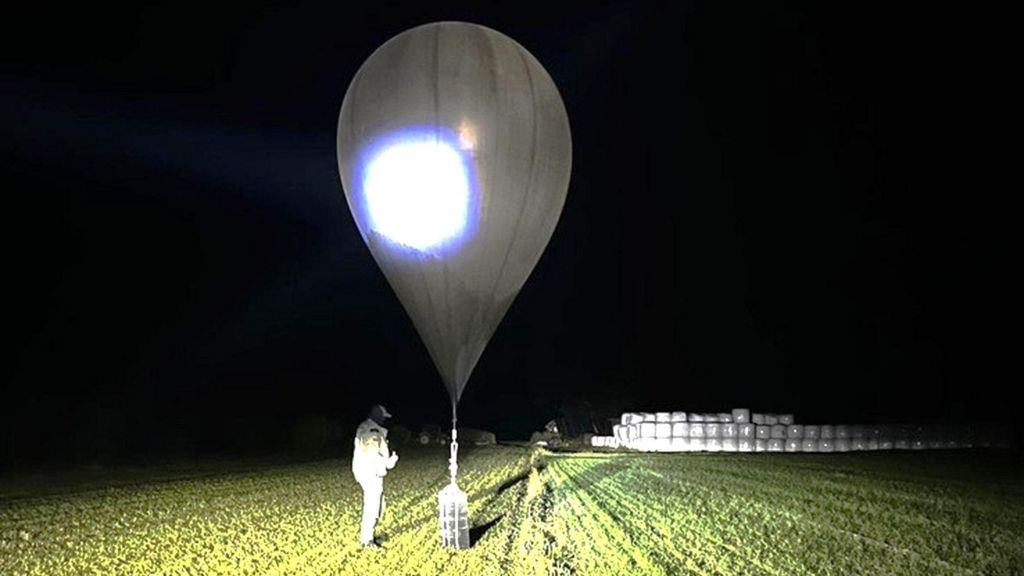
    Lithuania is confronting an unprecedented national security emergency as coordinated balloon incursions from Belarus disrupt civil aviation and border security. Over the past ten weeks, giant white balloons carrying contraband cigarettes have forced fifteen shutdowns of Vilnius International Airport, stranding thousands of travelers and culminating in one eleven-hour complete airspace closure.

    Lithuanian authorities assert these are not mere smuggling operations but calculated acts of hybrid warfare. Foreign Minister Kestutis Budrys told the BBC that the balloons are strategically launched to target the airport located just 30km from the Belarusian border. ‘This is political blackmail,’ Budrys stated, indicating Belarus views this as leverage against its neighbor.

    In response, Lithuania has deployed military police for nightly border patrols, established mobile checkpoints, and offered a €1 million prize for technological solutions to intercept the high-altitude balloons. New legislation now criminalizes aviation sabotage with potential prison sentences.

    The government dismisses Belarusian President Alexander Lukashenko’s claims that independent smugglers are responsible. Crisis management head Vilmantas Vitkauskas noted the precise timing of launches—one or two balloons every 30 minutes—suggests state coordination. Lithuanian officials believe the operation aims to force sanctions relief and end Belarus’s international isolation following its support of Russia’s invasion of Ukraine.

    The economic impact is mounting, with estimated losses reaching €2 million and airlines altering flight schedules. Travelers now consult wind forecasts before booking flights, while officials worry about eroding public confidence in air travel and NATO’s preparedness for unconventional threats.

  • Spain’s commitment to renewable energy may be in doubt

    Spain’s commitment to renewable energy may be in doubt

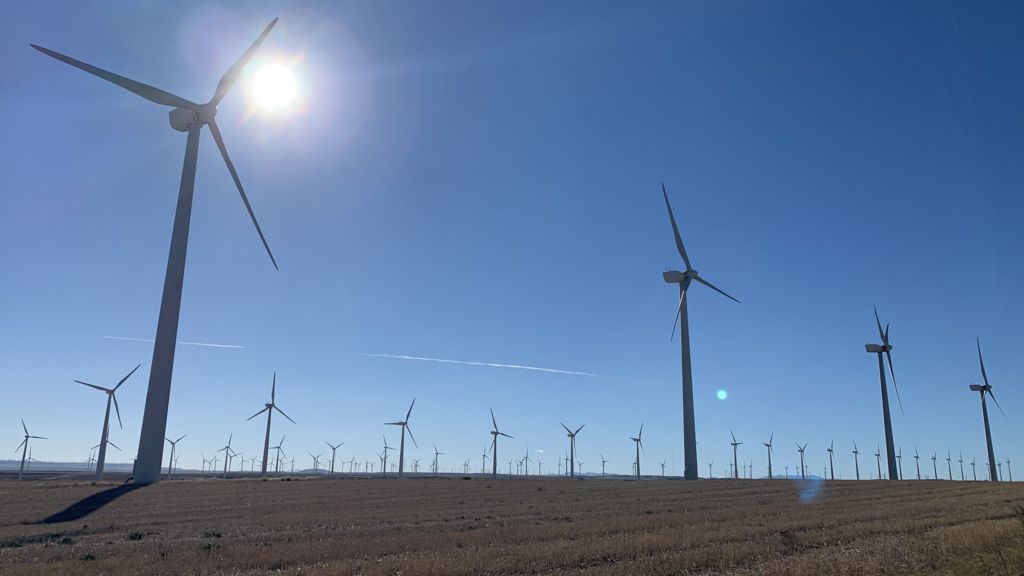
    In the windswept plains of Aragón, northeastern Spain, the sleepy town of Figueruelas has emerged as an emblematic symbol of the nation’s ambitious renewable energy transition. Towering wind turbines cast their shadows over the landscape, representing Spain’s remarkable achievement: over 57% of electricity now generated from wind and solar sources, nearly doubling the 2017 figure of just one-third.

    The region’s renewable abundance has attracted massive international investment, most notably a joint €4 billion venture between Chinese battery giant CATL and Dutch automaker Stellantis to construct a major electric vehicle battery manufacturing facility. Chinese Ambassador Yao Jing characterized this project as “one of the biggest Chinese investments Europe has ever seen.”

    Figueruelas Mayor Luis Bertol Moreno explains the strategic logic: “We’re in Aragón, where there’s wind all year round, there are lots of hours of sunshine, and we are surrounded by wind turbines and solar panels. Those energy sources will be crucial in generating electricity for the new factory.”

    However, Spain’s renewable energy model faces intense scrutiny following a significant blackout on April 28th that left millions without power across Spain and Portugal for several hours. The incident ignited fierce political debate, with conservative opposition leader Alberto Núñez Feijóo accusing the government of “fanaticism” in pursuing its green agenda and suggesting over-reliance on renewables might have caused the outage.

    National grid operator Red Eléctrica vehemently denies this connection. Concha Sánchez, head of operations, stated: “We have operated the system with higher renewable rates previously with no effect on the security of the system. Definitely it’s not a question of the rate of renewables at that moment.” She attributed the blackout to a combination of factors, including anomalous voltage oscillations from an “unknown event” in the system moments before the collapse.

    The incident has intensified discussion about Spain’s planned nuclear plant closures between 2027 and 2035, which would make the country an outlier in Europe where nuclear energy is experiencing a renaissance. Ignacio Araluce, president of industry association Foro Nuclear, argues that “It’s prudent to have a mix of renewables and nuclear energy” to ensure stability when weather conditions don’t favor solar or wind generation.

    Spain’s political landscape adds further uncertainty to its energy future. The Socialist-led coalition, which championed the aggressive renewable transition, has seen its parliamentary majority collapse amid corruption scandals, raising possibility of snap elections. Polls suggest a right-wing government would likely place less emphasis on renewables and advocate returning to more traditional energy sources.

    Despite these challenges, Spain continues its green transition with a target of 81% renewable electricity by 2030. For communities like Figueruelas, this means not just clean energy but economic revitalization—the town of 1,000 expects an influx of 2,000 Chinese workers for the battery factory construction and up to 35,000 indirect jobs once operational.

    As local resident Manuel Martín observes: “These kinds of investments revitalize the area, they revitalize the construction sector, hostelry. And the energy is free—it just depends on the sun and the wind.”

  • Nobel laureate Ales Bialiatski describes Belarus prison ordeal in first interview after release

    Nobel laureate Ales Bialiatski describes Belarus prison ordeal in first interview after release

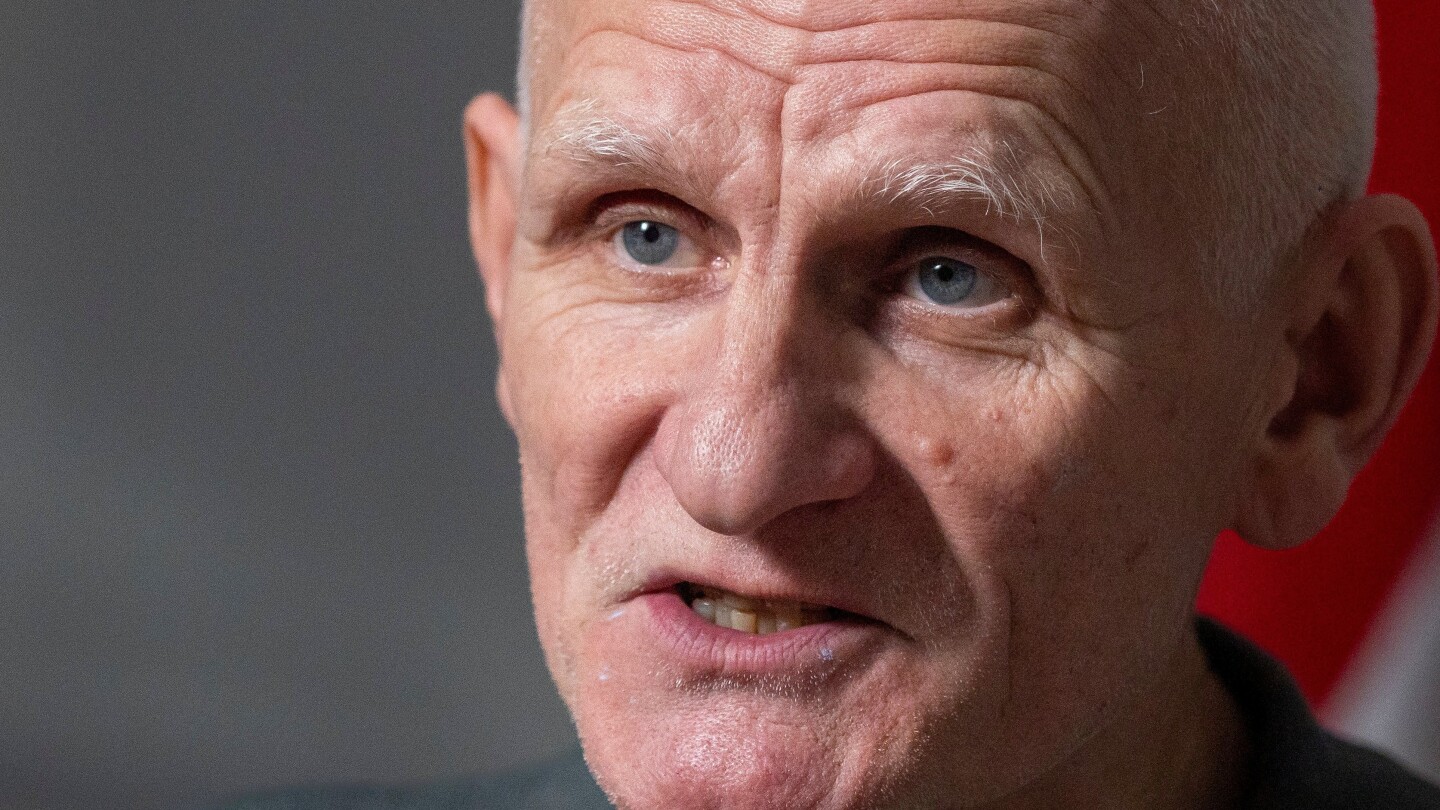
    VILNIUS, Lithuania — Nobel Peace Prize recipient Ales Bialiatski provided his first comprehensive account of imprisonment under Belarus’ authoritarian regime during an exclusive interview with The Associated Press on Sunday. The 63-year-old human rights advocate appeared visibly weakened following his sudden release from Penal Colony No. 9, where he had served over four years of a decade-long sentence.

    Bialiatski described severely inadequate medical facilities within the penal system, revealing that dental treatment consisted exclusively of tooth extractions. His unexpected liberation occurred Saturday when guards abruptly ordered him to pack his belongings while blindfolded. “When I crossed the border, it was as if I emerged from the bottom of the sea,” Bialiatski recounted, describing the emotional reunion with his wife in Vilnius after years of separation.

    The human rights leader was among 123 prisoners released through a diplomatic exchange that prompted the United States to lift sanctions on Belarus’ crucial potash industry. This development occurs amid Belarusian President Alexander Lukashenko’s efforts to ease Western isolation despite maintaining close ties with Russia and permitting Belarusian territory to facilitate Moscow’s invasion of Ukraine.

    While acknowledging his Nobel status provided protection from physical violence, Bialiatski detailed systematic psychological pressure including solitary confinement, arbitrary punishments for minor infractions, and restricted communication with family. He was classified as having “extremist tendencies” and forced to wear a yellow identification marker.

    The veteran activist expressed particular concern for approximately 1,110 political prisoners remaining in Belarusian detention, including colleagues from his Viasna Human Rights Center. He characterized the government’s approach as “schizophrenic,” noting that new detainees continuously replace those being released.

    Bialiatski intends to leverage his Nobel platform to advocate for democratic reforms, emphasizing that the award recognized broader Belarusian civil society rather than his individual achievements. He affirmed his continued work with Viasna, now operating from Vilnius after being forced into exile.

    The activist also connected Belarus’s political future to Ukraine’s resistance against Russian aggression, warning that Minsk’s growing dependence on Moscow threatens national sovereignty. Meanwhile, other released dissidents including Viktar Babaryka and Maria Kolesnikova similarly described disorienting transitions to freedom during appearances in Ukraine, where most freed prisoners were relocated.

  • Pope criticizes prison overcrowding during special Mass for inmates, guards and families

    Pope criticizes prison overcrowding during special Mass for inmates, guards and families

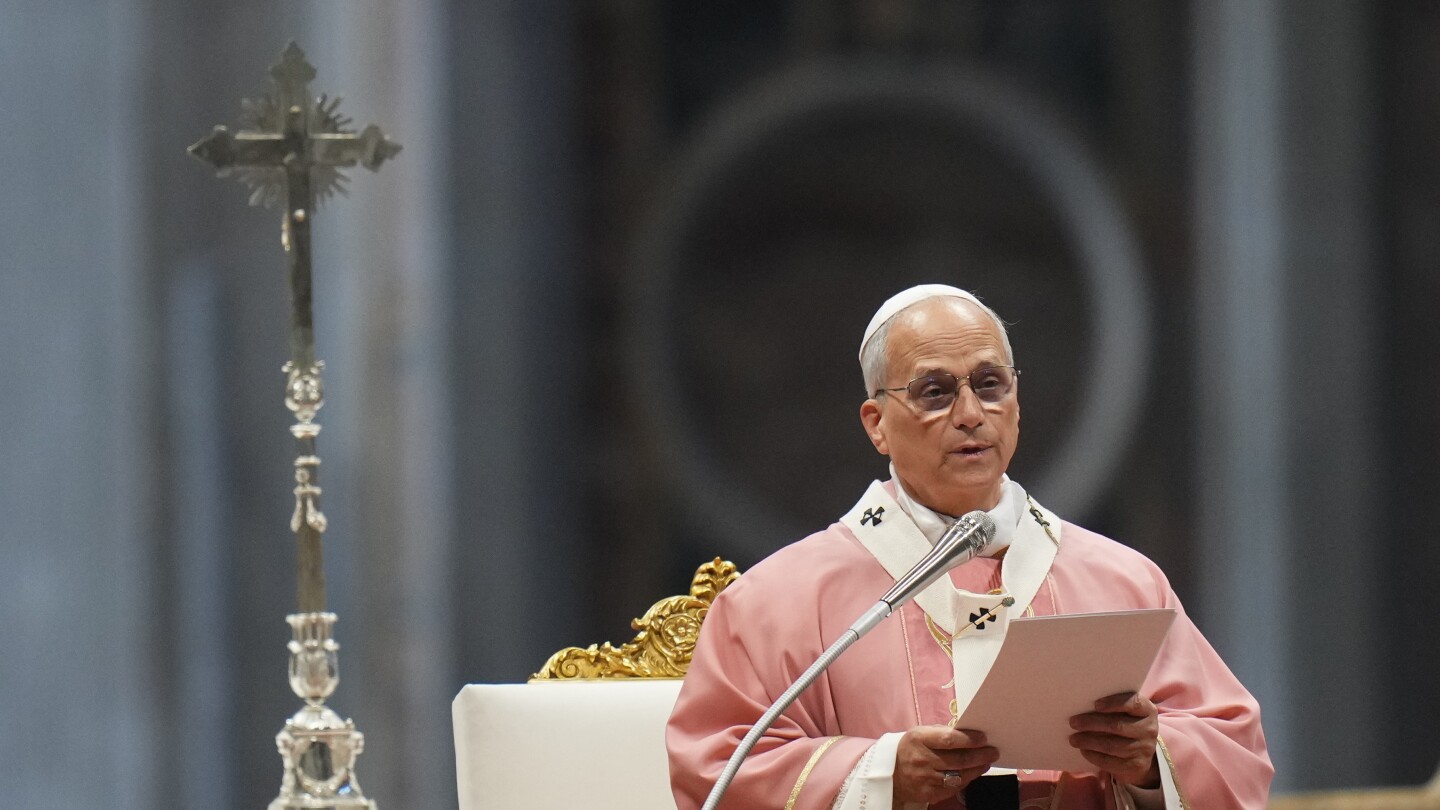
    In a powerful culmination of the Vatican’s 2025 Holy Year, Pope Leo XIV delivered a compelling critique of global prison conditions during a special Mass for detainees, correctional staff, and their families. The pontiff specifically highlighted two systemic failures: severe overcrowding in detention facilities and inadequate rehabilitation programs for inmates.

    Addressing an estimated 6,000 participants including prison volunteers, wardens, and chaplains from 90 countries, Pope Leo emphasized the universal challenge of maintaining human dignity within correctional systems. ‘We must acknowledge the persistent issues of overcrowding and insufficient commitment to stable educational programs for rehabilitation and job opportunities,’ he stated during his homily at the final major event of the Jubilee year.

    The Pope called for extraordinary levels of compassion and forgiveness, noting the profound personal struggles faced by both incarcerated individuals and those overseeing their detention. He specifically referenced the ‘weight of the past, wounds requiring physical and emotional healing, and the infinite patience needed when pursuing paths of personal transformation.’

    This event continued the prison ministry emphasis established by his predecessor, Pope Francis, who had visited Rome’s Rebibbia prison exactly one year earlier to inaugurate Holy Year celebrations. Pope Leo reiterated Francis’s appeal for governmental amnesties and pardons, a traditional element of Catholic Jubilee observance.

    The address carried particular significance in Italy, where prisons operate at 135% capacity according to data from Antigone, a prisoner advocacy organization. With over 63,000 individuals confined in facilities designed for fewer than 47,000, and reports of degrading treatment increasing by 23.4% in the past year, the Pope’s message resonated with urgent practical implications.

    The 2025 Holy Year, which began on Christmas Eve 2024 under Pope Francis’s leadership, will officially conclude on January 6th when Pope Leo closes the Holy Door of St. Peter’s Basilica, ending a period dedicated to offering hope to society’s marginalized members.

  • Zelenskyy offers to drop NATO bid for security guarantees but rejects US push to cede territory

    Zelenskyy offers to drop NATO bid for security guarantees but rejects US push to cede territory

    Ukrainian President Volodymyr Zelenskyy has signaled a significant shift in diplomatic strategy during high-stakes negotiations with U.S. envoys in Berlin. In a remarkable development, Zelenskyy expressed willingness to abandon Ukraine’s NATO membership aspirations if Western nations provide equivalent security guarantees—a concession aimed at preventing future Russian aggression.

    The Ukrainian leader met with Trump administration special envoy Steve Witkoff and presidential advisor Jared Kushner for five hours of intensive discussions, with German Chancellor Friedrich Merz participating alongside Ukrainian representatives. Prior to negotiations, Zelenskyy communicated via WhatsApp audio messages that since NATO membership had been effectively blocked by several Western nations, Kyiv now expects binding security assurances mirroring those afforded to alliance members.

    This potential compromise addresses one of Moscow’s primary security concerns that Russia cited as justification for its February 2022 invasion. However, Zelenskyy firmly rejected U.S.-proposed territorial concessions in the Donetsk region, dismissing suggestions of creating demilitarized economic zones as fundamentally unworkable and inequitable. The Ukrainian president challenged the logic of unilateral withdrawals, questioning why Russian forces wouldn’t be required to withdraw proportionally from occupied territories.

    Meanwhile, Kremlin advisor Yuri Ushakov indicated that Russian security forces would maintain presence in Donetsk even under potential peace arrangements, characterizing European contributions to peace proposals as ‘unlikely to be constructive.’ The diplomatic maneuvering occurs against a backdrop of intensified hostilities, with Ukraine reporting Russia launched over 1,500 strike drones and nearly 900 guided aerial bombs in the past week alone.

    European leaders reinforced their support, with French President Emmanuel Macron vowing France would ‘remain at Ukraine’s side to build a robust and lasting peace.’ Chancellor Merz issued stark warnings about Putin’s expansionist ambitions, suggesting the Russian leader seeks ‘a fundamental change to the borders in Europe’ and won’t stop if Ukraine falls.

    The U.S. delegation reported ‘a lot of progress was made’ during the talks, though significant obstacles remain regarding territorial control and security arrangements in eastern Ukraine.

  • Five arrested over plot to attack German Christmas market

    Five arrested over plot to attack German Christmas market

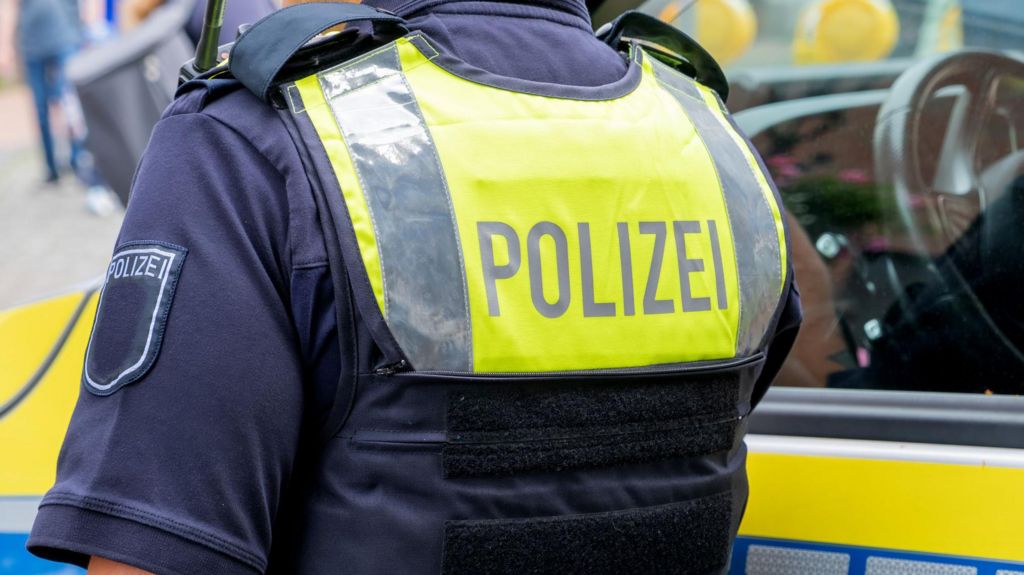
    German security forces have successfully intercepted a potentially devastating terrorist plot targeting a Christmas market in Bavaria, arresting five individuals with suspected Islamist motivations. The coordinated operation on Friday led to the detention of three Moroccan nationals (aged 22, 28, and 30), a 56-year-old Egyptian imam, and a 37-year-old Syrian accomplice.

    According to federal prosecutors, the Egyptian suspect allegedly masterminded the scheme by explicitly advocating for a vehicle-ramming attack designed to ‘maximize casualties.’ The three Moroccan suspects reportedly consented to execute the violent plan, while the Syrian national is accused of providing encouragement for the intended crime.

    Although authorities have not disclosed the specific timing or exact location of the planned assault, intelligence suggests the Dingolfing-Landau district northeast of Munich was the probable target. All five suspects faced judicial proceedings before a magistrate on Saturday and remain in preventive detention.

    Bavarian Interior Minister Joachim Herrmann praised the operation as exemplary of effective inter-agency cooperation, emphasizing how security services prevented what could have been a catastrophic attack. The incident highlights ongoing security concerns surrounding German Christmas markets, which attract substantial crowds and tourism during the holiday season.

    This thwarted plot follows previous Christmas market attacks, including last December’s tragedy in Magdeburg that claimed six lives and the devastating 2016 Berlin truck attack that killed twelve people. In response to these threats, German authorities have significantly enhanced security measures at public gatherings and festive events across the country.