标签: Europe

欧洲

  • Man arrested after €3.7m cocaine seizure

    Man arrested after €3.7m cocaine seizure

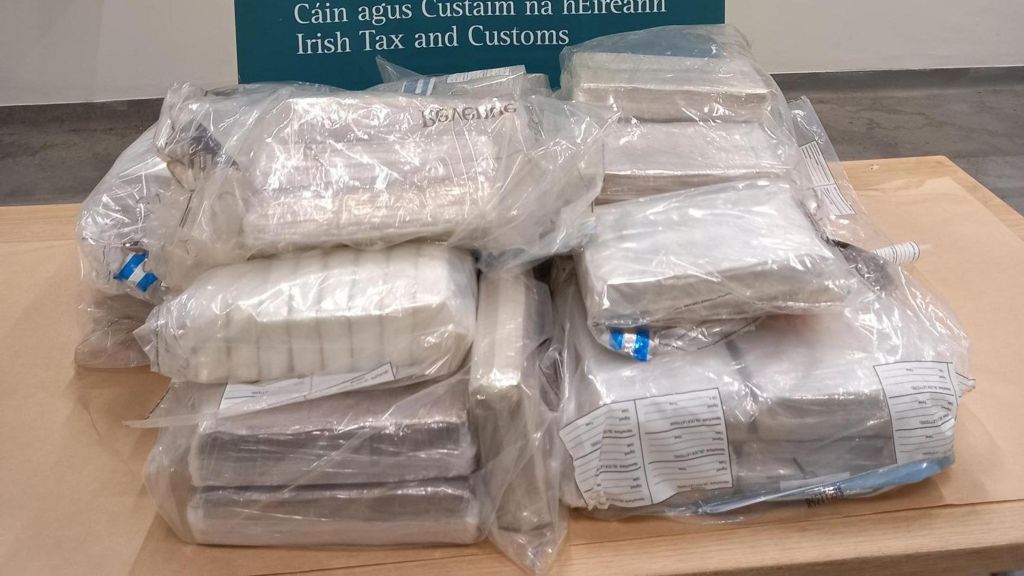
    Irish law enforcement has made a significant narcotics interception at Rosslare Europort in County Wexford, uncovering cocaine with an estimated street value of €3.7 million (£3.2 million). The substantial seizure occurred on Monday following a meticulously executed operation by An Garda Síochána, Ireland’s national police service.

    The discovery unfolded during a routine customs inspection of a freight unit that had recently disembarked from a ferry originating in France. Officers employed a multi-layered approach to screening, utilizing both advanced mobile X-ray scanning technology and a trained detector dog to examine the vehicle. This comprehensive search revealed a sophisticated concealment method, with the illicit substances expertly hidden within the truck’s exhaust system.

    The contraband, weighing over 53 kilograms (117 pounds), represents one of the major drug interdictions in the region this year. Following the discovery, authorities moved swiftly to apprehend a suspect described as a male in his forties. The individual remains in custody as investigations continue, with law enforcement exploring potential international connections to the smuggling attempt.

    This operation highlights the ongoing challenges faced by European authorities in combating transnational drug trafficking networks that exploit commercial shipping routes. The successful seizure demonstrates the effectiveness of coordinated efforts combining traditional policing methods with advanced technological resources at critical port entry points.
  • France races to avoid US-style government shutdown after budget talks collapse

    France races to avoid US-style government shutdown after budget talks collapse

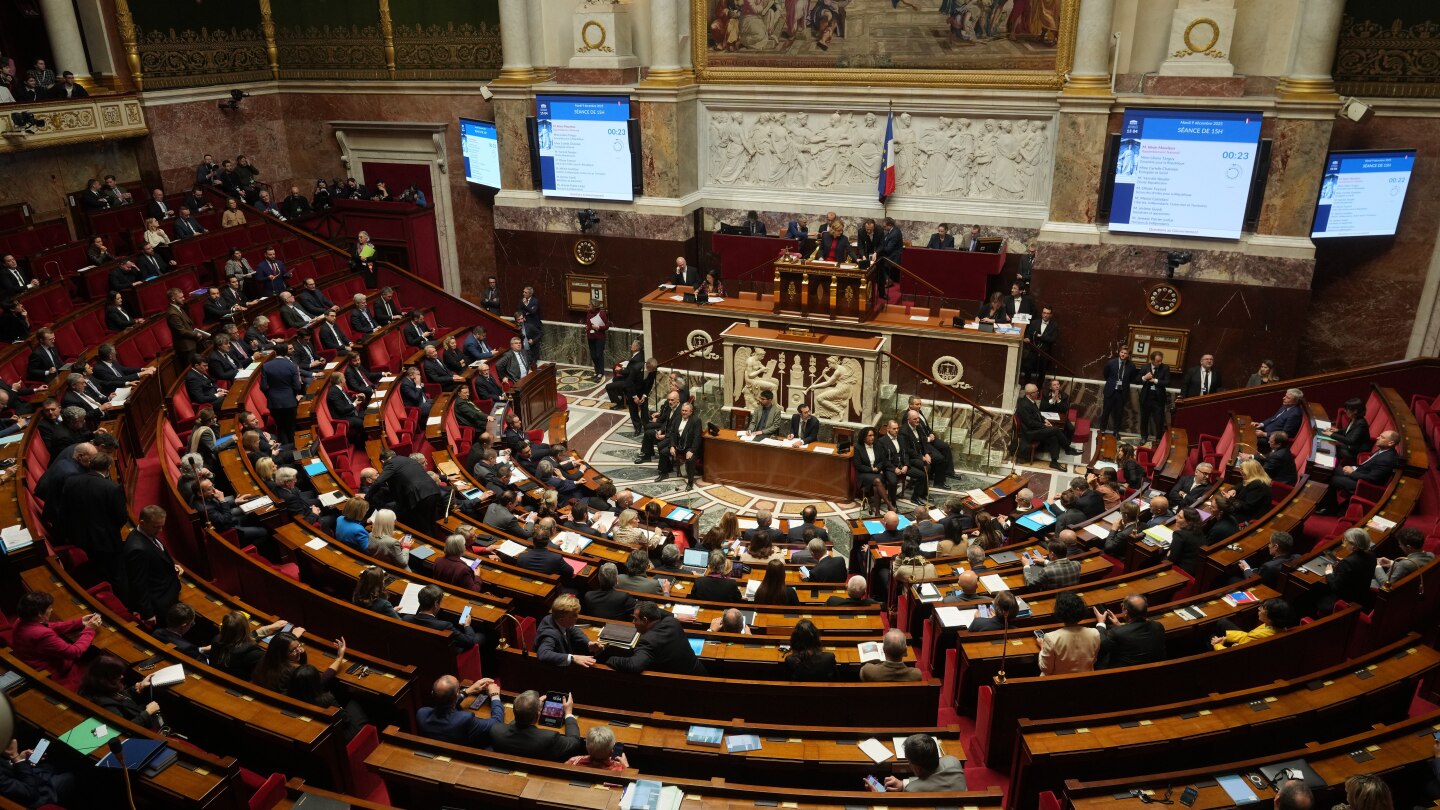
    The French parliament is engaged in urgent deliberations over emergency legislation designed to prevent a complete government shutdown, following the collapse of negotiations concerning the 2026 national budget. With merely days remaining before the new fiscal year commences, President Emmanuel Macron’s administration has proposed a stopgap measure to maintain essential public services and governmental operations.

    This provisional legislation, presented during a late Monday Cabinet meeting, seeks to guarantee the uninterrupted functioning of critical state services. Specifically, it would authorize continued tax collection and distribution of funds to local authorities based on 2025 budget allocations, thereby preventing administrative paralysis.

    The National Assembly, France’s dominant lower parliamentary chamber, has introduced several amendments to the draft law. Despite profound ideological divisions among the three primary political factions—Marine Le Pen’s far-right National Rally, left-wing opposition parties, and Macron’s centrist minority government—the bill is anticipated to secure passage in both legislative houses on Tuesday.

    Finance Minister Roland Lescure emphasized the urgency of the situation during a television interview, stating, “We require a definitive budget promptly to facilitate progress. The extended duration of temporary measures directly correlates with increased operational costs.”

    This emergency measure merely postpones the underlying budgetary confrontation. The Macron administration faces the formidable challenge of constructing a viable 2026 budget while addressing France’s substantial public deficit, which the government aims to reduce to 5% of GDP. This fiscal tightening occurs against a backdrop of political instability triggered by Macron’s contentious decision to call snap elections last year, which eroded investor confidence in the French economy.

    France’s characteristically high public expenditure—driven by comprehensive social welfare programs, healthcare systems, and education—combined with an insufficient tax revenue base, continues to present structural fiscal challenges. Prime Minister Sebastien Lecornu, who resigned and was subsequently reappointed this autumn, is scheduled to deliver a public address regarding the budgetary situation later Tuesday.

  • Croatian man sentenced to 50 years for killing 7-year-old student in school attack

    Croatian man sentenced to 50 years for killing 7-year-old student in school attack

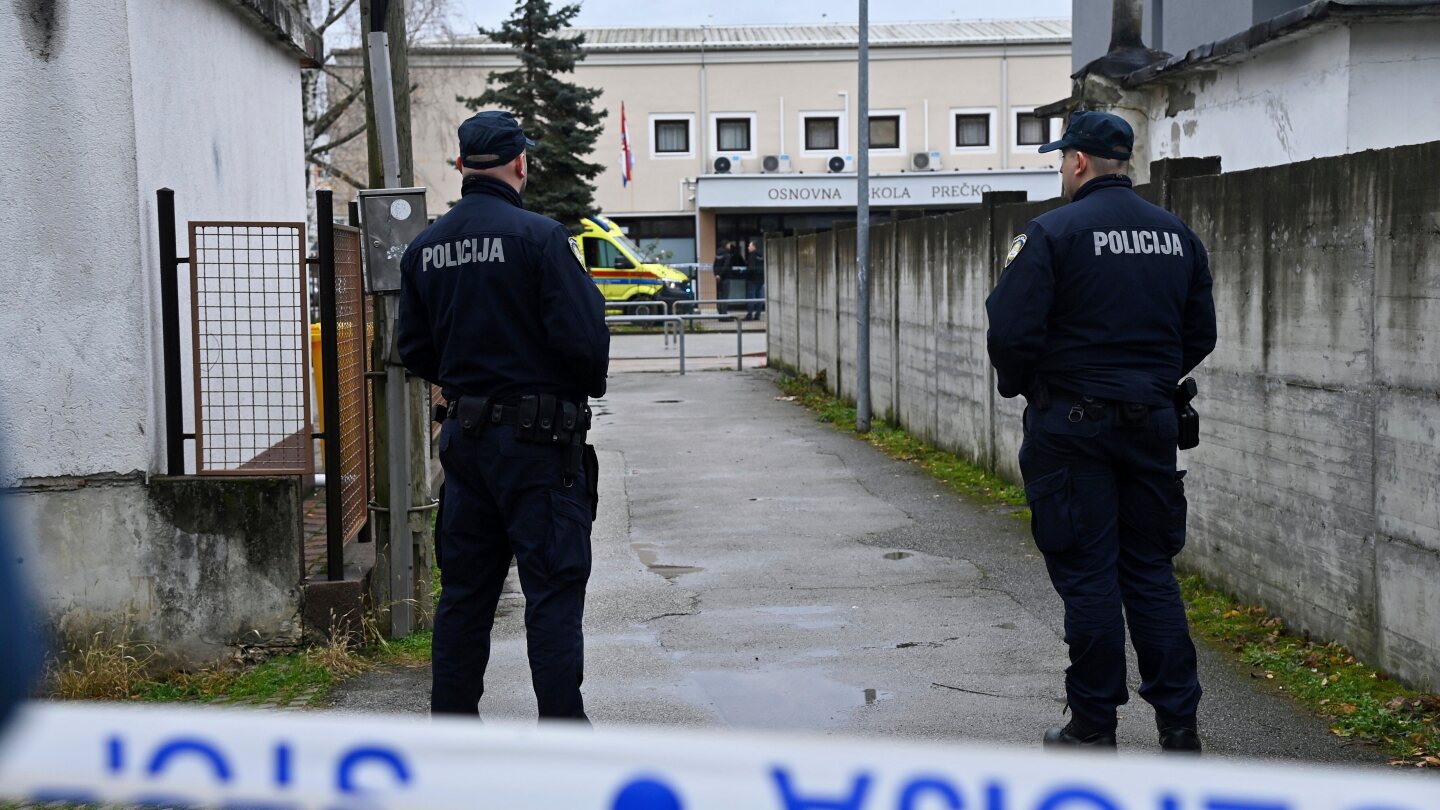
    A Croatian court has delivered a severe 50-year prison sentence to a 20-year-old man convicted of a fatal knife attack at an elementary school in Zagreb that resulted in the death of a 7-year-old student and injuries to three other children and a teacher.

    The County Court in Zagreb handed down the verdict on Tuesday against the assailant, identified only by his initials L.M., for the December 20, 2024 assault at Precko Elementary School. The attacker, who was 19 at the time of the incident, entered his former educational institution armed with a knife and targeted multiple victims before attempting to take his own life.

    According to investigative reports, the perpetrator had previously resided near the school premises. The institution serves children aged 7 to 15, typical of Croatia’s elementary education system.

    The judicial panel’s ruling remains subject to appeal procedures. Legal representative Kresimir Skarica, acting for the deceased victim’s family, characterized the verdict as anticipated while acknowledging the profound tragedy of the case. “There are no winners or losers in this case,” Skarica stated in comments reported by the Index news portal.

    This incident represents an exceptionally rare occurrence of school violence in Croatia, sending shockwaves throughout the European Union nation. The tragedy echoes similar regional trauma, notably the May 2023 school shooting in neighboring Serbia’s capital Belgrade where a teenage perpetrator killed nine students and a school security guard.

  • Major Russian drone and missile attack on Ukraine kills at least 3 people and cuts power

    Major Russian drone and missile attack on Ukraine kills at least 3 people and cuts power

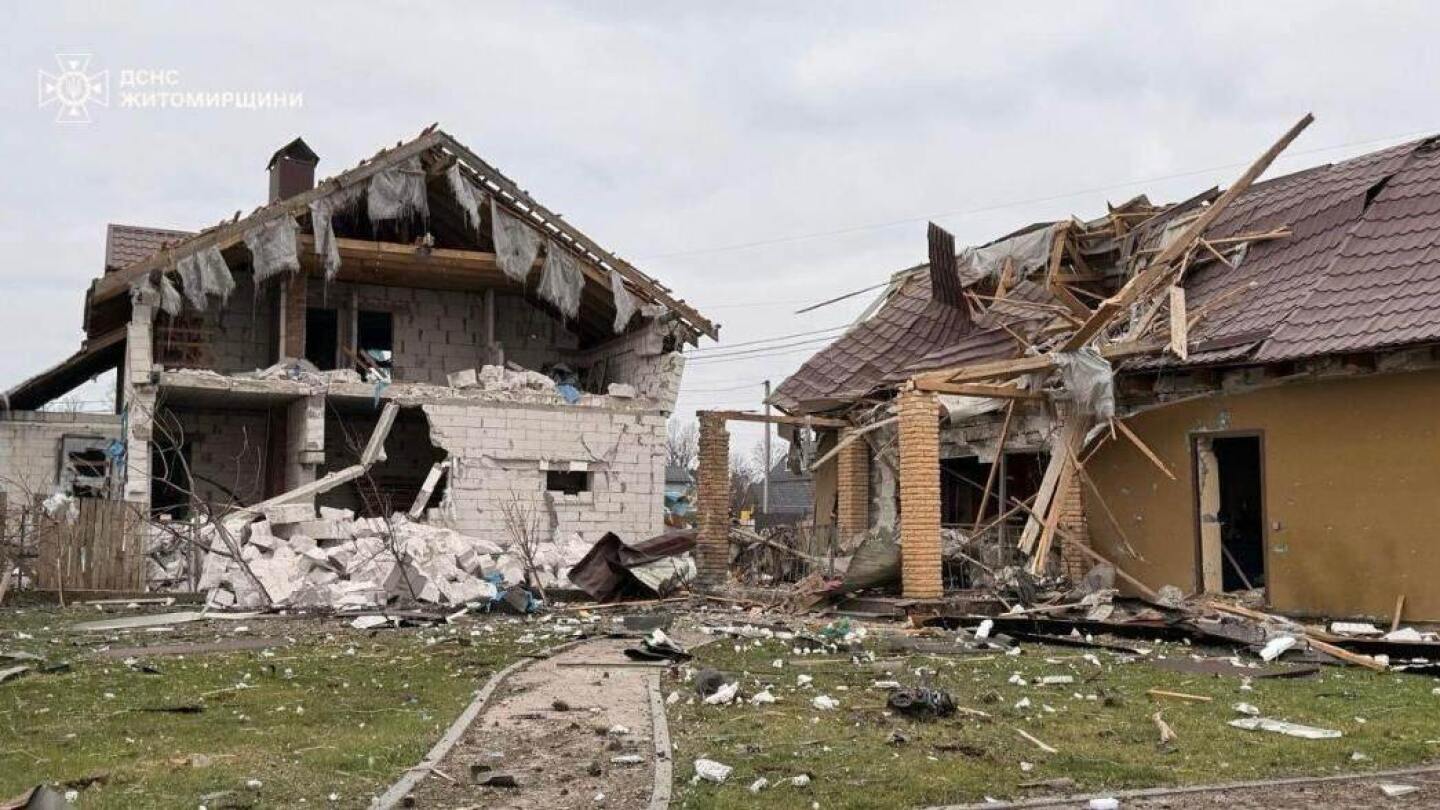
    In a devastating pre-Christmas offensive, Russian forces unleashed a massive barrage of 635 drones and 38 missiles across Ukraine, killing at least three civilians including a 4-year-old child. The large-scale attack, which began overnight and continued into daylight hours Tuesday, targeted civilian infrastructure across 13 regions, causing widespread power outages during bitter winter conditions.

    Ukrainian President Volodymyr Zelenskyy condemned the assault as a deliberate signal of Russia’s true intentions, coming just two days before Christmas and amid U.S.-led peace negotiations that he had previously described as showing ‘quite solid’ progress. The bombardment struck residential areas, energy facilities, and critical infrastructure, leaving multiple western regions without electricity and damaging over 120 homes in the Odesa region alone.

    According to Ukrainian defense reports, air interception systems successfully neutralized 587 drones and 34 missiles, though significant damage occurred to the country’s energy grid. This represents the ninth major Russian attack on Ukraine’s energy infrastructure this year, with private energy supplier DTEK reporting this as the seventh major strike on their facilities since October. The company’s thermal power plants have endured more than 220 attacks since the full-scale invasion began in February 2022, resulting in four worker fatalities and 59 injuries.

    The timing of the assault appears strategically significant, occurring alongside diplomatic efforts led by U.S. envoy Steve Witkoff, who characterized recent talks with Ukrainian and European representatives as ‘productive and constructive.’ President Zelenskyy interpreted the military escalation as Vladimir Putin’s explicit rejection of peaceful resolution, stating the attack demonstrated that Russia ‘cannot accept the fact that we must stop killing.’ Emergency services worked to restore power across affected regions as security conditions permitted, while international observers noted the stark contrast between diplomatic overtures and military actions on the ground.

  • ‘I don’t want our kids spending another Christmas in a crumbling home’

    ‘I don’t want our kids spending another Christmas in a crumbling home’

    Dozens of Irish families face their fourth consecutive Christmas in structurally compromised homes due to the nationwide defective concrete blocks crisis. The pervasive issue, primarily affecting counties Donegal, Clare, Limerick, Mayo, and Sligo, has rendered thousands of residences unsafe through progressive structural deterioration.

    The crisis stems from water-absorbing minerals like pyrite in construction materials, causing bricks to expand and crack irreparably. Many homes have reached such advanced decay that demolition remains the only viable solution, creating profound housing insecurity for affected residents.

    Kathrina Kirk of Letterkenny, County Donegal, exemplifies the human impact. She resides with her partner and two young sons in a three-bedroom end-terrace house featuring substantial wall fissures. ‘We’ve strategically placed decorations to conceal gaps and cracks,’ Kirk revealed. ‘The constant concern for our children’s safety and warmth dominates our daily existence.’

    Her family’s predicament highlights the bureaucratic Catch-22: homeowners cannot relocate without jeopardizing their eligibility for the government’s Defective Concrete Blocks Grant Scheme, which requires primary residence status.

    In County Mayo, Nicola Byrne and her neurodiverse family describe their home as a ‘financial black hole.’ After experiencing rodent infestations through compromised walls, which necessitated discarding furniture and children’s belongings, Byrne stated: ‘Our intended sanctuary has become a source of persistent anger and resentment.’

    Phil and Michelle Boulton of Letterkenny confront severe mold and dampness issues, with one room completely cordoned off. ‘Our entire life is suspended indefinitely,’ Phil expressed, noting their 2024 scheme application approval hasn’t translated into tangible progress.

    The Department of Housing acknowledges systemic shortcomings, with Minister James Browne recently presenting the Defective Concrete Blocks Amendment Bill 2025 to Parliament. Proposed amendments aim to establish ‘fairer, more practical, and more supportive’ remediation processes for distressed families.

    Despite the €420,000 per-home cap on government assistance, many households remain trapped in deteriorating structures, their holiday seasons overshadowed by structural uncertainty and bureaucratic delays.

  • Wildfire-hit town wins €468m in Spain’s Christmas lottery

    Wildfire-hit town wins €468m in Spain’s Christmas lottery

    In a remarkable turn of fortune, Spain’s famed Christmas lottery has brought transformative hope to northwestern regions recently ravaged by catastrophic wildfires. The El Gordo jackpot, distributing hundreds of millions of euros, primarily benefited residents of León province where devastating summer fires had previously wrought destruction.

    The small town of La Bañeza, with approximately 11,000 residents, emerged as a major beneficiary with collective winnings reaching €468 million. Among the celebrants were members of the local football club, whose community had endured the loss of 8,000 hectares to wildfires just four months prior, including the tragic death of 35-year-old Abel Ramos.

    Mayor Javier Carrera characterized the windfall as “an injection of excitement and hope” for a community that had also suffered from the recent closure of a sugar-beet factory resulting in significant job losses. The sentiment was echoed in neighboring Villablino, where residents received €200 million in lottery winnings. Mayor Mario Rivas acknowledged that while the money couldn’t compensate for the loss of lives in recent mining accidents, it represented welcome positive news.

    The winning tickets in Villablino were predominantly sold by a local Alzheimer’s association, adding institutional benefit to the individual windfalls. Additional substantial prizes were distributed in La Pola de Gordón (€60 million) and a working-class Madrid district (€64 million).

    Maribel Martín, a Villablino resident who won €400,000, described the community’s emotional state before the lottery: “We were really down.” She plans to “spread it around a bit and enjoy life” with her winnings.

    The northwestern regions of Spain, though accustomed to seasonal wildfires, experienced particularly severe blazes during record-breaking summer conditions. Firefighters battled enormous fires throughout August across León and neighboring Galicia, with 0.8% of the country’s total surface area burned during the summer crisis.

  • Russia escalates attacks on key Ukrainian region of Odesa

    Russia escalates attacks on key Ukrainian region of Odesa

    The southern Ukrainian region of Odesa has endured hundreds of targeted strikes over the past week, marking a significant escalation in Russia’s offensive strategy. Ukrainian officials report these systematic attacks have crippled power infrastructure for approximately 120,000 residents and caused substantial damage to critical maritime facilities.

    Ukrainian Deputy Prime Minister Oleksiy Kuleba characterized the assaults as calculated operations aimed at dismantling the region’s infrastructure. President Volodymyr Zelensky asserted these attacks represent a deliberate Russian campaign to blockade Ukraine’s maritime access, echoing Vladimir Putin’s December threats to sever Ukraine’s sea connectivity in retaliation for drone strikes on Russia’s sanctioned ‘shadow fleet’ tankers in the Black Sea.

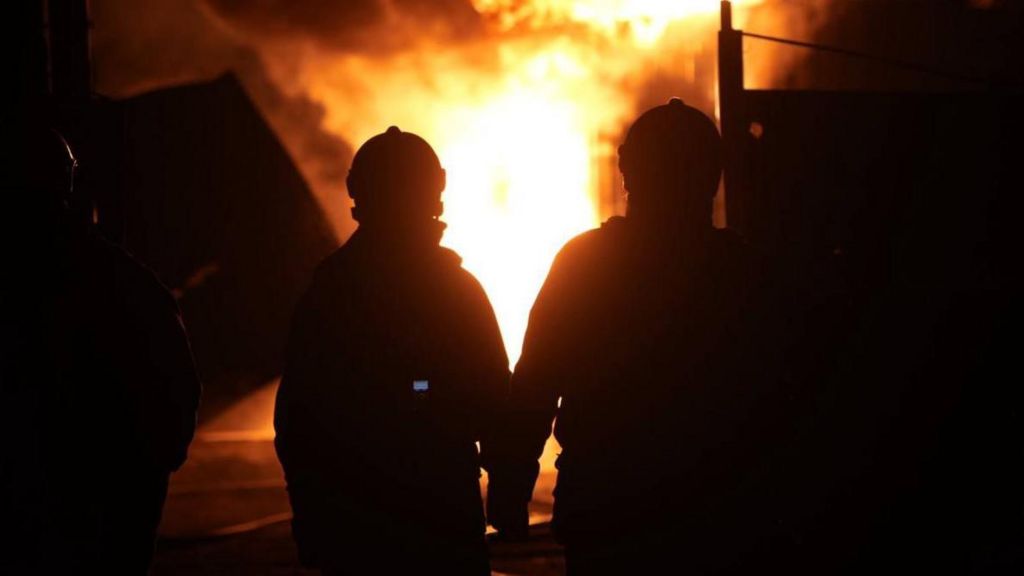
    The humanitarian and economic consequences have been severe. A Sunday night offensive triggered massive power outages and ignited a destructive fire at a major port facility, obliterating dozens of containers storing flour and vegetable oil. This incident follows a tragic ballistic missile strike on Pivdenniy port that claimed eight lives and wounded at least 30 individuals. Earlier attacks resulted in civilian casualties, including a woman killed while traveling with her three children, and damaged the sole bridge connecting Ukraine with Moldova.

    Odesa’s strategic significance cannot be overstated. As Ukraine’s third-largest city and primary remaining functional port, it serves as the nation’s economic lifeline. Since August 2023, it has operated as the launching point for a crucial grain export corridor navigating along Romanian and Bulgarian coastlines to Turkey. Despite ongoing conflict, Ukraine maintains its position as a top global exporter of wheat and corn.

    President Zelensky announced pending leadership changes with the selection of a new regional air force commander following the dismissal of Dmytro Karpenko. Meanwhile, diplomatic efforts continue to stall. Recent US-mediated talks in Miami between Ukrainian and Russian delegations produced optimistic statements but no tangible progress toward ending the nearly four-year conflict.

    The diplomatic divide remains profound. While US Special Envoy Steve Witkoff discussed aligning positions on Ukraine’s 20-point peace proposal, Kremlin officials immediately dismissed European and Ukrainian modifications to peace terms. Russian Deputy Foreign Minister Sergei Ryabkov accused EU nations of actively sabotaging potential Russia-US agreements, alleging European leaders suffer from ‘maniacal’ fears of Russian aggression—concerns Moscow has repeatedly offered to address through written security guarantees.

  • A car crashes into a bus stop in Germany and injures 3 people

    A car crashes into a bus stop in Germany and injures 3 people

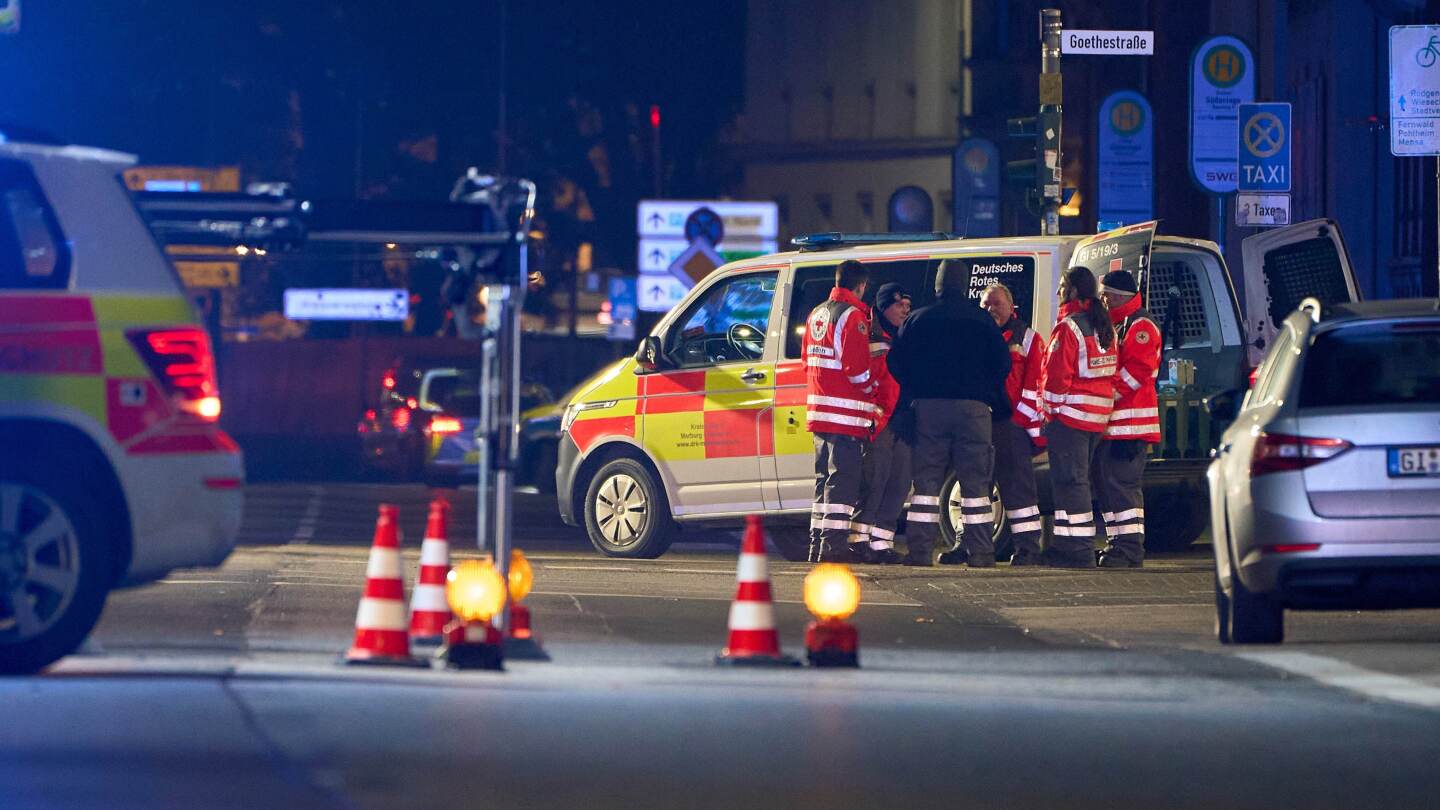
    A traffic incident in the central German town of Giessen resulted in multiple injuries on Monday when a motorist collided with vehicles before crashing into a bus shelter. Local authorities confirmed three pedestrians sustained injuries, including one individual who suffered serious harm requiring immediate medical attention.

    The Giessen Police Department identified the driver as a 32-year-old Azerbaijani national residing locally. Preliminary reports indicate the suspect initially sideswiped two automobiles traveling in the same direction before veering into the bus stop area. Following the impact with pedestrians, the driver continued operating his Audi vehicle for a short distance before ultimately stopping and being apprehended by responding officers.

    Law enforcement officials emphasized that the precise sequence of events and contributing factors remain under active investigation. “The exact circumstances of the incident are currently unknown,” police stated in an official release, noting that forensic analysis and witness interviews are ongoing. The suspect remains in custody as authorities work to determine whether mechanical failure, medical emergency, or other factors precipitated the collision.

    The incident occurred approximately 53 kilometers north of Frankfurt in a region with typically moderate traffic density. Emergency services responded promptly to secure the area and transport the injured to medical facilities. No additional information regarding the victims’ conditions or potential charges against the driver has been disclosed pending further investigation.

  • Trump’s appointment of Greenland envoy sparks fresh row with Denmark

    Trump’s appointment of Greenland envoy sparks fresh row with Denmark

    A fresh diplomatic controversy has erupted between the United States and Denmark following former President Donald Trump’s unexpected appointment of a special envoy to Greenland. The move, perceived by Copenhagen as a significant breach of diplomatic protocol, has reignited tensions stemming from Trump’s earlier expressed interest in purchasing the autonomous Danish territory.

    According to analysis by the BBC’s diplomatic correspondent James Landale, the appointment represents an unconventional approach to foreign policy that has shaken the foundation of U.S.-Denmark relations. The envoy appointment effectively treats Greenland as an independent entity rather than acknowledging its constitutional status as part of the Kingdom of Denmark, creating what Danish officials view as an inappropriate parallel diplomatic channel.

    The development recalls Trump’s 2019 proposal to acquire Greenland, which Denmark’s Prime Minister Mette Frederiksen at the time dismissed as “absurd,” leading to the cancellation of a planned presidential visit. While the current administration has not reiterated the purchase concept, the envoy appointment suggests continued unusual interest in the strategically significant Arctic territory.

    Greenland itself possesses substantial mineral resources and growing geopolitical importance due to climate-change expanded Arctic shipping routes. The appointment signals that Greenland remains a focus of American strategic attention regardless of diplomatic conventions, potentially complicating future relations with both Denmark and Greenland’s autonomous government.

  • Banksy unveils new art in London following speculation over murals depicting stargazing figures

    Banksy unveils new art in London following speculation over murals depicting stargazing figures

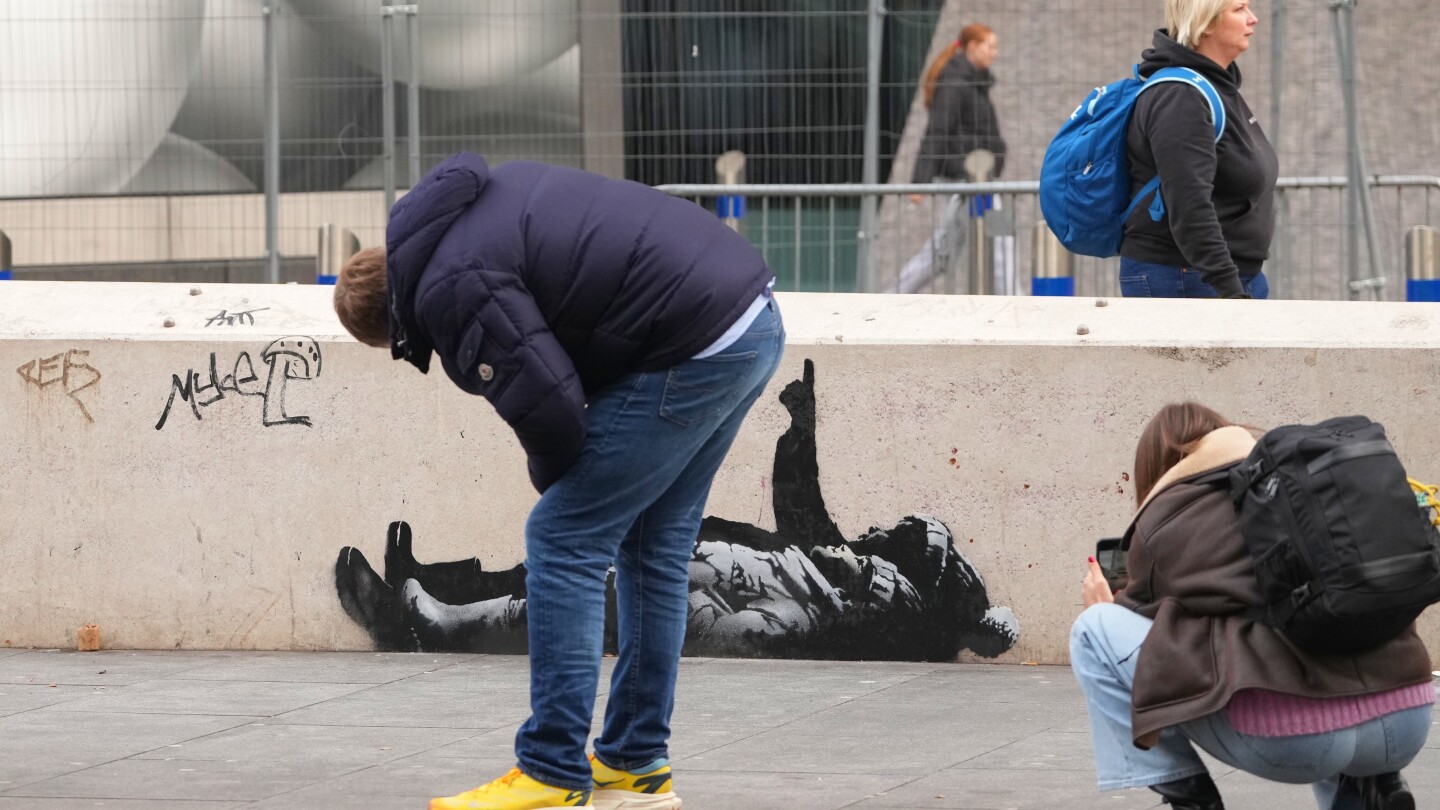
    The enigmatic street artist Banksy has officially authenticated a striking new mural in London’s Bayswater district, ending widespread speculation about its origins. The confirmation came through the artist’s official Instagram account on Monday, where two photographs of the artwork were posted shortly after its unexpected appearance on a building wall.

    The monochromatic piece, positioned above a garage, portrays two children wearing winter attire lying on the ground while pointing toward the sky. This composition marks a departure from Banksy’s typically overt political commentary, presenting instead a more ambiguous narrative open to interpretation.

    Interestingly, an identical image emerged simultaneously at the base of a central London tower, though the artist chose not to feature this version on his social media platform. This dual presentation suggests a coordinated artistic strategy characteristic of Banksy’s carefully orchestrated public interventions.

    The Bristol-born artist, who began his career spray-painting local buildings, has evolved into a globally recognized phenomenon whose works command millions at auction houses. This commercial success has unfortunately attracted thieves and vandals, creating ongoing challenges for property owners and art conservators.

    This latest installation contrasts with Banksy’s September piece that depicted a judge menacing an unarmed protester—a work that authorities swiftly removed from the Royal Courts of Justice due to its historical significance. The new mural’s less explicitly political nature demonstrates the artist’s continuing evolution and capacity for surprise within the urban art landscape.