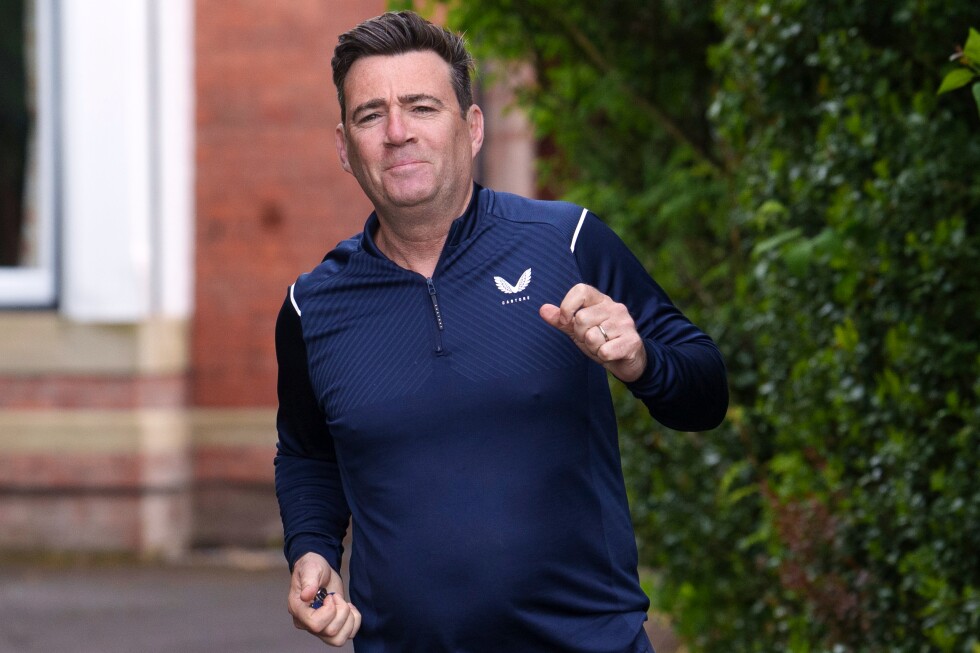
LONDON — Just two years after securing a historic landslide general election victory, British Prime Minister Keir Starmer finds himself fighting to save his job, grappling with an unprecedented internal rebellion triggered by the Labour Party’s catastrophic performance in the May 7 local and regional elections. On Monday, Starmer rallied party staff at Labour’s London headquarters, seeking to shore up his crumbling support amid growing calls for his resignation from dozens of sitting party members.
标签: Europe
欧洲
-
Man’s conviction quashed for 2018 murder in County Louth
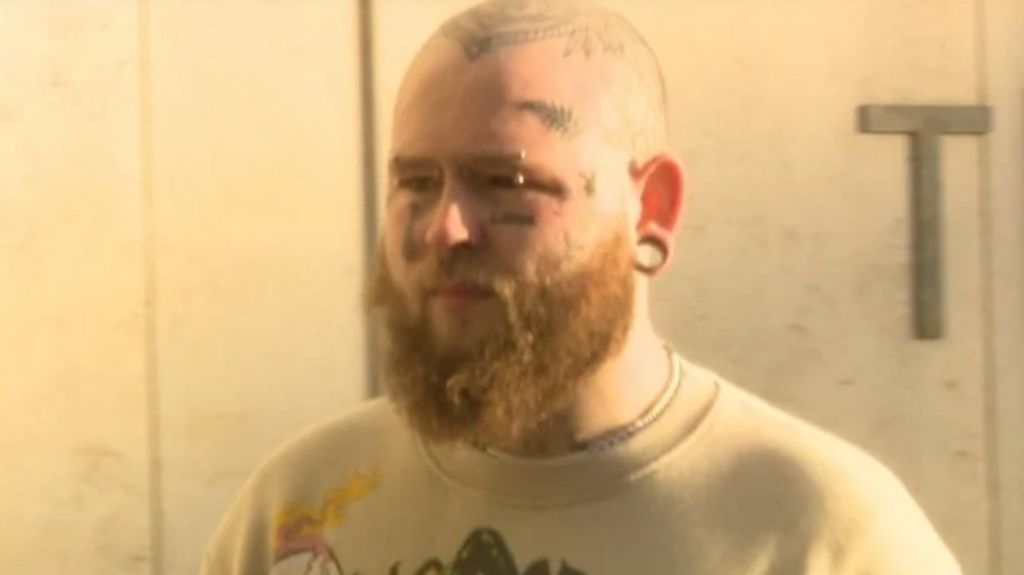
In a landmark judgment delivered Monday, Ireland’s Court of Appeal has overturned the murder conviction of Aaron Connolly, who had served more than three years of a life sentence for the 2018 killing of 18-year-old hospitality student Cameron Reilly.
The case dates back to the late hours of May 25, 2018, when a group of roughly 15 young people gathered in an open field on the outskirts of Dunleer, County Louth for a casual night out. Some members of the group consumed alcohol and cannabis, though Reilly’s closest friend testified the teenager never used drugs. Shortly after midnight, the group left the field to collect takeaway food, but Reilly did not return with them. The next morning, a local man walking his dog discovered Reilly’s body in the field.
Chief State Pathologist Dr Linda Mulligan confirmed the victim’s cause of death was asphyxiation caused by external pressure to the neck, with no other contributing factors. Connolly, now 26, from Willistown, Drumcar, has always maintained his innocence in the killing. In his initial statements to Gardaí (Irish national police), he told investigators he was heterosexual and denied any sexual contact had occurred between him and Reilly on the night of the death, adding that the pair went separate directions at the end of the night and he did not check which route Reilly took. He also claimed he could not account for a ‘missing hour’ that night, saying a mix of drugs had caused him to black out.
Midway through his original trial in December 2022, Connolly admitted through his legal team under Section 22 of Ireland’s 1984 Criminal Justice Act that sexual activity had occurred between the two men that night, and stated Reilly was alive and standing when he left the field. The provision means such admissions count as conclusive evidence of the facts admitted, eliminating the need for the prosecution to call witnesses to prove those details. He was ultimately found guilty of murder and sentenced to life in prison.
Connolly’s legal team launched an appeal against the conviction in June 2023, arguing that trial judge Mr Justice Tony Hunt had unfairly undermined the defence’s case. Counsel Michael Bowman SC told the three-judge appellate panel that Hunt had reduced the defence’s argument to an unfair framing of a stranger attacker, repeatedly denigrated the defence’s position, overstepped by criticizing the defence’s handling of prosecution witnesses, and misrepresented how Connolly’s mid-trial admissions should be interpreted by the jury.
Delivering the Court of Appeal’s ruling, Mr Justice John Edwards acknowledged that Hunt provided juries with technically correct, ‘impeccable instructions’ on the applicable legal principles for the case. However, Edwards found that the stridency and repeated emphasis of Hunt’s comments during his jury charge created a real risk that jurors believed the judge was personally convinced of Connolly’s guilt and was implicitly pressuring them to return a guilty verdict. Edwards added that some of Hunt’s comments could be reasonably perceived as disparaging and mocking of the defence’s arguments.
‘He did over and over again, and with great insistency, seek to make clear to the jury that he had strong personal views on certain aspects of the case,’ Edwards wrote in the judgment. The court also confirmed it found no evidence the trial judge intentionally acted improperly, noting he had attempted to avoid bias despite falling short of the required standard of impartiality.
The appellate court has formally quashed Connolly’s conviction. The final next step in the case now falls to the Director of Public Prosecutions, who will decide whether to seek a retrial against Connolly.
-
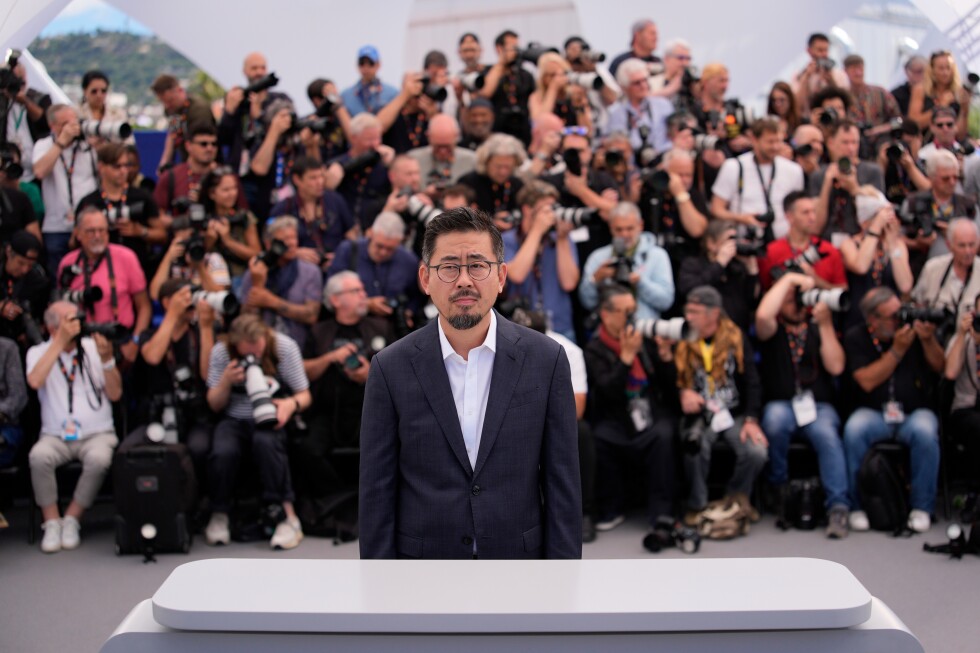
The breathless Korean sci-fi monster movie ‘Hope’ leaves the Cannes Film Festival floored
CANNES, France — Big-budget, alien-centered action blockbusters rarely earn a spot in the official competition for the Cannes Film Festival’s most coveted honor, the Palme d’Or. But South Korean filmmaker Na Hong-jin’s latest project, ‘Hope,’ is far from an ordinary sci-fi feature. A decade in the making, it emerged as one of the most hotly anticipated premieres of this year’s festival, marking the director’s first release since his critically celebrated 2016 thriller *The Wailing*. While other iconic Korean genre filmmakers like Bong Joon Ho have already cemented worldwide fame, many global film lovers have long argued Na is overdue for the widespread international acclaim that only a high-profile Cannes debut can deliver.
-

Greenland’s prime minister tells Trump’s envoy self-determination cannot be negotiated
NUUK, Greenland – In a recent high-level diplomatic encounter held in Greenland’s capital, the Arctic territory’s top leader has drawn a clear line in the sand on sovereignty, even as he described a cordial, constructive meeting with a special representative from former U.S. President Donald Trump. Greenlandic Prime Minister Jens-Frederik Nielsen told reporters Monday that his courtesy meeting with U.S. envoy Jeff Landry, the sitting governor of Louisiana, unfolded in a respectful, positive atmosphere – but left no ambiguity about Greenland’s long-held position on self-governance.
-
Prince William’s Duchy of Cornwall to sell 20% of property portfolio to fund housing, green projects
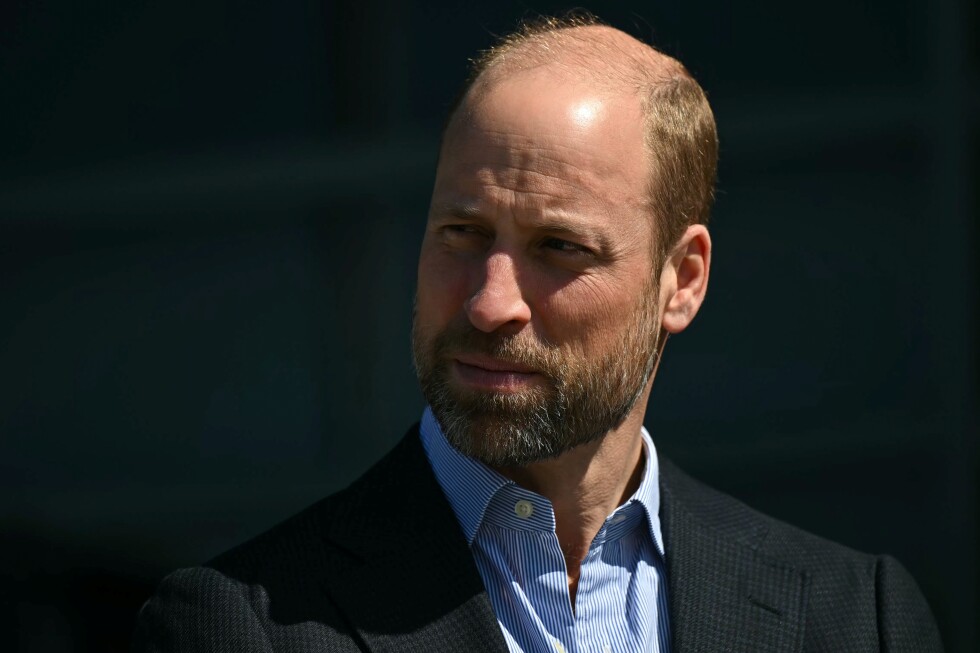
LONDON – In a strategic shift that aligns with growing public demands for greater accountability from Britain’s royal household, Prince William’s Duchy of Cornwall has announced plans to divest roughly 20% of its £1 billion ($1.3 billion) property portfolio over the next 10 years. The proceeds from the land sales will be redirected toward large-scale initiatives including the construction of thousands of new homes, expanded renewable energy generation, and targeted wildlife restoration projects across the region.
The 14th-century estate, established specifically to generate independent income for the holder of the title Prince of Wales, currently holds more than 52,000 hectares of land spread across 19 English counties. Duchy Chief Executive Will Bax shared the details of the long-term plan in an interview with The Times of London, published Monday, confirming the move builds on a broader strategic direction first outlined in the duchy’s most recent annual report: consolidating its scattered, far-flung landholdings and refocusing investments on projects that deliver environmental and social public benefit.
Bax emphasized that Prince William has guided a fundamental reorientation of the duchy’s core mission. “William has decided that the duchy shouldn’t just exist to own land,” Bax told the outlet. “It should first and foremost exist to have a positive impact on the world.”Under the new plan, the duchy will center its future holdings around five concentrated “heartland” regions: the Isles of Scilly, Cornwall, Dartmoor, the Bath area (all in southwest England), and London’s Kennington district. Bax confirmed that the sales are projected to free up roughly £500 million for targeted investment in the new priority projects: affordable and market housing development, expanded clean energy infrastructure, and ecological restoration work.
The Duchy of Cornwall’s annual profits fund the public and private activities of the current Prince of Wales, his wife Princess Catherine, and their three children. In the 2024-2025 financial year ending March 31, the duchy reported a net profit of £22.9 million. While the sitting Prince of Wales receives the estate’s operating profits, strict governance rules prevent him from selling duchy assets for personal gain. A independent board of directors oversees all duchy activities, tasked with preserving the estate’s value for future holders of the title, and all large property transactions require formal approval from the UK government to protect the long-term integrity of the assets.
This strategic overhaul comes at a time when the British monarchy as an institution, and the Duchy of Cornwall in particular, faces mounting public and political pressure to increase transparency around its finances and demonstrate clear public value for the privileges it holds under UK law.
-

Man in 60s dies following tractor crash
A fatal single-vehicle tractor crash in County Leitrim, Republic of Ireland, has claimed the life of a man in his 60s, local law enforcement confirmed. The tragic incident unfolded shortly before 11:00 p.m. local time on Sunday, close to the village of Drumcong on the L3355 route, near Mullaghycullen. First responders confirmed that the driver was pronounced dead at the crash site immediately after the accident. Gardaí, Ireland’s national police service, have implemented emergency traffic measures following the collision. The affected stretch of road has been shut down to all traffic, with clearly marked diversion routes put in place to redirect motorists around the closure. The area is now preserved as an active investigation scene, which will be thoroughly examined by specialist Gardaí forensic collision investigators to determine the exact cause of the crash. In a public appeal for information, Gardaí have asked any member of the public who was traveling in the area around the time of the incident and has relevant dash-cam or other security camera footage to come forward to assist with the investigation. No other vehicles are reported to have been involved in the collision, and no further injuries have been recorded as of the latest update.
-

Fermín López set to miss the World Cup for Spain after fracturing foot
BARCELONA, Spain – Emerging Spanish soccer star Fermín López will miss the upcoming June World Cup match after sustaining a fifth metatarsal fracture in his right foot during Barcelona’s Spanish league fixture over the weekend, the Catalan club confirmed Monday. The 23-year-old midfielder, who enjoyed a breakout 2024 with major international titles, picked up the injury during Sunday’s match against Real Betis. Per Barcelona’s official statement, López is scheduled to undergo surgical intervention to repair the broken bone, though the club has not released a formal timeline for his recovery and return to full training. While no official recovery projection was shared, multiple football sources confirm the rising talent will not be fit in time to join La Roja for their opening 2026 World Cup qualifying fixture against Cape Verde, slated for June 15 in Atlanta, Georgia. López’s absence comes as a major blow to Spanish soccer, just months after he enjoyed a historic run of success at the international level. The young midfielder was a key member of Spain’s senior squad that claimed the 2024 European Championship title, and later anchored the country’s under-23 Olympic side to a gold medal finish at the 2024 Paris Games. López delivered a stunning offensive performance at the Olympics, netting six total goals across the tournament – including a brace in the gold medal match against host nation France that cemented his status as one of the most exciting young prospects in European soccer.
-
FIFA signs another World Cup sponsor deal with the gambling industry
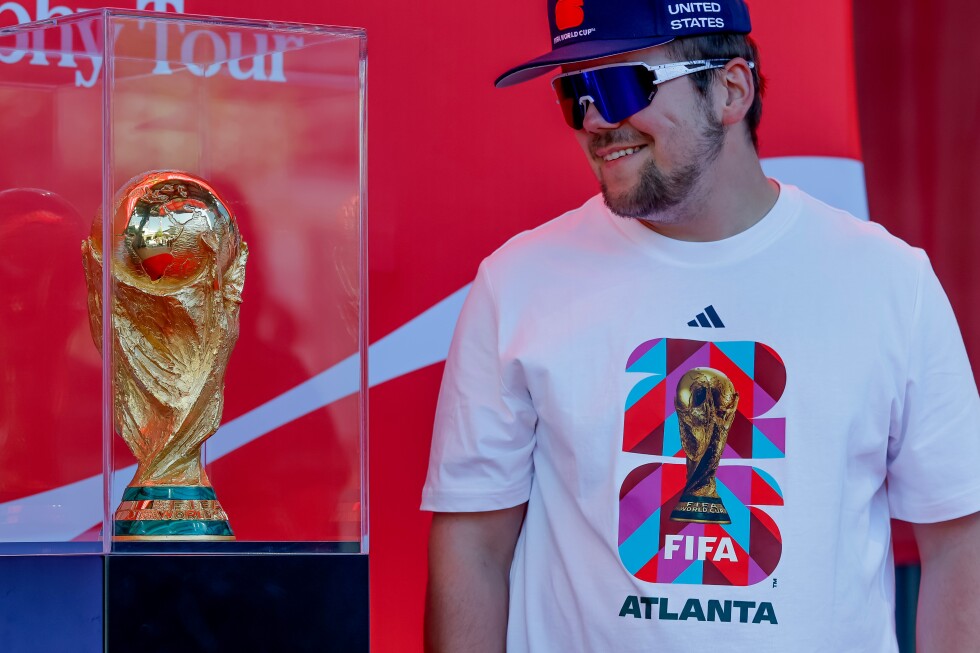
GENEVA – International soccer governing body FIFA has expanded its commercial partnership portfolio for the 2026 men’s World Cup, announcing a new regional sponsorship agreement with Greece-based betting operator Betano on Monday. The deal covers markets across Europe and South America, marking a deepening of the ties between the global tournament organizer and the gambling industry that has raised quiet scrutiny amid the body’s own internal ethical rules.
This partnership is not Betano’s first collaboration with FIFA. Four years ago, ahead of the 2022 Qatar World Cup, the betting brand’s parent company Kaizen Gaming signed a Europe-exclusive sponsorship deal, making Betano the first betting sponsor in the tournament’s history. Financial details of the new 2026 agreement have not been publicly disclosed by either party.
The 2026 World Cup, which will kick off June 11 across 16 host cities in the United States, Canada, and Mexico, will feature an expanded 104-match format — the largest in tournament history. In a prepared statement announcing the new deal, FIFA Chief Business Officer Romy Gai praised the existing partnership with Betano, highlighting what he called the brand’s “genuine commitment to sporting integrity.”
“Since we first partnered with Betano four years ago, we have seen a genuine commitment to sporting integrity, bringing fans closer to our game and finding new, engaging ways to entertain them,” Gai said.
The Betano agreement is the third major deal tying FIFA to the gambling and betting sector this year alone, as the governing body builds toward a tournament that is projected to generate more than $11 billion in total revenue for FIFA.
Last month, FIFA added ADI Predictstreet, a newly launched predictions and gambling platform, as a top-tier global partner for the 2026 tournament. Norwegian sports magazine Josimar reported that the deal is valued at approximately $150 million. The outlet also noted that the Abu Dhabi-backed company was founded just one week before securing the partnership, and received a gambling license from the British overseas territory of Gibraltar only one day after its incorporation.
Earlier this year in January, FIFA announced a separate data and streaming agreement with sports data provider Stats Perform. The deal grants selected online betting operators rights to livestream matches from the 2026 World Cup, and also gives Stats Perform exclusive betting-related rights to stream thousands of additional matches from FIFA-organized and national federation events around the world.
The expansion of gambling industry sponsorships comes despite a clear provision in FIFA’s own code of ethics, which formally prohibits all players, match officials, and agent representatives from participating “either directly or indirectly, in betting, gambling, lotteries or similar events or transactions related to football matches or competitions.”
Beyond its FIFA partnership, Betano has built a prominent footprint across top European soccer competitions this year. The brand is also an official sponsor of UEFA’s 2024 men’s European Championship, holds sponsorship rights for the UEFA Europa League, and features its branding on the match kit of English Premier League side Aston Villa, which will compete in the 2023-24 Europa League final this Wednesday.
-

Shakira wins £50m tax refund from Spanish government
After nearly a decade of high-stakes legal conflict that upended the global superstar’s personal and public life, a Spanish national high court has delivered a landmark ruling ordering the country’s tax agency to return €55 million ($64 million) to Colombian singing icon Shakira, finding the sum was wrongfully seized amid a years-long disagreement over her 2011 tax status.
The Grammy-winning artist, famous for decades of global hits including *Hips Don’t Lie*, *Waka Waka* and *Whenever, Wherever*, has consistently maintained she never committed tax fraud. The court’s ruling backed her core argument: tax officials failed to provide sufficient evidence that Shakira spent the 183 days required to qualify as a Spanish tax resident during the 2011 fiscal year. Judicial calculations put her total time in Spain that year at just 163 days, 20 days below the legal threshold for mandatory personal income tax obligations for residents.
The €55 million repayment order includes roughly €24 million in improperly collected income tax and €25 million in unlawful fines that authorities had issued labeling the case a “very serious” infringement. The court explicitly struck down the fines, noting they were rooted in the unproven assumption that Spain was Shakira’s primary tax residence in 2011.
In an emotional public statement following the ruling, Shakira said the court had “finally set the record straight” after eight years of what she described as “brutal public targeting, orchestrated campaigns to destroy my reputation, and sleepless nights that ultimately impacted my health and my family’s well-being.”
“There was never any fraud, and the Administration itself could never prove otherwise, simply because it wasn’t true,” she said. “Yet, for nearly a decade, I was treated as guilty. Every step of the process was leaked, distorted, and amplified, using my name and public image to send a threatening message to the rest of the taxpayers. Today, that narrative crumbles, and it does so with the full force of a court ruling.”
The singer dedicated her legal victory to “thousands of ordinary citizens” who face similar pressure to prove their innocence in tax disputes, often at the cost of “economic and emotional ruin.” Writing for Spanish daily *El Mundo* in 2024, the 49-year-old artist compared the ongoing tax investigations against her to an “inquisition trial.”
Shortly after the high court’s announcement, Spain’s tax agency confirmed it would appeal the ruling to the country’s Supreme Court, and no funds will be repaid until a final definitive ruling is issued. It is important to note this 2011 dispute is separate from other tax conflicts between Shakira and Spanish authorities, including a broader fraud case that the singer settled in 2018 to avoid trial. The current ruling also does not address her tax status for years after 2011.
Shakira’s connection to Spain stems from her 11-year relationship with former FC Barcelona and Spanish national team footballer Gerard Pique, whom she met in 2010 while filming the music video for *Waka Waka*, the official anthem of that year’s South Africa FIFA World Cup. The couple separated in 2022.
The legal victory comes as Shakira is at the peak of a massive global career resurgence. Earlier this month, she drew a crowd of two million fans to a free open-air concert on Rio de Janeiro’s Copacabana Beach, one of the largest live audiences for a solo performer in recent history. The singer is set to conclude her *Women Don’t Cry Anymore* world tour with a high-profile residency in Madrid starting this September. Just last week, organizers confirmed she will perform alongside pop icon Madonna and K-pop group BTS during the halftime show for the 2026 FIFA Men’s World Cup final this summer.
-
Pope and co-founder of Anthropic to launch pontiff’s AI encyclical on May 25
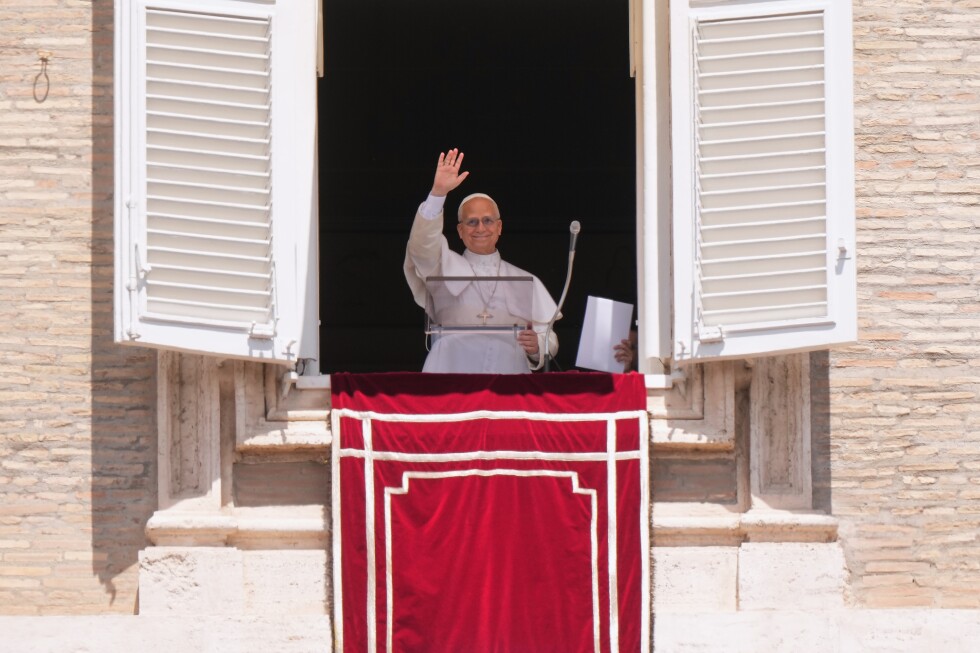
VATICAN CITY — The Vatican announced Monday that Pope Leo XIV will join Christopher Olah, co-founder of leading artificial intelligence firm Anthropic, for the official launch of the pontiff’s first-ever encyclical on May 25. The high-profile document, titled *Magnifica Humanitas* (Magnificent Humanity), centers on protecting and upholding human dignity amid the rapid global expansion of artificial intelligence.
Olah’s invitation to participate in the launch carries major geopolitical and policy significance, already signaling that the U.S.-born pope’s stance on AI governance will emerge as a new point of friction with the Trump White House. Just three months prior, in February 2025, the Trump administration issued an executive order banning all U.S. federal agencies from using Anthropic’s AI tools, and imposed additional sweeping sanctions on the company. The penalties came after Anthropic refused to grant the U.S. military unlimited access to its proprietary AI technology. Anthropic has since filed a lawsuit against the administration, alleging the penalties amount to illegal retaliation for the company’s commitment to building guardrails around harmful uses of its AI systems.
Since taking office, Pope Leo XIV has identified AI ethics and governance as a core priority of his papacy, and has repeatedly voiced deep concern over the development of AI for military applications, calling for global mandatory monitoring of high-risk AI deployments.
The format of the launch itself marks a break from Vatican tradition. Historically, new papal encyclicals are unveiled in the small Vatican press room, with only a small group of select officials and invited guests on hand to address reporter questions. For *Magnifica Humanitas*, however, the Vatican has organized a high-profile formal event in its main auditorium, featuring a roster of top religious and secular speakers.
Leading the presentation will be two of the Holy See’s most senior cardinals: Cardinal Víctor Manuel Fernández, head of the Vatican’s Dicastery for the Doctrine of the Faith, and Cardinal Michael Czerny, head of the Dicastery for Promoting Integral Human Development. Joining Olah as lay speakers are two prominent theologians, Anna Rowlands and Leocadie Lushombo. Vatican Secretary of State Cardinal Pietro Parolin will deliver the closing remarks, before Pope Leo XIV gives a keynote address and offers a final blessing to attendees.
Pope Leo XIV signed the encyclical on May 15, a date chosen intentionally to mark 135 years to the day after his namesake, Pope Leo XIII, signed *Rerum Novarum* — the landmark 1891 encyclical that addressed workers’ rights, the excesses of unregulated capitalism, and the obligations of states and employers to working people amid the Industrial Revolution. That document laid the foundation for modern Catholic social teaching, and the current pope has already referenced it repeatedly in discussions of the AI revolution, arguing the technology poses the same fundamental existential questions about work, dignity and power that industrialization sparked more than a century ago.
The new encyclical is expected to frame the global debate over AI through the lens of longstanding Catholic social teaching, which already encompasses principles of labor rights, global justice, and peace. A brief look at Anthropic’s background contextualizes why this collaboration is notable: the company was founded in 2021 by Dario Amodei and a group of researchers who left OpenAI over public disagreements with then-CEO Sam Altman over AI safety priorities. From its founding, Anthropic has centered its public mission on building safety guardrails for artificial general intelligence (AGI) — the advanced AI system that can outperform humans on most economic and cognitive tasks, a goal both Anthropic and OpenAI are pursuing from their San Francisco bases. As of early 2025, the privately held Anthropic reported a valuation of $380 billion, placing it as one of the world’s most valuable AI companies alongside OpenAI and Elon Musk’s combined SpaceX-xAI venture. Its flagship chatbot Claude competes directly with OpenAI’s ChatGPT and xAI’s Grok.
The Associated Press’ religion coverage is supported through a collaboration with The Conversation US, with funding from Lilly Endowment Inc. The AP retains full editorial responsibility for this content.