标签: Europe

欧洲

  • What are professional footballers tucking into at Christmas?

    What are professional footballers tucking into at Christmas?

    While millions indulge in traditional holiday feasts, Premier League athletes maintain rigorous nutritional regimens even during Christmas celebrations. Private chef Tommy Cole, who caters for top clubs including Chelsea, Arsenal, and Brighton, reveals how he transforms classic holiday meals into performance-optimizing fuel for elite footballers.

    Cole adopts a ‘boujee-r’ approach to traditional Christmas dishes, modifying preparations to reduce fat content while preserving flavor and texture. His methodology involves roasting potatoes with minimal fat, selecting lean turkey breast over darker cuts, and incorporating abundant vegetables into every meal. The 33-year-old chef collaborates closely with club nutritionists to design customized menus that accommodate player preferences while ensuring optimal nutritional intake.

    December’s demanding fixture schedule—with clubs facing over 15 matches across Premier League, European competitions, and domestic cups—necessitates strategic dietary adjustments. Cole increases carbohydrate portions through additional potatoes and pasta to sustain energy levels throughout the intensified period. For recovery enhancement, he incorporates omega-rich ingredients like oily fish, nuts, and seeds into post-match meals.

    The chef employs innovative techniques to integrate vegetables for reluctant consumers, creating nutrient-dense sauces using puréed carrots, onions, and garlic as bases for popular dishes like katsu. Despite occasional unconventional requests like simple frankfurters, Cole typically prepares sophisticated cuisine that balances nutritional science with culinary excellence.

    Cole’s unexpected journey into sports nutrition began eight years ago during a ski season where he discovered his passion for cooking. His TikTok videos showcasing elite athlete meals have garnered millions of views, though he maintains confidentiality regarding specific client identities. For Boxing Day traditions, he prepares bubble and squeak—a classic British dish incorporating leftover vegetables—ensuring players enjoy holiday flavors while maintaining competitive readiness.
  • Fenerbahce president detained in Istanbul drug investigation after positive narcotics test

    Fenerbahce president detained in Istanbul drug investigation after positive narcotics test

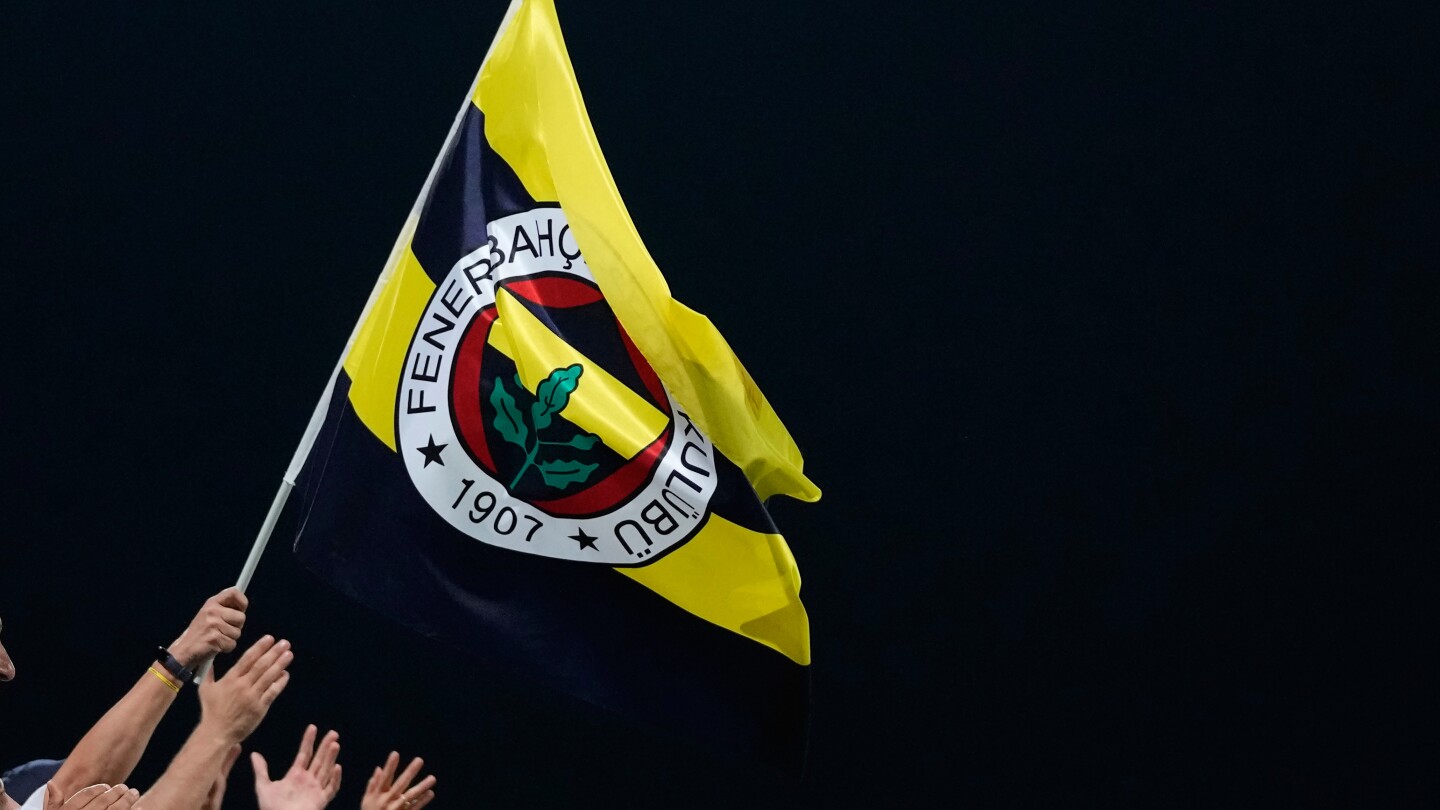
    ISTANBUL – Sadettin Saran, the recently elected president of Turkish sports powerhouse Fenerbahce, was taken into custody on Wednesday amid an expanding narcotics investigation that has implicated numerous high-profile figures from Turkey’s entertainment and media sectors. The detention follows forensic analysis that allegedly detected traces of illegal substances in his hair samples, according to state broadcaster TRT.

    The investigation, supervised by the Istanbul Chief Prosecutor’s Office, has resulted in the detention of over a dozen prominent individuals since early December. Those implicated include television presenters, journalists, musical artists, actors, and social media influencers facing charges ranging from narcotics production and distribution to facilitating prostitution. Many have undergone compulsory blood and hair testing for drug use.

    Saran, who holds dual Turkish-American citizenship and was born in Denver, Colorado, had been questioned last week on suspicions of supplying and enabling narcotics consumption. He underwent mandatory testing at a forensic medical facility after providing testimony to prosecutors.

    Following his detention, Fenerbahce issued an official statement expressing unwavering support for their president and assuring stakeholders that club operations would continue without disruption. “We maintain complete confidence that our president will navigate this process with the same composure and resilience he has consistently demonstrated,” the club stated via social media platform X.

    Saran has publicly contested the forensic findings, maintaining his innocence and pledging to formally request a retest. “I have never used the substance in question,” he declared in a statement released earlier Wednesday.

    This incident marks another chapter in Fenerbahce’s history with legal controversies. Former president Aziz Yildirim served over a year in prison in 2012 on match-fixing allegations before being exonerated when a new trial revealed corruption among judges, prosecutors, and law enforcement officials in the original case. The club currently remains involved in a separate investigation into illegal betting and match-fixing practices within Turkish football.

    Fenerbahce stands as one of Turkey’s most successful and popular sports organizations, fielding professional teams not only in football but also basketball, volleyball, athletics, swimming, and numerous other sports.

  • Algerian law declares France’s colonisation a crime

    Algerian law declares France’s colonisation a crime

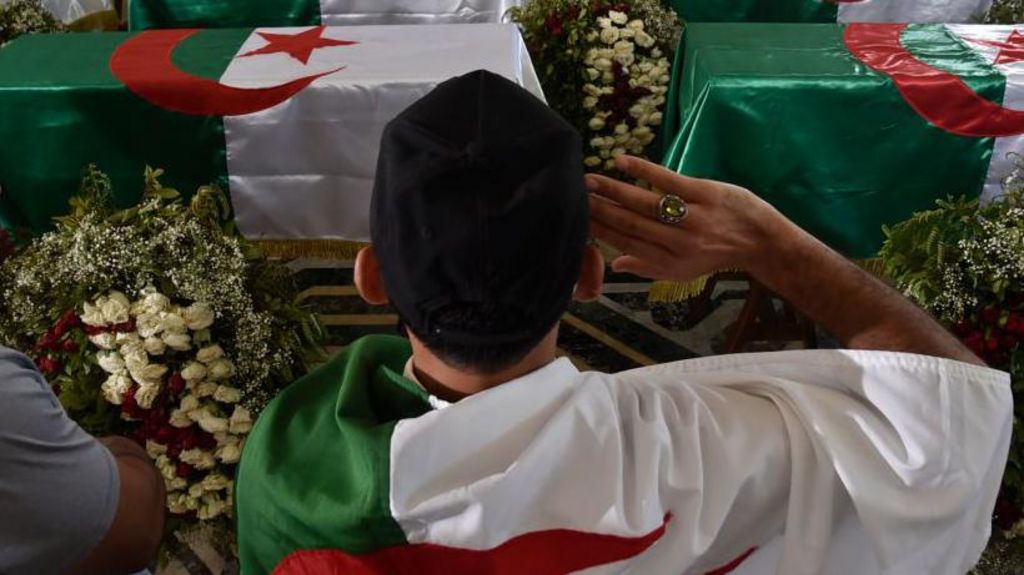
    In a historic parliamentary move, Algeria has formally declared France’s 132-year colonial occupation a criminal act through unanimous legislative action. The newly enacted law establishes colonial glorification as a criminal offense while formally demanding both apology and comprehensive reparations from France for historical injustices.

    The parliamentary session witnessed emotional displays of national pride, with lawmakers adorned in national flag-colored scarves chanting “long live Algeria” following the bill’s passage. The legislation explicitly states France bears “legal responsibility” for colonial-era tragedies, establishing compensation as an “inalienable right of the Algerian state and people.”

    This development marks the lowest point in Franco-Algerian relations since Algeria’s 1962 independence. The colonial period (1830-1962) remains a deeply contested historical chapter, with Algeria estimating 1.5 million fatalities during the independence war while French historians maintain significantly lower figures.

    The legislative action occurs amidst growing global pressure for former colonial powers to address historical wrongs. Algeria recently hosted an African conference advocating for colonial justice and continues demanding return of looted artifacts, including the 16th-century Baba Merzoug cannon currently housed in Brest, France.

    Diplomatic tensions escalated recently when France recognized Moroccan sovereignty over Western Sahara, a territory where Algeria supports the pro-independence Polisario Front. Additional strain emerged with the temporary imprisonment of French-Algerian novelist Boualem Sansal for allegedly questioning national borders.

    Despite French President Emmanuel Macron’s previous acknowledgment of colonization as a “crime against humanity,” France has maintained silence regarding Algeria’s new legislation and continues withholding formal apology.

  • Watch: Huge fireball as tanker explodes on Italian motorway

    Watch: Huge fireball as tanker explodes on Italian motorway

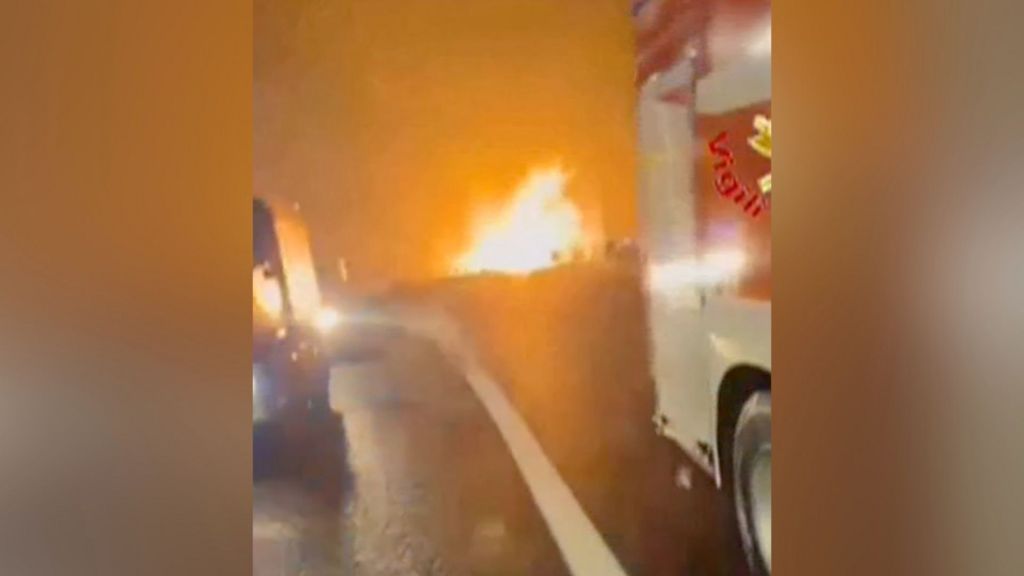
    A dramatic and intense explosion involving a fuel tanker occurred on a motorway in Italy, creating a massive fireball that illuminated the sky. The incident, which unfolded following an initial traffic collision, prompted an immediate and large-scale emergency response. Authorities had successfully executed a precautionary evacuation of the surrounding area prior to the detonation, a critical safety measure that ensured no injuries were reported from the blast itself.

    The explosion caused significant disruption, leading to the complete closure of the affected highway section to facilitate emergency operations and subsequent investigation. Specialized firefighting teams were deployed to combat the intense blaze, which posed considerable challenges due to the nature of the fuel fire. The incident highlights the severe dangers associated with transporting hazardous materials and underscores the effectiveness of coordinated emergency protocols in preventing civilian casualties. An investigation into the precise cause of the initial crash and the subsequent explosion is ongoing.

  • EU warns of possible action after the US bars 5 Europeans accused of censorship

    EU warns of possible action after the US bars 5 Europeans accused of censorship

    BRUSSELS — The European Union has issued a stern warning to the United States following the State Department’s imposition of travel restrictions on five European digital policy figures, including former EU Commissioner Thierry Breton. The move has ignited a significant diplomatic confrontation over digital sovereignty and content moderation policies.

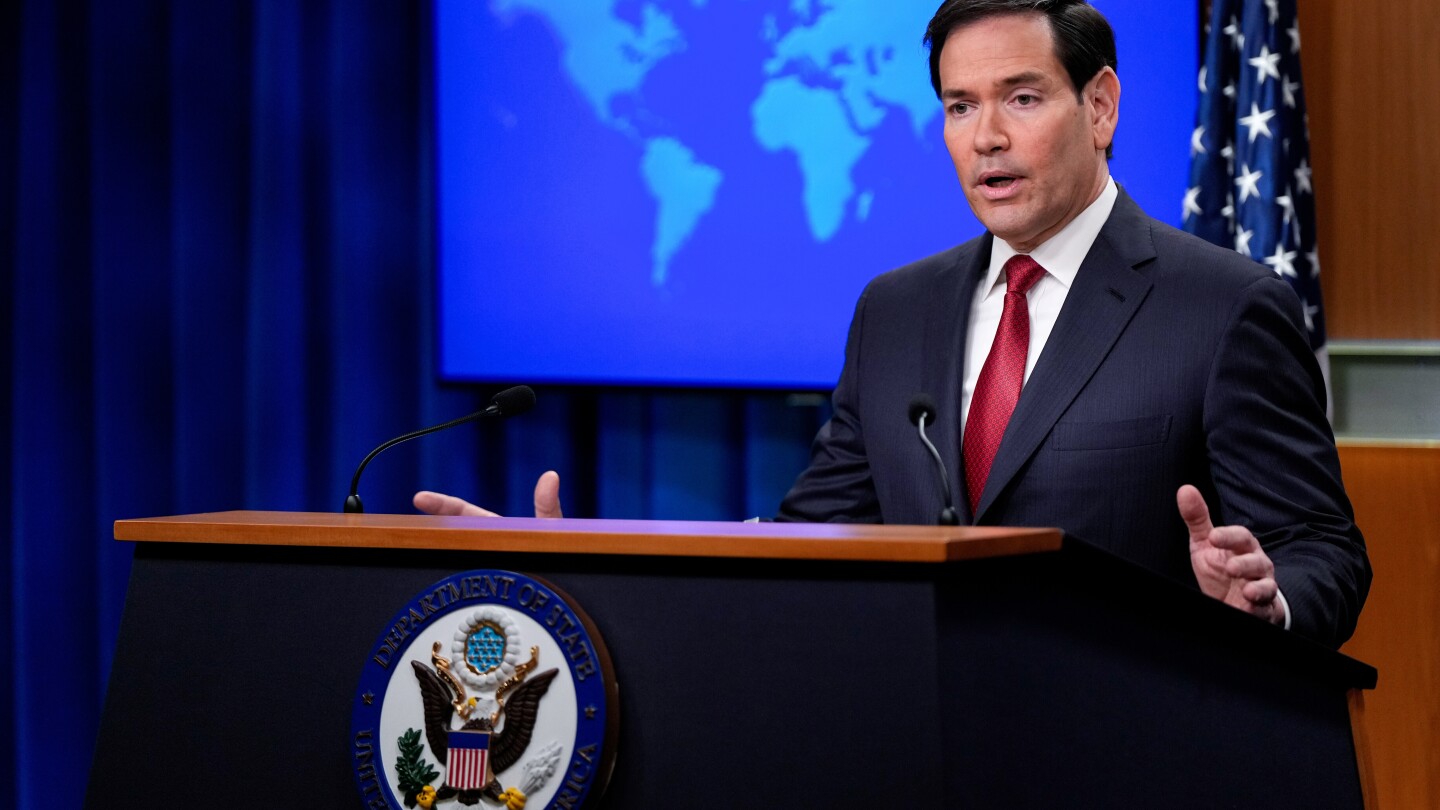
    The U.S. government, through Secretary of State Marco Rubio, characterized the banned individuals as ‘radical activists’ and representatives of ‘weaponized’ non-governmental organizations allegedly pressuring American tech companies to censor U.S. viewpoints. The targeted Europeans include prominent figures from digital rights organizations and the architect of the EU’s Digital Services Act.

    In an official statement, the European Commission strongly condemned the travel restrictions as unjustified measures and demanded immediate clarification from U.S. authorities. The EU executive branch emphasized its readiness to ‘respond swiftly and decisively’ to protect its regulatory autonomy against what it perceives as extraterritorial intimidation tactics.

    French President Emmanuel Macron joined the condemnation, labeling the visa bans as coercive tactics aimed at undermining Europe’s digital sovereignty. Macron emphasized that the EU’s digital regulations were established through democratic processes involving all member states and the European Parliament, designed to ensure fair competition without targeting any specific nation.

    The conflict stems from a new U.S. visa policy implemented in May that restricts entry for foreigners accused of facilitating censorship of protected speech. The banned individuals include Imran Ahmed (Centre for Countering Digital Hate), Josephine Ballon and Anna-Lena von Hodenberg (HateAid), and Clare Melford (Global Disinformation Index), alongside Breton.

    Breton, who previously clashed with Elon Musk over content moderation policies, responded by noting that all 27 EU member countries unanimously supported the Digital Services Act in 2022. The legislation establishes comprehensive requirements for online platforms to address harmful or illegal content while maintaining a level playing field for all companies operating in the European digital market.

  • British boy, 13, fatally stabbed in Portugal, reports say

    British boy, 13, fatally stabbed in Portugal, reports say

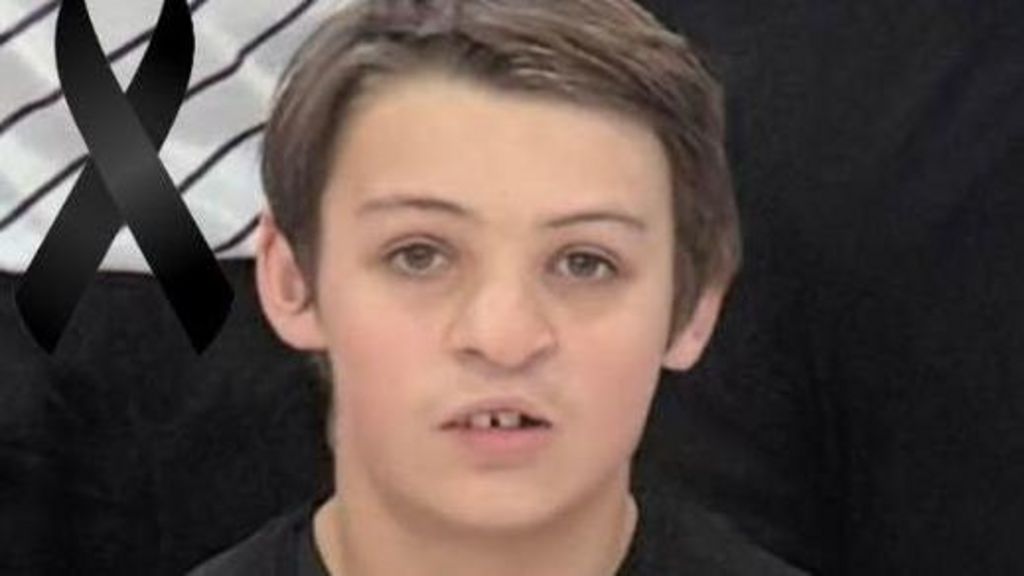
    Portuguese authorities are investigating a devastating incident that resulted in the death of 13-year-old British national Alfie Hallett in central Portugal. The tragedy occurred Tuesday in the parish of Casais in Tomar, where the teenager was discovered with multiple fatal wounds from a bladed weapon.

    According to official reports from Portugal’s National Republican Guard (GNR), a suspect was located with similar injuries and subsequently died in what investigators believe was a possible gas explosion. The incident also left one GNR officer injured during response operations.

    The victim’s mother was found restrained and showing signs of assault, requiring hospitalization for her injuries. Police spokesperson revealed that the alleged perpetrator had previously served prison time for aggravated homicide and had been flagged following domestic violence cases registered in both 2022 and 2023.

    Alfie’s basketball club, Sport Club Operario Cem Soldos (SCOCS), published an emotional tribute on Facebook, stating: “SCOCS BASKETBALL has just become poorer today. Our athlete Alfie passed away at the age of 13. He played his last game on Saturday, performing so exceptionally that it seemed he knew it would be his final game, though we could never have imagined this outcome.”

    The UK Foreign Office confirmed it is “in contact with local authorities following an incident in Portugal” as the Criminal Investigation Department of Leiria assumes leadership of the complex investigation into both deaths. While Portuguese television reported both mother and child as British nationals, authorities confirmed the suspect was a Portuguese citizen.

  • Latest peace plan offers possible Ukrainian withdrawal from east, Zelensky says

    Latest peace plan offers possible Ukrainian withdrawal from east, Zelensky says

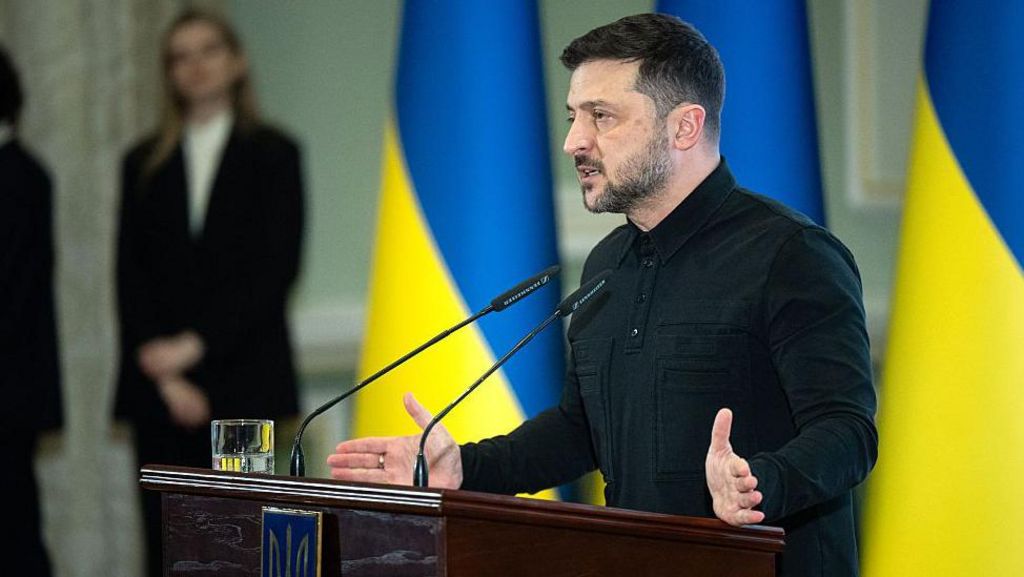
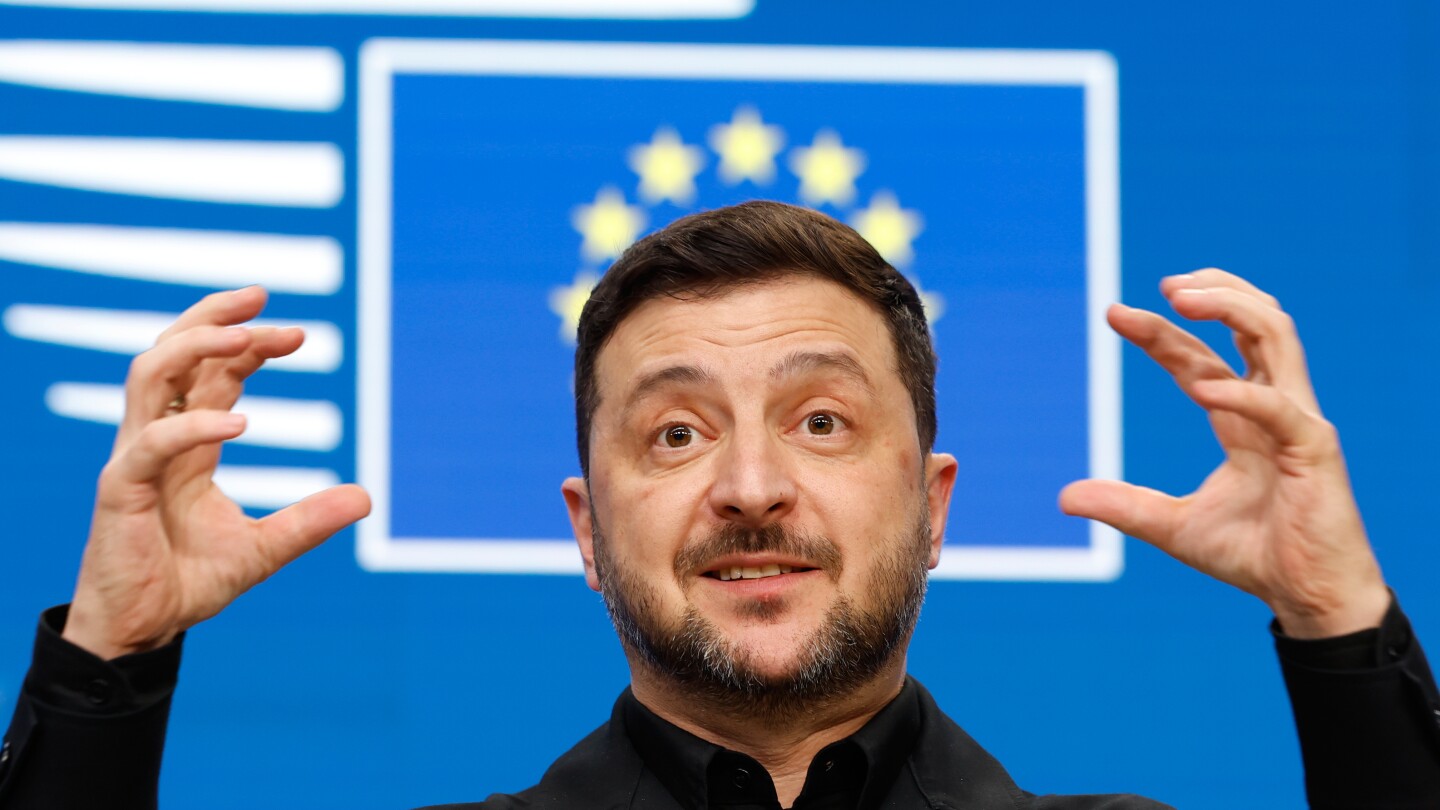
    Ukrainian President Volodymyr Zelensky has publicly detailed a revised 20-point peace proposal developed in coordination with American negotiators during weekend talks in Florida. This updated framework presents potential concessions regarding eastern Ukrainian territories while establishing robust international security assurances mirroring NATO membership protections.

    The diplomatic blueprint, characterized by Zelensky as “the principal architecture for conflict resolution,” incorporates coordinated military response guarantees from the United States, NATO members, and European nations should Russia launch future aggression against Ukraine. The proposal addresses Moscow’s territorial demands through potential establishment of special economic zones in contested eastern regions, though specific withdrawal parameters remain subject to high-level negotiations.

    Regarding the critically sensitive Donbas region, the plan contemplates creating demilitarized zones or free economic districts rather than outright Ukrainian military withdrawal. Zelensky emphasized that Russia must completely vacate four additional occupied regions—Dnipropetrovsk, Mykolaiv, Sumy, and Kharkiv—and establish a secured perimeter around the Russian-occupied Zaporizhzhia nuclear facility.

    This revised document supersedes an earlier 28-point draft negotiated by US envoy Steve Witkoff that faced criticism for disproportionately accommodating Kremlin interests. The current proposal significantly strengthens Ukraine’s defensive capabilities through security guarantees and plans to maintain an 800,000-strong military force. American intermediaries are expected to present the completed framework to Russian officials for formal response in coming days.

  • US and Ukraine reach consensus on key issues aimed at ending the war but territorial disputes remain

    US and Ukraine reach consensus on key issues aimed at ending the war but territorial disputes remain

    KYIV, Ukraine — Ukrainian President Volodymyr Zelenskyy has announced that the United States and Ukraine have achieved substantial alignment on a comprehensive 20-point peace framework designed to conclude the nearly four-year conflict, though critical disagreements persist regarding territorial control in eastern Ukraine and management of the Zaporizhzhia Nuclear Power Plant.

    The proposed plan, developed during intensive negotiations in Florida, has been presented to Russian officials with an anticipated response from Moscow expected Wednesday. While Zelenskyy characterized most positions as significantly reconciled, he identified two particularly contentious elements: the status of the Donbas region (Point 14) and the operational control of the Zaporizhzhia facility (Point 12).

    The most challenging negotiation point concerns the disputed territories of Donetsk and Luhansk, collectively known as Donbas. Russia maintains maximalist demands for Ukraine to relinquish remaining unoccupied portions of these regions, while Ukraine firmly rejects territorial concessions. As a potential compromise, the United States has proposed establishing free economic zones in these areas. Ukraine insists any such arrangement must be ratified by national referendum, requiring a 60-day ceasefire to facilitate the democratic process.

    President Zelenskyy emphasized that Ukraine demands complete demilitarization of the region with international forces stationed to ensure stability. “The Americans are attempting to find a solution that doesn’t constitute our withdrawal—which we oppose—through formats like demilitarized zones or free economic zones that might accommodate both perspectives,” he explained.

    Regarding the Zaporizhzhia Nuclear Power Plant, Europe’s largest nuclear facility currently under Russian occupation, the U.S. proposes a tripartite consortium with equal stakes for Ukraine, Russia, and the United States, with American leadership in management. Ukraine has counter-proposed a bilateral venture with the U.S., wherein Americans would independently determine how to allocate their 50% share, potentially to Russia. Zelenskyy questioned the practicality of joint commercial operations with Russia given current circumstances.

    The draft agreement includes robust security guarantees for Ukraine mirroring NATO’s Article 5, obligating partners to respond to renewed Russian aggression. A separate bilateral document with the U.S. will outline detailed security conditions and establish monitoring mechanisms using satellite technology and early warning systems.

    Additional elements include maintaining Ukraine’s military at 800,000 personnel during peacetime, establishing a specific timeline for EU accession, accelerating free trade agreements with the U.S., and creating an $800 billion reconstruction fund through combined equity, grants, loans, and private sector contributions. The proposal also requires Ukraine to conduct post-agreement elections and mandates the immediate release of all prisoners detained since 2014.

  • Border villagers abducted and taken to Russia, says Ukraine

    Border villagers abducted and taken to Russia, says Ukraine

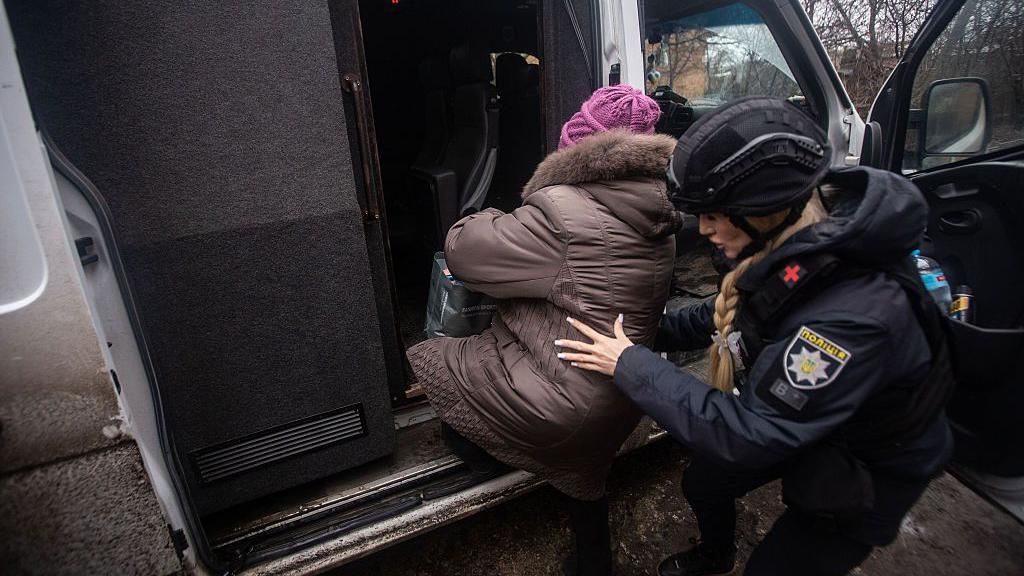
    In a significant escalation of tactics along Ukraine’s northeastern border, Russian forces have conducted an unprecedented cross-border raid resulting in the capture of 52 civilians and 13 Ukrainian soldiers from the village of Hrabovske in Sumy region. The nighttime assault occurred on Saturday when approximately 100 Russian troops stormed the border settlement, according to Ukrainian military spokesperson Viktor Trehubov.

    The operation marked a disturbing departure from previous Russian military behavior, as invading forces transported civilians across the international border before establishing firm control over the territory. Eyewitness accounts describe how Russian soldiers rounded up villagers in a local church before forcibly relocating them to Russia. Ukrainian officials report the detainees were likely transported to Belgorod, a major regional center located approximately 80 kilometers inside Russian territory.

    Volodymyr Bitsak, a member of Sumy’s regional council, revealed the personal impact: ‘My friends’ mother has been taken there. There is no way of contacting her even though they tried. As far as I know, they’ve been taken to the city of Belgorod and are being held at an unknown location.’

    While fighting initially continued in southern Hrabovske, battlefield monitoring group Deep State confirmed Russian forces ultimately captured the entire village. The Russian defense ministry acknowledged striking Ukrainian forces in Hrabovske and several other Sumy region villages but remained silent regarding the civilian detainees.

    The incident highlights the ongoing challenges of civilian evacuations in border areas. According to deputy regional administrator Viktor Babych, 56% of residents in Sumy’s border regions refuse to leave, with approximately 32,000 civilians including 604 children remaining in potential danger zones. Most of those captured in Hrabovske were elderly residents who had declined official evacuation orders.

    Ukrainian President Volodymyr Zelensky expressed shock that children were among those detained, stating: ‘I’m simply surprised that parents treated their children like that. I think they simply did not expect to be taken to Russia by Russian military.’

    Human rights ombudsman Dmytro Lubinets condemned the operation as a ‘serious violation of international humanitarian law,’ noting that civilians were ‘held incommunicado and in improper conditions’ before being forcibly removed from Ukraine. The event represents a concerning evolution in Russian military tactics along the vulnerable northeastern border region.

  • Explosion in Russian capital kills 3

    Explosion in Russian capital kills 3

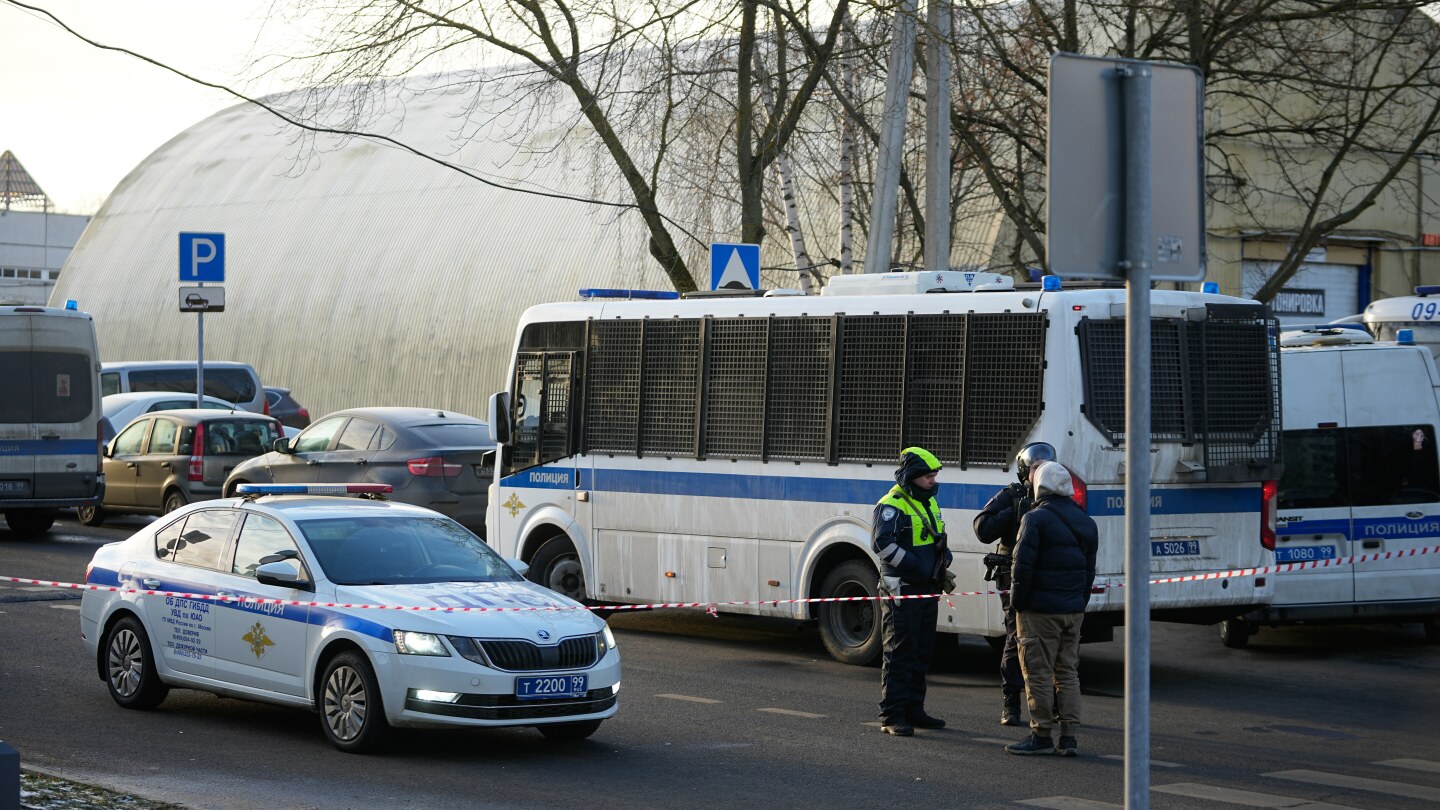
    A deadly explosion in Moscow has resulted in three fatalities, including two traffic police officers, according to official statements from Russian investigative authorities on Wednesday. The incident occurred when the officers approached an individual deemed suspicious, triggering an explosive device that proved fatal for both law enforcement personnel and a civilian bystander.

    Investigative Committee spokesperson Svetlana Petrenko confirmed that specialized teams including investigators and forensic experts have been deployed to conduct comprehensive examinations at the blast site. The explosion represents the latest in a series of violent incidents to shake the Russian capital this week.

    The location of Wednesday’s explosion bears significant geographical proximity to where Lieutenant General Fanil Sarvarov, a high-ranking military official, was assassinated by a car bomb just two days prior. General Sarvarov, who served as head of the Operational Training Directorate within the Russian Armed Forces’ General Staff, died when an explosive device detonated beneath his vehicle in southern Moscow.

    Russian investigators have indicated possible Ukrainian involvement in the general’s assassination, marking what would be the third killing of a senior military officer within approximately a year if confirmed. The close temporal and spatial proximity of these incidents has raised concerns about security vulnerabilities within the capital city, though official statements have not established a definitive connection between Wednesday’s explosion and the earlier assassination.