A deeply unsettling video has surfaced, documenting the initial moments of a fire emergency at a social gathering. The footage depicts a lone individual’s desperate and frantic efforts to combat rapidly spreading flames using what appears to be a piece of clothing or fabric. In a stark and alarming contrast, the scene is underscored by the persistent soundtrack of party music, suggesting the event continued unabated. Simultaneously, several attendees can be seen passively recording the escalating danger on their mobile phones rather than assisting or evacuating. This incident raises profound questions about public safety protocols at private events and the modern bystander response in crisis situations, where documentation sometimes precedes intervention. The chilling visual evidence serves as a critical case study for emergency preparedness and crowd behavior psychologists.
标签: Europe
欧洲
-

Russia puts death toll from Ukrainian strike on occupied village at 27. Kyiv rejects accusation
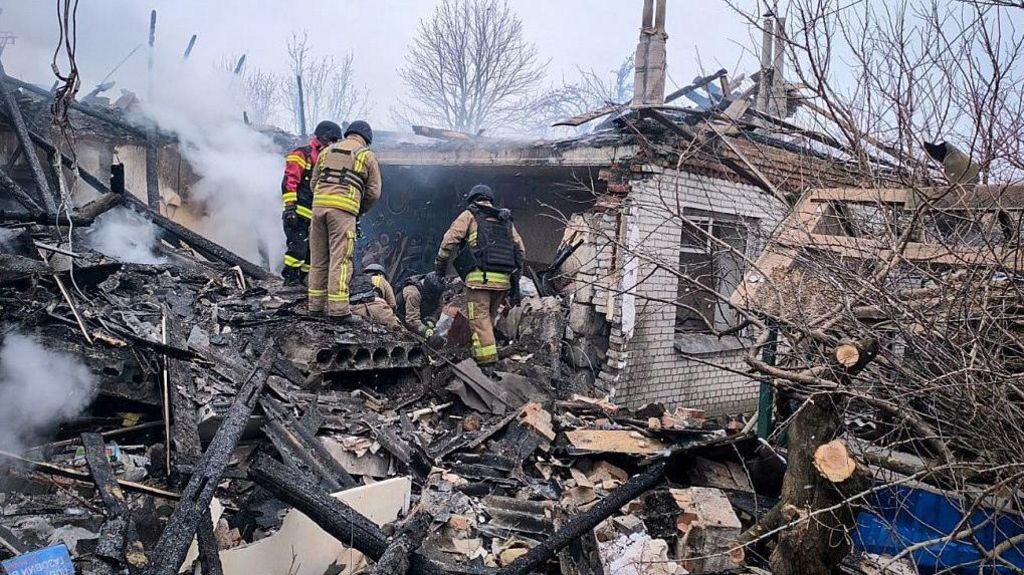
Russian authorities have dramatically escalated their allegations against Ukraine, claiming a Ukrainian drone strike on a civilian gathering in the occupied village of Khorly has resulted in 27 fatalities. The incident reportedly occurred during New Year’s Eve celebrations at a local café and hotel in Ukraine’s Kherson region, which is currently under Russian control. According to Svetlana Petrenko, spokeswoman for Russia’s Investigative Committee, the attack also left 31 individuals hospitalized, including five minors. Russian officials have initiated a criminal terrorism investigation in response.
Kyiv has issued a firm and comprehensive denial of these allegations. Dmytro Lykhovii, spokesman for Ukraine’s General Staff, asserted that Ukrainian forces strictly adhere to international humanitarian law and target exclusively military installations, Russian energy sector facilities, and other legitimate objectives. He emphasized that an official list of targets struck on New Year’s Eve had been published, which did not include any operations in the occupied parts of Kherson region. Lykhovii further characterized Russia’s claims as a disinformation campaign aimed at undermining ongoing peace negotiations.
The exchange of accusations unfolds against a backdrop of intensified diplomatic efforts to end the nearly four-year conflict. Ukrainian President Volodymyr Zelenskyy recently stated that a peace agreement was ‘90% ready,’ while cautioning that critical territorial issues within the remaining 10% would prove decisive. This week also saw Moscow alleging a Ukrainian drone attack on President Putin’s residence, which Kyiv similarly dismissed as a fabricated pretext to disrupt talks.
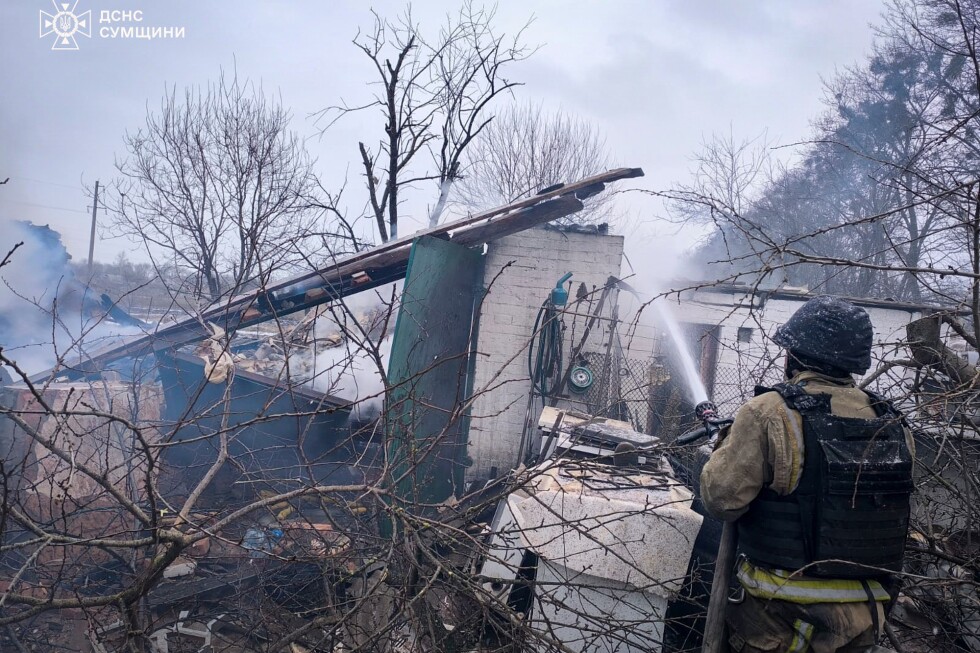
Meanwhile, the conflict’s violence continued elsewhere. Russian forces launched what local authorities described as one of their most massive drone assaults on Zaporizhzhia, damaging dozens of residential buildings and civilian infrastructure, though no casualties were reported. Ukraine’s Air Force stated that 86 of 116 incoming long-range drones were intercepted overnight. Simultaneously, the Russian Defense Ministry claimed its air defenses shot down 64 Ukrainian drones over multiple Russian regions, with the governor of Belgorod region accusing Ukrainian forces of a missile strike that injured two women.
-

Police in Finland arrest 2 in connection with damage to undersea telecom cable
Finnish law enforcement has taken decisive action following damage to critical underwater telecommunications infrastructure in the Gulf of Finland. Authorities confirmed Thursday the arrest of two individuals connected to the incident involving the cable belonging to Finnish telecommunications provider Elisa, which was damaged earlier this week between the capitals of Finland and Estonia.
The damage, discovered Wednesday within Estonia’s exclusive economic zone, has prompted Helsinki police to launch a comprehensive investigation into charges of aggravated criminal damage, attempted aggravated criminal damage, and aggravated interference with telecommunications. In addition to the arrests, officials have imposed travel bans on two other persons of interest as the probe continues.
The investigation centers on the vessel Fitburg, registered under the flag of St. Vincent and the Grenadines, which was transiting from Russia to Israel when the incident occurred. Finnish National Police Commissioner Ilkka Koskimäki revealed that the ship had been dragging its anchor for hours within Finland’s exclusive economic zone prior to the discovery of the cable damage. The ship’s 14 crew members, representing Russian, Georgian, Azerbaijani, and Kazakh nationalities, remain detained by Finnish authorities.
Adding complexity to the case, Finnish Customs officials discovered structural steel in the vessel’s cargo that originated from Russia and falls under European Union sanctions. ‘Import of such sanctioned goods into the EU is prohibited under EU sanctions regulations,’ customs authorities stated, confirming their ongoing investigation into potential sanctions violations.
This incident marks the second occurrence within a year involving damage to critical underwater infrastructure between Finland and Estonia. In a related case from Christmas Day 2024, Finnish authorities charged the captain and two senior officers of the Russia-linked oil tanker Eagle S with similar offenses. That vessel had been identified as part of Russia’s ‘shadow fleet’ of aging tankers with obscure ownership structures allegedly designed to evade Western sanctions during the ongoing conflict in Ukraine.
Western security experts have increasingly viewed such incidents as potential components of widespread sabotage operations in Europe allegedly connected to Moscow following the 2022 invasion of Ukraine. These underwater cables and pipelines represent vital infrastructure that facilitates trade, energy security, and reduced dependence on Russian energy resources across Nordic, Baltic, and central European nations.
Police officials have refrained from speculating about potential state-level involvement in the current case, maintaining that their investigation remains focused on establishing factual evidence and determining applicable legal violations under both Finnish law and EU sanctions regulations.
-

A fire in an Swiss ski resort bar has left about 40 people dead
CRANS-MONTANA, Switzerland — A festive New Year’s celebration at Le Constellation bar in the prestigious Crans-Montana ski resort descended into unimaginable tragedy when a rapidly spreading fire engulfed the crowded venue shortly after midnight Thursday. The catastrophic blaze resulted in approximately 40 fatalities and left 115 individuals with serious injuries, marking one of Switzerland’s most devastating modern disasters.\n\nEyewitness accounts describe scenes of chaos and desperation as revelers fought to escape the inferno. Sixteen-year-old Parisian Axel Clavier recounted his narrow escape after forcing a window open with a table. \”I felt like I was suffocating,\” Clavier told The Associated Press, noting he lost personal belongings but survived while one of his friends perished in the flames.\n\nInitial witness testimonies suggest the fire may have originated from celebratory sparklers attached to Champagne bottles. Two women interviewed by French broadcaster BFMTV described seeing bartenders engaging in festive displays with lit candles in bottles before flames suddenly spread upward, causing the wooden ceiling to collapse.\n\nThe subsequent panic triggered a deadly crowd surge as patrons attempted to flee the basement nightclub through a narrow staircase and single exit. Witnesses reported people smashing windows to escape, with some sustaining grave injuries in the process. Distraught parents rushed to the scene searching for their children amid the chaos.\n\nValais Canton authorities have launched a comprehensive investigation into the tragedy. Police commander Frédéric Gisler confirmed ongoing efforts to identify victims, acknowledging the community remains \”devastated.\” Attorney General Beatrice Pilloud emphasized that while the cause remains undetermined, there is \”no question of any kind of attack\” and no suspects have been identified.\n\nThe resort town, situated in the heart of the Swiss Alps approximately 5 kilometers from Sierre—site of another tragic incident in 2012—typically bustles with winter sports enthusiasts. Authorities have urged caution to prevent additional accidents that could strain overwhelmed medical resources.\n\nSwiss President Guy Parmelin, addressing the nation on his first day in office, praised emergency responders confronted with \”scenes of indescribable violence and distress,\\” calling for unity and dignity in the face of tragedy.
-

‘I hid from a wall of heat’: Eyewitnesses describe escape from Swiss bar inferno
A festive New Year’s celebration at the Le Constellation nightclub in the Swiss alpine resort of Crans-Montana turned into a catastrophic inferno in the early hours of January 1, 2026, leaving dozens dead and approximately 100 injured with severe burns. The tragedy unfolded around 01:30 local time when what witnesses describe as a massive explosion ignited the wooden-structured venue during one of the busiest tourist periods in the Alps.
Eyewitness accounts paint a harrowing picture of the disaster. An 18-year-old attendee, who requested anonymity, recounted to the BBC how he rushed toward the burning building upon fearing his younger brother was trapped inside. “I saw people burning from head to foot, no clothes anymore,” he described of the horrific scene. “It was very shocking.” His brother ultimately emerged unharmed.
French tourists Emma and Albane provided critical testimony to BFMTV, indicating the blaze may have originated from a waitress placing birthday candles atop champagne bottles. “In a matter of seconds, the entire ceiling was ablaze. Everything was made of wood,” they stated, noting how flames spread with terrifying velocity through the two-story establishment that typically accommodates up to 300 patrons.
The venue’s architecture exacerbated the tragedy. Survivors reported desperately narrow escape routes and staircases that created deadly bottlenecks as approximately 200 people attempted simultaneous evacuation within seconds. One teenager survived by breaking a window with his foot after failing to shatter it with a table, having initially hidden from a “wall of heat.
International emergency response swung into action as the nearest hospital’s intensive care unit reached capacity, necessitating patient transfers to facilities in Milan, Italy. Oleh Paska, a tourist staying nearby, recounted hearing explosions initially mistaken for firecrackers before recognizing the severity from the convergence of emergency vehicles with “different types of sirens.
The identification process presents grim challenges, with Italy’s ambassador to Switzerland warning it may require weeks due to the severity of victims’ burns. An Italian witness emotionally described friends who were “burned all over,” with one airlifted to Zurich and another initially unaccounted for following the tragedy.
The normally vibrant resort now sits under a pall of shock and mourning as families await news of loved ones, while investigators begin the meticulous process of determining the exact cause of one of Switzerland’s deadliest nightlife disasters in recent history.
-

Disbelief as tragedy hits Swiss ski resort on New Year’s Day
The picturesque Swiss Alpine resort of Crans-Montana has been plunged into mourning following a devastating fire that consumed Le Constellation bar during New Year’s celebrations. The iconic establishment, situated in the heart of this luxury destination, became the scene of a catastrophic incident that has left the community in profound shock.
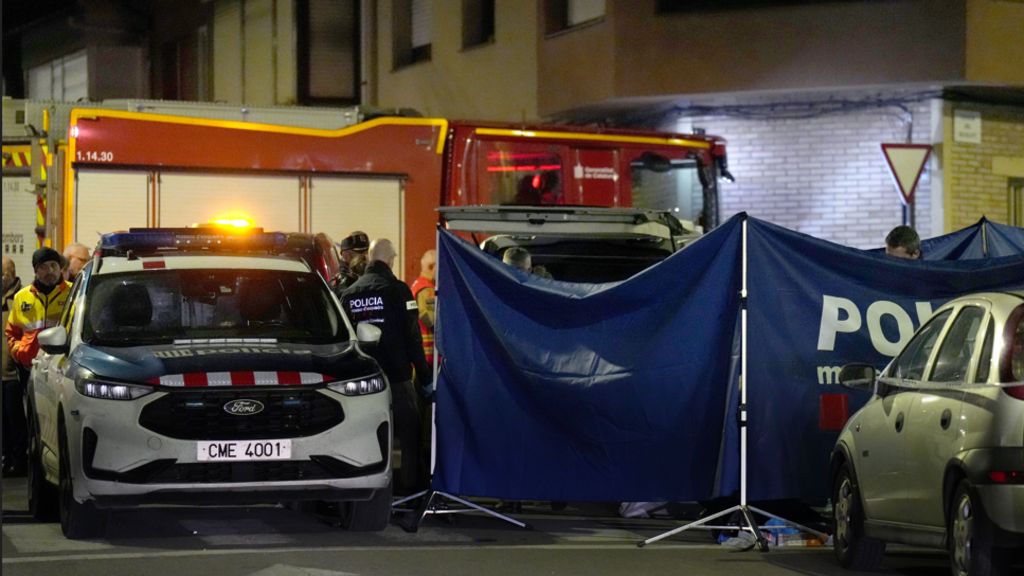
Eyewitness accounts describe scenes of chaos and horror as patrons scrambled to escape the inferno, with some reporting severe burns among victims. The scale of emergency response—including numerous ambulances and extensive road closures—underscores the severity of the tragedy in this normally tranquil setting.
Crans-Montana represents the epitome of Alpine luxury, known for its world-class skiing, golf courses, and family-friendly atmosphere. The resort attracts affluent visitors year-round and maintains impeccable safety standards, making this incident particularly unexpected. Le Constellation bar held nostalgic significance for many long-term visitors, functioning as a social hub for both locals and international tourists.
British tourists and residents alike expressed disbelief that such a tragedy could occur in what many considered a sanctuary from worldly dangers. The timing—during New Year’s festivities when many were recovering from celebrations—added to the surreal nature of the disaster.
As investigation teams work to determine the fire’s origin, the community has begun gathering at cordoned-off areas to pay respects. The juxtaposition of ski-clad tourists against emergency response operations creates a haunting tableau in this typically vibrant resort center.
The incident raises urgent questions about safety in even the most regulated environments and has irrevocably altered the perception of security in this idyllic mountain retreat.
-

Video shows fire spreading across Swiss bar ceiling
Security footage from a Swiss bar has captured the alarming moment a fire unexpectedly ignited and rapidly spread across the establishment’s ceiling. The video evidence provides crucial documentation of how the blaze initiated and propagated through the interior space, offering potential insights for fire safety investigators.
The visual record shows flames suddenly emerging overhead and quickly expanding across the ceiling surface, demonstrating the volatile nature of the incident. The footage provides a rare real-time perspective of fire dynamics in a commercial entertainment venue, highlighting both the speed of propagation and the potential hazards in such environments.
While the specific bar location and exact timeline of the incident remain undisclosed, the video documentation serves as a significant resource for understanding fire safety challenges in hospitality settings. The visual evidence could contribute to future fire prevention strategies and emergency response planning for similar establishments across Switzerland and beyond.
The incident underscores the importance of adequate fire suppression systems, regular safety inspections, and staff training for emergency situations in bars and restaurants. This visual documentation provides a compelling case study for fire safety professionals and business operators alike.
-

Here’s what to know about a deadly fire at a Swiss Alpine bar’s New Year celebration
A festive New Year’s celebration at a popular Alpine resort descended into tragedy as a catastrophic fire engulfed a crowded bar in Crans-Montana, Switzerland, leaving dozens feared dead and approximately 100 injured in what may become one of the nation’s worst peacetime disasters.
The blaze erupted around 1:30 a.m. on Thursday inside Le Constellation bar, transforming the vibrant holiday atmosphere into scenes of chaos and desperation. Survivors described harrowing escapes through shattered windows and narrow exits as flames rapidly consumed the establishment. Witness accounts suggest the fire may have originated from a celebratory display involving champagne bottles with sparklers or a candle-lit performance by bartenders.
The technical nature of the fire was identified by Swiss officials as ’embrasement généralisé’ – a French firefighting term describing the violent ignition of combustible gases, equivalent to a flashover or backdraft in English terminology. This phenomenon caused the fire to spread with devastating speed, collapsing the wooden ceiling and trapping numerous revelers.
Medical facilities in the Valais Canton were immediately overwhelmed, with intensive care units and operating theaters reaching full capacity. Victims suffered severe burns and smoke inhalation, requiring specialized medical transport to hospitals across Switzerland.
While investigators have ruled out a deliberate attack, forensic experts have not yet been able to examine the interior wreckage due to safety concerns. The identification process for victims remains ongoing, with authorities working to notify families.
The tragedy evokes painful memories for the region, occurring just kilometers from where 28 people perished in a 2012 bus crash. Crans-Montana, renowned for hosting World Cup skiing events and the European Masters golf tournament, now faces a profound community tragedy amidst its peak winter season.
-

New discovery may challenge theory Vikings built first Irish towns – researcher
A groundbreaking archaeological discovery at Brusselstown Ring in Ireland’s Wicklow Mountains is fundamentally reshaping our understanding of ancient settlement patterns in prehistoric Britain and Ireland. Research led by Dr. Dirk Brandherm from Queen’s University Belfast has revealed what appears to be the largest nucleated settlement ever documented from prehistoric times in the region, dating back approximately 3,200 years to the Late Bronze Age.
The extensive survey work, utilizing advanced aerial photogrammetry and mapping techniques, has identified more than 600 suspected house platforms within the massive hilltop enclosure. This settlement complex spans multiple hilltops—a rare feature among European hillforts—with defensive ramparts encircling both Brusselstown’s summit and the adjacent Spinas Hill. The distribution shows 98 structures within the inner enclosure and over 500 located between the dual defensive walls.
Recent test excavations conducted between August and September 2024 by a team including PhD researcher Cherie Edwards and Dr. Linda Boutoille have provided critical insights into the settlement’s chronology and complexity. The evidence indicates primary occupation during the Late Bronze Age, with some structures showing continued use into the Early Iron Age. The discovery of a sophisticated stone-lined, boat-shaped chamber—potentially a water cistern fed by an uphill stream—adds another layer of architectural sophistication to the site.
The scale and density of Brusselstown Ring challenge previous archaeological assumptions that Bronze Age settlements consisted primarily of small hamlets with one to five dwellings. This discovery dwarfs the previously largest known settlement at Corrstown, Northern Ireland, which contained approximately 74 roundhouses. The presence of structures of varying sizes (4-12 meters in diameter) suggests possible social or economic stratification, though further analysis is required to confirm this hypothesis.
Published in the peer-reviewed journal Antiquity, these findings potentially rewrite the urban history of Ireland, suggesting the existence of proto-urban settlements some 2,000 years before Viking influence in the region. Future research will focus on confirming the cistern’s function and dating, detailed analysis of roundhouse structures, and establishing a comprehensive chronology of the enclosure elements.
-

Netherlands police face ‘unprecedented’ New Year’s violence
Amsterdam’s historic Vondelkerk church became the centerpiece of a destructive New Year’s Eve as a massive fire tore through the 19th-century neo-Gothic structure during early morning celebrations. The iconic basilica, designed by renowned architect Pierre Cuypers—whose works include the Rijksmuseum—suffered severe damage with its 50-meter tower collapsing entirely, though authorities indicate the main structure remains intact.
The church fire coincided with what Dutch police described as ‘unprecedented violence’ nationwide. Police Union head Nine Kooiman reported being directly targeted with fireworks and explosives during her Amsterdam shift. The violence extended beyond the capital with petrol bombs thrown at officers in Breda and street clashes occurring in The Hague’s Transvaal district.
Tragedy struck elsewhere in the Netherlands as fireworks incidents claimed two lives in Rotterdam—a 17-year-old boy and 38-year-old man. The city’s eye hospital treated 14 patients, including 10 minors, for fireworks-related eye injuries, with two requiring surgical intervention.
The incidents occurred despite record fireworks spending of €129 million nationally. A ban on unofficial fireworks is scheduled for implementation in 2026, though this year’s celebrations have amplified debates about public safety during holiday festivities.
Germany faced similar tragedies with two 18-year-olds killed in Bielefeld while detonating homemade fireworks, highlighting the transnational nature of New Year’s safety concerns.