标签: Europe

欧洲

  • Russia hosts Cuban foreign minister and urges US not to blockade Cuba

    Russia hosts Cuban foreign minister and urges US not to blockade Cuba

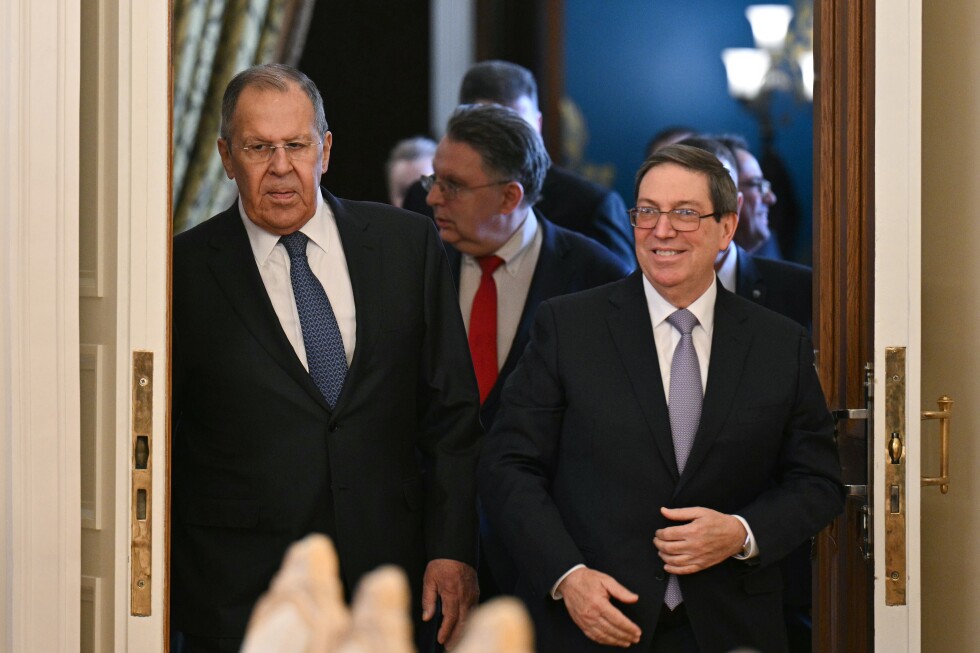
    In a significant diplomatic move, Cuban Foreign Minister Bruno Rodríguez conducted high-level meetings in Moscow on Wednesday as his nation grapples with crippling power blackouts and severe fuel shortages exacerbated by longstanding American sanctions. The visit underscores deepening ties between Moscow and Havana amid growing international tensions.

    During extensive talks with Russian Foreign Minister Sergey Lavrov, both diplomats addressed the critical energy situation facing the Caribbean nation. Lavrov issued a forceful condemnation of United States policies, urging Washington to ‘demonstrate common sense and adopt a responsible approach’ by abandoning what he characterized as blockade measures against Cuba.

    ‘The Russian Federation, alongside the majority of the international community, continues to advocate for the cessation of these restrictive measures,’ Lavrov stated during a joint press briefing. He emphatically declared Moscow’s commitment to ‘persist in supporting Cuba and its citizens in safeguarding national sovereignty and security.’

    The discussions culminated in a scheduled meeting with President Vladimir Putin, signaling the strategic importance both nations place on their bilateral relationship. Kremlin spokesperson Dmitry Peskov subsequently emphasized that Russia ‘highly values its relations with Cuba’ and intends to ‘develop them further, including through appropriate assistance during challenging periods.’

    When questioned about potential repercussions for recently improved Russo-American relations, Peskov dismissed concerns, asserting that energy assistance to Cuba and diplomatic engagement with Washington constitute separate matters. This stance emerges despite President Putin’s previous acknowledgment of Trump’s mediation efforts in Ukraine and ongoing discussions about revitalizing economic cooperation between Moscow and Washington.

    The current fuel crisis intensified dramatically in January when Venezuela—traditionally Cuba’s primary oil supplier—ceased crude exports following the U.S. apprehension of then-President Nicolás Maduro on narcotics trafficking allegations. Simultaneously, Mexico terminated its oil shipments to the island nation after the Trump administration threatened imposing tariffs on countries trading with Cuba.

    Russian news outlet Izvestia reported last week that Moscow is preparing imminent humanitarian fuel deliveries to Havana, though Russian Ambassador to Cuba Viktor Koronelli provided no specific timeline or logistical details. The energy shortfall has already impacted tourism, with Russian travel companies suspending package tours after Cuban authorities announced they could no longer guarantee aircraft refueling capabilities.
  • Paris prosecutors open 2 Epstein-linked probes and call on victims to come forward

    Paris prosecutors open 2 Epstein-linked probes and call on victims to come forward

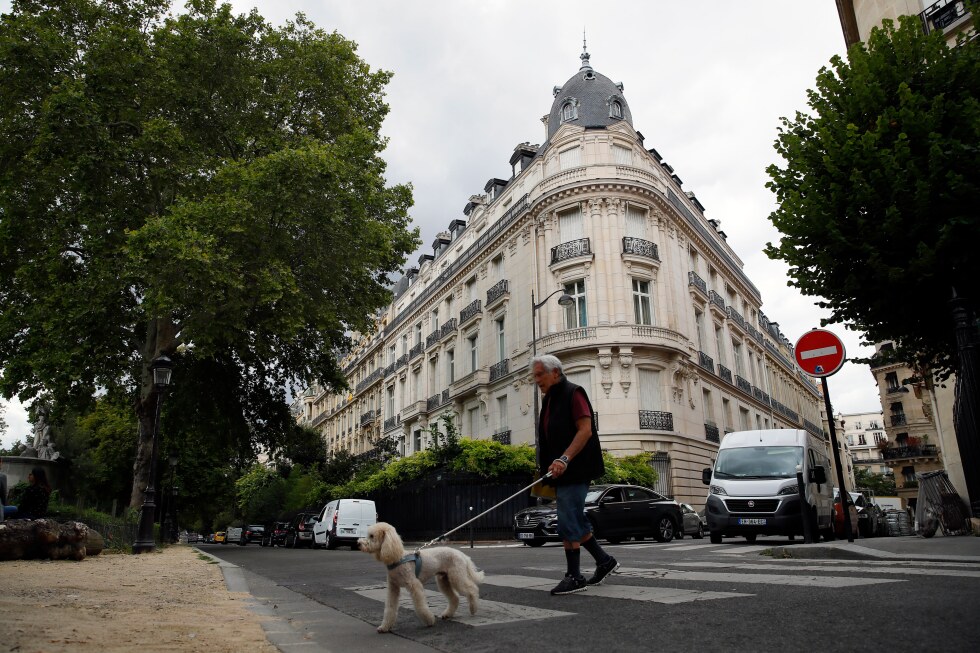
    PARIS — French judicial authorities have initiated two parallel criminal investigations stemming from the Jeffrey Epstein case, marking a significant development in the international pursuit of justice. The Paris prosecutor’s office announced Wednesday it would examine both sexual abuse allegations and financial crimes connected to the deceased financier, leveraging the recently unsealed U.S. government documents.

    Prosecutor Laurence Beccuau confirmed the twin probes would utilize the millions of pages of evidence released by American authorities, supplemented by media reports and new victim testimonies. Each investigation will be handled by specialized magistrates with expertise in their respective domains.

    “The comprehensive data release will provide crucial contextual understanding,” Beccuau stated during an interview with France Info. “This panoramic view will enable us to reconstruct events with greater precision and identify previously unknown connections.”

    The judicial action follows the U.S. Justice Department’s disclosure of over 3 million documents, including thousands of visual materials related to Epstein, who died in custody in 2019 while awaiting trial on sex trafficking charges.

    Beccuau acknowledged the psychological impact on victims, noting: “These publications will inevitably reactivate trauma for certain victims. We believe some remain unknown to authorities, and these revelations may empower them to come forward.”

    The prosecutor specifically urged potential victims with information about French connections to provide formal complaints or witness statements. Additionally, existing investigation materials will be re-examined in light of new evidence.

    This includes revisiting the closed investigation into Jean-Luc Brunel, a French modeling agent and Epstein associate accused of rape and sex trafficking of minors. Brunel was found dead in his Paris jail cell in 2022 while awaiting trial.

    The Epstein case continues to reverberate through French society, with former Culture Minister Jack Lang recently resigning from his leadership position at the Arab World Institute amid tax fraud suspicions. Financial prosecutors are investigating Lang and his daughter’s alleged connections to Epstein through an offshore entity based in the U.S. Virgin Islands.

  • Skier films moment avalanche engulfs group of people in Italy

    Skier films moment avalanche engulfs group of people in Italy

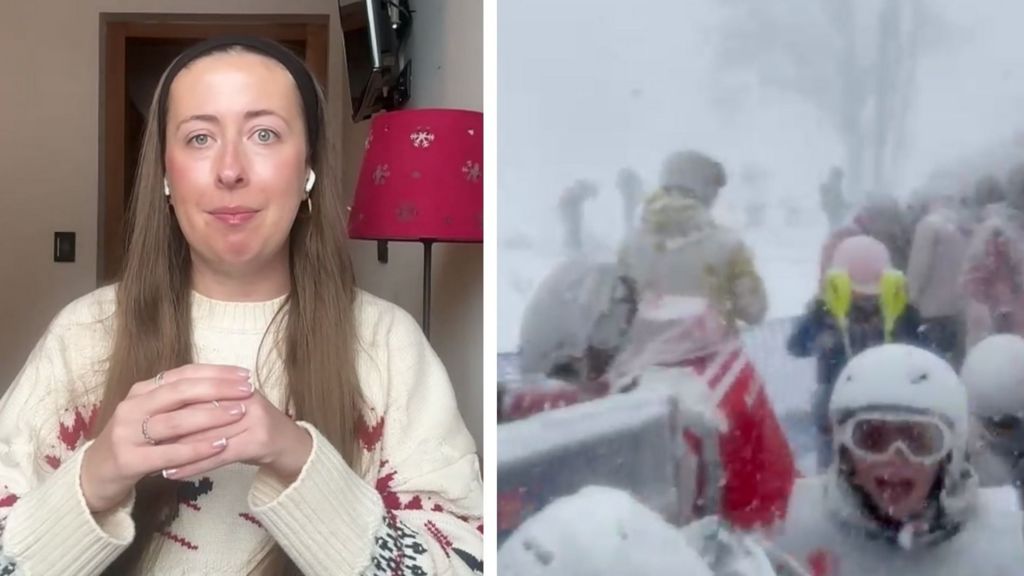
    A harrowing video recording has surfaced documenting the precise moment a substantial avalanche descended upon a group of skiers in the Italian Alps. The incident occurred in the popular resort area of Courmayeur, located in the Aosta Valley region, a destination renowned for its challenging terrain and breathtaking scenery.

    The amateur footage, captured from a first-person perspective, begins with a serene ski descent before the panorama abruptly transforms into a chaotic whiteout. The camera shakes violently as a powerful wave of snow and ice surges toward a visible queue of individuals ascending a slope. Within seconds, the avalanche completely submerges the group, which included several children, under a dense blanket of snow, obscuring all visibility and leaving only the sound of rushing snow and alarmed shouts.

    Local mountain rescue services, including the Corpo Nazionale Soccorso Alpino e Speleologico (CNSAS), were immediately dispatched to the site following emergency alerts. Preliminary reports from authorities indicate that the avalanche was triggered by a natural shift in the snowpack, exacerbated by recent weather conditions. Fortunately, despite the terrifying visuals, initial assessments confirmed that all individuals involved were successfully rescued and escaped with only minor injuries, a testament to the rapid response of rescue teams and the group’s proximity to safety protocols.

    This event has ignited renewed discussions among alpine safety experts regarding the critical importance of avalanche awareness and preparedness, even on managed slopes and during periods of perceived stability. Resort officials in Courmayeur have reiterated their commitment to reviewing and reinforcing existing safety measures to prevent future occurrences.

  • Former army chief seen as Zelenskyy’s top rival reveals to AP a rift between them

    Former army chief seen as Zelenskyy’s top rival reveals to AP a rift between them

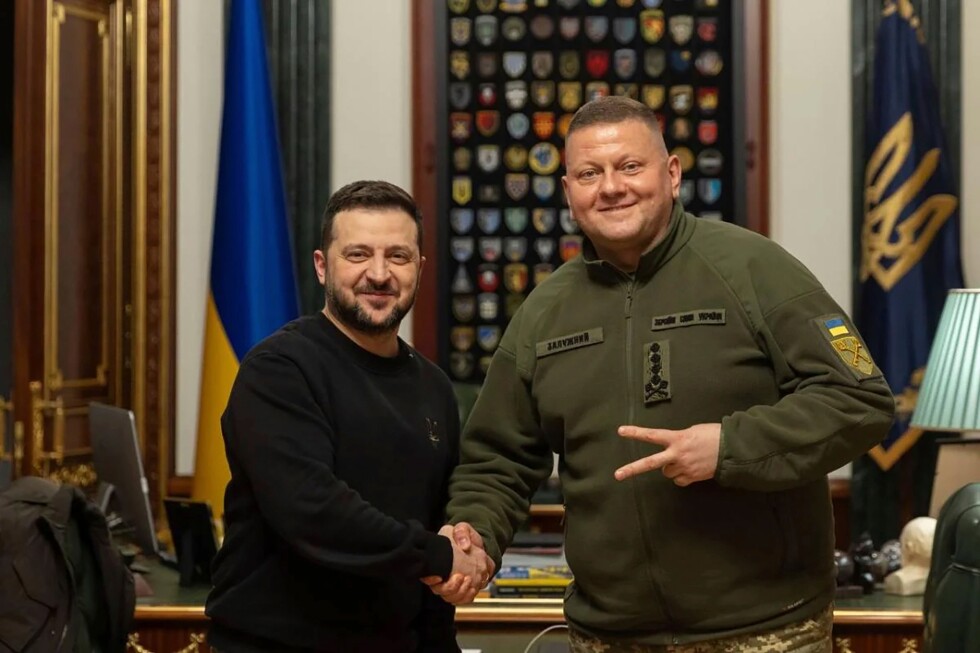
    In a groundbreaking revelation, Ukraine’s former military commander Valerii Zaluzhnyi has publicly disclosed severe tensions with President Volodymyr Zelenskyy during the ongoing conflict with Russia. The 52-year-old ambassador to Britain, widely regarded as Zelenskyy’s primary political rival, described in an exclusive Associated Press interview how their strategic disagreements nearly escalated into open confrontation during a critical 2022 intelligence raid on his command center.

    Zaluzhnyi recounted how he threatened to deploy military reinforcements to protect his headquarters when dozens of SBU agents conducted what he characterized as an intimidation operation. The former general personally intervened to prevent security personnel from accessing sensitive documents and computer systems during the unexpected incursion, which he believes was orchestrated under false pretenses.

    The discord between Ukraine’s political and military leadership extended to fundamental war strategy disagreements, particularly regarding the controversial 2023 counteroffensive. Zaluzhnyi revealed that his NATO-supported plan to concentrate forces in Zaporizhzhia was undermined by resource allocation decisions that dispersed Ukraine’s combat power across multiple fronts.

    Despite his current diplomatic posting in London—viewed by analysts as a strategic move to neutralize his political influence—Zaluzhnyi maintains significant public support. Recent polling data shows him leading Zelenskyy 23% to 20% in hypothetical presidential matchups, reflecting growing public frustration with the prolonged conflict and corruption scandals within the administration.

    While Zaluzhnyi maintains he will not engage in political discussions until after the war, his revelations come at a delicate juncture as Western pressure mounts for peace negotiations. The ambassador confirmed rejecting campaign assistance from controversial American political operative Paul Manafort, demonstrating his cautious approach to potential future political ambitions.

  • Ukrainian and Russian envoys hold a second day of US-brokered talks in Geneva

    Ukrainian and Russian envoys hold a second day of US-brokered talks in Geneva

    Diplomatic envoys from Russia and Ukraine convened for a second day of U.S.-mediated negotiations in Geneva on Wednesday, attempting to reconcile profound political and military divisions stemming from Moscow’s full-scale invasion nearly four years ago.

    The discussions, organized into specialized working groups, focused on clarifying procedural mechanisms for potential agreements. Ukrainian delegation head Rustem Umerov stated via social media that teams were “working on clarifying the parameters and mechanisms of the decisions discussed yesterday.”

    These Geneva meetings represent the third round of direct talks facilitated by Washington following earlier sessions in Abu Dhabi that officials characterized as constructive yet ultimately inconclusive. U.S. President Donald Trump’s special envoy Steve Witkoff claimed the administration’s peace initiative had achieved “meaningful progress” over the past year, though he provided no specific details.

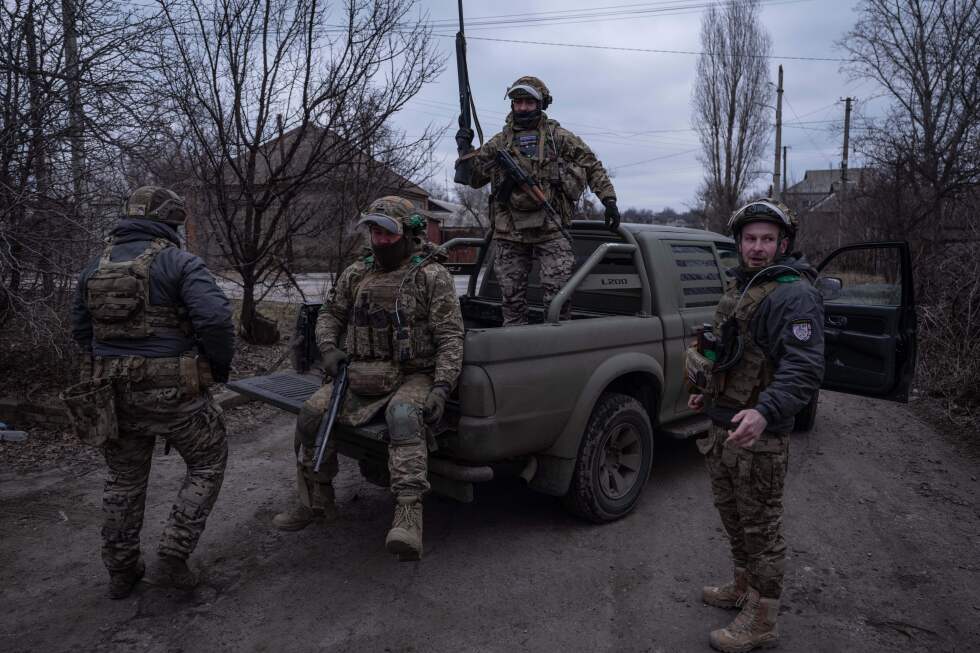
    The diplomatic efforts unfold against a backdrop of continued violence along the 1,250-kilometer frontline. Overnight, Russian forces launched one ballistic missile and 126 long-range drones targeting Ukrainian territory, according to air force officials. A separate drone strike in Zaporizhzhia killed one woman and wounded seven civilians, including two young children.

    Substantial disagreements persist between the warring nations regarding potential settlement terms. Ukrainian President Volodymyr Zelenskyy has proposed an immediate ceasefire followed by direct negotiations with Russian leader Vladimir Putin. Conversely, Moscow insists on establishing a comprehensive agreement prior to implementing any truce.

    Russia’s core demands remain consistent with its initial invasion objectives: Ukrainian renunciation of NATO membership, significant military reduction, and enhanced protections for Russian language and culture. Additionally, Putin requires Kyiv’s withdrawal from the four partially occupied eastern regions that Russia claims to have annexed.

    President Zelenskyy maintains Ukraine will not surrender sovereign territory to Russia, establishing a fundamental impediment to diplomatic resolution.

  • Is VAR any better in the rest of Europe’s top leagues?

    Is VAR any better in the rest of Europe’s top leagues?

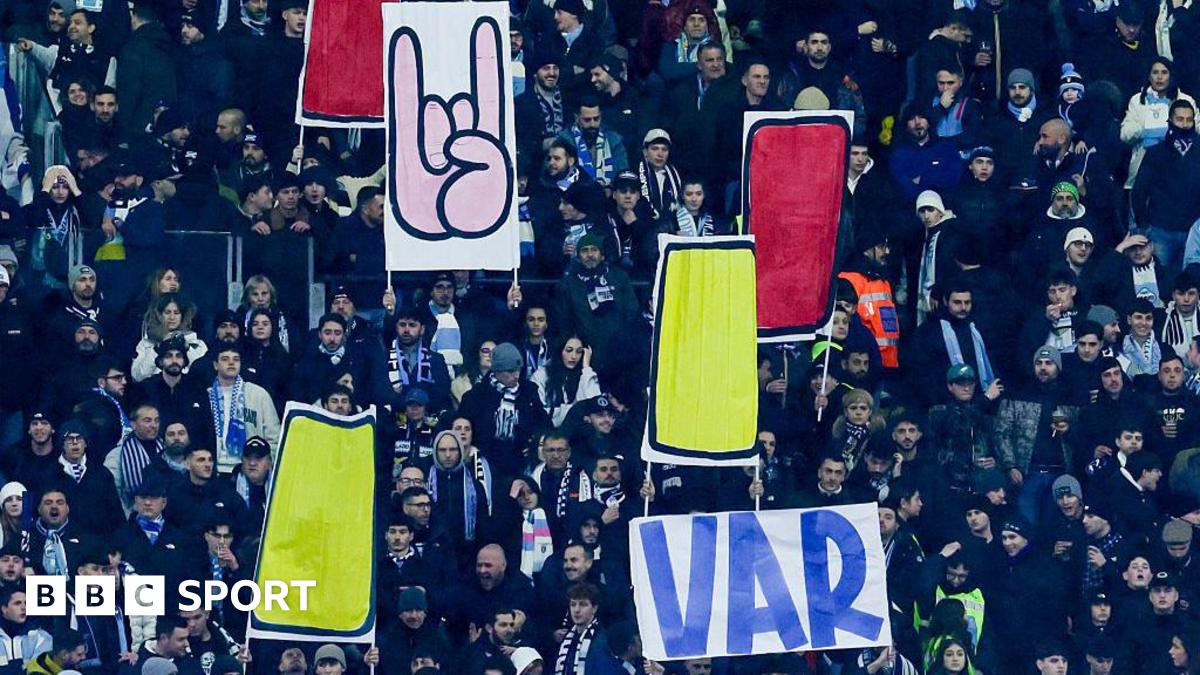
    A continent-wide crisis is unfolding across European football as Video Assistant Referee (VAR) technology faces unprecedented criticism from fans, clubs, and officials alike. UEFA’s referees’ chief Roberto Rosetti has issued a stark warning against the trend of “microscopic” interventions that has fundamentally altered the game’s emotional landscape.

    Germany’s Bundesliga showcases the most visible fan resistance, where stadiums regularly display banners demanding “Videobeweis abschaffen” (Eliminate VAR). Augsburg supporters recently created a sea of protest messages, with one banner declaring “Football with VAR is like horse racing with donkeys.” Official data reveals Germany experiences more frequent VAR interventions than England, with error rates nearly identical—one mistake every 15.66 games compared to England’s 16.

    In Spain, structural changes including a dedicated team of 15 VAR specialists have failed to prevent controversy. Real Madrid’s television channel produces weekly referee criticism videos, while Barcelona recently issued formal complaints about “repeated damaging refereeing decisions.” The semi-automated offside technology has repeatedly malfunctioned, including one incident where it failed to identify an offside position, leading to the entire VAR team being temporarily stood down.

    Italy presents a unique case where stakeholders want more VAR intervention rather than less. Serie A advocates for expanding VAR’s scope to include corner reviews and second yellow cards. However, frustration grows as fans demand clearer guidelines and transparency, with Lazio supporters protesting what they call “audio justifications without logic or sense.”

    France’s Ligue 1 demonstrates the most frequent VAR involvement with interventions occurring in nearly every other match. The financial burden has become a significant concern, with the system costing €25 million per season amid collapsing TV rights deals. Club presidents have become the most vocal critics, with Lille’s Olivier Letang describing a “breakdown of trust” with officials.

    The common thread across all leagues is the fundamental question identified by UEFA’s Rosetti: football has forgotten why VAR was originally introduced. The technology designed to eliminate clear errors has instead created a culture of microscopic analysis, bureaucratic delays, and widespread confusion that distances supporters from the emotional core of the sport.

  • Witkoff says ‘meaningful progress’ made as Ukraine talks enter second day

    Witkoff says ‘meaningful progress’ made as Ukraine talks enter second day

    GENEVA – U.S. Special Envoy Steve Witkoff has reported ‘meaningful progress’ in trilateral negotiations between Ukrainian and Russian delegations during ongoing peace talks in Switzerland. The discussions, mediated by Witkoff and Jared Kushner, President Trump’s son-in-law, entered their second day on Wednesday amid cautious optimism from American officials despite fundamentally opposing positions from both conflict parties.

    Witkoff publicly credited President Trump’s diplomatic influence for bringing the warring nations to the negotiation table. ‘President Trump’s success in bringing both sides of this war together has brought about meaningful progress,’ Witkoff stated on social media platform X, emphasizing the administration’s commitment to ‘stop the killing in this terrible conflict.’

    The negotiations, occurring just one week before the fourth anniversary of Russia’s full-scale invasion, face significant hurdles due to Moscow’s unwavering territorial demands. The Kremlin maintains its maximalist position seeking Ukrainian cession of additional territories beyond the approximately 20% of the country it currently occupies, including complete control of the eastern Donbas region – conditions Ukraine has categorically rejected.

    Ukrainian President Volodymyr Zelensky expressed concerns about the negotiation dynamics, telling Axios that ‘it’s not fair’ that Trump consistently pressures Ukraine to broker a deal without equivalent demands on Russia. Zelensky warned that lasting peace cannot be achieved by simply ‘handing victory to Russia,’ while cautiously hoping the American approach represents ‘just his tactics and not the decision.’

    Top Ukrainian negotiator Rustem Umerov reported that initial discussions focused on ‘practical issues and the mechanics of possible solutions’ during six hours of tense negotiations that utilized both bilateral and trilateral formats. Zelensky subsequently indicated Ukraine’s willingness to refrain from military strikes as proposed by U.S. mediators, asserting that ‘We don’t need war’ but are ‘defending our state, our independence.’

    The talks proceed against a backdrop of continued violence, with Russia’s Defense Ministry reporting the destruction of 43 Ukrainian drones over Russian territory and Crimea overnight. This followed a massive combined aerial assault by Russia against Ukraine the previous night, involving approximately 400 drones and nearly 30 missiles across 12 regions that resulted in at least three Ukrainian fatalities according to officials in Kyiv.

  • Olives, opera and a climate-neutral goal: How a mural in Greece won ‘Best in the World’

    Olives, opera and a climate-neutral goal: How a mural in Greece won ‘Best in the World’

    The southern Greek city of Kalamata, historically celebrated for its premium olives and Mediterranean allure, has achieved global artistic recognition. A monumental mural transforming opera legend Maria Callas into a powerful allegory for the city has been honored as the 2025 “Best Mural of the World” by Street Art Cities, an international platform dedicated to urban art.

    This distinction emerges from a deliberate urban strategy rather than mere artistic coincidence. City officials, led by Deputy Mayor Vassilis Papaefstathiou for strategic planning and climate neutrality, conceived the mural as a visual manifesto for Kalamata’s ambitious goal to become climate-neutral by 2030. The artwork serves as an accessible representation of complex initiatives including sustainable development, agricultural innovation, and local economic resilience for its 73,000 residents.

    Artist Kleomenis Kostopoulos, 52, executed the visionary piece, explaining that the mural titled ‘Kalamata’ uses Callas allegorically rather than literally. Instead of a conventional operatic portrait, he created an earthy, grounded depiction connecting people to their land through symbolic elements: native birds, agricultural products, and tree branches representing both roots and growth. Her dress embodies the “bloom and fruition” of Kalamata’s blessed terrain.

    The creation process presented significant challenges, requiring approximately two weeks of intensive work spread across a month due to weather interruptions. Kostopoulos employed brushes, spray paint, and a cherry-picker to complete the massive installation.

    Beyond aesthetic achievement, the mural has become a civic focal point generating multiple benefits. It has enhanced tourism promotion and stimulated discussions about public art’s role in urban spaces, with additional building owners expressing interest in hosting similar works. The artwork also strengthens local identity at a critical time, as southern Greece faces increasing climate pressures including heatwaves, droughts, and wildfires that threaten the olive groves central to the regional economy.

    The Callas connection resonates deeply with locals—though born in New York to Greek immigrants, her father originated from a village south of Kalamata, making her a beloved native daughter. This bond is institutionally recognized through the Maria Callas-named alumni association at the local music school and a dedicated exhibition at the cultural center.

    Community response reflects profound pride, with tourism educator Dimitra Kourmouli expressing “immense pride” in the recognition. Officials and the artist hope the award will catalyze broader appreciation for public art’s cultural, social, and economic benefits throughout Greece, serving as a springboard for meaningful conversations about art in public spaces.

  • Fallout from Epstein and Mandelson puts Britain’s House of Lords under scrutiny

    Fallout from Epstein and Mandelson puts Britain’s House of Lords under scrutiny

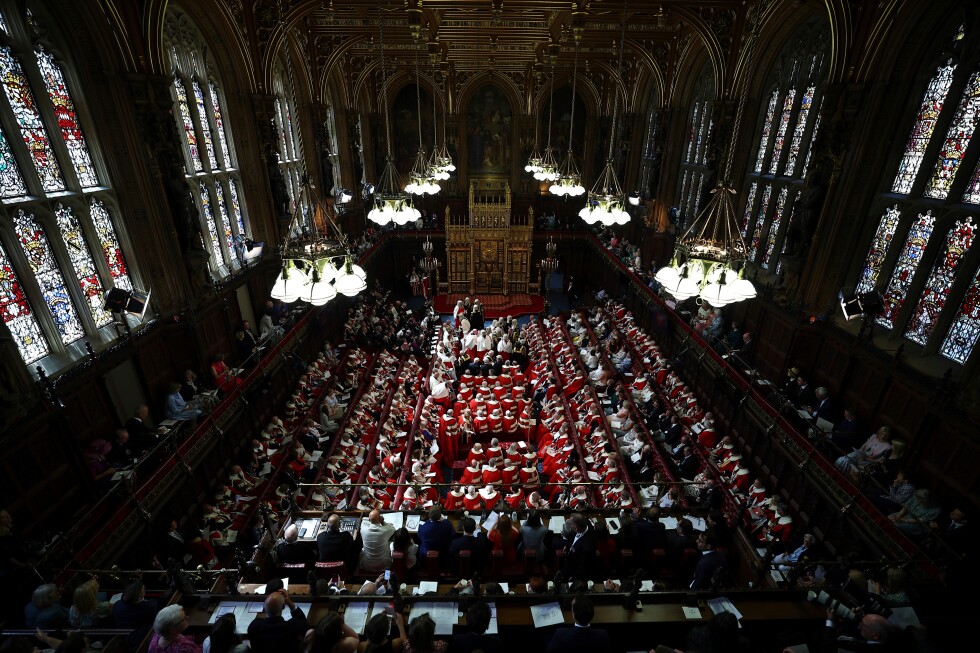
    LONDON — Britain’s centuries-old House of Lords confronts mounting pressure for structural reform as scandals and antiquated traditions expose fundamental flaws in the parliamentary institution. The recent resignation of former UK ambassador Peter Mandelson, compelled by his association with convicted sex offender Jeffrey Epstein, has intensified scrutiny of the upper chamber’s accountability mechanisms and membership standards.

    The 700-year-old institution, comprising over 850 unelected lifetime members bearing aristocratic titles, faces criticism from across the political spectrum for its semi-feudal structure. While supporters maintain the Lords serve a vital democratic function in reviewing legislation, even proponents acknowledge the necessity for modernization in what Green Party member Jenny Jones characterizes as “a mess” of historical anachronisms.

    Historical transformation of the chamber began with the introduction of government-appointed “life peers” in the 1950s, expanding to include female members. The Blair administration’s 1999 reforms removed most hereditary peers, though 92 retained positions temporarily. Prime Minister Keir Starmer’s current Labour government has initiated legislation to eliminate remaining hereditary positions, denounced as “indefensible relics” of Britain’s aristocratic past.

    The chamber’s disciplinary capabilities remain historically constrained despite modifications allowing expulsion for code of conduct violations, imprisonment, or non-attendance. Notable cases include thriller-writer Jeffrey Archer’s 2001 perjury conviction and media magnate Conrad Black’s 2007 fraud sentence, neither of whom faced expulsion under previous regulations. While several members have resigned preemptively over misconduct allegations, no peer has been formally expelled for behavioral transgressions.

    Controversy extends to appointment processes, with most life peerages distributed directly by the prime minister to political allies, aides, and donors without independent quality assessment. Crossbench members undergo selection through an independent committee, creating inconsistent standards across the chamber.

    Constitutional experts describe reform progress as “glacial,” with discussions spanning decades before implementation. Recent proposals include introducing an 80-year retirement age and strengthening participation requirements, while more radical suggestions advocate replacing the Lords with an elected senate-style body.

    The Epstein-related scandals have amplified existing concerns about membership quality and selection criteria, creating political complications for Prime Minister Starmer’s administration. As Britain grapples with modernizing its parliamentary democracy, the House of Lords stands at a crossroads between centuries of tradition and contemporary democratic expectations.

  • Third Briton dies in French Alps avalanches in one week

    Third Briton dies in French Alps avalanches in one week

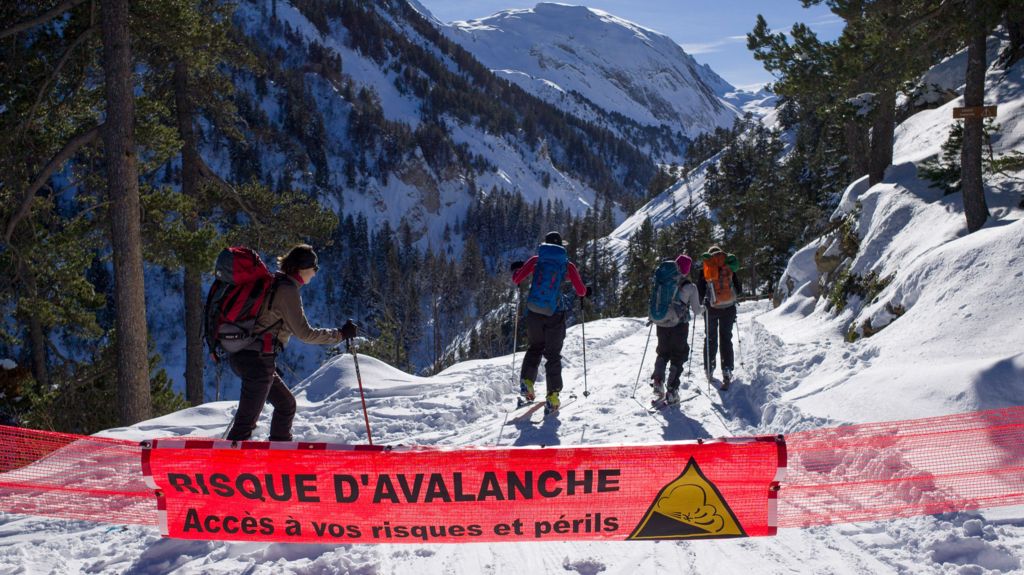
    A series of devastating avalanches in the French Alps on Tuesday resulted in multiple fatalities, including a British national, marking a continued pattern of winter tragedies in the region. The incidents occurred in two separate locations under elevated avalanche risk conditions.

    In the first tragedy near the resort town of La Grave, a British man in his 30s and a Polish citizen were killed while skiing off-piste with a group of five individuals. The avalanche struck without warning, burying the victims under heavy snow. Two other members of the group—a German and an Australian skier—miraculously escaped uninjured.

    Simultaneously, a second avalanche occurred in the neighboring Valloire area, claiming one life and leaving two hikers in critical condition. French authorities have launched comprehensive investigations into both incidents to determine the exact circumstances surrounding the deaths.

    The French weather service had issued elevated avalanche warnings for both regions, rating the risk at level four (high) on a five-point scale for La Grave due to recent snowfall and strong winds, while Valloire faced the maximum level five risk designation.

    These latest fatalities bring the winter season’s death toll to 28 in the French Alps, following another tragic incident just days earlier that claimed the lives of two British nationals and a French citizen. The UK Foreign Office confirmed it is providing consular assistance to affected families and remains in contact with local authorities.

    The Alpine region has experienced numerous fatal avalanches since the beginning of the year, including a particularly deadly weekend in January that resulted in six fatalities, highlighting the persistent dangers of mountain activities during winter conditions.