标签: Europe

欧洲

  • Oreshnik hypersonic ballistic missile fired in fresh strikes on Ukraine, Russia says

    Oreshnik hypersonic ballistic missile fired in fresh strikes on Ukraine, Russia says

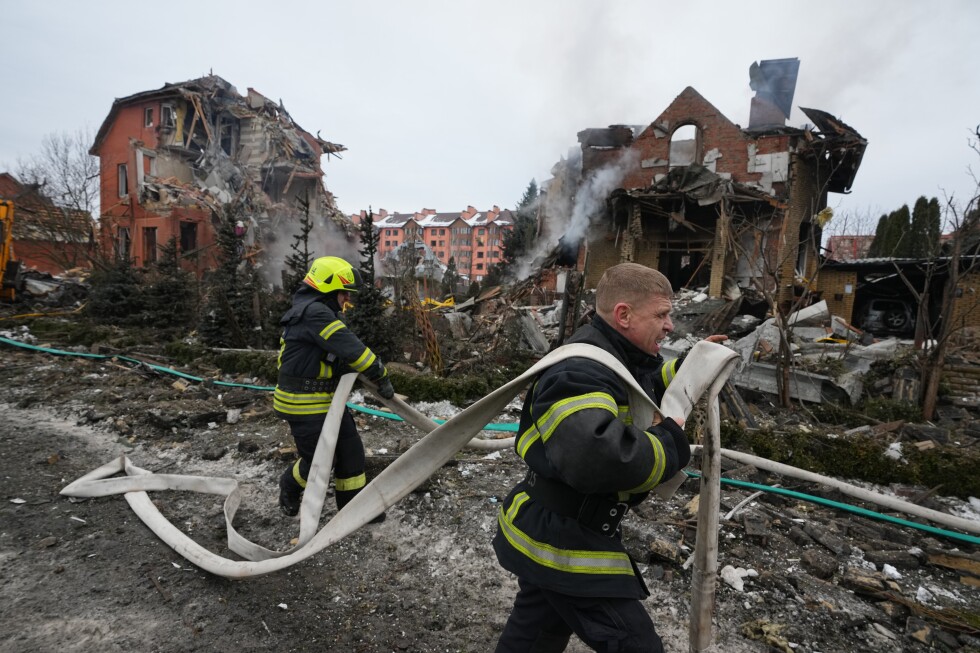
    In a significant escalation of hostilities, Russia has confirmed deploying its advanced Oreshnik intermediate-range ballistic missile during a massive overnight assault on Ukrainian territory. The strikes resulted in four fatalities and twenty-five injuries in the capital city of Kyiv, where residents endured hours of deafening explosions that illuminated the night sky.

    According to Russia’s defense ministry, this offensive operation was conducted as a retaliatory measure for an alleged Ukrainian drone attack on President Vladimir Putin’s residence in late December—an accusation that Ukrainian authorities vehemently deny. While the ministry did not identify specific targets for the Oreshnik missile, social media platforms circulated videos showing multiple explosions near Lviv, a western Ukrainian city located approximately 60 kilometers from the Polish border.

    Ukrainian officials confirmed that ballistic missile strikes damaged critical infrastructure in the Lviv area. The Oreshnik system, first deployed in November 2024 against Dnipro, represents a formidable technological advancement with an estimated range of 5,500 kilometers. Its warhead is designed to fragment during final descent into multiple independently targeted projectiles, creating distinctive sequential explosions.

    Ukrainian Foreign Minister Andrii Sybiha characterized the strike near NATO’s eastern flank as ‘a grave threat to European security and a test for the transatlantic community,’ dismissing Russia’s justification as based on ‘hallucinations.’ The European Union has expressed skepticism regarding Russia’s claims about the initial drone incident, with former U.S. President Donald Trump recently questioning whether the alleged attack on Putin’s residence ever occurred.

    The assault on Kyiv involved sophisticated tactical coordination, employing over a dozen missiles and hundreds of drones. Tragedy struck when a paramedic responding to an initial explosion became a victim of a ‘double-tap’ strike—a military tactic where secondary explosives target first responders. Residential buildings along the Dnipro River and in central districts sustained direct hits, while power outages affected multiple neighborhoods during exceptionally harsh winter conditions, with temperatures expected to drop to -15°C.

    Concurrently, Ukrainian forces targeted Russian energy infrastructure, with half a million residents in Belgorod losing power and the city of Oryol experiencing disruptions to water and heating systems following strikes on power plants. This reciprocal targeting of energy infrastructure has become a defining characteristic of the conflict, creating humanitarian challenges for civilians on both sides of the border.

  • Trump pick for Gaza board Nickolay Mladenov frequently worked to ease Mideast tensions

    Trump pick for Gaza board Nickolay Mladenov frequently worked to ease Mideast tensions

    SOFIA, Bulgaria — In a significant diplomatic move, veteran Bulgarian statesman Nickolay Mladenov has been designated as director-general for the newly established U.S. Board of Peace in Gaza. The appointment, confirmed by Israeli Prime Minister Benjamin Netanyahu on Thursday and verified by U.S. officials, positions Mladenov at the helm of an unprecedented international mechanism designed to administer Gaza during a critical transitional period.

    The 53-year-old diplomat brings extensive credentials to this formidable challenge, having previously served as both Bulgaria’s Defense and Foreign Minister before undertaking high-profile United Nations assignments. His most recent role as U.N. Special Coordinator for the Middle East Peace Process (2015-2020) provided him with deep immersion in the region’s complex political dynamics and established his reputation as a trusted intermediary between conflicting parties.

    According to the ceasefire framework brokered by the United States, the peace authority—which will be chaired by President Donald Trump—bears responsibility for overseeing a technocratic Palestinian administration, facilitating Hamas disarmament, coordinating international security forces, managing Israeli troop withdrawals, and supervising reconstruction efforts in the war-ravaged territory.

    Middle East experts highlight Mladenov’s distinctive qualifications for this delicate assignment. Milen Keremedchiev, a former diplomat and regional specialist, noted that “Bulgaria has long been perceived as a moderate country, one that has avoided extremes in this particularly acute conflict,” adding that Mladenov consistently maintained “a carefully balanced approach” during his ministerial tenure that earned respect from both Israeli and Palestinian leadership.

    This sentiment was echoed by Alon Bar, a retired Israeli diplomat who collaborated closely with Mladenov during his UN service. Bar emphasized that despite Israel’s historically strained relationship with the United Nations, Mladenov “managed to gain Israel’s confidence” while simultaneously building trust with Palestinian counterparts. “He was able to create a relationship of trust with the political echelon in Israel, including Prime Minister Netanyahu,” Bar observed, noting Mladenov’s practical approach focused on “trying to find bridges” between opposing positions.

    Mladenov’s diplomatic portfolio includes significant crisis management experience, having served as U.N. envoy to Iraq during the rise of ISIS (2013-2015) and later helping de-escalate cross-border violence between Israel and Hamas. His leadership during the Arab Spring period as Bulgaria’s foreign minister included hosting the first-ever structured dialogue between Syrian opposition factions in 2012.

    Educated at King’s College London and the University of National and World Economy in Sofia, Mladenov currently directs the Anwar Gargash Diplomatic Academy in the UAE. His extensive peacebuilding efforts were formally recognized in February 2021 when he received the Grand Star of the Order of Jerusalem from Palestinian leadership.

    As the international community watches this new peace architecture take shape, Mladenov’s appointment represents a strategic selection grounded in his proven track record of mediation and consensus-building in one of the world’s most intractable conflicts.

  • Russia attacks Ukraine with drones and missiles, killing 4 in Kyiv

    Russia attacks Ukraine with drones and missiles, killing 4 in Kyiv

    Ukrainian cities faced a severe escalation in hostilities as Russian forces executed a coordinated multi-front assault overnight Thursday into Friday. The offensive, which combined drone and missile strikes, resulted in significant civilian casualties and infrastructure damage across multiple regions.

    According to official statements from Kyiv’s military administration, the attacks claimed four lives and left at least twenty-two individuals wounded. Among the fatalities was an emergency medical responder, highlighting the dangers faced by first responders during active combat operations. Ukraine’s security service confirmed that five rescue personnel sustained injuries while attempting to provide assistance at attack sites.

    The western city of Lviv experienced particularly concerning developments when an unidentified ballistic missile targeted critical infrastructure facilities. Mayor Andriy Sadoviy reported the strike, while Ukraine’s Western Air Force Command later disclosed the missile traveled at approximately 13,000 kilometers per hour. Military analysts are currently working to identify the specific rocket type used in this unprecedented attack.

    In the capital, several districts suffered direct impacts from the assault. The Desnyanskyi district witnessed a drone collision with a multi-story residential building, while another location within the same district sustained damage to the lower floors of an apartment complex. Meanwhile, in Dnipro district, debris from downed drones ignited fires and caused structural damage to civilian housing.

    The aftermath of the bombardment created widespread disruption throughout Kyiv, with Mayor Vitali Klitschko reporting interruptions to both water and electricity services. These utility failures occurred during particularly harsh winter conditions, compounding the challenges for emergency response teams.

    This escalation comes shortly after Ukrainian President Volodymyr Zelenskyy warned the nation about Russia’s planned large-scale offensive operations. The president specifically noted Russia’s intention to exploit adverse weather conditions, including dangerously icy roads and frigid temperatures that complicate defense efforts.

  • Pope indicates new governing style for Catholic Church with regular, annual cardinal meetings

    Pope indicates new governing style for Catholic Church with regular, annual cardinal meetings

    In a significant departure from his predecessor’s governing approach, Pope Leo XIV has announced the establishment of annual gatherings for the College of Cardinals, signaling a new era of collaborative leadership within the Catholic Church. The announcement came Thursday at the conclusion of the pontiff’s first consistory—a meeting that cardinals from across the globe described as a constructive step toward greater collegiality.

    Vatican spokesman Matteo Bruni confirmed that Pope Leo has requested all cardinals to return to Rome for a second session scheduled for June 27-28, with plans to continue these meetings annually for three to four days each year. This structural shift represents a dramatic change from Pope Francis’ preference for relying on a hand-picked group of nine cardinals who met periodically to provide counsel.

    The move directly addresses concerns raised during the May conclave that elected Leo, where numerous cardinals had expressed frustration with what they perceived as Francis’ solitary leadership style. Many had advocated for regular consistories that would allow the collective body of cardinals to advise the pope on critical issues facing the global church.

    Cardinal Stephen Brislin of Johannesburg, South Africa, characterized the development as evidence that “the pope wants to be collegial and he wants to draw on the experience and the knowledge of different cardinals coming from all the different parts of the world.” He emphasized the value of diverse geographical perspectives in helping “the successor of Peter give leadership to the church.”

    Beyond governance implications, the regular meetings will address practical concerns about familiarity among the cardinals themselves. During pre-conclave discussions, many had noted the challenge of electing a pope when some cardinals from remote regions had never met their counterparts.

    Cardinal Cristóbal López Romero of Rabat, Morocco, described the initial gathering as “very fruitful because it allowed us to know one another better, to be in contact with the pope and take the pulse of how things are going.”

    The consistory also provided cardinals with their first extended opportunity to observe the leadership style of history’s first U.S. pope, whom many still consider somewhat enigmatic due to his reserved demeanor and preference for listening rather than speaking. Cardinal Pablo Virgilio David of the Philippines noted that Leo took “copious notes” during discussions, suggesting serious consideration of the cardinals’ input.

    Cardinal Jean-Paul Vesco of Algiers observed that beyond the substantive discussions, the gathering fostered an atmosphere of mutual respect and brotherhood, noting that cardinals felt both valued by and supportive of the new pontiff.

  • French researcher freed from Russia in prisoner exchange

    French researcher freed from Russia in prisoner exchange

    In a significant diplomatic resolution, Russia has released French researcher Laurent Vinatier following a negotiated prisoner exchange with France. This development concludes a detention lasting over a year for Vinatier, who was imprisoned on charges of failing to register as a “foreign agent.”

    The swap involved the reciprocal release of Russian national Daniil Kasatkin, a professional basketball player detained in France since June 2023. Kasatkin’s arrest was executed at the behest of U.S. authorities, who have accused him of involvement in a major hacking and ransomware scheme.

    The transfer, confirmed by Russia’s state-owned RIA news agency, was formalized through a presidential pardon from Vladimir Putin. Vinatier, a 49-year-old affiliated with a Swiss conflict mediation organization, was arrested in Moscow. Russian prosecutors alleged his research activities involved gathering sensitive information on the nation’s military apparatus—a charge that intersects with laws mandating the registration of individuals receiving foreign support.

    Following his return to Paris, Vinatier was reunited with his family and officially received by French Minister Delegate for Europe, Jean-Noël Barrot. French President Emmanuel Macron publicly expressed relief on social media platform X, stating, “Our compatriot is back in France.”

    This exchange occurs against a backdrop of severely strained relations between Moscow and Western nations, exacerbated by the ongoing conflict in Ukraine. It echoes a pattern of prisoner diplomacy; a landmark Cold War-scale swap in August 2024 saw 24 individuals released between Russia and Western countries. Kremlin spokesman Dmitry Peskov had previously indicated that Moscow had presented Paris with an offer, stating the decision was thereafter France’s to make.

    During his judicial proceedings, Vinatier entered a guilty plea, expressing regret and claiming unawareness of the registration requirement. He was subsequently sentenced to a three-year term, a ruling the French government decried as “extremely harsh.” Conversely, Kasatkin has consistently denied the U.S. allegations against him.

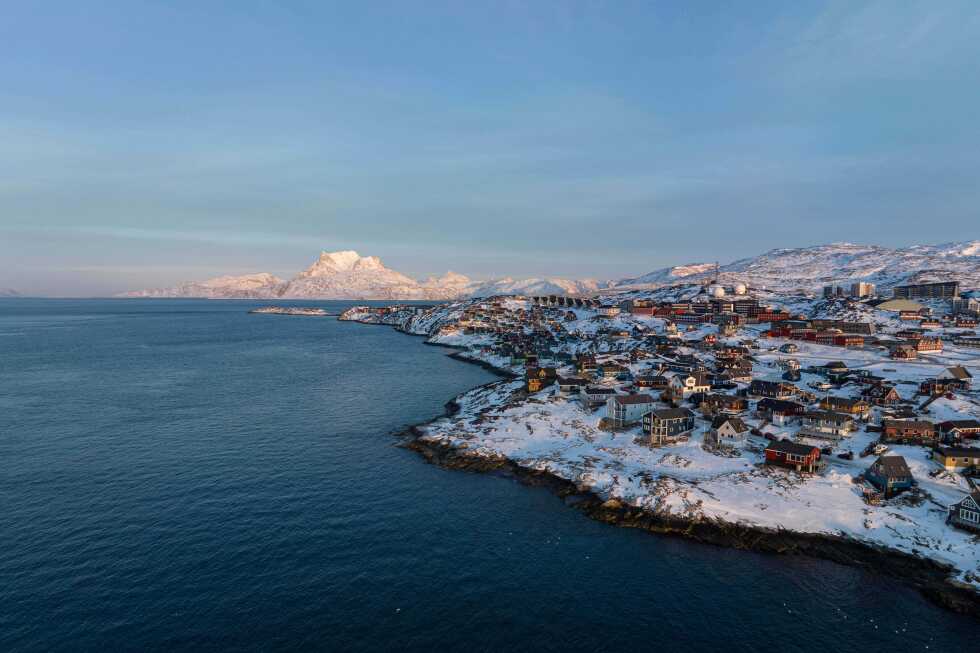
  • Britain says tanker seizure is a win for trans-Atlantic security but tensions loom over Greenland

    Britain says tanker seizure is a win for trans-Atlantic security but tensions loom over Greenland

    LONDON — The recent interception of a Venezuela-linked oil tanker by U.S. special forces has sparked contrasting interpretations across the Atlantic. While British officials characterize the operation as a model of international cooperation, other analysts perceive it as emblematic of America’s unilateral foreign policy approach under the current administration.

    The strategic seizure of merchant vessel Bella 1 occurred with British naval and aerial support, according to U.K. Defense Secretary John Healey, who emphasized the nations’ enduring defense alliance. British authorities frame the action as part of broader efforts to combat Russia’s ‘shadow fleet’ of aging tankers used to circumvent international oil sanctions, estimating these operations have generated approximately $100 billion in prohibited revenue for Moscow.

    Prime Minister Keir Starmer’s government faces mounting pressure as it attempts to maintain diplomatic relations with Washington amid contentious U.S. policies. These include President Trump’s renewed interest in acquiring Greenland—a semi-autonomous Danish territory—and the controversial capture of Venezuelan President Nicolás Maduro. European leaders, including French President Emmanuel Macron, have expressed concern over America’s apparent divergence from established international norms and alliances.

    Defense Secretary Healey briefed Parliament that NATO remains ‘stronger, larger and more united than ever,’ while simultaneously acknowledging the administration’s commitment to provide security guarantees for Ukraine following future cease-fire agreements. This delicate diplomatic dance reflects what international affairs expert Bronwen Maddox describes as Europe’s fundamental dilemma: balancing principle against pragmatism when engaging with an administration that has imposed tariffs on trading partners, withdrawn from international organizations, and questioned NATO’s value.

    Starmer has adopted a cautiously optimistic approach, avoiding direct criticism of Trump’s policies despite domestic pressure to condemn actions such as the $10 billion lawsuit against the BBC and attacks on London Mayor Sadiq Khan. The Prime Minister’s office confirmed he communicated Britain’s position on Greenland’s sovereignty during a recent phone call with President Trump, though the administration’s response remains undisclosed.

    Analysts from the Chicago Council on Global Affairs suggest Starmer has demonstrated tactical proficiency in navigating these complex diplomatic waters, though Maddox warns that some U.S. proposals may ultimately prove too extreme for Britain’s conciliatory strategy to remain effective.

  • Spain’s Catholic Church signs deal on sexual abuse compensation

    Spain’s Catholic Church signs deal on sexual abuse compensation

    In a historic move addressing decades of institutional failure, Spain’s government and Roman Catholic Church leadership have established a groundbreaking cooperative framework to provide compensation for victims of clergy sexual abuse. This unprecedented agreement creates a state-managed pathway for victims to seek reparations even when legal avenues are unavailable due to expired statutes of limitations or deceased perpetrators.

    The accord, signed by Justice Minister Félix Bolaños and Church representatives including Episcopal Conference President Luis Argüello, represents a significant shift from the Church’s previous independent handling of abuse cases. Under the new system, victims will submit claims to a specialized agency within the justice ministry, which will then forward cases to the ombudsman’s office for evaluation and reparation proposals. The Church must accept these proposals or return them for reconsideration.

    This development follows mounting pressure from victims’ organizations and international scrutiny from the Vatican. A comprehensive 2023 study by Spain’s ombudsman estimated that approximately 440,000 Spaniards—1.1% of the population—had suffered sexual abuse by clergy or Church-affiliated individuals, though the Church has contested these figures.

    The agreement acknowledges multiple forms of reparation, including symbolic gestures, psychological support, and financial compensation. While specific monetary amounts remain undefined, the ombudsman has suggested benchmarking against European standards, where payments have ranged from €6,000 in Belgium to approximately €63,000 in Ireland.

    The initiative comes after years of criticism regarding the Church’s handling of abuse cases. Its internal reparations scheme, established in 2023, had resolved only 58 cases by November and faced accusations of opacity and exclusion of victim input. Last June, several victims’ groups severed ties with the Spanish Church, alleging systematic exclusion from reparations processes.

    This Spanish agreement aligns with global patterns of addressing clerical abuse, following major scandals that emerged initially in North America during the 1980s and subsequently across numerous Catholic-majority nations. While Spain experienced relatively fewer public scandals initially, recent investigations and high-profile cases—including the November resignation of Cádiz bishop Rafael Zornoza over abuse allegations—have brought the issue to national prominence.

    Victims’ advocates have welcomed the agreement as a crucial step toward accountability. Juan Cuatrecasas of the Association for Stolen Childhood described the arrangement as addressing ‘an endemic, structural evil’ within the Church that required institutional acknowledgment rather than continued concealment.

  • Russian drone strikes cause major blackouts in two regions of Ukraine

    Russian drone strikes cause major blackouts in two regions of Ukraine

    In a severe escalation of attacks on civilian infrastructure, Russian drone strikes have triggered a massive power outage across southern Ukraine, leaving entire regions without electricity during winter conditions. Officials confirmed on Thursday that the Zaporizhzhia region experienced a complete blackout for four hours—the first total power loss since the invasion began—while over 600,000 households in Dnipropetrovsk remained without electricity into the afternoon.

    The systematic targeting of energy facilities represents Moscow’s continued strategy of ‘weaponizing winter’ against civilian populations, denying basic heating and utilities as temperatures drop. Ukrainian President Volodymyr Zelenskyy condemned the attacks as militarily unjustified, emphasizing their devastating humanitarian impact.

    These developments unfold against complex diplomatic maneuvers. Zelenskyy revealed that a security agreement with the United States stands ‘ready to be finalized,’ potentially to be signed alongside President Donald Trump. This agreement, designed to deter future Russian aggression, would only take effect following a peace settlement. Meanwhile, Ukraine has presented peace options to U.S. officials for potential discussion with Moscow, though Russia shows no public willingness to compromise.

    The human cost continues to mount beyond power outages. Russian ballistic missiles struck apartment buildings in Kryvyi Rih, injuring ten people with one in critical condition. Russia’s Defense Ministry meanwhile claimed to have intercepted 66 Ukrainian drones over various territories, including annexed Crimea and adjacent seas.

    Zelenskyy has urgently called for enhanced international pressure on Moscow and warned citizens of potential new massive attacks, urging vigilance toward air raid alerts in coming days.

  • Child and man found dead in Dublin

    Child and man found dead in Dublin

    Irish police have launched a major investigation following the discovery of two bodies at separate residential addresses in west Dublin on Thursday morning, sending shockwaves through the local community.

    The grim discoveries began when emergency services responded to a call at approximately 08:30 local time to a property in Cherry Orchard, Ballyfermot (Dublin 10). At this location, authorities found the body of a man believed to be in his 40s.

    Within a short timeframe, a second tragic discovery was made at a residence in Clondalkin (Dublin 22), where investigators located the body of a young boy. The proximity of both incidents in timing and geography has prompted a coordinated investigative approach under the direction of a senior investigating officer.

    The Garda Technical Bureau has implemented comprehensive forensic protocols at both crime scenes, which remain preserved for detailed examination. The Office of the State Pathologist has been formally requested to assist in the investigation, and the coroner has been officially notified of both deaths.

    Procedural steps are underway as the man’s body has been transferred to the city morgue for further examination, while the child’s body remains at the scene pending forensic documentation. Gardaí have confirmed that post-mortem examinations will be scheduled to establish causes of death, with results expected to determine the subsequent direction of the investigation.

    A formal Garda statement emphasized that “the results of these examinations will assist Gardaí in determining the course of the investigation” as authorities work to establish the circumstances surrounding these tragic events.

  • Russia frees French political scholar in a prisoner swap for a basketball player

    Russia frees French political scholar in a prisoner swap for a basketball player

    In a significant diplomatic maneuver, France and Russia have concluded a prisoner exchange agreement resulting in the release of French political scholar Laurent Vinatier from Russian custody. The swap, confirmed by officials on Thursday, marks the resolution of a high-profile case that had strained bilateral relations.

    Vinatier, who had been serving a three-year sentence in Russia since his June 2024 arrest in Moscow, returned to France following months of diplomatic negotiations. Russian authorities had initially convicted him for violating foreign agent registration laws, alleging he gathered sensitive military information that threatened national security. Subsequently, the Federal Security Service (FSB) brought additional espionage charges carrying potential 10-20 year imprisonment.

    The exchange counterpart saw the release of Russian basketball professional Daniil Kasatkin, who had been detained in France since late June pending extradition to the United States. American authorities sought Kasatkin for alleged involvement in computer fraud operations, though his legal representation maintained his complete innocence regarding the hacking accusations.

    French President Emmanuel Macron publicly announced Vinatier’s return via social media platform X, expressing both “relief” and “gratitude” toward diplomatic personnel involved in securing his release. Simultaneously, Russia’s FSB confirmed Kasatkin’s repatriation in an official statement.

    The prisoner transfer was documented through FSB-released footage showing Vinatier receiving notification of his pardon from Russian President Vladimir Putin. The visual evidence depicted the scholar expressing thanks in Russian before boarding an aircraft shortly after Kasatkin’s disembarkation.

    This exchange follows Putin’s December commitment to review Vinatier’s case during his annual news conference, despite initially claiming unfamiliarity with the situation. Kremlin spokesperson Dmitry Peskov subsequently revealed Russia had extended a formal proposal to French authorities regarding potential resolution.

    Vinatier, an advisor for the Switzerland-based Centre for Humanitarian Dialogue, received welcoming ceremonies at France’s Foreign Ministry alongside family members. The organization had previously stated it was pursuing all available avenues to assist their colleague during his detention.

    This incident represents another chapter in Russia’s pattern of detaining foreign nationals on security-related charges followed by prisoner exchanges with Western nations. The practice has drawn criticism from human rights organizations who view the foreign agent legislation as part of broader efforts to suppress dissent regarding Russia’s military activities in Ukraine.