标签: Europe

欧洲

  • Russia unleashes massive drone and missile attack on Ukraine as diplomatic talks continue

    Russia unleashes massive drone and missile attack on Ukraine as diplomatic talks continue

    In a significant escalation of hostilities, Russian forces executed a comprehensive aerial offensive against Ukraine during the overnight hours into Saturday. The assault involved an extensive deployment of 653 drones and 51 missiles, triggering nationwide air raid alerts as Ukrainians commemorated Armed Forces Day.

    Ukrainian air defense systems demonstrated remarkable effectiveness by intercepting and neutralizing 585 drones and 30 missiles, though 29 locations sustained direct impacts. According to Internal Affairs Minister Ihor Klymenko, the attacks resulted in at least eight casualties, with three individuals wounded in the Kyiv region specifically. The geographical scope of the assault extended as far west as the Lviv region.

    Energy infrastructure emerged as a primary target, with Ukraine’s national energy operator Ukrenergo reporting substantial damage to power stations across multiple regions. President Volodymyr Zelenskyy confirmed that energy facilities constituted the main focus of the offensive, noting additionally that a drone strike completely destroyed the railway station in Fastiv, located within the Kyiv oblast.

    Concurrently, Russia’s Defense Ministry claimed to have shot down 116 Ukrainian drones over Russian territory. Unverified footage circulated on Telegram channels appeared to show fires at the Ryazan Oil Refinery following an alleged Ukrainian drone strike, though Ukrainian authorities declined immediate comment on the incident.

    This exchange of aerial attacks occurs against the backdrop of ongoing diplomatic efforts. U.S. and Ukrainian negotiators prepared for a third day of discussions aimed at establishing a security framework for postwar Ukraine. Both parties acknowledged that meaningful progress toward any comprehensive agreement would ultimately require Russia’s genuine commitment to sustainable peace negotiations.

    The strategic pattern continues with Ukraine targeting Russia’s oil export revenue through refinery strikes, while Russian forces attempt to compromise Ukraine’s energy grid ahead of winter—a tactic Ukrainian officials characterize as weaponizing environmental conditions against civilian populations.

  • Ukrainian women embrace combat roles as technology reshapes the battlefield

    Ukrainian women embrace combat roles as technology reshapes the battlefield

    KHARKIV, Ukraine — The evolution of modern warfare technology has created unprecedented combat opportunities for women in Ukraine’s military forces. What began as limited frontline roles for female soldiers has transformed dramatically since Russia’s full-scale invasion nearly four years ago.

    This technological revolution is exemplified by soldiers like the 26-year-old known by her call sign ‘Monka,’ who abandoned her restaurant management career abroad to return home and serve. She now operates as a first-person view (FPV) drone pilot in the Unmanned Systems Battalion of Ukraine’s Third Army Corps.

    Military officials confirm this represents a significant trend: technological advancements in warfare have enabled more women to assume combat positions previously dominated by men. Defense Ministry statistics reveal over 70,000 women served in Ukraine’s military in 2025—a striking 20% increase from 2022 figures—with more than 5,500 deployed directly on front lines.

    The proliferation of drone technology has been particularly transformative. Remote warfare capabilities have created combat roles that don’t require physical strength as a primary qualification, instead prioritizing technical aptitude, precision, and strategic thinking.

    Several military units have launched targeted recruitment campaigns toward women through partnerships with organizations like the Dignitas Foundation. The Khartiia Corps reports a 20% increase in female recruits since 2024, with dozens successfully integrating into combat technological roles.

    Despite progress, challenges persist within Ukraine’s traditionally conservative military structure. Some female soldiers report encountering prejudice and being steered toward support roles instead of combat positions. A 25-year-old soldier identified as Yaha described being initially directed to kitchen duty when she requested drone training.

    Yet determination prevails. Women like 20-year-old Chibi, an FPV technician with brightly colored hair, overcome skepticism through technical excellence. Working from damp basements near front lines, she prepares drones for battlefield deployment despite initial doubts about her capabilities.

    Olha Meloshyna, spokesperson for Ukraine’s Unmanned Systems Forces, emphasizes that drone operations remain highly dangerous, as Russian forces actively target operators. Currently, women constitute 4.2% of this specialized force—a significant proportion given their voluntary enlistment.

    The military’s ongoing recruitment campaign aims to bring 15,000 new personnel into drone-related roles, with women actively encouraged to apply. As Meloshyna notes: ‘No drone is autonomous. It needs human involvement. And the more personnel we have, the more drones will fly toward Russia.’

  • Single women risk rape and exploitation in search for better life in Europe

    Single women risk rape and exploitation in search for better life in Europe

    A disturbing trend is emerging across European migration routes as growing numbers of women undertake perilous journeys alone, facing unprecedented risks of sexual violence and systemic challenges in obtaining asylum protection.

    Esther’s harrowing experience exemplifies this crisis. Having fled an abusive foster home in Lagos in 2016, she was lured by promises of European opportunity only to be forced into sexual slavery in Libya. ‘She locked me in a room and brought in a man. He had sex with me, with force. I was still a virgin,’ Esther recounts. Her traumatic journey included desert crossings, Mediterranean sea rescue, and four years of navigating complex asylum systems across multiple countries.

    Statistical evidence confirms this alarming pattern. The International Rescue Committee’s 2024 report documented a 250% annual increase in single adult women arriving in Italy via the Balkan route, while family migrations grew by 52%. Despite men comprising approximately 70% of irregular migrants according to the European Agency for Asylum, women face distinctly dangerous circumstances.

    ‘Their experiences are different and often riskier,’ explains Ugochi Daniels of the International Organization for Migration (IOM). ‘Even women travelling in groups frequently lack consistent protection, exposing them to abuse by smugglers, traffickers, or other migrants.’

    The IOM recorded 3,419 migrant deaths or disappearances in Europe last year—the deadliest year on record. For women, the journey carries additional threats of sexual exploitation. Many women consciously prepare for the likelihood of rape, packing condoms or obtaining contraceptive devices beforehand.

    Hermine Gbedo of anti-trafficking network Stella Polare reveals the grim economic reality: ‘All migrants must pay smugglers, but women are often expected to offer sex as part of the payment.’

    Legal frameworks theoretically protect gender-based violence survivors. The Council of Europe’s Istanbul Convention and a landmark EU court ruling last year recognize gender-based violence—including psychological, physical, and sexual violence plus FGM—as legitimate grounds for asylum. However, implementation remains inconsistent.

    Marianne Nguena Kana of the End FGM European Network identifies critical shortcomings: ‘Many asylum officials are inadequately trained men who may dismiss cases with flawed reasoning—such as assuming previously mutilated women face no further risk.’

    Proof remains another significant hurdle. Carenza Arnold of Women for Refugee Women notes: ‘Sexual violence leaves no visible scars like physical torture, and cultural taboos complicate disclosure to strangers in rushed immigration procedures.’

    Political responses are increasingly restrictionist. Italian MP Nicola Procaccini asserts: ‘We cannot sustain mass migration. We can guarantee safety only to those genuinely in danger.’ Policy Exchange’s Rakib Ehsan advocates ‘controlled compassion’ that prioritizes ‘women in conflict zones where rape is a weapon of war.’

    Yet many women from ‘safe’ countries like Kosovo report unbearable gender-based persecution. Nina, granted asylum in Italy after sexual exploitation by partners, explains: ‘People think everything is well in Kosovo, but that’s not true. Things are terrible for women.’ An OSCE report indicated 54% of Kosovar women experienced intimate partner violence.

    For survivors like Esther who finally obtained refugee status in 2019 after three attempts, the psychological scars endure. Reflecting on her decade-long journey, she questions: ‘I don’t even know the reason why I came to this place.’ As European nations tighten asylum regulations, the protection gap for vulnerable women migrants continues to widen.

  • Frank Gehry, the most celebrated architect of his time, dies at 96

    Frank Gehry, the most celebrated architect of his time, dies at 96

    The architectural world mourns the passing of Frank Gehry, the revolutionary designer whose sculptural buildings transformed city skylines worldwide. The Pritzker Prize-winning architect died Friday at 96 in his Santa Monica home following a brief respiratory illness, confirmed his firm Gehry Partners LLP.

    Gehry’s extraordinary career spanned seven decades, during which he redefined architectural possibilities with his deconstructivist approach. His fascination with modern pop art manifested in breathtaking structures that became instant cultural landmarks, including the titanium-clad Guggenheim Museum in Bilbao, Spain, the stainless steel sails of Walt Disney Concert Hall in Los Angeles, and Berlin’s innovative DZ Bank Building.

    Beyond his iconic cultural institutions, Gehry designed significant corporate structures including Facebook’s Northern California headquarters expansion at the personal request of CEO Mark Zuckerberg. His professional accolades encompassed every major architectural honor, from the Royal Institute of British Architects gold medal to the Companion of the Order of Canada, his native country’s highest distinction.

    Gehry’s journey began in Toronto, where he was born Ephraim Owen Goldberg on February 28, 1929. He moved to Los Angeles in 1947, eventually becoming a U.S. citizen and changing his name at his first wife’s suggestion to counter potential antisemitism. His architectural awakening came unexpectedly when a college ceramics professor recognized his talent, leading him to pursue formal studies at the University of Southern California and later urban planning at Harvard.

    Despite universal acclaim, Gehry’s work occasionally faced criticism. Some detractors dismissed his structures as overscaled versions of the scrap-wood cities he built as a child in Timmins, Ontario. Princeton critic Hal Foster termed later works “oppressive” tourist attractions, while others compared Disney Hall to “cardboard boxes left in the rain.” The Eisenhower family notably objected to his proposed memorial design for the 34th president.

    Gehry typically responded to criticism with characteristic wit, even parodying his design process in a 2005 “Simpsons” episode where he created a concert hall from crumpled paper. He continued working into his eighties, leaving behind a legacy that includes Manhattan’s shimmering IAC Building and the 76-story New York By Gehry tower. He is survived by his wife Berta, three children, and the extraordinary architectural landmarks that will continue to define cities for generations.

  • Which European countries have mandatory or voluntary military service

    Which European countries have mandatory or voluntary military service

    In response to heightened security threats following Russia’s invasion of Ukraine, multiple European NATO members are implementing voluntary national service programs to bolster their military capabilities. This strategic shift marks a significant evolution from Cold War-era conscription models that diminished after the Soviet Union’s collapse.

    Currently, nine European NATO states maintain compulsory conscription systems: Denmark, Estonia, Finland, Greece, Latvia, Lithuania, Norway, Sweden, and Turkey. Turkey, hosting NATO’s second-largest military after the United States, requires male citizens aged 20-41 to serve 6-12 months. Norway has adopted gender-neutral conscription with typically 12-month service periods.

    Several nations are introducing innovative voluntary approaches. Belgium’s defense ministry recently contacted 17-year-olds with monthly €2,000 incentives to join a new reservist program aiming to expand forces from 6,000 to 20,000. Similarly, France is launching a 10-month paid ‘national service’ program offering €800 monthly, targeting 18-19-year-olds with planned participation growing to 50,000 by 2035.

    Germany’s parliament approved a voluntary military service system requiring all 18-year-old men to complete questionnaires assessing their willingness and capability to serve. Chancellor Friedrich Merz aims to develop Europe’s ‘strongest conventional army,’ expanding active personnel from 183,000 to 260,000 by 2035 alongside 200,000 reservists. Despite government support, recent protests saw students in 90 German cities demonstrating against the initiative.

    Poland, possessing one of NATO’s largest armies, introduced one-month voluntary basic training in 2024, with Prime Minister Donald Tusk announcing plans for ‘large-scale military training for every adult male’ to build a 500,000-strong force including reservists.

    The United Kingdom maintains a professional military force comparable to France and Germany in conventional strength, uniquely permitting 16-year-olds to enlist with parental consent. Other NATO members with professional armies include Albania, Czechia, Hungary, Italy, Luxembourg, Montenegro, North Macedonia, Portugal, Slovakia, Slovenia, and Spain.

    Non-NATO European states demonstrate varied approaches: Austria maintains compulsory service for men aged 18-35, Cyprus mandates military service for male citizens over 18, while Switzerland requires male citizens aged 18-30 to serve in military or civilian capacities, recently rejecting a proposal to extend this obligation to women.

  • Irish police investigating drone activity during Zelensky visit

    Irish police investigating drone activity during Zelensky visit

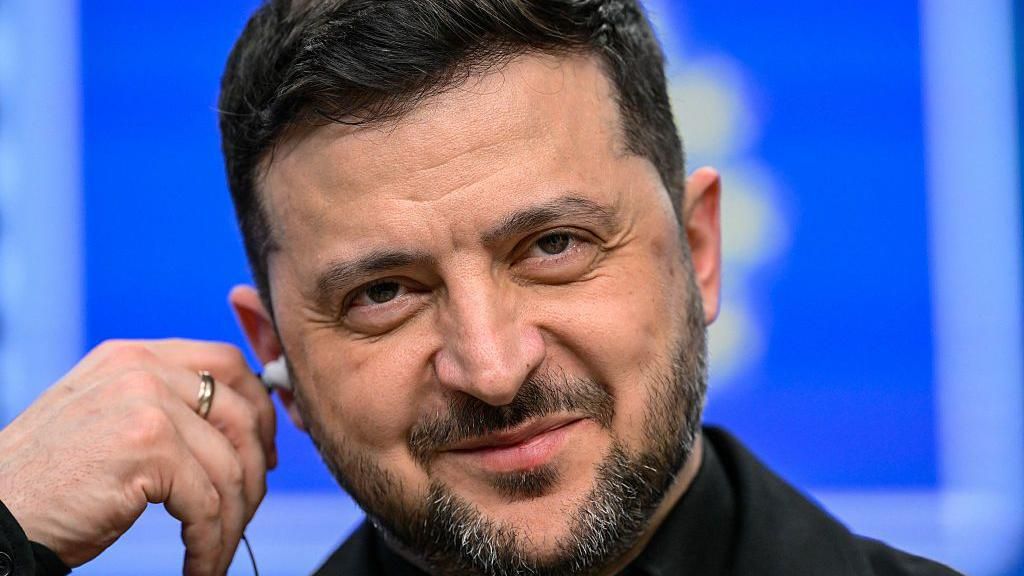
    Irish authorities have initiated a comprehensive security investigation following the detection of multiple unidentified drones in Irish airspace coinciding with Ukrainian President Volodymyr Zelensky’s official visit to Dublin. The incident occurred on Monday night as President Zelensky and First Lady Olena Zelenska arrived for their one-day diplomatic engagement.

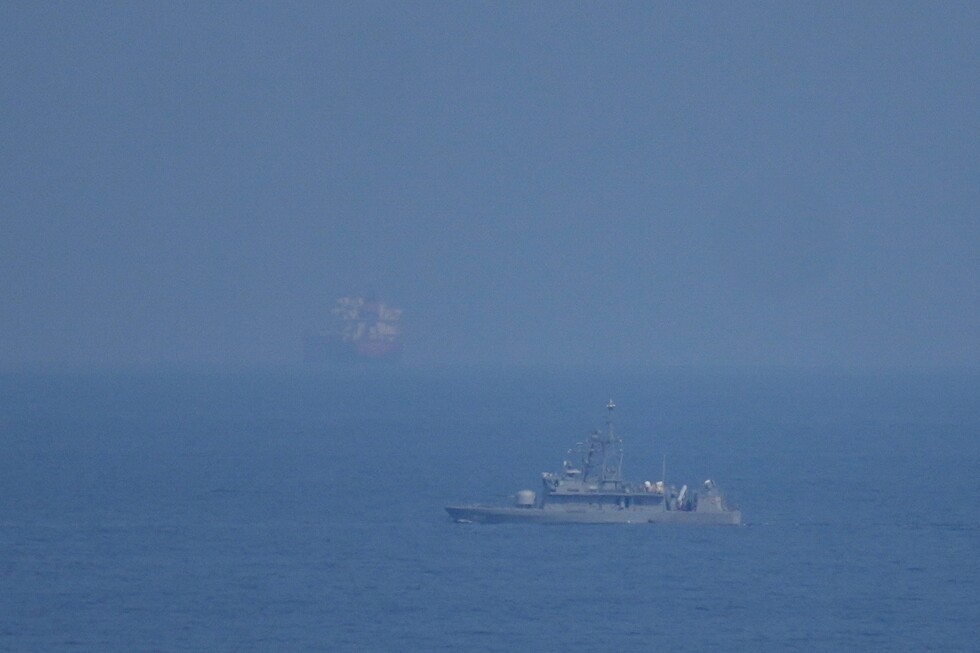
    The Garda Síochána’s Special Detective Unit (SDU) has taken lead on the investigation, coordinating with Irish Defence Forces and international security partners. According to reports from Irish broadcaster RTÉ, naval personnel aboard the LÉ William Butler Yeats vessel observed several drones operating near Howth over the Irish Sea approximately simultaneous to the Ukrainian leader’s arrival at Dublin Airport.

    Taoiseach Micheál Martin confirmed that senior government officials have been briefed on the security matter, which will be formally addressed at an upcoming National Security Council meeting later this month. While praising the overall security operation during President Zelensky’s visit as particularly successful, Martin acknowledged the emerging challenge of drone incursions across European Union member states.

    Speaking at the British-Irish Council meeting in Cardiff, the Taoiseach noted that drone-related security concerns have become increasingly prevalent throughout Europe since the onset of the Ukraine conflict. ‘There’s been heightened activity on the cyber security front, in terms of maritime issues and in terms of drones,’ Martin stated, while declining to speculate about potential Russian involvement until the completion of a full security review.

    The Irish Defence Forces maintained their standard protocol of not commenting on specific operational incidents, emphasizing their ongoing coordination with gardaí in addressing national security matters. The investigation represents Ireland’s latest response to evolving security challenges in the current geopolitical landscape.

  • ‘I don’t want to be part of this war machine’: Young Germans protest against military service plans

    ‘I don’t want to be part of this war machine’: Young Germans protest against military service plans

    Berlin witnessed a surge of youth activism as demonstrators flooded the streets to voice staunch opposition to the German parliament’s recently approved voluntary military service initiative. The proposed program, designed to strengthen national defense capabilities in response to Russia’s full-scale invasion of Ukraine, has sparked intense debate about militarization and civic duty.

    Protest organizers characterized the parliamentary decision as a dangerous step toward normalizing warfare, with many participants carrying signs reading ‘I don’t want to be part of this war machine.’ The movement reflects growing concerns among younger generations about being drawn into military structures despite Germany’s historical stance against compulsory service, which was abolished over a decade ago.

    The demonstration highlights a significant generational divide in security perspectives, with many young Germans expressing skepticism about military solutions to geopolitical crises. The protest occurred amidst ongoing debates in the Bundestag about how best to address evolving security threats while respecting pacifist traditions that have shaped German identity since World War II.

    Government officials have defended the voluntary service proposal as a necessary measure to ensure national security amid rising tensions in Eastern Europe. However, protesters maintain that alternative forms of national service and diplomatic solutions should take precedence over military preparedness in contemporary German society.

  • France intercepts illegal drone overflight at nuclear submarine base

    France intercepts illegal drone overflight at nuclear submarine base

    French defense authorities have launched a formal investigation following the unauthorized drone penetration of a highly secure naval installation housing the nation’s nuclear deterrent forces. The incident occurred Thursday evening at the Île Longue strategic submarine base in Brittany, which serves as homeport for France’s four ballistic missile submarines: Le Triomphant, Le Téméraire, Le Vigilant and Le Terrible.

    Defense Minister Catherine Vautrin publicly confirmed that military personnel successfully intercepted the aerial intrusion, though specific countermeasure details remain classified. The minister declined to specify whether kinetic engagement, electronic warfare systems, or other defensive protocols were employed against the unidentified drones. Vautrin emphasized that “any overflight of a military site is prohibited in our country” while commending the base’s rapid response team.

    This security breach aligns with a concerning pattern across European airspace. Multiple NATO members have reported sophisticated drone operations near critical infrastructure throughout recent months. These incidents have included temporary airport closures disrupting civilian air traffic and numerous sightings above sensitive military installations.

    While no entity has claimed responsibility for the Île Longue violation, intelligence agencies have previously attributed similar airspace violations to Russian operations, particularly in Baltic states and Eastern European nations. The incident raises significant questions about the vulnerability of nuclear facilities to emerging aerial surveillance technologies and potential espionage activities.

  • Greek police fire tear gas at protesting farmers threatening to blockade airport

    Greek police fire tear gas at protesting farmers threatening to blockade airport

    Greek farmers intensified their demonstrations on Friday as riot police deployed tear gas against protesters attempting to blockade the primary access route to Thessaloniki International Airport. The escalating unrest stems from significant delays in European Union agricultural subsidy payments that have left farmers financially strained and unable to plant next season’s crops.

    Across Greece’s agricultural heartlands, thousands of tractors and farming vehicles have occupied strategic locations including border crossings, major highways, and transportation hubs. These coordinated actions have periodically halted traffic and threatened complete shutdowns of critical infrastructure. Authorities have implemented traffic diversions throughout northern and central regions to circumvent the blockades, while freight transportation at borders with Bulgaria, Turkey, and North Macedonia has already been severely disrupted.

    The payment delays emerged following revelations of widespread fraudulent claims within Greece’s agricultural subsidy system. Protesters argue that the resulting administrative review process constitutes collective punishment, leaving legitimate farmers indebted and incapable of purchasing essential planting materials. This crisis compounds existing challenges for Greece’s agricultural sector, including a recent outbreak of goat and sheep pox that necessitated large-scale livestock culling.

    Farmer Vasilis Mavroskas articulated the desperation felt by many: “We’re bankrupt and protesting when we should be sowing. Our inability to plant will directly impact urban food supplies—this is about survival.” Near Thessaloniki, approximately 200-300 farmers with over 100 tractors attempted to breach police cordons to completely seal airport access.

    While Public Order Minister Michalis Chrisochoidis maintained the government’s openness to dialogue, he simultaneously issued warnings against the disruption of major transit points. Christos Tsilias, vice president of the Thessaloniki farmers’ union, appealed for public support to pressure authorities into releasing the frozen payments.

    The current protests reflect a recurring pattern of agricultural demonstrations in Greece, though the underlying subsidy scandal has proven particularly consequential. The investigation led by the European Public Prosecutor’s Office uncovered systematic fraud and money-laundering activities, prompting the resignation of five senior government officials in June and the phased dissolution of the state agency responsible for subsidy distribution. Dozens of individuals have been arrested in connection with false claims, marking one of Greece’s most significant agricultural subsidy scandals in recent years.

  • Trump’s security strategy slams European allies and asserts US power in Western Hemisphere

    Trump’s security strategy slams European allies and asserts US power in Western Hemisphere

    The Trump administration has formally released its National Security Strategy, presenting a stark departure from previous foreign policy approaches by directly criticizing long-standing European allies while advocating for reinforced American dominance in the Western Hemisphere. The document, mandated by law and published Friday, characterizes European nations as facing potential “civilizational erasure” due to their immigration policies, declining birth rates, and restrictions on free speech.

    This strategic framework solidifies President Trump’s ‘America First’ doctrine, emphasizing non-interventionist foreign policy, reassessment of traditional alliances, and the unequivocal prioritization of American interests. The administration questions the long-term reliability of European partners, suggesting their current trajectory may render them unrecognizable within two decades and potentially incapable of maintaining robust economies or military capabilities.

    Despite its non-interventionist rhetoric, the strategy simultaneously outlines an expanded military approach in the Western Hemisphere, referencing a ‘Trump Corollary’ to the Monroe Doctrine. This includes targeted deployments and potential use of lethal force against cartels, alongside military strikes already conducted against alleged drug traffickers in Caribbean and Pacific waters.

    The document further acknowledges the administration’s intent to broker an end to the Russia-Ukraine conflict, identifying resolution of the nearly four-year war as vital to reestablishing strategic stability with Russia. This positioning marks a significant shift from the previous administration’s approach to Moscow, which treated Russia as a global pariah following its aggressive actions in Ukraine.