标签: Europe

欧洲

  • Spanish woman who found fame for botching fresco restoration dies

    Spanish woman who found fame for botching fresco restoration dies

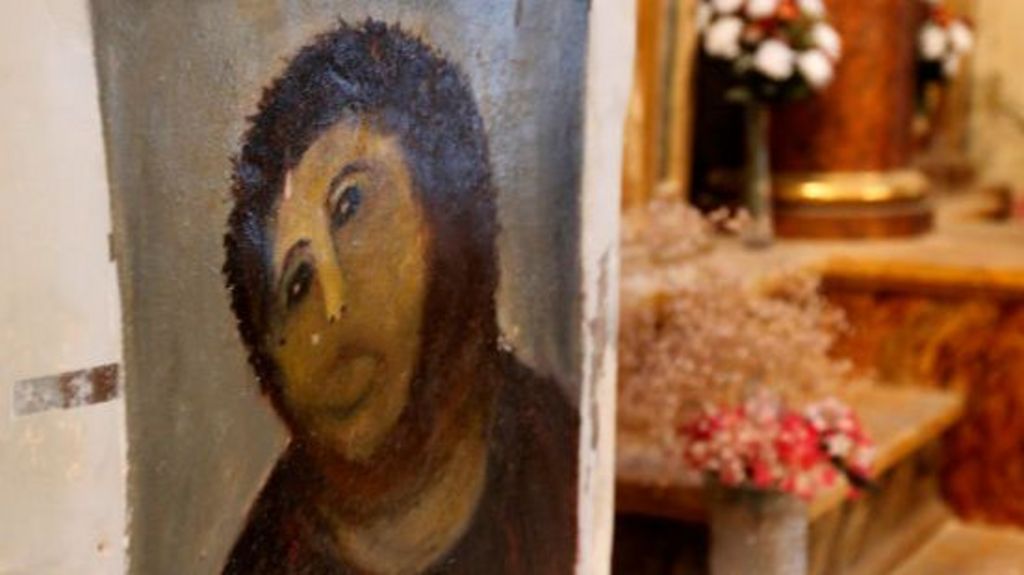
    Cecilia Giménez, the Spanish parishioner whose unconventional restoration of a religious fresco catapulted her to global fame, has passed away at age 94. The mayor of Borja, Eduardo Arilla, confirmed her death in an official Facebook tribute, recognizing Giménez as a “great lover of painting from a young age” whose actions, though controversial, ultimately transformed her small town’s destiny.

    The incident occurred in 2012 when then-81-year-old Giménez attempted to restore the century-old ‘Ecce Homo’ (Behold the Man) fresco by 19th-century painter Elias Garcia Martinez in her local Sanctuary of Mercy Church. Despite her earnest intentions, the restoration dramatically altered Christ’s facial features, resulting in the viral phenomenon dubbed “Monkey Christ” due to its similian appearance.

    Initially facing international ridicule and artistic criticism, the botched restoration unexpectedly became a cultural phenomenon that reversed the fortunes of the previously obscure town. Borja experienced an unprecedented tourism boom, with annual visitor numbers skyrocketing from 5,000 to over 40,000 by 2013. The phenomenon generated more than €50,000 for local charities through tourism revenue.

    Despite initial backlash, Giménez received overwhelming support from her community and eventually staged an exhibition featuring 28 of her original paintings. The restored fresco, now protected behind glass, continues to draw between 15,000-20,000 annual visitors, maintaining its status as an unexpected tourist attraction.

    Mayor Arilla’s tribute emphasized Giménez’s lifelong dedication to her church and community, noting that she acted “with the best intentions” to preserve the deteriorating artwork. Her unintended legacy demonstrates how artistic interpretation, even when unconventional, can profoundly impact cultural tourism and community identity.
  • Great white sharks face extinction in Mediterranean, say researchers

    Great white sharks face extinction in Mediterranean, say researchers

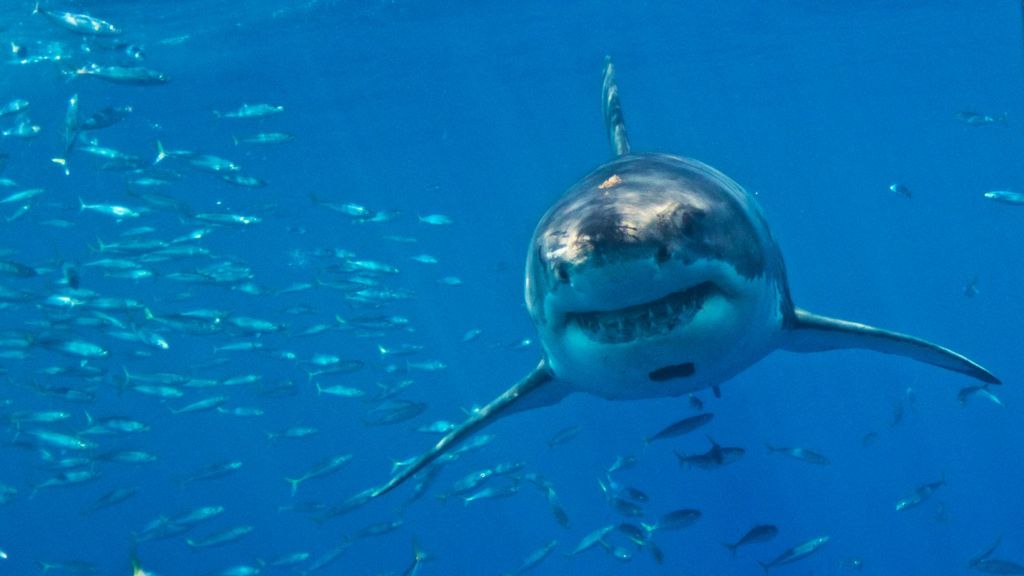
    The iconic great white shark population in the Mediterranean Sea is teetering on the brink of extinction, according to a groundbreaking joint investigation by Virginia Tech scientists and the UK-based Blue Marine Foundation. Their research reveals that rampant illegal fishing operations in North African coastal waters have decimated these protected predators, with at least 40 great whites killed in 2025 alone despite international protection laws.

    Through systematic monitoring of fishing ports and verification of social media evidence, researchers documented protected shark species being openly sold in fish markets across Tunisia and Algeria. Disturbing footage shows large great whites being hauled ashore in Algeria and the fins of critically endangered short-finned mako sharks prepared for sale in Tunisian markets.

    Dr. Francesco Ferretti, lead researcher from Virginia Tech, describes the Mediterranean as the world’s most intensely fished body of water, where industrial fishing pressure has pushed white sharks to critically endangered status. ‘The impact has been intensifying… it’s plausible they will go extinct in the near future,’ he warned during fieldwork off Sicily’s coast.

    In a desperate attempt to study remaining specimens, researchers deployed an unprecedented effort in the Strait of Sicily—identified as a potential last refuge for Mediterranean sharks. They utilized three tonnes of fish bait, 500 liters of tuna oil, and advanced DNA sampling techniques over two weeks, yet captured only a single brief glimpse of one blue shark on submarine cameras.

    The conservation crisis is compounded by complex enforcement challenges. While 24 shark species enjoy international protection under agreements signed by the EU and 23 Mediterranean nations, enforcement varies dramatically. The regulations prohibit retention, transshipment, or sale of protected species but fail to adequately address accidental bycatch.

    James Glancy of Blue Marine Foundation, who documented protected sharks in Tunisian markets, noted the paradoxical hope in finding sharks for sale: ‘It shows there is wildlife left. And if we can preserve this, there is chance of recovery.’

    Local experts highlight the socioeconomic dimensions of the crisis. Sara Almabruk of the Libyan Marine Biology Society explains that North African fishers often face impossible choices between conservation and feeding their families. ‘Why would they throw sharks back into the sea when they need food for their children?’ she asked, advocating for sustainable fishing training programs.

    Researchers conclude that only immediate, coordinated international action can prevent the permanent loss of these apex predators from Mediterranean ecosystems, emphasizing that preservation efforts must address both conservation needs and local economic realities.

  • Russia’s losses in Ukraine rise faster than ever, as US pushes for peace deal

    Russia’s losses in Ukraine rise faster than ever, as US pushes for peace deal

    A comprehensive BBC analysis reveals that Russian military fatalities in Ukraine have accelerated at an unprecedented rate during the past ten months, marking the most severe period of losses since the full-scale invasion commenced in 2022. This surge occurred paradoxically alongside intensified peace negotiations pressured by the Trump administration throughout 2025.

    The BBC’s meticulous verification process, conducted in collaboration with Mediazona and volunteer networks, has documented approximately 160,000 confirmed Russian combatant deaths. Military experts estimate the actual death toll likely ranges between 243,000 and 352,000, suggesting current confirmed figures represent only 45-65% of total losses.

    Obituary publication patterns reveal critical insights into combat intensity fluctuations. January 2025 began with relatively low numbers, followed by a February spike coinciding with direct Trump-Putin negotiations. August witnessed another peak during the Alaska summit that ended Putin’s diplomatic isolation. The most dramatic surge occurred in October and November, with 322 daily obituaries—double 2024’s average—as diplomatic efforts stalled and the US presented a 28-point peace proposal.

    Kremlin strategy appears to link territorial gains to negotiation leverage, with Putin aide Yuri Ushakov emphasizing that “recent successes” positively influenced talks.

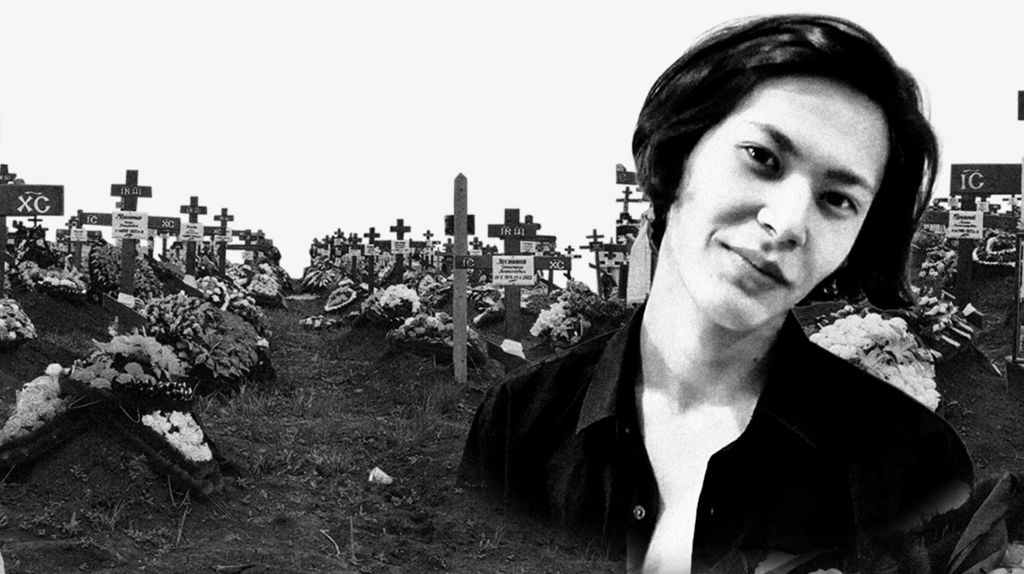
    The human dimension emerges through the tragedy of Murat Mukashev, an activist who consistently opposed Putin’s regime. Despite participating in anti-war protests, police violence demonstrations, and LGBT rights rallies, Mukashev faced drug trafficking charges in early 2024. Offered military service as an alternative to prosecution under a 2024 law that provides legal immunity for recruits, he initially refused and received a ten-year sentence.

    Imprisoned by November 2024, Mukashev reversed his decision based on Trump’s promises of rapid conflict resolution, hoping to secure freedom before peace materialized. His support group stated he viewed enlistment “as a chance to be released instead of being imprisoned for 10 years of strict regime.” He died on June 11, 2025, during combat in Kharkiv region.

    BBC data indicates most 2025 casualties had no military connection when the war began. Since the October 2023 Avdiivka battle, casualties among post-invasion “volunteers” have steadily increased. These contract soldiers now comprise one-third of Russian fatalities, compared to 15% a year earlier.

    Recruitment mechanisms involve substantial financial incentives—up to 10 million rubles annually—targeting debt-burdened individuals and university students. Deputy National Security Council head Dmitry Medvedev reported 336,000 enlistments by October 2025, exceeding 30,000 monthly. NATO estimates monthly Russian deaths at 25,000, indicating recruitment outpaces losses.

    Notably, all military contracts signed since September 2022 automatically renew until conflict termination, contrary to recruit expectations of one-year service.

    Total Russian casualties (killed and wounded) reportedly reach 1.1 million according to NATO, with approximately 250,000 fatalities. Ukrainian losses remain substantial, with President Zelensky acknowledging 46,000 battlefield deaths and 380,000 wounded in February 2025, though cross-referenced data suggests actual Ukrainian fatalities may approach 140,000.

  • Hollywood stars Idris Elba, Cynthia Erivo recognized in New Year’s honor’s list

    Hollywood stars Idris Elba, Cynthia Erivo recognized in New Year’s honor’s list

    LONDON — King Charles III has unveiled his New Year’s Honours List, recognizing an extraordinary array of British citizens for their exceptional contributions to national life. The annual tradition, which dates back to medieval monarchical practices, this year celebrates everyone from entertainment luminaries to centenarian community heroes.

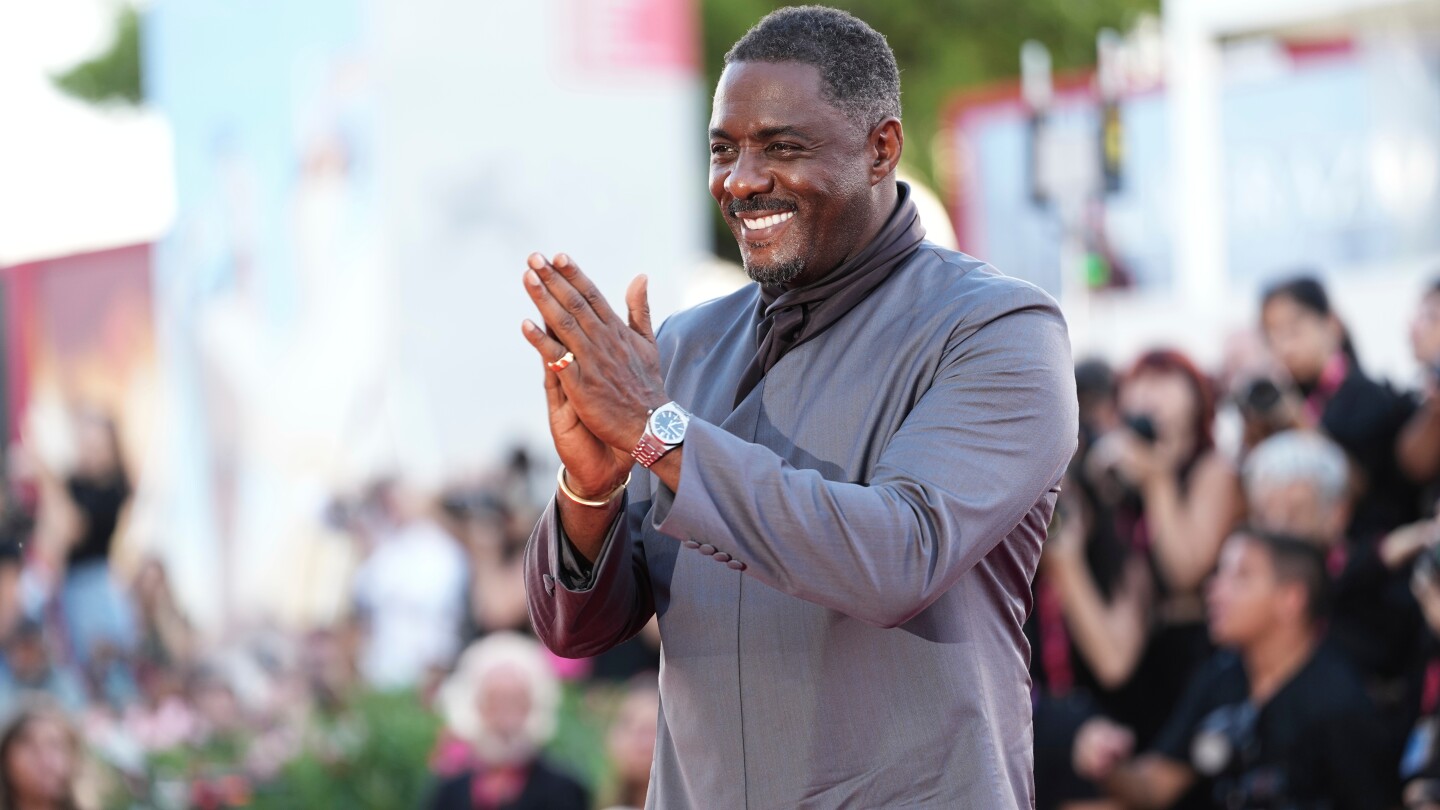
    Among the most distinguished honorees, acclaimed actor Idris Elba received knighthood for his philanthropic work with youth through the Elba Hope Foundation, which he co-founded with his wife Sabrina to combat knife crime, educational disparities, and poverty. The star of ‘The Wire’ and numerous blockbuster films accepted the honor as a tribute to the young people his foundation serves, emphasizing the collective responsibility to provide alternatives to violence.

    Olympic history was also celebrated as ice dancing legends Jayne Torvill and Christopher Dean received damehood and knighthood respectively, commemorating their iconic gold medal performance at the 1984 Sarajevo Winter Olympics that captivated the nation.

    The honors extended to Broadway and West End star Cynthia Erivo, recognized as a Member of the British Empire (MBE) for her services to music and drama, particularly as she prepares for her role in the upcoming ‘Wicked’ film adaptation.

    Remarkably, 102-year-old John Hearn, internationally recognized by Guinness World Records as the world’s oldest active judo instructor, received the British Empire Medal for his lifelong dedication to martial arts education.

    The list further honored author and comedian Richard Osman (OBE) for his literary contributions, retired marathon champion Paula Radcliffe (OBE) for services to athletics, and 101-year-old D-Day veteran Mervyn Kersh (BEM) for his educational work on Holocaust remembrance and wartime history.

    The modern honors system, which evolved from medieval monarchs granting land and titles to crown servants, now recognizes achievements across government, academia, arts, and sports. While often highlighting prominent figures, the system consistently honors librarians, charity workers, and civil servants who serve their communities without expectation of recognition. This year’s list comprises 1,150 recipients across various honor tiers, from knighthoods and damehoods to the Order of the British Empire’s CBE, OBE, and MBE distinctions.

  • Ukraine denies drone attack on Putin’s residence

    Ukraine denies drone attack on Putin’s residence

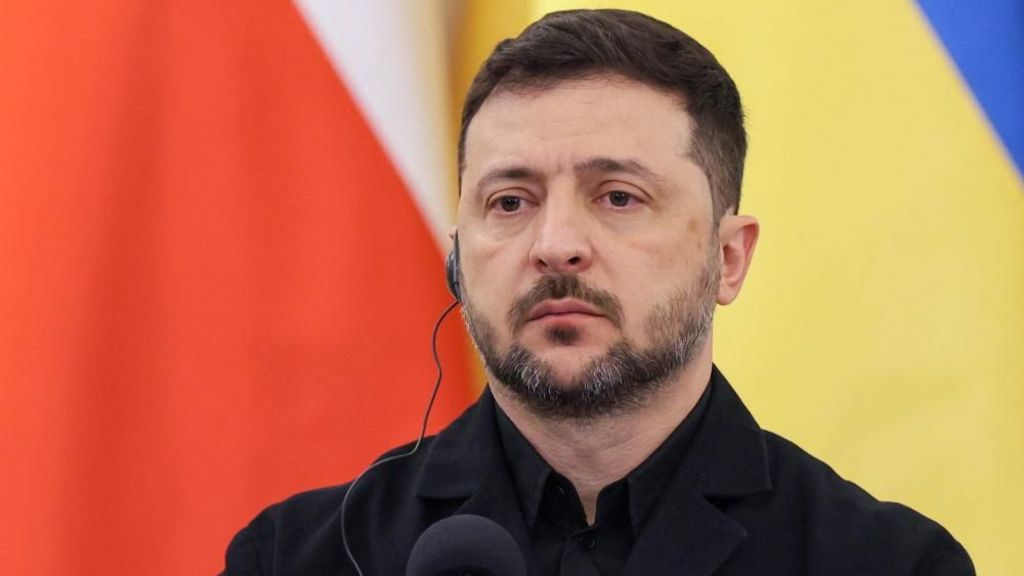
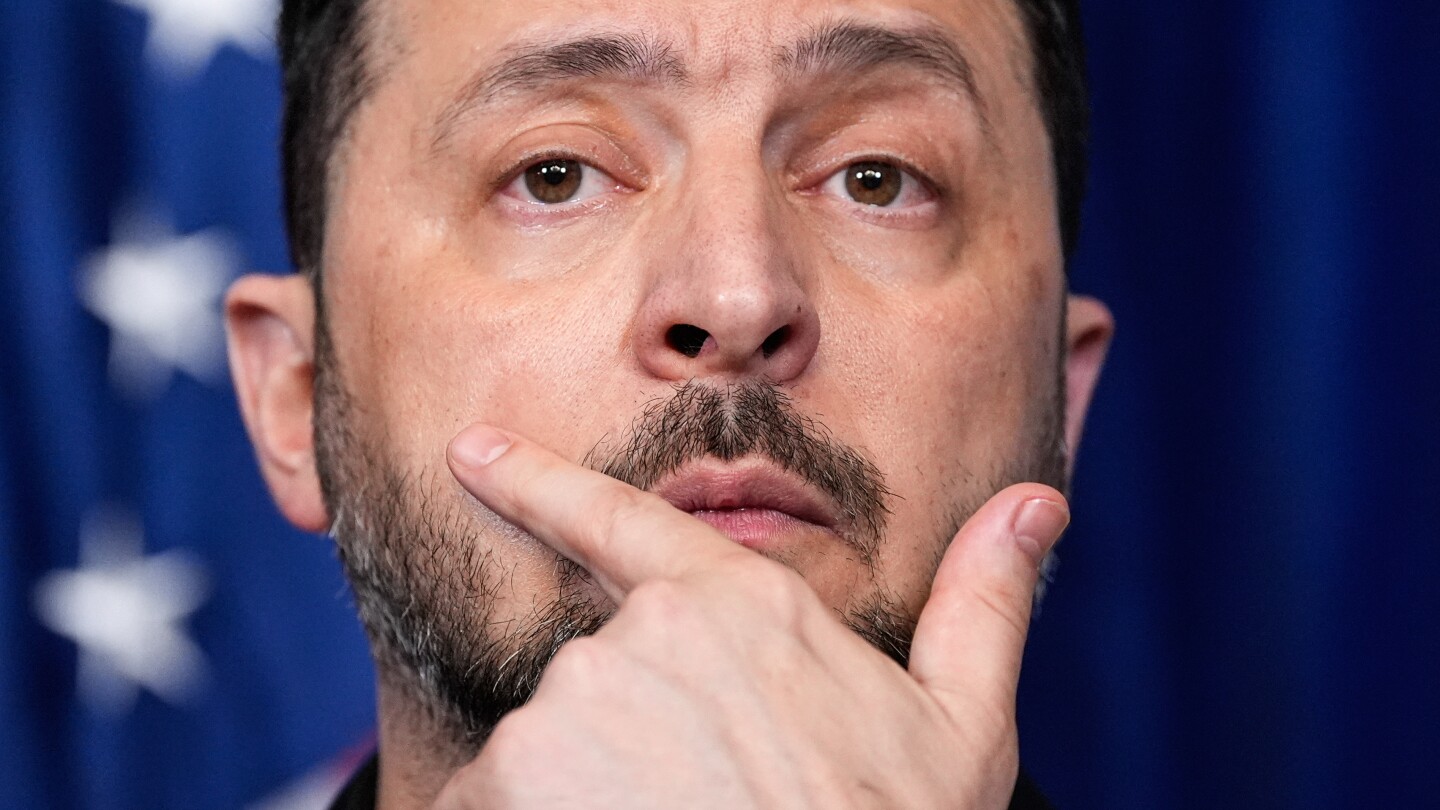
    Ukrainian President Volodymyr Zelensky has categorically refuted Russian allegations that Ukraine targeted one of President Vladimir Putin’s residences with drone strikes. The denial comes after Russian Foreign Minister Sergei Lavrov asserted that Kyiv had deployed 91 long-range unmanned aerial vehicles (UAVs) against Putin’s state residence in the Novgorod region overnight.

    Lavrov stated through official channels that Russian air defense systems successfully intercepted and eliminated all purported drones, resulting in no casualties or structural damage. However, he declared that Russia would reassess its negotiating stance in peace talks, citing what he termed the ‘final degeneration of the criminal Kyiv regime’ into ‘state terrorism.’

    The allegations emerge amidst heightened diplomatic activity, following substantial US-Ukraine discussions in Florida where President Trump and Zelensky advanced revised peace terms. Zelensky characterized the security guarantees offered by the United States—spanning 15 years—as nearly finalized, with Trump indicating approximately 95% completion. Outstanding issues reportedly include territorial disputes and the status of the Russian-occupied Zaporizhzhia nuclear facility, while the Donbas region remains a point of contention.

    Zelensky dismissed Moscow’s claims as ‘typical Russian lies’ designed to justify continued aggression against Ukraine and undermine recent diplomatic progress. He emphasized the critical importance of international vigilance, urging global leaders not to remain silent amid what he described as Russian attempts to sabotage peace efforts.

    The White House confirmed that President Trump subsequently held a ‘positive call’ with Putin, adding complexity to the evolving diplomatic landscape as all parties navigate accusations and counter-accusations.

  • Russia opens rebuilt Mariupol theater more than 3 years after Moscow airstrike killed hundreds there

    Russia opens rebuilt Mariupol theater more than 3 years after Moscow airstrike killed hundreds there

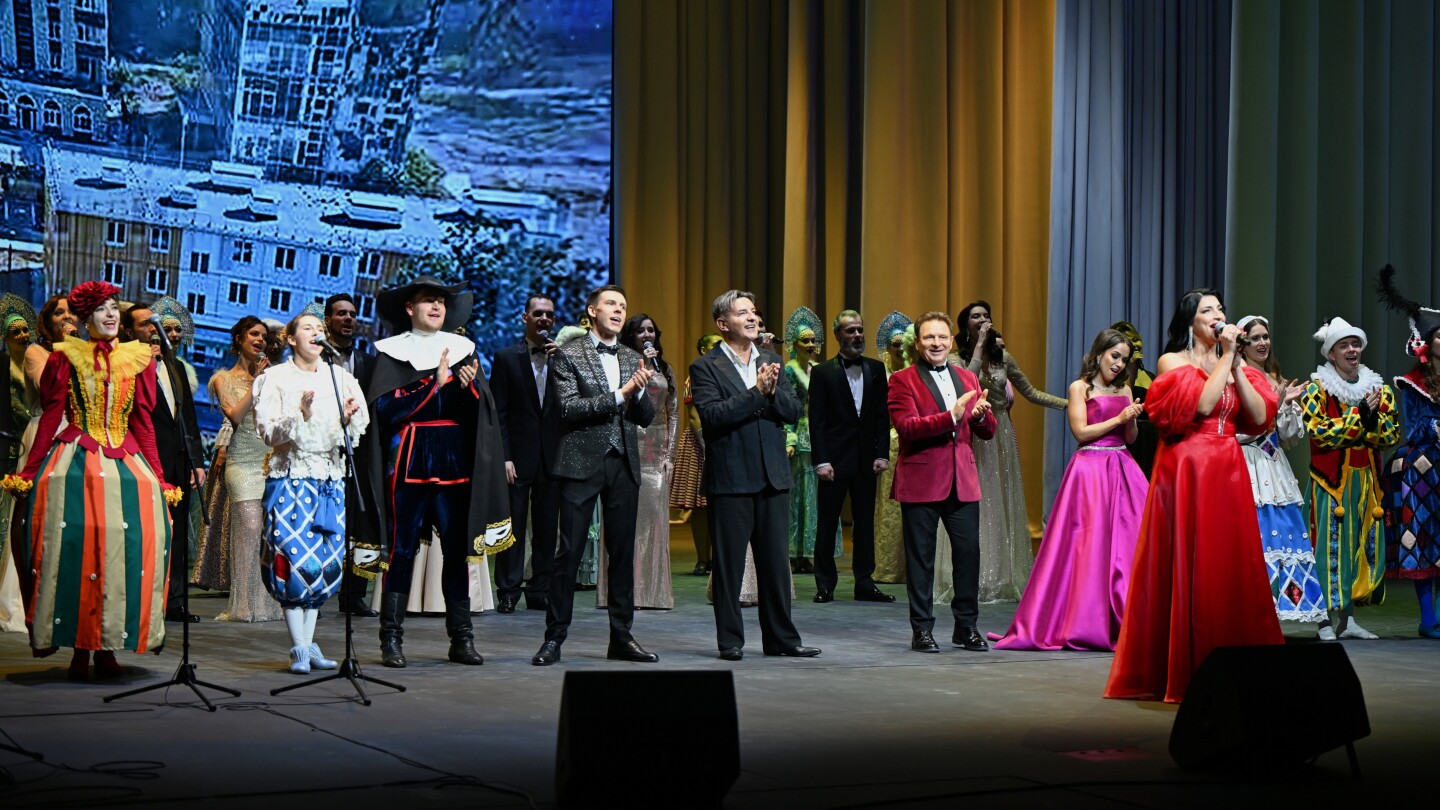
    The Donetsk Academic Regional Drama Theater in Russian-occupied Mariupol has officially reopened with a gala concert, more than three years after its destruction by a Russian airstrike that killed approximately 600 civilians. The March 2022 bombing occurred while hundreds of residents sought shelter within the building, which had been visibly marked with the word “children” to alert aircraft.

    Russian state media showcased the renovated theater’s marble pillars and staircases, with performers in traditional kokoshnik headdresses celebrating the reconstruction. Moscow-installed authorities, including Denis Pushilin of the Donetsk region and St. Petersburg Governor Alexander Beglov, attended the opening ceremony. Workers from St. Petersburg, which became Mariupol’s twin city after Russia’s complete capture in May 2022, participated in the rebuilding effort.

    This reopening occurs amidst ongoing controversy regarding the theater’s destruction. Moscow previously claimed Ukrainian forces demolished the building, but an Associated Press investigation confirmed Russian responsibility for the attack that killed nearly twice the initial government estimates. The city’s Ukrainian council, now operating from exile, condemned the reconstruction as “singing and dancing on bones” and accused Russia of using cultural restoration to conceal war crimes and advance Russification policies.

    The Donetsk region remains a critical battleground in the ongoing conflict, with its status representing a major obstacle in peace negotiations. Russia’s illegal annexation of the region in 2022 continues to be internationally contested as fighting persists across the territory.

  • Court orders release of prominent Turkish journalist from prison pending appeal

    Court orders release of prominent Turkish journalist from prison pending appeal

    A Turkish appellate court has mandated the provisional release of prominent journalist Fatih Altayli while his appeal against a conviction for allegedly threatening President Recep Tayyip Erdogan undergoes judicial review. The 63-year-old columnist, whose YouTube commentary programs attracted substantial daily viewership, had been incarcerated since June following his sentencing to four years and two months imprisonment last month.

    The regional appeals court justified its decision by citing three primary factors: the absence of flight risk concerns, the complete collection of evidentiary materials, and the duration Altayli had already served in detention. This development was formally reported by Turkey’s state-operated Anadolu Agency.

    The case originated from Altayli’s remarks during his program ‘Fatih Altayli Comments,’ where he analyzed survey results indicating over 70% public opposition to Erdogan’s potential lifetime presidency. The journalist expressed unsurprise at these findings, contextualizing them within historical patterns of Turkish resistance to prolonged authority. He referenced historical precedents where Ottoman sultans faced assassination, strangulation, or suspicious deaths when public favor waned.

    Altayli has consistently maintained that his commentary constituted political analysis rather than personal threats against the president. During his detention, he continued disseminating perspectives through legal correspondence channels before ultimately suspending his program.

    This case occurs against the backdrop of Turkey’s media landscape transformation, where numerous independent journalists have migrated to digital platforms like YouTube as traditional media outlets face increasing government influence or state control. The situation highlights ongoing tensions between press freedom and governmental authority in contemporary Turkey.

  • UK opposition leaders demand human rights activist be stripped of citizenship for past tweets

    UK opposition leaders demand human rights activist be stripped of citizenship for past tweets

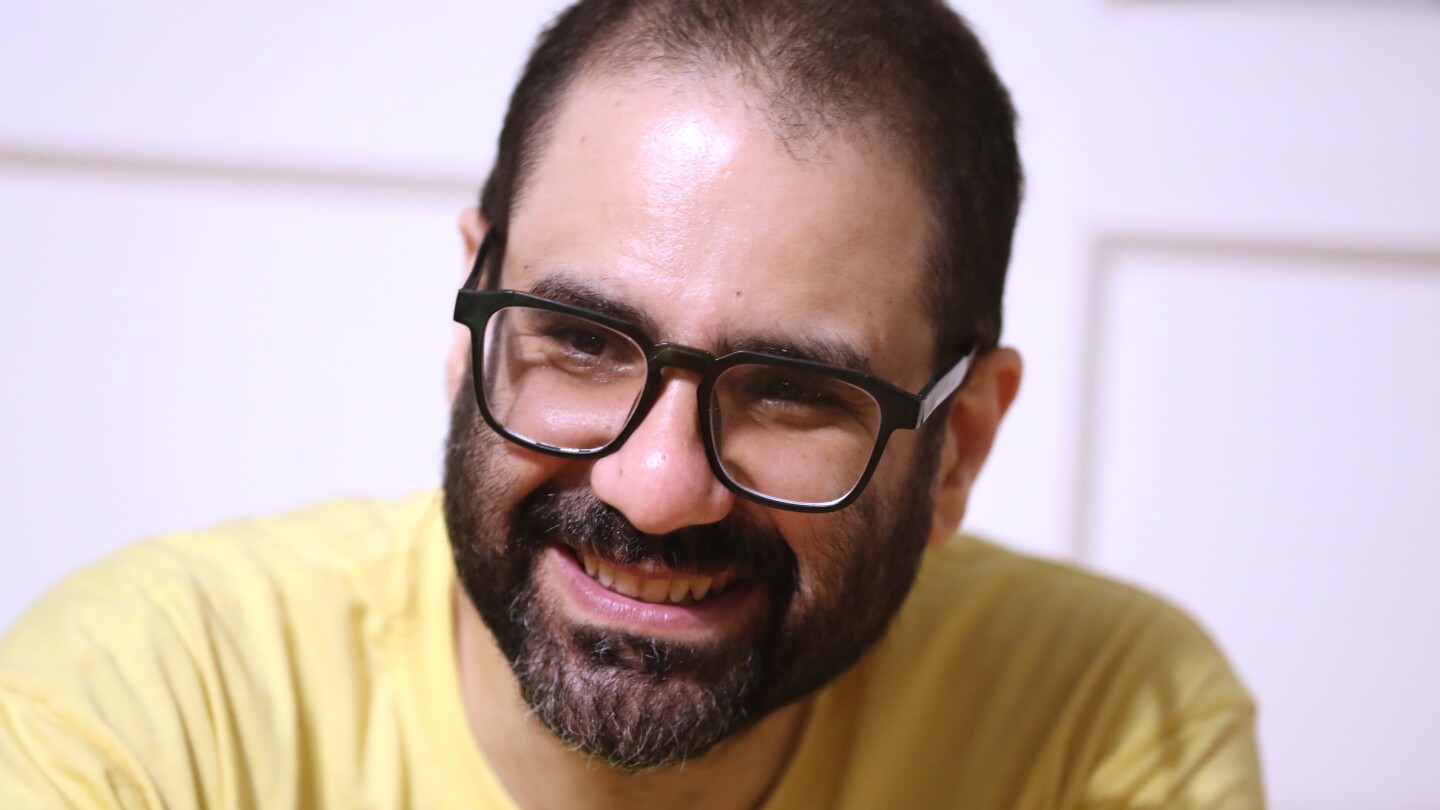
    LONDON — British political leaders have ignited a fierce controversy by demanding the revocation of citizenship and deportation of Egyptian-British human rights activist Alaa Abd el-Fattah, following the resurfacing of social media posts from over a decade ago containing allegedly violent and antisemitic language. The demands emerged just days after the activist returned to the United Kingdom following years of imprisonment in Egypt.

    Conservative Party leader Kemi Badenoch and Reform Party leader Nigel Farage have spearheaded the campaign against Abd el-Fattah, citing historical tweets from approximately twelve years ago in which the activist allegedly endorsed violence against ‘Zionists’ and law enforcement personnel. Badenoch characterized the posts as ‘disgusting and abhorrent’ in a commentary published by the Daily Mail, while Farage asserted the views expressed were ‘completely opposed to our British way of life.’

    The controversy erupted after Prime Minister Keir Starmer expressed delight about Abd el-Fattah’s return and reunion with his family, triggering renewed scrutiny of the activist’s digital history. The tweets in question, originally posted during regional conflicts in Iraq, Lebanon, and Gaza, along with periods of heightened police brutality in Egypt, have been described as containing antisemitic, homophobic, and anti-British sentiments.

    Abd el-Fattah, who recently returned to Britain after Egyptian authorities lifted a travel ban that had confined him to the country since his September release, issued an extensive apology on Monday. While acknowledging the offensive nature of the posts, he maintained that some had been ‘taken out of context and misrepresented,’ characterizing them as expressions of ‘a young man’s anger and frustrations’ during tumultuous times.

    The activist’s imprisonment history includes multiple detentions by Egyptian authorities, most recently on charges of spreading false information about President Abdel Fattah el-Sisi’s government. His case has drawn international attention from human rights organizations concerned about political repression in Egypt.

    Despite Abd el-Fattah’s apology, political pressure continues to mount, with Reform Party leader Farage formally requesting Home Secretary Shabana Mahmood to review the activist’s immigration status and suitability for British citizenship.

  • US offers Ukraine 15-year security guarantee as part of peace plan, Zelenskyy says

    US offers Ukraine 15-year security guarantee as part of peace plan, Zelenskyy says

    Ukrainian President Volodymyr Zelenskyy disclosed on Monday that the United States has put forward a proposition to extend security assurances to Ukraine spanning 15 years within the context of a prospective peace arrangement. Despite this development, Zelenskyy articulated a preference for a more prolonged American commitment extending up to half a century, asserting that such a long-term deterrent is essential to prevent future Russian aggression and territorial encroachment.

    The announcement follows a consequential meeting between Zelenskyy and U.S. President Donald Trump at the latter’s Florida estate on Sunday. President Trump subsequently characterized the peace negotiations as having reached an unprecedented juncture, remarking that Ukraine and Russia appear ‘closer than ever before’ to achieving a diplomatic resolution. Nonetheless, he concurrently acknowledged the fragile nature of these talks, cautioning that the U.S.-mediated discussions remain susceptible to potential collapse.

    Critical obstacles continue to impede a final agreement. Negotiators are grappling with complex issues including the delineation of military withdrawal zones and determining the future operational control of the strategically vital Zaporizhzhia nuclear facility—one of the world’s largest atomic power stations, currently under Russian occupation.

    President Zelenskyy emphasized the indispensable role of security guarantees, stating unequivocally that ‘without security guarantees, realistically, this war will not end.’ While specific details of the proposed American security package remain confidential, Zelenskyy indicated it encompasses provisions for international monitoring mechanisms and a defined ‘presence’ of partner nations. This latter element has already drawn opposition from Moscow, which has explicitly rejected the possibility of NATO troop deployments on Ukrainian soil.

    The geopolitical dimensions continue to evolve, with Kremlin spokesperson Dmitry Peskov confirming anticipated communications between Presidents Putin and Trump in the near future, while simultaneously noting no planned dialogue between the Russian and Ukrainian leaders.

    In a coordinated allied effort, French President Emmanuel Macron announced that Ukraine’s international partners will convene in Paris during early January to solidify individual national contributions to these security arrangements. Any final American guarantee would require legislative approval from the U.S. Congress, with parallel ratification processes necessary in other participating nations.

    Complicating the diplomatic landscape further, Zelenskyy revealed intentions to submit the comprehensive 20-point peace proposal for national referendum in Ukraine. However, this democratic process necessitates a minimum 60-day ceasefire—a condition currently unattainable given Moscow’s steadfast refusal to implement any truce absent a comprehensive settlement.

  • Hungary’s ‘water guardian’ farmers fight back against desertification

    Hungary’s ‘water guardian’ farmers fight back against desertification

    In the heart of Hungary’s Great Plain, a remarkable environmental transformation is underway as local farmers confront an escalating climate crisis. The Homokhátság region, once a fertile agricultural heartland, now resembles arid landscapes more typical of the Sahara Desert than Central Europe, with cracked earth and expanding sand dunes replacing formerly productive fields.

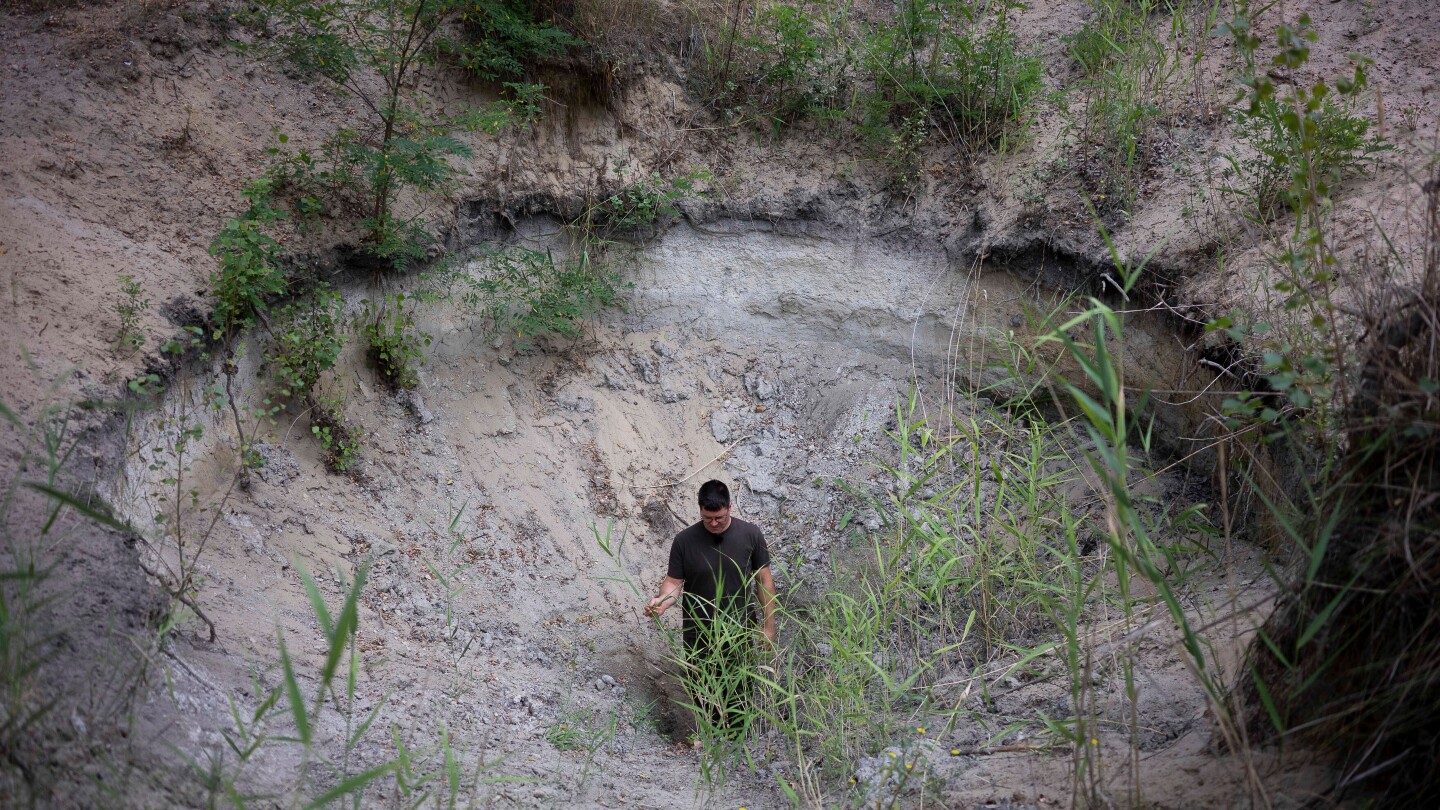
    Oszkár Nagyapáti, a determined farmer and community leader, stands at the forefront of this battle against desertification. Digging into the sandy soil of his property, he demonstrates the alarming retreat of groundwater levels that has accelerated in recent years. “Where did so much water go? It’s unbelievable,” he remarks, watching cloudy liquid slowly seep into a hand-dug pit that reveals the severity of the water crisis.

    Scientific research published in the European Countryside journal identifies this aridification as unique to the region, resulting from the combined impact of climate change, improper land management, and inadequate environmental practices. Where regular flooding from the Danube and Tisza Rivers once sustained agriculture, now only parched earth remains.

    Nagyapáti has mobilized a group of over 30 volunteers known as “water guardians” to implement an innovative solution using Hungary’s abundant thermal water resources. Their strategy involves redirecting overflow from local thermal spas—water that would otherwise flow unused into canals—to create artificial wetlands that mimic historical flooding patterns.

    The project began with negotiations between the water guardians, local authorities, and thermal spa operators last year. Their first achievement: transforming a 2.5-hectare (6-acre) low-lying field into a shallow marsh using cooled and purified thermal water drawn from deep underground. By blocking sluices along canals, they’ve successfully captured and retained this valuable resource.

    According to meteorological experts from Eötvös Loránd University, the region suffers from unusually dry surface-level air layers that prevent storm fronts from producing precipitation. Instead, these weather systems pass through without rain, creating high winds that further desiccate the topsoil.

    The water guardians hypothesize that their artificial wetlands will not only raise groundwater levels but also create beneficial microclimates through surface evaporation. This could increase humidity, reduce temperatures, minimize dust, and positively impact nearby vegetation—a crucial intervention as climate change continues to accelerate.

    Hungarian Prime Minister Viktor Orbán has recognized the severity of the situation, establishing a national “drought task force” after weather-damaged crops significantly impacted the country’s GDP. The water guardians’ initiative demonstrates measurable success, with improved groundwater levels and increased flora and fauna near the flood site already observable.

    The group now aims to expand their project to additional fields and hopes their community-led approach will inspire similar water conservation efforts throughout Hungary and beyond. As Nagyapáti emphasizes: “Retaining any kind of water, whether in a village or a town, is a tremendous opportunity for water replenishment.”