标签: Europe

欧洲

  • Russia soldiers tell BBC they saw fellow troops executed on commanders’ orders

    Russia soldiers tell BBC they saw fellow troops executed on commanders’ orders

    In a groundbreaking documentary titled “The Zero Line: Inside Russia’s War,” four Russian soldiers have provided chilling firsthand accounts of systematic brutality within their own military ranks in Ukraine. These testimonies, recorded at an undisclosed location outside Russia, reveal a pattern of executions, torture, and dehumanizing treatment ordered by commanders against their own troops.

    The soldiers describe witnessing point-blank executions of comrades who refused orders to participate in what they term “meat storms” – relentless frontal assaults designed to overwhelm Ukrainian defenses through sheer numbers. One soldier, Ilya, a former special needs teacher from the Ural Mountains, recounted watching a commander execute four soldiers who had fled the front lines. “I remember one of them screaming ‘Don’t shoot, I’ll do anything!’ but he zeroed them anyway,” Ilya stated, using the Russian military slang for executing one’s own soldiers.

    Dima, a 34-year-old former dishwasher repairman from Moscow, described witnessing his commander, Alexei Ksenofontov – later decorated as a “Hero of Russia” – personally execute soldiers at close range. “I see it – just two metres, three metres. Just murders, just click, clack, bang. It’s not a drama, it’s not a movie, it’s real life,” he recalled. Dima also reported discovering 20 bodies of recently arrived ex-convict soldiers in a ditch, apparently executed for their bank cards.

    The documentary reveals how commanders employed extreme brutality to maintain discipline, including electrocution, starvation, and public humiliation. Ilya described being tied to a tree, beaten with a baton, and urinated on after refusing to participate in an assault. Denis, another soldier, showed documentation of having his teeth knocked out by superiors for refusing to search for a missing drone.

    These accounts are substantiated by a former senior staff officer with 17 years of military service who described speaking with a member of a “liquidation squad” tasked with eliminating high-ranking officers. The UK Ministry of Defence estimates 900-1,500 Russian casualties daily in 2025, with total casualties exceeding 1.2 million since the full-scale invasion began.

    The Russian government maintains that its armed forces “operate with utmost restraint” and that allegations of violations are “duly investigated.” However, these testimonies suggest a complete breakdown of military discipline and international humanitarian law on the Russian front lines.

  • Supreme Court ruling against Trump’s tariffs is unlikely to mean an end to trade policy chaos

    Supreme Court ruling against Trump’s tariffs is unlikely to mean an end to trade policy chaos

    In a landmark decision, the U.S. Supreme Court has delivered a severe judicial reprimand to President Donald Trump’s expansive tariff regime, fundamentally challenging his authority to unilaterally impose import taxes. The ruling specifically invalidates tariffs justified under the 1977 International Emergency Economic Powers Act (IEEPA), which the administration had primarily deployed to address persistent trade deficits.

    Despite this judicial setback, economic uncertainty continues to grip American businesses as the administration explores alternative legal mechanisms to reconstruct its trade barriers. Treasury Secretary Scott Bessent confidently asserted that tariff revenues would remain unaffected both presently and in future projections.

    President Trump’s immediate response to the judicial defeat has been characteristically volatile. Within days of the ruling, he announced intentions to implement a 10% global tariff under Section 122 of the Trade Act of 1974, subsequently escalating this figure to 15%. This previously unused provision permits temporary tariffs for up to 150 days without congressional approval, though any extension would require legislative consent—a politically challenging prospect during an election season.

    Legal experts immediately questioned the validity of applying Section 122 to address trade deficits, with National Taxpayers Union’s Bryan Riley noting the provision was designed for fundamentally different international payment crises from a bygone monetary era.

    The administration simultaneously signaled potential recourse to Section 301 authorities, a more legally robust tool previously deployed against Chinese trade practices. U.S. Trade Representative Jamieson Greer confirmed the initiation of multiple Section 301 investigations following the Supreme Court defeat.

    Internationally, the decision has created diplomatic complications, particularly with trading partners who had negotiated agreements under the threat of now-invalid IEEPA tariffs. European Union officials have delayed ratification of their trade pact with the United States, seeking clarification on whether new tariffs would compound existing obligations. Despite these tensions, trade analysts generally expect partners to honor existing agreements, fearing potentially unlimited Section 301 tariffs for non-compliance.

    The ruling additionally creates a massive administrative challenge regarding approximately $133 billion in previously collected tariffs. The Supreme Court delegated the complex refund question to lower courts and Customs and Border Protection, setting the stage for a protracted claims process that could overwhelm administrative systems and potentially require congressional intervention to streamline.

  • World shares are mixed after heavy selling of potential AI losers hits Wall Street

    World shares are mixed after heavy selling of potential AI losers hits Wall Street

    Global financial markets exhibited a fragmented performance on Tuesday, reflecting investor unease over the dual pressures of artificial intelligence disruption and renewed trade policy uncertainties emanating from the United States.

    The trading session revealed a stark geographical divide. Asian markets generally posted gains, with Japan’s Nikkei 225 climbing 0.9% to 57,321.09 and South Korea’s Kospi surging 2.1% to a record 5,969.64, propelled by substantial advances in semiconductor manufacturers. Conversely, European benchmarks including Germany’s DAX and Britain’s FTSE 100 experienced modest declines, while U.S. futures indicated tentative stabilization following Monday’s significant sell-off.

    Market sentiment has been notably influenced by a comprehensive analysis from Citrini Research, which presented a concerning outlook regarding AI’s transformative impact. The report cautioned that the rapid expansion of artificial intelligence threatens to precipitate a ‘human-centric consumer economy’ decline, potentially triggering substantial employment displacement and a deflationary economic spiral due to inadequate policy preparedness.

    This technological apprehension manifested in pronounced losses within specific sectors. Cybersecurity firms including CrowdStrike witnessed extended declines, dropping 9.8% amid competitive pressures from AI-powered security solutions. Software companies like AppLovin faced similar pressures, with year-to-date losses exceeding 43% as investors reassessed business models vulnerable to AI disruption.

    Simultaneously, trade policy uncertainties resurfaced following President Trump’s announcement of new 15% tariffs after the Supreme Court invalidated his broader reciprocal tariff initiative. This development reinforced concerns about prolonged global trade instability, with investors anticipating extended legal contests before establishing clear trade frameworks.

    Market participants now await critical earnings reports from AI-chip leader Nvidia, amid growing apprehensions that massive investments in AI infrastructure by technology giants might not yield anticipated productivity returns. Commodity markets reflected geopolitical tensions, with crude oil prices advancing on concerns about potential U.S. military action against Iran, while Bitcoin experienced a 4.3% correction to $63,180.

  • Explosion near Moscow train station kills police officer

    Explosion near Moscow train station kills police officer

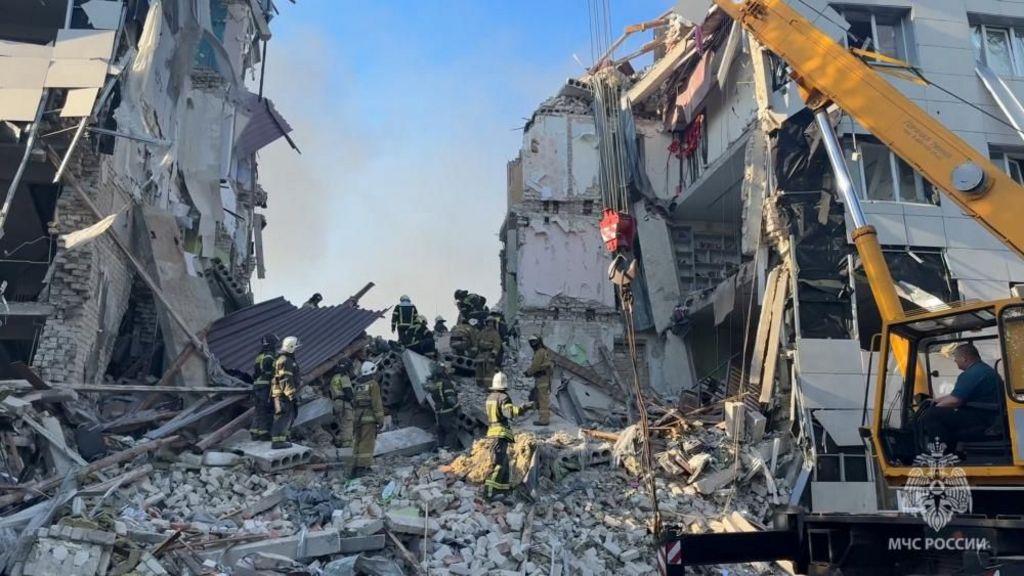
    A late-night explosion outside Moscow’s Savyolovsky Station has resulted in the death of a traffic police officer and left two others hospitalized with various injuries, according to an official statement from the Russian Interior Ministry. The incident occurred in the station square just after midnight local time on Tuesday (21:05 GMT Monday) when an unidentified individual detonated an explosive device near a patrol vehicle.

    The Ministry initially reported that a male assailant had fled the scene but later updated their statement confirming the perpetrator had died at the location. Authorities have launched a criminal investigation into the attack, with charges including attempted murder of law enforcement officers and illegal use of explosive devices.

    The fallen officer has been identified as 34-year-old Police Lieutenant Denis Bratuschenko, a senior traffic police inspector who had served since 2019. Bratuschenko is survived by his wife and two children. Ministry spokesperson Irina Volk conveyed official condolences from the leadership and personnel of the Interior Ministry to the officer’s family.

    Multiple law enforcement agencies are collaborating to establish all circumstances surrounding the explosion, though no motive has been determined. Savyolovsky Station, located north of Moscow’s city center, serves as one of the Russian capital’s primary railway transportation hubs according to Agence France Presse.

  • An attacker detonates an explosive device in Moscow, killing a police officer and himself

    An attacker detonates an explosive device in Moscow, killing a police officer and himself

    A lethal suicide bombing struck central Moscow in the early hours of Tuesday, resulting in the death of a police officer and the assailant, with two additional officers wounded. The explosive detonation occurred adjacent to a patrol vehicle near the Savyolovsky Train Station shortly after midnight, as confirmed by the Moscow Interior Ministry branch.

    According to official reports, the unidentified individual approached a traffic police car and activated an explosive device. The immediate blast killed one officer instantly. The two injured law enforcement personnel were promptly transported to a medical facility for treatment. Russia’s top investigative body, the Investigative Committee, has initiated a criminal probe into the incident. Authorities have thus far withheld the assailant’s identity, potential motivations, or any possible affiliations.

    The timing of the assault carries significant symbolic weight, coinciding with the four-year anniversary of President Vladimir Putin’s decisive order to commence military operations in Ukraine. The attack underscores ongoing security challenges within the Russian capital, raising questions about motive and potential connections to broader geopolitical tensions.

  • Queen tells Gisèle Pelicot her new memoir left her ‘speechless’

    Queen tells Gisèle Pelicot her new memoir left her ‘speechless’

    In a powerful display of solidarity with survivors of sexual violence, Queen Camilla hosted French author and activist Gisèle Pelicot at Clarence House on Monday for a private meeting that underscored the global impact of Pelicot’s advocacy. The Queen revealed she had read Pelicot’s memoir, “Hymn to Life: Shame Has to Change Sides,” in just two days, confessing she was left “speechless” and “shocked” by the harrowing account despite her extensive work with survivors.

    The meeting, conducted primarily through an interpreter, saw the Queen initially addressing her guests in French, humorously noting her skills were rusty after 60 years. Pelicot, accompanied by her partner Jean-Loup Agopian and her legal and literary team, discussed the incredible public support she has received since waiving her anonymity.

    Pelicot’s case gained worldwide attention in 2024 when a French court heard how her then-husband, Dominique, had drugged her unconscious for years and recruited dozens of men online to rape her. The subsequent 16-week trial resulted in 46 convictions for rape, with Dominique receiving the maximum 20-year sentence. Pelicot’s presence at the trial, and her message that shame should transfer from victim to perpetrator, resonated globally, inspiring daily gatherings of supporters outside the courtroom.

    The Clarence House meeting followed Pelicot’s sold-out book launch at London’s Royal Festival Hall, which featured readings by Hollywood actresses Kate Winslet, Kristin Scott Thomas, and Juliet Stevenson. Last year, Queen Camilla had sent Pelicot a personal letter praising her “extraordinary dignity and courage,” which Pelicot described as overwhelming and has since framed in her office. The Queen told Pelicot during their meeting that she has “inspired women across the globe” and created “a powerful legacy that will change the narrative around shame, forever.”

  • France moves to bar US Ambassador Charles Kushner from direct government access

    France moves to bar US Ambassador Charles Kushner from direct government access

    PARIS — France’s foreign ministry has imposed access restrictions on U.S. Ambassador Charles Kushner following his failure to attend a scheduled diplomatic meeting concerning controversial Trump administration statements about the killing of a far-right activist. The diplomatic summons came after the U.S. State Department’s Counterterrorism Bureau posted social media commentary that French officials considered inflammatory and politically motivated.

    Foreign Affairs Minister Jean-Noel Barrot characterized the ambassador’s absence as demonstrating “a misunderstanding of the basic expectations of the mission of an ambassador.” Despite the disciplinary measures, the ministry indicated willingness to reconcile, noting that Kushner remains welcome to present himself at the Quai d’Orsay for necessary diplomatic discussions to address “irritants that can inevitably arise in a friendship spanning 250 years.”

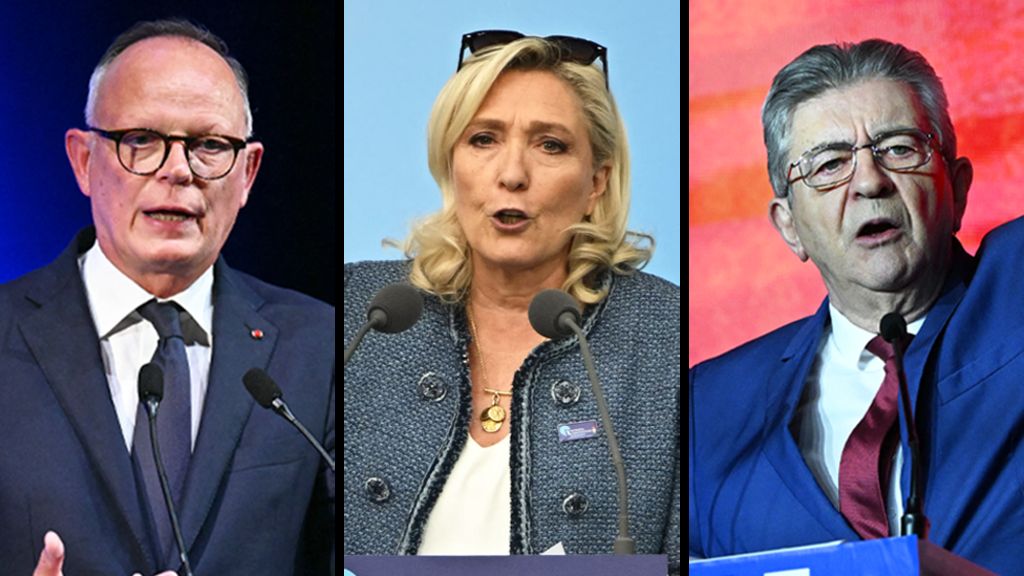
    The diplomatic tension stems from U.S. comments regarding the death of Quentin Deranque, a far-right activist who sustained fatal brain injuries during a violent confrontation in Lyon. The incident occurred on the periphery of a student gathering featuring a far-left lawmaker as keynote speaker, occurring amid heightened political tensions preceding France’s upcoming presidential election.

    The State Department’s social media post asserted that “violent radical leftism is on the rise” and Deranque’s death demonstrated “the threat it poses to public safety.” French officials vehemently rejected what they characterized as political instrumentalization of the tragedy. Minister Barrot stated over the weekend that France requires “no lessons, particularly on the issue of violence, from the international reactionary movement.”

    This incident marks the second time in recent months that Ambassador Kushner has been summoned by French authorities, following an August confrontation over allegations that France inadequately combats antisemitism.

  • Slovakia halts emergency electricity supplies to Ukraine amid oil delivery dispute

    Slovakia halts emergency electricity supplies to Ukraine amid oil delivery dispute

    BRATISLAVA, Slovakia — In a significant escalation of regional tensions, Slovakia has suspended emergency electricity supplies to Ukraine amidst a deepening dispute over interrupted Russian oil shipments via the Druzhba pipeline. The move comes as Ukraine continues to grapple with severe power shortages resulting from systematic Russian bombardment of its energy infrastructure.

    The conflict centers on the suspension of Russian oil deliveries to Slovakia and Hungary since January 27. Ukrainian authorities attribute the interruption to damage caused by Russian drone attacks on the critical pipeline infrastructure. However, the governments of both Slovakia and Hungary—recognized as the European Union’s most Russia-friendly members—have accused Ukraine of deliberately withholding oil shipments despite having received special exemptions from EU sanctions prohibiting Russian oil imports.

    Slovak Prime Minister Robert Fico, a populist leader, announced the retaliatory measure after claiming Ukrainian President Volodymyr Zelenskyy declined to engage in discussions until after Wednesday. “Given the seriousness of the situation and the declared state of oil emergency in Slovakia, we are forced to take the first reciprocal measure immediately,” Fico stated, adding that the electricity suspension would be lifted once oil transit resumes.

    The Slovak opposition has condemned the government’s decision, while Ukrainian Foreign Minister Andrii Sybiha appealed for “constructive cooperation and responsible behavior” from both nations. Fico has threatened additional measures if oil shipments don’t resume, including potentially withdrawing support for Ukraine’s European Union membership aspirations.

    Both Slovakia and Hungary have challenged Ukraine’s damage claims, asserting without providing evidence that the Druzhba pipeline remains operational. Fico revealed that Slovakia’s ambassador to Kyiv has been denied access to inspect the allegedly damaged sections. The Slovak leader characterized the oil suspension as “a purely political decision with the aim of blackmailing Slovakia” due to its divergent views on Russia’s war against Ukraine compared to mainstream European perspectives.

  • Ukraine negotiator tells BBC how it feels to sit across table from Russia

    Ukraine negotiator tells BBC how it feels to sit across table from Russia

    In the intricate diplomatic landscape surrounding the Ukraine conflict, a senior Ukrainian negotiator has provided unprecedented insight into the challenging process of negotiating with Russian representatives. Serhii Kyslytsia, a key member of President Zelensky’s delegation, describes the military-to-military discussions as surprisingly business-like, devoid of the political grandstanding typically associated with Moscow’s diplomatic approach.

    Kyslytsia, speaking from Kyiv’s presidential palace, emphasized that military professionals possess a clearer understanding of battlefield realities than political officials. However, he expressed skepticism about whether Russian delegates accurately report information to their leadership without manipulation. The eastern Ukrainian battlefield presents extraordinary complications, with thousands of drones operating across vast contested territories and approximately 200,000 civilians remaining in Donbas cities, creating what officials term a ‘fortress belt’.

    The Ukrainian diplomat highlighted the critical role of American mediation in these negotiations, specifically praising General Alexus Grynkewich, NATO’s top European commander, and Army Secretary Dan Driscoll for their sustained engagement. Contrary to expectations, Kyslytsia offered genuine appreciation for the Trump administration’s representatives, including Jared Kushner, whom he described as ‘not a novice,’ and billionaire envoy Steve Witkoff, characterized as ‘much wiser than media caricatures suggest.’

    Kyslytsia, drawing from his experience as former UN ambassador, recounted the dramatic night of February 23, 2022, when during an emergency Security Council meeting, he received confirmation of Russia’s full-scale invasion. His attempts to secure assurances from Russian Ambassador Vassily Nebenzia proved futile, with Nebenzia refusing to contact Foreign Minister Lavrov despite the imminent attack.

    The negotiator emphasized that any future ceasefire would require sophisticated monitoring capabilities far exceeding those previously provided by the Organization for Security and Cooperation in Europe, which he compared to ‘the Flintstones era’ relative to current technological needs. The United States is expected to provide satellite and advanced surveillance systems for verification purposes.

    Despite progress on technical frameworks, Kyslytsia acknowledged that ultimate resolution rests with one individual: ‘The war could be stopped by just one call of one person to his military chief of staff,’ he stated, referencing Russian President Vladimir Putin. ‘But apparently, the Kremlin dictator is not up to stopping the war for the time being.’

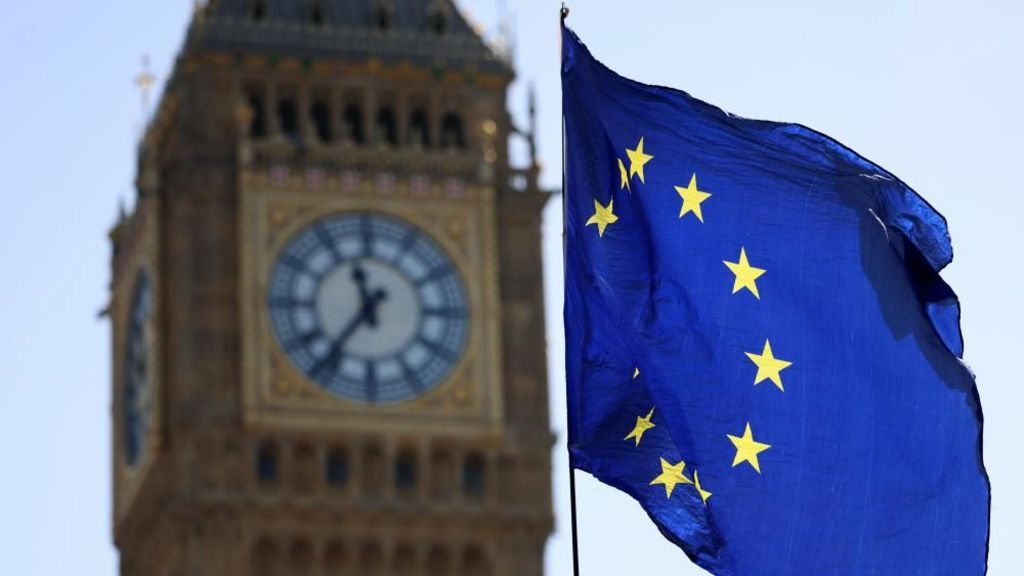
  • EU hits pause on US trade deal as it seeks clarity over latest Trump maneuver

    EU hits pause on US trade deal as it seeks clarity over latest Trump maneuver

    European Union officials have suspended ratification of a critical trade agreement with the United States following President Donald Trump’s unexpected announcement of a universal 15% import tariff. The European Parliament’s trade committee postponed its scheduled vote on Tuesday, demanding immediate clarification from Washington regarding how this new tariff aligns with their previously negotiated pact.

    The agreement, finalized this summer, established a 15% ceiling on most European goods entering the US market while eliminating tariffs on American industrial exports to the EU. EU Commission spokesman Olof Gill emphasized the bloc’s position with the statement: “A deal is a deal. It is now up to the US to clearly demonstrate their commitment to honoring this agreement.”

    Trump’s tariff declaration came after the US Supreme Court invalidated his previous use of emergency powers to impose import taxes. The president subsequently invoked alternative trade legislation to implement the global tariff rate, effective immediately. This move creates particular complications for the EU agreement since the new tariff would be applied cumulatively with existing duties, effectively breaching the negotiated cap.

    The uncertainty extends beyond EU-US relations, potentially affecting bilateral trade agreements with Britain, Brazil, India, and Vietnam. These agreements established varying tariff ceilings through negotiations that initially utilized the now-invalidated emergency powers as leverage.

    US Trade Representative Jamison Greer asserted that the administration expects all partners to uphold their agreements regardless of the Supreme Court’s decision. However, economists note that the uniform global tariff creates disparate impacts—reducing rates for some nations like Brazil and China while increasing burdens for others.

    The tariffs are currently authorized for 150 days unless Congress extends them, providing Trump an opportunity to seek alternative legal justification. Economic analysts warn that prolonged trade policy uncertainty continues to pressure both European businesses and the US economy, where consumers ultimately bear the cost of import tariffs.