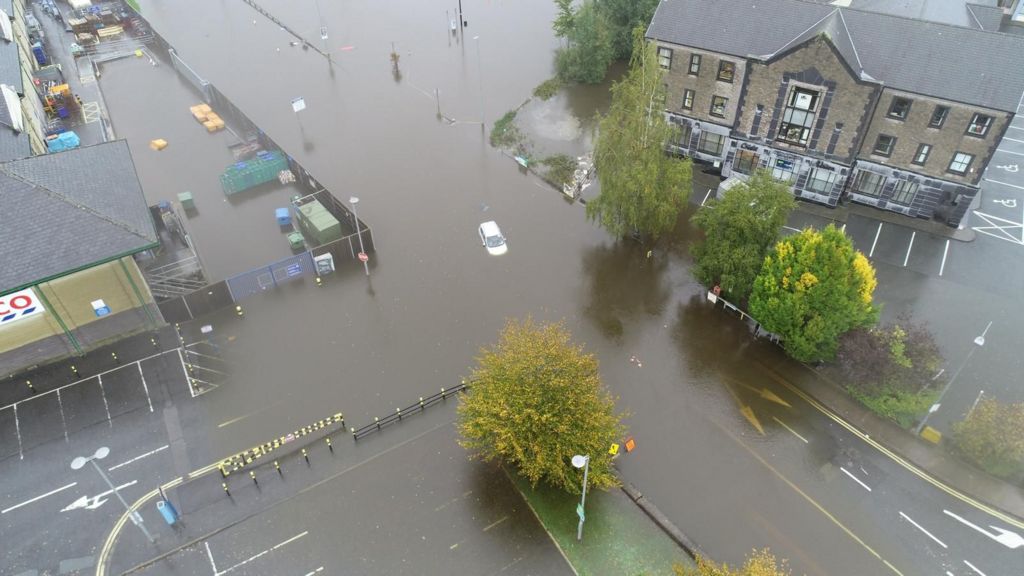
Monaghan County Council has issued urgent warnings to motorists as parts of Monaghan town experience severe flooding due to Storm Amy. The storm has wreaked havoc across the Republic of Ireland, leaving nearly 200,000 homes without electricity. Gale-force winds have triggered localized flooding, downed trees, disrupted transport, and forced school closures in several areas. County Donegal faced the brunt of the storm, with a red weather warning in effect from 16:00 until 18:00, later downgraded to an orange alert until 22:00. A man in Letterkenny sustained serious injuries in a weather-related incident, prompting immediate response from gardaí and emergency services. The Electricity Supply Board (ESB) is working tirelessly to restore power to 184,000 affected homes, farms, and businesses, primarily in Donegal, Galway, Mayo, Sligo, Roscommon, Leitrim, and Cavan. However, further outages are anticipated. Dublin Airport has canceled 58 flights and diverted nine inbound flights due to the storm. Counties Donegal, Clare, Galway, Leitrim, Mayo, Roscommon, and Sligo remain under an orange wind warning until 22:00, while a yellow wind warning covers the entire Republic until midnight on Saturday. A red marine warning has also been issued for violent storm force 11 winds along the west coast. The storm’s impact extends to Northern Ireland and Scotland, causing widespread flight and train cancellations, as well as road closures.
标签: Europe
欧洲
-
Blackout in Spain and Portugal ‘first of its kind’, report finds
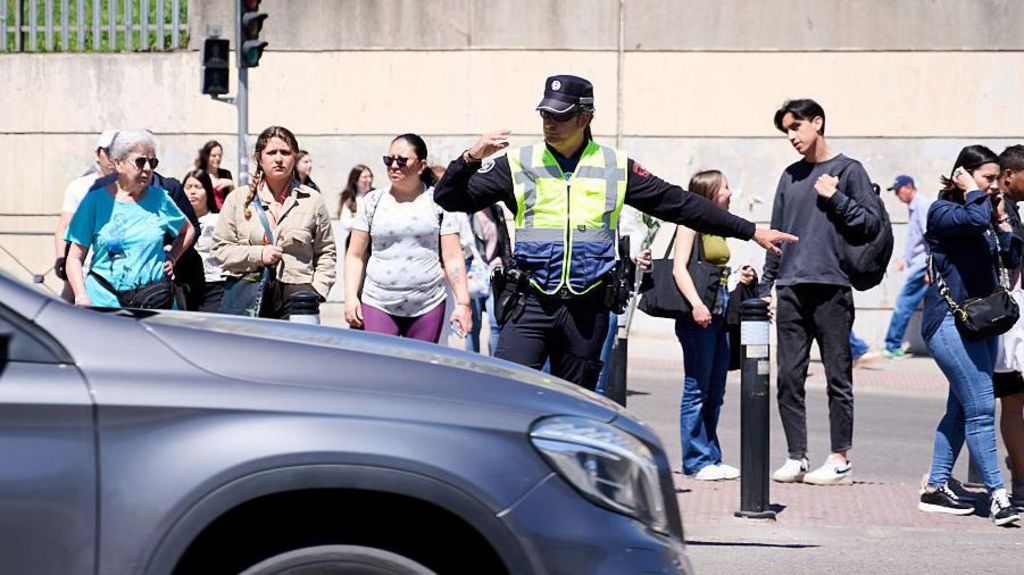
A recent report has revealed that a massive power surge in April, which led to a widespread blackout across Spain and Portugal, was the most severe incident of its kind in Europe over the past two decades. This unprecedented event, caused by overvoltage—a condition where electrical voltage exceeds normal levels—resulted in significant disruptions, including the loss of internet and telephone connections, halted transport systems, and widespread darkness for nearly a day. The blackout also briefly affected southwestern France. Damian Cortinas, president of the association of electricity grid operators Entso-e, described the incident as uncharted territory, emphasizing that the organization’s role was not to assign blame but to analyze the event. The report, released on Friday, identified a series of cascading overvoltages as the primary cause of the outage. Overvoltage can result from network surges due to oversupply, lightning strikes, or insufficient protective equipment. Although automatic defense mechanisms were activated, they failed to prevent the system shutdown. The Spanish government has welcomed the Entso-e report, stating that it aligns with its own findings, which concluded that both the national grid provider Red Eléctrica and private electricity companies were at fault. However, Red Eléctrica and private firms have denied responsibility, with Redeia, the owner of Red Eléctrica, attributing the blackout to the failure of some coal, gas, and nuclear power plants to maintain appropriate voltage. The incident has sparked a broader political debate in Spain about the country’s energy model, with critics suggesting that the government’s heavy reliance on renewable energy and reduced nuclear capacity may have contributed to the crisis. The government has dismissed these claims, and the Entso-e report has refrained from taking sides. The blackout had far-reaching consequences, including the suspension of a Madrid Open tennis match, the shutdown of Spain’s nuclear power plants, and the halting of operations at oil refineries. Emergency services were called to rescue people trapped in elevators, and hospitals implemented emergency plans, postponing routine procedures. A final report, expected in the first quarter of next year, will delve deeper into the root causes of the overvoltage and the measures taken to control voltage in the system.
-
Czechs vote in election that could return populist and weaken support for Ukraine
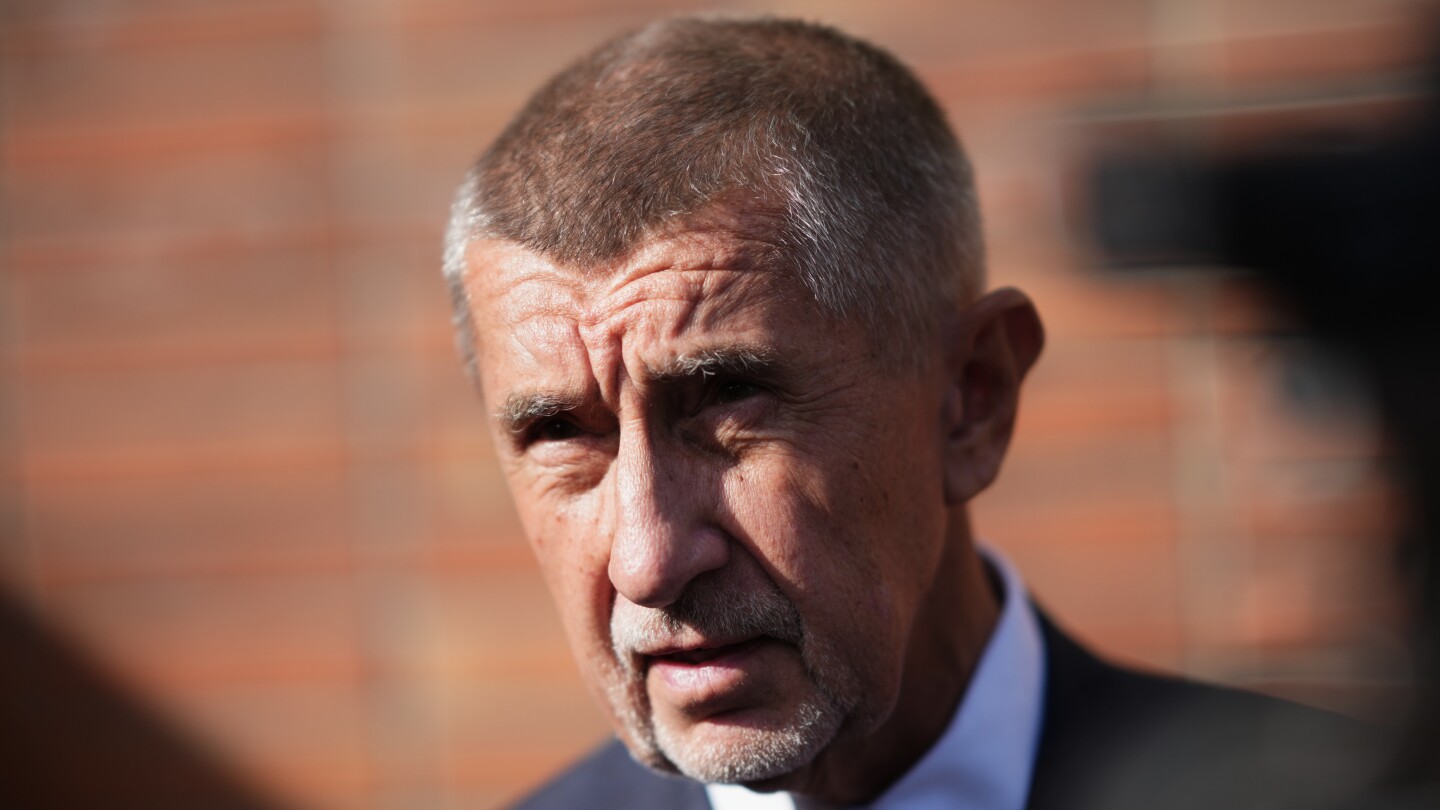
The Czech Republic is currently in the midst of a pivotal two-day general election, with the potential to reshape its foreign policy trajectory. The outcome could steer the nation away from its pro-Western stance, particularly in its support for Ukraine, and align it more closely with Hungary and Slovakia. This shift could exacerbate divisions within the European Union and NATO. Billionaire Andrej Babiš, a former prime minister and populist leader, is poised for a political comeback, according to opinion polls. His victory would mark a significant shift from the pro-Western coalition led by Petr Fiala, which defeated him in 2021. Babiš, speaking outside a polling station in Ostrava, expressed confidence in forming a one-party government if victorious. A win for Babiš would bolster the positions of Hungary’s Viktor Orbán and Slovakia’s Robert Fico, both of whom have resisted military aid to Ukraine, continued importing Russian oil, and opposed sanctions on Russia. Fiala, after voting in Brno, warned that a shift towards the East would lead to economic decline. Last year, Babiš and Orbán co-founded the ‘Patriots for Europe’ alliance in the European Parliament, signaling a departure from the liberal Renew group. This new alliance reflects Babiš’s rejection of EU policies on migration and climate change, emphasizing national sovereignty. Despite denying a pro-Russian stance, Babiš has questioned Czech initiatives to acquire artillery shells for Ukraine and has not fully endorsed NATO’s defense spending commitments. Babiš, a divisive figure since entering Czech politics in 2013, has faced fraud charges but remains popular. His ANO movement, which lost the 2021 election, is predicted to win around 30% of the vote, though not enough for a majority government. Babiš has ruled out cooperation with the current government parties, potentially aligning with pro-Russian coalitions or the right-wing Motorists group, which opposes EU environmental policies. Polls close on Saturday, with results expected later in the day.
-
Personal items found at mass burial site
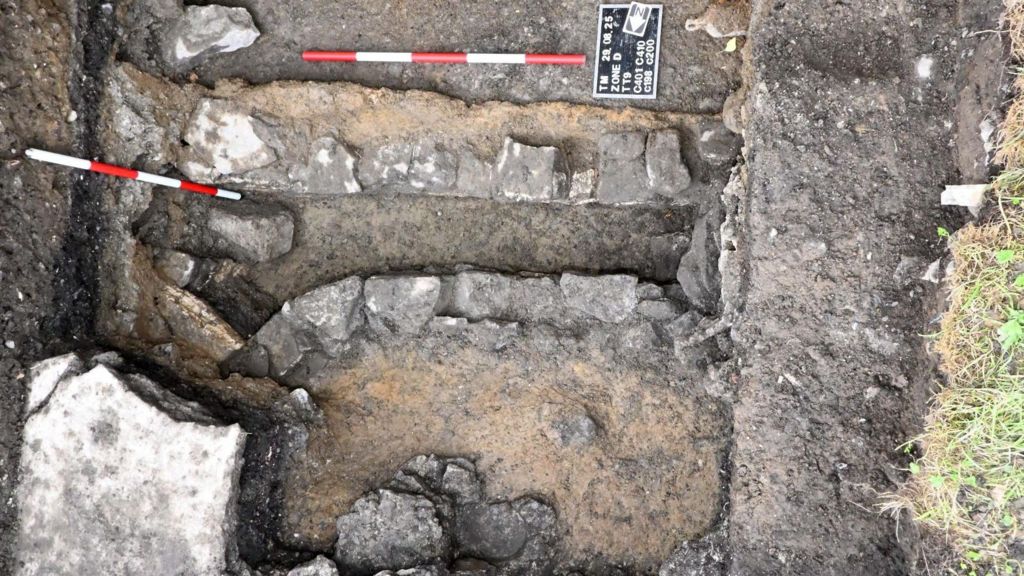
Archaeologists working at the site of the former St Mary’s mother-and-baby institution in Tuam, County Galway, have unearthed significant findings that offer a glimpse into the institution’s troubled history. The excavation, led by the Office of the Director of Authorised Intervention, Tuam (ODAIT), has revealed five sets of skeletal human remains believed to predate the institution’s operation. These remains were discovered near a 19th-century boundary wall during meticulous hand excavations. Additionally, the team has recovered a variety of personal and medicinal items from the ‘institutional era,’ including shoes, spectacles, and baby glass bottles. Notably, a window frame, a pathway, two drains, and an underground vaulted structure comprising at least three chambers were also uncovered. This structure, however, is distinct from the one where human remains were found in 2017. ODAIT, in collaboration with the National Museum of Ireland, continues its efforts to identify and honor the remains of children and babies believed to be buried in a mass grave at the site. The institution, which operated from 1925 to 1961 under the management of the Bon Secours Sisters and Galway County Council, gained international attention in 2014 when local historian Catherine Corless uncovered evidence of 796 death certificates for children and babies who died there, with no corresponding burial records. The ongoing excavation aims to bring closure to the families affected by this tragic chapter in Ireland’s history.
-
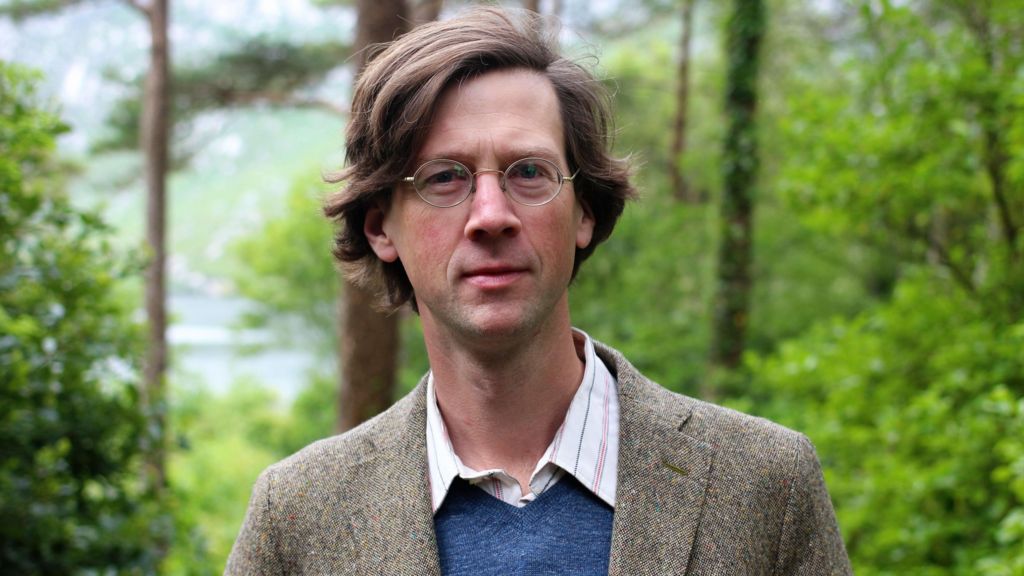
‘A trailblazer’: Broadcaster Manchán Magan dies aged 55
Manchán Magan, a celebrated writer and broadcaster known for his profound explorations of the Irish language, culture, and landscape, has passed away at the age of 55. His family confirmed that he died in Dublin on Thursday evening. Magan, who was born in 1970 and raised in Donnybrook, Dublin, had a prolific career that spanned books, documentaries, TV shows, and radio programs. He was a passionate advocate for the Irish language and culture, as highlighted by Taoiseach Micheál Martin, who praised Magan for illuminating the richness of Ireland’s heritage. In September, Magan revealed he had been diagnosed with terminal prostate cancer. His work included the TV series *No Béarla*, which documented his travels across Ireland speaking only Irish, and the podcast *The Almanac of Ireland*, which delved into the quirks and wonders of Irish traditions and placenames. Magan also authored several books, including *Thirty-Two Words for Field: Lost Words of the Irish Landscape* and his most recent publication, *Ninety-Nine Words for Rain (and One for Sun)*. Tributes poured in from across Ireland, with University College Dublin, his alma mater, calling him ‘one of Ireland’s foremost voices on language, culture, and landscape.’ Irish artist Blindboy Boatclub expressed his heartbreak, while Dee Mulrooney hailed Magan as a ‘trailblazer’ and ‘a man on a mission.’ RTÉ broadcaster Fiachna Ó Braonáin described Magan’s work as a ‘portal into enlightenment,’ emphasizing his deep love for the Irish language and his unique approach to exploring the world. Magan is survived by his wife Aisling, his mother Cróine, and his three siblings.
-
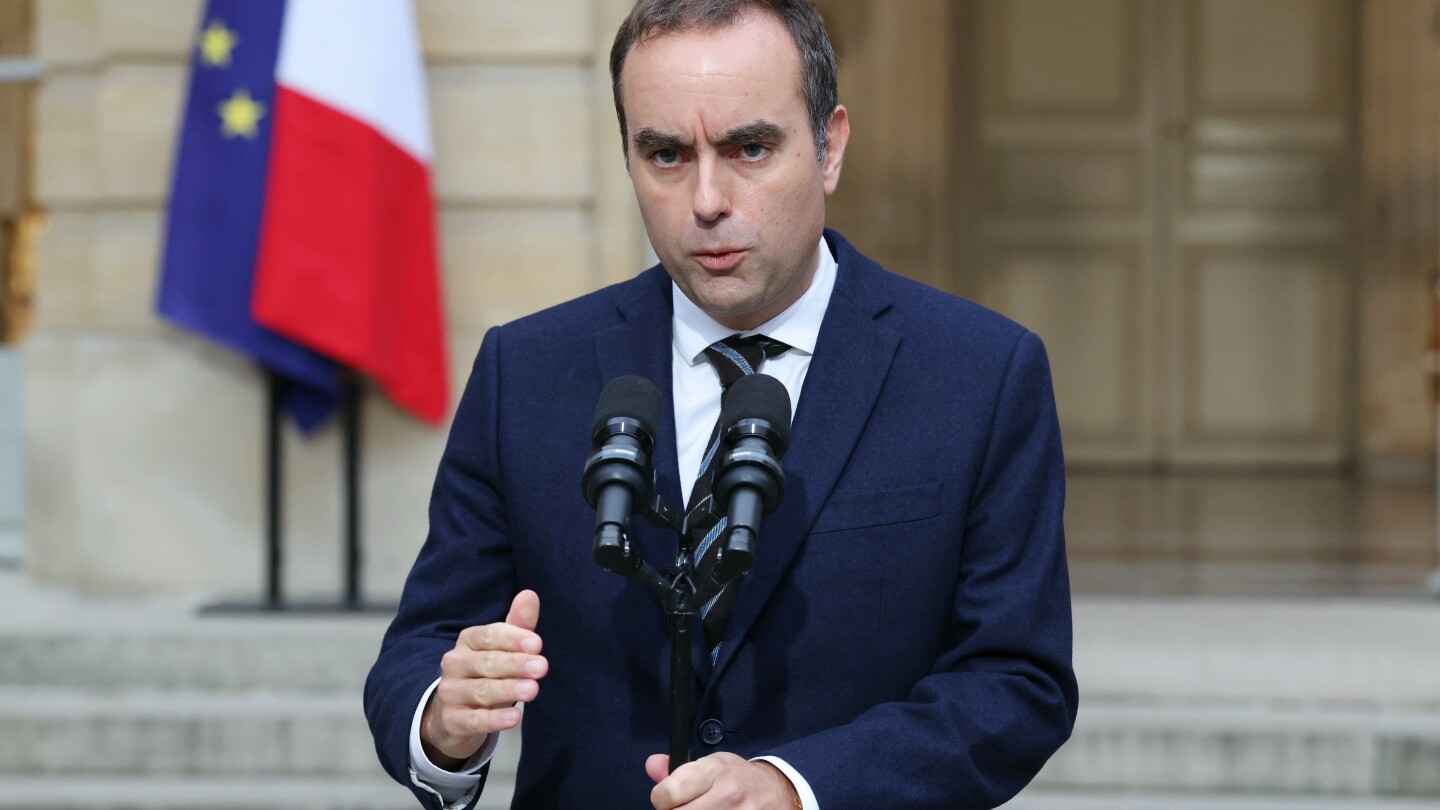
France’s new PM renounces using special powers at parliament to seek compromise instead
In a significant shift in strategy, France’s newly appointed Prime Minister Sébastien Lecornu announced on Friday that he would refrain from invoking Article 49.3 of the Constitution, a controversial provision that allows the government to bypass parliamentary votes to pass legislation. Instead, Lecornu emphasized the need for compromise and collaboration with lawmakers from across the political spectrum. This decision comes amid a deeply fragmented legislature and mounting political tensions following the fall of his predecessor, François Bayrou, who had used the same constitutional tool to push through this year’s budget. Lecornu, a 39-year-old centrist appointed by President Emmanuel Macron last month, faces the urgent task of passing the 2026 budget bill by year-end. His move aims to prevent a potential no-confidence motion in parliament, where his government lacks a majority. Lecornu outlined key priorities, including improving pensions for women, fairer taxation, boosting purchasing power, and addressing immigration issues. He also signaled that the appointment of his government ministers would be finalized in the coming days, ahead of a general policy speech scheduled for next week at the National Assembly. France’s political landscape has been in turmoil since Macron’s call for early parliamentary elections in June 2023, which resulted in a fractured legislature. As the European Union’s second-largest economy, France’s ballooning deficit and mounting debt have raised concerns among investors. Lecornu’s decision to abandon Article 49.3 marks a departure from his predecessor’s approach and underscores his commitment to fostering dialogue and consensus in a challenging political environment.
-
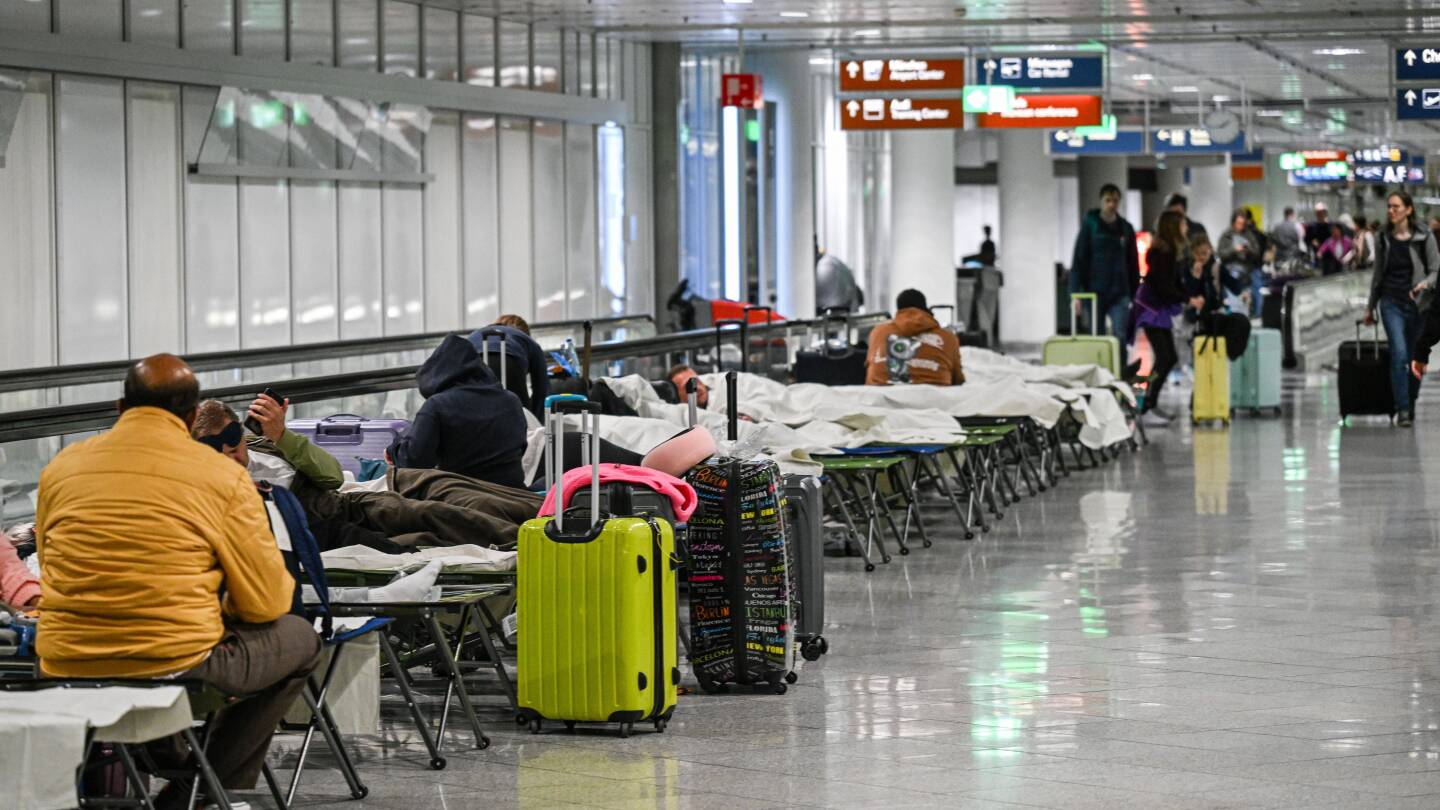
Munich Airport shuts again after suspected drones in latest reported sightings in EU airspace
Munich Airport faced its second shutdown in less than 24 hours late Friday due to unconfirmed drone sightings, according to an official statement. The incident is part of a growing trend of mysterious drone overflights across European Union member countries, raising significant security concerns. Flight operations were suspended as a precautionary measure, disrupting travel plans for thousands of passengers. Earlier on Thursday, air traffic control had restricted flights, leading to the diversion of 15 arrivals and the cancellation of 17 departures, affecting nearly 3,000 travelers. Flights resumed early Friday but were halted again later in the day. Authorities deployed helicopters and other resources to track the drones but found no traces. Hundreds of stranded passengers were provided with cots, blankets, and refreshments overnight. German Interior Minister Alexander Dobrindt announced plans to discuss drone detection and defense strategies with European counterparts at an upcoming meeting in Munich. Similar drone sightings were reported in Belgium, where several drones were spotted near a military base. While European authorities suspect Russian involvement, experts caution that the culprits could range from individuals to criminal organizations or state actors. The incident underscores the urgent need for enhanced drone defense measures across Europe.
-
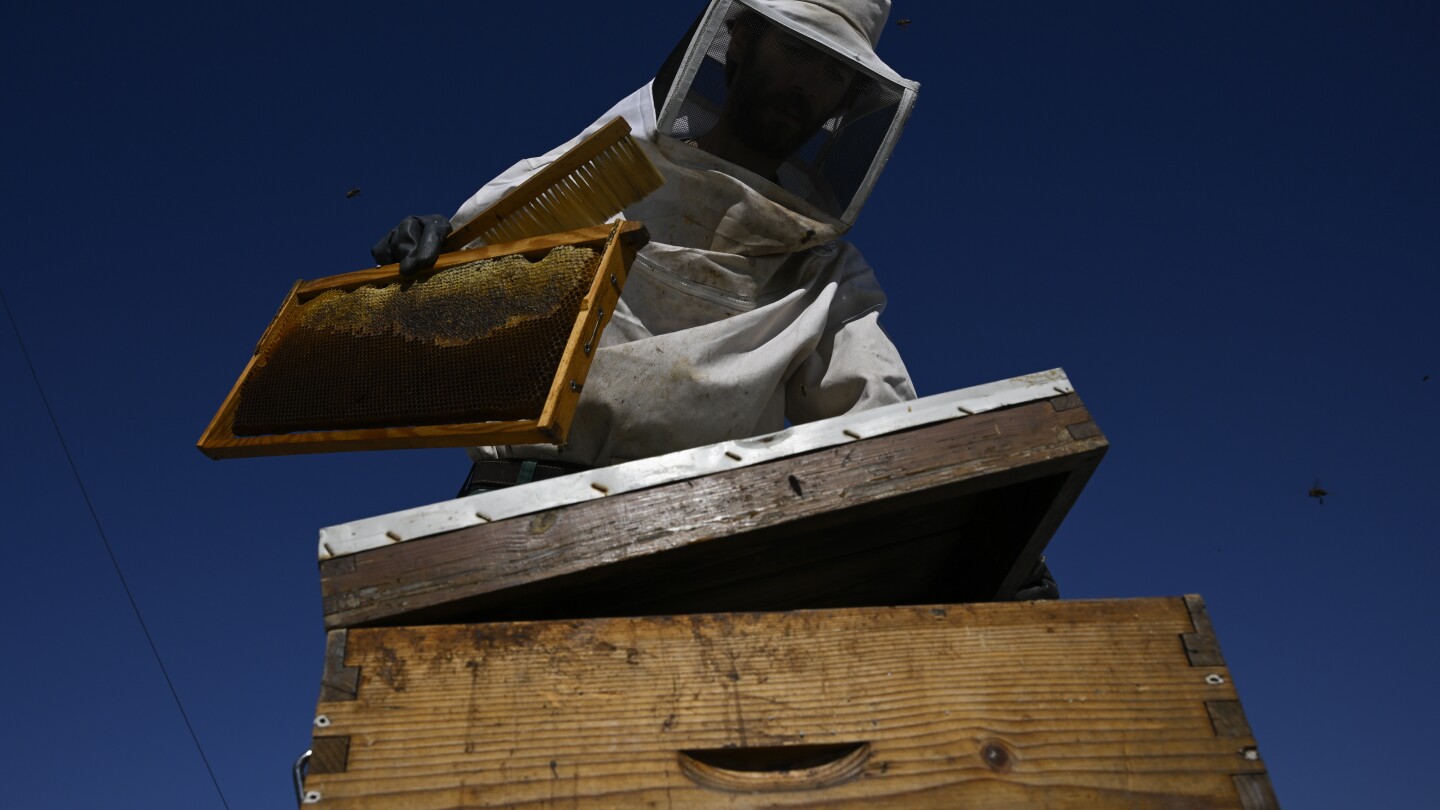
From rooftops to honey jars, Athens is abuzz with urban beekeeping
In the bustling heart of Athens, Nikos Chatzilias has found a unique way to reconnect with nature: urban beekeeping. Amidst the city’s rooftops, Chatzilias tends to 30 buzzing hives, producing 500 kilograms of honey annually. This honey, infused with the flavors of local flora like eucalyptus, acacia, and bitter orange, offers a taste of Athens’ diverse neighborhoods. For Chatzilias, 37, beekeeping began as a personal quest for quality honey but quickly evolved into a passion that brought joy and environmental purpose. Inspired by his journey, others like Aggelina Chatzistavrou have joined the movement, envisioning a greener urban future. Despite challenges, including resident concerns about safety, Athens’ year-round bloom cycles make it an ideal setting for this sustainable practice. Chatzilias’ experiment with leaving hives on rooftops year-round underscores nature’s resilience, even in the chaos of urban life.
-
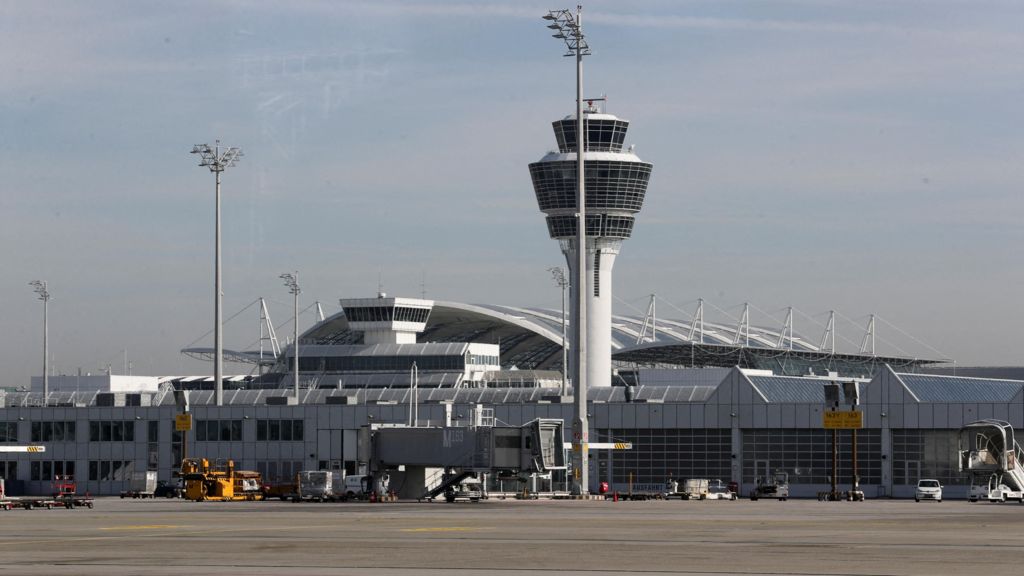
Munich airport closes after drones spotted nearby
Munich Airport faced significant disruptions as unidentified drones were spotted near its airspace, leading to the cancellation of at least 17 flights and impacting nearly 3,000 passengers. The airport authorities swiftly diverted an additional 15 flights to nearby cities such as Stuttgart, Nuremberg, Vienna, and Frankfurt. The Federal Police spokesperson, Stefan Bayer, informed the Bild Newspaper that due to the darkness, details about the drones’ type, size, or origins remain unclear. The drones were first detected at 21:30 local time (19:30 GMT) and reappeared an hour later, prompting the airport to suspend all outgoing flights. This incident adds to a series of drone-related disruptions across Europe, including recent closures of Copenhagen and Oslo airports. Russian President Vladimir Putin, speaking at a summit in Sochi, humorously dismissed allegations of Russian involvement in the Danish drone incidents, stating, ‘I won’t do it again – not to France or Denmark or Copenhagen.’ Meanwhile, stranded passengers at Munich Airport were provided with camp beds, blankets, drinks, and snacks overnight. The disruptions coincide with Munich’s annual Oktoberfest, which attracts over six million visitors and is set to conclude on October 5.
-

Captain of tanker linked to Russian ‘shadow fleet’ charged in France
French authorities have charged the Chinese captain of the oil tanker Boracay, suspected to be part of Russia’s ‘shadow fleet’ used to circumvent international sanctions. The captain faces charges for refusing to comply with instructions from the French navy and is scheduled to appear in court in Brest next February. The Boracay, which departed Russia last month, was intercepted off the coast of Denmark following a series of drone incidents that temporarily shut down several airports. Earlier this week, French soldiers boarded the vessel, which is on the EU’s sanctions list for transporting Russian oil. Russian President Vladimir Putin condemned the action as ‘piracy,’ while the Kremlin denied any connection to the ship. The Boracay, currently registered in Benin, has undergone multiple name and flag changes in recent years, allegedly to evade sanctions imposed after Russia’s invasion of Ukraine. The French prosecutor noted that the captain failed to provide a coherent explanation regarding the ship’s flag. Both the captain and the second captain, also Chinese nationals, were detained for investigation but only the captain was charged. The Boracay is now anchored near Saint-Nazaire. Under international maritime law, naval forces can stop vessels suspected of lacking nationality. Western nations have imposed sanctions on Russian energy, prompting Moscow to develop a ‘shadow fleet’ of tankers registered in other countries to obscure ownership and movements. French President Emmanuel Macron estimates this fleet comprises 600 to 1,000 ships. The Boracay was previously detained by Estonian authorities for sailing without a valid flag. It departed Primorsk, Russia, on September 20, traversing the Baltic Sea, North Sea, and English Channel en route to Vadinar, India. The incident coincides with unresolved drone incursions into Danish airspace, though Danish authorities found no evidence of Russian involvement. Similar violations have been reported in Poland, Estonia, and Romania, with Moscow denying responsibility.