标签: Europe

欧洲

  • Europe defends military bases and struggles to evacuate citizens as it is drawn into the war on Iran

    Europe defends military bases and struggles to evacuate citizens as it is drawn into the war on Iran

    BRUSSELS (AP) — European nations are being reluctantly drawn into the escalating Middle East conflict between the U.S.-Israel alliance and Iran, despite having no direct involvement in initiating hostilities. The continent now finds itself compelled to implement defensive measures to safeguard military installations and coordinate evacuation operations for thousands of citizens trapped in conflict zones.

    The strategic importance of the Middle East to European interests cannot be overstated. The region serves as a critical trading partner and contains vital maritime routes essential for global commerce. Significant European populations reside in cities including Beirut, Dubai, and Jerusalem, while substantial Middle Eastern communities have established roots across European nations. This deep interconnection means European countries inevitably face consequences from a conflict they did not authorize.

    Britain, France, and Germany have declared their intention to collaborate with the United States in countering Iranian offensive capabilities, while explicitly avoiding direct combat participation. Notably, the United Kingdom has authorized American forces to utilize British military bases for operations targeting Iranian missile launch sites.

    The conflict’s proximity to Europe became alarmingly evident when a Shahed-type drone—an Iranian-developed weapon previously deployed by Russia in Ukraine—struck a British air base in Cyprus, the current holder of the EU’s rotating presidency. The incident forced Cypriot officials to publicly deny involvement in the hostilities. Consequently, several European nations have heightened security at transportation hubs including airports and rail stations.

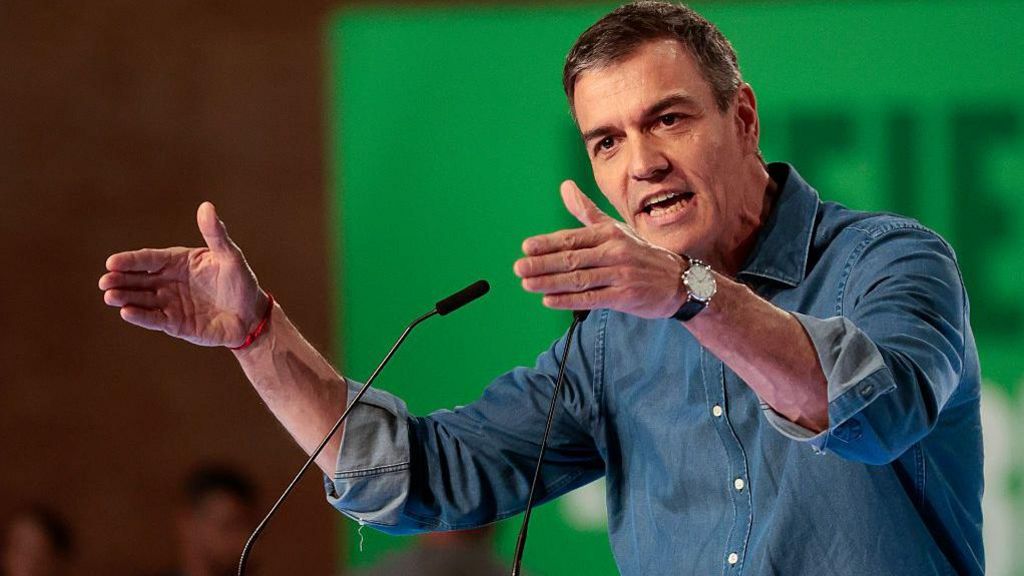
    European leadership remains predominantly supportive of the U.S.-Israeli military campaign against Iran, viewing it as targeting a regime that has repeatedly arrested European citizens and challenged European economic interests. Spain emerged as a notable exception, with Prime Minister Pedro Sánchez condemning the military intervention as “unjustifiable, dangerous and outside of international law.”

    Beyond immediate security concerns, Europe faces substantial economic vulnerabilities. Iran has threatened maritime traffic through the Strait of Hormuz, a critical choke point through which approximately 20% of globally traded oil passes. In response, France is deploying additional warships to reinforce Operation Aspides, the EU’s naval mission protecting commercial shipping in the Red Sea and Gulf of Aden. Discussions are underway regarding potential enhancements to the operation’s mandate and rules of engagement.

    The European Union prioritizes preventing regional escalation that could trigger oil price surges and unpredictable migration patterns. EU foreign policy chief Kaja Kallas is scheduled to convene a meeting with Gulf Cooperation Council foreign ministers to reassure regional partners and coordinate diplomatic efforts. The EU remains committed to preventing Iranian nuclear weapon acquisition despite the collapse of the nuclear agreement following the U.S. withdrawal.

    Regarding Iran’s political future, European officials expressed solidarity with the Iranian people’s aspirations for human rights and fundamental freedoms, while acknowledging it is premature to endorse specific leadership candidates. The EU has explicitly ruled out engagement with any leadership influenced by Iran’s Revolutionary Guard, which was recently added to the bloc’s terror list.

  • Russia-Ukraine talks planned for Abu Dhabi this week may change venue, Zelenskyy says

    Russia-Ukraine talks planned for Abu Dhabi this week may change venue, Zelenskyy says

    Ukrainian President Volodymyr Zelenskyy indicated on Monday that planned U.S.-mediated negotiations between Russia and Ukraine could be relocated from Abu Dhabi to alternative European venues such as Switzerland or Turkey. This potential shift stems from logistical complications arising from the ongoing Middle East conflict.

    Despite geopolitical tensions diverting international attention, Zelenskyy affirmed that Western military support to Ukraine remains uninterrupted. Specifically, he confirmed continued deliveries of critical air defense systems, including American-made Patriot missiles, which have proven vital in countering Russian aerial assaults.

    The diplomatic efforts, spearheaded by the United States, persist in seeking resolution to the conflict that began with Russia’s February 2022 invasion. However, recent escalations involving U.S.-Israeli operations against Iran and subsequent missile exchanges have introduced new complexities to the peace process.

    Zelenskyy highlighted Ukraine’s successful defense against Russia’s winter campaign targeting energy infrastructure, though he acknowledged significant damage sustained. Russian tactics have now shifted toward attacking other critical infrastructure, including water supply systems.

    In a related development, British Prime Minister Keir Starmer announced plans to facilitate knowledge transfer between Ukrainian drone warfare experts and Persian Gulf nations seeking to counter Iranian drone technologies. Despite this proposal, Zelenskyy noted no formal requests had been received from the UK or other nations regarding such cooperation.

  • Rembrandt painting rediscovered after 65 years

    Rembrandt painting rediscovered after 65 years

    A significant artwork by the Dutch master Rembrandt van Rijn, missing for over six decades, has been officially authenticated and restored to its rightful place in art history. The painting, titled ‘Vision of Zacharias in the Temple,’ created in 1633 when the artist was merely 27 years old, has undergone a rigorous two-year examination at Amsterdam’s Rijksmuseum before receiving definitive authentication.

    The artwork’s remarkable journey began when its current owners, who inherited the piece, contacted the museum via email seeking expert evaluation. Despite being excluded from the official Rembrandt catalog in 1960 and vanishing from public view after a private sale in 1961, the painting’s exceptional quality immediately captured the attention of museum curators.

    Rijksmuseum director Taco Dibbits described the moment of revelation: ‘When I saw it in our studio during restoration, I was immediately struck by the incredible power it possesses. While Rembrandt often produced portraits in quantity, this work demonstrates his complete artistic dedication.’

    The authentication process involved comprehensive technical analysis, including examination of painting materials consistent with Rembrandt’s 17th-century palette, detailed study of the artist’s characteristic layering technique, and verification of both the original signature and period-appropriate wooden panel. Researchers confirmed that ‘materials analysis, stylistic and thematic similarities, alterations made by Rembrandt, and the overall quality of the painting all support the conclusion that this is a genuine work.’

    The artwork depicts the biblical narrative of High Priest Zacharias receiving divine prophecy from the Archangel Gabriel regarding the birth of his son, John the Baptist. Art historians note Rembrandt’s innovative interpretation of the scene, particularly his departure from traditional visual conventions by suggesting the angel’s presence rather than depicting it explicitly. This creative decision captures the dramatic moment just before Gabriel reveals his true identity, demonstrating the young artist’s emerging genius.

    Notably, this history painting represents a rare departure from Rembrandt’s predominantly portrait-focused output during this commercially successful period of his career. The museum has announced that the newly authenticated masterpiece will be placed on public display starting Wednesday, allowing art enthusiasts to witness this remarkable rediscovery firsthand.

  • Two drones headed to RAF base intercepted, Cyprus says

    Two drones headed to RAF base intercepted, Cyprus says

    Cyprus remains on heightened security alert following a series of aerial incidents targeting RAF Akrotiri, a strategic British military installation on the Mediterranean island. The escalation comes amid broader regional hostilities between Iran and Western allies.

    On Monday, Cypriot authorities confirmed the successful interception of two unmanned aerial vehicles heading toward the British base. This incident occurred just hours after a separate drone struck the facility overnight Sunday, causing minimal damage but no casualties.

    The base implemented emergency protocols, instructing personnel to shelter away from windows and behind furniture as warning sirens sounded throughout the area. The UK Ministry of Defence initiated precautionary measures, including relocating family members to alternative accommodation and planning the temporary dispersal of non-essential personnel.

    The tension extended beyond the military base, with Paphos Airport briefly raising alarms and issuing evacuation instructions after a suspected drone was spotted in its airspace. The US Embassy in Cyprus subsequently issued warnings about potential drone threats in the Paphos region.

    Cypriot President Nikos Christodoulides identified the Sunday attack as involving an Iranian drone, though officials emphasized that Cyprus itself was not the intended target. This assessment was corroborated by UK Prime Minister Sir Keir Starmer during a phone call with the Cypriot leader.

    The incidents form part of a broader regional confrontation that began on Saturday when US and Israeli forces launched massive strikes against Iranian leadership and military targets, resulting in the death of Supreme Leader Ayatollah Ali Khamenei. Iran has responded with ballistic missiles and drone attacks targeting US assets and allies across the Middle East.

    UK Defence Secretary John Healey expressed concern about Iranian ‘indiscriminate attacks’ endangering British troops and civilians in the region. In a significant development, an RAF Typhoon jet operating from Qatar shot down an Iranian drone during a defensive air patrol—marking the first such engagement by a UK fighter since hostilities escalated.

    Prime Minister Starmer confirmed the UK had agreed to a US request to use British military bases for defensive strikes, emphasizing the decision was based on ‘collective self-defence’ of allies and protecting British lives. The BBC understands RAF Fairford in Gloucestershire and Diego Garcia in the Indian Ocean are likely staging points for US operations against Iranian missile sites.

    The Cypriot government announced it would make formal representations to the UK regarding information sharing procedures during Sunday’s incident, highlighting concerns about coordination with local authorities and residents.

  • Will Jessie Buckley’s winning streak continue at the Oscars?

    Will Jessie Buckley’s winning streak continue at the Oscars?

    Irish actress Jessie Buckley has solidified her status as this year’s most celebrated performer by claiming the prestigious Actor Award for Outstanding Performance by a Female Actor in a Leading Role. Her captivating portrayal of Agnes Shakespeare in the period drama ‘Hamnet’ earned her this latest honor, adding to an already remarkable awards season collection that includes Golden Globe and BAFTA victories.

    The ceremony, formerly known as the Screen Actors Guild Awards, recognized Buckley’s exceptional performance among the year’s finest on-screen achievements. During her emotional acceptance speech, Buckley expressed profound gratitude toward the acting community, stating, ‘I have been categorically changed by so many people in this room and beyond.’ She specifically honored her co-star Emily Watson, recalling how Watson’s performance in ‘Breaking The Waves’ initially inspired her acting ambitions.

    Based on Maggie O’Farrell’s award-winning novel, ‘Hamnet’ presents a fictional exploration of William Shakespeare’s family life, particularly focusing on his wife Agnes and the tragic death of their son Hamnet. The film speculates how this personal tragedy might have influenced Shakespeare’s creation of his masterpiece ‘Hamlet.’ The production has received widespread critical acclaim, earning six Golden Globe nominations and securing two wins, including Best Film.

    Buckley’s artistic journey spans nearly two decades, beginning with her musical education at Dublin’s Royal Irish Academy of Music where she mastered multiple instruments. Her breakthrough came through the BBC television competition ‘I’d Do Anything,’ though she notably declined a supporting role to pursue independent opportunities. After formal training at London’s Royal Academy of Dramatic Art, Buckley has demonstrated remarkable versatility across theater, film, and musical performances—most notably earning a Laurence Olivier Award for her role in ‘Cabaret.’

    The entertainment industry now eagerly anticipates whether Buckley’s awards success will culminate with an Oscar victory as the Academy Awards approach on March 15, 2026, in Los Angeles.

  • €400m weight loss tablet factory to be built in Ireland

    €400m weight loss tablet factory to be built in Ireland

    Danish pharmaceutical giant Novo Nordisk has announced a major €400 million (£350 million) investment to upgrade its manufacturing facility in Athlone, County Westmeath, Republic of Ireland. This strategic move will enable the production of tablet versions of its blockbuster weight-loss medication Wegovy, marking a significant expansion beyond the currently available injectable form.

    The investment represents a pivotal shift in obesity treatment delivery methods. While Wegovy and similar GLP-1 receptor agonist drugs have traditionally been administered via injection, the tablet formulation offers patients an alternative delivery method. The oral version of Wegovy received regulatory approval in the United States in January 2024 and is anticipated to gain approval in other global markets shortly.

    Kasper Bødker Mejlvang, Executive Vice President at Novo Nordisk, characterized the development as “a historic milestone which marks our continued commitment to Ireland and our highly skilled employees in Athlone.” Construction activities have already commenced at the Athlone site and are projected to continue through 2028. The facility will specifically manufacture tablets for markets outside the United States.

    This expansion occurs against a backdrop of intensifying competition in the weight-loss pharmaceutical sector. Ireland already serves as a major manufacturing base for Novo Nordisk’s primary competitor, Eli Lilly, which produces active pharmaceutical ingredients for its Mounjaro and Zepbound medications at its Kinsale, County Cork facility. These ingredients are subsequently air-freighted to the United States, making Eli Lilly one of Ireland’s most significant exporters.

    Both Wegovy and Mounjaro function as appetite suppressants by mimicking the GLP-1 hormone that induces feelings of fullness, with Mounjaro additionally affecting metabolism and energy balance regulation. Treatment typically begins with low doses that are gradually increased until patients reach a maintenance dosage, always accompanied by healthier eating and exercise programs when prescribed in the UK.

    The investment decision follows recent job cuts at Novo Nordisk, reflecting the company’s strategic response to growing market competition and impending patent expirations that could affect its product portfolio.

  • Energy prices surge as tanker disruptions, facility shutdowns, rattle global supply

    Energy prices surge as tanker disruptions, facility shutdowns, rattle global supply

    Global energy markets experienced significant volatility Monday as escalating Middle East tensions triggered substantial disruptions to maritime traffic through the strategically vital Strait of Hormuz. Benchmark crude indices surged dramatically, with U.S. oil climbing 8% to $72.40 per barrel and international standard Brent crude rising 8.8% to $79.30 per barrel. The price movements came as satellite navigation systems experienced widespread interference and multiple vessels reported attacks in the region.

    The energy shock extended beyond oil markets, with European natural gas futures skyrocketing over 40% following QatarEnergy’s announcement that it would halt liquefied natural gas production due to the ongoing conflict. This development poses particular concern for European nations already grappling with energy security challenges following the reduction of Russian pipeline gas.

    Maritime authorities confirmed several security incidents, including a drone boat attack on a Marshall Islands-flagged tanker in the Gulf of Oman that resulted in one casualty. Simultaneously, Saudi defenses intercepted Iranian drones targeting the critical Ras Tanura oil refinery near Dammam, prompting precautionary shutdowns of facility operations.

    Market analysts emphasized the Strait of Hormuz’s indispensable role in global energy logistics, with approximately 20% of worldwide oil supply transiting through this narrow passage. Despite existing pipeline infrastructure that bypasses the strait, Saudi Arabia, Iraq, and the United Arab Emirates remain heavily dependent on tanker traffic for exporting their hydrocarbon production.

    The price surge arrives as U.S. consumers already face increasing gasoline costs, with the national average approaching $3 per gallon ahead of the summer driving season. Economists warn that sustained oil price increases could add 0.5 percentage points to European consumer prices, potentially complicating central banks’ inflation management strategies.

    Market observers suggest the current price spike incorporates substantial risk premium, with further escalation contingent on the conflict’s duration and potential expansion to additional energy infrastructure. The coming weeks will likely determine whether these price movements represent temporary volatility or the beginning of more persistent energy market disruption.

  • Britain says it’s not at war after a drone strikes its Akrotiri base in Cyprus

    Britain says it’s not at war after a drone strikes its Akrotiri base in Cyprus

    CYPRUS — The British government has emphatically declared that the United Kingdom remains in a non-belligerent status despite escalating Middle East tensions, even as Royal Air Force installations in Cyprus faced direct drone attacks and Britain authorized American forces to utilize UK bases for regional operations.

    RAF Akrotiri, Britain’s pivotal Middle East operations hub, sustained a direct hit from an Iranian-manufactured drone late Sunday, marking the first time the Iran-Israel conflict has physically extended to European territory. While the strike resulted in no casualties and minimal infrastructure damage, it triggered renewed security alerts Monday as Typhoon and F-35 fighter jets scrambled in response to emerging threats.

    The Cypriot government confirmed intercepting two drones headed toward the island nation, while base authorities circulated emergency alerts instructing personnel to remain indoors away from windows. The attack represents the first significant assault on Akrotiri since Libyan militants targeted the facility in 1986.

    British leadership has walked a diplomatic tightrope, refusing to explicitly endorse U.S.-Israeli military actions against Iran while simultaneously permitting American forces to utilize UK bases for targeting Iranian missile launch sites. Prime Minister Keir Starmer emphasized that Britain’s bases cannot be used for strikes on political or economic targets within Iran, stating: ‘We are not joining these strikes, but we will continue with our defensive actions in the region.’

    The shadow of Iraq looms large over British decision-making, with the memory of the 2003 invasion that claimed 179 British lives and thousands of Iraqi and American casualties. Middle East Minister Hamish Falconer reiterated Britain’s defensive posture while acknowledging the necessity of countering Iranian ballistic threats: ‘Iran has ballistic missiles pointed at the Gulf and it is vital that those missile launchers are taken out.’

    Critics within the governing Labour Party, including MP John McDonnell, warn that Britain risks repeating the same trajectory that led to full involvement in Iraq: ‘We are being drawn in, just as we were in Iraq, following the U.S. into an incredibly dangerous situation.’

    The British military has reinforced Akrotiri with additional F-35s, advanced radar systems, and counter-drone technologies in recent weeks, while relocating military families to secure accommodations as tensions continue to mount.

  • Macron says France will allow temporary deployment of nuclear-armed jets to allied nations

    Macron says France will allow temporary deployment of nuclear-armed jets to allied nations

    In a significant shift in nuclear policy, French President Emmanuel Macron declared on Monday that France would permit the temporary stationing of its nuclear-capable aircraft at allied nations’ facilities. The announcement, made during a strategic address at the L’Ile Longue ballistic missile submarine base in northwestern France, marks a recalibration of Europe’s security architecture amid growing continental uncertainties.

    Macron emphasized that while elements of France’s strategic air forces might be deployed to partner nations, ultimate authority over nuclear weapon deployment would remain exclusively with the French presidency. This distinction maintains France’s sovereign control while extending deterrence capabilities to allies.

    The French leader confirmed ongoing discussions with multiple European partners including Britain, Germany, Poland, the Netherlands, Belgium, Greece, Sweden, and Denmark regarding these arrangements. In a parallel development, Macron revealed plans to expand France’s nuclear arsenal by increasing warhead numbers above the current level of approximately 300—the first such augmentation since at least 1992, though specific quantities remain unspecified.

    This doctrinal evolution responds to mounting European security concerns, particularly regarding the reliability of American nuclear guarantees under NATO’s umbrella policy. Macron’s speech positioned French nuclear capabilities as a stabilizing force within the European Union, where France remains the sole nuclear power since Britain’s EU departure.

    The president articulated the deterrence philosophy underpinning these changes: ‘My responsibility is to ensure that our deterrence maintains—and will maintain in the future—its assured destructive power. If we had to use our arsenal, no state, however powerful, could shield itself from it.’

    Several nations have already engaged with France’s year-old offer to discuss nuclear deterrence cooperation, including German Chancellor Friedrich Merz’s acknowledgment of preliminary talks regarding potential German aircraft carrying French nuclear ordnance. Additionally, France and Britain recently established a framework for coordinated though independent nuclear forces, reinforcing trans-European security coordination.

  • As Macron sets out his nuclear doctrine, a look at France’s capability by the numbers

    As Macron sets out his nuclear doctrine, a look at France’s capability by the numbers

    PARIS — In a significant address on Monday, French President Emmanuel Macron articulated France’s nuclear deterrence doctrine against a backdrop of mounting European anxieties regarding potential U.S. strategic disengagement and persistent Russian threats. As the European Union’s sole nuclear power, France maintains a strictly defensive posture designed to protect its fundamental interests, which Macron explicitly acknowledges now encompass a distinct “European dimension.

    While operating within NATO’s framework, France preserves complete autonomy over its nuclear arsenal, with constitutional authority for deployment resting solely with the president. The nation’s nuclear capabilities present a formidable deterrent force, characterized by both strategic depth and technological sophistication.

    France’s naval nuclear capacity centers on the aircraft carrier Charles de Gaulle, Europe’s only nuclear-capable surface warship. Currently operating in Northern European waters with recent port calls in Sweden, the carrier enables Rafale fighter jets to deploy nuclear weapons. However, due to extensive maintenance cycles, France does not maintain continuous sea-based air nuclear readiness. Macron has confirmed plans for a next-generation nuclear-powered carrier to replace the Charles de Gaulle by 2038.

    The underwater component of France’s nuclear triad consists of four ballistic missile submarines: Le Triomphant, Le Téméraire, Le Vigilant, and Le Terrible. Based at the highly secure Ile Longue facility on the Atlantic coast, these 138-meter vessels each carry 16 M51 intercontinental ballistic missiles with multiple warhead capability. Since 1972, at least one submarine has remained on continuous patrol, ensuring permanent strike capacity.

    France’s air-launched capability features the ASMPA cruise missile with an estimated 500-kilometer range, deployed by Rafale jets from both land bases and the Charles de Gaulle. This system serves as a final warning mechanism before potential escalation to full-scale nuclear conflict.

    The recently upgraded M51 submarine-launched missile boasts an estimated range of 8,000-10,000 kilometers with improved accuracy and countermeasure penetration capabilities. According to independent analyses by SIPRI and the Federation of American Scientists, France maintains approximately 290 nuclear warheads, positioning it as the world’s fourth-largest nuclear power behind Russia, the United States, and China. Over 80% of these warheads are submarine-deployed.

    This demonstration of French nuclear capability occurs amid heightened global non-proliferation concerns, particularly regarding Iran’s uranium enrichment activities and the ambiguous nuclear status of several nations outside the Non-Proliferation Treaty framework.