标签: Europe

欧洲

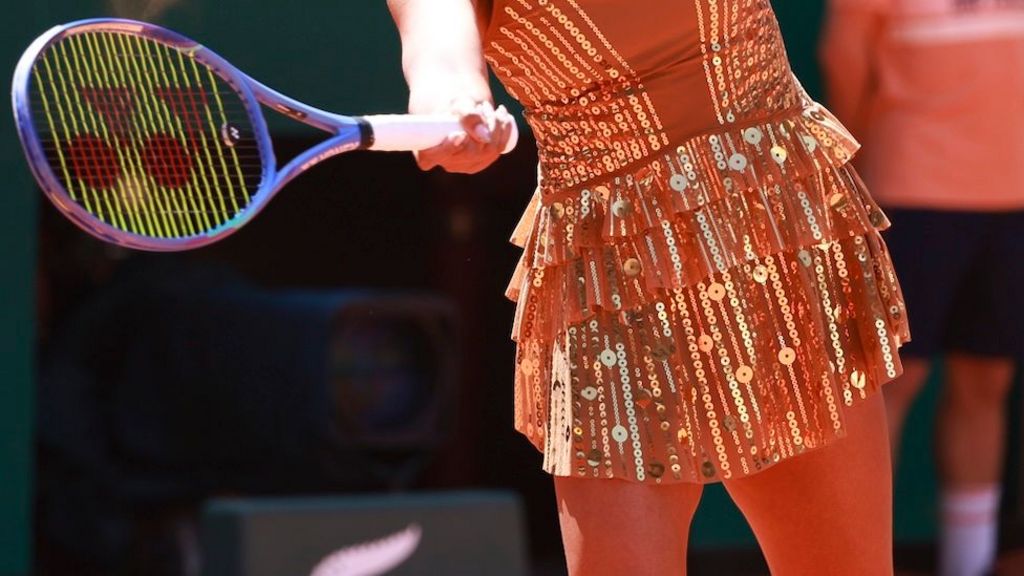
  • Weekly quiz: Which tennis star dazzled the French Open with an ‘Eiffel Tower’ dress?

    Weekly quiz: Which tennis star dazzled the French Open with an ‘Eiffel Tower’ dress?

    The past seven days have brought a string of high-profile headlines across vastly different sectors, capturing public attention in fragmented waves. First, new developments in the widely discussed *Married At First Sight UK* controversy have emerged this week, with more behind-the-scenes details of the on-screen scandal coming into public view.

    In a separate, more serious political development, Peter Murrell, the former chief executive of the Scottish National Party (SNP), has pled guilty to embezzling more than £400,000 in funds from the party, a revelation that has sent ripples through Scottish political circles.

    Meanwhile, in Australia, a planned celebratory drone light display over Sydney’s iconic Darling Harbour went dramatically awry when nearly 90 of the participating unmanned aerial vehicles crashed into the water below, disrupting the event and leaving onlookers surprised.

    Against this backdrop of headline-grabbing events, compiled by quiz editor Ben Fell, this weekly current affairs quiz challenges readers to test how closely they have paid attention to all global developments from the past week, not just the top trending stories. For those eager to continue testing their knowledge, opportunities to try the previous week’s quiz or explore past quizzes from the outlet’s archives are also available.

  • As the United States turns 250, Americans still can’t get enough of French luxury

    As the United States turns 250, Americans still can’t get enough of French luxury

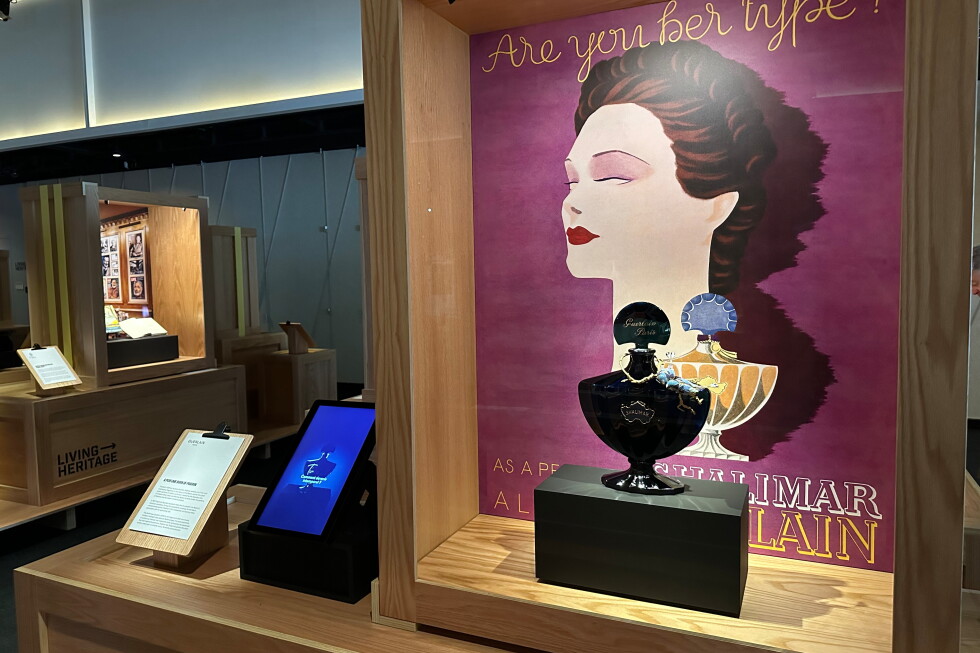
    For more than two centuries, France has stood as one of the most enduring cultural influences on the United States, weaving a complicated yet deeply connected bond marked by shared history, creative exchange and, at times, gentle rivalry. As both nations mark major milestones – 250 years of formal diplomatic relations and the U.S. semiquincentennial of its founding – a new curated exhibition at Manhattan’s The Shed titled “Hidden Treasures” pulls back the curtain on this long-running relationship through the lens of iconic French luxury craftsmanship.

    Organized by Comité Colbert, the governing body that unites France’s most prestigious luxury maisons spanning fashion, fragrance, jewelry, hospitality and spirits, the exhibition brings together one-of-a-kind archival pieces sourced directly from the collections of 65 member houses and partner cultural institutions. Each artifact was carefully selected to tell a different chapter of the cross-Atlantic connection that has shaped tastes on both sides for generations. To honor the trans-Atlantic journey that brought these pieces to American audiences, every item is displayed inside repurposed shipping containers, a subtle nod to the centuries of exchange that underpin the exhibit’s narrative.

    Among the most high-profile standouts on display is the soft pink brushed cashmere Givenchy coat worn by former first lady Jacqueline Kennedy during her landmark 1961 official visit to Paris. Also featured is Madonna’s iconic revealing pinstriped gown from Jean Paul Gaultier’s 1992 AIDS charity benefit runway, a replica of Cartier’s custom lunar module created to commemorate the 1969 Apollo 11 mission, and the 1782 Libertas Americana medal commissioned by Benjamin Franklin from French artisans and the Paris Mint to thank France for its support during the American Revolutionary War.

    Other notable pieces include a recreated Belle Époque diamond necklace from Boucheron, originally crafted in 1899 for wealthy Irish-American silver magnate John William Mackay and his wife Marie-Louise, who commissioned 50 custom pieces from the French brand. A 1964 Veuve Clicquot advertisement is also on display, showcasing the champagne house’s clever early marketing strategy that paired its product with classic American hamburgers to reposition Champagne from a drink reserved exclusively for rare special occasions to an accessible luxury for everyday U.S. consumers.

    The exhibition, which runs through the end of May, opens at a moment when American consumers now drive a significant share of global demand for French luxury goods, prompting brands to rapidly expand their footprint across the United States beyond the traditional luxury hubs of the East and West coasts and Las Vegas. In recent months, leading maisons including Dior, Louis Vuitton and Chanel have all hosted high-profile runway shows on U.S. soil, while smaller and heritage brands are also growing their domestic presence: Hermès opened a new boutique in Nashville in 2023, and Boucheron, which launched its U.S. flagship on Madison Avenue in 2024, already plans to open a fourth American location before the end of the year.

    Industry analysts note that the strategic expansion into middle America follows the same playbook that drove massive growth among Chinese consumers over the past two decades. New York University luxury marketing professor Thomaï Serdari explains that over the last 15 years, French brands have successfully adjusted their product ranges to cater to a broader cross-section of American consumers, unlocking mass-market demand while retaining their elite cultural cachet.

    Scholars point out that the American reverence for French cultural taste dates back to the earliest days of the U.S. as an independent nation. When the U.S. was still a young, modest global economy, established European cultures like France dominated global standards of elegance and style – a dynamic that endures today. Even before the Statue of Liberty arrived as a gift from France in 1886, and long before Alexis de Tocqueville published his groundbreaking 1830s analysis of American democracy, Americans already looked to France as the global arbiter of cultural refinement.

    “American people love French elegance — the ‘je ne sais quoi’ of French luxury,” said Bénédicte Épinay, president and CEO of Comité Colbert. “It’s a deep link starting at the 18th century and still alive.”

    While the global luxury sector has faced headwinds in recent years, including post-pandemic demand shifts, economic uncertainty and past tariff disputes between the U.S. and European Union, Épinay emphasized that political and economic fluctuations are temporary, and the core cultural bond between the two nations remains unshaken. “Politics and economics, it’s up and down,” she said. “We’re here to celebrate this strong cultural link between us.”

  • ‘Time for a lie-in’ after FTD Brothers finish Irish marathon challenge

    ‘Time for a lie-in’ after FTD Brothers finish Irish marathon challenge

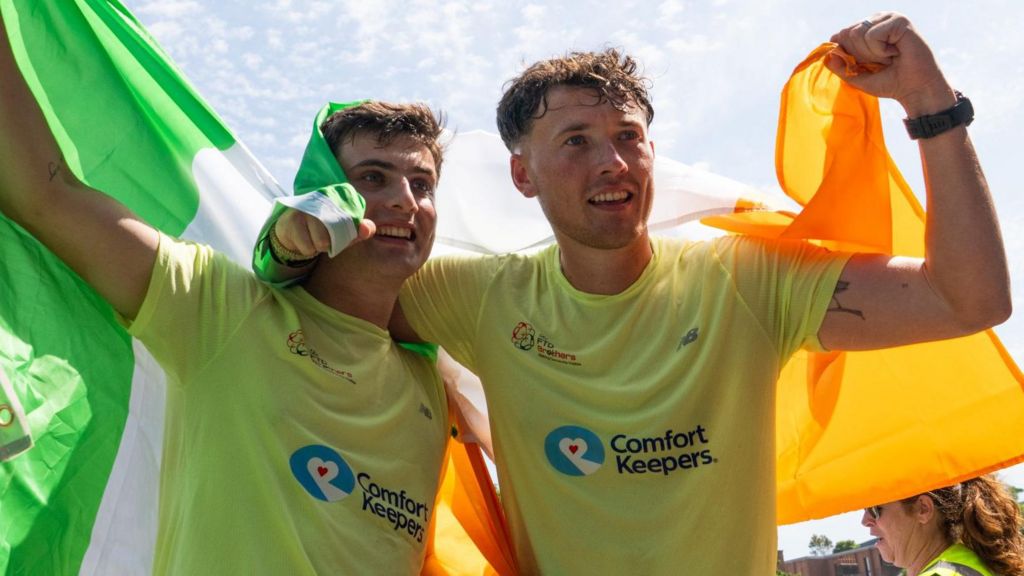
    After weeks of relentless training, thousands of miles logged across Ireland’s roads and trails, and 33 back-to-back marathon challenges, the FTD Brothers have crossed their final finish line in Dublin — and now, they say, it is finally time for a long-overdue lie-in.

    Jordan Adams, one half of the brother duo, sat down with BBC News NI shortly after completing his 33rd marathon in the Irish capital to reflect on the grueling, life-changing journey. What began as an ambitious fitness goal tied to a charitable mission evolved into a months-long test of endurance, mental grit, and sibling bonds, pushing both men to their physical limits while rallying communities across the country to support their cause.

    Over the course of the challenge, the pair ran a full 26.2-mile race in every major county across Ireland, moving from coastal routes to rolling inland hills, braving unpredictable Irish weather that ranged from unseasonable rain to unexpected heatwaves. Crowds turned out at every stop to cheer them on, turning individual race days into community-wide celebrations that kept the brothers motivated when fatigue threatened to derail their progress.

    Adams told reporters that the first thing on his agenda after wrapping up the final marathon was no post-race victory lap or elaborate celebration — just a long, uninterrupted period of rest. “We’ve been up at dawn and on our feet for months now,” he explained in the post-finish interview. “The first thing we’re both looking forward to is that lie-in, no alarm clock, no early morning shakeout run. We’ve earned it.”

    The challenge, which was organized to raise funds and awareness for a mental health charity close to the brothers’ hearts, has already blown past its original fundraising target, with donations still rolling in from supporters who followed their journey across the nation. Organizers and community leaders have praised the FTD Brothers for their commitment, noting that their public challenge has helped spark wider conversations about physical fitness and mental health support across Ireland.

  • Portugal breaks hottest May day record as Europe swelters in heatwave

    Portugal breaks hottest May day record as Europe swelters in heatwave

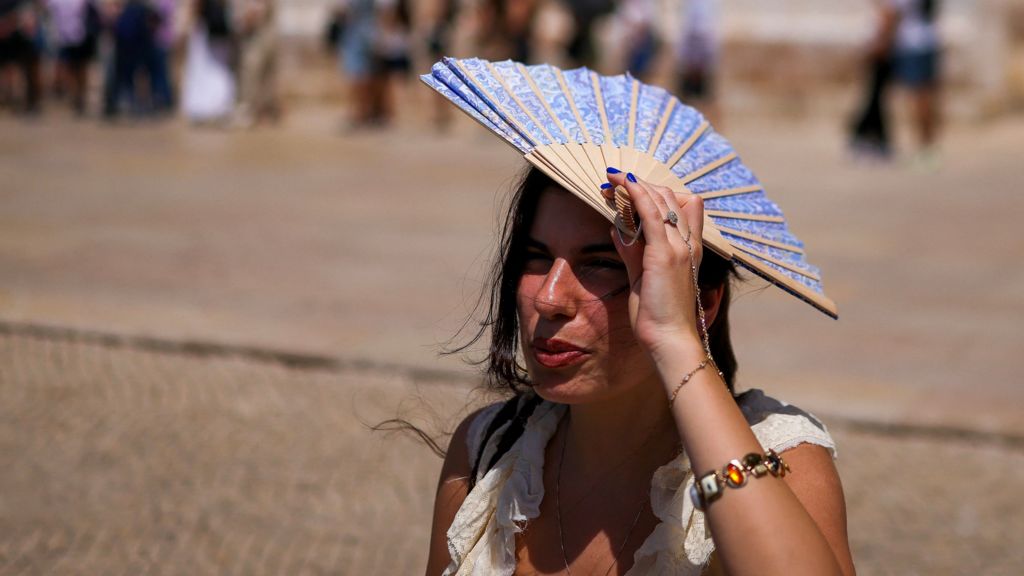
    An unseasonably intense early heatwave has gripped Western Europe this week, bringing historic temperature highs, disrupting public services, and prompting urgent emergency preparedness assessments across multiple nations. On Wednesday, Portugal logged a new all-time May temperature record when the central town of Mora hit 40.3 degrees Celsius, surpassing the previous national May benchmark of 40C set back in 2001.

    The extraordinary heat has not been confined to Portugal. Forecasters confirm the high-pressure system driving the heat — known as a “heat dome,” which traps warm air in a stagnant block — is projected to maintain sweltering conditions across the region through the weekend. Germany, Spain, and Switzerland have already recorded temperatures far above average for this time of year, while heat alerts have been issued across populated areas of France and Italy.

    In France, 17 departments including Paris and parts of the northwest are currently under orange heat alerts, urging residents to exercise heightened vigilance against heat-related health risks. Temperatures in the capital are forecast to hit 33C on Thursday, and climb to 34C for both Saturday and Sunday. To reduce urban heat buildup and traffic congestion, Paris police have implemented temporary traffic measures: only low-emission vehicles are permitted on city roads through Saturday, speed limits have been lowered, and discounted flat-fare tickets are being offered across the entire public transport network to encourage people to leave private cars at home.

    French Prime Minister Sébastien Lecornu chaired an emergency ministerial meeting Thursday afternoon to coordinate government preparations for the extreme heat, with priorities including wildfire suppression and safeguarding drinking water supplies through the summer months. The heatwave has already forced school closures across parts of the country: a local official confirmed a primary school in Souston, in the Landes region, will remain closed Thursday and Friday after indoor temperatures hit 53C earlier this week.

    A particularly contentious issue has been the decision to proceed with the national Baccalaureate exams, France’s high-stakes secondary school leaving qualification equivalent to British A-levels. Education officials have defended the move, noting that students have spent months preparing for the exams and the rigid result timeline cannot easily be adjusted. Exam centers have been instructed to use the shadiest available rooms for testing, but education unions and teaching staff have roundly criticized the decision. A survey conducted by France’s secondary school union found that nearly 78% of schools recorded indoor temperatures above 30C this week, with reports of teachers bringing in personal fans from home and even using screwdrivers to pry open stuck windows to improve ventilation.

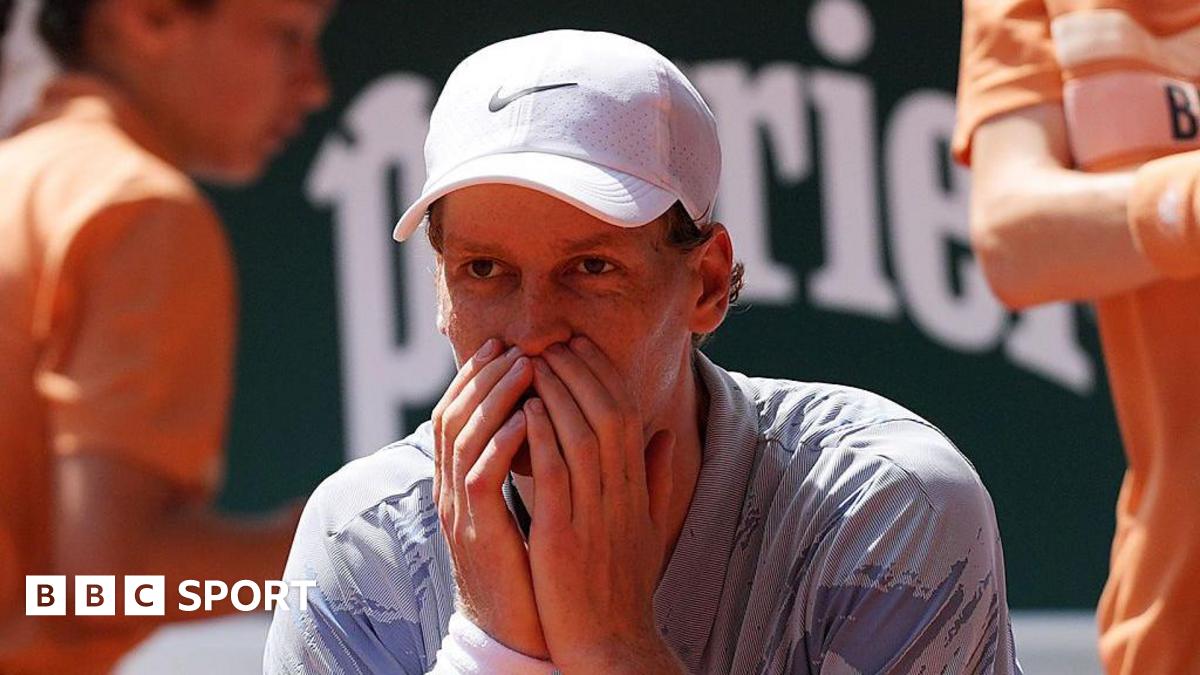
    The extreme heat has also impacted high-profile sports events taking place in France. At the French Open in Paris, world men’s number one tennis player Jannik Sinner was forced to withdraw from the tournament mid-match after suffering severe dizziness and lethargy brought on by the high temperatures. Though Sinner downplayed the impact of the heat after his exit, saying “It was just me today, but it happens,” the incident has drawn renewed attention to the risks of extreme heat for outdoor athletic competition.

    To the south, Italy has issued its first red heatwave alerts of the year for major cities including Rome, Florence, Bologna, Brescia and Turin. The highest alert level warns that the heat could pose negative health effects even for healthy, active people. Temperatures in Rome are projected to peak at 32C on Thursday, while Madrid will see highs climb to 35C over the weekend. Spanish meteorological officials note that while the current hot spell does not meet the official definition of a heatwave for the country, the temperatures are consistent with the peak summer conditions normally seen in July and August.

    Portugal’s meteorological service forecasts that temperatures in most parts of the country will stay above 35C through Thursday and Friday before the heat dome begins to weaken and temperatures gradually recede. While no single weather event can be definitively linked directly to human-caused climate change, climate scientists emphasize that global warming is steadily increasing the frequency and intensity of extreme heat events across the globe.

    Data from the Copernicus Climate Change Service shows that Europe has warmed at a rate of 0.56C per decade over the past 30 years, a pace that has already made extreme heat events far more severe than they were a generation ago. On Thursday, the United Nations reinforced this warning, announcing that global average temperatures are likely to remain at or near record levels this year and over the next four years. All 11 of the hottest years ever recorded globally have occurred since 2015, and the UN’s World Meteorological Organization projects this trend will continue, with a new all-time hottest global year likely to be recorded before 2031.

  • EU envoy seeks more vessels to secure Hormuz navigation once the war in Iran ends

    EU envoy seeks more vessels to secure Hormuz navigation once the war in Iran ends

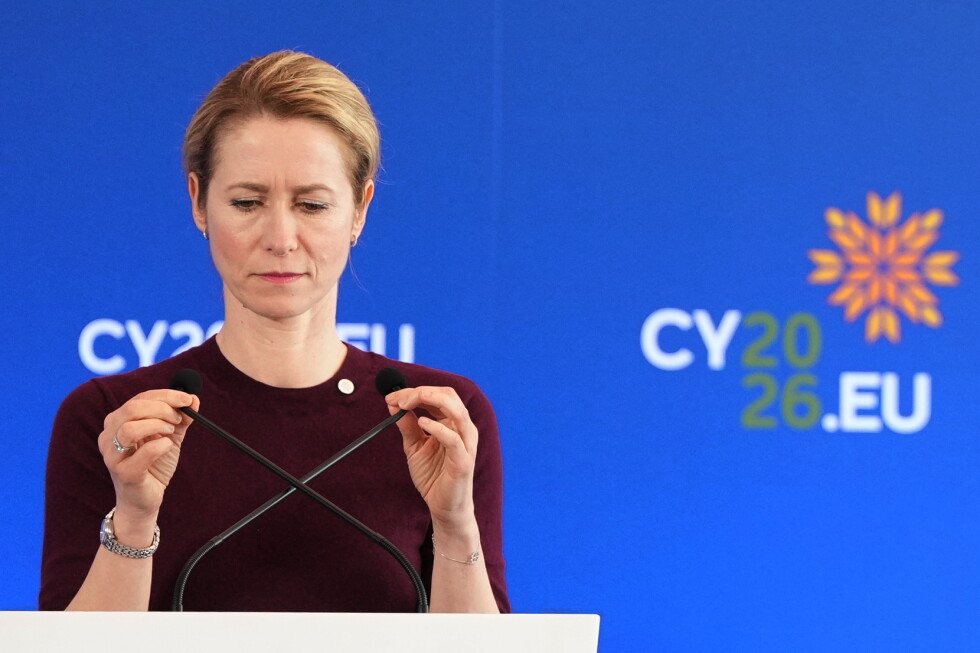
    During a gathering of European Union foreign ministers held in Limassol, Cyprus on Thursday, EU High Representative for Foreign Affairs Kaja Kallas outlined a key priority for the bloc’s maritime security strategy: securing unimpeded freedom of navigation through the Strait of Hormuz once the ongoing Iran war concludes. To meet this goal, Kallas said, the existing EU Red Sea naval mission will need a significant boost in resources, most notably a larger fleet of European vessels, alongside expanded operational scope.

    Currently, the EU maritime operation known as Aspides — a name drawn from the Greek word for “shield” — is tasked with defending commercial shipping against repeated attacks from Yemen’s Houthi rebel group. Operating with just three dedicated vessels at present, the mission is centered on Red Sea security, but the Strait of Hormuz, which sits at the southern outlet of the Red Sea, has emerged as a new critical priority for the bloc. Before the outbreak of the Iran war, the strait carried roughly 20 percent of the world’s total oil and gas supplies, making it one of the most vital global chokepoints for energy trade.

    Kallas confirmed that the bloc is weighing amendments to Aspides’ operational plans to accommodate new requirements, including the need for specialized ships capable of clearing naval mines from the waterway. When asked about the most critical need for the expanded mission, Kallas emphasized, “But it mostly needs more ships.” She also confirmed that one additional vessel will soon join the Aspides operation, though she declined to share further details on the ship’s origin or capabilities.

    This discussion comes months after the EU extended Aspides’ operating mandate until the end of February 2027, and approved an extra 15 million euros (equivalent to $17.5 million) in dedicated funding for the mission.

    Parallel to EU planning, France and the United Kingdom are also exploring the creation of their own independent naval task force to escort commercial vessels through the Strait of Hormuz after hostilities end. A senior EU official, speaking on condition of anonymity due to restrictions on discussing private negotiations, confirmed that the bloc has held early discussions about potentially merging the expanded Aspides mission with the proposed Franco-British force. However, the official noted that core logistics, particularly the question of which authority would command a combined task force, remain unresolved and require further negotiation.

    The disruption to Red Sea and Strait of Hormuz shipping triggered by the Iran war, which began on February 28, has already had significant economic impacts. Skyrocketing insurance premiums for transiting the waterway have pushed shipping costs sharply higher, to the point that it is currently cheaper for most commercial vessels to reroute around the southern tip of Africa rather than take the shorter Red Sea route. The EU official added that even after the Iran war ends, shipping costs are unlikely to return to pre-war levels for at least 12 more months. As a potential mitigation measure, EU officials are currently evaluating the option of offering state-backed insurance guarantees to shipping companies, which would help lower the elevated insurance premiums that have pushed costs so high.

    This report includes contributed reporting from Associated Press correspondent Sam McNeil in Brussels.

  • Joy and tears as brothers complete 33-day marathon challenge and raise £1.5m

    Joy and tears as brothers complete 33-day marathon challenge and raise £1.5m

    Against a backdrop of roaring cheers, warm hugs and tears of joy and triumph, two UK brothers have crossed the final finish line of an extraordinary 33-day, 33-marathon challenge that has already raised £1.5 million for life-saving frontotemporal dementia (FTD) research.

    Jordan and Cian Adams, originally from Redditch in Worcestershire, England, closed out their grueling fundraising journey in Dublin’s Merrion Square on the final leg, where hundreds of local supporters lined the route to cheer them across the line. Joined by close friends and family, including their sister Kennedy Frampton, with their father John and grandfather Glenn watching from the crowd, the pair completed their final 26.2-mile stretch just five hours after setting off from north Dublin that morning.

    The ambitious challenge carries deeply personal meaning for the brothers. Their mother Geraldine passed away at age 52 following an FTD diagnosis, and both siblings inherited the rare genetic mutation that causes the condition, meaning they are statistically likely to develop FTD symptoms in their 40s. Operating under the moniker the “FTD Brothers”, the pair launched their challenge at the London Marathon, where Jordan completed the course with a full-sized refrigerator strapped to his back — a stunt designed to draw public attention and spark curiosity about their cause. The day after the London Marathon, they traveled to Ireland to begin a cross-island odyssey, running one full marathon in each of Ireland’s 32 counties over the following 32 days to hit their total 33-marathon goal.

    In an emotional address to the crowd gathered at the finish line, Jordan reflected on the moment he learned he carried the FTD gene. “I walked out of the hospital that day knowing I wanted to make an impact on the world,” he said. Remembering his mother as “beautiful, vivacious, [and] the coolest mum you could ever ask for”, he added that a devastating diagnosis is not a sentence to defeat. “The hand you get dealt can consume you, or you can walk through a door where you use it as a powerful message to the world. No matter how much time you have here, or what cards you’ve been dealt, you always have a choice in how you play your hand.”

    For the brothers, the cross-Ireland journey carried extra personal significance beyond fundraising. Though they grew up in England, their mother’s family roots stretch across Ireland, where multiple relatives have also been affected by FTD. Cian shared that the month of running allowed the pair to reconnect with their family’s heritage. “Our mum brought us here numerous times as kids, so getting to go back to Longford and Leitrim, to see where our granddad went to school and our nan grew up, it was incredibly special,” he said.

    The feat has drawn widespread praise, including a personal letter of congratulations from the Prince of Wales, who wrote he was “incredibly impressed with your inspiring journey and ambitious challenge to undertake 32 consecutive marathons across Ireland.”

    In the days leading up to the final marathon, both brothers acknowledged the extreme physical toll of the challenge, telling reporters they were already “shattered” after 30 straight days of running. The final route saw limited public participation in the opening miles for safety, with only friends and family allowed to join for the closing 10 kilometers to the finish line.

    Speaking after his sons crossed the finish line, John Adams brushed aside suggestions the brothers were extraordinary, describing them as “just normal working-class boys from a small town in the Midlands.” Their grandfather Glenn Adams, who accompanied the pair on most of their Irish journey while also traveling back to England regularly to care for his own partner who lives with dementia, said the family’s legacy of grit was the real driving force. “It’s hard to put into words how proud I am of them. They are wonderful, and this grit and determination is a family trait that gets passed right down through the generations,” he said. “And I have to say, the people of Ireland were so generous, every person I spoke to was incredibly kind.”

    Their sister Kennedy Frampton said she remains endlessly inspired by how her brothers have turned devastating personal news into purpose. “I’m so grateful they haven’t let this diagnosis overcome them,” she said. “They actually make every day count, and I couldn’t be prouder.”

  • Villas, cars and cash: Italy seizes dead Mafia mobster’s millions

    Villas, cars and cash: Italy seizes dead Mafia mobster’s millions

    In a major blow to the remnants of Sicily’s infamous Cosa Nostra syndicate, Italian anti-mafia investigators have seized cash, business holdings, and high-value assets totaling more than €200 million (£175 million) tied to the criminal network of the late mafia boss Matteo Messina Denaro. All recovered assets are confirmed to be illicit proceeds from more than 40 years of transnational drug trafficking orchestrated by Denaro, who once served as the presumed top leader of Cosa Nostra.

    The operation was announced by law enforcement officials during a press briefing in Sicily on Thursday, alongside the release of dramatic footage showing masked officers — some equipped with full riot gear — storming locked doors, climbing exterior walls, and executing raids across a string of sprawling luxury villas nestled behind palm-lined manicured lawns. The seizure caps a years-long global manhunt and investigation that followed the high-profile arrest and death of Denaro in 2023.

    Denaro evaded law enforcement for 30 years while on the run, ultimately being captured last year as he exited a private medical clinic where he was receiving treatment for late-stage cancer. He died in prison custody just months after his arrest, bringing an end to the decades-long search for one of Italy’s most wanted fugitives.

    Before his capture, Denaro had already been sentenced to life imprisonment in absentia for a litany of brutal crimes, including multiple high-profile murders. Most notoriously, he was convicted of orchestrating the 1992 assassinations of two leading anti-mafia prosecutors in separate bomb attacks carried out just weeks apart. He was also found guilty of the kidnapping and murder of a 12-year-old boy, the son of a mafia associate who turned state witness. After holding the child captive for two years, Denaro ordered the boy to be strangled to death, and his body was dissolved in acid to prevent it ever being recovered — a horrific detail that shocked the Italian public.

    The most recent asset seizure operation was built on a years-long investigation into the Cosa Nostra’s shadowy money trail, which stretched across multiple jurisdictions beyond Italy: investigators tracked illicit funds through Spain, Switzerland, and the Caribbean tax haven of the Cayman Islands. To date, three individuals with direct ties to Denaro’s network have been taken into custody, and eight commercial enterprises — most prominently several real estate firms found to be laundering illicit proceeds — have been identified for seizure and winding down. High-value luxury items confiscated include high-end sports cars such as a Porsche, alongside undeclared cash stashes hidden across the properties.

    Giovanni Melillo, head of Italy’s National Anti-Mafia Prosecutor’s Office, emphasized that the operation carries far more weight than just the value of the recovered assets, calling it “strategically significant” for Italian national security. Speaking to reporters, Melillo explained that the seizure is a critical step to stop the remaining members of Denaro’s network from rebuilding the powerful criminal organization that operated unimpeded for decades. “Seizing this wealth means continuing the disintegration process [of the criminal group] and blocking efforts to re-establish structures capable of projecting the full intimidating power and economic and social influence of the Cosa Nostra on a global scale,” he said.

    Italy’s finance police, the Guardia di Finanza, which led the on-the-ground raiding work, revealed that the investigation was first triggered by a suspicious activity report from Andorran financial authorities, who flagged an Italian woman holding extraordinary unexplained financial resources. Investigators later confirmed the woman was married to a major drug trafficker with close direct ties to both the Cosa Nostra and Denaro personally. That initial lead opened up a web of connections that spread to half a dozen other countries, requiring cross-border coordination between law enforcement agencies.

    In total, more than 150 officers were deployed across the global operation, which utilized cutting-edge investigative tools: drones and thermal imaging scanners were used to locate hidden caches of cash stashed on properties, while specialized digital forensics experts traced illicit funds stored in digital wallets and cryptocurrency accounts.

    While Italian media has dubbed the massive haul “Denaro’s drugs trove,” law enforcement officials have acknowledged that the €200 million recovered represents only a small fraction of the total illicit wealth accumulated by Denaro’s network over four decades. Much of the organization’s fortune has already been laundered and reinvested in legitimate businesses across the globe, meaning investigators will continue pursuing remaining assets for years to come.

  • Watch: Brothers complete 33 marathons in 33 days

    Watch: Brothers complete 33 marathons in 33 days

    Two Irish brothers, Jordan and Cian Adams, have closed out an extraordinary athletic feat that has captured the attention of local running communities, finishing their ambitious goal of 33 marathons in 33 consecutive days at Dublin’s iconic Merrion Square in the heart of the capital.

    The unprecedented challenge, which saw the pair tackle the full 42.195-kilometer marathon distance every single day for more than a month, took them across a range of terrain across Ireland, from rural country roads to urban thoroughfares, building momentum and public support as their journey unfolded.

    Hundreds of local supporters, fellow runners, friends and family gathered at Merrion Square to cheer the siblings across the final finish line, celebrating the months of training, relentless endurance and mental grit that allowed them to pull off the rare endurance test. For the brothers, the challenge was as much a test of mental fortitude as physical fitness, with each day bringing new fatigue and obstacles that required teamwork and determination to overcome.

    As the pair crossed the final finish line, crowds erupted in applause, marking the end of a journey that has set a new benchmark for amateur endurance challenges in Ireland. Speaking to reporters after the finish, Jordan Adams highlighted the role of public support in pushing the pair through the hardest days of the challenge, noting that the warm reception from communities across the country kept them going when exhaustion hit its peak.

  • Hampered Sinner out in second round in seismic shock

    Hampered Sinner out in second round in seismic shock

    The 2026 French Open has delivered its most staggering upset just days into the tournament, as men’s world number one Jannik Sinner crashed out in the second round following a crippling fitness collapse against Argentina’s Juan Manuel Cerundolo in sweltering Parisian conditions.

    Coming into Roland Garros, the 24-year-old Italian was the overwhelming pre-tournament favorite to claim the title – a status not seen since Rafael Nadal topped the betting in 2009. Sinner, a four-time Grand Slam champion, had arrived in Paris on a historic 30-match winning streak, having claimed five consecutive ATP Masters 1000 titles across hard and clay courts over the previous three months. Most importantly, this tournament marked his best ever chance to complete a career Grand Slam, the only major trophy still missing from his collection, with defending champion Carlos Alcaraz sidelined by injury and 24-time Grand Slam winner Novak Djokovic in the twilight of his career.

    For two full sets, the expected narrative unfolded without a hitch. Sinner dominated Cerundolo, ranked 56th in the world, taking the first two sets 6-3, 6-2 and holding just one break point opportunity against his serve. Up 5-1 in the third set, Sinner appeared just moments away from closing out the match and advancing to the third round. That was when the tide turned irreversibly.

    Unseasonably extreme heat gripped Paris throughout the match, with temperatures climbing above 34 degrees Celsius – conditions that have long posed problems for Sinner, who suffered severe cramping in near-40C heat at this year’s Australian Open, and only avoided an early exit there when the tournament’s heat rule was enforced mid-match. In a rare scheduling quirk, Roland Garros organizers placed Sinner as the first match on Court Philippe Chatrier, a slot no men’s top seed has opened before the semi-final stage in a decade. While the early start brought milder initial conditions, temperatures climbed rapidly as the match wore on, and Sinner’s old fitness issues flared.

    After dropping 11 consecutive points and three straight games to see his third-set lead cut to 5-3, Sinner called for a medical trainer, visibly labored and dejected on court. He told staff he felt intense dizziness and overwhelming nausea, saying he wanted to vomit, before taking an extended mid-game medical timeout. When he returned to court, the Italian was a shadow of his dominant self. Where he once controlled rallies with powerful, accurate strokes from the baseline, his shots suddenly dropped 10 miles per hour in speed. He could barely chase down Cerundolo’s returns, wandering slowly around the court and stopping between points to shake out his fatigued legs.

    Cerundolo, to his credit, kept his composure and capitalized on Sinner’s collapse, breaking the world number one’s serve to take the third set 7-5. He dominated the fourth set 6-1, and jumped out to a 4-0 lead in the deciding fifth set. Despite cheers from the Paris crowd and encouragement from his coaching team, Sinner could not turn the tide. He managed only one more service hold to cut the lead to 4-1, but Cerundolo broke again in the next game to close out the historic 3-6 2-6 7-5 6-1 6-1 victory.

    The result is one of the most shocking early exits in Grand Slam history, ending Sinner’s undefeated 2025 season and his quest for a career Grand Slam for at least another year. It is Sinner’s first loss since February, and his first clay court defeat of the entire season.

    For the remaining men’s draw, the upset has thrown the tournament wide open, handing Djokovic arguably his best chance in years to claim a record-breaking 25th Grand Slam singles title. For Cerundolo, the win sets up a third-round showdown with either Spain’s Martin Landaluce or the Czech Republic’s Vit Kopriva, as he continues his unlikely deep run at the 2026 French Open.

  • What to know about Code Noir, a shocking French law that oversaw the slavery of 1.4 million Africans

    What to know about Code Noir, a shocking French law that oversaw the slavery of 1.4 million Africans

    On Thursday, France’s influential lower legislative chamber, the National Assembly, took a landmark step toward reckoning with the nation’s slave-trading colonial history, voting 254-0 to formally repeal the 17th-century slavery edict known as Code Noir, or the Black Code. The bill will next advance to the French Senate for consideration, where backers of the repeal anticipate it will pass, though no official timeline for the upper chamber vote has been announced.

    First signed into law by King Louis XIV at the Palace of Versailles in 1685, Code Noir laid out the official legal framework regulating chattel slavery across France’s expanding colonial empire. What began as a set of 60 rules governing enslavement in France’s early Caribbean holdings — Martinique, Guadeloupe, and Saint-Domingue, the territory that would become the independent nation of Haiti after a successful enslaved uprising — was later extended to other French holdings including French Guiana, Louisiana, and the Indian Ocean islands of Réunion and Mauritius. French philosopher Louis Sala-Molins once described the document as “the most monstrous legal text of modern times,” a label that aligns with historical records of its brutal provisions.

    Over the course of France’s colonial slave trade, an estimated 1.4 million kidnapped African people were forcibly transported across the Atlantic Ocean in chains, making France the third-largest European slave-trading power behind only Portugal and Britain. The vast majority of enslaved people were forced to work in deadly, backbreaking conditions harvesting cash crops including sugar cane, coffee, cotton, and indigo for French colonial landowners. The labor was so lethal that the death rate among enslaved populations consistently outpaced birth rates, with planters simply replenishing their workforce by purchasing more kidnapped Africans from transatlantic slave traders.

    By 1789, Saint-Domingue alone held roughly 500,000 enslaved people — more than any other Caribbean colony of the era. The territory’s massive enslaved labor force produced the majority of the world’s sugar and coffee exports, earning it a reputation as the wealthiest colony on the planet at the time.

    While Code Noir was effectively rendered obsolete when France formally abolished slavery across its remaining colonies in 1848, it had never been formally removed from the country’s official legal statutes until the National Assembly’s historic vote this week.

    Every provision of the 337-year-old edict enshrined the dehumanization of enslaved people into law. Article 44 explicitly classified enslaved people as “movable property,” granting enslavers full legal right to buy, sell, mortgage, or bequeath enslaved people to their heirs, just like land or household furniture. Article 28 cemented this status by stating that enslaved people “could own nothing that does not belong to their master,” meaning any income or personal belongings an enslaved person acquired legally belonged to their enslaver. For more than a century after the edict took effect, enslaved people were not even granted legal personhood or formal names; starting in 1839, each enslaved person in French colonies was assigned only a serial number and registration code, with formal surnames only granted to people after abolition in 1848.

    The code codified extreme, often deadly punishments for people who resisted enslavement. Article 38 mandated punishment for people who attempted to escape bondage: for a first offense, the escapee would have their ears cut off and be branded with a fleur-de-lis, the official symbol of the French monarchy, on one shoulder. A second attempted escape resulted in the severing of a leg tendon and a second branding, while a third attempt carried a death sentence. Article 33 went even further, ordering capital punishment for any enslaved person who struck their enslaver, the enslaver’s wife, or their children hard enough to leave a bruise or draw blood, including any strike to the face.

    Many of the edict’s harmful provisions targeted marginalized groups beyond enslaved people as well. The very first article of Code Noir, before it addressed the regulation of slavery at all, ordered all Jewish people expelled from French colonies within a three-month window, labeling them “declared enemies of the Christian name.” Articles 2 and 3 forced all enslaved people to be baptized and raised in the Catholic faith, banning all public practice of any other religion. The edict also enshrined hereditary slavery, ruling that a child’s enslaved status followed the mother: any child born to an enslaved woman was born into slavery, even if the child’s father was a free person. Enslaved children were allocated just half the food rations granted to adult enslaved people.

    A small number of provisions were framed as nominal protections for enslaved people, requiring enslavers to provide basic food and clothing, banning excessive torture, and barring the separation of husbands, wives, and young children through sale. But historical research confirms these rules were almost universally ignored by colonial landowners, and enslavers who killed the people they held in bondage were almost never held legally accountable under the existing system.