标签: Europe

欧洲

  • Sadiq Khan says Labour should pledge to rejoin EU

    Sadiq Khan says Labour should pledge to rejoin EU

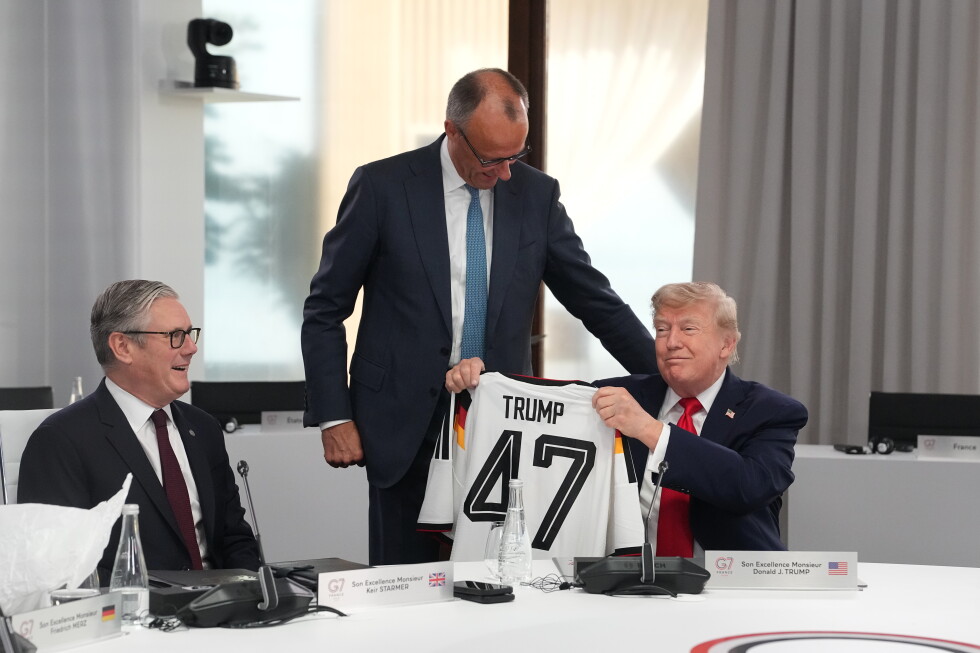
    In a significant political intervention, London Mayor Sadiq Khan has publicly urged the Labour Party to commit to rejoining the European Union in its next general election manifesto. Speaking exclusively to Italian publication la Repubblica, Khan characterized Brexit as an ongoing catastrophe that has inflicted substantial economic, social, and cultural damage upon both London and the broader United Kingdom.

    The Mayor proposed that Britain should initially seek readmission to the EU’s customs union and single market frameworks before pursuing full membership restoration. Remarkably, Khan suggested this political realignment might be achievable without conducting another national referendum, stating that evolving ‘facts and evidence’ have made reintegration ‘inevitable’.

    This provocative stance triggered immediate backlash from Conservative officials, who accused Prime Minister Keir Starmer of exercising insufficient authority over his party. A Conservative spokesperson derisively claimed Starmer was ‘in office but not in power,’ citing simultaneous policy challenges from prominent Labour figures including Angela Rayner on immigration and Ed Miliband on foreign affairs.

    The political confrontation escalated as former Prime Minister Sir John Major delivered a scathing assessment of Brexit’s consequences during an address at King’s College London. Major revealed that Britain’s separation from Europe has resulted in approximately £100 billion in lost trade and £40 billion in forfeited tax revenues annually, describing the situation as creating ‘enormous damage to the lives and livelihoods of the British people.’

    While Reform UK pledged to resist any reengagement with EU structures, Green Party leader Zack Polanski echoed Khan’s criticisms, labeling Brexit an unmitigated ‘disaster.’ Even as Major acknowledged full EU reinstatement remains improbable in the immediate future, he emphatically advocated for rapidly rebuilding economic and diplomatic ties with European neighbors.

    The emerging debate signals profound political divisions regarding Britain’s post-Brexit trajectory, with growing calls for policy reassessment from multiple political quarters as economic indicators continue demonstrating negative impacts.

  • Epstein files St Patrick’s Day float ‘unacceptable’, says rape crisis charity

    Epstein files St Patrick’s Day float ‘unacceptable’, says rape crisis charity

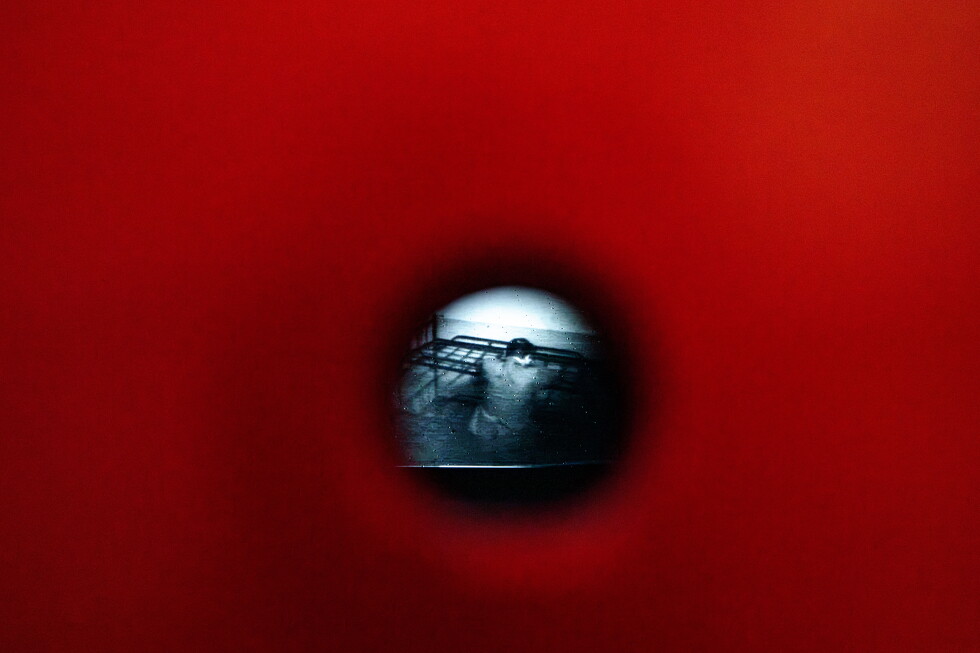
    Community organizers in multiple Irish towns have issued profuse apologies after an unauthorized parade float depicting themes from the Jeffrey Epstein files provoked widespread condemnation during St. Patrick’s Day celebrations. The controversial display, which appeared in parades across County Mayo and County Galway, featured individuals wearing wigs alongside a makeshift cage and mattress mounted on a tractor, accompanied by signs referencing Prince Andrew’s recent legal troubles.

    Rape Crisis Ireland executive Dr. Clíona Saidléar characterized the display as ‘an act of public grooming that normalizes rape and sexual violence,’ adding that it ‘reflects the persistent minimization of sexual violence and a misogynistic culture that facilitates it.’ The organization condemned the float’s inclusion in family-oriented celebrations as particularly egregious.

    The Ballinrobe Parade Committee released an unequivocal statement condemning ‘sexual violence, abuse and exploitation in all forms,’ acknowledging the float was ‘highly offensive’ and inconsistent with community values. Officials explained that the informal nature of local parades—which lack formal registration or vetting processes—allowed the unauthorized entry to participate before organizers could intervene.

    Local councilors Michael Burke (Ballinrobe) and Andrew Reddington (Headford) confirmed that parade committees had no prior knowledge of the controversial display. Reddington noted that by the time organizers became aware, the float had already completed its route through town centers. Both communities have pledged to review parade protocols to prevent similar incidents, emphasizing their commitment to maintaining respectful, inclusive celebrations in future events.

  • Greece launches an animal airlift to evacuate pets and their owners from the Mideast

    Greece launches an animal airlift to evacuate pets and their owners from the Mideast

    ATHENS, Greece — In an unprecedented humanitarian operation, Greece successfully evacuated dozens of pets alongside their owners from conflict-ridden Middle Eastern airspace. A specially chartered Aegean Airlines flight touched down at Athens International Airport on Wednesday, carrying 101 passengers and 45 companion animals from Abu Dhabi, United Arab Emirates.

    The arrival ceremony became an emotional reunion scene as dogs leaped enthusiastically from their travel carriers, greeted by government officials who orchestrated the complex evacuation. The mission addressed a critical challenge faced by hundreds of Greek nationals stranded amid escalating regional hostilities between Israel, Iran, and the United States.

    Nikos Chrysakis, Special Secretary for Companion Animal Protection at the Greek Interior Ministry, emphasized the government’s commitment: “Our pets are not luggage; they are family members. Through coordinated efforts between interior and foreign ministries, we achieved this positive outcome ensuring both people and animals returned home safely.”

    The evacuation became necessary as commercial airlines across the Middle East canceled thousands of flights following repeated airspace closures. Major aviation hubs including Dubai and Qatar suspended operations as missile trajectories crossed overhead, leaving hundreds of thousands of travelers stranded without pet-accommodating alternatives.

    Passenger accounts highlighted the emotional significance of the operation. Danai Koukoulomati, evacuated with her cat Muay Thai, stated: “My cat is family—abandoning him was never an option.” She described the extreme difficulties finding any flight accepting animals, either in cabin or cargo hold, during the crisis.

    Fellow evacuee Alexandra Papayanis arrived with Sirtaki, her dog named after a Greek dance, plus an additional animal she rescued for a friend. “In these challenging circumstances,” she noted, “the primary concern became how to ensure our dogs and cats could escape with us.”

    Maria Theochari, who refused to depart Dubai without her dog Matisse, expressed the sentiment shared by all passengers: “Like my children, I have Matisse. Separation is unthinkable—they are equally precious to me.”

  • Five EU leaders seek urgent solution for drifting Russian tanker to avoid environmental catastrophe

    Five EU leaders seek urgent solution for drifting Russian tanker to avoid environmental catastrophe

    ROME — Five Mediterranean nations have issued an urgent appeal to the European Commission regarding a damaged Russian tanker adrift in international waters, warning of potential catastrophic environmental consequences. The vessel, identified as the Arctic Metagaz, represents Russia’s sanctioned energy transport network often referred to as its ‘shadow fleet.’

    The crisis emerged earlier this month when the liquefied natural gas carrier sustained significant damage from a suspected maritime drone strike near Maltese territorial waters. Although all crew members were successfully evacuated, the unmanned vessel now drifts uncontrolled while carrying highly volatile fuel cargo.

    In a coordinated diplomatic move, the leaders of Italy, Spain, Malta, Greece, and Cyprus dispatched a joint communiqué to European Commission President Ursula von der Leyen. The correspondence emphasized the ‘imminent and serious risk’ of a major ecological disaster and formally requested activation of the EU’s civil protection mechanism to address the emergency.

    Spanish government officials authenticated the letter’s contents, while three additional EU representatives speaking under condition of anonymity corroborated its urgent nature. The document underscores the vessel’s compromised structural integrity and hazardous payload as primary concerns necessitating immediate multinational intervention.

    According to maritime tracking reports, the crippled tanker initially drifted between Malta and Sicily’s Lampedusa island before shifting course toward Libyan waters. Maltese authorities have established a critical 7-kilometer (4.3-mile) exclusion zone around the vessel due to explosion risks, as confirmed by Italian Undersecretary Alfredo Mantovano during a national radio broadcast.

    The five signatory nations intend to elevate discussion of broader maritime security threats during this week’s European Council summit, emphasizing the dangers posed by non-compliant vessels operating outside international regulatory frameworks across Mediterranean shipping lanes.

  • Newcastle midfielder Tonali injured in Champions League ahead of Italy’s World Cup playoffs

    Newcastle midfielder Tonali injured in Champions League ahead of Italy’s World Cup playoffs

    BARCELONA — Italy’s crucial World Cup qualifying campaign suffered a significant setback Wednesday when midfield linchpin Sandro Tonali exited Newcastle United’s Champions League match against FC Barcelona with an apparent thigh injury. The incident occurred during the second half at Camp Nou stadium as Tonali strained his left leg while tracking back to defend against Barça’s Fermín López.

    The timing couldn’t be worse for the four-time World Cup champions, with Italy’s critical playoff match against Northern Ireland scheduled for March 26 in Bergamo. Tonali, who has been a consistent starter for the national team, now faces uncertainty just eight days before Italy attempts to qualify for its first World Cup since 2014.

    The injury proved doubly costly as the defensive sequence led directly to Barcelona’s decisive fifth goal. From the resulting corner kick, Robert Lewandowski powered home a header that essentially secured Barcelona’s advancement to the quarterfinals. The Spanish champions ultimately dominated the match 6-2 after the teams had drawn 1-1 in Newcastle the previous week.

    Italy’s playoff path requires victories against Northern Ireland and then either Wales or Bosnia-Herzegovina five days later. The ultimate bracket winner will join a World Cup group featuring co-host Canada, Switzerland, and reigning CONCACAF Gold Cup champion Qatar.

    The injury to Tonali represents a substantial concern for Italian manager Roberto Mancini, who must now evaluate alternative midfield options ahead of the nation’s most significant qualifying matches in nearly a decade.

  • One killed as ski gondola crashes down mountain at Swiss resort

    One killed as ski gondola crashes down mountain at Swiss resort

    A tragic incident at Engelberg’s Mt. Titlis ski resort in the Swiss Alps has resulted in the death of a 61-year-old local woman after a ski gondola catastrophically detached from its cable and tumbled down the mountainside. The accident occurred at approximately 11:00 local time on Wednesday during a period of severe weather conditions, with wind gusts reportedly exceeding 80km/h—well above the 60km/h operational safety threshold for such lifts.

    Eyewitness accounts and dramatic video footage depict the gondola, which had just departed the Trübsee station, breaking free and somersaulting multiple times before coming to rest in deep snow. The victim was traveling alone in the Titlis Xpress gondola at the time of the detachment, which authorities from the Nidwalden canton police described as occurring “for reasons that are still unclear.”

    Emergency response teams, including air rescue services, ambulances, and police, conducted a complex recovery operation in challenging terrain. The incident caused significant distress among visitors, including schoolchildren participating in a ski camp who witnessed the event. One 14-year-old witness expressed being “really shocked” and subsequent fear about using the gondola system.

    Cable car operations were immediately suspended following the accident, with between 100-200 passengers safely evacuated from approximately 40 gondolas that remained on the cable. Resort management expressed profound shock, with director Norbert Patt stating that their “thoughts are with the victim’s loved ones” as a comprehensive investigation into the technical and meteorological causes of this rare failure begins.

  • Macron names next nuclear-powered aircraft carrier ‘France Libre’ as a symbol of independence

    Macron names next nuclear-powered aircraft carrier ‘France Libre’ as a symbol of independence

    PARIS — In a significant demonstration of national defense strategy, French President Emmanuel Macron has officially designated France’s next-generation nuclear-powered aircraft carrier as “France Libre” (Free France). The announcement was made during a presidential visit to the Indret shipyard in western France, where the vessel’s dual nuclear reactors will be constructed.

    The future carrier, scheduled for operational deployment in 2038, represents a substantial naval advancement with capabilities to accommodate 30 Rafale fighter jets and a crew complement of 2,000 personnel. With an estimated development cost of €10 billion ($11.5 billion), the France Libre will feature an impressive displacement of 80,000 tons and measure 310 meters (1,017 feet) in length—marking a substantial size increase over France’s current flagship carrier, the Charles de Gaulle.

    President Macron framed the naming decision as deeply symbolic, connecting the vessel to General Charles de Gaulle’s World War II resistance movement that collaborated with Allied forces to liberate France from Nazi occupation. “This name carries the legacy of those who stood against barbarity, united to preserve our homeland,” Macron stated. “It embodies our commitment to future sovereignty: to maintain freedom, we must command respect. To command respect, we must maintain strength.”

    The announcement coincides with France’s substantial naval deployment to the Middle East region, described by Macron as “unprecedented” in scale. Current deployments include eight frigates, two helicopter carriers, and the Charles de Gaulle aircraft carrier, establishing France as the European nation with the most significant naval presence in the area.

    Notably, the France Libre will enhance France’s nuclear deterrence capabilities through its capacity to deploy nuclear-armed aircraft. This development follows Macron’s recent announcement regarding the expansion of France’s nuclear arsenal and the unprecedented authorization for temporary deployment of nuclear-capable aircraft to allied nations—a strategic move aimed at reinforcing European military independence. France remains the European Union’s sole nuclear power following the United Kingdom’s departure from the bloc in 2020.

    While substantial in scale, the France Libre will still be surpassed in size by the United States’ USS Gerald Ford, which displaces over 100,000 tons and measures 334 meters (1,100 feet) in length.

  • Russian archaeologist can be sent to Ukraine for trial, Polish judge rules

    Russian archaeologist can be sent to Ukraine for trial, Polish judge rules

    A Warsaw court has ruled in favor of extraditing Russian archaeologist Alexander Butyagin to Ukraine, marking a significant development in international cultural heritage protection efforts. Butyagin, a senior scholar at St. Petersburg’s Hermitage Museum, faces allegations of conducting illegal excavations and plundering artifacts from the ancient Greek settlement of Myrmekion in Crimea.

    The case represents a complex intersection of archaeology, international law, and geopolitical tensions. Butyagin had led the Hermitage’s excavations at Myrmekion since 1999, initially with Ukrainian authorization. However, following Russia’s 2014 annexation of Crimea, his work continued without Kyiv’s consent, continuing even after Russia’s full-scale invasion in 2022.

    Ukrainian authorities accuse Butyagin of causing an estimated $4.5 million in damages through the alleged plundering of artifacts, including 30 gold coins. If convicted, he could face up to five years imprisonment. The archaeologist was arrested in Warsaw on December 4 at Ukraine’s request, despite knowing that a Kyiv court had issued an arrest warrant for him in April 2025.

    Judge Dariusz Łubowski’s ruling now awaits final approval from Poland’s justice minister. Butyagin’s defense team has announced plans to appeal, arguing that extradition would endanger his life and wellbeing, potentially violating the European Convention on Human Rights. This case emerges amid a pattern of European courts frequently refusing Russian extraditions to Ukraine since the 2022 invasion.

    The legal foundation for Ukraine’s case rests on the 2nd Protocol to The Hague Convention for the protection of cultural property during armed conflict. While Ukraine and most European nations are signatories, Russia is not, creating a legal gray area that Butyagin’s defense may exploit.

    Butyagin maintains his innocence through his lawyer Adam Domański, acknowledging he worked without Ukrainian authorization but rejecting charges of intentional destruction. He claims his excavations were necessary to protect the site from natural deterioration, vandals, and looters.

    Conversely, Ukrainian archaeologist Evelina Kravchenko contends that Russian archaeological work in occupied Crimea inherently damages cultural heritage, regardless of individual intentions. Ukraine’s SBU security service has gathered evidence alleging systematic looting of cultural heritage in temporarily occupied Crimea.

    Currently detained in Warsaw with bail denied, Butyagin faces an uncertain future. When questioned about returning to Crimea if his appeal succeeds, the archaeologist expressed desire to reunite with family and reconsider his life’s direction, avoiding direct commitment to further excavations.

  • Trump’s failed strong-arming of allies on Iran shows that pressure is losing its effect

    Trump’s failed strong-arming of allies on Iran shows that pressure is losing its effect

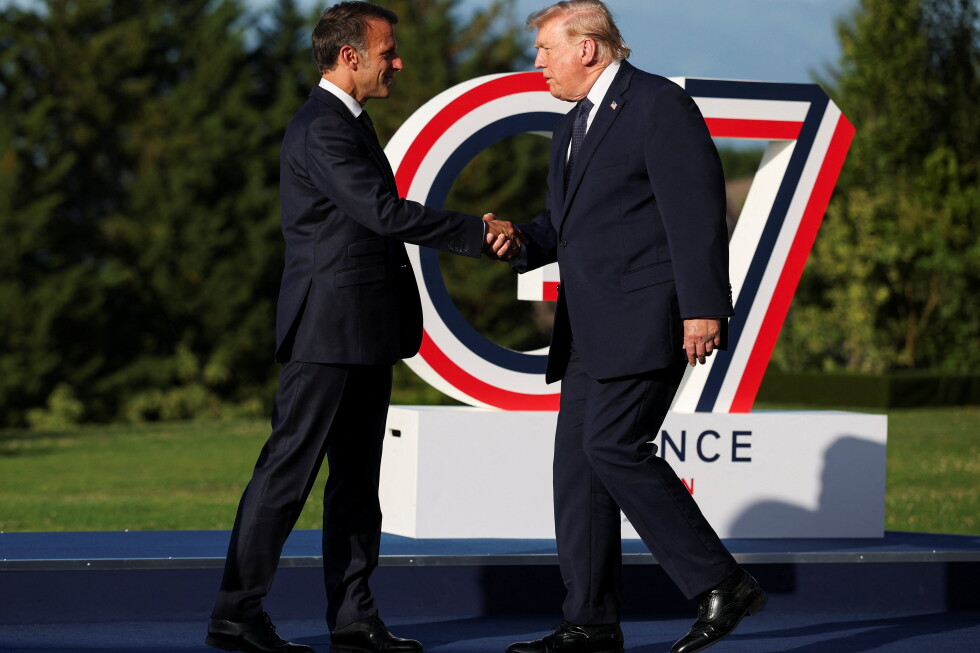
    PARIS (AP) — In a stark demonstration of deteriorating transatlantic relations, U.S. President Donald Trump’s demands for military assistance in the Iran conflict have been met with resounding rejection from traditional allies. The president, adopting a transactional approach to international relations, has attempted to leverage decades of U.S. security guarantees to compel allied nations to contribute naval forces to secure the Strait of Hormuz—a critical maritime passageway for global oil transportation.

    The response from European powers has been notably unified in its opposition. The United Kingdom, historically America’s closest military partner, has explicitly refused involvement in what Prime Minister Keir Starmer characterized as a conflict ‘with no clear endgame.’ British officials have emphasized that any military deployment would require both international legal justification and a comprehensive strategic plan, neither of which they believe currently exists.

    France has adopted a similarly cautious position, with President Emmanuel Macron stating that while naval escorts might be considered feasible eventually, such operations would only be viable after active combat subsides. Germany’s Defense Minister Boris Pistorius echoed this sentiment, asserting that European nations seek diplomatic solutions rather than military escalation.

    The widespread refusal follows months of diplomatic strain between the Trump administration and European allies. Recent tensions have included trade disputes, controversial remarks about allied military contributions in Afghanistan, and renewed American interest in acquiring Greenland—all contributing to what analysts describe as historically low levels of goodwill toward the current U.S. administration.

    Retired Lt. Gen. Ben Hodges, former commanding general of the U.S. Army in Europe, observed that European leaders are increasingly recognizing that diplomatic appeasement strategies toward Trump yield limited benefits. This shift represents a fundamental transformation in how traditional allies perceive American leadership on the global stage.

    Despite possessing potential leverage through European dependence on Middle Eastern energy exports and need for continued U.S. support regarding Ukraine, Trump’s demands have thus far failed to generate the desired international coalition. The administration now faces the prospect of managing an escalated Middle Eastern conflict with notably limited international military support.

  • Hittler faces Zielinski as French town’s election contest goes viral

    Hittler faces Zielinski as French town’s election contest goes viral

    The tranquil French commune of Arcis-sur-Aube, with its modest population of 2,785 residents, has unexpectedly become the epicenter of international attention due to an extraordinary electoral coincidence involving its mayoral candidates’ surnames. Current mayor Charles Hittler, seeking re-election in Sunday’s municipal runoff, finds himself at the center of a viral storm simply because of his family name’s phonetic similarity to the notorious German dictator.

    The situation has escalated beyond occasional jokes that Hittler has endured throughout his life. Social media platforms have been inundated with satirical posts drawing parallels between the electoral contest and the historical conflict between Adolf Hitler and modern Ukrainian leader Volodymyr Zelensky—particularly since one of Hittler’s opponents bears the surname Zielinski.

    In an exclusive interview with the BBC, an exasperated Hittler revealed the personal toll of this unexpected fame: ‘The situation has gone completely crazy. My wife is in tears. We’ve seen online articles falsely claiming that 37% of Arcis residents are Hitlerites. People should be discussing our town’s policies, not our names.’

    The mayor’s family history reveals why he never changed his controversial surname. His father, a shepherd from Alsace near the German border, was conscripted into Nazi Germany’s forced labor program during World War II. Despite recommendations to change the name in 1949, the administrative complexity and financial burden prevented the alteration. Today, only a few Hittlers remain in France, with most family members either altering pronunciation to ‘Hit-lay’ or adopting maternal surnames to avoid embarrassment.

    Remarkably, Hittler’s daughter and daughter-in-law—both retaining the surname—are concurrently running for municipal council positions in other French towns. ‘Once you establish your reputation, the name becomes secondary. People eventually see the person behind the name,’ Hittler explained.

    The electoral dynamics extend beyond nominal coincidences. While Hittler represents center-right policies, his opponent Antoine Renault-Zielinski belongs to the far-right Patriot movement—a significant detail in a region where the National Rally party traditionally performs strongly. The 28-year-old customs officer, whose Polish mother contributed the latter part of his hyphenated surname, maintains philosophical perspective: ‘I understand why people find this amusing, though personally it doesn’t make me laugh. At least our town is on the map now.’

    Historical ironies abound: Arcis-sur-Aube’s name was adopted by a town near Odesa in Ukraine after German immigrants named their settlement Artsyz following Napoleon’s 1814 battle against Austrian, Prussian, and Russian armies. The French town also happens to be the birthplace of revolutionary leader Georges Jacques Danton.

    As Sunday’s runoff approaches with Hittler maintaining a narrow lead over Zielinski and third candidate Annie Soucat, the world watches a municipal election that has transcended local politics through the unpredictable power of onomastic coincidence.