标签: Europe

欧洲

  • Italy warns stricken Russian tanker could explode in Med at any time

    Italy warns stricken Russian tanker could explode in Med at any time

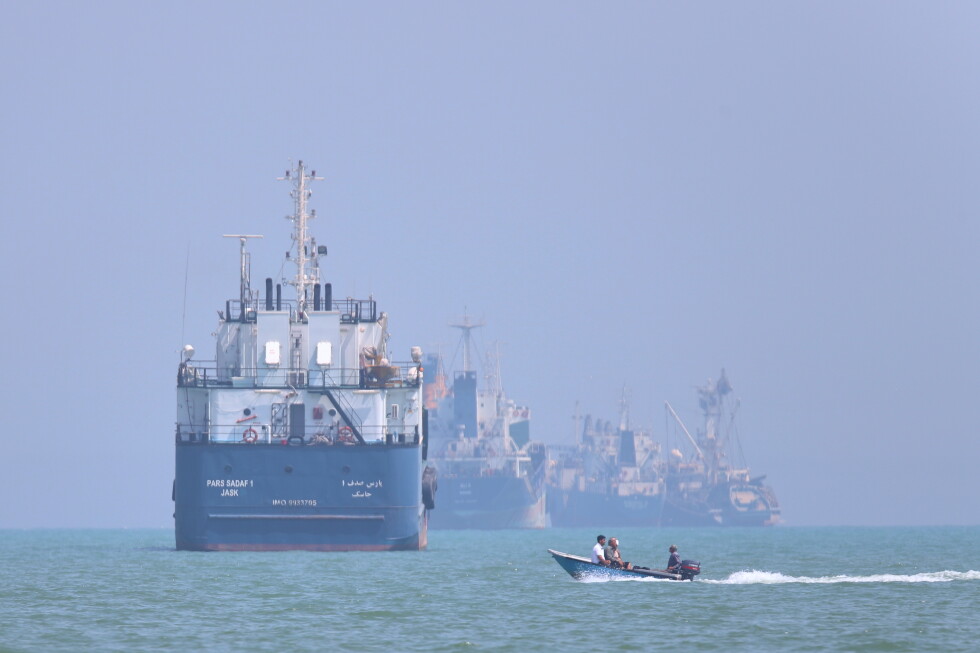
    A sanctioned Russian liquefied natural gas (LNG) tanker, the Arctic Metagaz, is drifting unmanned through the Mediterranean Sea with a massive hull breach, raising alarms among European nations about an imminent ecological catastrophe. The vessel, part of Russia’s shadow fleet evading Western sanctions, sustained critical damage from a suspected Ukrainian sea drone attack near Maltese waters in early March.

    Italian officials have characterized the damaged tanker as an ‘environmental bomb’ capable of exploding at any moment. Secretary of Italy’s Council of Ministers Alfredo Mantovano emphasized the ‘enormous’ risks during a national radio broadcast, noting the vessel’s unpredictable movement patterns.

    The Arctic Metagaz currently drifts approximately 45 nautical miles from Italian territorial waters and 25 miles from Libya’s search-and-rescue zone. According to intelligence reports, the compromised tanker carries substantial LNG quantities alongside 450 tonnes of fuel oil and 250 tonnes of diesel—a hazardous combination threatening marine ecosystems.

    This incident represents the latest escalation in Ukraine’s targeted campaign against Russia’s shadow energy fleet. Ukrainian intelligence services have claimed responsibility for disabling several Russian vessels in recent months, including three Black Sea tankers in December and the Quendil oil tanker in Mediterranean waters. These vessels routinely navigate with transponders disabled to circumvent international sanctions.

    The geopolitical context underscores these maritime developments: Russia’s continued bombing of Ukrainian civilian energy infrastructure has precipitated reciprocal targeting of Russian energy exports. The Arctic Metagaz originally departed from Murmansk in February before being crippled by explosions and fire. While Libyan coast guards rescued the crew, initial reports of the vessel’s sinking proved inaccurate.

    Environmental organizations including the World Wildlife Fund have activated maximum alert status, warning that potential spills could trigger fires and persistent pollution in ecologically sensitive habitats housing protected species. Italian and Maltese authorities continue monitoring the tanker’s southward drift toward Libyan waters while nine EU nations have jointly petitioned the European Commission for emergency intervention.

  • Spanish king reopens debate on conquest of Mexico by acknowledging ‘abuse’

    Spanish king reopens debate on conquest of Mexico by acknowledging ‘abuse’

    In an unprecedented move that could reshape Spanish-Mexican relations, King Felipe VI has publicly acknowledged the historical abuses committed during Spain’s conquest of the Americas. The monarch’s remarks, delivered during a visit to an indigenous women’s exhibition at Madrid’s National Archaeological Museum, represent the first time a Spanish royal has addressed colonial-era injustices directly.

    Speaking informally before Mexico’s Ambassador to Spain Quirino Ordaz, King Felipe stated that numerous abuses occurred during the conquest of territories that would become modern Mexico. ‘There are things that, when we study them with our present-day criteria and values, obviously cannot make us feel proud,’ the monarch added during his Monday address.

    Mexican President Claudia Sheinbaum immediately welcomed the royal acknowledgement as a significant diplomatic breakthrough. ‘One could say it is not everything we would have wanted,’ she noted, ‘but it is a gesture of reconciliation—an acknowledgement of excesses and exterminations that happened during the Spaniards’ arrival.’

    The timing holds particular significance following years of diplomatic tension. In 2019, then-President Andrés Manuel López Obrador formally demanded Spain’s apology for human rights violations during colonization. The dispute escalated in 2024 when President Sheinbaum notably excluded King Felipe from her inauguration ceremonies, citing Spain’s inadequate response to Mexico’s concerns.

    Historical context underscores the sensitivity: 2021 marked the 500th anniversary of Tenochtitlán’s fall—the Aztec capital now underlying Mexico City—to Hernán Cortés and his conquistadors. The Spanish conquest resulted in widespread indigenous fatalities through both military campaigns and introduced diseases.

    While Spain’s Socialist-led government fully endorsed the king’s statement, with Minister Elma Saiz expressing 100% support, conservative factions reacted critically. People’s Party leader Alberto Núñez Feijóo cautioned against evaluating historical events through modern lenses, calling such scrutiny ‘crazy.’ He defended Spain’s colonial legacy as creating ‘an exceptional linguistic and cultural community’ that compared favorably to other imperial actions of the era.

    The far-right Vox party went further, labeling the conquest ‘the greatest work of evangelisation and civilisation in universal history.’ Vox MEP Hermann Tertsch expressed astonishment that the monarch aligned with ‘those who seek to damage and discredit Spanish history.’

    This development occurs against Spain’s complex historical reckoning. While the nation offered citizenship to descendants of Jews expelled during the Spanish Inquisition in 2015, it has not undertaken comprehensive colonial reappraisal like other European nations. King Felipe’s comments, disseminated through the Royal Household’s social media channels, potentially open new dialogue avenues between the two nations, though specific next steps remain undefined.

  • French teams Toulouse and Lorient will have disability pictograms on their jerseys

    French teams Toulouse and Lorient will have disability pictograms on their jerseys

    In an unprecedented move for professional sports, Toulouse and Lorient football clubs will showcase specially designed disability pictograms instead of player names on their jerseys during Saturday’s Ligue 1 encounter. This visual initiative forms the cornerstone of an extensive awareness campaign orchestrated by the French Professional Football League (LFP) to promote improved long-term stadium accessibility for individuals with disabilities.

    The seven distinct pictograms represent visual, cognitive, hearing, intellectual, debilitating illnesses, motor, and intellectual disabilities. According to the LFP’s official statement, these symbols collectively embody a profound commitment to enhancing inclusion and visibility for disabled communities within football culture.

    Dubbed the ‘Most Inclusive Match,’ the event represents a collaborative effort between the LFP, Spain-based World Football Summit, and Portugal’s Integrated Dreams nonprofit organization. Toulouse becomes the first French club to host this innovative event following its successful implementation across Spanish clubs including Real Betis, Atlético Madrid, and Real Sociedad over the past three years.

    The Stadium de Toulouse will undergo comprehensive modifications to accommodate diverse needs, including accessible shuttle services, audio description technology, visual assistance devices, and specially designed areas for spectators with sensory and autistic conditions, supported by dedicated staff members. The stadium’s 33,000-capacity forecourt will be transformed into an interactive awareness space.

    Pre-match activities will feature disability-focused job fairs, educational conferences on inclusion innovation hosted by Toulouse Business School, and practical workshops. Participating associations will conduct introductory sessions to blind soccer and wheelchair rugby, both featured disciplines in the recent 2024 Paris Paralympic Games.

    The symbolic pre-match procession will see players accompanied by both disabled and able-bodied children, reinforcing the inclusive messaging. Ceremonial kickoff honors will be shared by two-time Paralympic badminton champion Lucas Mazur and Mayane, a 21-year-old French actress with Down syndrome, who serve as event ambassadors.

    Marian Otamendi, World Football Summit co-founder and CEO, emphasized the campaign’s significance: ‘Football theoretically represents the world’s most accessible sport, yet millions with disabilities remain excluded from live match experiences. This initiative directly confronts the barriers preventing full participation.’

  • Trump thanked by Irish PM for affirming US and Ireland’s ‘tremendous bond’

    Trump thanked by Irish PM for affirming US and Ireland’s ‘tremendous bond’

    In a ceremonial display of diplomatic tradition, Irish Taoiseach Micheál Martin convened with former US President Donald Trump at the White House on St. Patrick’s Day, reinforcing bilateral ties while navigating contentious geopolitical issues. The annual diplomatic ritual, deeply embedded in US-Ireland relations, unfolded with the customary exchange of shamrocks and public affirmations of mutual cooperation.

    President Trump characterized the nations’ trade relationship as ‘tremendous’ during the Oval Office meeting, forecasting its rapid expansion while alluding to potential tariff negotiations. ‘We have a tremendous trade relationship with Ireland and we’ll keep it that way,’ Trump stated, acknowledging both countries’ desire to strengthen economic partnerships.

    The Taoiseach emphasized the historical significance of Irish contributions to American society, noting that 23 US presidents claimed Irish heritage. ‘The Irish have helped to build America,’ Martin remarked, framing the White House reception as recognition of the Irish diaspora’s enduring legacy.

    Geopolitical tensions surfaced when journalists questioned Trump about energy price increases resulting from US-Israeli military actions against Iran. The former president defended the operations as necessary measures against ‘nuclear terrorism,’ predicting energy markets would stabilize ‘like a rock’ following conflict resolution.

    Martin’s engagement faced domestic criticism, particularly from Sinn Féin leadership boycotting St. Patrick’s Day events over US policies in Gaza. Deputy First Minister Emma Little-Pengelly, however, characterized the boycott as a ‘missed opportunity’ for diplomatic engagement regardless of political differences.

    The meeting concluded with discussions about establishing legal migration pathways between the nations, reflecting ongoing efforts to strengthen people-to-people connections beyond governmental relations.

  • Rome’s Colosseum gets a fresh look that recreates the footprints of long-gone columns

    Rome’s Colosseum gets a fresh look that recreates the footprints of long-gone columns

    ROME — In an extraordinary fusion of ancient craftsmanship and modern restoration techniques, Rome’s iconic Colosseum has undergone a transformative renovation using travertine marble sourced from the same quarries that supplied ancient Roman builders two millennia ago. The landmark project has successfully recreated sections of the massive columns that once framed the arena’s entrance arcades, offering visitors an unprecedented glimpse into the monument’s original splendor.

    The comprehensive restoration focused on the semicircular piazza surrounding the amphitheater, where Roman spectators once gathered beneath towering marble columns reaching 50 meters (164 feet) high. These architectural marvels, which collapsed over centuries due to earthquakes and unstable terrain, have now been symbolically restored through precisely positioned travertine slabs marking their original locations.

    Italian architect Stefano Boeri, the visionary behind the piazza’s redesign, explained the project’s philosophical approach: ‘We strategically placed these travertine marble blocks exactly where the original pillars stood. Our fundamental concept was to restore public understanding of the arcades’ monumental proportions and the majestic scale of the archways that guided ancient crowds into the Colosseum’s heart.’

    The restoration process revealed archaeological treasures buried beneath centuries of debris and overgrowth. As workers excavated one meter down to the original travertine paving stones, they uncovered a trove of historical artifacts including ancient coins, statues, animal bones, and even a gold ring. Deeper excavations reached the secret underground passage once used by Emperor Commodus to enter the arena while avoiding public scrutiny—a tunnel system that only became accessible to visitors last year.

    The project maintained historical authenticity by sourcing materials from the same Tivoli quarries that supplied ancient Rome. Fabrizio Mariotti, representing the fourth generation of his family’s stonecutting firm, expressed the significance of participating in the restoration: ‘For our family, who has worked with travertine across four generations, contributing to the Colosseum—which symbolizes both Rome and this magnificent material—carries profound importance.’

    Funding for the ambitious restoration came from compensatory resources allocated from Rome’s recent multi-billion euro metro expansion, which included constructing a new subway station directly beneath the Colosseum. The synergistic urban development represents Italy’s ongoing commitment to preserving its cultural heritage while advancing modern infrastructure.

    The Colosseum remains Italy’s premier tourist destination, attracting approximately 9 million visitors in 2025 alone. This restoration not only enhances the visitor experience but also reconnects modern audiences with the architectural grandeur that once hosted gladiatorial combats and spectacular public events for thousands of Roman citizens.

  • Water cut in Moldova after oil spill blamed on Russian strike in Ukraine

    Water cut in Moldova after oil spill blamed on Russian strike in Ukraine

    A severe environmental and humanitarian crisis is unfolding in Eastern Europe following a major oil spill in the Dniester River, a vital waterway for both Moldova and southwestern Ukraine. The contamination originated from a Russian strike on the Dniester Hydroelectric Plant in Ukraine on March 7th, with the first visible slicks appearing downstream three days later.

    In response to the escalating threat, Moldovan authorities were forced to sever public water supplies to the northern city of Balti, the nation’s third-largest urban center, after tests confirmed dangerously high levels of petroleum hydrocarbons. The government has declared a 15-day state of alert for the entire Dniester river basin as a precautionary measure. Beyond Balti, three additional northern towns have been plunged into a water crisis, with schools shifting to online learning while emergency services coordinate the distribution of potable water via tankers.

    The geopolitical tensions surrounding the incident intensified when Moldova’s Foreign Ministry summoned Russian Ambassador Oleg Ozerov in protest. During the meeting, diplomats presented him with a bottle of visibly contaminated water from the polluted river—a powerful symbolic gesture underscoring their allegations. Ambassador Ozerov departed without providing commentary to awaiting journalists.

    Moldovan Environment Minister Gheorghe Hajder stated that water services will only be restored once contamination levels are reduced to the safe threshold of 0.1mg per liter. While Ukrainian officials have reportedly contained the source of the leak, the pollution has already spread, affecting water supplies in Ukraine’s Chernivtsi, Vinnytsya, and Odesa regions, according to Deputy Minister Iryna Ovcharenko.

    Moldovan President Maia Sandu, a staunch supporter of Ukraine, has explicitly placed full responsibility for the ecological disaster on Russia, citing its military actions. This stance aligns with her administration’s pro-European orientation, which has frequently drawn accusations of ‘Russophobia’ from Moscow. The incident occurs against a backdrop of prolonged tension, including a Russian military presence in the breakaway region of Transnistria, which borders Ukraine.

    Adding a layer of immediate security concern, Moldovan police reported that an armed Russian drone equipped with an explosive device was discovered after landing just 500 meters inside the Moldova-Ukraine border near the village of Tudora, highlighting the persistent volatility in the region.

  • Valspar gets a strong field after The Players and LIV Golf goes to South Africa for the first time

    Valspar gets a strong field after The Players and LIV Golf goes to South Africa for the first time

    The international golf landscape enters a pivotal phase this week with significant tournaments unfolding across multiple tours worldwide. The PGA Tour’s Valspar Championship at Florida’s challenging Copperhead Course features an unexpectedly robust field despite its position following two prestigious events. While only Xander Schauffele represents the top 10, nine of the world’s top 25 players will compete, including Brooks Koepka who brings momentum from recent top-15 finishes. The tournament carries added significance as one of the final opportunities for players like Nicolai Hojgaard (No. 47) and Pierceson Coody (No. 52) to secure Masters invitations via top-50 world ranking status.

    Simultaneously, the LPGA Tour returns to American soil with the Fortinet Founders Cup in California after a three-tournament Asian swing. The event at newly renovated Sharon Heights Golf Club features eight of the world’s top 10 female golfers, with Nelly Korda making her first appearance since winning the season opener. The tournament kicks off a critical four-event stretch leading to the season’s first major.

    The LIV Golf League makes its South African debut in Midrand, where Phil Mickelson returns to competition after missing four events due to family matters. With 90,000 tickets reportedly sold, the event showcases LIV’s diverse winner profile this season, ranging from newcomer Elvis Smylie to comeback story Anthony Kim and established stars Jon Rahm and Bryson DeChambeau.

    Meanwhile, the European Tour launches its Asian swing with the Hainan Classic in China, featuring Thriston Lawrence as the only top-100 player in the field. The DP World Tour event follows strong European performances at The Players Championship, where five Ryder Cup team members finished in the top 10.

    PGA Tour Champions continues its season with the Cologuard Classic in Arizona, where newly eligible Zach Johnson makes his second senior tour appearance after winning his debut event two weeks ago. The tournament precedes the season’s first senior major next month.

  • French Rugby Federation files lawsuit over phishing-linked cyberattack

    French Rugby Federation files lawsuit over phishing-linked cyberattack

    PARIS — The French Rugby Federation (FFR) has become the latest major sporting institution in France to fall victim to a coordinated cybersecurity breach, prompting immediate legal and regulatory responses. The national governing body for rugby, boasting approximately 350,000 registered members, confirmed on Tuesday that it was targeted by a phishing campaign specifically designed to compromise member data.

    In an official statement, the FFR clarified that its core internal IT infrastructure remained uncompromised throughout the incident, crediting its swift implementation of enhanced security protocols for containing the threat. The attack vector focused exclusively on extracting personal information from the federation’s extensive membership base through deceptive electronic communications.

    The organization has formally escalated the matter by filing a lawsuit and notifying key French regulatory bodies, including the National Commission on Informatics and Liberty (CNIL), the country’s independent data protection authority. This initiates a government-level investigation into the breach’s scope and methodology.

    ‘Comprehensive forensic analyses are currently in progress to ascertain the precise number of individuals impacted and to categorize the specific types of data potentially exfiltrated during this security incident,’ the federation stated. This cyberattack mirrors a similar digital intrusion experienced by the French Football Federation last year, which resulted in the confirmed theft of sensitive member data, highlighting a concerning trend of cybercriminals targeting major sporting organizations.

  • Vatican appeals court declares mistrial in the ‘trial of the century’ against a cardinal

    Vatican appeals court declares mistrial in the ‘trial of the century’ against a cardinal

    In an unprecedented judicial decision, the Vatican appeals tribunal has overturned the Holy See’s landmark financial crimes trial and ordered a complete retrial, delivering a severe blow to both Pope Francis’ reform legacy and Vatican prosecutors. The court’s 16-page ruling identified critical procedural errors committed by both the pontiff and prosecutors that invalidated the original indictment against Cardinal Angelo Becciu and eight other defendants.

    The appeals court determined that four secret investigative decrees signed by Francis—which granted prosecutors expansive powers—were rendered legally null due to failure to publish them. Additionally, the court found prosecutors violated defendants’ rights by withholding crucial evidence, including redacted documents, cellphone records of key witnesses, and text communications among involved parties.

    This case, centered on the Vatican’s controversial €350 million London property investment, had previously resulted in convictions for embezzlement, fraud, and abuse of office, with sentences totaling years of imprisonment and millions in restitution. The original trial exposed extraordinary revelations including papal ransom payments to Islamic militants, internal vendettas, and espionage within the Holy See’s operations.

    The mistrial decision represents the second major setback for prosecutors following January’s Court of Cassation ruling that upheld the dismissal of their appeal due to procedural errors. Lead prosecutor Alessandro Diddi subsequently resigned from the case amid credibility questions stemming from leaked WhatsApp chats suggesting questionable conduct by Vatican authorities.

    The retrial is scheduled to commence June 22, with prosecutors required to submit all original documentation by April 30. Defense attorneys have hailed the decision as historic—marking the first time a Vatican court has declared a papal act null—and expressed confidence in achieving acquittals during the new proceedings.

    The timing coincides with Pope Leo XIV’s recent emphasis on judicial integrity during the Vatican’s judicial year opening, where he stressed that procedural safeguards and defense rights constitute essential conditions for institutional credibility and stability.

  • Scottish lawmakers to vote on whether to let terminally ill people end their lives

    Scottish lawmakers to vote on whether to let terminally ill people end their lives

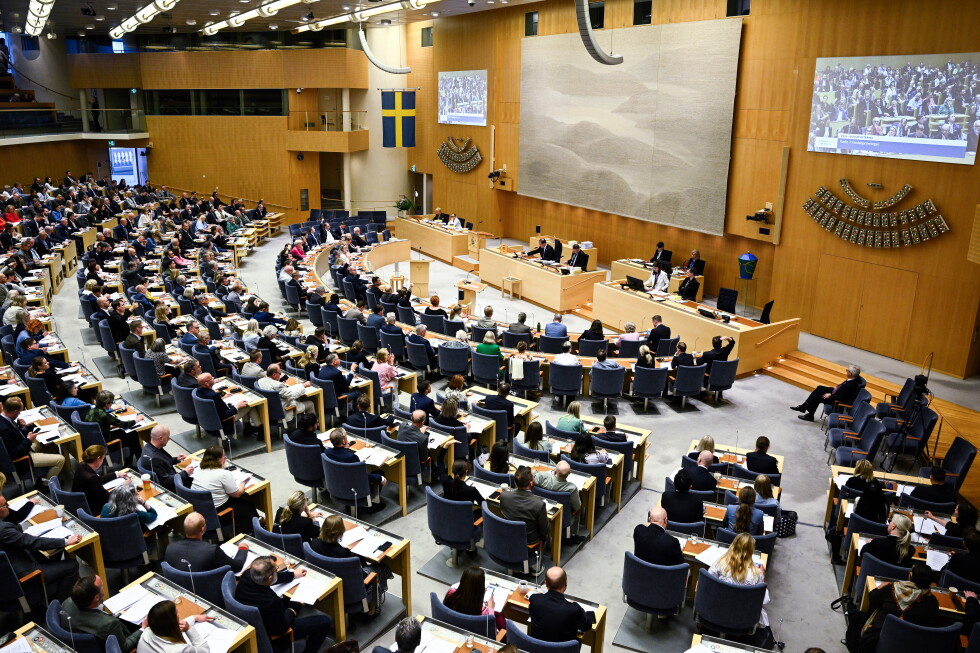
    The Scottish Parliament is preparing for a landmark vote on Tuesday that could establish Scotland as the first UK nation to legalize assisted dying for terminally ill adults. This decisive moment follows extensive parliamentary debate on the Assisted Dying Bill, which permits lawmakers to vote according to personal conscience rather than party allegiance, creating significant uncertainty about the outcome.

    Under the proposed legislation, Scottish residents with a life expectancy of six months or less could request medical assistance to end their lives. The bill mandates stringent safeguards requiring two independent physicians to confirm both the terminal diagnosis and the patient’s mental capacity to make such a decision.

    Liberal Democrat legislator Liam McArthur, the bill’s architect, passionately urged colleagues to support the measure. “When we acknowledge that dying individuals should not endure unnecessary suffering,” McArthur stated, “and recognize how our current system fails to provide adequate compassion and safety, supporting this legislation becomes imperative.”

    Opposition voices, including Deputy First Minister Kate Forbes of the Scottish National Party, highlight concerns from medical professionals. Organizations including the Royal College of Psychiatrists and Royal Pharmaceutical Society argue the legislation creates potential risks for vulnerable populations. “Healthcare experts who would implement this system are advising against it,” Forbes emphasized, “citing serious safety reservations.”

    Meanwhile, parallel legislation in England and Wales remains stalled in Parliament due to extensive amendments in the House of Lords. While supporters view these as obstruction tactics, opponents maintain they ensure necessary scrutiny. The English bill faces expiration if not passed before the current parliamentary session concludes in May.

    Internationally, several jurisdictions including Australia, Canada, Switzerland, and multiple US states have established various assisted dying frameworks. The British Crown Dependencies of Jersey and Isle of Man have approved similar laws awaiting royal assent, operating under their autonomous governance structures while maintaining defense ties with the UK.