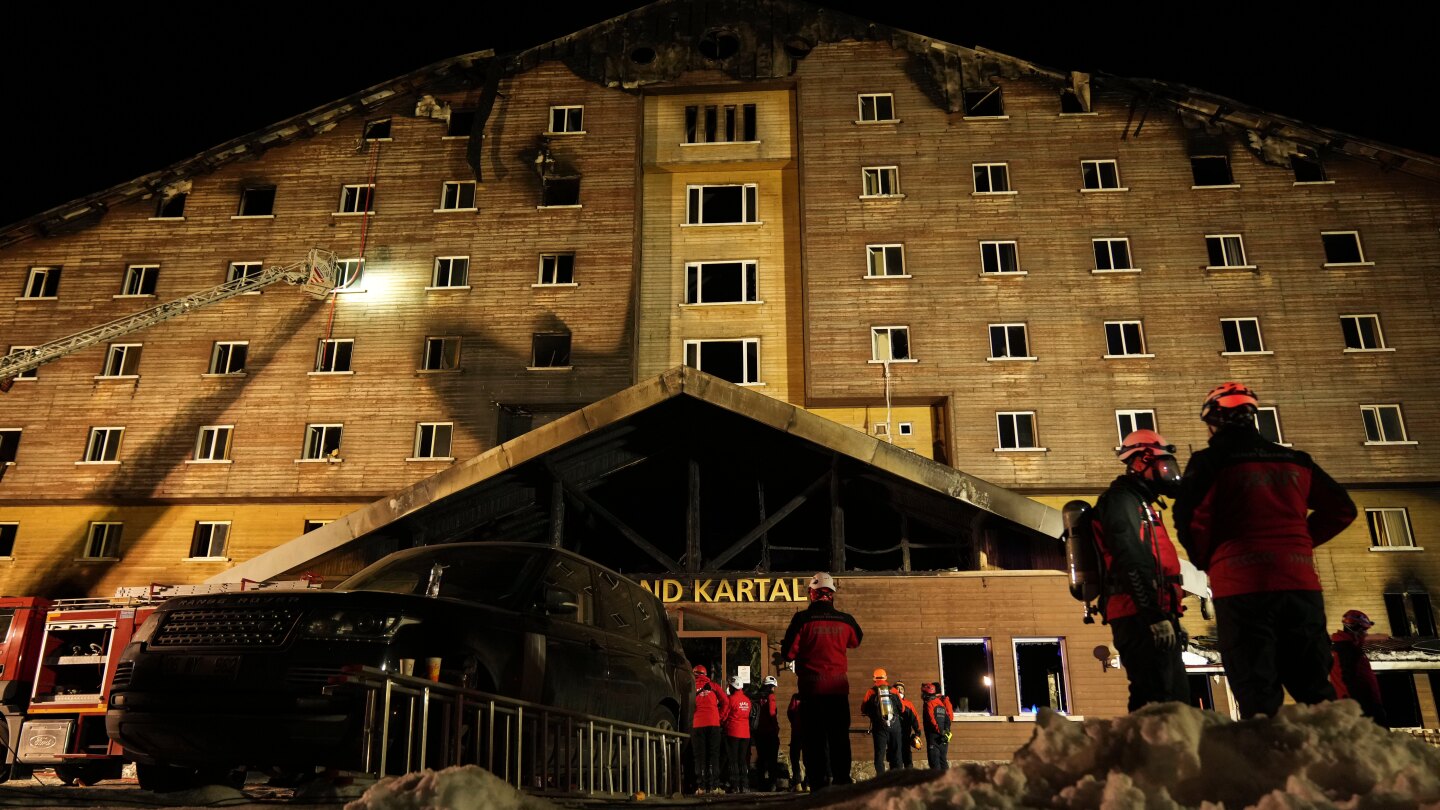
A Turkish court has delivered life sentences to the owner of the Grand Kartal Hotel and ten others following their conviction for severe negligence in a catastrophic fire that claimed 78 lives and injured 133 others. The tragic incident occurred on January 21 at the Kartalkaya ski resort in Bolu province during the winter school break, with 34 children among the victims. The court found hotel owner Halit Ergul, his family members, hotel managers, a deputy mayor, and a deputy fire chief guilty of ‘probable intent to kill’ due to their failure to ensure safety measures. In addition to life imprisonment for the deaths of the children, the defendants received an additional 25 years for the other fatalities. The defendants, who denied responsibility, are expected to appeal the verdict. The courtroom erupted in applause as families of the victims welcomed the sentencing. The fire, which began at 3:17 a.m. due to a spark from an electric grill, quickly spread due to poor safety measures, including a lack of smoke extraction systems, faulty alarms, and inadequate staff training. The disaster has sparked nationwide calls for accountability and stricter enforcement of safety regulations.
标签: Europe
欧洲
-
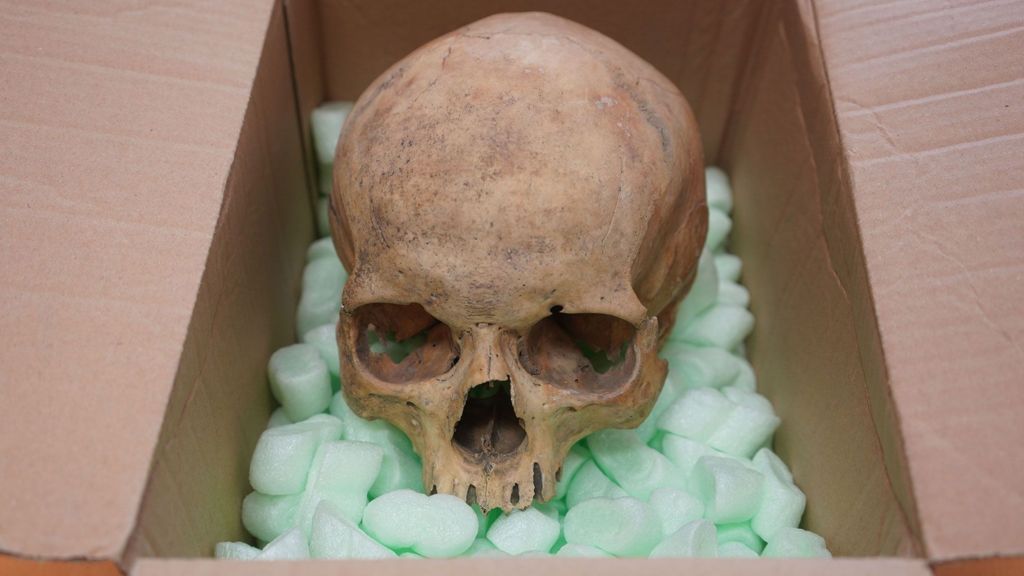
Sixty years after tourist stole skull from cathedral, he sends it back
In an unexpected turn of events, a skull was recently returned to Vienna’s St Stephen’s Cathedral, accompanied by a heartfelt letter. Franz Zehetner, the cathedral’s archivist, was astonished when he opened a parcel addressed to the cathedral and discovered the skull inside. The package also contained a letter from a man in northern Germany, who confessed to stealing the skull as a young tourist nearly six decades ago. The man explained that he had taken the skull during a guided tour of the catacombs beneath the cathedral, which house the remains of approximately 11,000 individuals from the 18th century. In his letter, the remorseful tourist expressed his desire to make amends for his youthful indiscretion as he approached the end of his life. Franz Zehetner remarked on the touching nature of the man’s wish to rectify his past mistake, noting that the skull had been carefully preserved over the years, despite the irregularity of its removal. The identity of the skull remains unknown, and it has since been re-interred in the cathedral’s catacombs. St Stephen’s Cathedral has long been a resting place for both the common people and members of Vienna’s elite families, with many of the remains dating back to the 18th century.
-

A solid gold toilet is up for auction with a $10 million starting price
LONDON (AP) — A unique piece of art, blending luxury and satire, is set to make headlines once again. Sotheby’s announced on Friday that it will auction “America,” a fully functional solid gold toilet sculpture by Italian artist Maurizio Cattelan. This provocative piece, weighing over 101.2 kilograms (223 pounds) of gold, is valued at approximately $10 million, matching its material worth. The auction is scheduled for November 18 in New York.
-
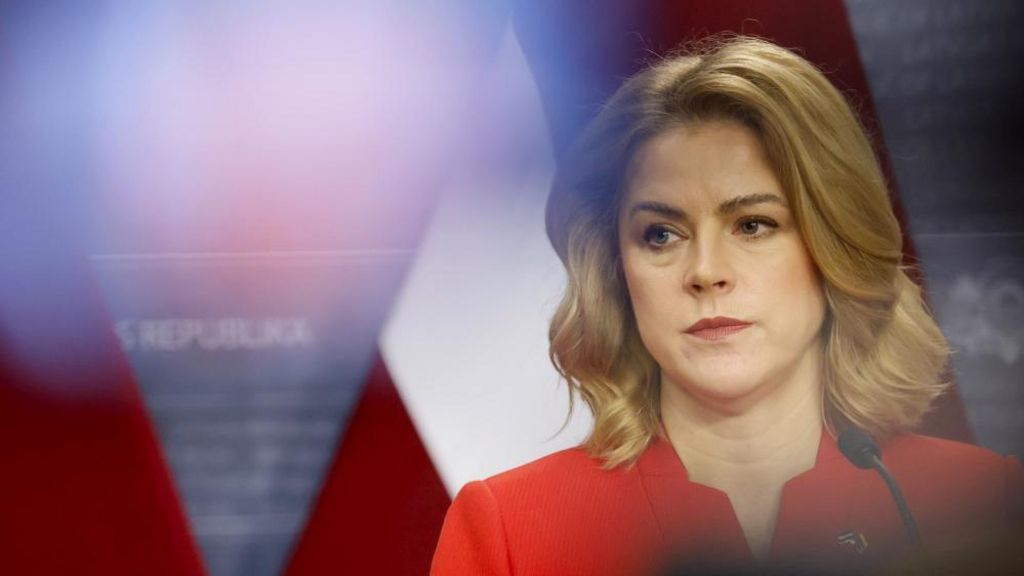
Latvian MPs vote to pull out of treaty on protecting women from violence
In a controversial decision, Latvian lawmakers have voted to withdraw from the Istanbul Convention, an international treaty aimed at combating violence against women, including domestic abuse. The vote, which followed a 13-hour parliamentary debate, saw 56 MPs in favor and 32 against. This move, sponsored by opposition parties and supported by the Union of Greens and Farmers—a coalition partner—has drawn widespread criticism both domestically and internationally. Latvia becomes the first EU country to take steps toward exiting the treaty, which it ratified only last year. The decision has been met with protests in Riga, where thousands gathered to voice their opposition. Prime Minister Evika Silina, who addressed the protesters earlier this week, called the vote a setback, vowing to continue the fight against violence. The treaty, adopted in 2011, requires governments to enact laws and provide support services to eradicate gender-based violence. Critics, particularly ultra-conservative groups, argue that the convention’s focus on gender equality undermines traditional family values and promotes ‘gender ideology.’ Latvia’s ombudswoman, Karina Palkova, and women’s rights organizations have urged against politicizing the treaty, emphasizing its role in safeguarding women’s rights. The vote has prompted a petition signed by 22,000 Latvians, urging the government to reconsider. President Edgars Rinkevics now holds the final decision, stating he will evaluate the matter based on constitutional and legal considerations, rather than ideological or political ones. The withdrawal has been condemned by international bodies, including the Council of Europe, which described it as a ‘deeply worrying step backwards’ for women’s rights.
-
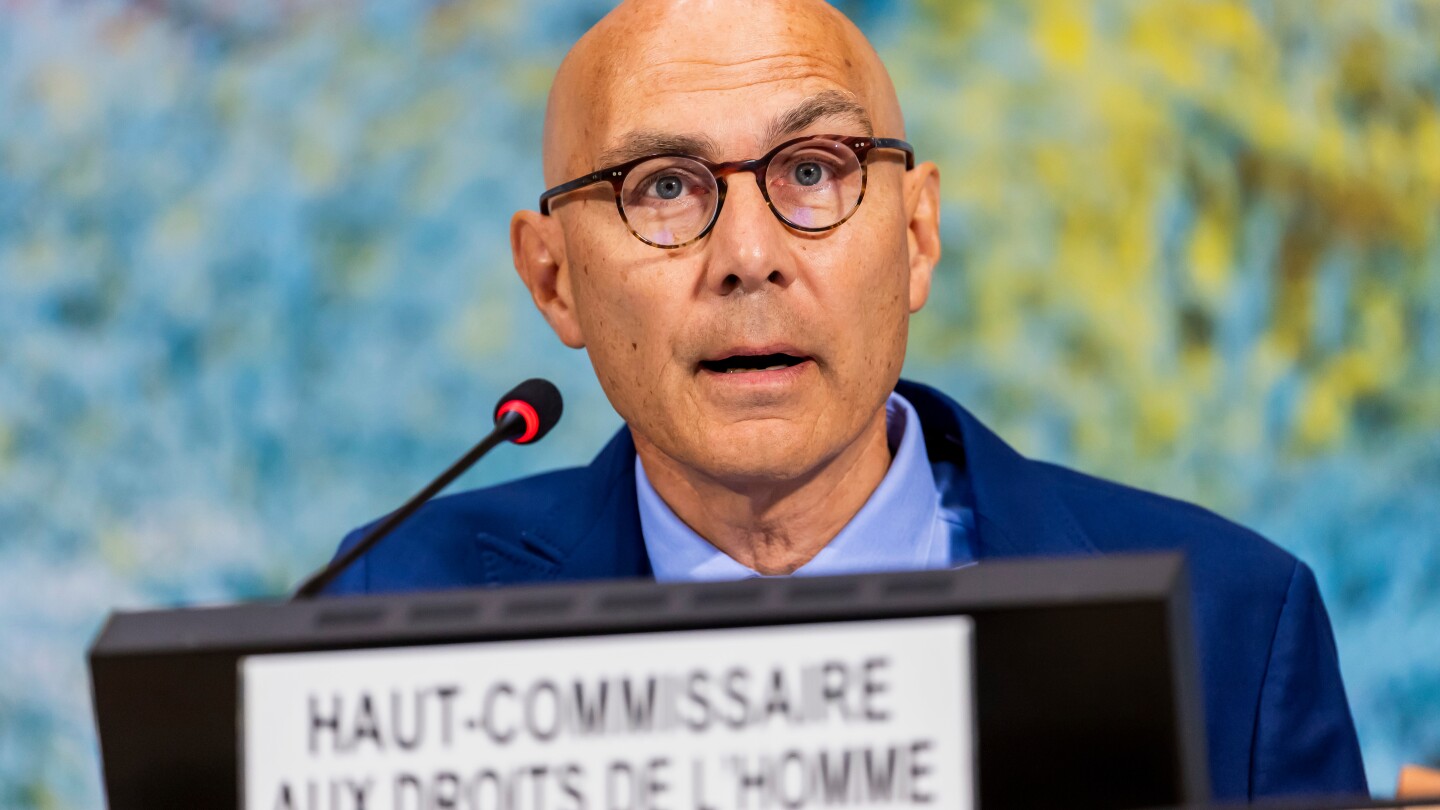
UN human rights chief says US strikes on alleged drug boats are ‘unacceptable’
In a significant development, the United Nations has issued a stern condemnation of U.S. military strikes targeting boats suspected of transporting illegal drugs in the Caribbean Sea and eastern Pacific Ocean. Volker Türk, the U.N. High Commissioner for Human Rights, labeled these actions as “unacceptable” and called for an immediate cessation of the strikes. Speaking through his spokeswoman, Ravina Shamdasani, Türk emphasized the need for a thorough investigation into the operations, marking the first such rebuke from a U.N. body. Shamdasani stated that the attacks, which have resulted in a rising human toll, violate international human rights law and constitute extrajudicial killings. The U.S. has justified the strikes as part of a broader campaign to combat drug trafficking, a stance that has sparked controversy among regional nations. Since the campaign’s inception in early September, 14 strikes have been carried out, resulting in at least 61 fatalities. Shamdasani underscored that the fight against drug trafficking is a law enforcement issue, governed by strict limits on the use of lethal force, which is permissible only as a last resort against an imminent threat to life. She argued that the strikes, conducted outside the context of armed conflict, amount to violations of the right to life.
-

Giuffre family welcomes Andrew’s fall from royal status but says he faces more questions
In a historic move, King Charles III has stripped his brother, Prince Andrew, of his princely title and residence, signaling a decisive step to protect the monarchy from the escalating scandal surrounding Andrew’s ties to convicted sex offender Jeffrey Epstein. The decision, announced on Friday, marks the first time in over a century that a British prince has been stripped of his title, underscoring the gravity of the situation. Andrew, now to be known as Andrew Mountbatten Windsor, will vacate the 30-room Royal Lodge near Windsor Castle and relocate to a more secluded property on the Sandringham Estate, funded by the king. The move comes as pressure mounts on Andrew to address questions from both British politicians and U.S. authorities regarding his finances and his relationship with Epstein. Virginia Roberts Giuffre’s family, who accused Andrew of sexual abuse, praised the king’s decision, calling it a victory for justice. Giuffre, who died by suicide in April, alleged she was exploited by Andrew and other powerful men as part of Epstein’s sex-trafficking ring. Despite Andrew’s repeated denials, the palace emphasized that the censures were necessary to uphold the monarchy’s integrity and expressed sympathy for victims of abuse. The British government welcomed the decision, with trade minister Chris Bryant stating that it reflects the public’s sentiment. Andrew’s removal of his Duke of York title earlier this month and the subsequent stripping of his princely status mark a dramatic fall from grace for the disgraced royal, who continues to face legal and public scrutiny.
-
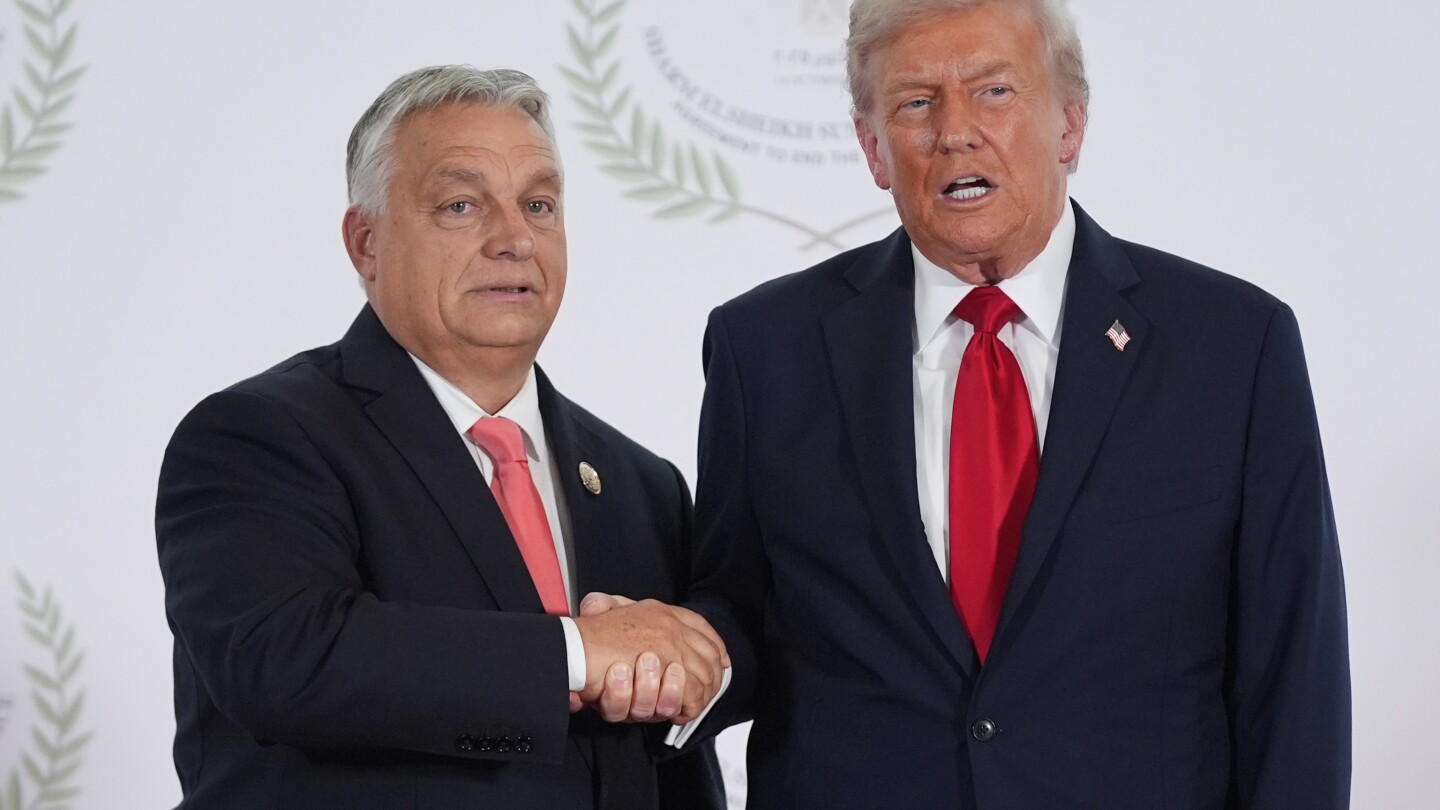
Orbán to press Trump for Hungary’s exemption from new US sanctions on Russian oil
Hungarian Prime Minister Viktor Orbán announced on Friday his intention to lobby U.S. President Donald Trump for exemptions from Washington’s newly imposed sanctions targeting Russian oil during their upcoming meeting next week. The Trump administration recently introduced sanctions against major Russian state-affiliated oil companies, Rosneft and Lukoil, potentially affecting foreign buyers, including those in India, China, and Central Europe, with secondary sanctions. While most European Union nations have significantly reduced or ceased imports of Russian fossil fuels following Moscow’s full-scale invasion of Ukraine in February 2022, Hungary and Slovakia have continued pipeline deliveries, with Hungary even increasing its reliance on Russian oil. Orbán, a staunch Trump ally, is set to visit Washington for his first bilateral meeting with the president since Trump’s return to office in January. The Hungarian leader has consistently argued that landlocked Hungary lacks viable alternatives to Russian crude and that replacing these supplies could precipitate an economic collapse, a claim contested by critics. Orbán emphasized the need for the U.S. to understand Hungary’s unique situation to secure exemptions from the sanctions. Widely regarded as Russian President Vladimir Putin’s closest ally in the EU, Orbán has maintained warm relations with the Kremlin despite the ongoing conflict and has adopted a confrontational stance toward Ukraine, portraying it as a significant threat to Hungary’s security and economy. Orbán also stated that both the U.S. administration and Moscow are seeking an end to the war, but Ukraine and the EU remain the primary obstacles to peace. A planned meeting between Trump and Putin in Budapest was recently canceled after Russian officials opposed an immediate ceasefire. Orbán will be accompanied by a large delegation of ministers, economic officials, and security advisers to Washington, aiming for a comprehensive review of U.S.-Hungarian relations and the finalization of an economic cooperation package, including new American investments in Hungary. However, Orbán stressed that any deal hinges on securing Hungary’s continued access to Russian energy.
-
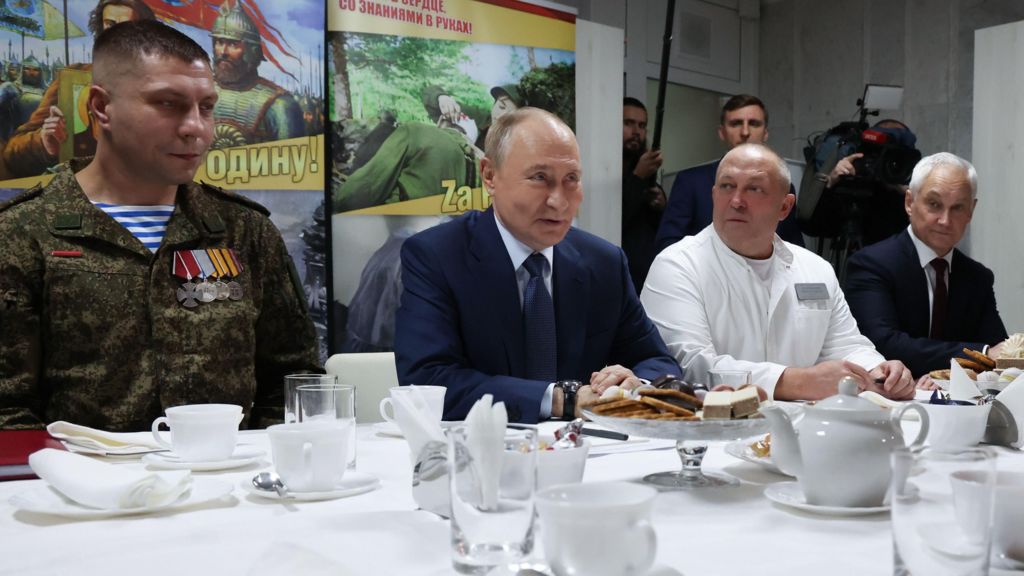
Russia’s new nuclear weapons – real threat or Putin bluster?
Russian President Vladimir Putin made headlines this week by unveiling two advanced nuclear weapons during a meeting with Ukraine war veterans. The Poseidon, a nuclear-powered underwater drone, and the Burevestnik, an ‘unlimited-range’ nuclear-powered cruise missile, were both described by Putin as unparalleled in the world. The Poseidon, first revealed in 2018, is said to travel at speeds of 200 km/h with an unpredictable route, making it nearly impossible to intercept. The Burevestnik, meanwhile, is so new that its classification remains unclear, according to Putin. These announcements come amidst a backdrop of stalled diplomatic efforts between the US and Russia. President Donald Trump, who had previously attempted to broker peace between Russia and Ukraine, recently canceled a summit with Putin and imposed sanctions on Russian oil producers. Analysts suggest that Putin’s weapon showcases are less about military utility and more about projecting strength and capturing Trump’s attention. Mark Galeotti, a Russia expert, noted that these ‘Armageddon weapons’ are too destructive for practical use and are likely intended to reinforce Russia’s image as a formidable power. The timing of these announcements coincides with Russia’s struggles in the Ukraine conflict, where its conventional forces have faced significant challenges. David Heathcote of McKenzie Intelligence Services argued that the weapon tests reflect Russia’s conventional military weaknesses. Meanwhile, Trump’s decision to resume US nuclear testing after a 33-year hiatus appears to be a direct response to Russia’s actions. The Kremlin, however, dismissed the notion that its tests were provocative, with Putin’s spokesman Dmitry Peskov stating they were not nuclear tests. As tensions simmer, the global community watches closely, wary of the implications of this renewed nuclear posturing.
-
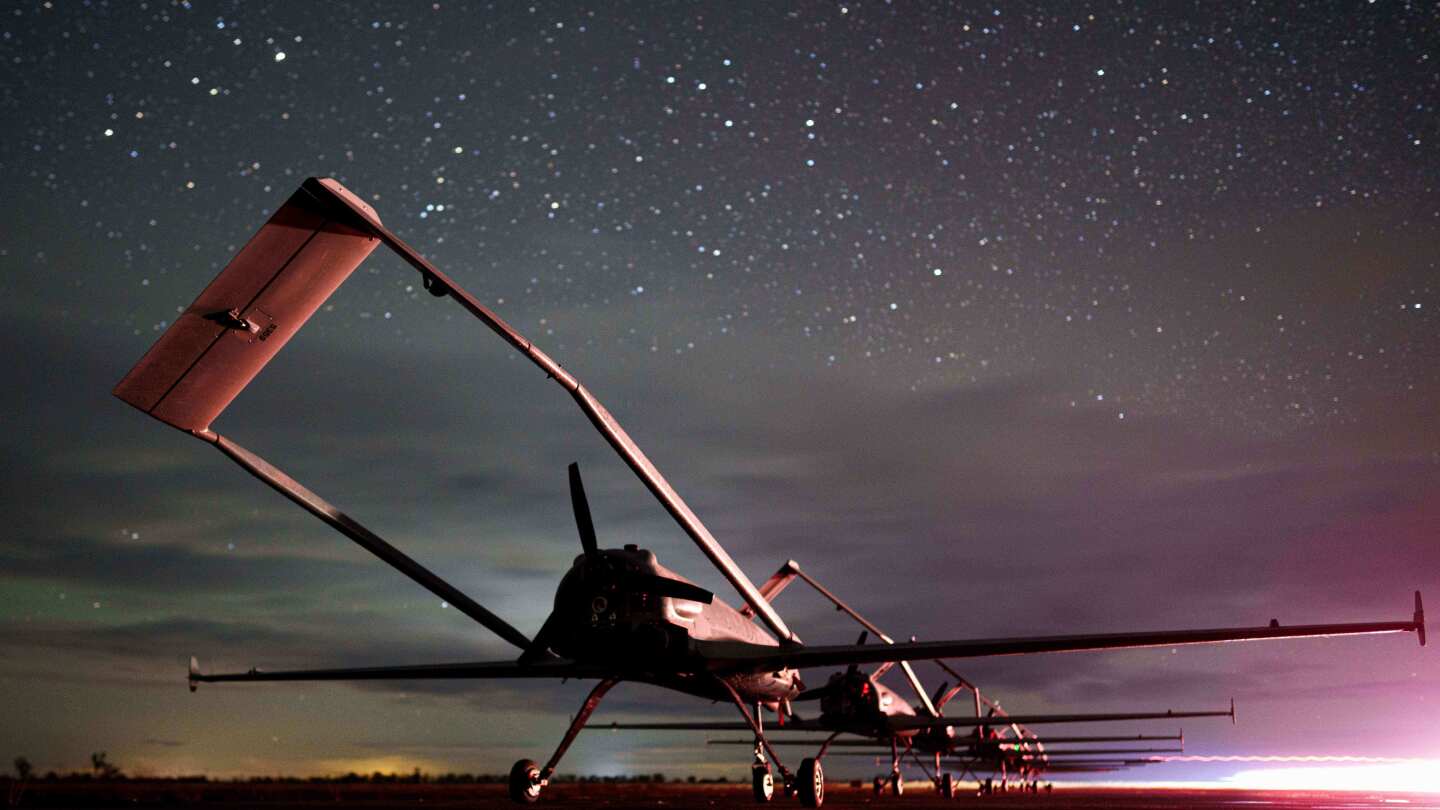
Drones, oil and escalation: Ukraine’s deep strikes impact Russia, altering war calculations
In a covert operation in rural Ukraine, attack drones are assembled under the cover of night to strike strategic targets deep within Russia, including oil refineries, fuel depots, and military logistics hubs. Since the summer, Ukraine’s long-range drone campaign has intensified, significantly impacting Russia’s energy infrastructure and stretching Moscow’s air defenses thin. These drones, constructed from parts produced in a decentralized network of workshops, now boast extended ranges, enabling them to reach targets far beyond previous capabilities. The strikes have led to gasoline shortages in Russia, prompting rationing in some regions and highlighting vulnerabilities in the country’s infrastructure. Western analysts note that while the attacks have had a serious impact, they have not been crippling. According to the Carnegie Endowment, Ukrainian drones have hit 16 major Russian refineries, representing about 38% of the country’s nominal refining capacity. However, most plants have resumed operations within weeks, cushioned by idle capacity and existing fuel surpluses. Despite this, the strikes have given Kyiv the initiative at a critical juncture, as the U.S. and Europe ramp up sanctions on Russia’s oil industry. Ukrainian President Volodymyr Zelenskyy claims that these strikes have caused Russia to lose up to 20% of its gasoline supply, forcing the Kremlin to import fuel and curb exports. The commander overseeing the drone operations, identified by his call sign ‘Fidel,’ emphasized the evolution of drone technology, with some models now capable of flying 1,000 kilometers. The Liutyi, a homegrown drone, has become a symbol of national pride, reflecting Ukraine’s no-frills war production philosophy. The increased range of these drones marks a shift in the conflict’s geography, with attacks now reaching targets within a 1,000-kilometer radius of the border. This has forced Russia to reroute supplies and commit air defenses to a wider area, degrading its capacity to sustain large-scale operations. The Paris-based International Energy Agency reports that repeated drone strikes have cut Russia’s refining capacity by about 500,000 barrels a day, triggering domestic fuel shortages and curbing exports. Ukraine’s independent drone launch capability allows it to bypass Western approval required for imported long-range weapons, providing a strategic advantage. Each mission is meticulously planned, with fewer than 30% of drones reaching their target area. Fidel reflected on the human cost of the war, stating that the current generation is fighting for a free democratic future for their children.
-

Louvre heist highlights thorny issue for museums: How to secure art without becoming fortresses
In the wake of a high-profile jewelry heist at the Louvre in Paris, museums worldwide are reassessing their security protocols. The incident has sparked urgent discussions among institutions, including Washington’s National Museum of Women in the Arts, the Smithsonian, and the National Gallery of Art. Doug Beaver, a security specialist, revealed that detailed reviews and strategic plans were swiftly implemented following the theft. Similar dialogues are unfolding globally as museums grapple with the dual challenge of safeguarding art while maintaining an open and welcoming environment for visitors. The Louvre’s director, Laurence des Cars, acknowledged significant security lapses, prompting French police and legislators to address vulnerabilities. A letter of support from 57 international museums, published in Le Monde, emphasized the importance of museums as accessible spaces of wonder, not fortresses. However, many museums, particularly those housed in historic buildings like the Louvre, face unique challenges in modernizing security without compromising their architectural integrity. Experts like François Chatillon, France’s chief architect of historical monuments, caution against hasty, invasive measures. Meanwhile, security professionals are focusing on balancing risk management with visitor experience. Doug Beaver highlighted the need for intelligent risk management, citing measures such as enhanced weapons detection and restricted visitor items. The incident has also reignited discussions about international cooperation and investment in advanced security technologies. Despite these efforts, the broader challenge remains: preserving the magic of museums while ensuring their safety.