标签: Europe

欧洲

  • Russia says it shot down almost 400 Ukrainian drones as Moscow and Kyiv escalate aerial barrages

    Russia says it shot down almost 400 Ukrainian drones as Moscow and Kyiv escalate aerial barrages

    In a significant escalation of aerial warfare, Russian defense systems reportedly intercepted an unprecedented wave of 389 Ukrainian drones overnight, marking the largest drone assault on Russian territories since the invasion began in February 2022. The Russian Defense Ministry confirmed the massive defensive operation across thirteen Russian regions and the illegally annexed Crimean Peninsula.

    The coordinated strike demonstrates a substantial advancement in Ukraine’s domestic military technology, particularly in long-range drone development and deployment capabilities. This offensive occurred just twenty-four hours after Russia launched one of its most intensive aerial barrages of the conflict, firing approximately 1,000 drones and 34 missiles at Ukrainian civilian areas within a single day.

    According to Ukrainian authorities, the Russian bombardment resulted in at least six civilian fatalities and approximately fifty injuries, with attacks extending beyond typical nighttime operations into daylight hours.

    Regional officials reported significant impacts from the Ukrainian counterstrikes. Alexander Drozdenko, governor of the Leningrad region north of Moscow, confirmed 56 drones neutralized in his jurisdiction, with subsequent fires breaking out at the strategic Baltic Sea port of Ust-Luga. Simultaneously, Vyacheslav Gladkov, governor of the border Belgorod region, reported Ukrainian missile strikes damaging critical energy infrastructure, causing widespread disruptions to power, water, and heating supplies for local residents.

    The reciprocal escalation in drone warfare intensity highlights both nations’ increasing reliance on unmanned aerial technology while demonstrating Ukraine’s growing capacity to strike deep into Russian-held territory.

  • Has banning phones improved performance at Dutch schools?

    Has banning phones improved performance at Dutch schools?

    The Netherlands has pioneered a groundbreaking educational experiment by implementing a nationwide smartphone ban in schools, with results now demonstrating significant improvements in student behavior and academic performance. Two years after Dutch educational institutions removed mobile devices from classrooms, corridors, and canteens, educators report transformative changes in the learning environment.

    At Amsterdam’s Cygnus Gymnasium, fluorescent yellow signs greet students with the catchy slogan: ‘Telefoon t’huis of in de kluis’ (Phone at home or in the locker). This policy, established through a national agreement between government, schools, parents, and teachers rather than legislation, has created a unified approach across the country.

    Teacher Ida Peters observes tangible differences in her classroom. ‘As a teacher you’re always trying to get kids’ attention. With phones less present, that certainly helps,’ she notes. The hallways, once filled with students checking devices, now feature more relaxed interactions and a calmer atmosphere. The ban extends to breaks and school parties, reducing anxiety about being photographed and posted on social media platforms.

    Empirical evidence supports these observations. A government-commissioned study of 317 secondary schools revealed approximately 75% reported improved concentration, 65% noted better social climate, and about one-third observed enhanced academic performance. Additional surveys indicate reduced bullying incidents since device removal.

    Students themselves express mixed but largely accepting attitudes. Teenagers Hena and Fena acknowledge, ‘Maybe now we are a little bit more in the moment. In the break no one is really on their phones.’ While initially resistant, many students like Felix recognize the benefits: ‘People are talking more, going to the shops instead of just sitting in the cafeteria on their phones. Social connections have improved.’

    The Dutch government now aims to expand these protections beyond school grounds, advocating for EU-wide restrictions on social media access for children under 16. Citing platforms designed to be addictive, officials argue for enforceable age verification systems similar to those for alcohol and gambling.

    Public opinion appears supportive. A Unicef survey found 69% of Dutch children and teenagers favor social media bans for under-18s, while research agency Newcom reported support for age limits among 16-28-year-olds increased from 44% to 60% in one year.

    As the Dutch Research Council examines potential unintended consequences, including whether device-free school days increase after-school usage, the Netherlands provides a compelling case study for other nations considering similar measures. The success of this approach challenges assumptions about young people’s attachment to digital devices while demonstrating the educational benefits of focused, present learning environments.

  • Cancer nurse turned archbishop celebrates election as first woman to lead Church of England

    Cancer nurse turned archbishop celebrates election as first woman to lead Church of England

    In a landmark ceremony at Canterbury Cathedral on Wednesday, Sarah Mullally was formally installed as the 113th Archbishop of Canterbury, becoming the first woman to lead the Church of England in its 1,400-year history. The 63-year-old former cancer nurse turned priest marks a transformative moment for the global Anglican Communion, which encompasses over 100 million members across 42 churches worldwide.

    The installation service, attended by Prince William, Princess Catherine, Prime Minister Keir Starmer, and international religious representatives including delegates from the Vatican and Orthodox churches, coincided symbolically with the Feast of the Annunciation—a day celebrating biblical women responding to divine callings.

    Mullally’s journey to this historic position is itself remarkable. After serving as England’s youngest-ever Chief Nursing Officer at 37, she answered her spiritual calling, training for ministry while still working in healthcare. Ordained in 1994 when the Church first permitted female priests, she ascended through ecclesiastical ranks to become Bishop of London in 2018—one of the church’s most prominent positions.

    In her inaugural address, Mullally emphasized her intent to be ‘a shepherd who enables everyone’s ministry and vocation to flourish.’ She acknowledged the pioneering women who paved her path, stating: ‘Today I give thanks for all the women and men who have paved the way for this moment.’

    The ceremony celebrated both tradition and progress, with Mullally securing her ceremonial cloak using a clasp fashioned from her nursing belt buckle—a poignant nod to her previous vocation. The global nature of the Anglican Communion was highlighted through multilingual prayers offered in Bemba, Spanish, and Urdu.

    However, Mullally assumes leadership during a challenging period for the church. She must navigate deep divisions within the Anglican Communion regarding women’s roles and LGBTQ+ inclusion, address ongoing sexual abuse scandals that plagued her predecessor’s tenure, and confront declining congregation numbers. Her appointment potentially widens rifts with more conservative branches of the global communion.

    Theological expert George Gross of King’s College London noted the significance: ‘The stained glass ceiling is smashed. In the world we’re in, when we talk of equality, it’s hard to have that if you have unattainable positions.’

    The Church of England, which broke from Roman Catholicism under Henry VIII in the 1530s, ordained its first female bishops only in 2015. Mullally’s installation represents both a symbolic breakthrough and a practical test of the church’s ability to evolve while maintaining unity.

  • Tough negotiations loom as Denmark’s Social Democrats fail to secure a majority

    Tough negotiations loom as Denmark’s Social Democrats fail to secure a majority

    Denmark’s political landscape has been reshaped by a general election that produced a fragmented parliament, leaving Prime Minister Mette Frederiksen’s Social Democrats victorious yet weakened. Despite securing 21.9% of the vote and 38 parliamentary seats—making them the largest party by a significant margin—the Social Democrats achieved their poorest electoral performance in over a century, falling far short of the 90-seat majority needed in the 179-seat Folketing.

    The election night at Christiansborg Palace saw mixed emotions as Frederiksen addressed supporters. ‘I’m sorry that we did not get more votes. I had also hoped for a better result,’ she acknowledged, while simultaneously celebrating that ‘the Social Democrats have once again become the Danes’ absolute favourite political party.’

    The electoral mathematics reveals a deeply divided nation. The left-leaning ‘red bloc’ commands 84 seats against the right-aligned ‘blue bloc’s’ 77 seats, with both coalitions failing to reach the majority threshold. This deadlock places unprecedented influence in the hands of the Moderates, a centrist party led by former Prime Minister Lars Løkke Rasmussen, which secured 14 seats and now holds the balance of power.

    Rasmussen, fresh from international attention following his diplomatic handling of the Greenland standoff with the United States and his viral fist-bump with Vice President JD Vance, declared his intention to form a government ‘across the centre.’ His position contrasts sharply with Troels Lund Poulsen of the Liberals, the blue bloc’s largest party, who has explicitly rejected governing with the Social Democrats.

    Political analysts, including DR’s Christine Cordsen, suggest the most plausible outcome involves a center-left coalition comprising the Social Democrats, Red-Greens, the Moderates, and the Danish Social Liberal Party. However, complex negotiations spanning days or weeks are anticipated.

    The election, called prematurely by Frederiksen hoping to capitalize on her handling of Trump’s threats to annex Greenland, ultimately turned on domestic concerns. Voters prioritized economic stability, cost of living pressures, welfare issues, and environmental concerns including pesticide contamination from pig farming and agriculture’s climate impact over geopolitical matters.

    Frederiksen, who has led Denmark for nearly seven years, affirmed her readiness to continue as prime minister, though her path to a third term depends on navigating the most complex government formation process in recent Danish history.

  • Amazon buys Fauna Robotics, maker of the Sprout humanoid robot

    Amazon buys Fauna Robotics, maker of the Sprout humanoid robot

    Amazon has strategically acquired New York-based robotics startup Fauna Robotics, marking a significant expansion beyond its industrial automation capabilities into the social robotics domain. The acquisition comes merely two months after Fauna’s introduction of Sprout, a humanoid robot designed specifically for interactive engagement in domestic and educational environments.

    This move represents Amazon’s deliberate pivot toward social robotics despite recent setbacks in consumer-facing automation. The e-commerce behemoth, which already operates over 1 million robots within its warehouse networks, now incorporates Sprout’s unique capabilities focused on human interaction rather than logistical functions.

    Fauna Robotics will maintain its operational identity as ‘Fauna Robotics, an Amazon company,’ with all employees and founders transitioning to Amazon’s New York division. While financial specifics remain undisclosed, the acquisition signals Amazon’s commitment to exploring novel applications for robotics in everyday consumer contexts.

    Sprout, standing at 1.5 feet with a distinctive rectangular head, represents a departure from traditional utilitarian robots. Priced at $50,000, the platform specializes in social interactions including dancing, object manipulation, and mobility exercises rather than heavy lifting. Initially launched in January as both a hardware and software development platform, Sprout had already attracted notable clients including Disney and various academic research institutions.

    This development follows Amazon’s failed acquisition of iRobot in 2024 due to regulatory challenges, demonstrating the company’s persistent ambition to penetrate consumer robotics markets. Amazon’s existing AI assistant Alexa provides complementary infrastructure for potential integration with social robotics technologies.

    The company stated its intention to leverage Fauna’s expertise to ‘develop new ways to make customers’ lives better and easier,’ suggesting potential applications that combine social robotics with Amazon’s ecosystem of smart home technologies and AI capabilities.

  • Moldova imposes 60-day energy emergency after Russian strikes in Ukraine cut key power line

    Moldova imposes 60-day energy emergency after Russian strikes in Ukraine cut key power line

    CHISINAU, Moldova — Moldova’s Parliament enacted a 60-day state of emergency within the nation’s energy sector on Tuesday, responding to critical infrastructure damage caused by Russian missile strikes on Ukraine’s power grid. The legislative body approved the measure with 72 votes in favor and 18 abstentions, reflecting bipartisan concern over the energy crisis.

    The immediate catalyst for this decision was the overnight disconnection of the high-voltage Isaccea-Vulcanesti power line, a vital electricity conduit connecting southern Moldova to European Union member Romania. This disruption has significantly compromised Moldova’s energy stability, prompting authorities to urgently advise citizens to ration electricity consumption during peak hours while repair efforts are underway.

    Prime Minister Alexandru Munteanu characterized the situation as a deliberate assault rather than accidental damage. ‘Russia’s attacks on civilian energy infrastructure in Ukraine constitute both war crimes and direct attacks against the Republic of Moldova,’ Munteanu stated during parliamentary proceedings. ‘Moscow bears sole responsibility for this crisis.’

    The emergency declaration, effective Wednesday, will enable swifter mobilization of resources, enhanced protection of critical infrastructure, and implementation of additional crisis mitigation measures. Munteanu emphasized this represents ‘a measure of responsibility, not panic’ designed to ensure citizen safety.

    Energy Minister Dorin Junghietu estimated repairs would require five to seven days to complete. The vulnerability stems from Moldova’s Soviet-era energy systems remaining interconnected with Ukraine’s grid, making the nation susceptible to disruptions since Russia’s full-scale invasion began in 2022.

    President Maia Sandu directly accused Russia of intentional destabilization, noting on Facebook that the damaged power line typically supplies 60-70% of Moldova’s electricity during peak periods. ‘These are not accidents but deliberate actions by Russia to weaken and leave Moldova in the dark,’ Sandu wrote.

    The energy emergency follows last week’s water crisis affecting tens of thousands of Moldovans after Russian strikes on a Ukrainian hydroelectric plant caused oil contamination in a shared river system. This pattern of infrastructure targeting has created sustained humanitarian challenges for the EU candidate country, though Russia consistently denies attempts to destabilize Moldova.

    Reporting contributed from Leamington Spa, England.

  • German outcry over deep fake porn  targeting actress prompts bid to change law

    German outcry over deep fake porn targeting actress prompts bid to change law

    The German government is taking decisive action to address digital sexual violence by proposing legislation that would criminalize the creation and distribution of pornographic deepfakes. This move comes in response to a high-profile case involving television personality Collien Fernandes, who has accused her former husband, actor Christian Ulmen, of circulating sexually explicit manipulated images of her online.

    The case has ignited a national conversation about digital violence protections, with over 250 prominent German women from politics, business, and culture demanding stronger legal safeguards. Their proposals include enshrining the “yes means yes” principle in German law and creating specific offenses for femicide in the penal code.

    Fernandes has pursued legal action in Spain, citing stronger women’s rights protections there compared to Germany. “Germany is an absolute haven for perpetrators,” she stated in an interview with ARD public broadcaster, highlighting significant gaps in German legislation regarding online abuse and domestic violence.

    Justice Minister Stefanie Hubig announced plans for draft legislation that would not only criminalize deepfake pornography but also streamline legal processes for victims seeking justice. “This is a debate that affects society as a whole, not just women,” Hubig emphasized. “Men must also be part of the discussion.”

    The case has revealed alarming statistics about digital violence in Germany. According to a Federal Criminal Police Office study, one in five women and one in seven men have experienced digital violence in the past five years, with particularly high rates among teenagers. Shockingly, only 2.4% of these cases are reported to police.

    Public response has been substantial, with thousands participating in a Berlin demonstration against digital sexual violence. Fernandes, while not present physically, had a statement read at the Brandenburg Gate calling for the dismantling of “walls of silence” surrounding such crimes.

    Technology experts note the concerning accessibility of deepfake creation tools. Josephine Ballon of Hate Aid, a nonprofit supporting digital violence victims, explained: “We have AI image generators everywhere, nudification apps available for free in app stores and browsers. Criminalizing this behavior would allow us to declare these apps illegal since they offer illegal services.”

    The proposed legislation represents Germany’s commitment to establishing societal values and human decency in the digital realm, signaling a significant shift in how the country addresses technologically-facilitated sexual violence.

  • Calafiori switches attention from Arsenal’s Premier League title chase to Italy’s World Cup playoff

    Calafiori switches attention from Arsenal’s Premier League title chase to Italy’s World Cup playoff

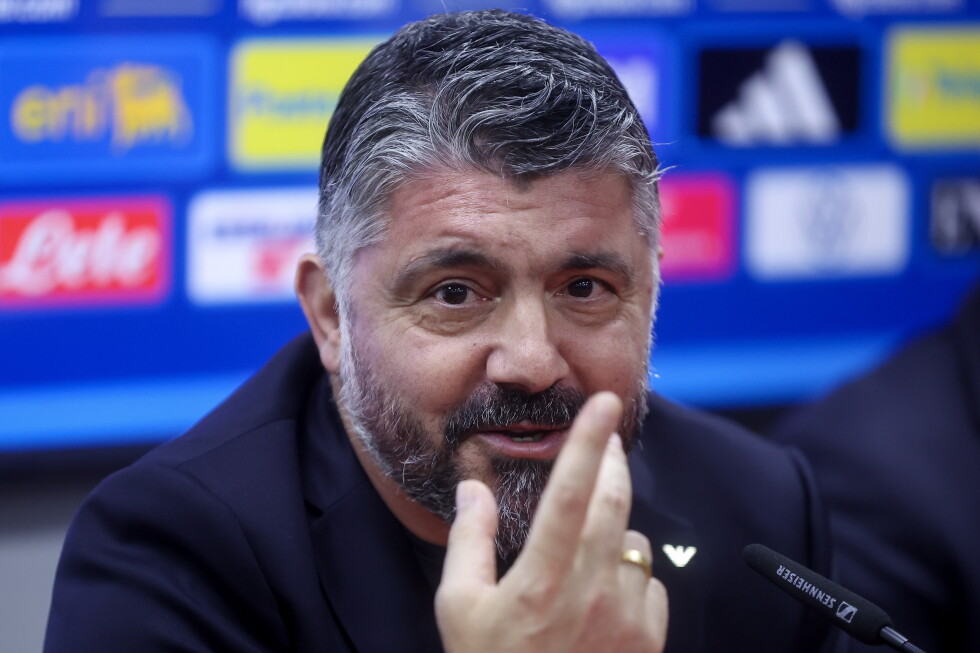
    FLORENCE — As Italy prepares for its critical World Cup playoff against Northern Ireland, Arsenal defender Riccardo Calafiori has revealed the extraordinary lengths coach Gennaro Gattuso has gone to maintain team cohesion during the four-month gap since Italy’s last international fixture in November.

    In a striking testament to Gattuso’s managerial approach, Calafiori disclosed that the Italian coach maintained more frequent communication with him than his own mother throughout the recent period. This intensive player engagement strategy saw Gattuso traveling extensively across Italy and making international trips to personally dine with squad members, fostering camaraderie ahead of Thursday’s decisive qualifier in Bergamo.

    “His outreach during my injury absence from late December to January was particularly remarkable,” Calafiori stated at Italy’s Coverciano training facility. “The dinner he organized provided a genuine atmosphere of friendship beyond typical coach-player dynamics.”

    The team-building initiative included Italy delegation chief Gianluigi Buffon and assistant coach Leonardo Bonucci, both legendary former Azzurri players, who joined Gattuso for a London meal rich with football anecdotes from their distinguished careers.

    Calafiori, whose versatile defensive capabilities helped Bologna achieve Champions League qualification before his 2024 transfer to Arsenal, emphasized the tactical challenges ahead. “We must remain vigilant against Northern Ireland’s set-piece threats,” he cautioned. “Modern football margins are extremely narrow, and dead-ball situations could prove decisive.”

    Despite recently recovering from a minor knock and facing increased competition from Piero Hincapie at Arsenal, the 23-year-old defender remains focused on international objectives. While Arsenal leads the Premier League by nine points, Calafiori identifies World Cup qualification as the fulfillment of a childhood dream.

    Italy’s path to North America 2026 requires victory against Northern Ireland followed by an away win against either Wales or Bosnia and Herzegovina—a challenging scenario given Italy’s elimination in playoffs for the previous two World Cups by Sweden and North Macedonia.

    “We approach this with the seriousness it demands while maintaining normal preparation routines,” Calafiori concluded, acknowledging the high stakes of Italy’s redemption campaign.

  • Ukraine Unesco site damaged as Russia launches 400 drones in deadly daytime attack

    Ukraine Unesco site damaged as Russia launches 400 drones in deadly daytime attack

    In a significant escalation of tactics, Russian forces executed a massive daytime drone offensive across western Ukraine on Tuesday, deploying over 400 unmanned aerial vehicles in one of the most extensive aerial campaigns within a 24-hour period of the conflict.

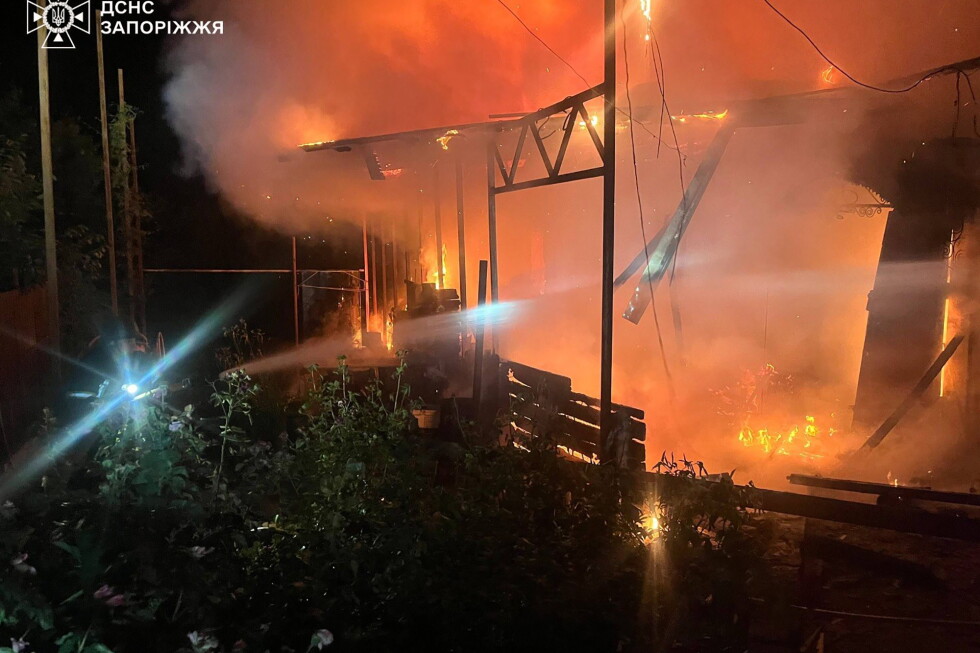
    The historic city of Lviv suffered direct hits to its cultural heart, with the 16th-century Bernardine monastery—a designated UNESCO World Heritage site—sustaining damage. Municipal authorities released visual evidence showing intense fires raging through residential structures adjacent to the sacred complex. Preliminary reports indicate at least 13 civilians sustained injuries in Lviv alone, with officials cautioning that casualty numbers are expected to rise.

    Simultaneous strikes targeted three additional western urban centers: Ivano-Frankivsk, Vinnytsia, and Ternopil. The Ivano-Frankivsk region witnessed particularly tragic consequences, with regional head Svitlana Onyshchuk confirming two fatalities and four injuries, including a six-year-old child. Critical infrastructure including a maternity hospital and various civilian buildings suffered substantial damage.

    This daylight assault followed a separate nocturnal attack that claimed at least five lives across multiple regions. Earlier Tuesday, a 61-year-old woman perished when a drone struck an electric train in Kharkiv, with additional casualties reported in Zaporizhzhia, Kherson and Poltava.

    Ukrainian Air Force spokesman Yurii Ihnat characterized the unprecedented scale of the incursion, noting drones entered Ukrainian airspace from northern approaches ‘effectively moving in columns.’ The geographical scope of daytime strikes exceeded that of nighttime operations, marking a concerning evolution in tactical bombardment strategies.

    While four years of conflict have affected virtually all Ukrainian territory, western regions had previously experienced comparatively less intensity than eastern border areas. This coordinated multi-city assault represents a strategic shift in targeting patterns, potentially signaling new offensive methodologies in the ongoing conflict.

  • Poland faced a surge in cyberattacks in 2025, including a major assault on the energy sector

    Poland faced a surge in cyberattacks in 2025, including a major assault on the energy sector

    WARSAW, Poland — Polish cybersecurity authorities have reported a dramatic 250% surge in cyberattacks during 2025, with over 270,000 incidents targeting the nation’s digital infrastructure. Deputy Minister of Digital Affairs Paweł Olszewski revealed these alarming statistics on Tuesday, describing an ongoing ‘cyber war’ that has intensified significantly each year.

    The most concerning incident occurred on December 29, when coordinated attacks simultaneously struck a combined heat and power plant serving approximately 500,000 customers and multiple renewable energy facilities. While electricity distribution remained uninterrupted, the destructive nature of the infiltration prompted CERT Polska (Computer Emergency Response Team) to issue an unprecedented public technical report seeking international cybersecurity expertise.

    Marcin Dudek, head of CERT Polska, characterized the attack as ‘a significant escalation’ distinct from previous financially-motivated ransomware incidents. ‘The motivation was just destruction,’ Dudek emphasized, noting this marked the first known destructive cyber assault on energy infrastructure within both NATO and European Union territories.

    Technical analysis points toward Russian state-sponsored threat actors. CERT’s investigation identified digital infrastructure previously associated with ‘Dragonfly’ (also known as ‘Static Tundra’ or ‘Berserk Bear’), a cybersecurity cluster linked to FSB Center 16 according to FBI alerts. Simultaneously, ESET cybersecurity researchers found malware signatures consistent with ‘Sandworm,’ another Russian-affiliated group historically connected to destructive operations in Ukraine.

    Anton Cherepanov, ESET’s senior malware researcher, confirmed the attack employed ‘data-wiping malware and its deployment techniques commonly associated with Sandworm.’ Both groups have established ties to Russian intelligence services, with Sandworm previously attributed to the GRU by U.S. authorities.

    The Polish government under Prime Minister Donald Tusk has substantially reinforced cyber defenses since Russia’s full-scale invasion of Ukraine in 2022. The Russian Embassy in Warsaw has not responded to requests for comment regarding these allegations.