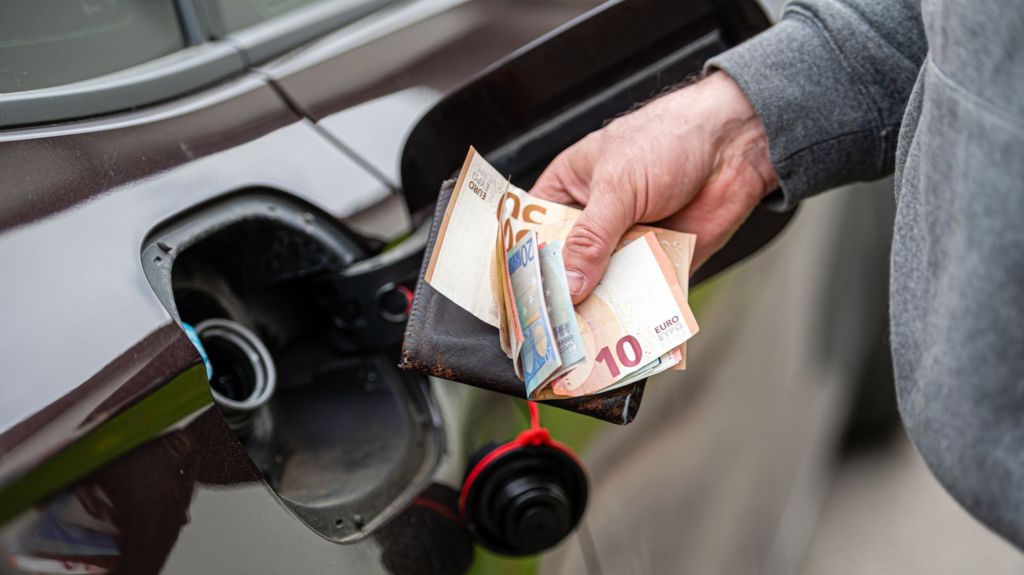
The Irish government has implemented a targeted economic relief package this week to mitigate the impact of global energy market disruptions stemming from international conflicts. The measures include reductions in petrol and diesel taxes alongside a €150 supplemental benefit for approximately 470,000 low-income households, representing a total fiscal commitment of nearly €250 million.
Taoiseach Micheál Martin characterized the government’s approach as both measured and flexible, noting the administration’s readiness to escalate support should economic conditions deteriorate further. ‘The current global situation remains highly unpredictable,’ Martin stated, emphasizing that Ireland confronts these challenges from a position of economic strength compared to previous crises.
This resilience stems substantially from Ireland’s unique corporate tax revenue stream, predominantly derived from U.S. technology and pharmaceutical corporations that utilize Ireland as their European tax base. This fiscal advantage has enabled the government to maintain budget surpluses despite global headwinds.
Recent economic indicators reveal robust underlying fundamentals, with official data showing nearly 5% domestic economic growth in 2025 and record employment levels. However, economic institutions project moderated performance in the coming year. The Central Bank of Ireland has outlined two primary scenarios contingent on conflict duration: a baseline forecast predicting sub-3% growth with inflation rising to approximately 3%, and an adverse scenario projecting growth near 2% with inflation exceeding 4% should supply chain disruptions persist.
Both the Central Bank and the Economic and Social Research Institute (ESRI) have emphasized the exceptional uncertainty surrounding these projections. ESRI researcher Conor O’Toole specifically highlighted concerns that energy-driven inflation could exacerbate Ireland’s persistent housing shortage by increasing construction costs and potentially constraining housing output.