标签: Europe

欧洲

  • A whale stranded at a Baltic Sea resort has swum off a sandbank. But it isn’t safe yet

    A whale stranded at a Baltic Sea resort has swum off a sandbank. But it isn’t safe yet

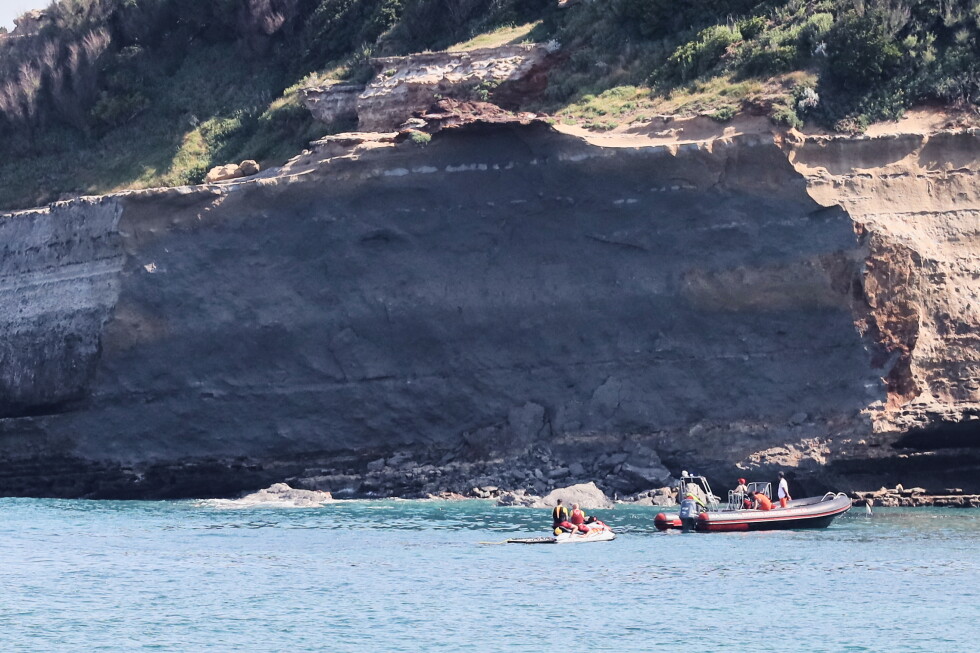
    BERLIN — A dramatic multi-day rescue operation has successfully freed a humpback whale stranded in shallow Baltic waters near the German resort town of Timmendorfer Strand. The massive marine mammal, measuring approximately 12-15 meters (39-49 feet), escaped through a specially dug channel overnight Thursday into Friday after intensive efforts by marine experts and rescue teams.

    The rescue operation reached its critical phase on Thursday when marine biologist Robert Marc Lehmann and his team employed excavators to dig an escape trench in front of the whale’s head. Working until after sunset, the team created a pathway that ultimately enabled the whale’s escape from the underwater sandbank where it had been trapped since Monday.

    Despite this significant achievement, experts caution that the whale’s ordeal is far from over. The young male whale now faces a treacherous journey of several hundred kilometers through German and Danish waters to reach the safety of the North Sea and ultimately the Atlantic Ocean—its natural habitat. The Baltic Sea’s unique characteristics, including minimal tidal movements that might have naturally freed the whale, present ongoing navigation challenges.

    Early Friday morning, the whale was observed making progress out of Lübeck Bay, accompanied by a coast guard vessel and several support boats. Marine researchers from the Institute of Terrestrial and Aquatic Wildlife Research are monitoring its movement, noting that the whale had been previously spotted in the port of Wismar in recent weeks, indicating a pattern of unusual migration for a species not native to the Baltic region.

    The successful intervention highlights both the dedication of marine rescue teams and the growing phenomenon of whale strandings in non-native waters, raising questions about changing marine ecosystems and navigation patterns among marine mammals.

  • Whale swims off sandbank after big German rescue effort on Baltic coast

    Whale swims off sandbank after big German rescue effort on Baltic coast

    A significant marine rescue operation culminated in success as a humpback whale managed to free itself from a perilous stranding on a sandbank near Lübeck, Germany. The mammal, measuring approximately 10-12 meters (32-40 feet), was first discovered beached near the resort town of Timmendorfer Strand on Monday, triggering an intensive multi-day rescue effort.

    Throughout the week, specialized teams engaged in numerous attempts to guide the whale back to safety. The operation escalated on Thursday with the deployment of two industrial excavators to dredge an escape channel through the sandbank, providing a potential pathway to deeper waters. Biologist Robert Marc Lehmann, who was actively involved in on-site efforts, described using techniques to coax the animal toward the newly created channel.

    By early Friday morning, confirmation arrived from Stephanie Gross of the Institute for Terrestrial and Aquatic Wildlife Research that the whale had successfully navigated off the sandbank. The mammal was reportedly accompanied by several escort vessels approximately 300 meters from the coastline in Lübeck Bay.

    While this development marks a critical victory for rescuers, marine experts emphasize that the whale’s situation remains precarious. The immediate focus has shifted to ensuring the animal continues moving away from shallow coastal waters and progresses into the open Baltic Sea, where it can resume normal migratory patterns and access adequate food sources.

  • A nonprofit in France is fighting fast-fashion waste, one sneaker at a time

    A nonprofit in France is fighting fast-fashion waste, one sneaker at a time

    In a workshop east of Paris, an innovative nonprofit organization is tackling fashion waste through an unprecedented sneaker recycling initiative. SneakCœurZ processes hundreds of used athletic shoes weekly, employing a meticulous inspection system to determine which pairs can be salvaged and returned to circulation.

    The organization, which collected 30,000 pairs of used sneakers last year alone, has developed industrial-scale processes for sorting, cleaning, and redistributing footwear. According to Director General Mohamed Boukhatem, their operation represents the only project of this magnitude within the sneaker sector, combining comprehensive collection networks with advanced refurbishment techniques.

    This initiative addresses a critical environmental challenge: the textile industry ranks among the world’s most polluting sectors, accounting for up to 8% of global greenhouse gas emissions according to United Nations data. The European Parliament has identified textiles as the third-largest source of water degradation and land use within the European Union.

    France’s staggering consumption patterns underscore the urgency—Refashion, the government-approved eco-organization, reports 259 million pairs of shoes sold nationally in 2024, with only approximately one-third of used textiles and footwear being properly collected for recycling.

    At the Champs-sur-Marne workshop, technicians employ rigorous evaluation criteria. “Structural integrity determines refurbishment potential,” explained workshop manager Paul Defawes Abadie. “While superficial elements like Velcro straps or laces present no obstacle, the condition of outsoles and structural materials proves decisive.”

    Approved sneakers undergo comprehensive restoration including deep cleaning, disinfection, and specialized UV whitening treatments. Beyond environmental benefits, the program has already redistributed over 7,000 pairs to disadvantaged communities while creating 19 sustainable jobs.

    France complements such grassroots efforts with legislative action. The 2020 anti-waste law mandates that unsold nonfood goods must be reused, donated, or recycled rather than destroyed. Recent measures include a state-backed repair subsidy for clothing and footwear, while proposed legislation targeting the textile industry’s environmental impact advances through parliamentary processes.

  • How Russia’s threat forced Germany to radically rethink its military

    How Russia’s threat forced Germany to radically rethink its military

    In a dramatic shift from its post-war pacifist stance, Germany is undergoing the most significant military transformation in modern European history. General Carsten Breuer, commander of Germany’s armed forces, is spearheading an unprecedented expansion aimed at creating NATO’s most powerful conventional army by 2029.

    This strategic pivot responds to urgent warnings about Russia’s military buildup. Intelligence assessments indicate Russia is rapidly rebuilding its military capacity to nearly double its pre-Ukraine invasion strength, potentially enabling an attack on NATO territory within five years. “I’ve never experienced a situation which is as dangerous, as urgent, as it is today,” General Breuer stated during exercises near the Russian border.

    The scale of Germany’s rearmament is staggering. Military spending is projected to surge from €95 billion in 2025 to €162 billion in 2029, representing 5% of GDP—a remarkable increase from the 1.2% defense spending average maintained between 2007-2017. This financial commitment required constitutional changes to bypass Germany’s traditionally strict borrowing limits, a move considered revolutionary given the country’s historical aversion to debt stemming from Weimar-era hyperinflation trauma.

    Historical ghosts loom over this transformation. The 20th century witnessed Germany’s powerful armies devastating Europe, making current rearmament psychologically complex for both Germans and their neighbors. Yet paradoxically, Germany’s military presence in Lithuania—where troops are stationed permanently for the first time since Nazi occupation—has proven popular among local populations.

    This military expansion reflects broader geopolitical realignments. The Trump administration’s increasingly transactional approach to NATO, including Vice-President JD Vance’s Munich Security Conference speech questioning American commitment to European defense, has accelerated Germany’s push for “operational independence.” Confidence in US relations among Germans plummeted from 74% in 2024 to just 27% in 2025 following President Trump’s reelection.

    General Breuer emphasizes multilateral cooperation, consistently framing Germany’s military growth within NATO and EU frameworks. The strategy prioritizes developing indigenous capabilities in intelligence surveillance, drone technology, deep strike precision systems, and space assets to reduce dependence on American military suppliers.

    Recruitment has surged dramatically, with February applications increasing 20% year-over-year. The force expansion targets adding 60,000 professional soldiers supplemented by 200,000 reserves within a decade, potentially reviving conscription if volunteer numbers prove insufficient.

    As former Polish General Andrzek Falkowski noted, “German rearmament is good news for Poland, for Europe and for NATO.” This sentiment reflects a remarkable historical reversal where nations once devastated by German militarism now welcome its military leadership—provided it remains firmly embedded within multilateral structures.

    The transformation represents nothing less than the end of Germany’s post-war defense identity and the emergence of a new European security architecture where Germany assumes responsibility as what Polish officials have called Europe’s “indispensable nation.”

  • Pope Leo XIV makes a rare 1-day visit to glitzy Monaco

    Pope Leo XIV makes a rare 1-day visit to glitzy Monaco

    VATICAN CITY — Pope Leo XIV embarked on a landmark diplomatic journey to Monaco on Saturday, marking the first papal visit to the Mediterranean principality in nearly five centuries. The highly symbolic trip underscores how miniature sovereign states can exert substantial influence on worldwide affairs despite their modest size.

    Vatican spokesperson Matteo Bruni emphasized the significance of small nations in global diplomacy, noting that “in biblical tradition, it is precisely the small entities that frequently play pivotal roles.” The visit provides Pope Leo, the American-born pontiff, with his inaugural opportunity to address broader European audiences through this diplomatic channel.

    Monaco represents one of Europe’s rare constitutional Catholic monarchies where Catholicism remains the official state religion. Prince Albert recently reinforced this religious identity by rejecting legislation to legalize abortion, aligning with Catholic doctrine despite abortion being constitutionally protected in surrounding France. This decision echoes similar stands taken by European Catholic royals, including Belgium’s late King Baudouin, whom Pope Francis previously placed on the path to potential sainthood for his anti-abortion stance.

    Bruni confirmed that “defense of life” would constitute a central theme of Leo’s nine-hour visit, though clarified this would encompass broader contexts including conflict resolution and peace advocacy alongside traditional pro-life positions.

    The itinerary included private meetings with Prince Albert and Princess Charlene at the royal palace, gatherings with Monaco’s Catholic community at the cathedral, and a Mass celebration at the principality’s sports stadium.

    While Monaco is globally recognized for its luxury lifestyle, tax incentives, and Formula Grand Prix, the visit highlighted its substantive diplomatic contributions. The principality actively supports Middle Eastern Christian communities through organizations like the Aliph Foundation, which restores conflict-damaged religious sites, and maintains longstanding partnerships with French-based l’Œuvre d’Orient supporting ecclesiastical projects across 23 nations.

    Environmental cooperation emerged as another key agenda item, with Prince Albert being an established ecological advocate and Monaco hosting regular international environmental conferences. Pope Leo has continued Francis’s legacy of ecological stewardship, making climate discussions a natural component of the bilateral dialogue.

    François Mabille of the French Institute for International and Strategic Affairs observed that Monaco’s voting membership in international organizations complements the Vatican’s observer status, creating synergistic potential for small-state diplomacy on issues ranging from environmental protection to peace mediation.

    The visit, though brief, symbolized the convergence of the world’s two smallest sovereign states addressing humanity’s most pressing challenges, demonstrating how miniature nations can serve as laboratories for peace, social friendship, and responsible governance.

  • Rubio will try to sell Iran war to skeptical G7 diplomats after Trump insults allies

    Rubio will try to sell Iran war to skeptical G7 diplomats after Trump insults allies

    U.S. Secretary of State Marco Rubio encountered a challenging diplomatic landscape Friday as he convened with Group of Seven counterparts in France, following President Donald Trump’s sharp criticisms of NATO allies regarding the Iran conflict. The gathering near Versailles occurred amidst heightened transatlantic tensions, with multiple European nations expressing deep reservations about American military strategy in the Middle East.

    President Trump’s Thursday cabinet meeting remarks questioning NATO’s value and expressing disappointment in alliance members’ reluctance to support U.S. operations in Iran created additional complications for Rubio’s diplomatic mission. Of the G7 member nations, only Japan stands outside the NATO framework, while Britain, Canada, France, Germany and Italy all belong to the transatlantic military alliance.

    The Secretary of State’s mission to build consensus faces multiple obstacles beyond the Iran situation. European partners remain concerned about earlier U.S. demands regarding Greenland’s transfer from Denmark and seek reassurance about continued American support for Ukraine against Russian aggression. These existing tensions are now compounded by differences over Middle Eastern strategy.

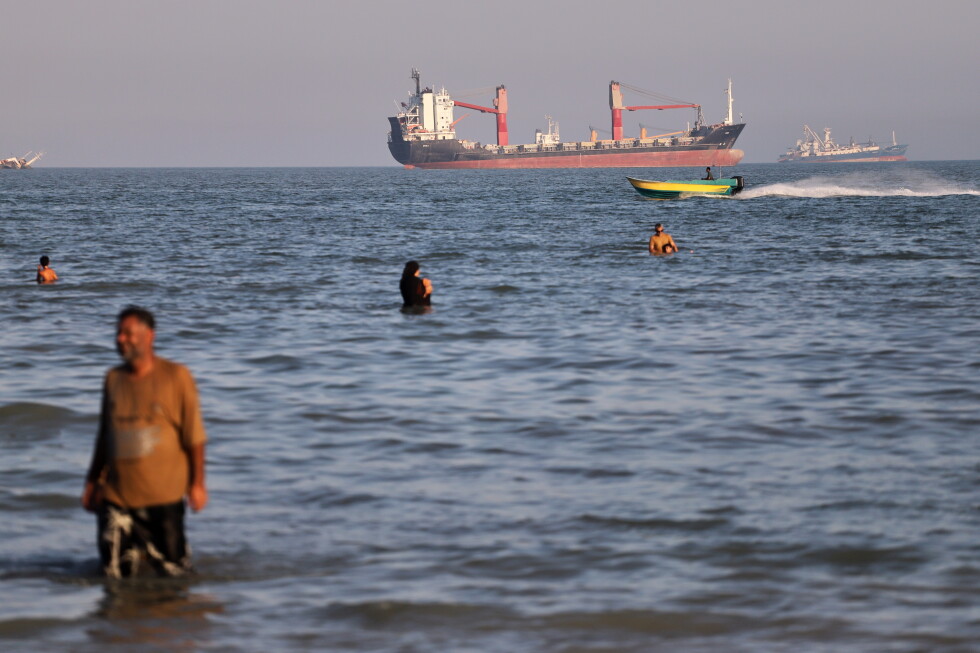
    Trump specifically criticized NATO countries for not assisting with securing the Strait of Hormuz, where Iranian actions have disrupted oil shipments and driven energy prices upward. The president asserted that the U.S. protects NATO members from Russia without reciprocal protection, adding that he never believed the alliance was necessary and had previously been ‘doing a test.’

    Despite these challenges, Rubio struck an optimistic tone before departing Washington, expressing anticipation for ‘great meetings’ with world leaders. He later emphasized on social media that the discussions would address shared global security concerns, particularly regarding the Middle East and Russia-Ukraine conflict.

    NATO Secretary-General Mark Rutte had earlier noted increased defense spending by member states, acknowledging European and Canadian overreliance on U.S. military capability while highlighting a developing ‘shift in mindset.’ Rutte confirmed NATO’s recognition of Iran’s threatening missile programs and nuclear ambitions, characterizing U.S. actions as degrading those capabilities.

    French military leadership expressed particular concern about the lack of consultation before American military engagements. General Fabien Mandon, chief of the French defense staff, noted that allies were surprised by U.S. decisions to intervene without notification, affecting European security interests. Nevertheless, France has organized multilateral talks involving 35 nations to address reopening the Strait of Hormuz once hostilities diminish.

    German Foreign Minister Johann Wadephul echoed the need for stability, emphasizing that support for Ukraine must not waver during the Iran conflict. He advocated for developing a joint position that would ensure sustainable conflict resolution, Hormuz security, and continued restraint of Iranian regional influence.

  • Kylian Mbappé shakes off knee injury and sparks France’s 2-1 World Cup tuneup win over Brazil

    Kylian Mbappé shakes off knee injury and sparks France’s 2-1 World Cup tuneup win over Brazil

    In a highly anticipated World Cup preparatory match, France secured a 2-1 victory against Brazil at Gillette Stadium in Foxborough, Massachusetts. The encounter between these football powerhouses drew a massive crowd of 66,215 spectators, predominantly supporting the Brazilian side.

    French superstar Kylian Mbappé demonstrated his complete recovery from a previous left knee injury by scoring the opening goal in the 32nd minute. Receiving a precise through ball from Ousmane Dembélé, Mbappé expertly chipped the ball over the Brazilian goalkeeper to give France an early advantage. The Real Madrid forward, who had recently returned from a month-long absence due to the knee issue, confirmed before the match that his injury concerns were fully resolved.

    France extended their lead in the 65th minute when Hugo Ekitike converted a well-placed pass from Michael Olise within the penalty area. Shortly after contributing to the second goal, Mbappé was substituted from the match.

    Brazil managed to reduce the deficit in the 78th minute through Bremer, who redirected Luiz Henrique’s cross past French goalkeeper Mike Maignan. The match saw a significant turning point when France’s Dayot Upamecano received a red card following video review after fouling a Brazilian player with a clear scoring opportunity in the 55th minute.

    The friendly proceeded smoothly despite previous tensions between Foxborough officials and World Cup organizers regarding security funding, which was resolved two weeks prior to the match. The stadium itself underwent significant modifications to meet FIFA standards, including the installation of a natural grass surface replacing the artificial turf typically used by the New England Patriots and Revolution.

    The event attracted notable figures including Boston Celtics coach Joe Mazzulla, players including Jayson Tatum, and Massachusetts Governor Maura Healey, who participated in the pregame coin toss ceremony. The match also featured the implementation of FIFA’s new cooling break policy, which will be standard during the 2026 World Cup regardless of environmental conditions.

  • Spanish woman, 25, dies by legal euthanasia in case that drew national spotlight

    Spanish woman, 25, dies by legal euthanasia in case that drew national spotlight

    In a case that has captivated Spanish society and tested the boundaries of end-of-life legislation, 25-year-old Noelia Castillo received medically administered euthanasia in Barcelona on Thursday. Her death concludes an emotionally charged legal struggle that pitted individual autonomy against familial opposition and religious values.

    Castillo’s journey toward medically assisted death began in April 2024 when Catalonia’s independent medical ethics committee, comprising physicians, legal experts, and bioethicists, approved her euthanasia request. The committee determined her condition met Spain’s legal criteria: severe, chronic, and debilitating suffering from an incurable condition. This approval triggered immediate legal challenges from her parents, represented by the conservative Catholic organization Abogados Cristianos.

    The subsequent 18-month legal battle progressed through multiple judicial levels, including appeals to Barcelona’s courts, Spain’s Supreme Court, and ultimately the European Court of Human Rights. Each judicial body consistently affirmed Castillo’s right to proceed under Spain’s 2021 euthanasia legislation, which permits both physician-assisted suicide and active euthanasia for qualifying patients.

    Central to the legal controversy was the question of mental capacity. Castillo’s family argued through their legal representatives that she suffered from personality disorders that impaired her decision-making ability. Her attorneys maintained that mental illness rendered her incapable of providing informed consent for life-ending procedures.

    In a final interview broadcast Wednesday by Antena 3, Castillo expressed resolve in her decision: ‘At last, I’ve managed it, so let’s see if I can finally rest now. I just cannot go on anymore.’ She revealed two previous suicide attempts, the second of which in October 2022 resulted in paralysis requiring wheelchair use following a sexual assault.

    Spain’s euthanasia framework requires patients to submit two written requests followed by evaluations from independent medical professionals. Since the law’s implementation, Ministry of Health data indicates 1,123 individuals have received life-ending medication through the end of 2024.

    The case has sparked intense debate about age considerations in end-of-life decisions, the boundaries of mental health assessments, and familial rights in euthanasia procedures. Spain joins eight other European Union nations that legally permit some form of assisted dying, though specific protocols and eligibility criteria vary significantly across jurisdictions.

  • Spanish woman to die by euthanasia after long legal battle with father

    Spanish woman to die by euthanasia after long legal battle with father

    In a landmark case that has tested Spain’s euthanasia laws, 25-year-old Barcelona resident Noelia Castillo is scheduled to undergo medically assisted dying on Thursday following an exhaustive 18-month legal battle against her father’s opposition. The case represents the first judicial challenge to Spain’s euthanasia legislation since its implementation in 2021.

    Castillo became paraplegic after a suicide attempt in 2022, which she attributes to a lifetime of trauma and suffering. Her difficult childhood spent largely in care homes was compounded by multiple sexual assaults, including one by a former partner and another by several men in a nightclub. These experiences, she explained in recent television interviews, led to her unwavering decision to end her life through legal means.

    The Catalan government initially approved Castillo’s euthanasia request in summer 2024, but the procedure was halted at the final moment when her father, backed by the conservative legal organization Christian Lawyers, filed an emergency appeal. He contended that his daughter suffered from personality disorders impairing her judgment and emphasized the state’s obligation to protect vulnerable individuals with mental health challenges.

    The legal dispute ultimately reached the European Court of Human Rights, which ruled in Castillo’s favor, establishing a significant precedent for right-to-die cases across Europe. In emotional statements before her procedure, Castillo expressed that while her family members opposed her decision, she remained resolute in her choice to ‘leave in peace and stop the pain.’

    Spain’s euthanasia law, among the most progressive in Europe, permitted 426 assisted deaths in 2024 according to government statistics. Castillo’s case has ignited renewed debate about individual autonomy, mental health considerations in end-of-life decisions, and family rights in euthanasia procedures.

    Her mother Yolanda, while disagreeing with the decision, stated she respected her daughter’s choice. Castillo requested that only her medical team be present during the final procedure, though she allowed family members to say their goodbyes beforehand.

  • Italy’s culture minister pledges to buy more artworks, as latest purchase shown in Rome

    Italy’s culture minister pledges to buy more artworks, as latest purchase shown in Rome

    ROME — In a significant cultural development, Italy’s Ministry of Culture has unveiled a newly acquired devotional painting by early Renaissance master Antonello da Messina at the Senate building. The acquisition signals a strengthened national strategy to reclaim historically significant artworks for public access.

    Culture Minister Alessandro Giuli confirmed the government’s intensified acquisition policy following the presentation of the double-sided panel painting “Ecce Homo,” purchased from Sotheby’s New York for $14.9 million. This strategic move comes merely weeks after another major state investment—a 30 million euro ($35 million) Caravaggio portrait obtained from a private collector.

    The recently acquired artwork, measuring 20.3 cm by 14.9 cm, features two distinct devotional scenes: one side depicts Jesus Christ wearing the crown of thorns at the moment Pontius Pilate presents him to the crowd, while the reverse shows Saint Jerome the Penitent. Dating approximately to 1470, the painting carries remarkable historical provenance—it was reportedly carried by its previous owner in a leather bag for years and used regularly for prayer, with the surface of Saint Jerome visibly worn by devotional kissing.

    Minister Giuli emphasized the ministry’s commitment despite budgetary constraints, noting that cultural acquisition funds represent separate allocations from other government operations. “Our pockets are not deep,” Giuli acknowledged, “as the Culture Ministry budget constitutes less than 0.3% of the national budget, but it is sufficient to purchase works of great artistic and public significance.”

    The painting will initially be exhibited at the National Museum of Abruzzo in L’Aquila before touring multiple Italian institutions, ensuring maximum public accessibility. This acquisition represents part of Italy’s broader cultural heritage preservation initiative, following the recent landmark Caravaggio purchase depicting Maffeo Barberini, who later became Pope Urban VIII.