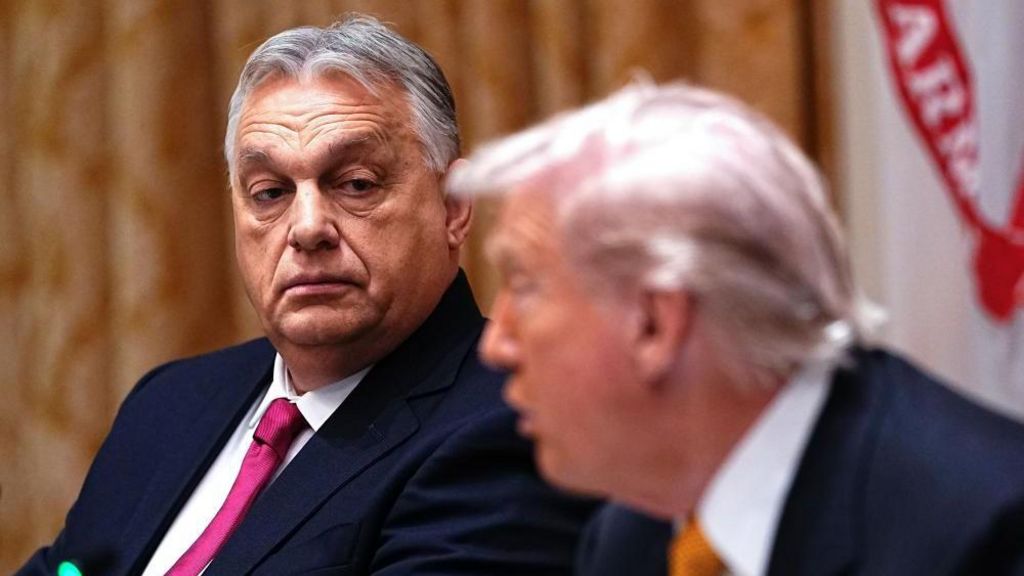
Hungarian Prime Minister Viktor Orban’s recent visit to Washington yielded significant outcomes, including a temporary exemption from US sanctions on Russian oil, gas, and nuclear supplies. This exemption, valid for one year, provides Hungary with a crucial reprieve as it navigates the economic and political fallout from the ongoing Russia-Ukraine conflict. However, the deal comes with substantial costs and complexities for Hungary, raising questions about its long-term implications.
标签: Europe
欧洲
-
Six dead as Russia hits energy and residential sites in Ukraine
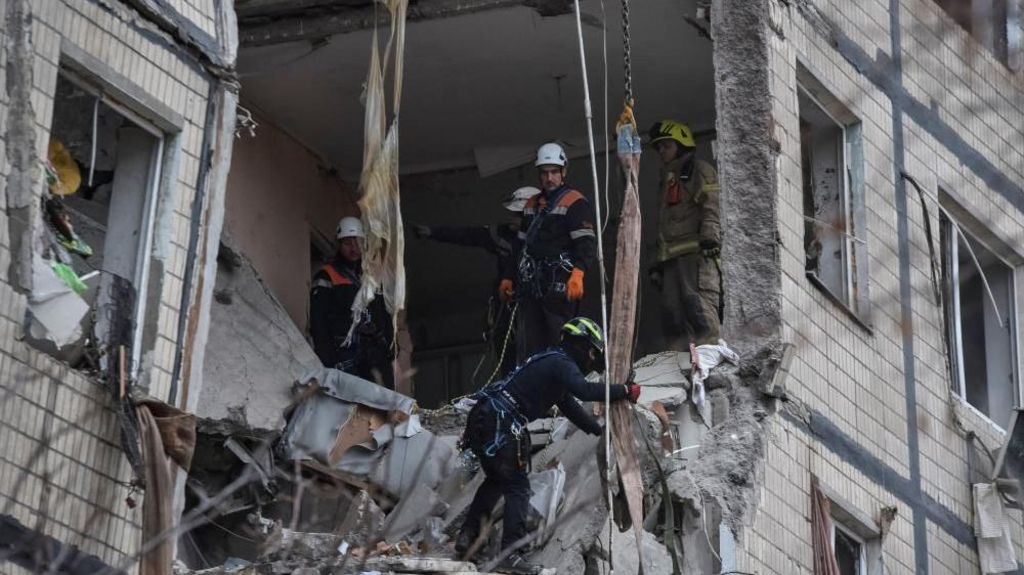
In a devastating overnight assault, Russian forces launched hundreds of missile and drone attacks across Ukraine, targeting energy infrastructure and residential areas, resulting in at least six fatalities. Among the casualties, two individuals lost their lives when an apartment building in Dnipro was struck, leaving 12 others injured. Additionally, three deaths were reported in Zaporizhzhia. The attacks spanned 25 locations, including Kyiv, causing widespread power outages and heating disruptions. Ukrainian Prime Minister Yulia Svyrydenko confirmed significant damage to energy facilities in the Poltava, Kharkiv, and Kyiv regions, with restoration efforts currently underway. The Ukrainian Energy Ministry noted power cuts in multiple regions, including Dnipropetrovsk, Chernihiv, Zaporizhzhya, Odesa, and Kirovohrad, but assured that critical infrastructure was being reconnected using generators. Meanwhile, Russia’s defense ministry claimed to have intercepted 79 Ukrainian drones. The Ukrainian air force reported that Russia had deployed over 450 explosive drones and 45 missiles, with 406 drones and nine missiles successfully neutralized. Russian officials justified the strikes as targeting Ukrainian military assets, but Kyiv officials expressed concerns that Moscow’s broader aim is to cripple Ukraine’s economy and morale by disrupting its energy network. Ukrainian President Volodymyr Zelensky condemned the attacks, urging Western nations to impose comprehensive sanctions on Russian energy without exceptions. His remarks followed a controversial U.S. decision to grant Hungary a one-year exemption from restrictions on purchasing Russian oil and gas. Zelensky emphasized the need for intensified pressure on Moscow, calling for coordinated sanctions from the U.S., Europe, and the G7 in response to Russia’s aggression.
-
US government shutdown forces local workers at some overseas bases to go without pay
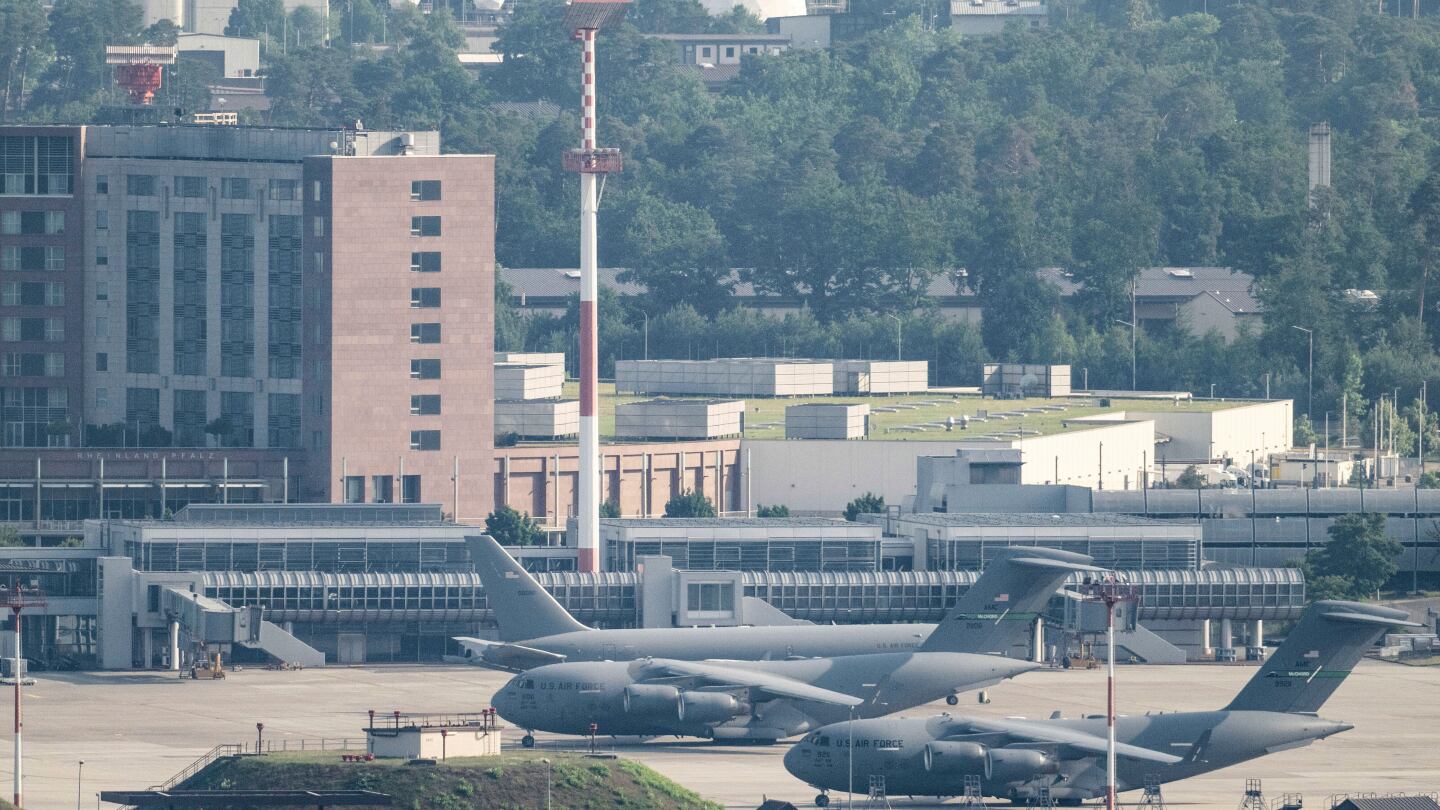
The unprecedented U.S. government shutdown, now in its sixth week, is not only disrupting domestic operations but also creating significant challenges for local workers at American military bases across Europe. Over 2,000 employees in countries such as Italy, Portugal, and Germany have experienced salary interruptions, with some host governments stepping in to cover payments temporarily. In Italy, union coordinator Angelo Zaccaria described the situation as ‘absurd,’ with workers struggling to meet basic financial obligations like mortgages and childcare. Similarly, in Portugal, over 360 workers at the Lajes Field base have gone unpaid, though the Azores regional government has approved a loan to provide interim relief. Germany has also intervened to pay nearly 11,000 civilian employees at U.S. bases, expecting reimbursement once the shutdown ends. Experts like Harvard professor Linda Bilmes highlight that contractors are particularly vulnerable during such shutdowns, as they are not always guaranteed back pay. While Spain has resolved payment delays for its workers, other countries like Poland, Lithuania, and Greenland remain silent on their involvement. The prolonged shutdown underscores the far-reaching consequences of political gridlock in Washington, leaving thousands of workers in limbo.
-
Bulgaria moves to prevent shutdown of its only oil refinery ahead of US sanctions
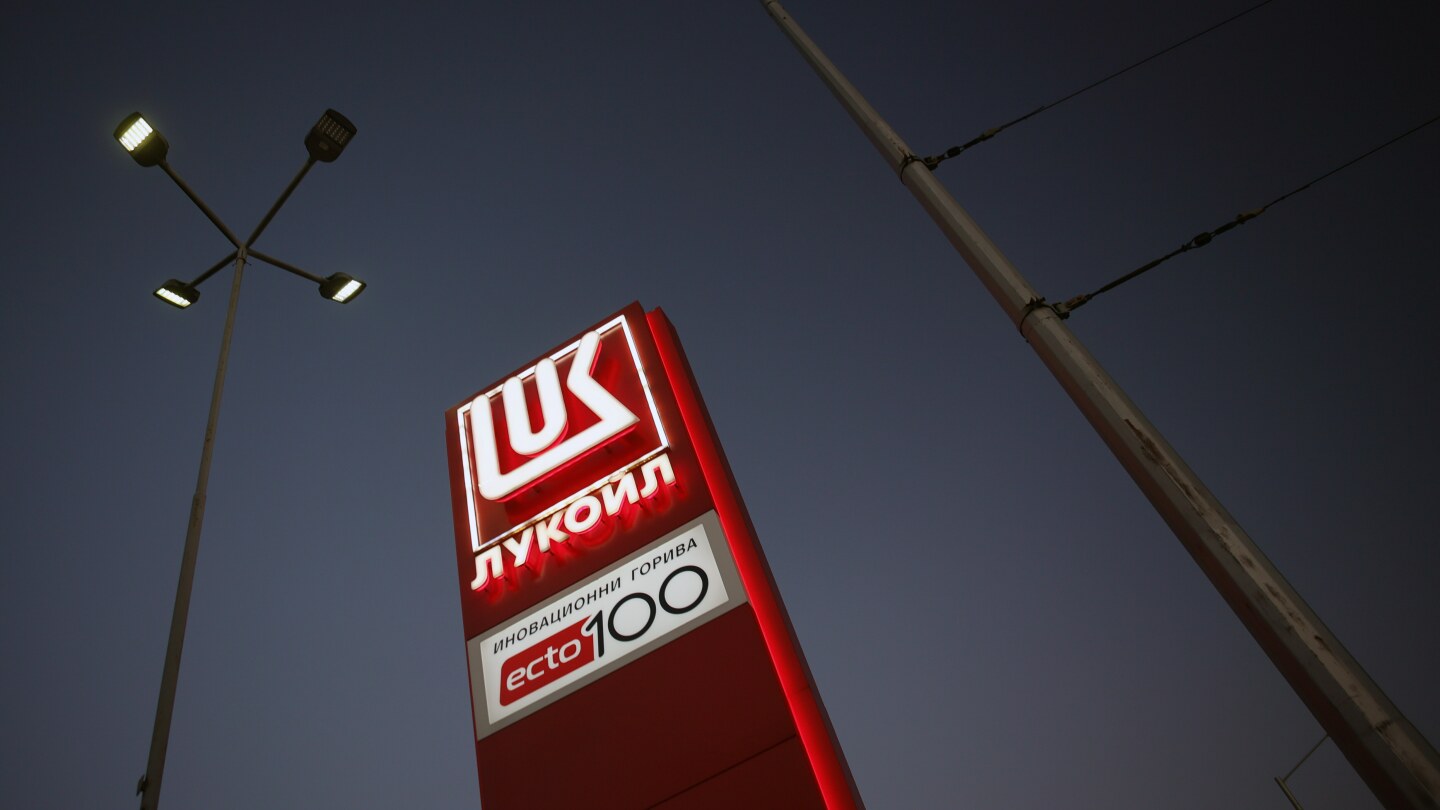
Bulgaria is taking urgent measures to protect its sole oil refinery from potential shutdown as U.S. sanctions targeting its Russian owner, Lukoil, are set to take effect later this month. The Bulgarian Parliament has approved legislative amendments granting expanded authority to a government-appointed manager of the Lukoil-owned Burgas refinery, located on the Black Sea coast. This decision follows the collapse of a deal with a major international commodities trader, which withdrew from purchasing Lukoil’s global assets after the company dismissed U.S. allegations of being a ‘Kremlin puppet.’ Lukoil announced the sale of its international assets in response to U.S. sanctions aimed at pressuring Russia to agree to a ceasefire in its conflict with Ukraine. The company holds significant stakes in oil and gas projects across 11 countries, including the Burgas refinery and numerous gas stations worldwide. The new legal framework empowers the state-appointed manager with substantial operational control, including the authority to sell the refinery’s shares. Opposition lawmakers have criticized the move, warning it could lead to legal disputes and financial repercussions for Bulgaria. Ivaylo Mirchev, leader of the Democratic Bulgaria alliance, argued that the extraordinary powers granted to the manager could result in lawsuits from Lukoil, potentially benefiting Russia financially. The ruling coalition defended the amendments, stating that the U.S. sanctions, effective November 21, would likely paralyze the refinery’s operations due to payment refusals from Lukoil’s counterparties. Acquired by Lukoil in 1999, the Burgas refinery is the largest in the Balkans, valued at approximately 1.3 billion euros ($1.5 billion). It plays a pivotal role in Bulgaria’s economy, with a turnover of 4.7 billion euros ($5.4 billion) in 2024 and a near-monopoly over the nation’s oil depots, gas stations, and fuel supply for ships and aircraft. In preparation for the sanctions, Bulgaria recently imposed temporary restrictions on the export of petroleum products, including diesel and aviation fuel, to ensure domestic supply stability.
-
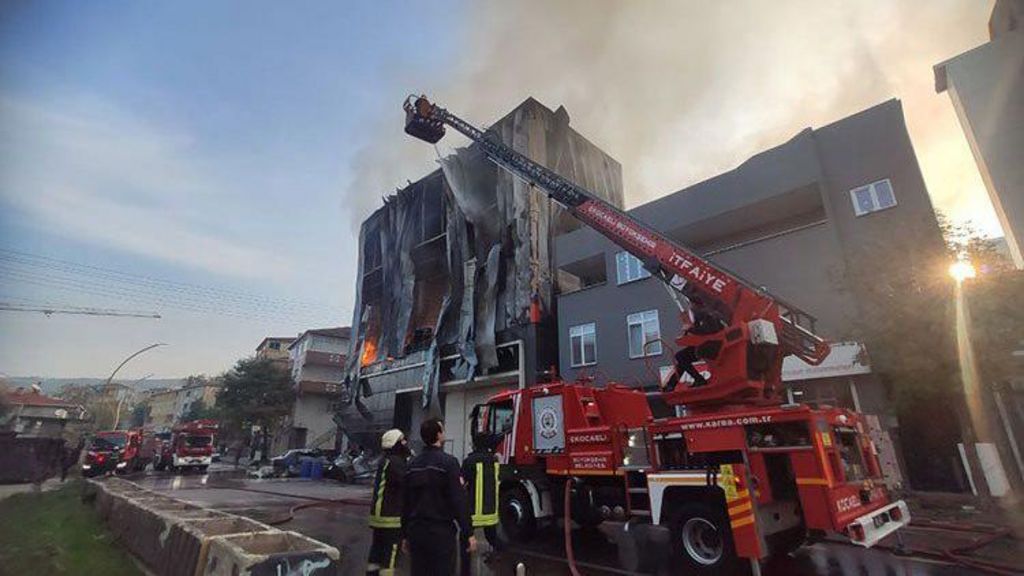
Fire at Turkey perfume warehouse kills six
A devastating fire at a perfume warehouse in Dilovasi, Kocaeli Province, north-western Turkey, has resulted in the tragic loss of six lives. The incident occurred at 09:05 local time on Saturday, as confirmed by the Kocaeli Province’s governorship. Governor Ilhami Aktas reported to CNN Turk that five individuals were hospitalized, with one in critical condition receiving specialized treatment in a burns unit. The fire, which has since been extinguished, was captured by Turkish media, showing firefighters battling intense flames. A witness recounted the harrowing experience to local TV, describing an explosion and the rapid spread of flames that engulfed the factory buildings, accompanied by cries for help. The cause of the fire in the Mimar Sinon neighbourhood remains under investigation, with both the Justice Ministry and the Labour Ministry initiating probes. Dilovasi, an industrial town located approximately 70 kilometres from Istanbul, is known for its numerous depots and factories.
-
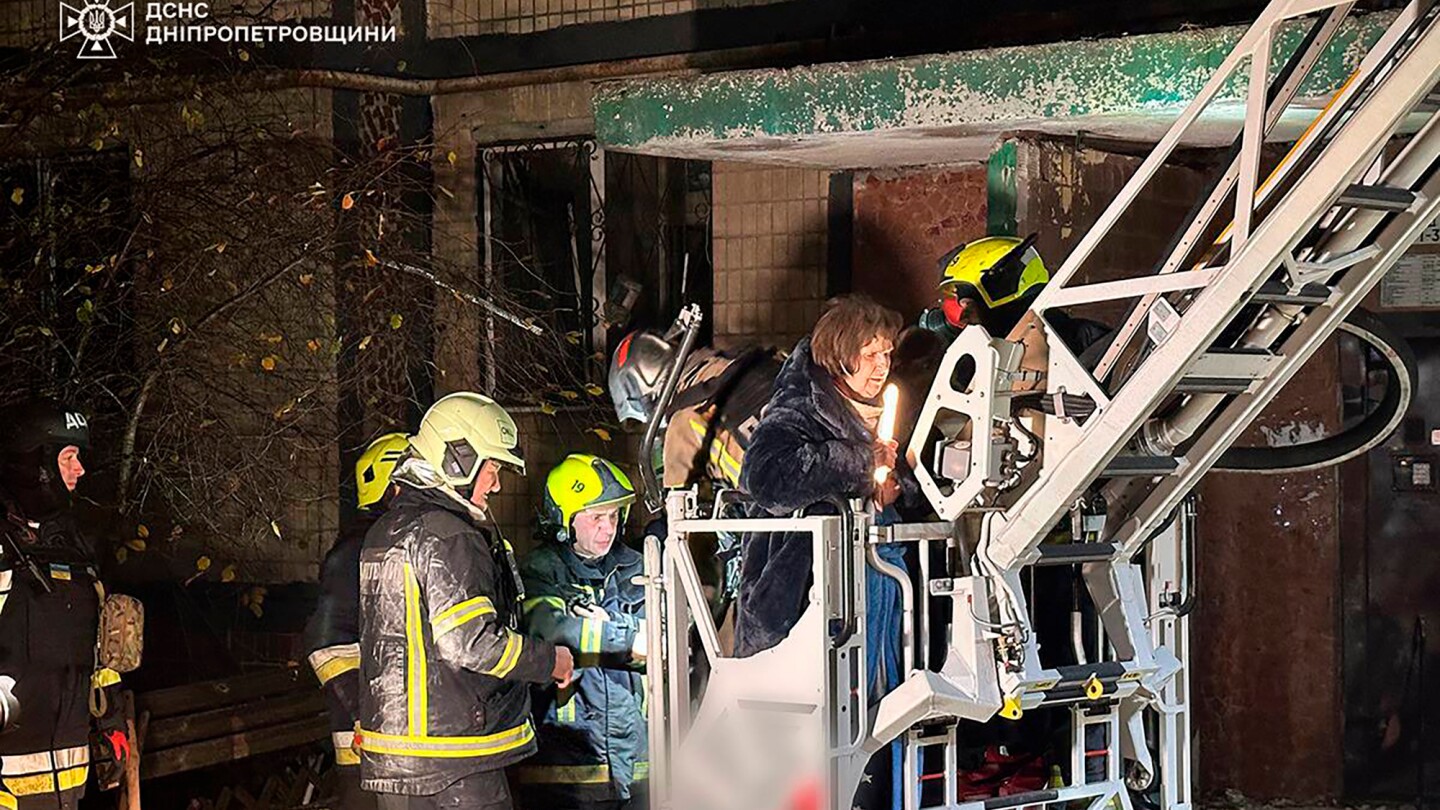
A Russian drone strike at a tower block in eastern Ukraine kills a woman and injures 11 people
A Russian drone struck a residential tower block in Dnipro, Ukraine’s fourth-largest city, early on Saturday, resulting in the death of a woman and injuring 11 others, including two children. The attack occurred while many residents were asleep, causing a fire that destroyed several apartments in the nine-story building. Emergency services reported that the woman’s body was found on the fifth floor. This incident is part of Russia’s near-daily drone and missile strikes on Ukraine, which have claimed numerous civilian lives since the full-scale invasion began nearly four years ago. Meanwhile, the battle for the strategic city of Pokrovsk, located along the eastern front line, has reached a critical phase. Both Ukraine and Russia are attempting to influence U.S. President Donald Trump’s perception of the conflict, with the outcome potentially shaping the trajectory of peace negotiations. Pokrovsk, part of the heavily fortified ‘fortress belt’ in the Donetsk region, is pivotal to Ukraine’s defense and could sway Washington’s stance on the war. Additionally, Russia’s ongoing attacks on Ukraine’s power grid have caused rolling blackouts across several regions, exacerbating the humanitarian crisis as winter approaches. Russian President Vladimir Putin has reiterated his demand for Ukraine to cede the Donbas region, comprising Donetsk and Luhansk, as a precondition for peace, claiming his forces are nearing victory.
-

UK seeks Danish inspiration to shake up immigration system
UK Home Secretary Shabana Mahmood is poised to unveil a significant transformation of the nation’s immigration and asylum system later this month, drawing inspiration from Denmark’s stringent policies. The Danish model, renowned as one of Europe’s toughest, has been under close scrutiny by UK officials, who recently visited Copenhagen to study its implementation. Key aspects of Denmark’s system include stricter family reunification rules, temporary refugee stays, and expedited expulsion of individuals without legal residency rights. Mahmood aims to reduce incentives for migration to the UK while streamlining the removal of unauthorized individuals. However, her plans face opposition within her own party, with some Labour MPs criticizing the approach as overly harsh and reminiscent of far-right ideologies. Mahmood’s strategy aligns with her pledge to regain control of Britain’s borders, a promise she reiterated at the Labour conference in September. Denmark’s success in reducing asylum claims to a 40-year low, excluding pandemic-related restrictions in 2020, has particularly impressed her. The Danish system also includes measures such as financial incentives for asylum seekers to return to their home countries and stricter conditions for acquiring permanent residency. While the UK is unlikely to adopt all aspects of the Danish model, Mahmood is expected to introduce more restrictive family reunification rules, including potential language and financial requirements. Denmark’s Immigration and Integration Minister, Rasmus Stoklund, emphasized the importance of protecting societal norms and ensuring that immigrants contribute positively to the country. The UK’s exploration of the Danish model reflects broader political dynamics, with the Labour Party seeking to counter the rise of Reform UK by addressing voter concerns on immigration. Critics, however, caution against directly transplanting Danish policies, citing differences in political and electoral systems. The debate underscores the challenges of balancing progressive ideals with public demand for stricter immigration controls.
-
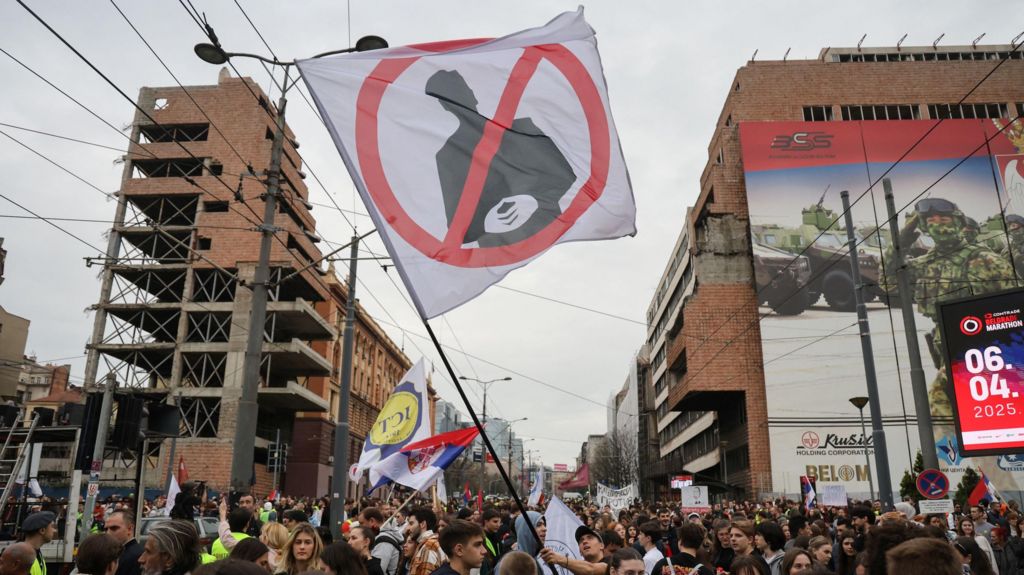
Serbia clears the way for controversial Trump-linked property plan
Serbia’s parliament has enacted legislation enabling a contentious property development project in Belgrade, led by Jared Kushner, son-in-law of former US President Donald Trump. The project, spearheaded by Kushner’s firm Affinity Partners, aims to construct a luxury hotel and apartment complex on the site of the former Yugoslav Army headquarters. This site, bombed by NATO forces in 1999 during the Kosovo conflict, holds significant symbolic value for many Serbians, who view it as a memorial and a symbol of resistance against NATO. Despite widespread protests and legal challenges, Serbian President Aleksandar Vucic, a close ally of Trump, has endorsed the project. Last year, the Serbian government revoked the building’s protected status and granted a 99-year lease to Kushner’s firm, which plans a $500 million development. This decision sparked public demonstrations and prompted an investigation into allegations of forged documentation used to alter the building’s status. In a June interview with the BBC, Vucic defended the project, emphasizing the need to move past the events of 1999 and strengthen ties with the US. The parliamentary vote, pushed through by Vucic’s majority party, has been criticized by opposition politicians, who argue it is unconstitutional and erases national history for the sake of foreign interests. Architectural experts and anti-corruption organizations, including Transparency Serbia, have also voiced concerns. The project’s approval highlights Serbia’s delicate balancing act in maintaining relations with both Washington and Moscow, amid ongoing economic pressures from US tariffs and Russian sanctions.
-

Ukrainians would like to watch comedies – but for now their culture is defined by war
In the heart of Kyiv, the arts are making a powerful comeback, deeply intertwined with the ongoing war. The Kyiv Opera’s latest production, ‘Patriots,’ is a rock opera that resonates with the spirit of Ukrainian independence, featuring popular anthems that stir the soul. Meanwhile, the documentary ‘2000 Metres to Andriivka’ by Mstyslav Chernov offers a raw, unfiltered look at the frontlines, immersing viewers in the harrowing experiences of soldiers. This film, selected as Ukraine’s entry for the Best International Feature Film at the 98th Academy Awards, has left audiences in stunned silence, a testament to its gripping intensity.
Since Russia’s full-scale invasion in 2022, Ukraine’s cultural landscape has been irrevocably altered. Venues were repurposed or destroyed, and artists became refugees or soldiers. Yet, nearly four years later, the arts have re-emerged, permeated by the war’s influence. The city’s walls are adorned with posters promoting fundraisers for the frontline and war-themed films, plays, and exhibitions. The Ukrainian House, once the Lenin Museum, now hosts a retrospective by documentary photographer Oleksandr Glyadelov, capturing Ukraine’s 35-year struggle for independence.
The impact of these artistic expressions is profound. While some Ukrainians shy away from the relentless reminders of war, others are drawn to them, finding solace and solidarity in shared experiences. The rock opera ‘Patriots’ and the documentary ‘Kuba and Alyaska’ are just two examples of how the arts are addressing the war’s realities. These works serve as both a tribute to those who have sacrificed and a call to action for continued support.
Director Petro Kachanov, who refused to give ‘Patriots’ a happy ending, emphasizes the importance of honesty in art. ‘This play is a tribute to those who died in this war,’ he stated. ‘We cannot think about our own comfort when the best sons of Ukraine are dying.’ This ethos drives the current surge in documentaries, which aim to reveal the truth and honor the sacrifices made. As one filmgoer, Natalia, remarked, ‘Of course I don’t want to watch these movies, but I have to, like everyone else. Because it’s our history and it’s our present day.’
-
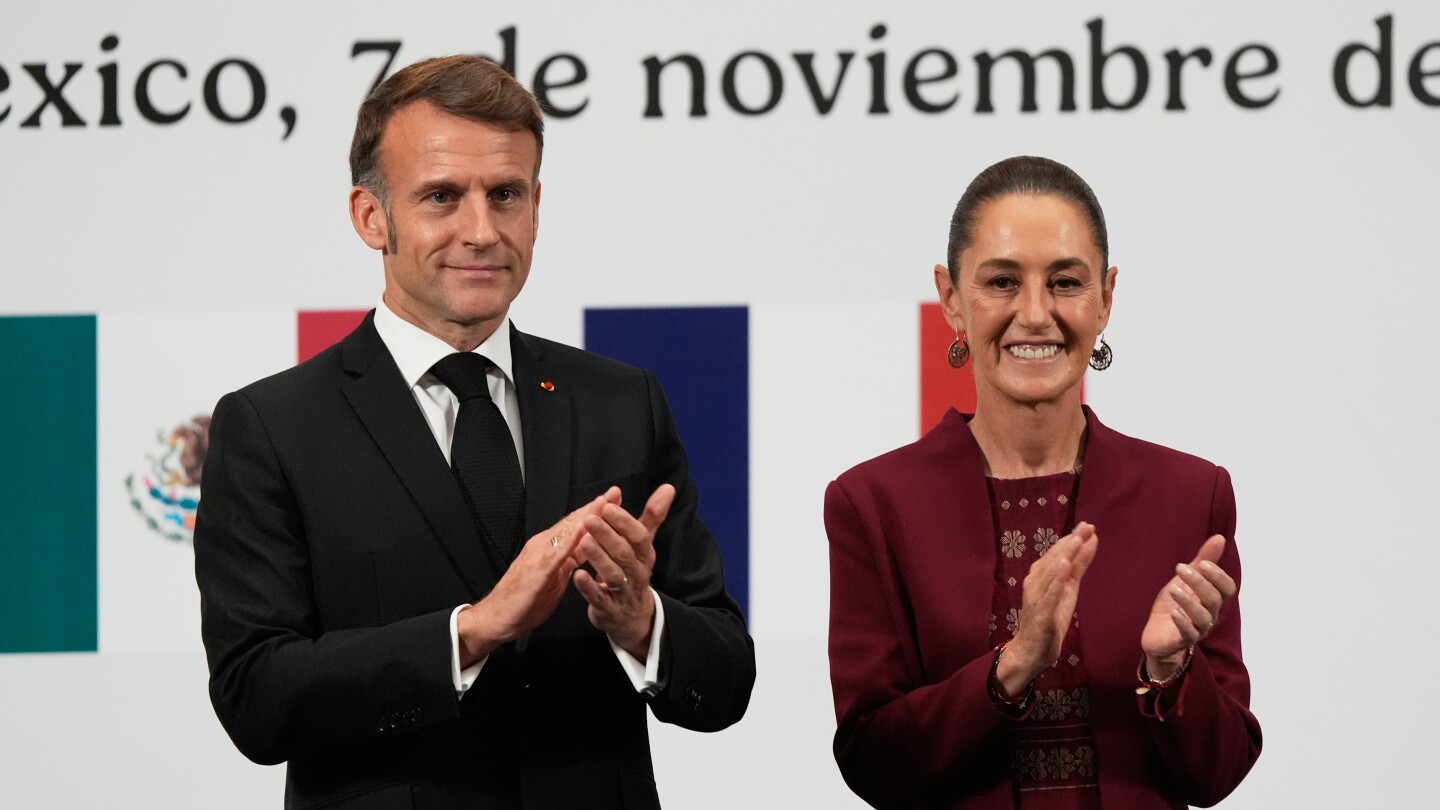
Mexico and France announce plan to boost economic and cultural ties after leaders meet
Mexico and France have unveiled ambitious plans to enhance their economic and cultural collaboration, marking a significant step in Mexico’s strategy to diversify its trade partnerships beyond the United States. The announcement followed a historic meeting between Mexican President Claudia Sheinbaum and French President Emmanuel Macron at Mexico City’s National Palace, Macron’s first official visit to the country. This move comes as Mexico grapples with persistent trade tensions with the US, which has imposed tariffs of up to 50% on key Mexican exports, including steel, copper, and tomatoes, outside the scope of the USMCA agreement. Macron emphasized the deepening of the strategic alliance, stating, ‘Today we begin a new chapter in our strategic alliance, one that demands — and that we want to be — even more global.’ He highlighted the role of 700 French companies operating in Mexico, particularly in the aerospace sector, which collectively generate 150,000 direct jobs and 700,000 indirect jobs. Sheinbaum underscored the importance of next year’s renewal of the EU-Mexico Free Trade Agreement, coinciding with the bicentennial of diplomatic relations between the two nations. Additionally, both leaders celebrated the reciprocal temporary exhibition of pre-Hispanic codices, including the Azcatitlan and Boturini manuscripts, which hold immense historical significance for Mexico. These efforts reflect a shared commitment to strengthening bilateral ties and fostering mutual cultural appreciation.