
A fresh outbreak of avian influenza, commonly known as bird flu, has been detected on a commercial turkey farm in the Republic of Ireland, near the border with Northern Ireland. The announcement was made by Martin Heydon TD, the Republic’s Minister for Agriculture, Food, and the Marine, who confirmed the infection in a flock located near Clontibret, County Monaghan. This area lies just one mile from the border with County Armagh in Northern Ireland. In response to the outbreak, authorities have established restriction zones around the affected site, including a 3km (1.9 miles) protection zone and a 10km (6.2 miles) surveillance zone, in compliance with national and EU regulations. This marks the third confirmed case of bird flu on a commercial turkey farm in the Republic of Ireland within a week. Earlier this week, a mandatory housing order was enacted, requiring all poultry and captive birds to be kept indoors to prevent further spread. The situation has raised concerns across the region, particularly in Northern Ireland, where six outbreaks have been reported in commercial farms since the beginning of the year. Last week, a turkey flock in County Fermanagh was culled, and 12,000 chickens were reportedly being culled at a poultry facility in Pomeroy, County Tyrone. The repeated outbreaks highlight the ongoing challenges in controlling the spread of avian influenza in the region.
标签: Europe
欧洲
-

How scandals at the BBC have rocked its leadership over the years
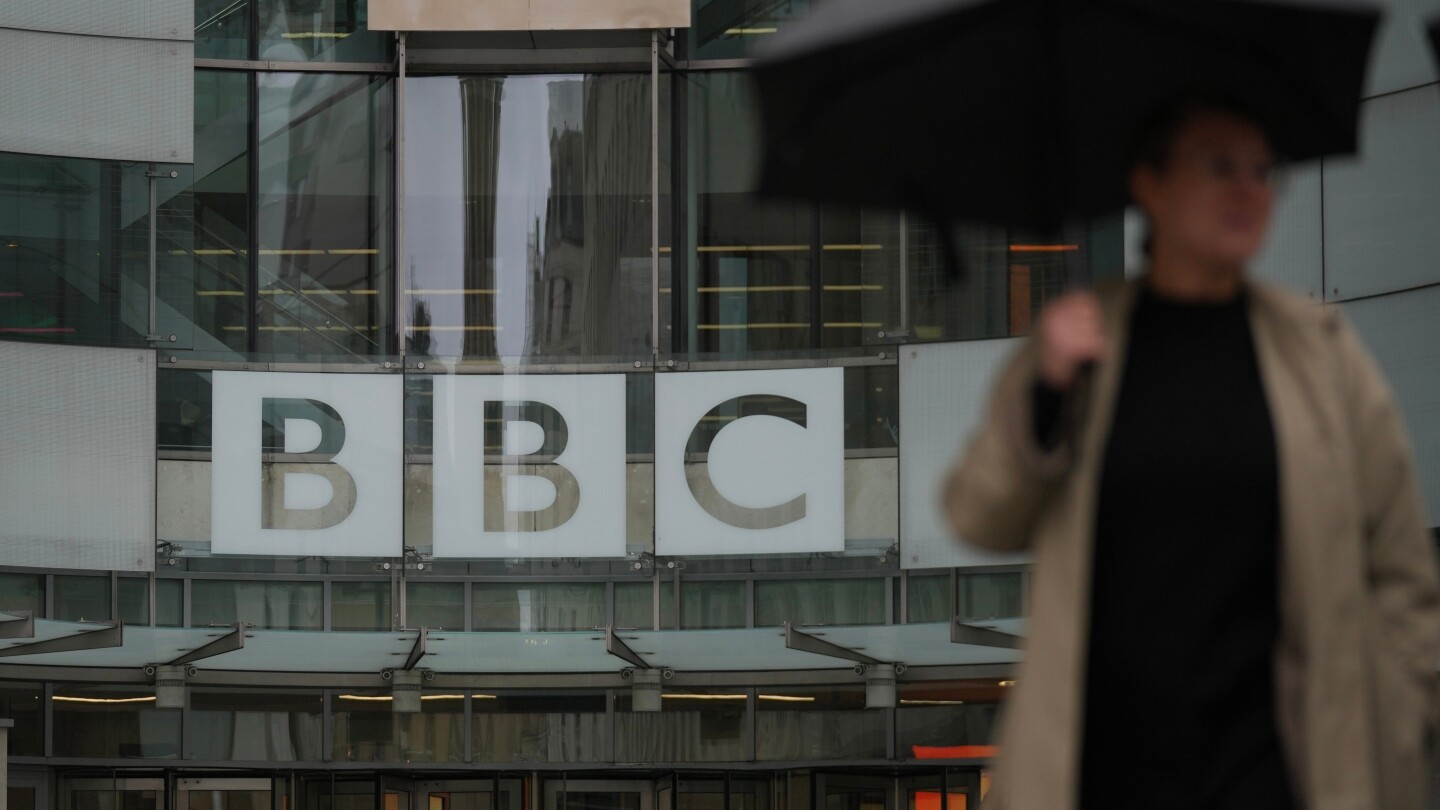
The BBC’s top leadership, including its Director-General Tim Davie and news chief Deborah Turness, resigned following widespread criticism over the editing of former U.S. President Donald Trump’s speech in a Panorama documentary. The controversial edit, which omitted a call for peaceful protest, fueled accusations of bias and sparked an ‘existential crisis’ within the broadcaster. This incident is the latest in a series of scandals that have plagued the BBC, raising questions about its commitment to impartiality and accountability.
-
Furor over editing of Trump speech sparks ‘existential crisis’ at the BBC
The BBC, a cornerstone of British media, is embroiled in a significant crisis following the resignation of two senior executives over the controversial editing of a speech by former U.S. President Donald Trump. The incident has sparked widespread debate about the broadcaster’s impartiality and future. The controversy centers on the BBC’s flagship news program, which spliced sections of Trump’s January 6, 2021, speech, creating the impression that he explicitly urged supporters to storm the Capitol. The broadcaster’s chairman, Samir Shah, admitted to an ‘error of judgment,’ while Trump’s attorney threatened legal action, demanding a retraction and compensation. Critics argue this is another example of institutional bias, while supporters defend the BBC as a trusted news source. Journalism professor Julie Posetti described the resignations as an ‘existential crisis’ for the BBC, warning of a destabilizing effect on public-service broadcasting. The scandal has reignited longstanding accusations of bias, with critics from both the left and right questioning the BBC’s neutrality. The broadcaster’s funding model, reliant on an annual TV license fee, is also under scrutiny as viewers increasingly turn to streaming platforms. The BBC, which has inspired public broadcasters worldwide, now faces a pivotal moment in its century-long history.
-

Vatican investigates Swiss Guard after allegations of an antisemitic incident in St. Peter’s Square
The Vatican has launched an investigation into a reported antisemitic incident involving a member of the Pontifical Swiss Guard. The alleged event occurred on October 29 during a papal audience at the entrance to St. Peter’s Square, which was dedicated to commemorating the anniversary of a 1965 declaration on the church’s relations with Jews and other non-Christians. According to accounts, the guard reportedly made a spitting gesture and hissed “the Jews” at two Jewish women who were part of an international delegation attending the event. Israeli writer and theatre director Michal Govrin, one of the individuals involved, confirmed the incident in an interview with Austrian news agency Kathpress. Vatican spokesman Matteo Bruni stated that the incident is under review, emphasizing the Guard’s commitment to dignity, equality, and non-discrimination. Pope Leo XIV, addressing the audience that day, reiterated the Church’s stance against antisemitism, receiving widespread applause. The Pontifical Swiss Guard, established in 1506, is the world’s oldest standing military corps tasked with protecting the Pope.
-
Court rules that suspect in Madeleine McCann disappearance can leave Germany
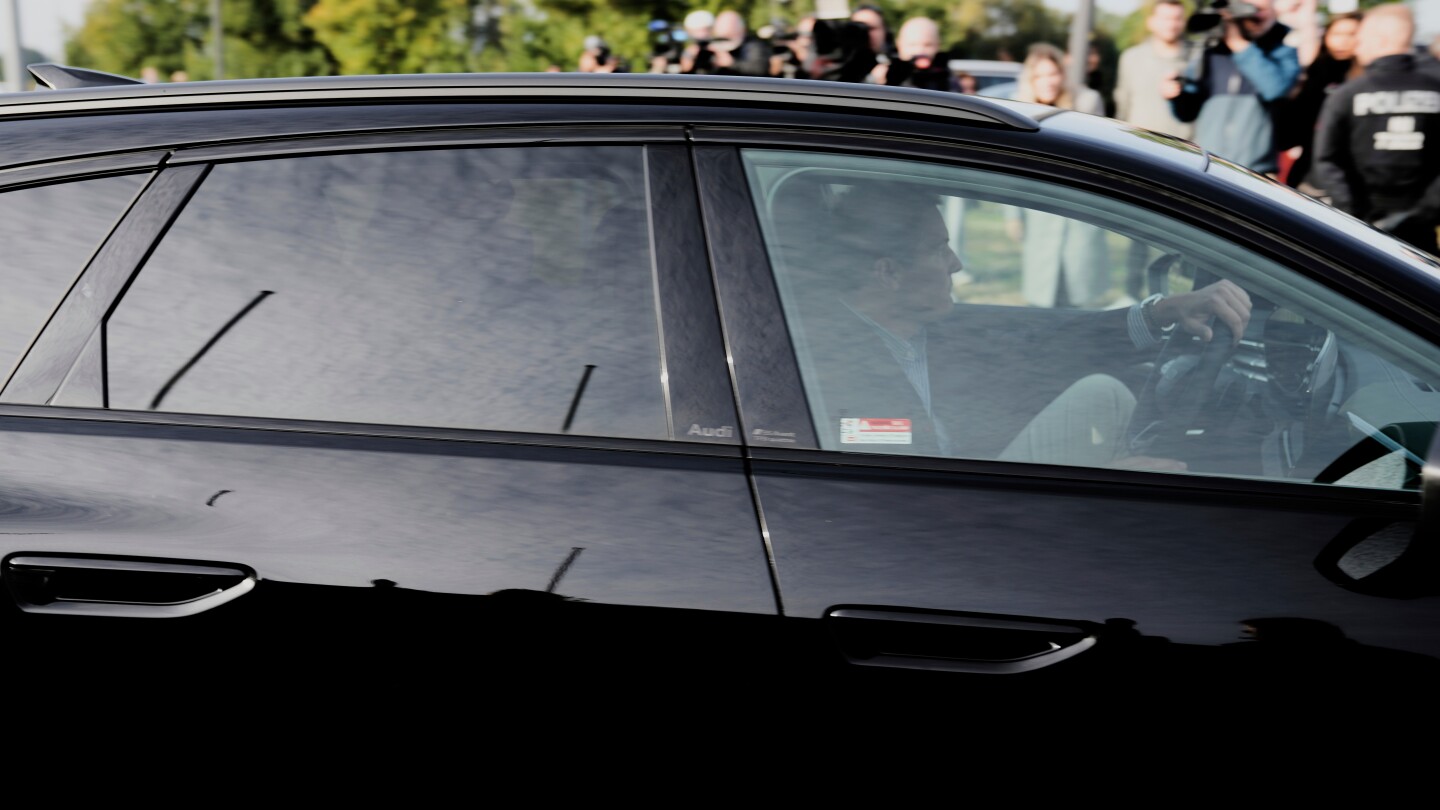
A German court has lifted the residency requirement for Christian Brückner, a man under investigation in the 2007 disappearance of British toddler Madeleine McCann. Brückner, who was released in mid-September after serving a sentence for the 2019 rape of a 72-year-old American woman in Portugal, had been subject to strict conditions, including wearing an electronic ankle monitor and reporting regularly to probation services. The Hildesheim court initially mandated that he remain resident in Germany for five years. However, the higher state court in Celle overturned this stipulation on Monday, citing interference with EU citizens’ freedom of movement within the 27-nation bloc. The court emphasized that while temporary travel bans or restrictions to specific regions could still be imposed, such decisions would need to be made by the lower court in Hildesheim. German prosecutors had previously identified Brückner as a suspect in McCann’s disappearance in June 2020, alleging they believed the girl was dead. Despite extensive searches in Portugal, where Brückner spent many years, no charges have been filed in the case. His lawyer, Friedrich Fülscher, argued that sufficient evidence for charges has been lacking.
-
Venice’s storied La Fenice opera house protests appointment of musical director with ties to Meloni
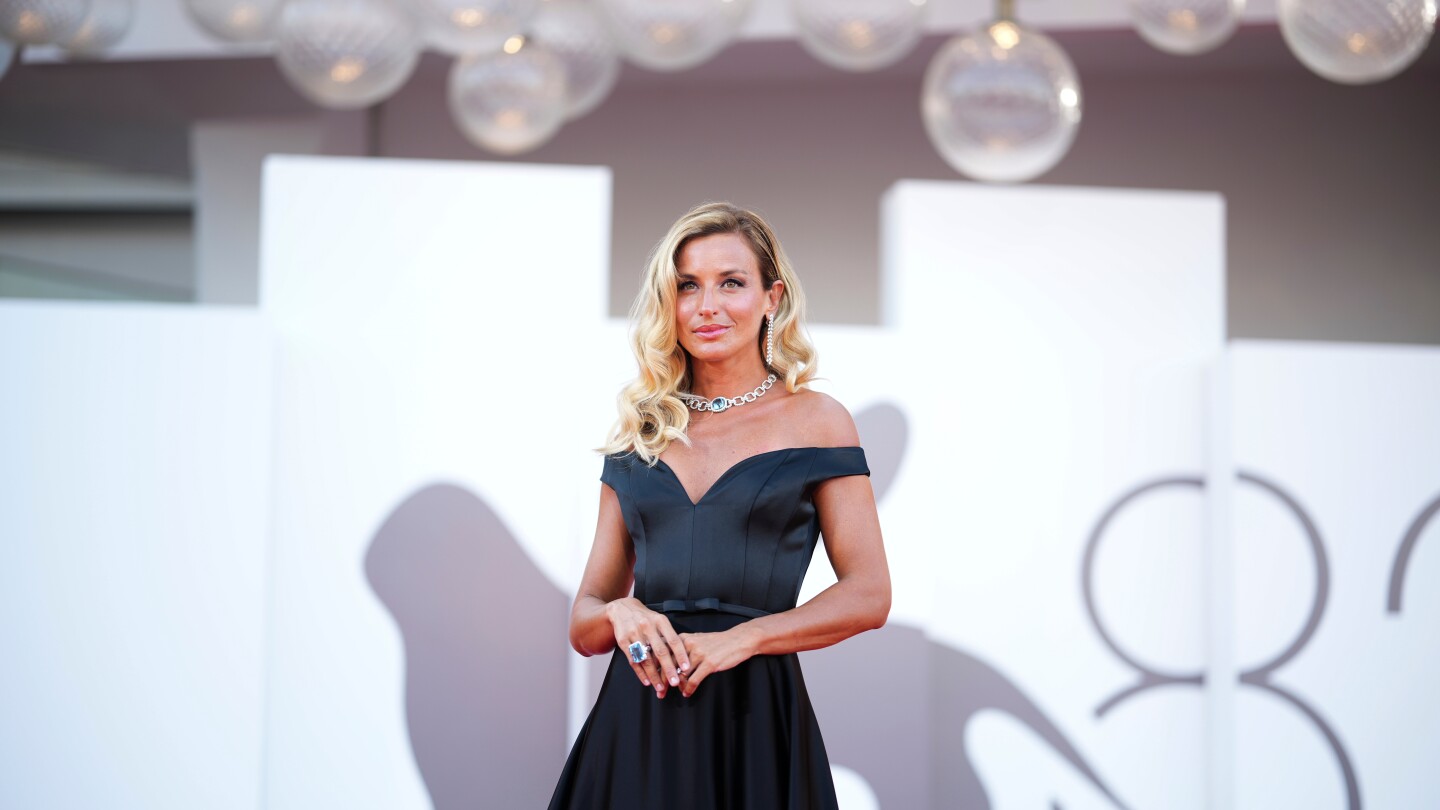
Venice’s iconic La Fenice opera house is at the center of a heated dispute following the controversial appointment of Beatrice Venezi, a 35-year-old conductor with political ties to Italy’s Prime Minister Giorgia Meloni. The decision, made by La Fenice’s general manager Nicola Colabianchi, has sparked protests from the theater’s orchestra and chorus, who argue that Venezi lacks the necessary experience and that her selection process bypassed their input. Colabianchi defends the choice, citing Venezi’s youth, dynamism, and ability to attract media attention as assets that will rejuvenate the historic theater. However, critics question her qualifications, pointing to the legacy of renowned conductors like Arturo Toscanini and Claudio Abbado who have led La Fenice in the past. The controversy has escalated, with workers striking, unions demanding Colabianchi’s resignation, and protests planned in solidarity with other Italian opera houses. Venezi, who has canceled public appearances to avoid further controversy, has yet to address the dispute directly. The unions emphasize that their objections are not based on Venezi’s age, gender, or political affiliations but on the lack of consultation with the musicians she is expected to lead. Colabianchi has apologized for the oversight but remains steadfast in his decision, insisting that Venezi’s talent and potential justify her appointment. The standoff continues, casting a shadow over La Fenice’s future as it navigates this contentious chapter.
-
Train collision in Slovakia leaves 13 hospitalized as prime minister says human error likely cause
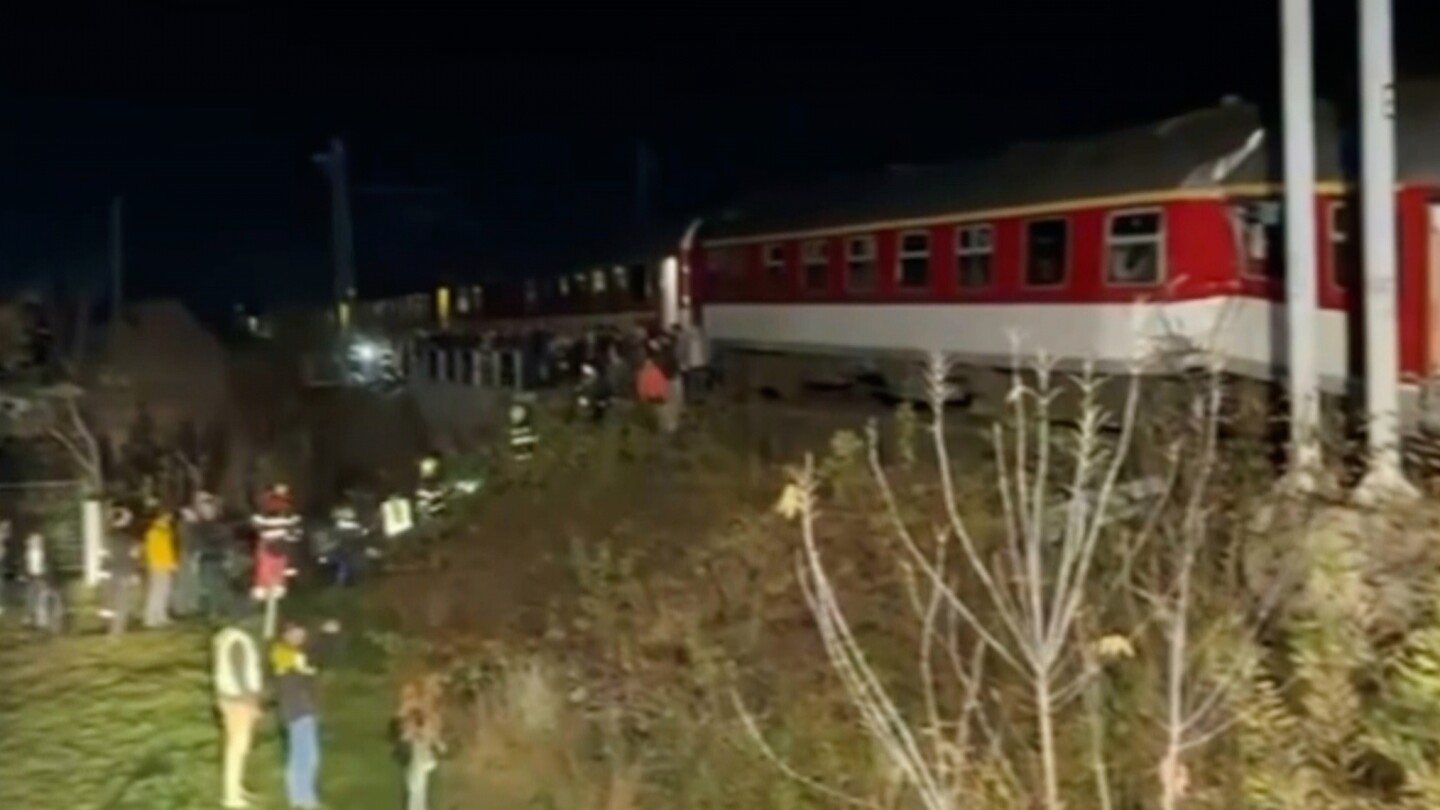
BRATISLAVA, Slovakia — Slovak authorities confirmed on Monday that thirteen individuals injured in a train collision near Pezinok, north of Bratislava, remain hospitalized. The incident occurred on Sunday evening when an express train collided with the rear of a passenger train. Out of approximately 800 passengers, 79 were transported to hospitals, primarily with minor injuries. Health Minister Kamil Sasko assured that none of the hospitalized individuals are in life-threatening condition. Prime Minister Robert Fico attributed the collision to human error and declined to accept the resignation of Transport Minister Jozef Raz. This marks the second such incident within a month, following a collision on October 13 in eastern Slovakia that left dozens injured, including two in critical condition.
-
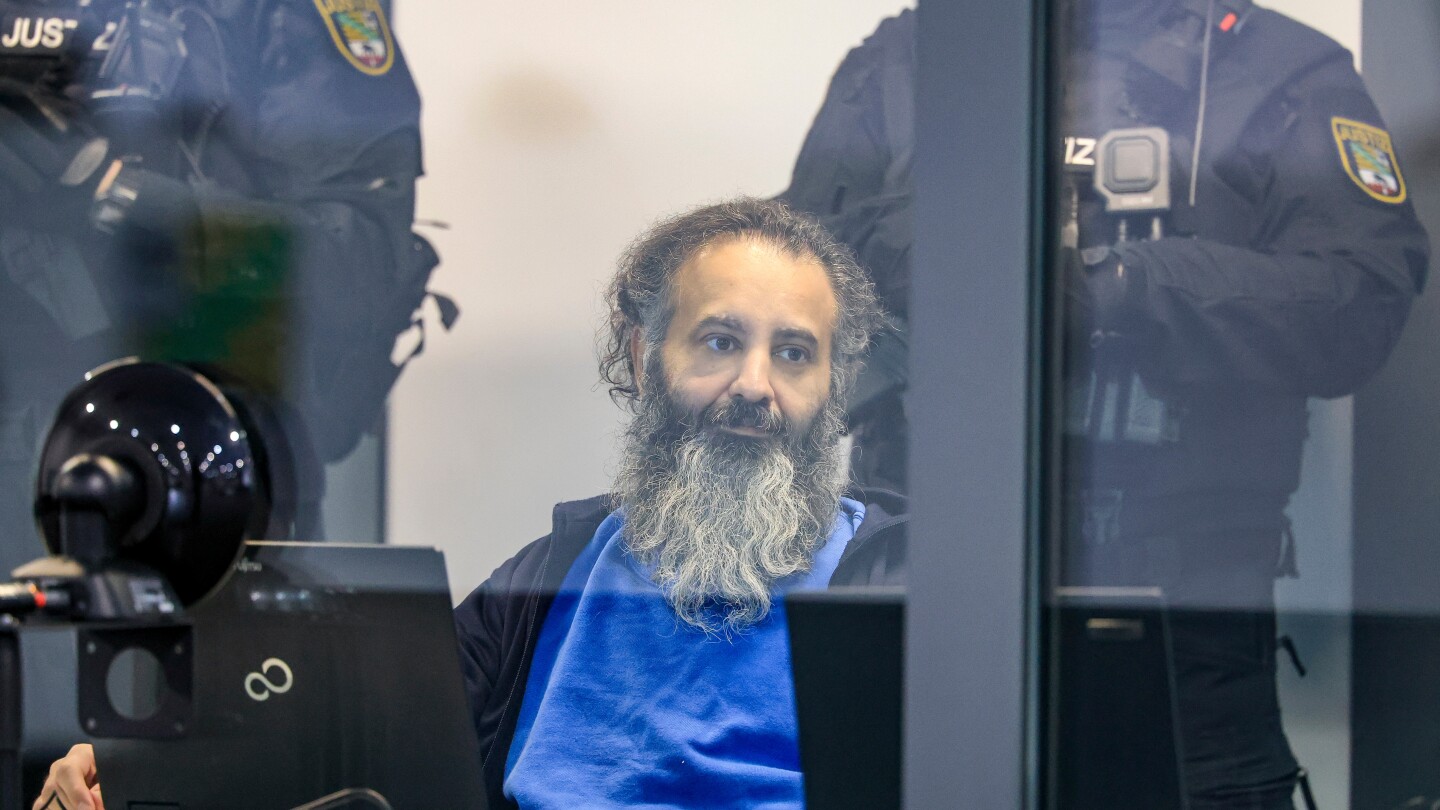
Murder trial of suspect in Christmas market car-ramming attack opens in Germany
A 51-year-old Saudi doctor, Taleb al-Abdulmohsen, stood trial on Monday in Magdeburg, Germany, facing charges of murder and attempted murder following a devastating car-ramming attack on a Christmas market last December. The attack, which lasted just over a minute, claimed the lives of five women and a boy, leaving many others injured. The defendant, transported to a specially constructed courtroom by helicopter, was seated behind bulletproof glass as proceedings began. Prosecutors allege that al-Abdulmohsen acted out of personal frustration, deliberately targeting as many people as possible to gain attention. The trial, expected to continue until March, could result in a life sentence if he is convicted. Investigators revealed that the attack was carried out using a rented BMW X3, reaching speeds of up to 48 kph (30 mph). They noted that the suspect was not under the influence of alcohol and appeared to have acted alone, motivated by dissatisfaction with a legal dispute and failed criminal complaints. Al-Abdulmohsen, who arrived in Germany in 2006 and held permanent residency, described himself as an ex-Muslim critical of Islam and expressed far-right sympathies on social media. Despite previous threats, he had no history of violent acts. The incident has reignited debates on migration in Germany, particularly in the lead-up to the national election in February.
-
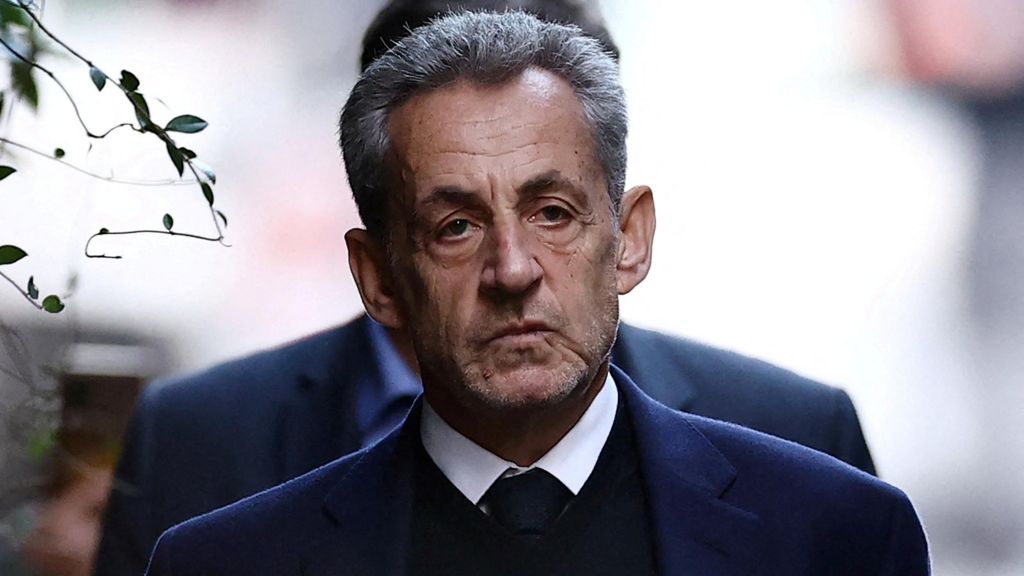
Prison is gruelling, says Sarkozy as he seeks release after three weeks
Former French President Nicolas Sarkozy, currently serving a five-year prison sentence, has appealed to a Paris court for his release pending further legal proceedings. Sarkozy, 70, was convicted on October 21 for allegedly conspiring to finance his 2007 election campaign with funds from the late Libyan dictator Muammar Gaddafi. Describing his three weeks in jail as ‘gruelling’ and ‘a nightmare,’ Sarkozy vehemently denied any wrongdoing, stating he never entertained the ‘mad idea’ of soliciting money from Gaddafi. His legal team has filed a request for his release, with a decision expected by early afternoon local time. If approved, Sarkozy could walk out of La Santé prison as soon as Monday evening. Public prosecutor Damien Brunet has recommended granting the request but imposed restrictions, including a ban on contacting witnesses related to the ‘Libyan dossier.’ Sarkozy, who has been held in isolation with two bodyguards stationed nearby, praised prison staff for their ‘exceptional humanity.’ His wife, Carla Bruni-Sarkozy, and two sons were present in court to support him. Sarkozy, president from 2007 to 2012, is the first French ex-leader imprisoned since World War II. His legal troubles have persisted since leaving office, including a recent conviction for attempting to bribe a magistrate. Interior Minister Laurent Nuñez has emphasized the need for Sarkozy’s protection due to ongoing threats.
-
Zelenskyy seeks Patriot systems from US to counter Russia’s power grid attacks
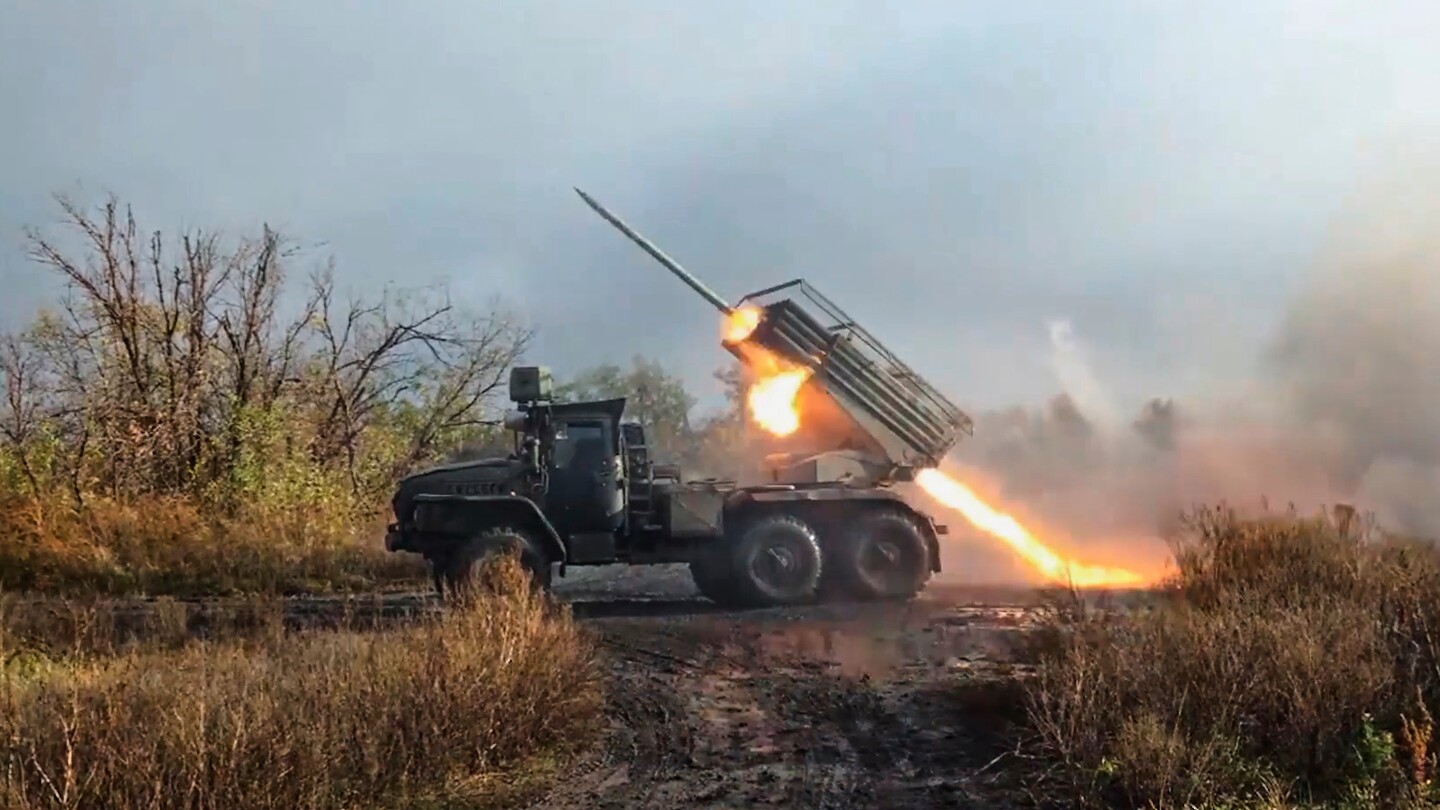
Ukrainian President Volodymyr Zelenskyy announced on Monday his intention to request 25 Patriot air defense systems from the United States, as Ukraine grapples with relentless Russian aerial assaults that have plunged the nation into rolling blackouts on the cusp of winter. Zelenskyy acknowledged the high cost and lengthy production timeline for such a large order but suggested that European nations could temporarily transfer their existing systems to Ukraine while awaiting replacements. He emphasized the urgency, stating, “We would not like to wait.”
Russia’s intensified missile and drone strikes on Ukraine’s power grid have coincided with its military push to capture the eastern city of Pokrovsk. Despite recent deliveries of Patriot systems from Germany, Ukraine’s air defenses remain critically stretched, leaving vast territories vulnerable. The energy crisis has heightened concerns over heating and water supply during the harsh winter months.
NATO continues to coordinate large-scale weapons deliveries to Ukraine, with European allies and Canada procuring much of the equipment from the U.S. However, the Trump administration has not provided arms to Ukraine, a departure from the Biden administration’s policy.
Russian attacks on Ukraine’s energy infrastructure have grown increasingly effective, employing hundreds of drones equipped with cameras for precision targeting. This year, Russia has shifted its strategy to strike local switchyards and substations rather than the centralized national grid. Ukraine’s Energy Ministry reported significant damage to power infrastructure, prompting scheduled blackouts across most regions and urging citizens to conserve electricity during peak hours.
Meanwhile, the battle for control of Pokrovsk in the Donetsk region intensifies, with Zelenskyy noting that Russia has amassed 170,000 troops for a renewed offensive. While recent days have seen a relative lull in fighting, the Institute for the Study of War predicts an escalation as Russian forces reinforce their positions.