标签: Europe

欧洲

  • As NATO pushes for faster innovation, drones flood a test battlefield in Greece

    As NATO pushes for faster innovation, drones flood a test battlefield in Greece

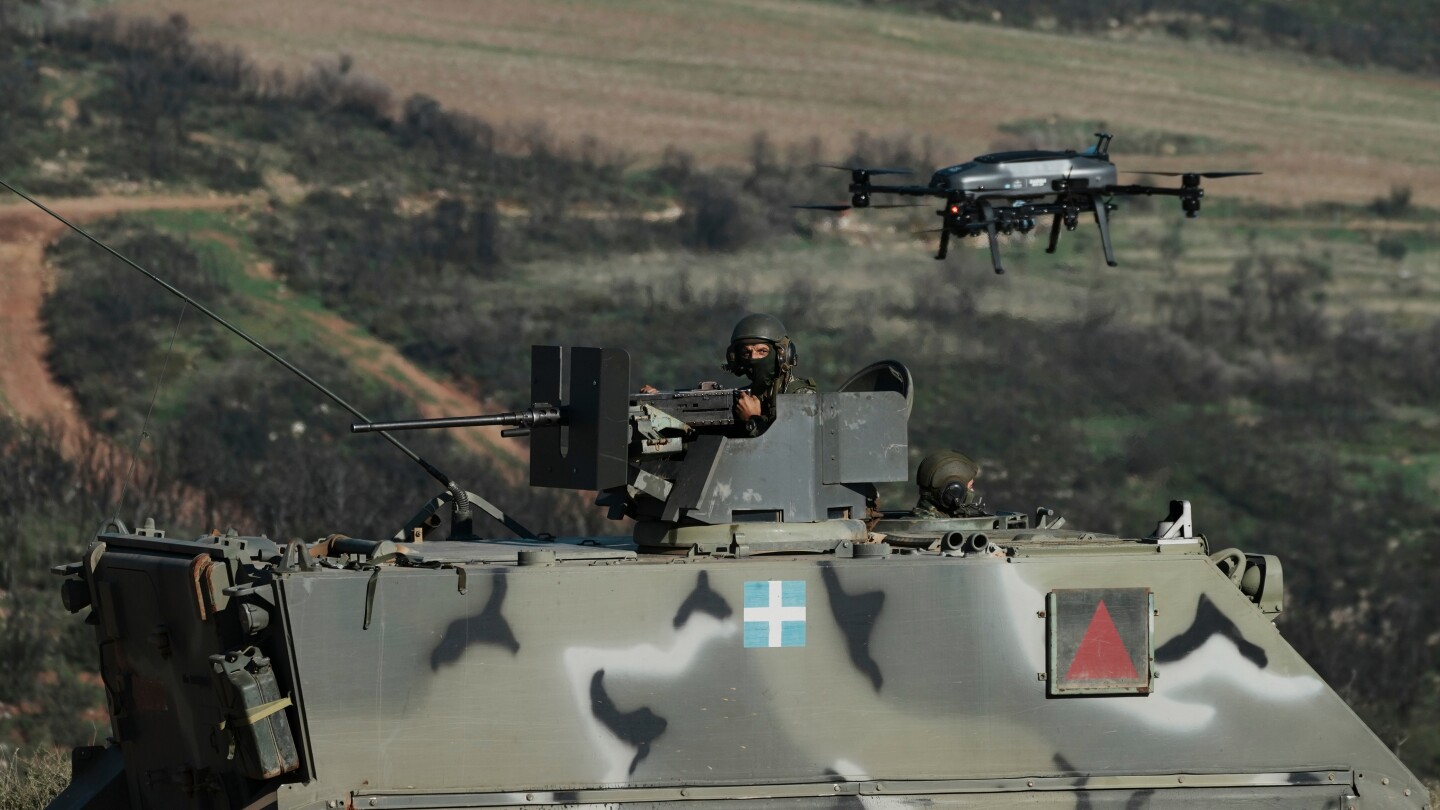
    Under the pale November sun in Alexandroupolis, Greece, a hillside transformed into a futuristic battlefield. Helicopters soared above tree lines, infantry units maneuvered through smoke and explosions, and a diverse array of drones—quadcopters, fixed-wing models, loitering munitions, and experimental prototypes—orchestrated the mock combat. This marked Greece’s first full tactical exercise testing domestically developed drones and counter-drone systems, a significant step in NATO’s broader push for rapid battlefield innovation. Military observers from the U.S., France, Bulgaria, Armenia, and Turkey witnessed the event, as Greece, historically reliant on imports, joined the global race to develop and deploy its own advanced military technology.

    The exercise showcased the versatility of drones in modern warfare. Small quadcopters deployed tire spikes and mines to hinder enemy vehicles, while others laid smoke screens or delivered medical supplies and ammunition to frontline positions. Some drones even carried loudspeakers broadcasting demoralizing messages in English. An experimental two-wheeled ‘tunnel crawler’ demonstrated its ability to leap into the air from confined spaces, carrying explosives, oxygen, or radiation detectors.

    Greece’s efforts reflect a broader trend among mid-sized NATO economies, spurred by Russia’s invasion of Ukraine. Countries like Estonia and Denmark have also invested in indigenous drone technology, viewing autonomy and rapid production as critical to deterrence. For Greece, embroiled in a decades-long maritime dispute with Turkey, this initiative is part of a €25 billion overhaul of its armed forces following years of austerity. NATO’s urgency is further fueled by uncertainty over the U.S.’s long-term security commitments to Europe, prompting calls for Europe’s defense sector to adopt a startup mentality.

    NATO Secretary-General Mark Rutte emphasized the need for advanced technology and rapid innovation during a recent visit to Romania. Greek companies, particularly small firms, are seizing the opportunity. Dimitris Stefanakis of Ucandrone, a Greek drone manufacturer, noted that Ukraine’s battlefield adaptations have reshaped the industry, favoring agile, innovative companies over larger, slower-moving ones. Greek developers also foresee military advancements accelerating civilian applications, such as disaster response.

    Western officials stress the need for Europe to move away from lengthy procurement cycles toward rapid-development ecosystems. Analysts, including Swasti Rao of India’s Jindal School for International Affairs, highlight the decisive role of rapid innovation in modern warfare. Greek Defense Minister Nikos Dendias underscored the profound mindset shift required to adapt to this new era of warfare, emphasizing the transition from large mechanized units to small, technology-driven teams.
  • Switzerland to boost US investment as deal struck to lower US tariffs on Swiss goods to 15%

    Switzerland to boost US investment as deal struck to lower US tariffs on Swiss goods to 15%

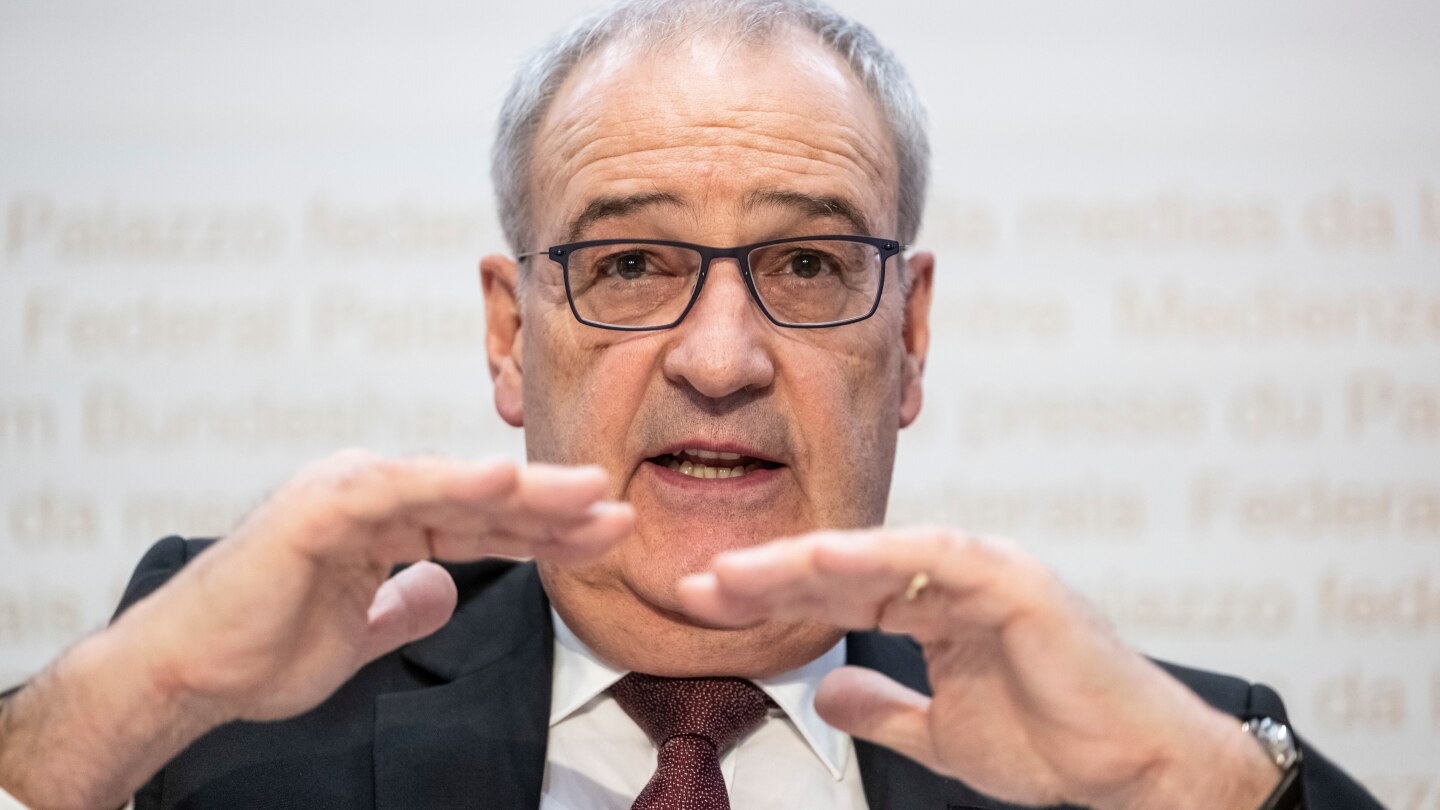
    In a landmark development for international trade, Switzerland has unveiled a strategic plan to invest $200 billion in the United States by 2028. This announcement coincided with the finalization of a significant trade agreement that will substantially reduce U.S. tariffs on Swiss goods. Swiss Economy Minister Guy Parmelin revealed that the Trump administration has agreed to lower tariffs on most Swiss products from 39% to 15%, aligning them with the rates applied to the European Union. This agreement marks a pivotal moment in U.S.-Swiss trade relations, which had been strained since August when U.S. tariffs on Swiss goods were unexpectedly raised from 31% to 39%. The Swiss Federal Council, the country’s executive body, expressed gratitude to President Trump for his constructive engagement in resolving the dispute. The tariff reduction follows months of intense negotiations and lobbying efforts by Swiss government officials and business leaders, who had been advocating for more favorable trade terms. This deal is expected to bolster economic ties between the two nations and create new opportunities for Swiss exporters in the U.S. market.

  • Several killed after bus crashes into Stockholm bus stop

    Several killed after bus crashes into Stockholm bus stop

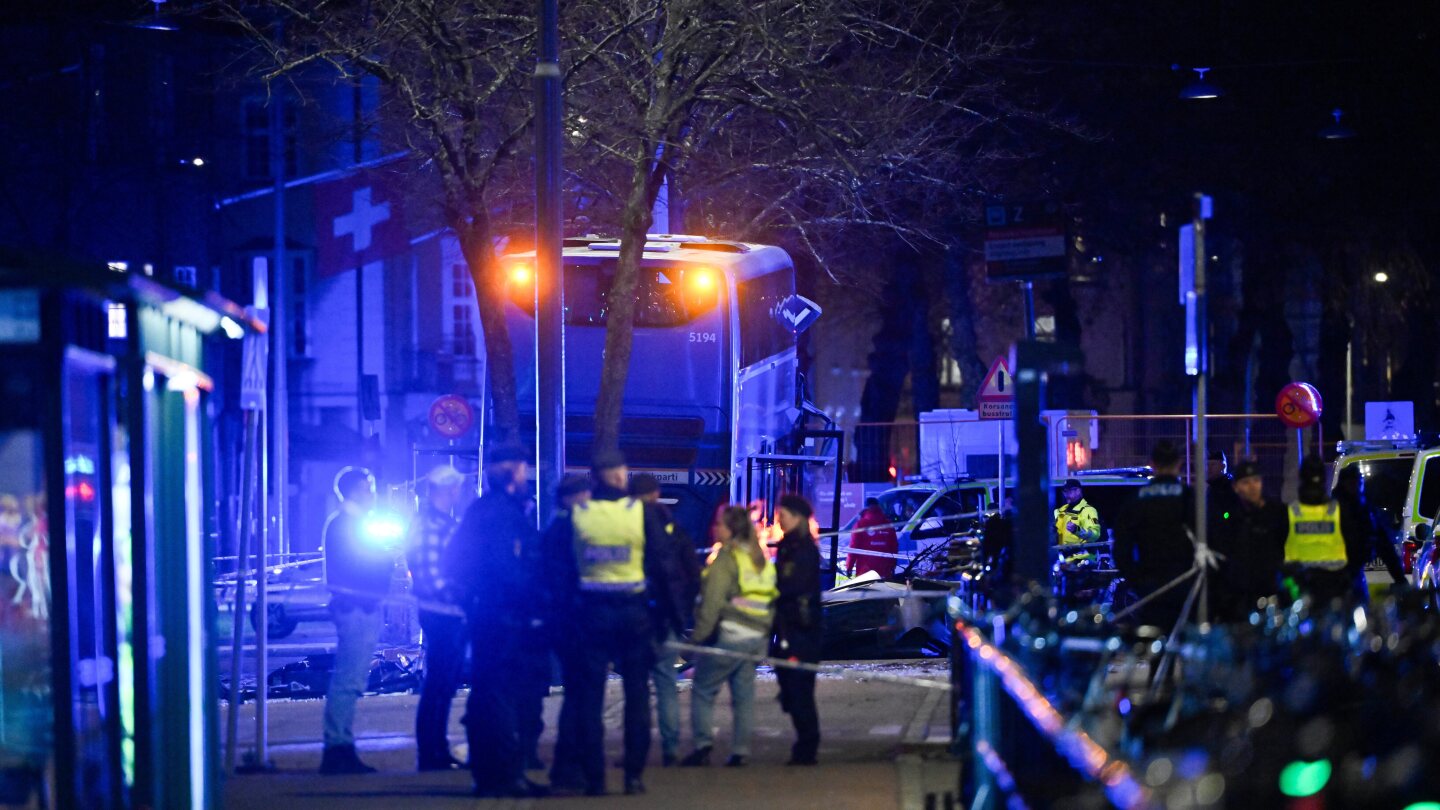
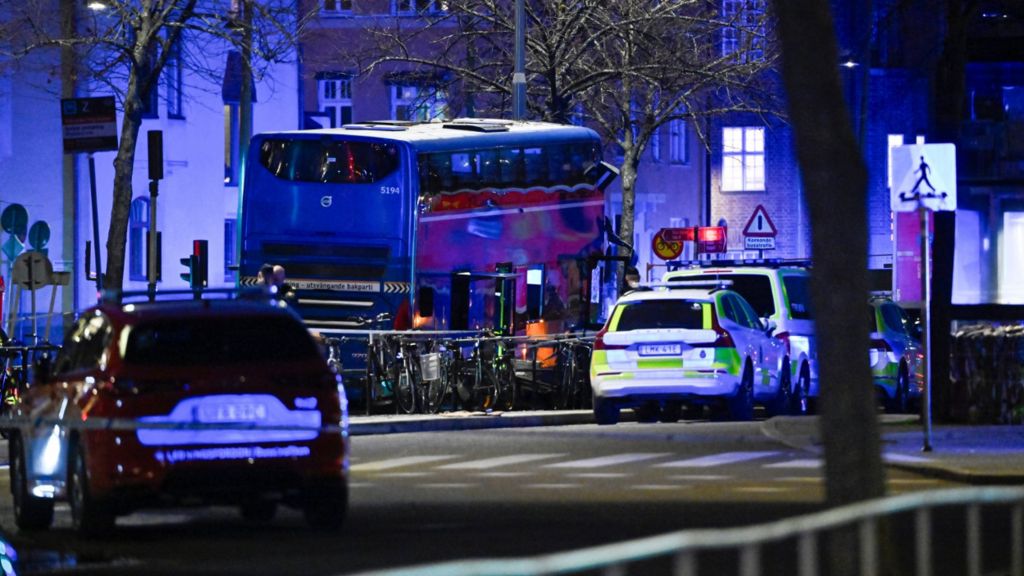
    A tragic bus accident in central Stockholm has resulted in multiple fatalities and injuries, according to Swedish police. The incident occurred at approximately 15:00 local time (14:00 GMT) on Valhallavägen street, a bustling area in the Swedish capital. Authorities have confirmed that the bus driver has been arrested, and a manslaughter investigation has been initiated as part of standard procedure. Police have refrained from disclosing specific details regarding the number, gender, or ages of the victims at this stage. Local media images depict emergency responders working diligently to assist individuals trapped beneath the double-decker bus. Transdev, the company responsible for operating local bus services in northern Stockholm, has acknowledged that the bus involved in the crash was part of their fleet. A shop owner on the street, who witnessed the event, reported that the bus collided with a pole in front of the bus shelter. The witness also mentioned that several distressed individuals sought refuge in their shop, visibly shaken and in tears. This developing story is being closely monitored, and further updates are expected shortly.

  • Bus crashes into a bus stop in Stockholm and causes fatalities, police say

    Bus crashes into a bus stop in Stockholm and causes fatalities, police say

    A tragic incident unfolded in Stockholm on Friday afternoon when a double-decker bus collided with a bus stop, resulting in fatalities and injuries, according to local police. The crash occurred at 3:23 p.m. on Valhallavägen, a prominent street in the Östermalm district of the Swedish capital. Authorities were swiftly alerted to the scene, but details regarding the exact number of victims remain undisclosed. Initial reports from Swedish news agency TT indicate that the bus was not in service at the time of the accident, and no passengers were on board. The cause of the crash is still under investigation, with no immediate clarity on what led to the devastating event. Emergency services responded promptly, but the full extent of the damage and the circumstances surrounding the incident are yet to be determined.

  • Police in Paris wound knife-wielding man at Montparnasse train station

    Police in Paris wound knife-wielding man at Montparnasse train station

    A knife-wielding man was shot and injured by police at the Montparnasse train station in Paris on Friday, according to the city’s prosecutor’s office. The incident involved a man reportedly known for domestic violence, who allegedly inflicted self-inflicted knife wounds after being confronted by authorities. Emergency services were promptly dispatched to the scene. A 53-year-old bystander sustained a gunshot wound to the foot during the altercation and received immediate medical attention. Authorities clarified that initial investigations did not indicate any terrorist motive behind the incident. The event occurred just one day after the 10th anniversary of the 2015 Paris attacks, which claimed 132 lives. French rail operator SNCF confirmed that a security perimeter was established in a small section of the station following the police intervention, causing minor disruptions to train services.

  • Arachnid super-web reveals the surprising ‘constant party’ life of cohabiting spiders

    Arachnid super-web reveals the surprising ‘constant party’ life of cohabiting spiders

    In a groundbreaking discovery, researchers have uncovered what is believed to be the world’s largest spider web, spanning an astonishing 1,140 square feet, within a sulfur-rich cave on the Albanian-Greek border. This colossal web, described as “carpet-thick,” houses an estimated 110,000 spiders from two distinct species—Tegenaria domestica (common house spider) and Prinerigone vagans—living harmoniously in a rare display of interspecies cohabitation. The findings, published in the journal Subterranean Biology, have captivated the scientific community and the public alike due to the unprecedented nature of this discovery. Evolutionary biologist Lena Grinsted, a senior lecturer at the University of Portsmouth, likened the phenomenon to humans sharing an apartment block, emphasizing the rarity of such group living among spiders. The cave’s unique environment, characterized by permanent darkness and an abundance of midge flies, is believed to facilitate this peaceful coexistence. Researchers speculate that the spiders’ reliance on vibratory cues for prey detection, rather than vision, may have contributed to their non-aggressive behavior. The study also revealed that the cave’s ecosystem supports large bat colonies, creating a thriving, interconnected habitat. While the discovery raises intriguing questions about evolutionary biology, it also underscores the importance of preserving such unique environments for future scientific exploration.

  • ‘Astonishingly lethal’: BBC reports from site of Russian strike in Kyiv

    ‘Astonishingly lethal’: BBC reports from site of Russian strike in Kyiv

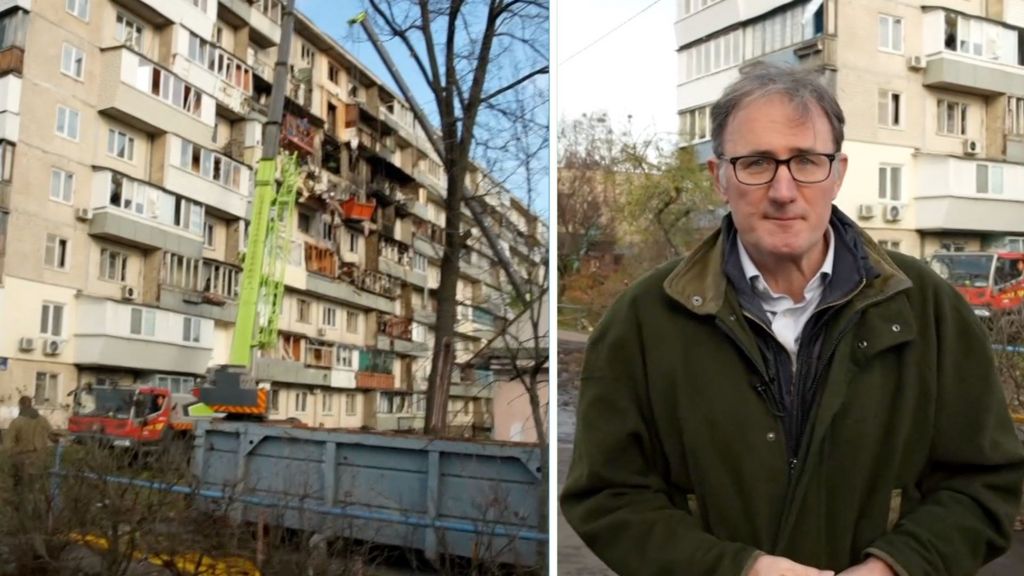
    In a harrowing account from the heart of Kyiv, BBC correspondent James Landale has provided a firsthand report from the scene of a devastating Russian drone strike. The attack targeted a multi-storey residential building in the eastern part of the Ukrainian capital, leaving a trail of destruction and despair. Landale described the strike as ‘astonishingly lethal,’ emphasizing the sheer scale of the devastation inflicted on the civilian population. The incident underscores the ongoing brutality of the conflict, with residential areas increasingly becoming the focal points of aggression. The BBC’s report highlights the human cost of the war, as families are displaced, lives are lost, and communities are shattered. This latest attack serves as a grim reminder of the relentless violence that continues to plague Ukraine, even as the international community grapples with how to respond effectively.

  • Heady odors and sensory overload as 5,200 cheeses compete for the World Cheese Awards

    Heady odors and sensory overload as 5,200 cheeses compete for the World Cheese Awards

    The 37th World Cheese Awards, a unique blend of competition and celebration, commenced in Bern, Switzerland, on Thursday, offering a sensory experience like no other. The event, which runs for three days, attracted cheese connoisseurs, culinary experts, and curious consumers from around the globe. With over 5,200 cheeses from 46 countries, including a significant Swiss contingent, the exhibition hall was a melting pot of aromas, flavors, and textures. Descriptions of the cheeses ranged from ‘stinky socks’ to ‘sick dog,’ yet the diversity and craftsmanship of the offerings were undeniable. The competition, judged by 265 experts, focused on attributes such as aroma, texture, and flavor, culminating in the selection of a ‘Super Gold’ winner. This year’s top honor went to a ‘spezial’ Gruyere from the Vorderfultigen Mountain Dairy in Switzerland. The event also highlighted regional and national bests, showcasing the global artistry of cheesemaking. Despite the olfactory challenges, the World Cheese Awards remains a testament to the enduring appeal and cultural significance of cheese.

  • Second brother of French anti-drugs campaigner shot dead in Marseille

    Second brother of French anti-drugs campaigner shot dead in Marseille

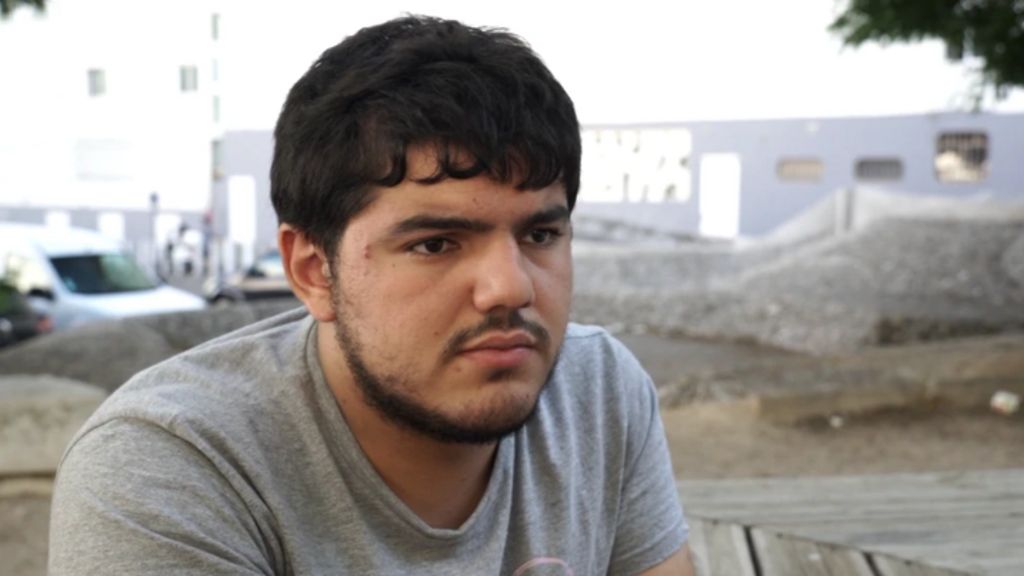
    Amine Kessaci, a prominent French anti-drugs campaigner, has suffered another devastating loss as his second brother, Mehdi Kessaci, was shot dead in Marseille on Thursday. The 20-year-old was parking his car in the city center when a motorcycle pulled up, and the pillion passenger opened fire with a 9mm pistol. This tragic incident follows the 2020 murder of Amine’s elder brother, Brahim, whose charred body was found in a burned-out car—a grim hallmark of gang-related killings locally referred to as a ‘barbecue.’

    Amine, who was just 17 when Brahim was killed, founded an association called Conscience to help young people in Marseille’s impoverished neighborhoods escape the grip of powerful drug gangs. Investigators believe Mehdi’s murder may have been a targeted warning to Amine, who has recently received death threats and is under police protection. Marseille’s chief prosecutor, Nicolas Bessone, stated that this hypothesis is not being ruled out, adding that such acts evoke dark periods in France’s history when familial vendettas led to brutal killings.

    Marseille, France’s second-largest city, has become infamous for its escalating drug wars, with rival gangs from high-immigration neighborhoods battling for control. This year alone, there have been 14 drug-related murders, often involving teenagers as young as 15. Amine’s association, Conscience, operates in several cities, offering support to families affected by drug violence and bridging connections between former delinquents and employers.

    Amine, who ran unsuccessfully for the Green Party in European and legislative elections last year, recently published a book titled *Marseille Wipe your Tears – Life and Death in a Land of Drugs*. He has become a symbol of resilience, having met President Emmanuel Macron in 2021 to discuss initiatives to improve life in Marseille. Reflecting on his journey, Amine wrote in his book, ‘Politics never held out its hand to me, so I decided to grab it by the throat. Brahim – it was you who threw me into politics the day you burned in a car.’

    The killings of his brothers have not only devastated Amine but also highlighted the pervasive violence plaguing Marseille. Christine Juste, a Green Party city councillor, expressed her sorrow and anger, stating, ‘No mother should go through that—losing two children. And I’m so angry that in France’s second city, people can be murdered so easily in plain daylight.’

  • Hungary to mount court challenge to EU’s planned phase-out of Russian energy, Orbán says

    Hungary to mount court challenge to EU’s planned phase-out of Russian energy, Orbán says

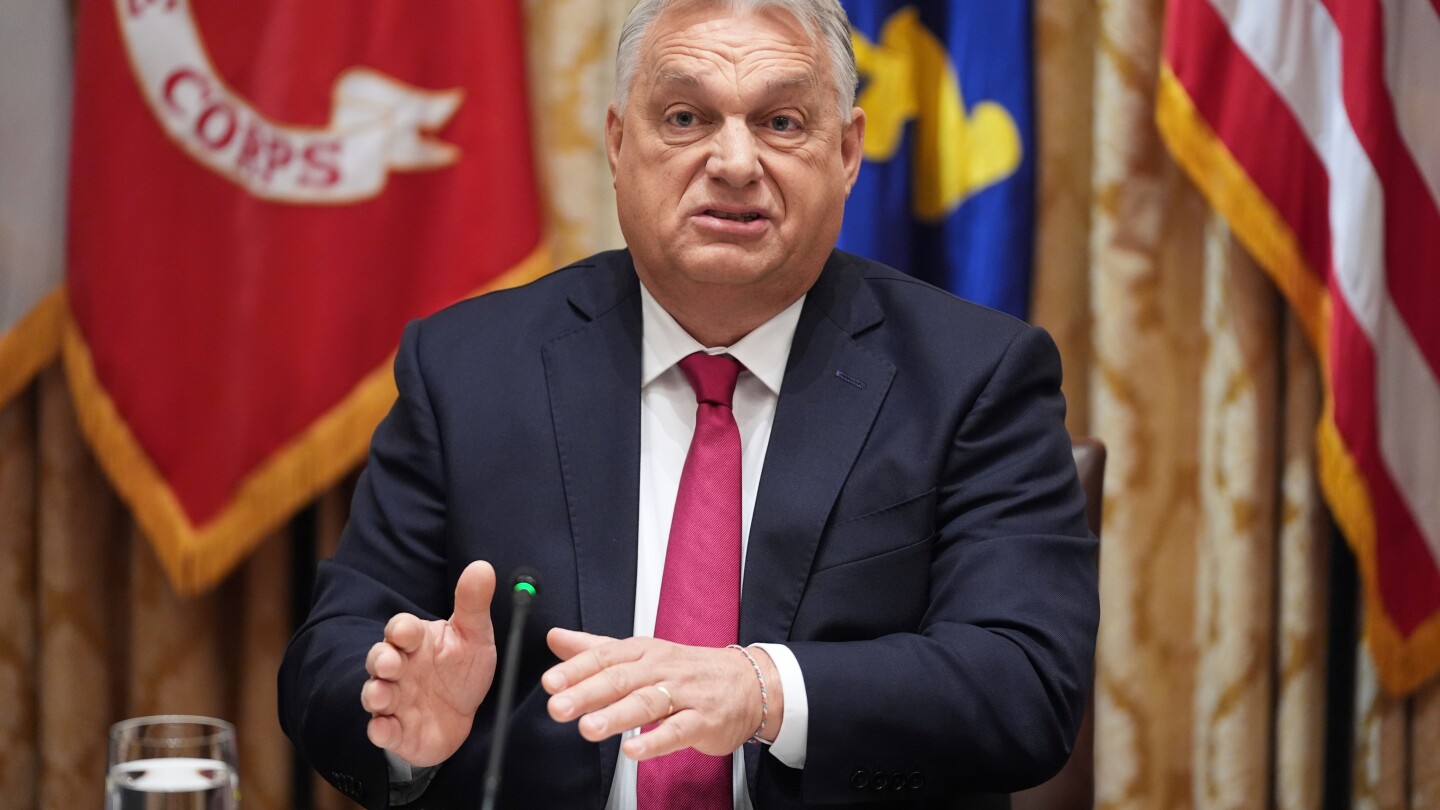
    Hungary has declared its intention to legally contest the European Union’s strategy to eliminate Russian energy imports by 2027, with Prime Minister Viktor Orbán announcing plans to bring the case before the European Court of Justice. In a Friday broadcast on state radio, Orbán criticized the EU for allegedly bypassing Hungary’s veto power on sanctions by leveraging trade regulations. He described the move as a blatant violation of European law and cooperation, warning that the bloc would face significant consequences for its actions.