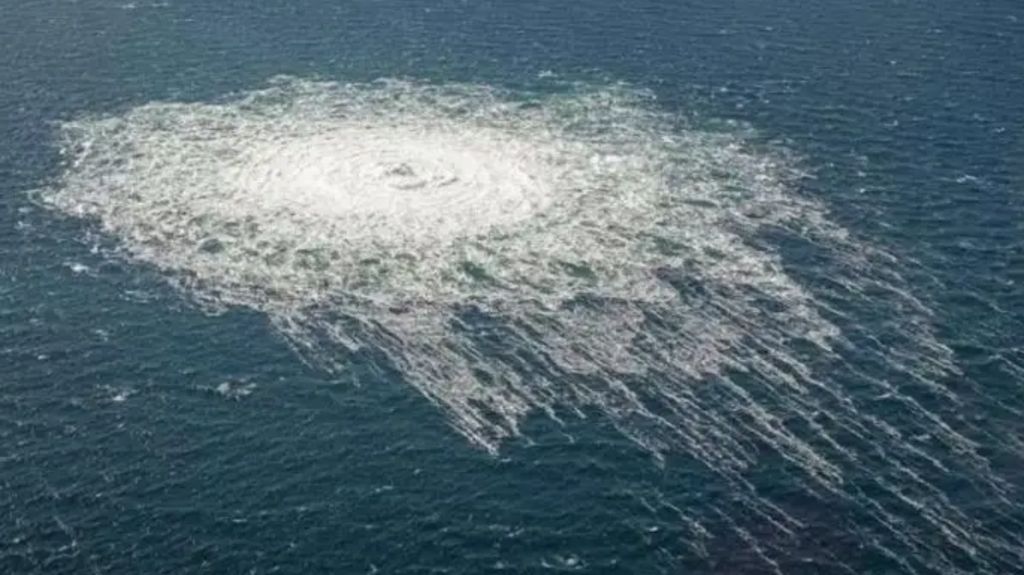
In a significant development, Italy’s highest appeals court has ruled that Serhiy Kuznetsov, a former Ukrainian military officer suspected of involvement in the 2022 Nord Stream pipeline sabotage, should be extradited to Germany. Kuznetsov faces charges of anti-constitutional sabotage for allegedly coordinating and leading a group that planted explosives on the pipelines beneath the Baltic Sea. Despite the lack of disclosed evidence, the case has strained relations between Ukraine and Germany, the latter being Ukraine’s largest military aid provider in Europe. Kuznetsov’s lawyer, Nicola Canestrini, argued that his client feels like a ‘scapegoat’ and expressed disappointment over the Ukrainian government’s silence on the matter. Kuznetsov was arrested in northern Italy in August 2023 and is set to be transferred to Germany under police escort. Meanwhile, another Ukrainian suspect, Volodymyr Zhuravlyov, was detained in Poland but was not extradited after a court deemed his actions as self-defense against Russia’s invasion. The case continues to spark debate, with many Ukrainians viewing the pipeline’s destruction as a heroic act against Russia, while Germany pursues prosecution, complicating its alliance with Ukraine.
标签: Europe
欧洲
-

Italian court approves extradition to Germany of Ukrainian suspect in Nord Stream pipeline blast
Italy’s highest court has greenlit the extradition of a Ukrainian national to Germany, where he faces allegations of orchestrating the 2022 explosions that severely damaged the Nord Stream pipelines. The Cassation Court dismissed a final appeal by 49-year-old Serhii Kuznietsov, paving the way for his transfer to German authorities within days. Kuznietsov, detained in August 2023 while vacationing near Rimini, is accused of detonating multiple underwater bombs in the Baltic Sea, targeting the Nord Stream 1 and 2 pipelines. His defense lawyer, Nicola Canestrini, maintains his client’s innocence, expressing confidence in an acquittal. The incident, which occurred in September 2022, disrupted the Nord Stream 1 pipeline—a critical conduit for Russian natural gas to Germany—and damaged the inactive Nord Stream 2 pipeline. Germany had suspended certification of Nord Stream 2 following Russia’s invasion of Ukraine earlier that year. Kuznietsov denies involvement, claiming he was serving in the Ukrainian military at the time. Meanwhile, Poland has blocked the extradition of another suspect linked to the case.
-
Trial opens into North Macedonia nightclub fire that killed 63
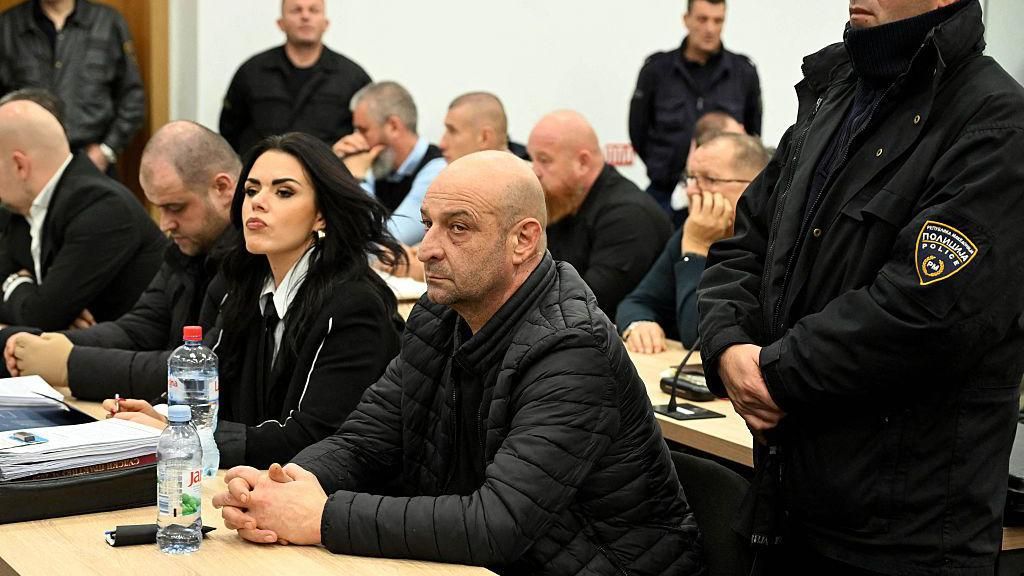
A landmark trial has commenced in North Macedonia, involving 35 individuals and three institutions, following a catastrophic fire at Club Pulse in Kocani that claimed 63 lives, predominantly young people, in March. The tragedy, which unfolded during a concert by a popular hip-hop duo, was ignited by pyrotechnic sparks that set the club’s flammable ceiling ablaze. The courtroom, packed with defendants and grieving relatives, heard Judge Diana Gruevska-Ilievska vow to conduct the proceedings transparently and with discipline. Among the accused are three former mayors of Kocani, the nightclub’s owner, and public licensing officials, all charged with endangering public safety by permitting the operation of an unsafe venue. Prosecutors highlighted years of systemic failures, including unlawful licensing, neglected inspections, and unchecked overcrowding, which transformed the club into a death trap. The trial, which could span months or even years, saw defense lawyers attempt to delay proceedings, a move swiftly rejected by the judge. The fire, exacerbated by blocked exits, left 59 dead on the scene and injured around 200, with four later succumbing to their injuries. The incident sparked widespread outrage, leading to protests in Skopje and Kocani, where victims’ families demanded accountability. A poignant ‘March of the Angels’ protest, organized under the social media campaign ‘Who’s Next?’, preceded the trial. Prosecutor Borche Janev emphasized that the disaster stemmed from a series of institutional failures and a pervasive lack of responsibility, urging society to seek truth and healing.
-
‘I won’t be silenced’ says French anti-drugs activist after murders of two brothers
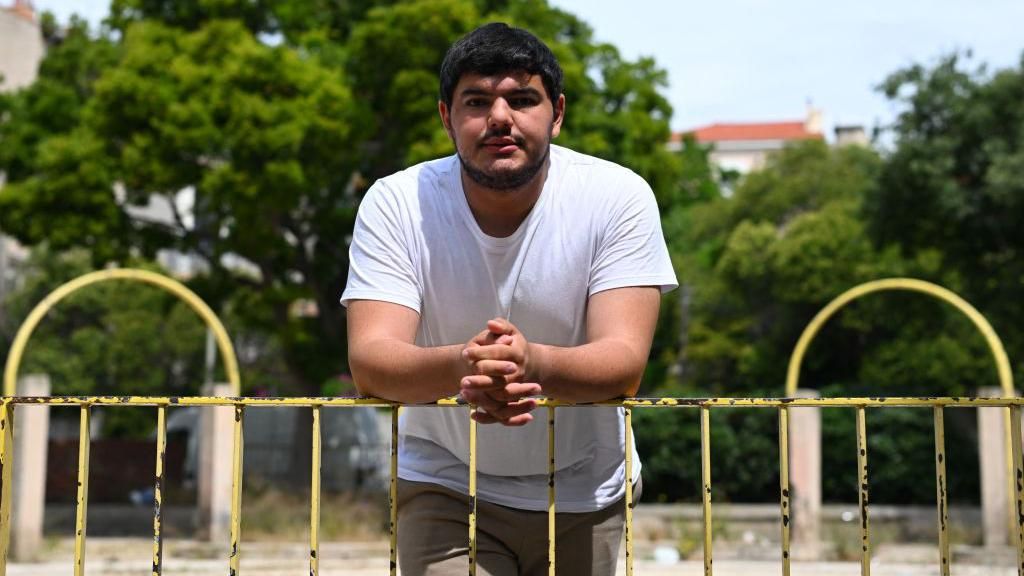
Amine Kessaci, a prominent French anti-drugs campaigner, has vowed to continue his fight against drug-related violence after the tragic murder of his younger brother, Mehdi Kessaci, last week. This marks the second time Amine has lost a sibling to drug criminals, following the death of his elder brother, Brahim, in 2020. Mehdi, 20, was shot dead in central Marseille in what authorities believe was a targeted attack aimed at intimidating Amine, who has been a vocal critic of the city’s drug gangs. In an emotional op-ed published in *Le Monde*, Amine declared, ‘Yesterday I lost my brother. Today I speak out,’ emphasizing his refusal to be silenced by fear. The French government has described Mehdi’s murder as a turning point in the nation’s escalating drug wars. Interior Minister Laurent Nuñez labeled the killing as a ‘crime of intimidation,’ signaling a new level of violence in the ongoing conflict. Amine, who founded the association Conscience to expose the impact of drug gangs on working-class communities, has faced direct threats to his life, prompting police to advise him to leave Marseille. Despite the dangers, he attended Mehdi’s funeral wearing a bulletproof vest and under heavy police protection. The murder has reignited national debate on France’s drug crisis, with experts warning that the problem is reaching unmanageable proportions. According to a recent study, the drug trade in France generates €7 billion annually, surpassing 70% of the justice ministry’s budget. President Emmanuel Macron has called for a crackdown on drug consumers, accusing the ‘city-centre bourgeoisie’ of funding traffickers. In response to the crisis, France has implemented new anti-drug laws, including the establishment of a specialized prosecutor’s office for organized crime. While progress has been made, with homicides in Marseille dropping from 49 in 2023 to 24 in 2024, officials acknowledge that the war against drugs is far from over.
-
Kosovo heading for an early vote after lawmakers fail to elect government
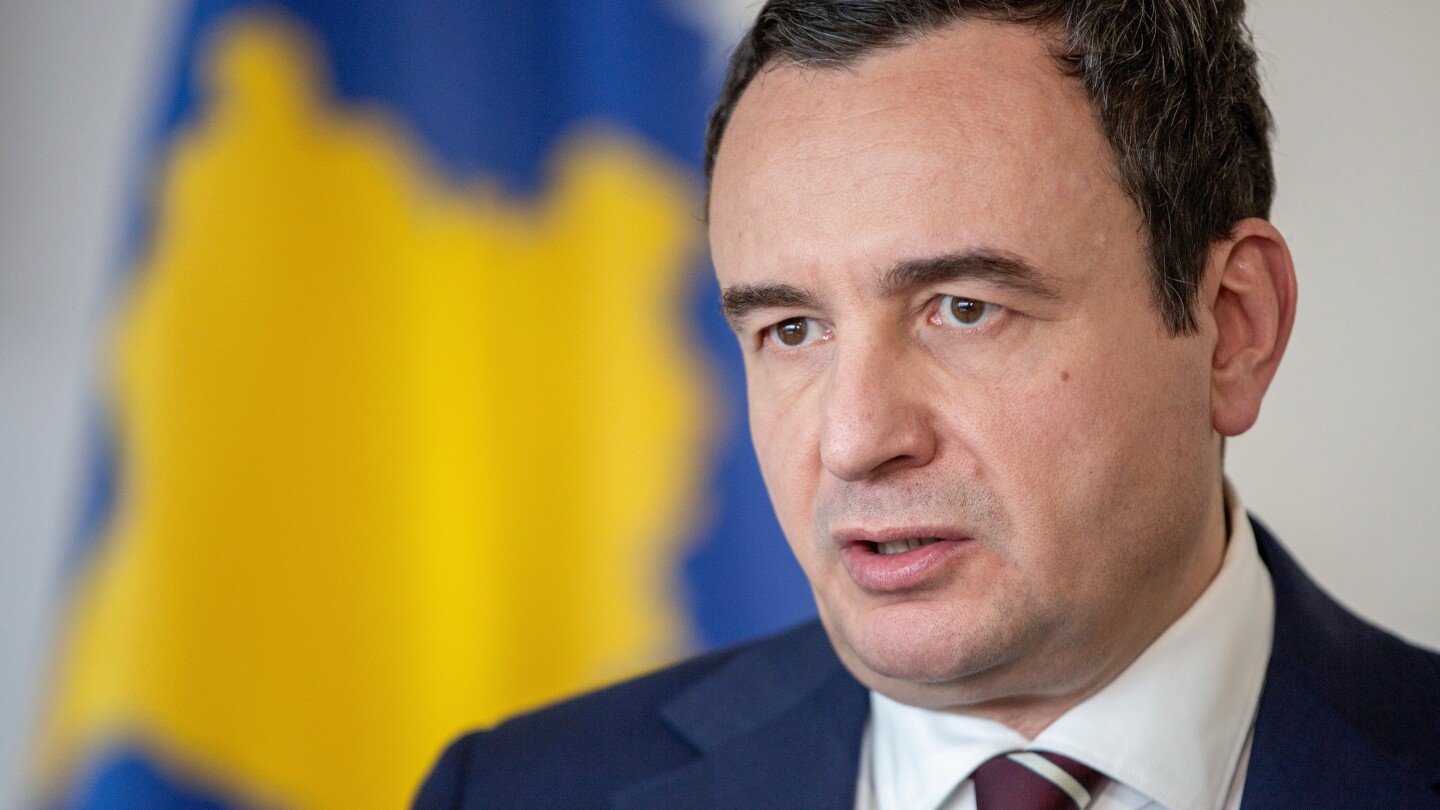
In a significant political setback, Kosovo’s lawmakers were unable to elect a new government on Wednesday, triggering the likelihood of early elections amid an ongoing political crisis in the Balkan nation. Prime Minister-designate Glauk Konjufca, representing the ruling Self-Determination Movement party, secured 56 votes in the 120-member assembly, falling short of the majority required for confirmation. This outcome deals a blow to the party of acting Prime Minister Albin Kurti, which emerged as the largest faction in February’s election but failed to establish a coalition to secure parliamentary control. President Vlosa Osmani is now mandated to dissolve parliament and call for fresh elections within 10 days. This marks the first instance since Kosovo’s 2008 declaration of independence from Serbia that the country has been unable to form a government. The political impasse has also delayed the approval of next year’s budget, raising concerns about the economic stability of the nation, which is already grappling with financial challenges. Additionally, unresolved tensions with Serbia, which refuses to recognize Kosovo’s independence, continue to hinder Kosovo’s aspirations for European Union membership. Konjufca, seen as a potential compromise candidate, has warned against the risks of repeated elections, emphasizing the need for political stability. The crisis underscores broader issues of governance and diplomacy in the region, with implications for Kosovo’s domestic and international standing.
-
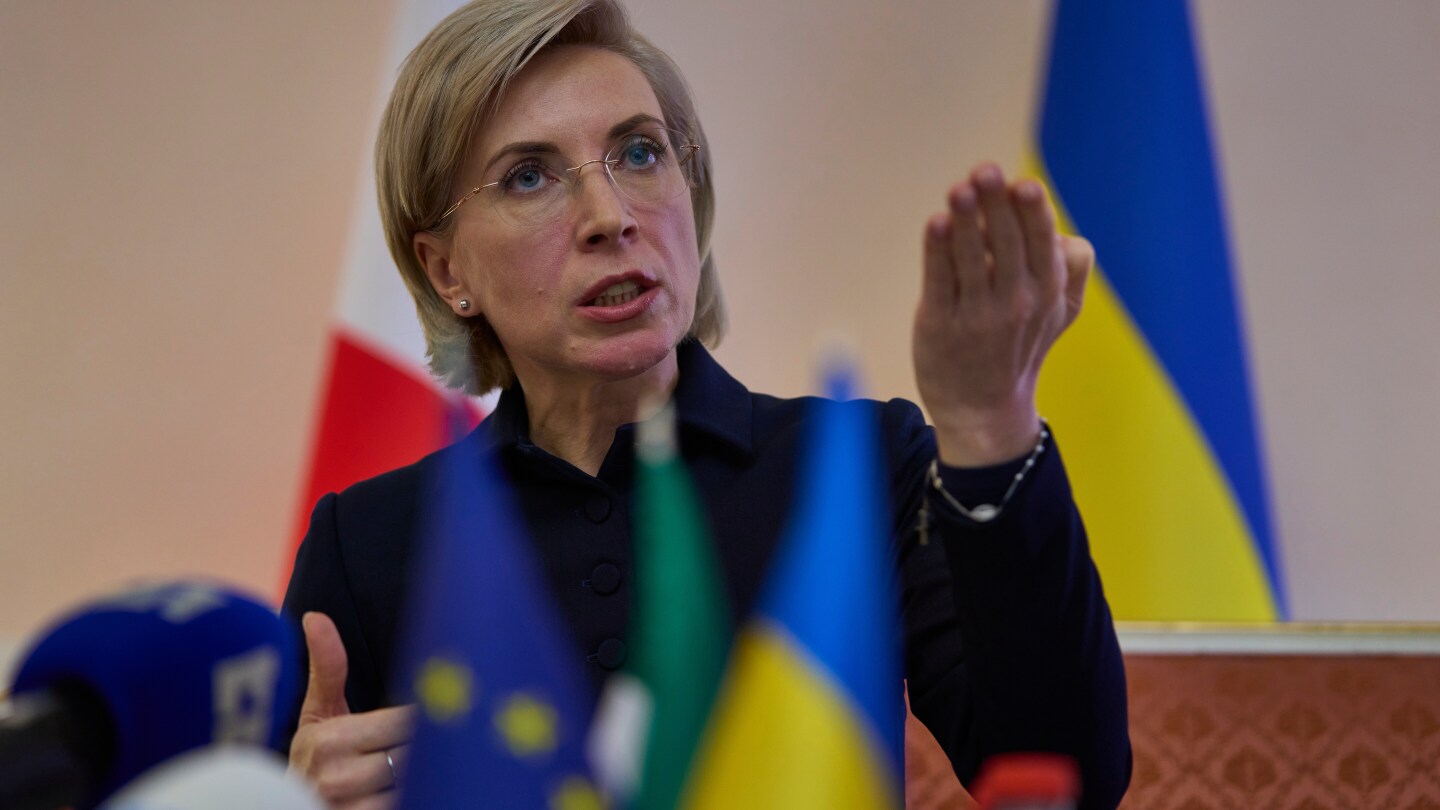
Ukraine asks Vatican to formalize mediation role for return of citizens taken by Russia
In a significant diplomatic move, Ukraine has formally requested the Vatican to institutionalize its role in mediating the return of Ukrainian children and civilians taken by Russia during the ongoing conflict. President Volodymyr Zelenskyy conveyed this appeal in a letter to Pope Leo XIV, ahead of a scheduled meeting between the pontiff and a delegation of repatriated Ukrainians. The letter seeks to formalize the informal mediation efforts initiated by Pope Francis, which involved Italian Cardinal Matteo Zuppi as a papal envoy for humanitarian matters. Iryna Vereshchuk, deputy head of Zelenskyy’s office, emphasized the necessity of this formalization to enhance the process’s effectiveness. She highlighted that the Vatican’s role as a neutral intermediary could facilitate structured communications between Ukraine and Russia, ensuring accountability in the return of civilians. Despite the Vatican’s informal involvement, the success of these efforts remains unclear. Vereshchuk accompanied a delegation of Ukrainian families who had been displaced or detained in Russian-controlled territories, underscoring the urgency of resolving this humanitarian crisis. Ukraine continues to document thousands of cases of children unlawfully taken to Russia, a practice condemned as a war crime by the International Criminal Court, which issued an arrest warrant for Russian President Vladimir Putin in 2023. According to Ukraine’s Bring Kids Back platform, over 19,000 children have been officially recorded as deported or forcibly transferred, with 1,247 successfully returned through diplomatic channels as of March 2024.
-
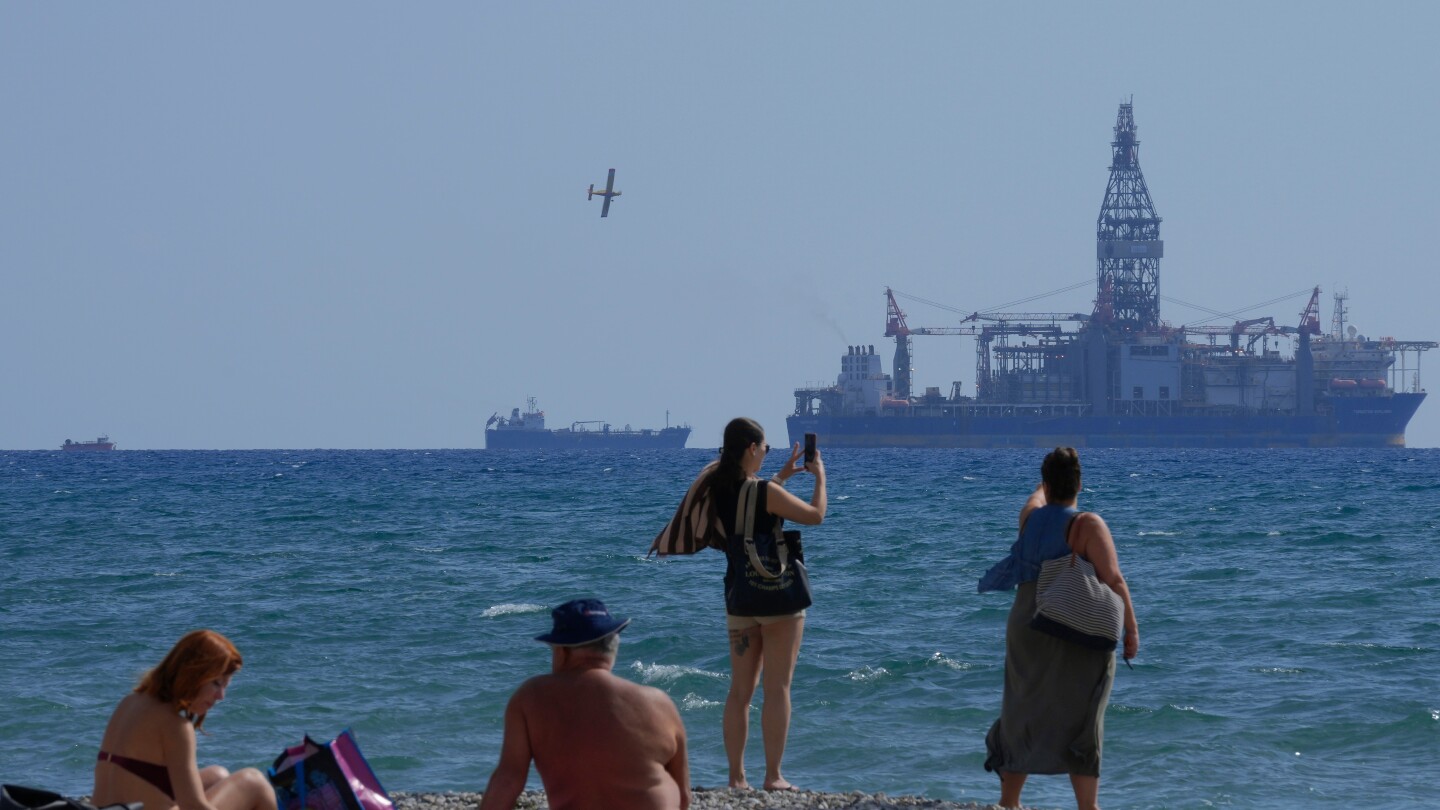
Europe could get Cypriot natural gas by 2027, president says
Cyprus is poised to play a pivotal role in Europe’s energy security, with plans to export natural gas from its offshore reserves to European markets as early as 2027. President Nikos Christodoulides announced this ambitious timeline during an energy conference, highlighting the Cronos deposit as the first source of exportable gas. Operated by a consortium of Italian energy giant Eni and French company TotalEnergies, the Cronos project is expected to make its final investment decision in 2024. The gas will be transported to Egypt’s Damietta port for liquefaction before being shipped to Europe. Christodoulides emphasized Cyprus’s strategic importance as an alternative energy corridor in the Eastern Mediterranean, aligning its interests with powerful states to bolster regional energy security. Cypriot Energy Minister George Papanastasiou described the 2027 target as “optimistic but achievable,” citing the proximity of existing infrastructure connecting Cronos to Egypt’s Zor deposit, located just 80 kilometers away. Additionally, plans are underway to develop the Aphrodite deposit, where a floating processing plant will convert hydrocarbons into dry gas for direct consumption in Egypt or export to Europe. This project involves a partnership between Chevron, Shell, and Israel’s NewMed Energy. Christodoulides also revealed plans to visit Lebanon next week to discuss energy cooperation, as unresolved maritime border disputes have hindered exploration in adjacent waters. Meanwhile, ExxonMobil and QatarEnergy are exploring two blocks off Cyprus’s southern coast, where significant discoveries like the Glaucus and Pegasus deposits have been made, further solidifying Cyprus’s position as a key player in the global energy landscape.
-
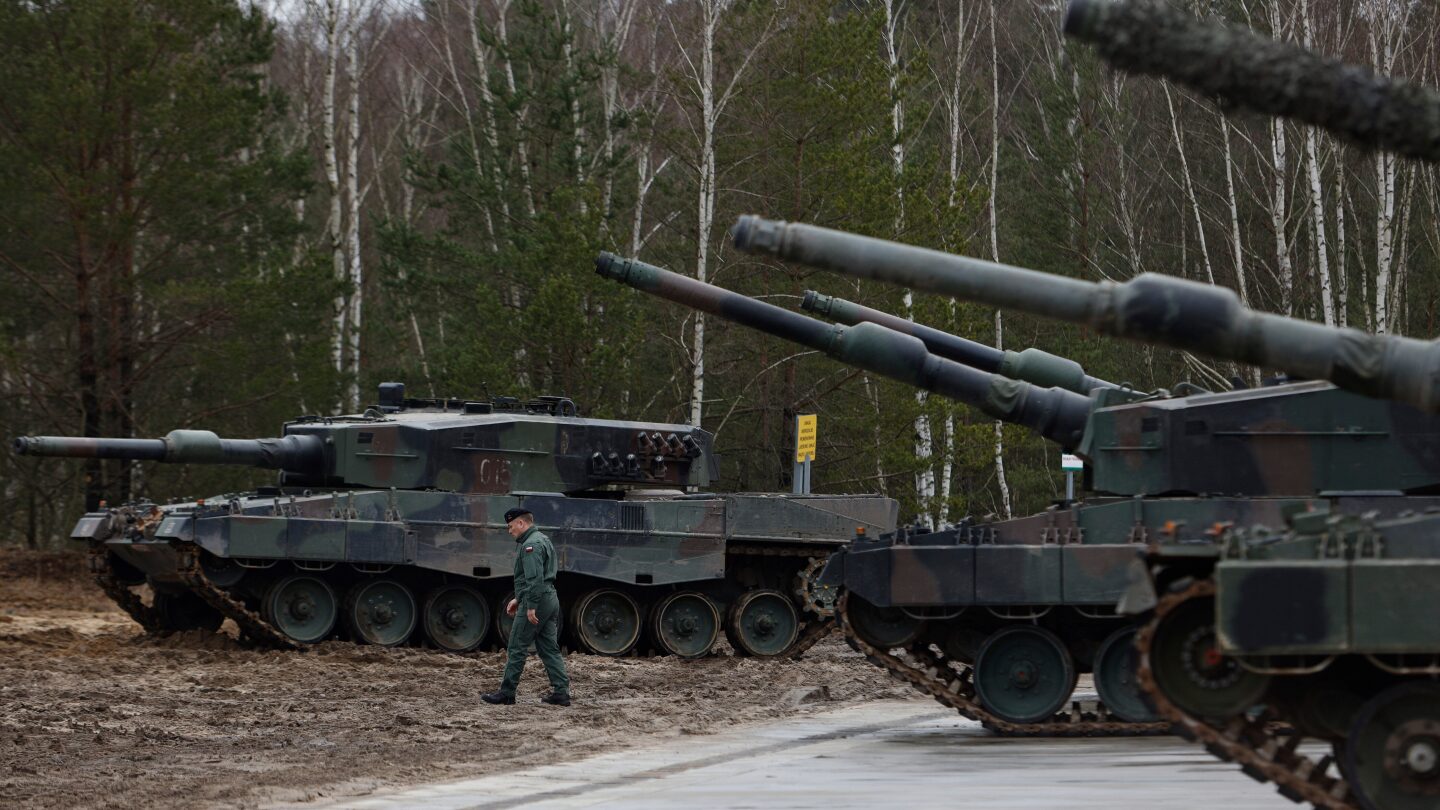
With an eye on Russia, EU wants to make it easier to deploy tanks and troops at short notice
In a significant move to bolster its defense capabilities, the European Union (EU) announced a comprehensive military mobility package on Wednesday. The initiative, spearheaded by the European Commission, aims to enhance the rapid deployment of troops and equipment across the 27-nation bloc. With mounting concerns over Russia’s potential aggression, the package allocates €17.65 billion ($20.4 billion) to upgrade 500 critical infrastructure points, including bridges, ports, and tunnels, which currently hinder the movement of heavy military vehicles. Additionally, armed forces will be granted priority access to airports, roads, and railways during emergencies, while regulations on transporting hazardous materials will be relaxed for military and defense contractors. EU Foreign Policy Chief Kaja Kallas emphasized the importance of increased defense spending, stating, ‘Weakness invites them to make their move. If we are strong, Russia will not attack.’ The announcement comes amid reports of Russian drone incursions and intelligence warnings of a potential attack on the EU within the next three to four years. The EU’s Defense Industry Transformation Roadmap, also unveiled, seeks to streamline regulations and boost domestic production of military equipment, with a projected defense spending of €3.4 trillion ($4 trillion) over the next decade. The initiative underscores the bloc’s shift towards greater self-reliance in defense, particularly as the U.S. signals a focus on its own security priorities.
-
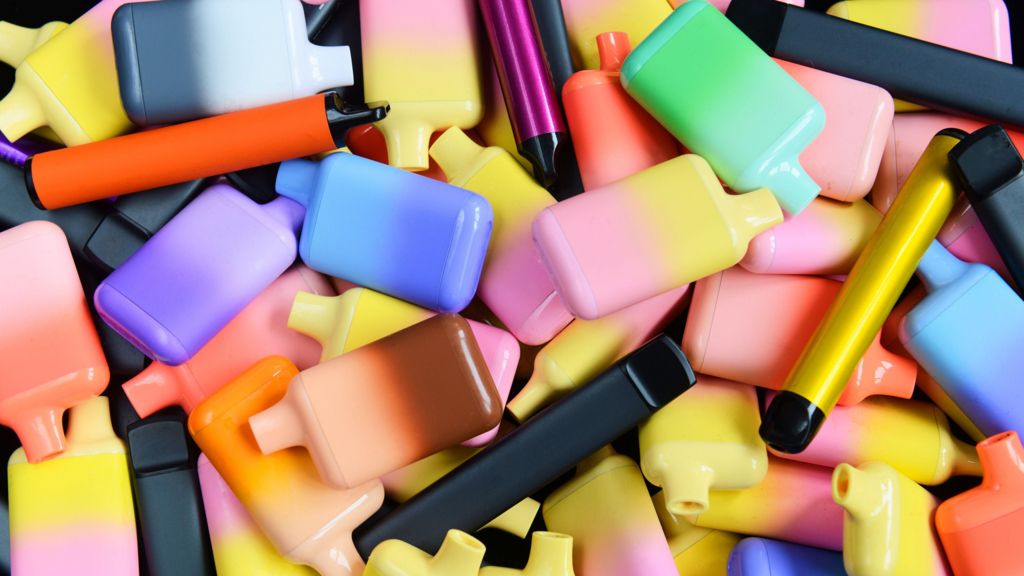
Irish government approves plans to ban disposable vapes
The Irish government has taken a decisive step to curb nicotine addiction among young people by approving a comprehensive ban on disposable vapes and introducing stringent regulations on other nicotine products. This move follows Northern Ireland’s earlier prohibition on the sale and supply of single-use vapes in April 2025. Under the new legislation, retailers in the Republic of Ireland found selling disposable e-cigarettes could face severe penalties, including up to two years in prison and fines of up to £5,000. Health Minister Jennifer Carroll MacNeill emphasized that the Public Health (Single Use Vapes) Bill 2025 aims to shield children from the allure of nicotine products. The government also plans to restrict the sale of nicotine pouches to individuals under 18 and ban advertising for such products in retail outlets. These measures will be integrated into the Public Health (Tobacco Products and Nicotine Inhaling Products) (Amendment) Bill, which will regulate packaging, flavors, and product displays. Both Carroll MacNeill and Minister of State Jennifer Murnane O’Connor pledged to expedite the implementation of these laws, highlighting their commitment to safeguarding the health of future generations.
-
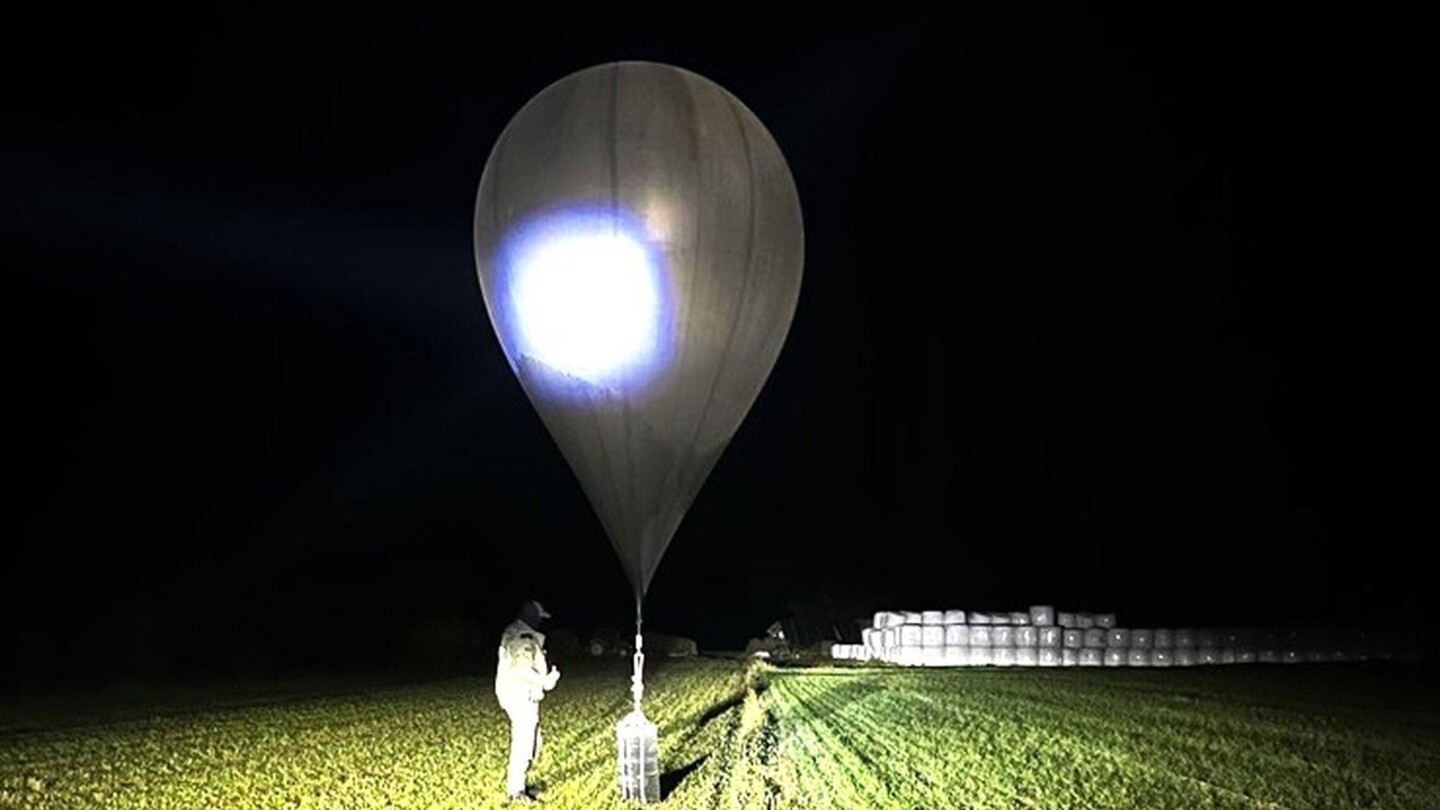
Lithuania to reopen border crossings with Russia-allied Belarus after tensions over balloons
In a significant diplomatic move, the Lithuanian government announced on Wednesday the reopening of its two border crossings with Belarus, weeks after their closure due to disruptions caused by cigarette-smuggling balloons. The crossings at Medininkai and Šalčininkai will resume operations on Thursday, marking a potential thaw in the strained relations between the neighboring countries. The decision follows a month-long closure initiated in late October, which Lithuanian officials attributed to deliberate provocations by Belarus, a close ally of Russia. The reopening is expected to alleviate the plight of Lithuanian trucks stranded in Belarus, as Minsk had refused to create an exclusive evacuation corridor without a full border reopening. Technical negotiations between customs officials from both nations took place on Tuesday, paving the way for this resolution. Belarusian President Alexander Lukashenko had previously threatened to seize over 1,200 stranded vehicles if Lithuania did not reopen the border, labeling the closure as part of a ‘hybrid war’ against his country. Lithuania, a NATO and EU member on the alliance’s eastern flank, has cautioned that the border could be shut again if airspace violations involving balloons or drones recur. Prime Minister Inga Ruginienė emphasized that the decision was made after several weeks of relative calm, but the government retains the right to close the borders if the situation deteriorates.