标签: Europe

欧洲

  • Canada joins EU defense fund as the country pivots away from the US

    Canada joins EU defense fund as the country pivots away from the US

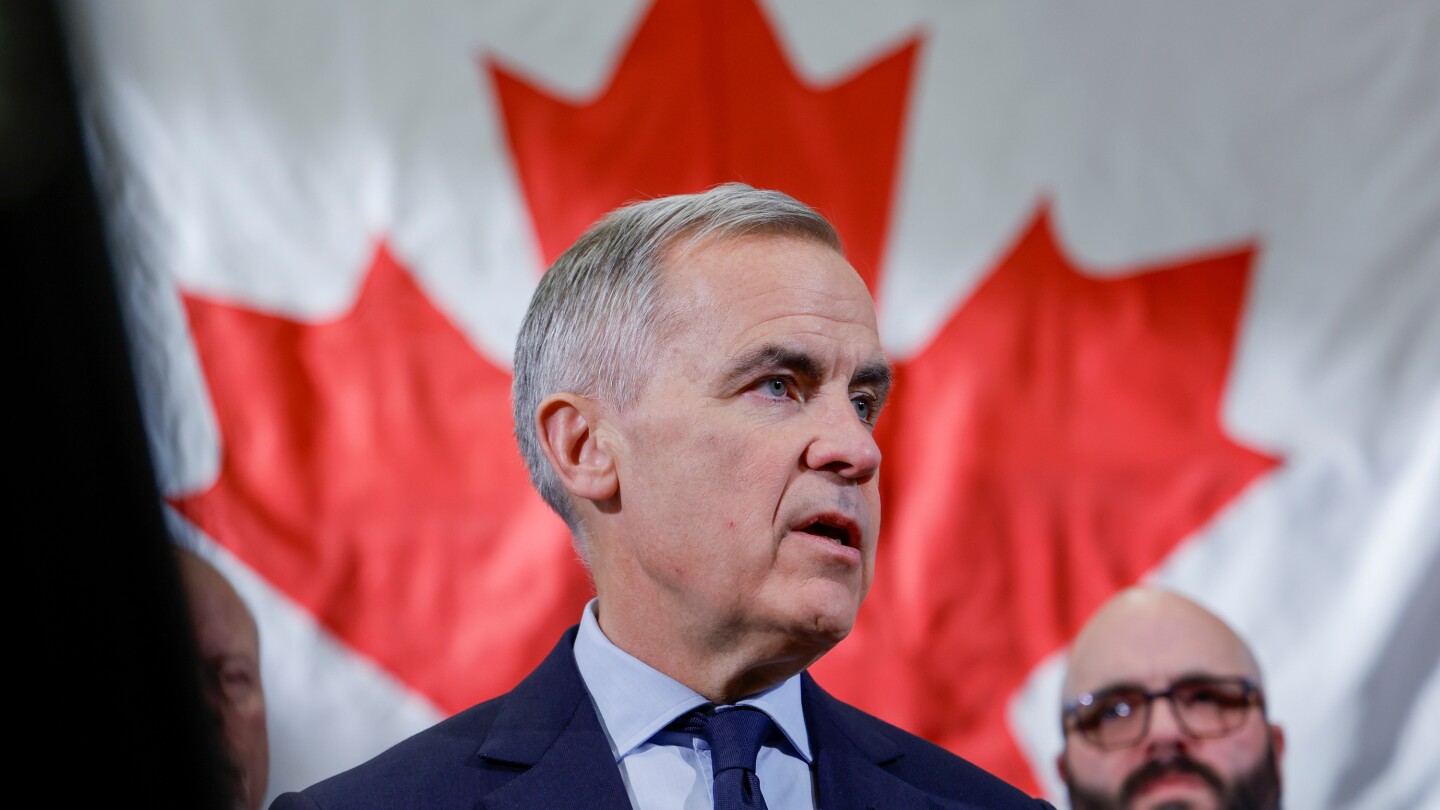
    In a significant strategic shift, Canada has become the inaugural non-European Union nation to gain access to the EU’s substantial defense financing mechanism. Prime Minister Mark Carney’s administration confirmed the country’s participation in the Security Action for Europe (SAFE) initiative, a €150 billion ($170 billion) loan program designed to bolster defense capabilities.

    This landmark agreement enables Canadian defense contractors to obtain EU-backed financing at favorable rates for military procurement, addressing what officials describe as critical capability shortages. The arrangement also facilitates market expansion for Canada’s defense industry while attracting European investment into Canadian military projects.

    Prime Minister Carney characterized the move as part of a broader strategy to diversify Canada’s defense procurement channels and strengthen transatlantic partnerships. His administration has explicitly committed to reducing dependence on United States military suppliers, noting that historically over 70% of Canadian defense capital expenditure has flowed to American contractors.

    The political context for this reorientation stems partly from strained relations with the previous U.S. administration. Trade conflicts and provocative statements regarding Canada’s sovereignty created domestic pressure for a more assertive stance toward American policies, contributing to Carney’s electoral success.

    Concurrently, Canada is reevaluating its fighter jet acquisition program, with the Swedish Gripen platform emerging as a potential alternative to American-made F-35s. Saab’s proposal includes significant Canadian assembly and maintenance components, aligning with the government’s domestic production priorities.

    This development occurs as Canada works toward fulfilling NATO’s defense spending benchmarks by next year, while contrasting with the United Kingdom’s unsuccessful negotiations to join the SAFE program last week over financial disagreements.

  • TV architect Hugh Wallace dies, aged 68

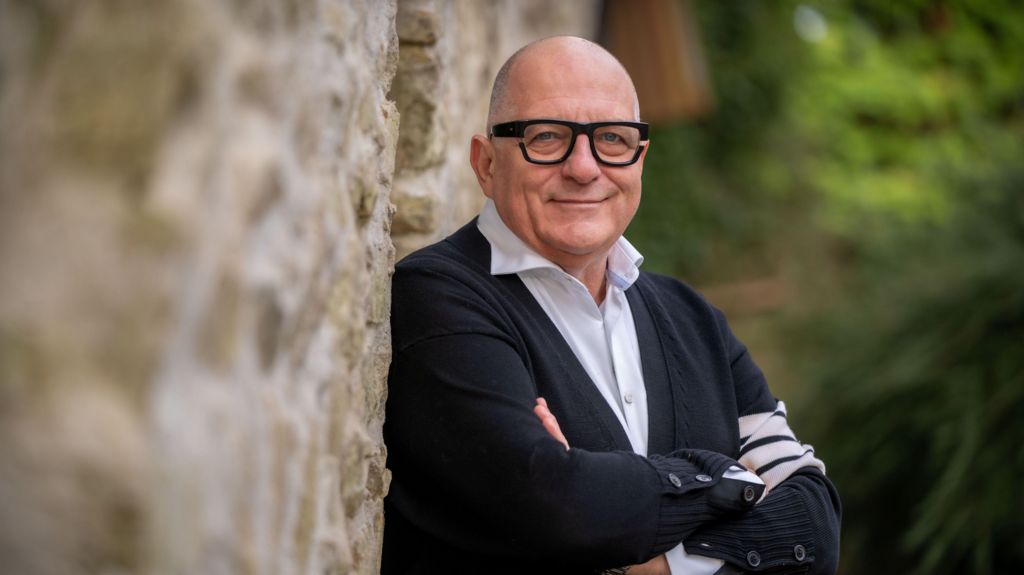
    TV architect Hugh Wallace dies, aged 68

    The entertainment and architecture communities are mourning the loss of Hugh Wallace, the celebrated television presenter and architect who passed away at age 68. Wallace gained national recognition as the enduring judge on RTÉ’s popular series “Home of the Year” since its 2015 premiere and hosted the BBC’s “The Great House Revival,” where he documented homeowners restoring neglected historical properties.

    Wallace’s husband, Martin Corbett, announced the tragic news through the architect’s Instagram account, expressing profound grief and requesting privacy during this difficult time. “It is with deep sadness and shock that I share the news that my beloved husband and soulmate, Hugh Wallace, passed away at home last night,” Corbett wrote. “I am heartbroken.”

    As a founding partner of Douglas Wallace Consultants, the architect left an indelible mark on both the professional and public spheres. The firm released an official statement praising Wallace’s extraordinary impact: “His passion, creativity and warmth touched colleagues, audiences, and friends across the country.”

    Irish political leaders joined in paying tribute to Wallace’s legacy. Taoiseach Micheál Martin expressed being “deeply saddened” by the news, acknowledging Wallace’s “advocacy for good architecture, coupled with his wonderful communication skills” as performing “a wonderful public service.” Tánaiste Simon Harris described him as “a character larger than life with a booming voice who made such an important contribution to Irish life.”

    RTÉ Director General Kevin Bakhurst highlighted Wallace’s unique ability to connect with audiences: “Hugh, with his fellow judges, not only opened the door to the most extraordinary homes in Ireland, but he also inspired viewers to engage with the vast possibilities of innovative design.” Wallace’s career spanned decades of making architectural appreciation accessible and entertaining to the public, establishing him as one of Ireland’s most beloved television personalities.

  • CMAT, Fontaines D.C. and Gorillaz to play Electric Picnic 2026

    CMAT, Fontaines D.C. and Gorillaz to play Electric Picnic 2026

    Ireland’s premier music celebration, Electric Picnic, has unveiled its initial headline performers for the 2026 edition, featuring an impressive crossover of international and homegrown talent. British virtual band Gorillaz will command the main stage on Saturday evening, while Dublin’s critically acclaimed post-punk ensemble Fontaines D.C. will bring the festival to a powerful close as Sunday night headliners.

    The announcement, made on Monday, also confirmed Irish pop sensation CMAT among the featured artists set to grace multiple stages at the country’s largest music and arts gathering. The preliminary lineup further includes Swedish songstress Zara Larsson, British grime icon Skepta, alongside emerging acts Sombr, Wunderhorse, Role Model, and Geese.

    Since its modest inception in 2004 with a mere 10,000 capacity, Electric Picnic has evolved into a sprawling three-day extravaganza featuring multiple performance areas and attracting top-tier international talent. The 2026 installment is scheduled to run from August 28th to 30th at the picturesque Stradbally Hall estate in County Laois.

    The festival has grown exponentially over two decades, with attendance figures reaching approximately 80,000 enthusiasts in 2025, cementing its status as Ireland’s definitive cultural happening that seamlessly blends musical performances with diverse artistic expressions and experiential installations.

  • A controversial infant Jesus is stolen from a Belgian Nativity scene

    A controversial infant Jesus is stolen from a Belgian Nativity scene

    BRUSSELS — Belgian authorities are investigating the audacious theft of a distinctive infant Jesus figure from a public Nativity display on Brussels’ historic Grand Place, marking the latest development in an ongoing cultural debate that has divided public opinion. The faceless cloth icon, created by artist Victoria-Maria Geyer as an inclusive interpretation of the Christ child, disappeared between Friday night and Saturday morning from its manger beneath the city’s massive Christmas tree.

    The stolen artwork had previously ignited substantial social media discourse due to its unconventional design—featureless faces crafted from soft fabrics that intentionally lacked eyes, noses, and mouths. Geyer, a self-described devout Catholic, conceived the figures to enable believers worldwide to project their own identities onto the biblical characters, fostering universal connection to the Christmas narrative regardless of cultural background.

    Despite the artist’s thoughtful intentions, the installation drew sharp criticism from some public figures. Georges-Louis Bouchez, leader of Belgium’s center-right MR party, publicly denounced the figures on social media platform X, comparing them to ‘zombie-like’ individuals and asserting they failed to capture the Christmas spirit.

    Brussels Major Events deputy director Delphine Romanus confirmed that initial reports of the figurine being beheaded were inaccurate, though she acknowledged previous incidents involving damage or theft of Nativity figures. The organization, which manages the annual Christmas market attracting over 4 million visitors, has already installed a replacement Jesus figure and increased security monitoring around the display.

    Interestingly, public sentiment has shifted since the theft, with initial negative social media reactions transforming into more supportive responses toward the artist’s vision. Local resident Francis De Laveleye expressed dismay at the vandalism, criticizing how artistic expression had been undermined by what he termed ‘a stupid little controversy that ridicules Brussels.’

    The Christmas market itself continues operation with 238 vendors offering seasonal goods, with the Nativity scene remaining a central attraction despite the controversy.

  • Four dead in Russian attack as diplomatic efforts to end war continue

    Four dead in Russian attack as diplomatic efforts to end war continue

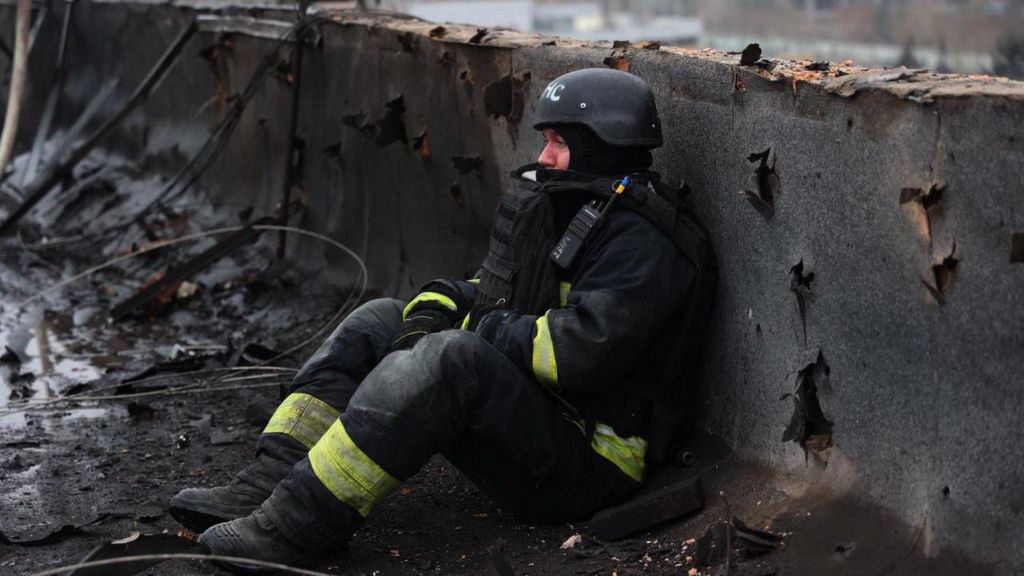
    A Russian ballistic missile struck the eastern Ukrainian city of Dnipro on Monday morning, resulting in four fatalities and 40 injuries according to local authorities. Unverified footage circulating online captured a massive detonation adjacent to a major highway, with subsequent reports confirming severe damage to commercial structures, retail establishments, and multiple vehicles.

    This assault occurs against the backdrop of intensified diplomatic efforts to broker peace in the ongoing conflict. U.S. Special Envoy Steve Witkoff is scheduled to meet Russian President Vladimir Putin in Moscow on Tuesday, following Sunday’s discussions with Ukrainian representatives in Florida. The Florida negotiations involved high-profile participants including U.S. Secretary of State Marco Rubio and Jared Kushner, former son-in-law to Donald Trump.

    Ukrainian President Volodymyr Zelensky characterized the preliminary talks as “highly constructive” while acknowledging persistent “challenging issues” requiring resolution. This assessment aligned with Secretary Rubio’s description of the meetings as “productive” though necessitating additional diplomatic work.

    The missile attack highlights the continuing vulnerability of Ukrainian population centers despite ongoing peace initiatives. Dnipro, situated approximately 100 kilometers from active combat zones, has endured repeated aerial assaults since Russia’s full-scale invasion commenced in February 2022.

    Substantial disagreements continue to divide the warring parties, particularly regarding territorial control of the Donbas region. Moscow maintains its demand for Ukrainian withdrawal from Donbas, with President Putin threatening military enforcement if necessary. President Zelensky has countered that Russia demonstrates contempt for genuine peace efforts through such ultimatums.

    Additional complications emerge regarding Ukraine’s prospective security arrangements, with Kyiv seeking NATO membership guarantees opposed by both Russia and former President Trump. Concurrently, Zelensky faces domestic political challenges following a corruption investigation that prompted the resignation of his chief of staff Andriy Yermak and dismissal of two cabinet ministers.

    As diplomatic maneuvers continue, Zelensky has embarked on a European tour to secure support from French President Emmanuel Macron, with subsequent travels planned to Ireland. These visits address growing concerns among European allies regarding potential exclusion from negotiation processes and perceived shifts in U.S. diplomatic positioning.

    The human cost of the conflict remains staggering, with tens of thousands of military casualties, thousands of civilian deaths, and approximately seven million displaced persons since the invasion’s commencement. This violence represents the most recent escalation in hostilities originating from Russia’s 2014 annexation of Crimea following Ukraine’s political realignment.

  • ICC president vows to resist US and Russian pressure despite sanctions and threats

    ICC president vows to resist US and Russian pressure despite sanctions and threats

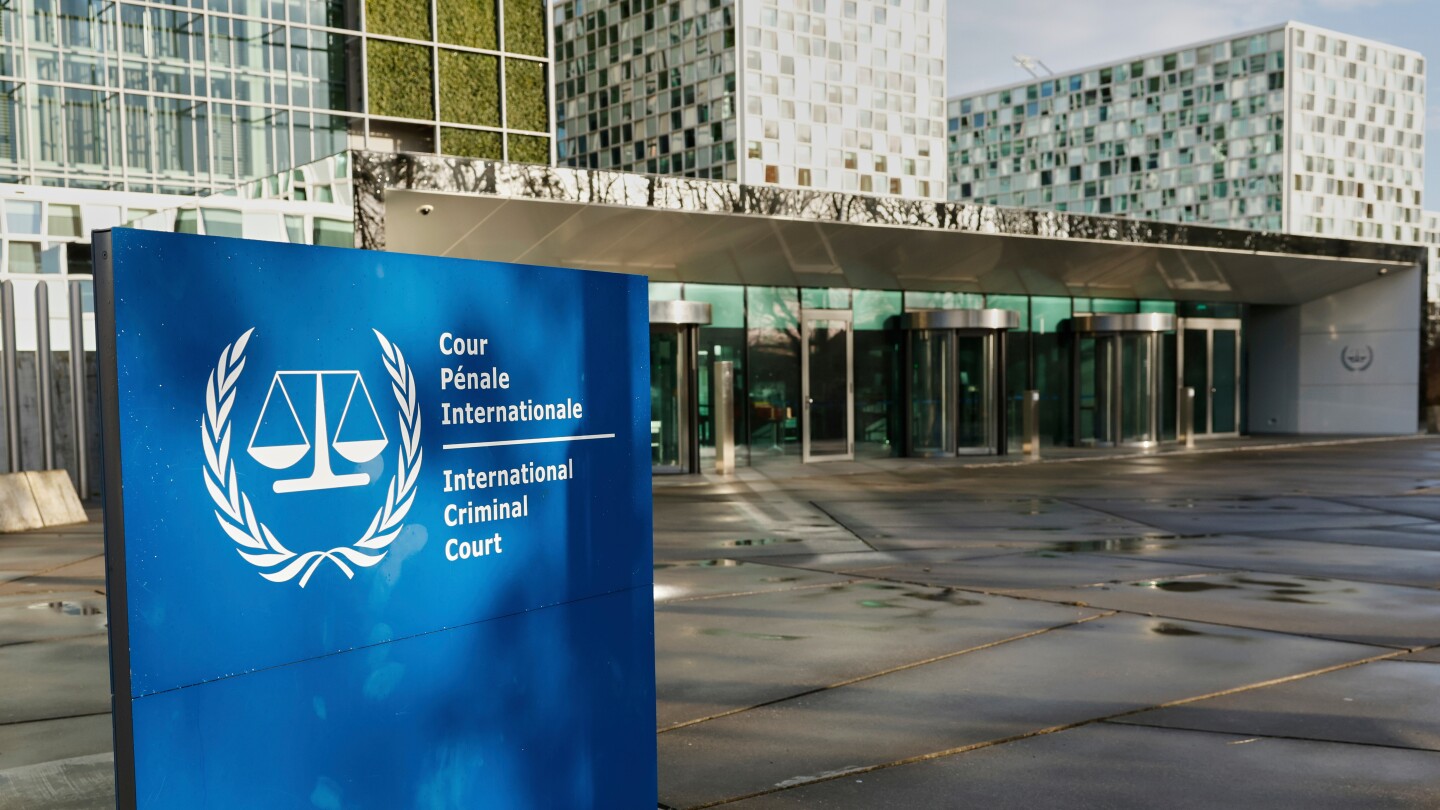
    THE HAGUE, Netherlands — In a defiant address at its annual assembly, the International Criminal Court (ICC) declared it would resist mounting external pressures from global powers. Court President Judge Tomoko Akane asserted the institution’s independence before delegations from 125 member states, emphasizing, “We never accept any kind of pressure.”

    The declaration comes amid significant challenges: nine ICC officials, including six judges and Chief Prosecutor Karim Khan, face sanctions from the Trump administration. These measures were imposed in response to investigations targeting U.S. and Israeli officials. Simultaneously, Moscow has issued warrants against court staff following the ICC’s arrest warrant for Russian President Vladimir Putin concerning Ukraine conflict allegations.

    These sanctions have substantially impacted the court’s operational capacity across multiple investigations, straining resources as demand for its services grows. The current administration under President Joe Biden has not reversed these sanctions, maintaining the stance established in 2020 when Trump targeted Prosecutor Khan over probes involving Israel.

    In a major development, the court has issued arrest warrants for Israeli Prime Minister Benjamin Netanyahu and former Defense Minister Yoav Gallant regarding alleged war crimes during Israel’s military operations in Gaza following Hamas’ October 2023 attacks.

    The ICC, established in 2002 as the permanent global court for prosecuting severe international crimes including genocide and war crimes, operates when national jurisdictions fail to act. Notably, the United States, Israel, Russia, and China remain non-member states. The court lacks its own enforcement capabilities and depends on member cooperation to execute warrants.

    Adding to these external pressures, Prosecutor Khan has temporarily stepped down pending an investigation into allegations of sexual misconduct, which he denies. Assembly of States Parties President Päivi Kaukoranta acknowledged frustrations with the prolonged investigation timeline, though no completion date has been set.

    The weeklong meeting will address critical operational matters, including budget approvals, against this backdrop of international pressure and internal challenges.

  • Zelenskyy meets with Macron in Paris as U.S.-led peace negotiations advance

    Zelenskyy meets with Macron in Paris as U.S.-led peace negotiations advance

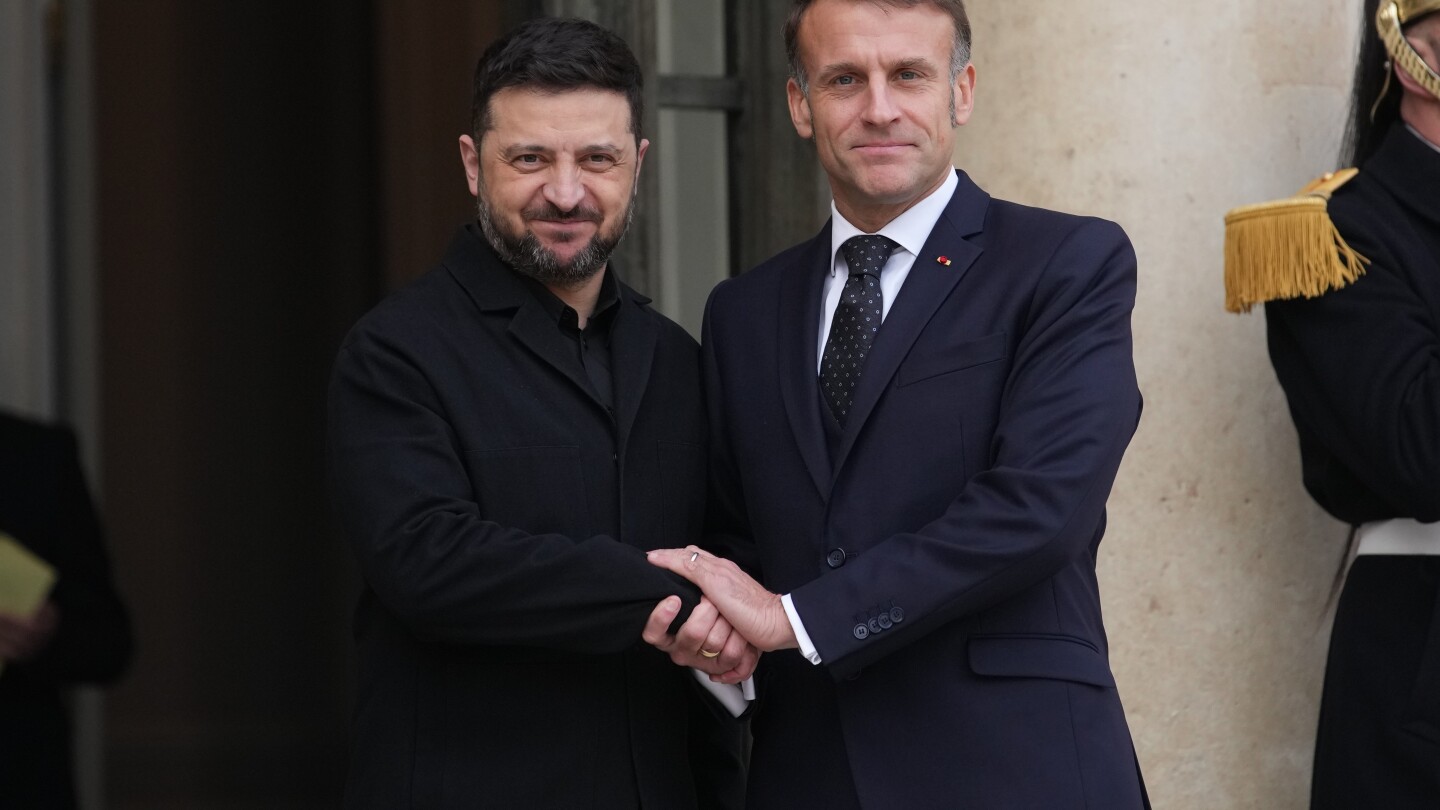
    PARIS — A significant diplomatic push unfolded Monday as Ukrainian President Volodymyr Zelenskyy convened with French counterpart Emmanuel Macron at the Élysée Palace, marking the latest high-level engagement in complex negotiations toward a potential ceasefire in the protracted Ukraine conflict. This Paris meeting followed Sunday’s discussions between Ukrainian and U.S. officials in Florida, which Secretary of State Marco Rubio characterized as productive despite substantial outstanding issues.

    The diplomatic efforts center on revising a U.S.-authored peace proposal that has drawn criticism from European allies for perceived excessive concessions to Russian interests. The initial 28-point framework—which would restrict Ukraine’s military capacity, bar NATO membership, and require territorial concessions—has been downplayed by U.S. President Donald Trump as merely a conceptual starting point requiring refinement.

    Macron’s office stated the leaders would deliberate conditions for a “fair and lasting peace,” with the French president emerging as a key counterbalance to elements favoring Russian positions. Last week, Macron urged Western allies to provide “rock-solid” security guarantees to Ukraine, including potential deployment of a multinational “reassurance force” across land, sea, and air domains to ensure the nation’s defense.

    Parallel diplomatic channels saw Kremlin confirmation that Russian President Vladimir Putin would meet Tuesday with U.S. presidential envoy Steve Witkoff, whose role faced scrutiny following reports he coached Russian officials on presenting the peace plan to Trump. Both Moscow and Washington minimized these revelations’ significance.

    Meanwhile, military tensions escalated as Kremlin spokesperson Dmitry Peskov condemned Ukrainian strikes on Russian energy infrastructure, including an attack on the Caspian Pipeline Consortium terminal that forced operational halts and another targeting tankers in Turkish waters. Ukraine confirmed conducting these operations, which Peskov labeled “outrageous” due to targeting international facilities.

    Russia’s Defense Ministry reported destroying 32 Ukrainian drones overnight across 11 regions and the Sea of Azov, with regional officials noting damage to residential structures in Dagestan—over 1,000 kilometers from frontline combat zones.

  • UK leader Keir Starmer backs his Treasury chief over claims she misled the public about the economy

    UK leader Keir Starmer backs his Treasury chief over claims she misled the public about the economy

    LONDON — British Prime Minister Keir Starmer has publicly supported his Treasury chief amid mounting opposition accusations regarding the government’s handling of pre-budget financial communications. The controversy centers on Chancellor of the Exchequer Rachel Reeves’ statements preceding last week’s fiscal announcement, which opposition parties claim misrepresented the nation’s economic outlook.

    Three weeks prior to unveiling her budget, Reeves indicated potential income tax increases that would have contradicted a key Labour election pledge. However, following resistance from within her own party and more favorable-than-anticipated public finance reports, the Chancellor altered course, implementing smaller revenue-generation measures instead.

    Conservative and Scottish National Party politicians have formally requested the Financial Conduct Authority to examine Reeves’ pre-budget remarks and media disclosures. Their allegations suggest the Chancellor possessed advance knowledge of the Office for Budget Responsibility’s improved fiscal forecast while publicly discussing economic challenges. Reform U.K. leader Nigel Farage has additionally urged the government’s standards advisor to investigate the matter.

    Reeves maintains her complete transparency, explaining that the OBR had initially projected a £16 billion ($21 billion) revenue shortfall due to downgraded productivity forecasts—a significantly smaller deficit than previously reported. The Chancellor emphasized she accurately communicated that the OBR assessment would necessitate additional public contributions.

    The current administration, which achieved a decisive electoral victory in July 2024 after campaigning on a platform of no income tax increases for working citizens, has implemented £26 billion ($34 billion) in tax measures primarily to establish financial buffers against potential economic volatility.

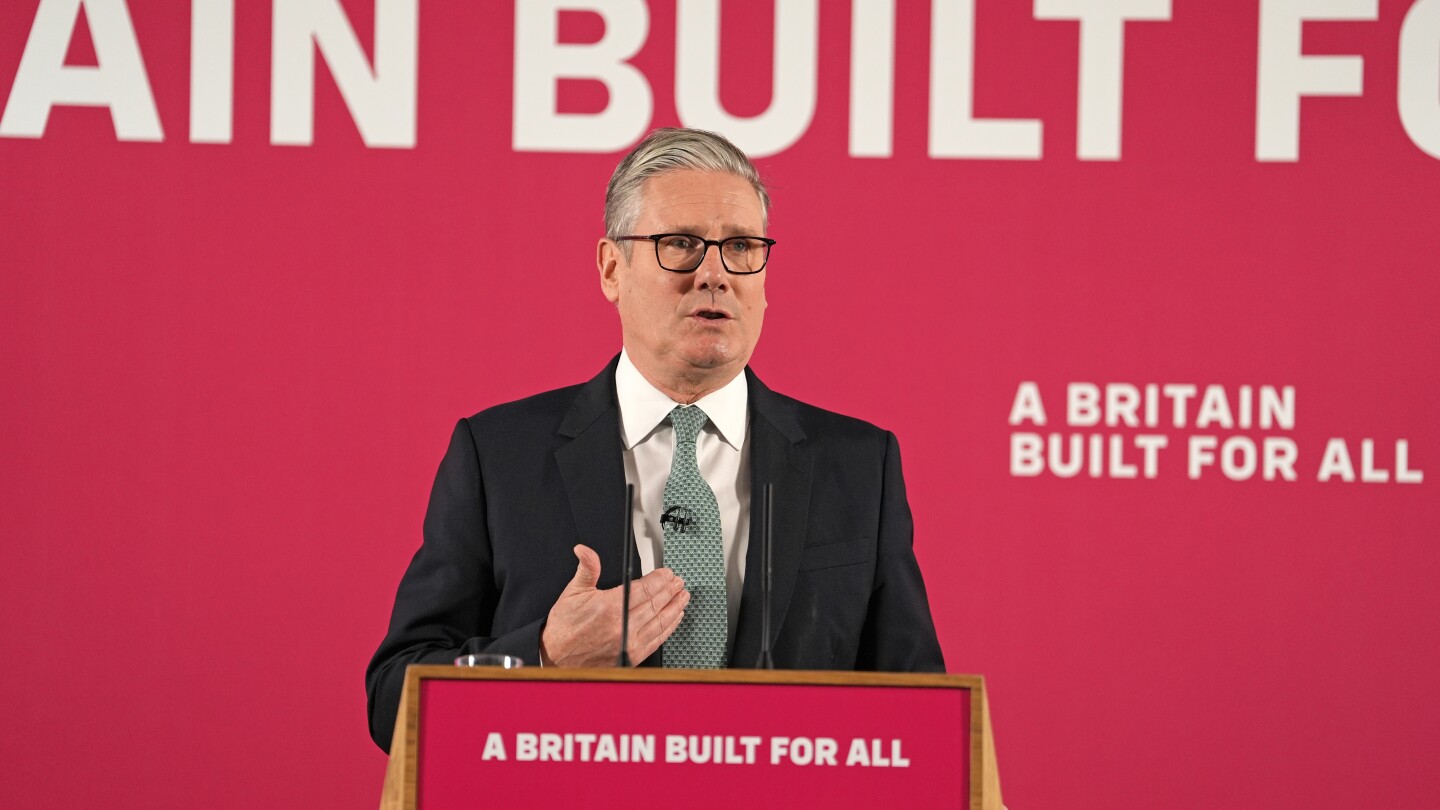
    Prime Minister Starmer, speaking at a London community center, defended these decisions by highlighting the “total crisis” in public finances and services inherited after fourteen years of Conservative governance. He framed the tax adjustments, minimum wage increases, and public service investments as necessary steps to alleviate child poverty and redirect the nation from economic decline.

    The government now advances two potentially contentious initiatives: reducing Britain’s expanding welfare expenditure and pursuing closer ties with the European Union. The former risks alienating Labour constituents, while the latter may provoke pro-Brexit Conservative and Reform politicians. Starmer acknowledged that the existing EU exit agreement has “significantly hurt our economy,” asserting that closer European relations remain essential for Britain’s economic future.

  • ‘Rage bait’ named Oxford University Press word of year as outrage fuels social media traffic in 2025

    ‘Rage bait’ named Oxford University Press word of year as outrage fuels social media traffic in 2025

    LONDON — In a definitive reflection of contemporary digital culture, Oxford University Press has declared “rage bait” its Word of the Year for 2025. The selection process, conducted by the publisher’s expert lexicographers, identifies terms that embody the prevailing spirit and significant linguistic developments of the era.

    The chosen phrase precisely defines online material crafted with the explicit intention to provoke intense anger, frustration, or moral outrage. This provocative content functions as a strategic mechanism to amplify user engagement—measured through comments, shares, and reactions—thereby funneling substantial traffic toward specific social media accounts and content creators.

    Renowned lexicographer Susie Dent, in an interview with the BBC, elucidated the psychological and algorithmic dynamics fueling this phenomenon. “The creators of such content revel in the ensuing storm of millions of interactions,” Dent stated. She attributed the virality of rage bait to social media platforms’ underlying algorithms, which, despite a universal appreciation for positive content, demonstrably prioritize and amplify negative and provocative material due to its superior engagement metrics.

    “Rage bait” emerged victorious from a competitive shortlist that included two other digitally-native terms: “aura farming” and “biohack.” The former denotes the calculated cultivation of a public persona designed to project an image of effortless confidence, coolness, or enigmatic appeal. The latter refers to a range of practices aimed at biologically enhancing one’s physical capabilities, cognitive function, or overall longevity.

    The final selection incorporated insights from a period of public voting on the lexicographers’ shortlisted candidates, cementing “rage bait’s” status as the most culturally resonant term.

    This annual tradition, upheld by Oxford University Press—the publisher of the esteemed Oxford English Dictionary—since 2004, serves as a linguistic barometer. It tracks the emergence of new words and the evolution of language usage, highlighting those with profound cultural impact. Historical selections include “podcast” (2005), “emoji” (2015), and 2022’s “goblin mode,” which captured the post-pandemic reluctance to resume pre-existing social norms.

  • Ukrainian President Zelensky set for visit to Republic of Ireland

    Ukrainian President Zelensky set for visit to Republic of Ireland

    Ukrainian President Volodymyr Zelensky is embarking on a landmark diplomatic mission to Dublin on Tuesday, marking the first official visit by a Ukrainian head of state to Ireland. The high-profile trip includes meetings with Taoiseach (Irish Prime Minister) Micheál Martin and newly-inaugurated Irish President Catherine Connolly during a formal courtesy call.

    The centerpiece of President Zelensky’s itinerary will be his participation in the inauguration ceremony of the Ireland-Ukraine Economic Forum. The event will feature prominent Irish political figures including Tánaiste (Deputy Prime Minister) Simon Harris and Minister for Foreign Affairs and Trade Helen McEntee, signaling the importance both nations place on enhancing economic cooperation.

    This visit builds upon previous diplomatic engagements between the two leaders. Taoiseach Martin previously welcomed President Zelensky at Shannon Airport in County Clare last February during the Ukrainian leader’s transit to the United States for meetings with President Donald Trump. Their diplomatic relationship further solidified during Martin’s official visit to Kyiv in July 2022.

    The Irish government emphasized the visit’s significance in reinforcing the “very close and warm relations” between Ireland and Ukraine. Official statements highlighted Ireland’s unwavering support for Ukraine’s defense against Russian aggression and recognition of the substantial contributions made by the Ukrainian refugee community in Ireland.

    Since the outbreak of conflict in February 2022, Ireland has provided refuge to approximately 120,000 Ukrainian nationals. While some have returned to Ukraine, current estimates indicate around 80,000 remain settled across Irish communities, creating enduring cultural and social bonds between the nations.

    Taoiseach Martin characterized the timing of President Zelensky’s visit as “critical” for both Ukraine and Europe, noting ongoing international efforts to establish “just and lasting peace” in the region. The Irish leader praised the resilience of the Ukrainian people, stating they have “inspired the world in their brave defence of their country and its sovereignty against brutal and illegal invasion.”

    Expected discussions will focus on Ireland’s continued support mechanisms for Ukraine and strategies to strengthen Ukraine’s negotiating position in future peace talks. The meetings represent a significant moment in European diplomatic relations amid continued conflict in Eastern Europe.