标签: Europe

欧洲

  • Bulgaria’s government withdraws controversial budget after major protests

    Bulgaria’s government withdraws controversial budget after major protests

    SOFIA, Bulgaria — In a significant reversal, Bulgaria’s government has officially withdrawn its contentious budget proposal following days of widespread demonstrations that culminated in violent clashes between protesters and police forces. The decision comes after tens of thousands of citizens took to the streets across major cities, expressing vehement opposition to fiscal measures they believe would adversely impact economic stability.

    The proposed budget, which included elevated tax rates, increased social security contributions, and substantial spending hikes, faced fierce criticism from both opposition parties and business associations. Critics argued these measures would deter foreign investment, encourage growth of the shadow economy, and potentially trigger inflation without corresponding improvements in public service efficiency. These concerns are particularly acute as Bulgaria prepares for its anticipated entry into the eurozone at the beginning of next year.

    Initially, the administration pledged to retract the draft for comprehensive revision after earlier protests but subsequently reaffirmed its commitment to the proposal, sparking renewed public outrage. Monday night witnessed one of the largest gatherings in the capital, with organizers estimating approximately 50,000 participants in Sofia alone.

    The demonstrations, predominantly led by younger citizens, began peacefully with participants chanting slogans such as ‘We will not allow ourselves to be lied to; we will not allow ourselves to be robbed’ and demanding either substantial revisions or the government’s resignation. Signs reading ‘Generation Z is Coming’ and ‘Young Bulgaria Without the Mafia’ highlighted the intergenerational discontent with current policies.

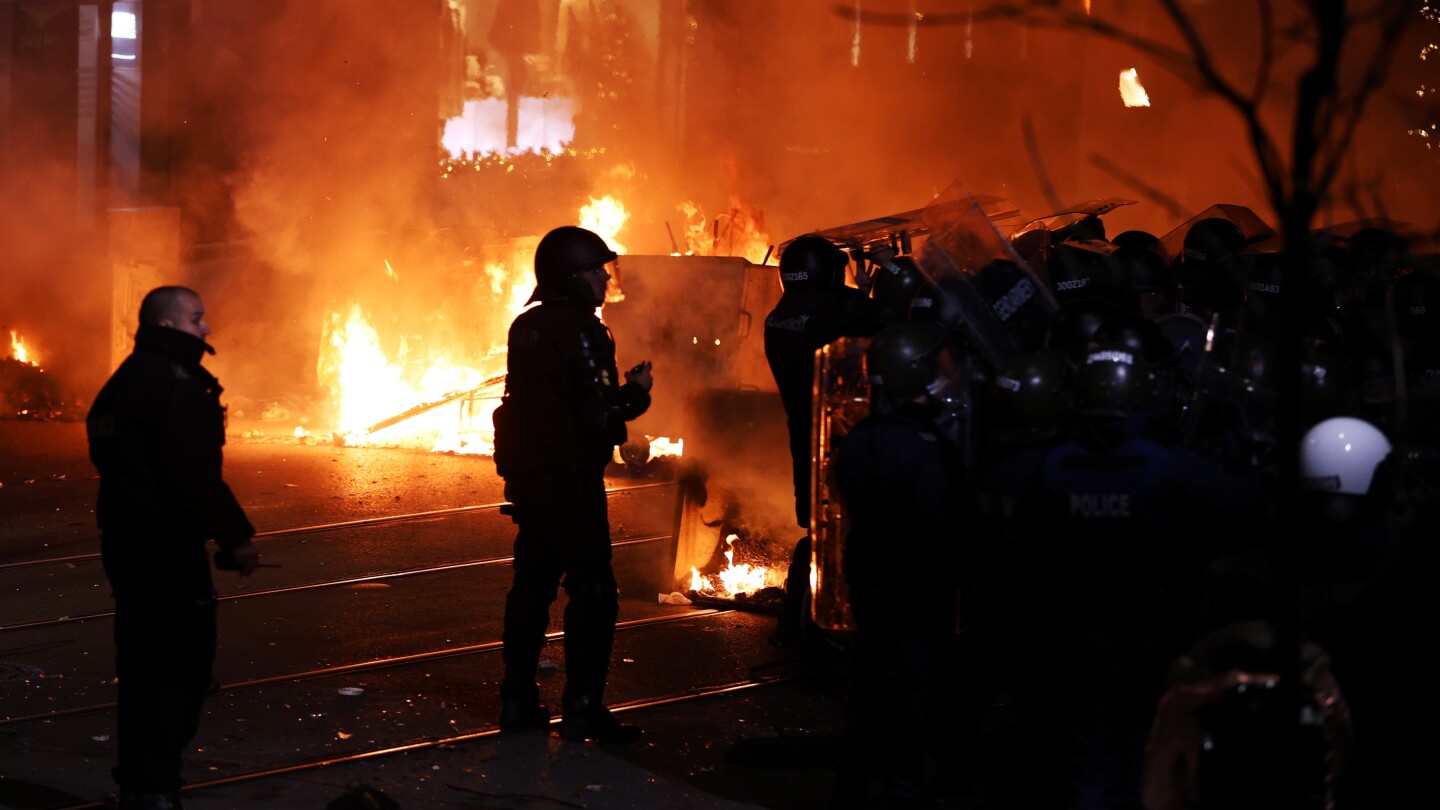
    However, tensions escalated dramatically when splinter groups of protesters targeted the headquarters of major ruling parties. These individuals, many clad in black hoodies and masks, engaged in violent acts including throwing projectiles, setting fire to garbage containers, and vandalizing police vehicles. Riot police responded with pepper spray and other crowd control measures, resulting in multiple injuries and at least 10 arrests according to official statements.

    The government maintained that its original budget draft was essential for complying with eurozone membership requirements, particularly the mandate to maintain budget deficits below 3% of GDP. Nevertheless, the scale of public opposition has forced a strategic retreat, signaling the growing influence of civic mobilization in shaping national economic policy.
  • ‘Hung by my wrists and beaten’: Israeli-Russian woman says Iraqi militants tortured her in captivity

    ‘Hung by my wrists and beaten’: Israeli-Russian woman says Iraqi militants tortured her in captivity

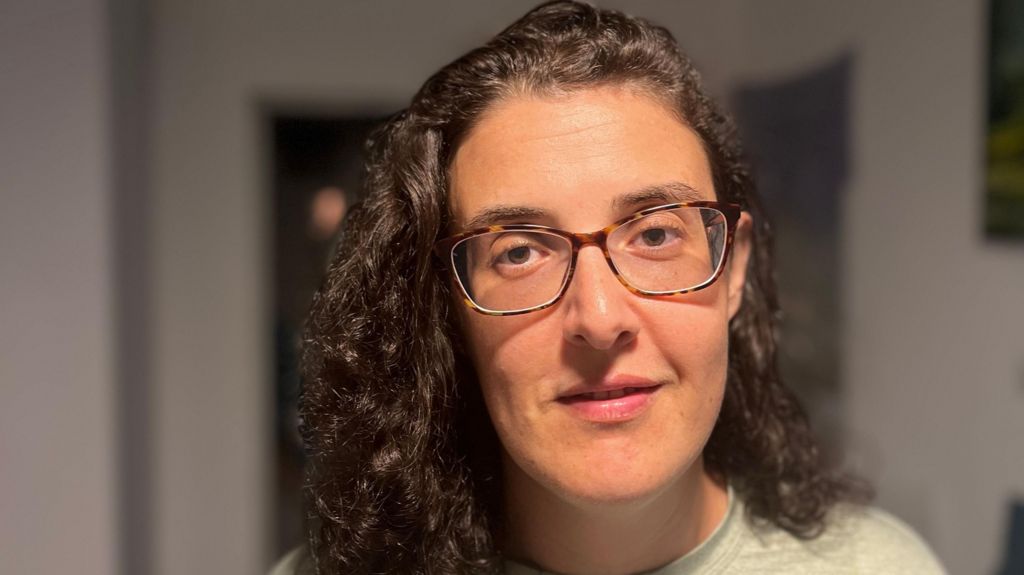
    Elizabeth Tsurkov, an Israeli-Russian academic held captive for 903 days by Iran-backed militants in Iraq, has provided a harrowing account of her ordeal to the BBC. The Princeton University doctoral student, kidnapped in March 2023 while conducting fieldwork in Baghdad, endured extreme torture including electrocution, whipping, sexual abuse, and being suspended from ceilings with her hands cuffed behind her back.

    Ms. Tsurkov described how her captors—believed to be members of Kataib Hezbollah, a US-designated terrorist organization—initially didn’t know about her Israeli citizenship. When they accessed her phone and discovered her nationality, the brutal interrogation intensified. She resorted to inventing false confessions based on her captors’ conspiracy theories, attempting to satisfy their demands while protecting Iraqi activists she knew.

    Her release in September came after what she describes as a direct US intervention. According to Ms. Tsurkov, Trump-appointed special envoy Mark Savaya delivered an ultimatum to Iraqi Prime Minister Mohammed Shia al-Sudani: secure her release within a week or face the elimination of Kataib Hezbollah’s leadership. She was freed within days, though Iraqi officials credited their own security services’ efforts.

    Now recovering in Israel, Ms. Tsurkov faces significant physical and psychological challenges. She notes the irony that her PTSD symptoms align with Israel’s collective trauma following the October 7 attacks. Despite being a longtime critic of Israeli policy and advocate for Palestinian rights, she expresses deepened pessimism about regional peace prospects, noting that the Gaza border communities attacked on October 7 were home to many peace activists.

    The academic remains determined to complete her PhD while confronting the lasting effects of her captivity, including the psychological impact of having internalized elements of her false confessions. She describes her survival as a combination of luck and resilience in extraordinarily unlucky circumstances.

  • Crumbling homes redress payouts top €230m

    Crumbling homes redress payouts top €230m

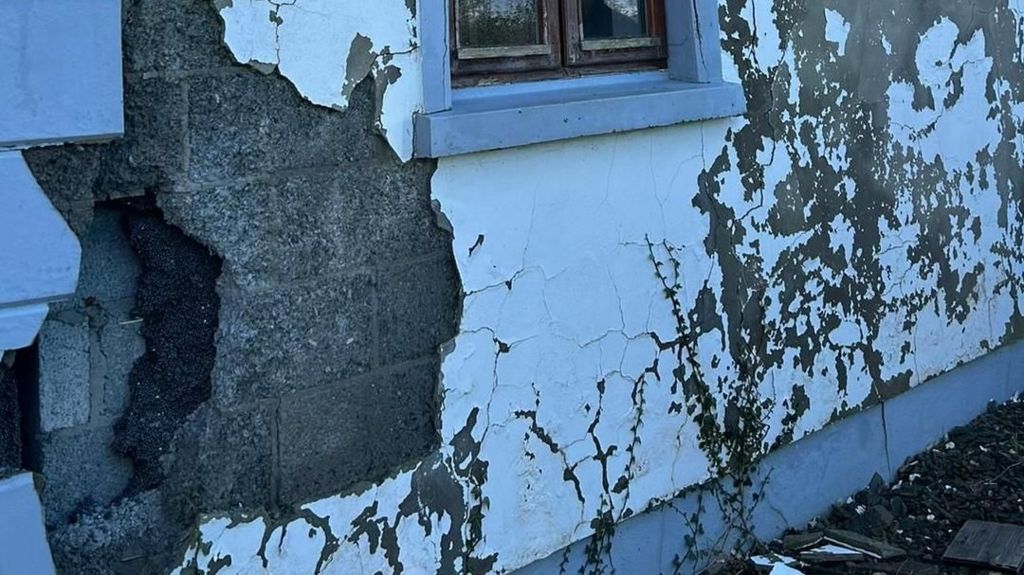
    A severe housing crisis continues to unfold across Ireland’s northwestern regions as thousands of families remain trapped in structurally compromised homes due to defective concrete blocks. Despite government allocations exceeding €235 million through a redress program established in November 2021, implementation delays have left numerous households facing unsafe living conditions.

    The problematic construction materials, containing water-absorbing minerals that cause cracking and structural failure, have predominantly affected properties in Donegal, Clare, Limerick, Mayo, and Sligo. Many residences have experienced significant deterioration, with some requiring complete demolition like the family home of Joy Beard, a councilor from the 100% Redress Party.

    Official statistics reveal modest progress within the compensation framework. While over 1,700 remediation determinations have been issued and approximately 320 households completed repairs by October, campaigners emphasize these numbers represent just a fraction of affected homeowners. More than 1,000 additional properties have commenced repair operations, yet thousands await assistance.

    Critics highlight systemic flaws in the current approach. The financial cap of €420,000 per home, combined with insufficient upfront funding and a critical shortage of temporary housing during reconstruction, creates impossible barriers for many families. Additionally, Ireland’s broader housing shortage exacerbates relocation challenges during necessary repairs.

    With winter intensifying, thermal inefficiency in damaged homes presents immediate health and safety concerns. Heat loss through wall cracks further compounds the financial strain on residents already facing substantial reconstruction costs. Government projections indicate additional funding of approximately €175 million earmarked for 2026, but affected communities demand accelerated action and program reforms to address what many describe as a worsening humanitarian issue.

  • Russia and the US threatened to resume nuclear testing after several decades. Here is why it matters

    Russia and the US threatened to resume nuclear testing after several decades. Here is why it matters

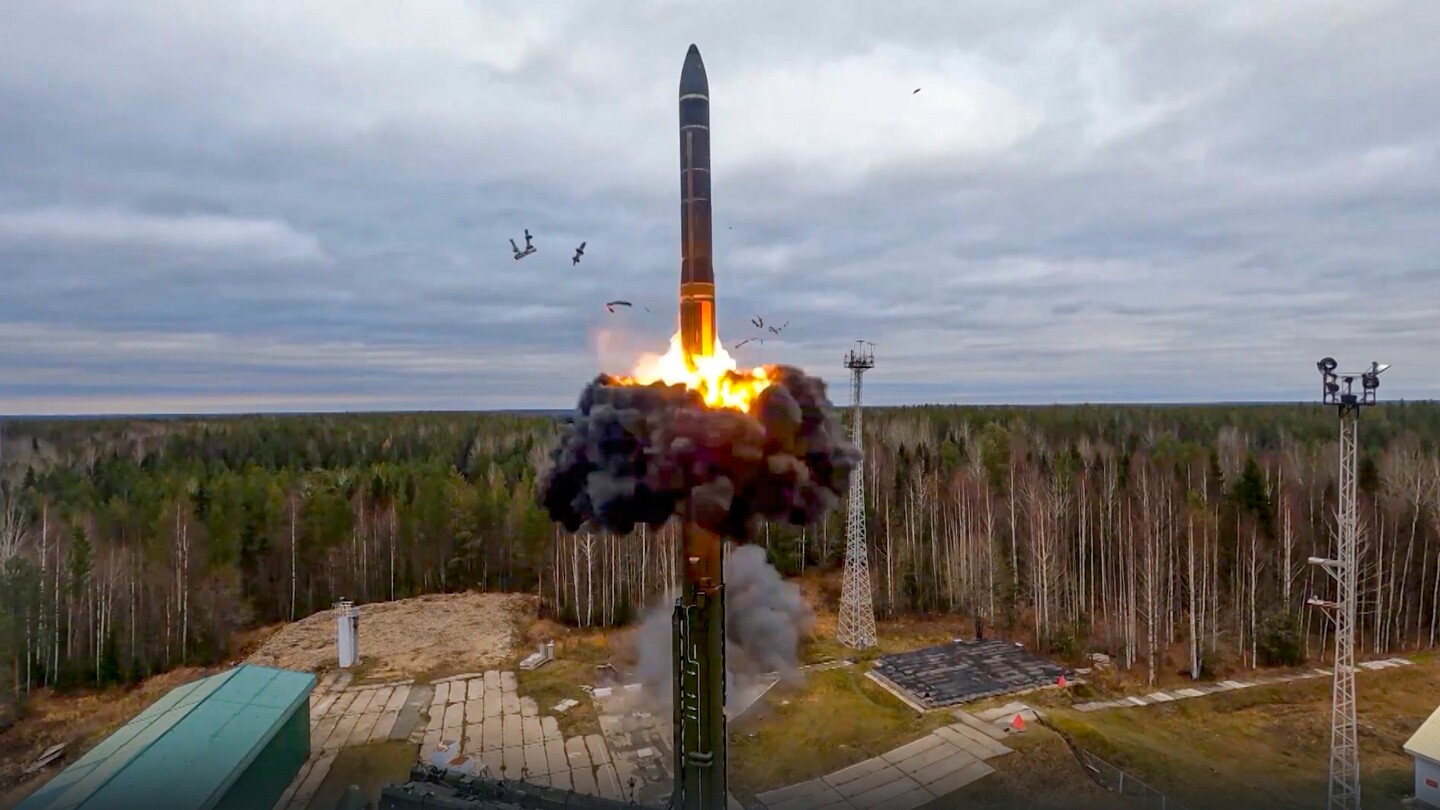
    VIENNA — The fragile international consensus against nuclear weapons testing faces unprecedented strain as both the United States and Russia have issued reciprocal threats to resume atomic experiments, triggering widespread alarm among nonproliferation experts and global security analysts.

    In late October, U.S. President Donald Trump declared via his Truth Social platform that he had instructed the Department of War to initiate nuclear weapons testing “on an equal basis” with other nations’ programs, asserting this process would “begin immediately.” This pronouncement prompted a swift response from Moscow, where Russian President Vladimir Putin informed his Security Council that Russia would be “under obligation to take reciprocal measures” should the U.S. or any Comprehensive Nuclear-Test-Ban Treaty (CTBT) signatory conduct nuclear tests.

    The current crisis unfolds against the backdrop of the CTBT, adopted by the U.N. General Assembly in 1996 following decades of escalating concerns about atmospheric testing. Although the treaty has achieved near-universal acceptance with 187 signatories and 178 ratifications, it has never formally entered into force due to the requirement that 44 specific nuclear technology-capable states must ratify it. Nine nations remain outside the ratification framework: China, Egypt, Iran, Israel and the U.S. have signed but not ratified; India, North Korea and Pakistan neither signed nor ratified; while Russia recently revoked its ratification in 2023, citing “unacceptable” imbalance with the U.S. position.

    Vienna-based Comprehensive Nuclear-Test-Ban Treaty Organization (CTBTO) maintains an extensive global monitoring network comprising 307 stations utilizing seismic, hydroacoustic, infrasound and radionuclide technologies to detect nuclear explosions. With a 2025 budget exceeding $139 million, the organization has successfully detected all six North Korean tests between 2006-2017.

    Arms control experts warn that resumed testing would particularly benefit nations with less nuclear testing experience. Daryl Kimball of the Arms Control Association cautioned that U.S. testing would “open the door for states with less nuclear testing experience to conduct full-scale tests that could help them perfect smaller, lighter warhead designs,” ultimately decreasing both U.S. and international security. Joseph Rodgers of the Center for Strategic and International Studies noted that countries like China and India “stand to profit from a resumption of nuclear tests” more than the U.S. or Russia, who have conducted the vast majority of the approximately 2,000 tests occurring mostly before 1996.

    The nature of potential testing remains unclear. U.S. Energy Secretary Chris Wright indicated new tests would exclude nuclear explosions, referencing subcritical experiments that produce no self-sustaining chain reaction and thus don’t violate the CTBT. The treaty specifically bans supercritical tests creating nuclear yield—the energy release defining destructive power—under a zero yield standard.

    Detection challenges persist for extremely low-yield hydronuclear tests conducted underground in metal chambers, which Kimball describes as creating a “verification gap.” While the monitoring system was designed to detect 1 kiloton explosions (compared to Hiroshima’s 15 kilotons), CTBTO Executive Secretary Robert Floyd noted it actually performs at approximately 500 tons TNT sensitivity.

    In the current climate of uncertainty, Floyd emphasizes his organization’s role in providing “confidence to states” that they would detect any nuclear explosion “anywhere, anytime,” even as diplomatic tensions escalate between the world’s nuclear superpowers.

  • Putin and Trump’s envoy set for key Ukraine talks in Moscow

    Putin and Trump’s envoy set for key Ukraine talks in Moscow

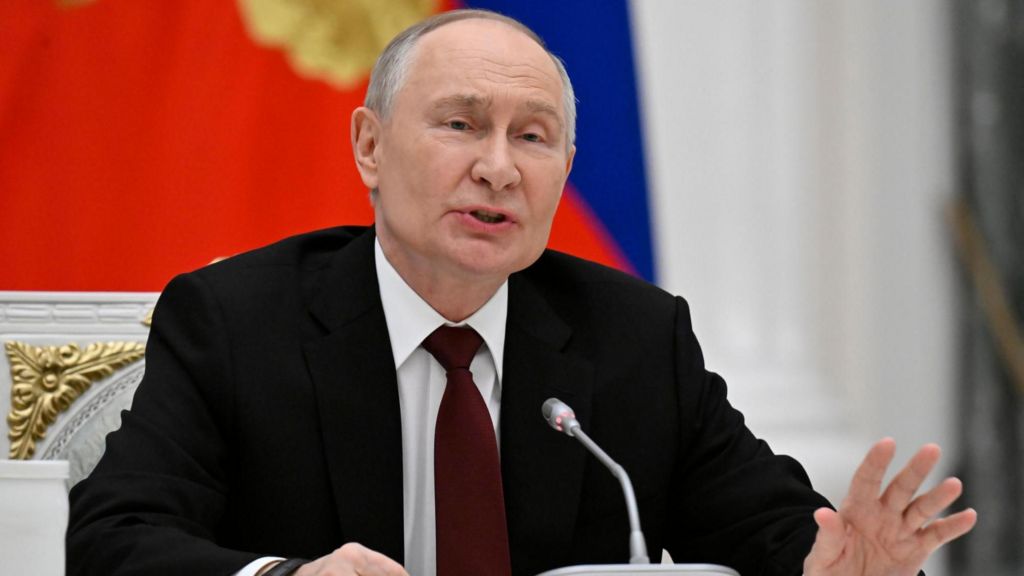
    A critical diplomatic engagement is set to unfold in Moscow as Russian President Vladimir Putin prepares to meet US Special Envoy Steve Witkoff on Tuesday. This high-stakes meeting follows the White House’s expression of “very optimistic” sentiments regarding a potential agreement to conclude the Ukraine conflict.

    The anticipated summit gains additional significance with the expected participation of Jared Kushner, former President Donald Trump’s son-in-law, who has maintained an advisory role in these diplomatic exchanges. This development comes after intensive negotiations in Florida between Ukrainian and US officials, including both Witkoff and Kushner, focused on refining a US-supported peace proposal initially perceived as advantageous to Russian interests.

    Ukrainian President Volodymyr Zelensky characterized recent discussions as “constructive” while acknowledging persistent challenges. Following his meeting with French President Emmanuel Macron in Paris, Zelensky emphasized Kyiv’s non-negotiable priorities: preserving Ukraine’s territorial sovereignty and obtaining robust security assurances. The territorial question remains particularly contentious, with Moscow continuing to demand concessions in eastern Ukraine—a condition Kyiv has consistently rejected.

    The diplomatic landscape shows increased complexity as Witkoff engaged with multiple European leaders, including UK Prime Minister Sir Keir Starmer and Ukraine’s newly appointed chief negotiator Rustem Umerov. Several key European figures also participated virtually in the Zelensky-Macron discussions.

    White House Press Secretary Karoline Leavitt indicated that the peace draft had undergone substantial refinement, stating: “The administration feels very optimistic… We’re hopeful that this war can finally come to an end.” This optimism echoes Putin’s recent acknowledgment that he had reviewed the US proposal and considered it a potential foundation for agreement.

    However, Kremlin officials subsequently expressed reservations about accepting the proposal after Ukraine and European allies secured modifications to the initial terms. The original draft, circulated in November, had caused significant concern across European capitals for its perceived alignment with Moscow’s demands. The document addressed sensitive matters including the investment of frozen Russian assets held in European institutions and conditions for Ukrainian market access in Europe.

    President Macron clarified that no finalized peace plan currently exists, insisting that any legitimate proposal must incorporate input from both Ukraine and European nations. He stressed that territorial concessions could “only be finalized by President Zelensky” and highlighted the necessity of European involvement in decisions regarding frozen assets, security guarantees, and Ukraine’s EU accession prospects.

    The French leader simultaneously commended the Trump administration’s efforts to resolve a conflict that originated with Russia’s 2014 annexation of Crimea and escalated into full-scale invasion in 2022.

    EU Foreign Policy Chief Kaja Kallas characterized this week as potentially “pivotal” while expressing concerns that Moscow might seek additional concessions beyond current gains. She warned against pressuring Ukraine into surrender, noting such an outcome would serve nobody’s interests.

    As diplomatic efforts intensify, Russian officials claim to have captured strategic eastern towns of Pokrovsk (Krasnoarmeysk) and Vovshansk—assertions contradicted by Ukrainian authorities and open-source intelligence monitoring the conflict. These battlefield developments occur alongside persistent disagreements over security guarantees, with Kyiv seeking NATO membership protection against future aggression—a proposition both Russia and Trump explicitly oppose.

  • Italian town freezes Pavarotti statue knee-deep in Christmas ice rink, angering widow

    Italian town freezes Pavarotti statue knee-deep in Christmas ice rink, angering widow

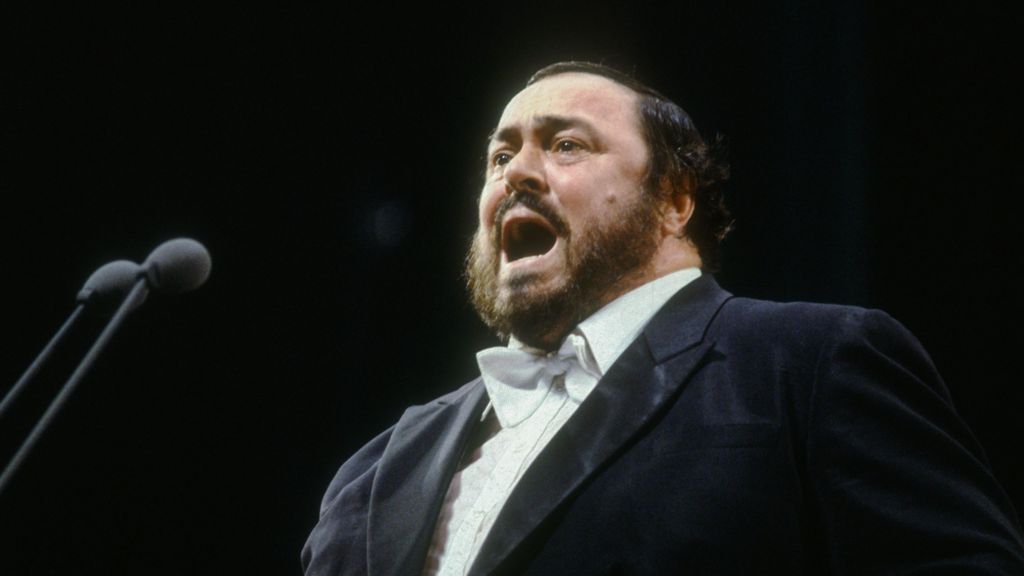
    The mayor of Pesaro has issued a formal apology following public outcry over the controversial placement of a Christmas ice rink that completely encased a statue honoring legendary opera tenor Luciano Pavarotti. The temporary installation, constructed in the town’s central piazza, left the life-sized bronze monument knee-deep in ice and surrounded by perspex barriers, creating what many considered an undignified setting for the memorial.

    Nicoletta Mantovani, Pavarotti’s widow, expressed profound disappointment with the municipal decision, telling Italian media outlet Il Resto del Carlino that she felt ‘angry and upset’ about what she perceived as ridicule toward her late husband’s legacy. ‘I didn’t expect a town would allow this treatment of the memory and the image of a person who made Italy great around the world,’ she stated, characterizing the action as a ‘poorly executed, absurd decision.’

    Mayor Andrea Biancani acknowledged the misstep, admitting his administration had ‘made a mistake’ and emphasizing that there was no intentional disrespect toward the opera icon. The controversy intensified when Biancani previously shared a digitally altered image on social media depicting the statue playing ice hockey with the hashtag #DaiUnCinqueAPavarotti (Give a high-five to Pavarotti).

    The mayor explained that initial plans presented to him assured that the statue would remain untouched, and he only discovered the compromised design after construction began. While acknowledging the unfortunate situation, Biancani noted that dismantling the rink or relocating the monument at this stage would be impractical, though he guaranteed similar incidents would not recur.

    The statue was officially unveiled in April 2024 with Mantovani and her daughter Alice in attendance, commemorating Pavarotti’s deep connections to Pesaro where he maintained a vacation villa and held honorary citizenship. The opera legend, who passed away in 2007 at age 71 from pancreatic cancer, remains one of Italy’s most celebrated cultural figures, renowned for his performances with The Three Tenors and his iconic rendition of Nessun Dorma at the 1990 World Cup.

  • Ukrainian troops near the front doubt the proposed pact with Russia will bring lasting peace

    Ukrainian troops near the front doubt the proposed pact with Russia will bring lasting peace

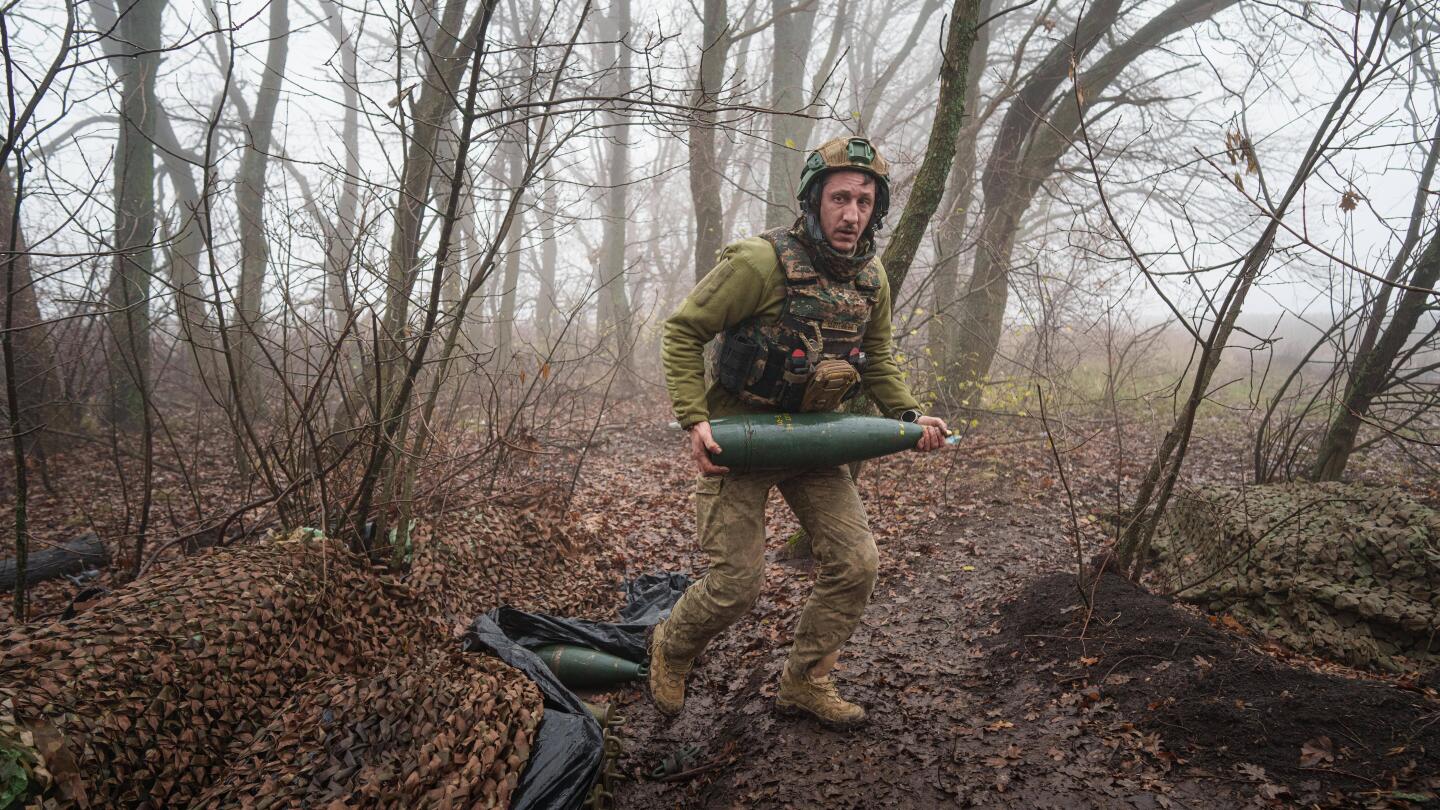
    On the sprawling eastern frontlines of Ukraine, a profound skepticism permeates the ranks of battle-weary soldiers. Embedded in damp basements and muddy trenches, these troops express unwavering resolve in defending their homeland against Russian aggression, yet hold deep-seated doubts about the prospects for a durable peace. Military personnel, operating under call signs like ‘Kelt’, articulate a widespread belief that any negotiated settlement would merely provide Moscow with a strategic pause to reconstitute its forces for future offensive operations.

    The prevailing sentiment among frontline units indicates that Russia’s ultimate objective remains the full conquest of Ukraine, regardless of diplomatic agreements. This perspective is reinforced by military analysts who warn that without substantial security guarantees—potentially including NATO membership—Ukraine faces inevitable renewed aggression. The situation is further complicated by severe manpower challenges, with reports indicating some battalions operating at critically reduced strength of merely 20 fighters instead of standard complements of 400-800 personnel.

    Despite these constraints, Ukrainian forces continue demonstrating remarkable resilience in key defensive positions including Pokrovsk, Kupiansk, and Vovchansk. These holding actions occur against a backdrop of complex geopolitical negotiations, including a U.S.-Russia draft peace plan that proposes limiting Ukraine’s military capabilities—a notion frontline troops vehemently oppose as strategically dangerous.

    The financial dimensions of sustaining Ukraine’s defense efforts present additional challenges. With nearly all domestic tax revenue allocated to military expenditures, the nation remains heavily dependent on Western support for essential civilian functions including healthcare, education, and social programs. Economic projections indicate significant funding gaps loom for 2026-2027, highlighting how Ukraine’s future security posture is inextricably linked to continued international assistance and the management of frozen Russian assets.

  • Pope prays at site of 2020 port explosion, consoles relatives of victims on last day of trip

    Pope prays at site of 2020 port explosion, consoles relatives of victims on last day of trip

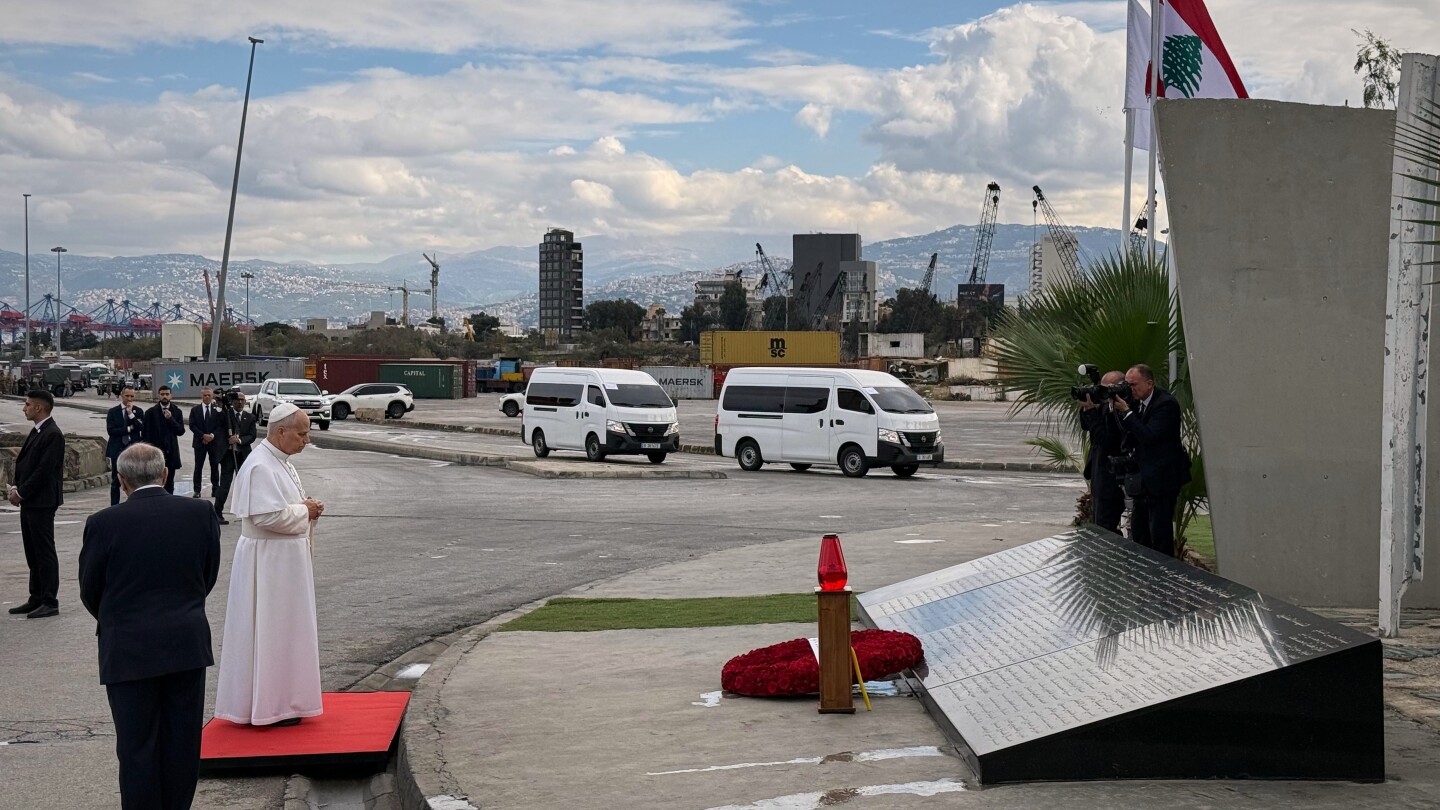
    BEIRUT — Pope Leo XIV concluded his inaugural international journey with a profoundly symbolic visit to the devastated Beirut port, the epicenter of the catastrophic 2020 explosion that claimed 218 lives and became an enduring emblem of Lebanon’s systemic governance failures.

    On Tuesday, the pontiff offered prayers and personal consolation to grieving families at the blast site, where relatives stood holding photographs of their lost loved ones. The emotional gathering occurred beside the skeletal remains of the last standing grain silo and mountains of incinerated vehicles—tangible remnants of the August 4 disaster that detonated hundreds of tons of improperly stored ammonium nitrate, causing billions in damages.

    Five years after the tragedy, no officials have been held accountable in an investigation repeatedly obstructed by political interference. “The visit clearly sends the message that the explosion was a crime,” stated Cecile Roukoz, who lost her brother Joseph in the blast. “The country should end impunity and ensure justice is served.”

    The papal visit included an earlier stop at De La Croix psychiatric hospital, where Leo emphasized societal responsibility toward vulnerable populations. “We cannot forget those who are most fragile,” he declared, criticizing societies that “race ahead at full speed clinging to false myths of wellbeing” while ignoring poverty and vulnerability.

    Mireille Khoury, whose 15-year-old son Elias perished in the explosion, articulated the families’ unwavering demand for accountability. “Justice is the foundation of building any country,” she told The Associated Press. “Our children were killed in their homes because someone kept ammonium nitrate near a residential area.”

    While acknowledging the symbolic comfort of the papal visit, Khoury emphasized that only concrete justice could partially soothe the enduring anger: “I will not say this anger will fully disappear until justice is served.”

    The damaged grain silos—whose preservation families successfully advocated for as both memorial and potential evidence—stand as physical testament to the unresolved tragedy. Although the port has regained partial functionality, reconstruction remains incomplete, mirroring Lebanon’s broader struggle with economic collapse, political paralysis, and the aftermath of regional conflicts.

  • Ukrainian President Volodymyr Zelensky arrives in Dublin

    Ukrainian President Volodymyr Zelensky arrives in Dublin

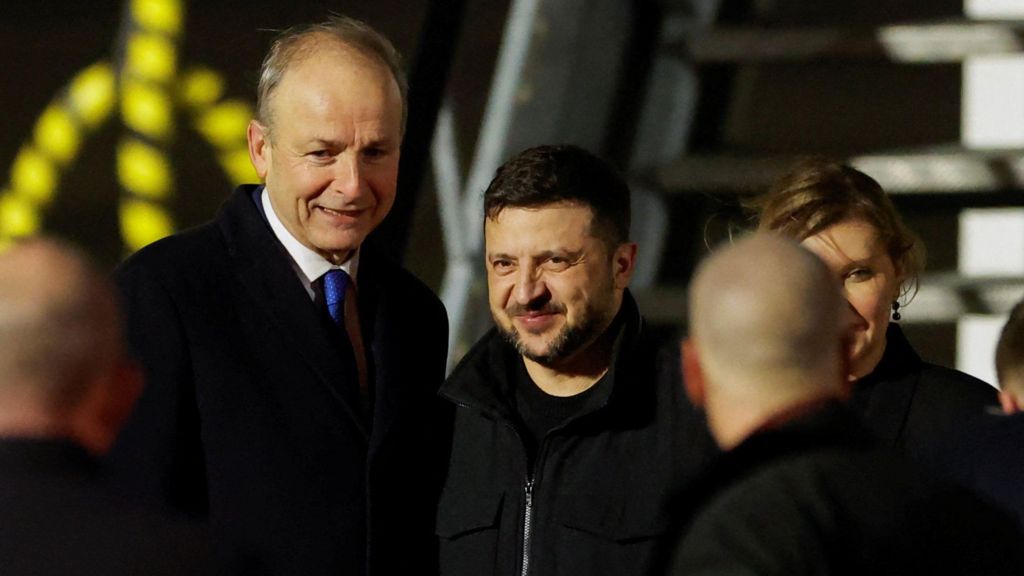
    Ukrainian President Volodymyr Zelensky and First Lady Olena Zelenska commenced an unprecedented official visit to Dublin, marking the first time a Ukrainian head of state has undertaken such a diplomatic mission to Ireland. The distinguished guests were formally received at Dublin Airport’s runway by Taoiseach Micheál Martin and Thomas Byrne, Minister of State at the Department of Foreign Affairs.

    The carefully orchestrated one-day itinerary features multiple high-level engagements, including a comprehensive bilateral meeting between President Zelensky and Taoiseach Martin. The Ukrainian leader is also scheduled to pay a courtesy visit to newly inaugurated Irish President Catherine Connolly at Áras an Uachtaráin, the official presidential residence. In a significant diplomatic honor, President Zelensky will address a joint session of Ireland’s parliamentary houses—the Dáil and Seanad.

    The visit includes the inauguration of the Ireland-Ukraine Economic Forum, where Zelensky will appear alongside Tánaiste Simon Harris and Minister for Foreign Affairs and Trade Helen McEntee. The Irish government characterized the occasion as pivotal for reinforcing the ‘very close and warm relations’ between the nations.

    This diplomatic exchange occurs against the backdrop of substantial Ukrainian refugee presence in Ireland, with approximately 80,000 of the 120,000 who sought refuge since February 2022 remaining in the country. The human dimension of this crisis was reflected in north Dublin, where Ukrainian refugee women gather weekly for Mass, praying for peace and an end to the conflict.

    Uriivna Olena, one of the regular attendees, expressed the collective anguish: ‘We pray for children, for humans, for soldiers, for all people. It’s very hard for us.’ Fellow refugee Tetiana Bilous reflected on the traumatic disruption of normal life, while expressing profound gratitude for Irish support.

    Long-term Ukrainian resident Mykhaylo Fedynshyn, residing in Ireland for over two decades, voiced hope that peace negotiations would ultimately restore normalcy to his homeland, free from missiles, sirens, and explosions.

    Irish authorities implemented significant security measures for the visit, including rolling road closures and traffic restrictions around key government locations throughout Tuesday to facilitate the presidential movement.

  • Council removes proposal to rename park named after former president of Israel

    Council removes proposal to rename park named after former president of Israel

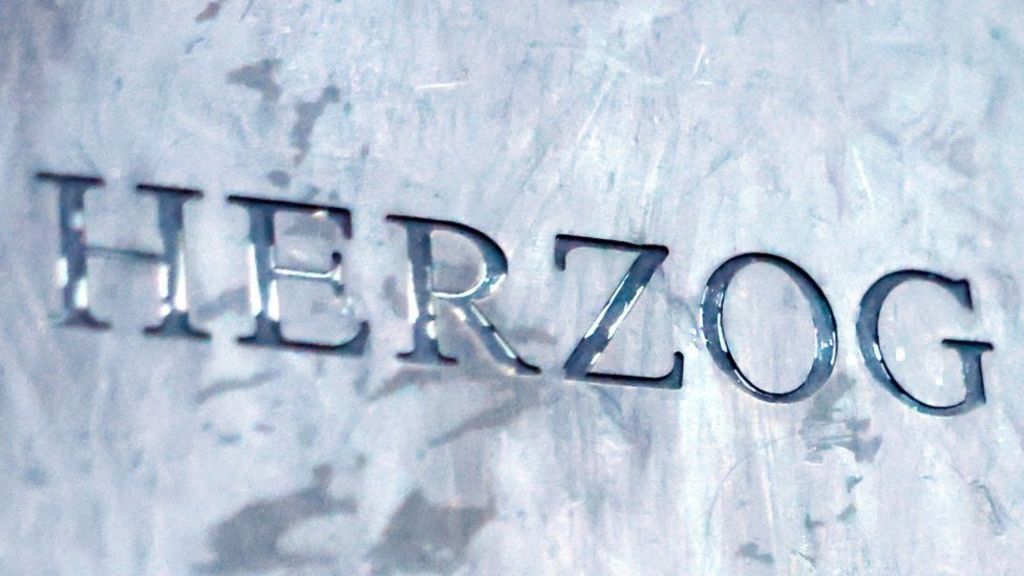
    A contentious proposal to rename Herzog Park in Dublin has been abruptly withdrawn from the city council’s agenda following the discovery of significant procedural errors. The park, named in 1995 after Belfast-born former Israeli President Chaim Herzog, was targeted for renaming by councillors until Chief Executive Richard Shakespeare identified critical flaws in the legal process.

    The motion, scheduled for a Monday vote, faced intense criticism from both national and international observers. Irish Taoiseach Micheál Martin condemned the proposal as “overtly divisive and wrong,” while Tánaiste Simon Harris denounced it as contrary to Ireland’s inclusive values. The office of current Israeli President Isaac Herzog, son of Chaim Herzog, expressed concerns that the renaming would appear “shameful and disgraceful.”

    At the council meeting, Lord Mayor Ray McAdam revealed that a commissioned report on the naming process was legally unsound, providing no basis for the proposal. Shakespeare publicly apologized for administrative oversights, admitting he had “failed miserably” in ensuring proper procedure. The error was discovered after a housing official questioned the proposal’s legality on Saturday night.

    Councillors voted 35-25 (with one abstention) to move the proposal to a committee meeting later this month. The debate revealed deep divisions, with some councillors arguing the Jewish community had been hurt by the “fiasco,” while others maintained the Herzog name should be replaced with another Jewish figure.

    The controversy highlights ongoing tensions regarding commemorative practices. In 2014, a blue plaque marking Herzog’s Belfast birthplace was removed after vandalism and security concerns. The current situation demonstrates the complex intersection of local governance, international relations, and historical recognition in contemporary Ireland.