标签: Europe

欧洲

  • From Pope Francis to Charlie Kirk, many deaths in 2025 had a wide impact

    From Pope Francis to Charlie Kirk, many deaths in 2025 had a wide impact

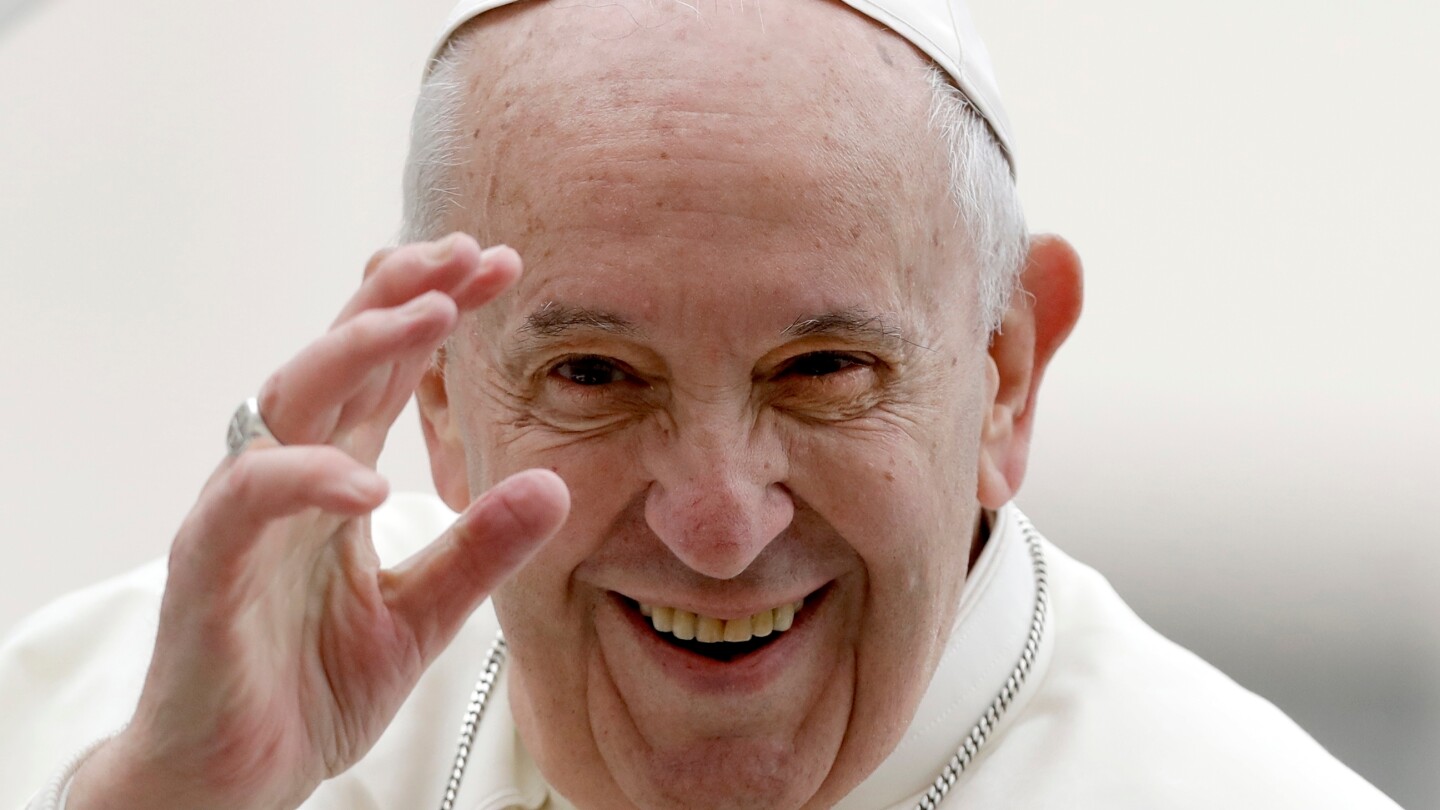
    The year 2025 witnessed the passing of numerous influential figures whose deaths created seismic shifts across global institutions, cultural landscapes, and political spheres. The transition within the Catholic Church reached historic proportions with the death of Pope Francis, leading to the unprecedented election of the first American pontiff to guide the world’s 1.4 billion Catholics. This religious milestone was overshadowed by political violence when conservative activist Charlie Kirk was fatally shot during a public appearance, triggering nationwide conversations about political extremism and security protocols at public events.

    The entertainment world suffered multiple devastating blows with the mysterious dual death of Oscar-winning actor Gene Hackman and his wife Betsy Arakawa in their home, and the passing of heavy metal icon Ozzy Osbourne shortly after his farewell concert. Boxing legend George Foreman’s death closed a remarkable narrative of athletic triumph and business success, while the suicide of Jeffrey Epstein accuser Virginia Giuffre brought renewed scrutiny to high-profile sexual abuse cases.

    Political spheres felt the absence of powerful figures including Dick Cheney, one of America’s most influential vice presidents, whose conservative legacy continued to shape political discourse. The year’s extensive list of notable deaths spanned generations and domains—from 114-year-old marathoner Fauja Singh to 29-year-old chess grandmaster Daniel Naroditsky, demonstrating that impact knows no age boundaries.

    Cultural icons including fashion designer Giorgio Armani, filmmaker David Lynch, musician Brian Wilson of The Beach Boys, and actress Diane Keaton left indelible marks on their respective industries. The collective passing of these figures created a cultural reset moment, with their deaths prompting global reflection on their contributions to arts, science, politics, and social movements.
  • German president to visit WWII bombing site as Europe seeks to bolster united front against Russia

    German president to visit WWII bombing site as Europe seeks to bolster united front against Russia

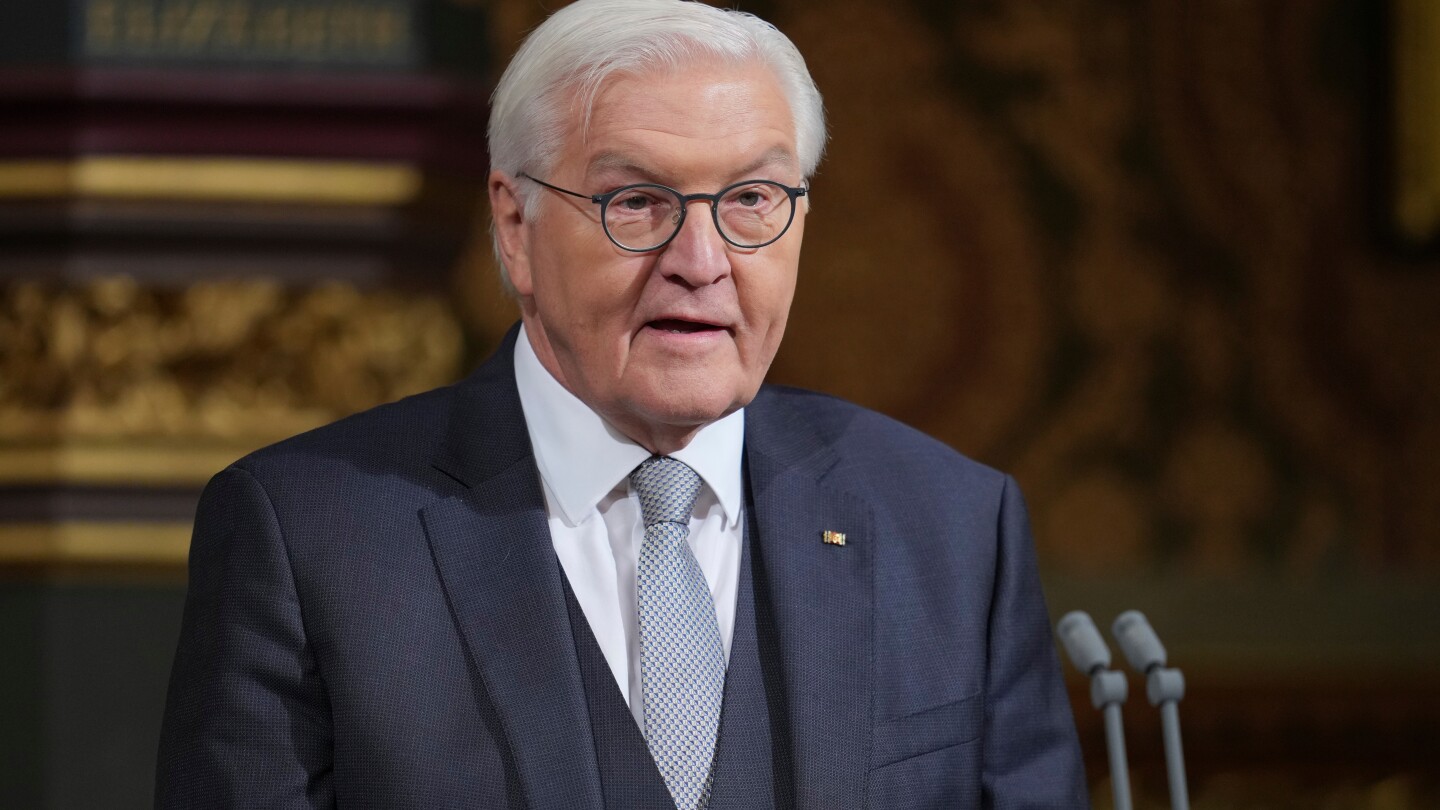
    In a profound gesture of historical reconciliation, German President Frank-Walter Steinmeier concluded his landmark three-day state visit to Britain with a solemn ceremony at Coventry Cathedral on Friday. This visit, the first by a German head of state in 27 years, carried significant symbolic weight as Steinmeier laid a wreath at the site devastated by Nazi bombing in November 1940.

    The Coventry bombing, which killed at least 568 people and destroyed the medieval cathedral, represented one of the most concentrated attacks on Britain during World War II. The preserved ruins now stand as a permanent memorial to war’s devastation. Britain was represented at the ceremony by the Duke of Kent, a longstanding advocate for British-German reconciliation who previously served as royal patron of the Dresden Trust, dedicated to healing wounds from the Allied bombing that devastated the German city in 1945.

    Steinmeier’s visit culminated in extensive diplomatic engagements, including meetings with King Charles III and Prime Minister Keir Starmer. The ceremonial highlight featured an elaborate state banquet at Windsor Castle where both leaders emphasized the transformation from wartime enemies to modern allies. ‘Flourishing cities grew out of the ashes. Enemies became friends,’ Steinmeier declared in his toast. ‘That is our common history—and it shows what is possible when people have the courage to pursue reconciliation.’

    The visit occurs against the backdrop of renewed European unity in response to Russia’s invasion of Ukraine. Steinmeier addressed Parliament, characterizing the conflict as an attack on the rules-based international order established after World War II. ‘We are seeing the resurgence of imperial ambitions, the attempt by destabilizing forces to divide us and pit us against one another,’ he warned. ‘That is precisely why we must stand united.’

    Historical experts note the visit’s profound symbolism. Martin Farr, modern British history specialist at Newcastle University, observed that European nations are collaborating more closely than at any time since the 1815 Concert of Europe, with current security concerns driving this renewed cooperation.

    The extensive ceremonial aspects—including carriage processions, military honors, and royal banquets attended by Queen Camilla and the Princess of Wales in formal attire—demonstrated Britain’s use of soft power to strengthen international partnerships. This diplomatic effort follows the recent UK-Germany treaty deepening cooperation on defense, migration, and climate policy, reflecting European nations’ increased military spending and enhanced coordination amid concerns about international reliability.

  • Russian drone strike kills 12-year-old boy in Ukraine as peace talks kept under wraps

    Russian drone strike kills 12-year-old boy in Ukraine as peace talks kept under wraps

    Amid ongoing covert diplomatic efforts to broker peace, the Russo-Ukrainian conflict witnessed significant military escalation with cross-border attacks claiming civilian lives and targeting energy infrastructure. In central Ukraine’s Dnipropetrovsk region, Russian drone strikes demolished a residential building, resulting in the tragic death of a 12-year-old boy and injuring two women. Regional military administration head Vladyslav Haivanenko confirmed the assault occurred Thursday night, with Ukrainian air force reports indicating Russia launched 137 drones of various types overnight.

    Simultaneously, Ukrainian forces executed long-range strikes targeting Russian territory. Attacks hit the Temryuk sea port in Krasnodar region near the Ukrainian border, causing substantial fires and damaging port infrastructure. Ukrainian drones penetrated deeper into Russian territory, striking the city of Syzran approximately 800 kilometers east of the border. While Syzran Mayor Sergei Volodchenkov confirmed the attack without elaboration, unverified media reports indicated Ukrainian drones successfully hit a strategic oil refinery in the Volga river city.

    The Russian Defense Ministry claimed successful interception of 85 Ukrainian drones over Russian regions and illegally annexed Crimea overnight.

    These developments unfolded against a backdrop of discreet diplomatic maneuvering. U.S. President Donald Trump’s special envoy Steve Witkoff and senior advisor Jared Kushner were scheduled to meet with Ukrainian delegates in Miami on Thursday, though official confirmation of the meeting remained pending. This followed Tuesday’s discussions between President Vladimir Putin and U.S. envoys at the Kremlin, marking the latest attempt to break the nearly four-year conflict stalemate.

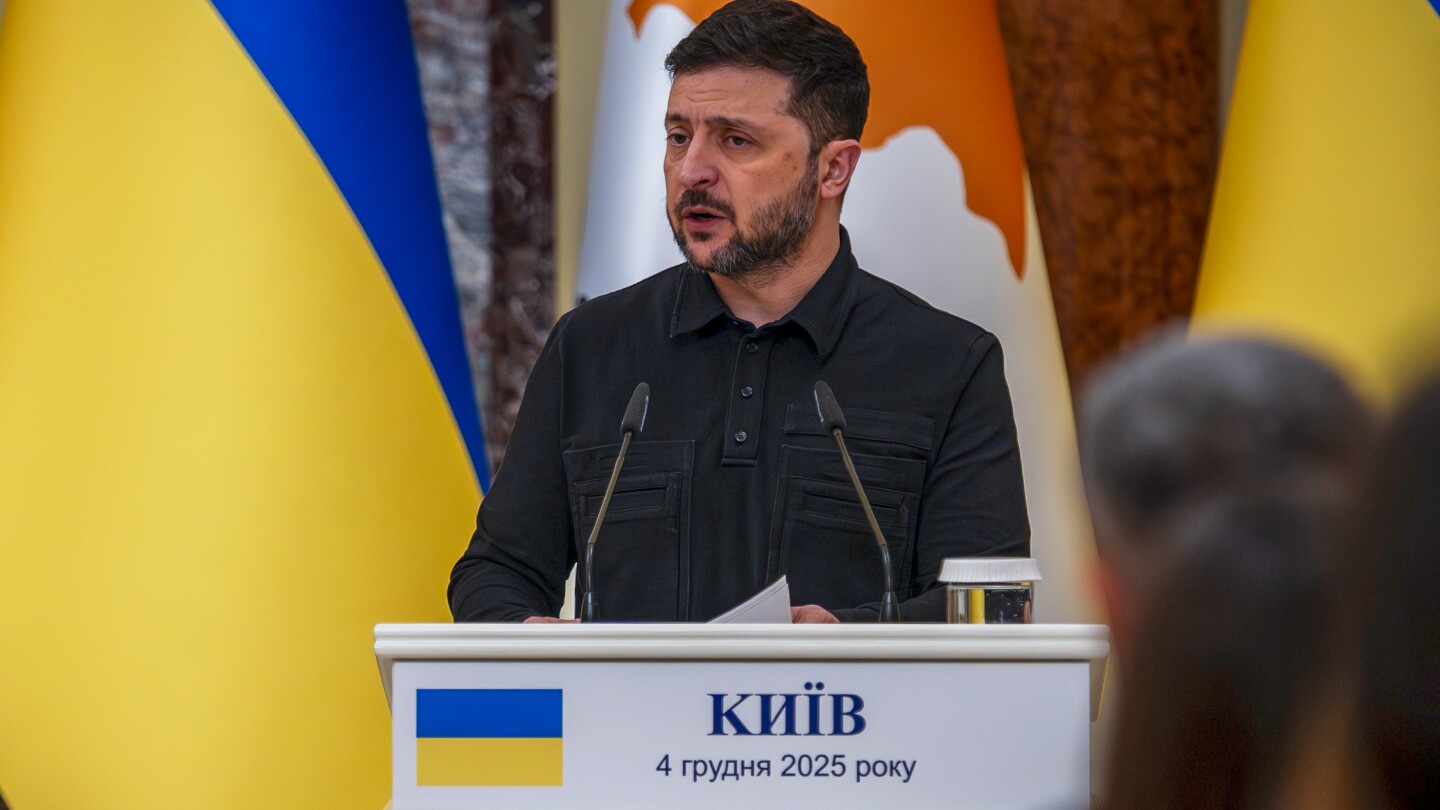
    Ukrainian President Volodymyr Zelenskyy emphasized his delegation sought clarity regarding the Kremlin discussions, expressing concerns about Russian pretexts to prolong hostilities. European allies supporting Kyiv simultaneously worry about potential Russian aggression beyond Ukraine and advocate for robust security guarantees in any prospective peace agreement.

    Kremlin foreign affairs adviser Yuri Ushakov, accompanying Putin on his India visit, criticized European nations for allegedly presenting ‘unacceptable demands’ that complicate Washington and Moscow’s settlement efforts on Ukrainian issues.

  • Germany votes to bring back voluntary military service programme for 18-year-olds

    Germany votes to bring back voluntary military service programme for 18-year-olds

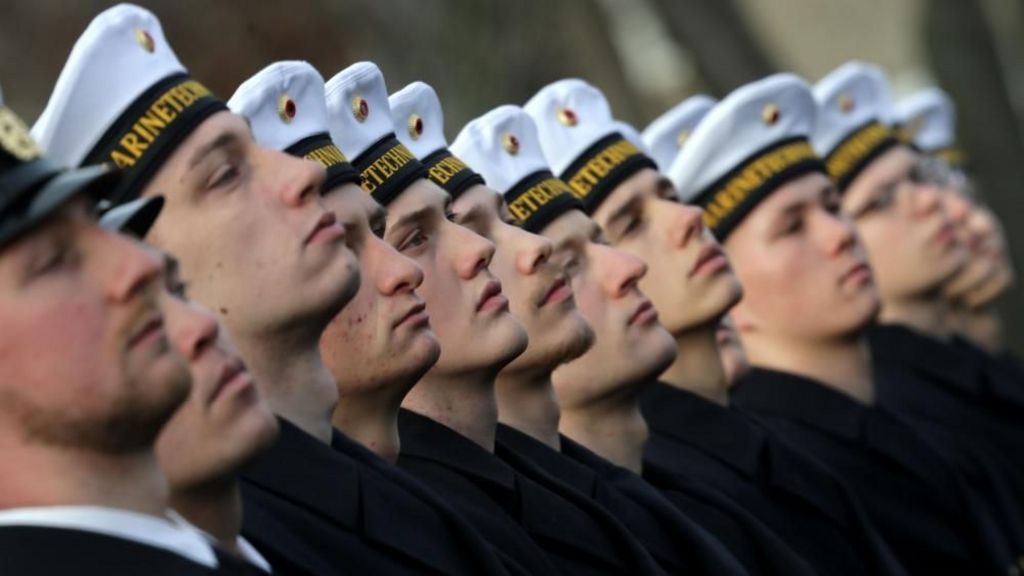
    In a landmark decision reflecting Europe’s shifting security landscape, Germany’s Bundestag has approved the reintroduction of voluntary military service. The move represents a strategic reversal from the country’s 2011 abolition of compulsory conscription and forms part of Chancellor Friedrich Merz’s ambitious plan to develop Europe’s most formidable conventional army.

    Starting January 2026, all German 18-year-olds will receive mandatory questionnaires assessing their interest in military service. While completion is compulsory for men and optional for women, the program remains voluntary in its current form. The government has outlined that by July 2027, all male citizens will undergo mandatory medical examinations to determine operational capability.

    Defense Minister Boris Pistorius emphasized the necessity of universal medical assessments, stating they would eliminate delays in identifying capable personnel during national emergencies. The Bundeswehr, currently numbering approximately 182,000 troops, aims to expand by 20,000 personnel within the next year. Long-term objectives target 260,000 active soldiers supplemented by 200,000 reservists by the early 2030s.

    The legislative change encountered immediate opposition from Germany’s youth. Protest organizers coordinated strikes across 90 cities, with Hamburg alone anticipating 1,500 participants. Demonstrators outside the Bundestag displayed banners proclaiming “No to military service,” while student organizers criticized the program as promoting obedience training and violence.

    This development aligns with broader European trends, following France’s recent announcement of a 10-month voluntary military training program for youth. Both initiatives respond to heightened security concerns following Russia’s invasion of Ukraine and pressure from NATO allies to increase defense spending. Financial incentives appear substantial, with Germany offering approximately €2,600 monthly compensation compared to France’s €800.

    The parliamentary vote passed 323-272 amid simultaneous deliberations on contentious pension reforms. The governing coalition narrowly avoided crisis when opposition left-wing parties announced abstention, reducing the required majority threshold.

  • Football players and officials arrested as part of probe into Turkey’s betting scandal

    Football players and officials arrested as part of probe into Turkey’s betting scandal

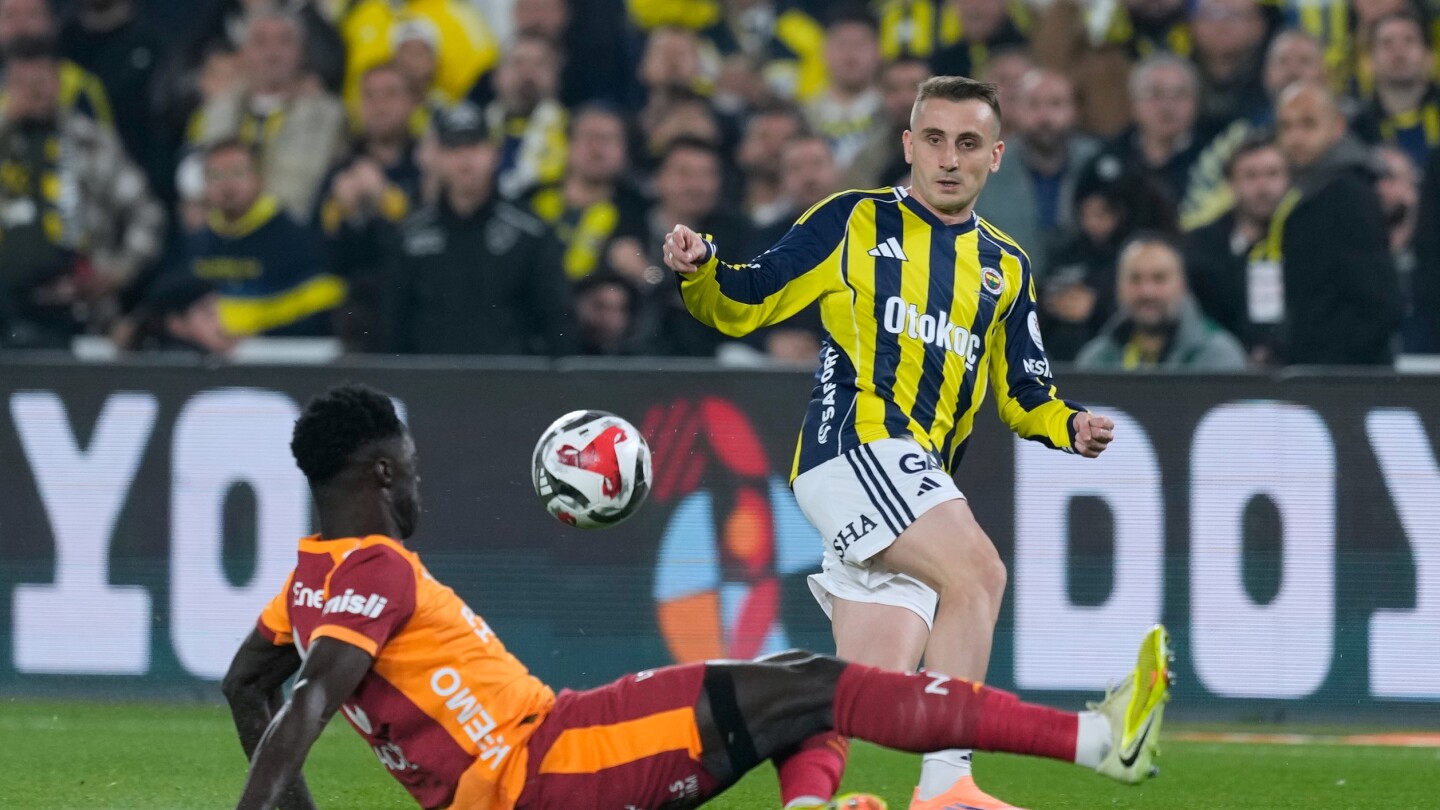
    Turkish football faces its most significant integrity crisis in years as Istanbul prosecutors launched sweeping arrests targeting prominent figures across the sport’s hierarchy. Early morning raids on Friday resulted in 35 detentions from a list of 46 suspects, including players from Turkey’s most celebrated clubs.

    The investigation has ensnared high-profile athletes including Fenerbahce’s Mert Hakan Yandas and Metehan Baltaci of reigning champions Galatasaray. Prosecutors revealed that Baltaci, an international youth team alumnus, had wagered on matches involving his own team, while Yandas allegedly placed bets through intermediaries.

    Club management figures were equally impacted, with arrests including Ankaraspor’s chairman, Antalyaspor’s vice-chairman, and former leadership of Adana Demirspor. The net also caught media personalities and officials, with renowned commentator and former referee Ahmet Cakar and active referee Zorbay Kucuk among those detained.

    The probe originated in October when the Turkish Football Federation initiated scrutiny of over 150 referees suspected of sports betting. The investigation rapidly expanded to encompass players, administrators, and broadcasting professionals, resulting in temporary bans for more than 100 players last month, including 25 from the top division.

    Financial analysis played a crucial role in the investigation, with seven suspects detained specifically after authorities identified suspicious transaction patterns in their banking records. All arrests were conducted under Turkey’s law for preventing disorder in sports, which criminalizes competition manipulation with penalties ranging from one to three years’ imprisonment—enhanced when offenses connect to betting markets involve officials or affect professional leagues.

    Both UEFA and FIFA regulations explicitly prohibit betting by players, referees, and club officials on any football matches worldwide. Turkish Football Federation president Ibrahim Haciosmanoglu has pledged comprehensive reforms, vowing to protect the sport from ‘scandal, decay and corrupt relationships’ through rigorous enforcement actions.

  • Which countries are boycotting Eurovision and why?

    Which countries are boycotting Eurovision and why?

    Four European nations have announced their formal withdrawal from the upcoming Eurovision Song Contest in a coordinated protest against the event’s inclusion of Israel. Ireland, Spain, the Netherlands, and Slovenia will boycott the international music competition following the European Broadcasting Union’s decision to permit Israel’s participation amid ongoing geopolitical tensions.

    The boycott represents one of the most significant political challenges to Eurovision’s traditional non-political ethos in recent years. The participating countries have cited ethical concerns regarding Israel’s military operations in Gaza as the primary motivation for their withdrawal. This collective action highlights how cultural events are increasingly becoming platforms for international political expression.

    Eurovision organizers have maintained their position that the contest should remain separate from political conflicts, emphasizing its mission to unite audiences through musical entertainment. However, the participating nations argue that allowing Israel’s involvement contradicts the spirit of cultural exchange and human rights principles that international events should uphold.

    The mass withdrawal could potentially influence other countries to join the boycott movement, creating substantial organizational and diplomatic challenges for the event’s hosts. This development marks a notable moment where cultural diplomacy intersects with international political disputes, testing the boundaries between artistic expression and geopolitical positioning.

  • Faroe Islands scraps one of Europe’s strictest abortion laws

    Faroe Islands scraps one of Europe’s strictest abortion laws

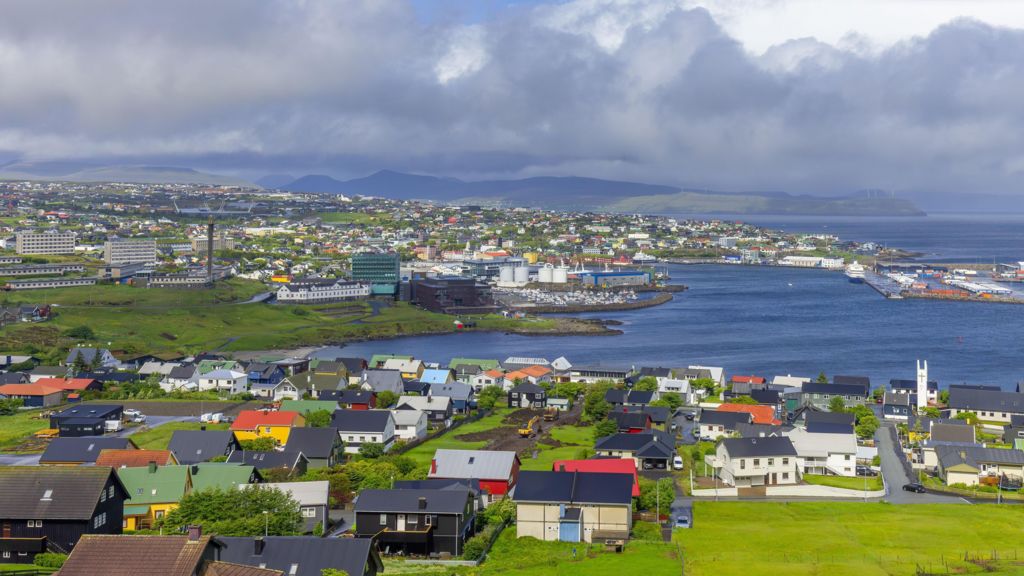
    In a historic decision that overturns decades of restrictive legislation, the Faroe Islands Parliament has voted to legalize abortion through the 12th week of pregnancy. The Thursday ballot resulted in an exceptionally narrow margin of 17-16, culminating years of contentious debate in the self-governing Danish territory.

    The previous abortion framework, established in 1956, permitted termination only under specific circumstances including rape, incest, fetal abnormalities, or threats to the pregnant person’s health. This placed the archipelago among Europe’s most restrictive jurisdictions regarding reproductive rights. Under the old system, both women and their physicians faced potential imprisonment if abortion procedures didn’t meet stringent criteria.

    Ingilín Didriksen Strømm, one of four parliamentarians who introduced the reform legislation, characterized the outcome as “truly an historic day for the Faroe Islands.” She emphasized that the new law “affirms women’s autonomy over their own bodies” while ensuring “access to safe healthcare without fear, stigma, or criminalization.”

    The reform represents a significant cultural shift for the relatively conservative society of 56,000 people, where over three-quarters of residents belong to the Lutheran church. Previous liberalization attempts had failed, including a nearly identical bill that resulted in a tied vote just last May.

    Pro-choice advocates celebrated the decision as transformative. Bjørt Lind of the advocacy group Fritt Val described abortion as previously being “hidden and taboo in Faroese society,” noting that initially “no one dared to talk about it.” Amnesty International’s Faroe Islands branch welcomed the development as “a huge step for human rights” that will eliminate the need for women to undertake “expensive trips abroad” for procedures.

    The new legislation is scheduled to take effect on July 1, 2026, aligning the territory more closely with Denmark’s abortion policies, which were extended to 18 weeks on request earlier this year. While opponents expressed concerns about fetal rights and predicted future attempts to reverse the decision, the vote places the Faroe Islands among the 43 European nations that permit abortion on request during early pregnancy.

  • ‘Deep indignation’ after Ukraine diver switches to Russia

    ‘Deep indignation’ after Ukraine diver switches to Russia

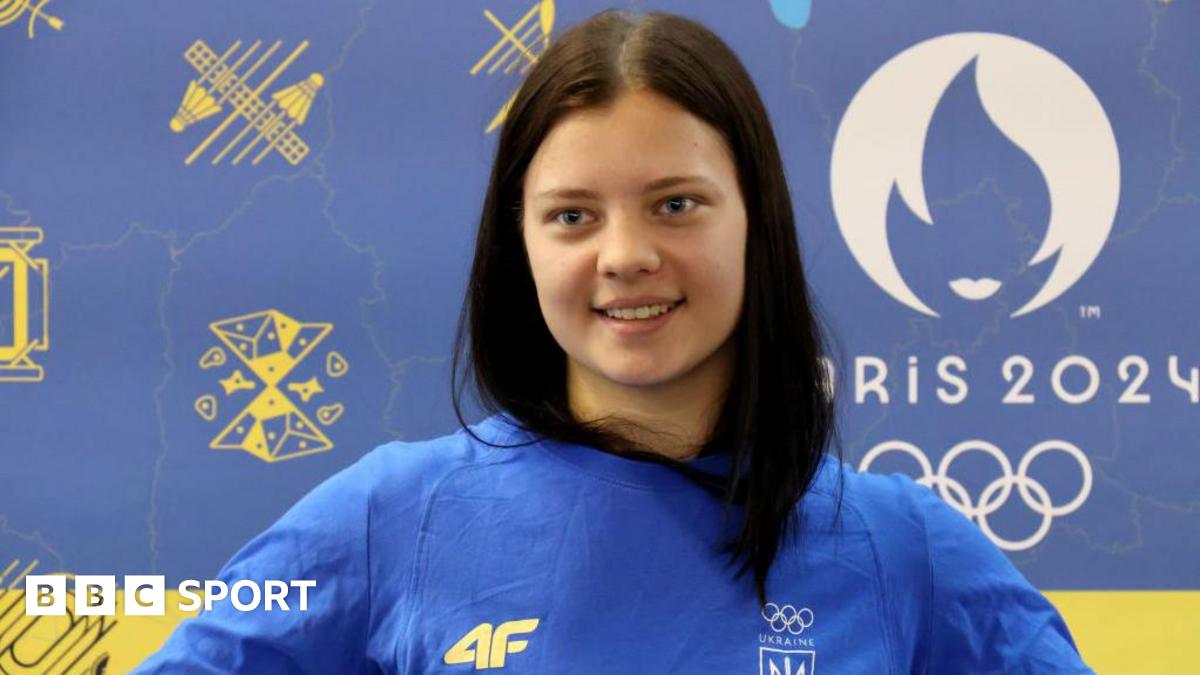
    The Ukrainian Diving Federation has initiated severe disciplinary measures against European diving champion Sofiia Lyskun following her controversial decision to transfer international sporting allegiance to Russia. The 23-year-old athlete, who secured gold in the 10m synchronized event at the 2023 European Aquatics Championships, formally changed her citizenship earlier this week without prior notification to national sports authorities.

    In an official statement, the federation expressed profound condemnation of Lyskun’s actions, characterizing them as detrimental to both individual athletic integrity and collective national pride. The organization emphasized that such conduct undermines the sacrifices made by teammates who continue representing Ukraine during ongoing geopolitical tensions.

    Lyskun defended her decision in an interview with Russian publication Izvestia, citing professional stagnation under Ukrainian coaching leadership. She claimed her previous trainers, predominantly from gymnastics and trampoline backgrounds, could not facilitate her further development in elite diving.

    Following an emergency executive committee session, the federation unanimously resolved to immediately dismiss Lyskun from the national team roster and revoke all titles and honors she obtained under its jurisdiction. Additionally, the organization will petition international sporting bodies to impose competitive quarantine restrictions on Lyskun in accordance with global athletic regulations.

    This controversy emerges amidst evolving participation policies for Russian and Belarusian athletes, who were initially barred from World Aquatics events following the 2022 invasion of Ukraine. Recent modifications now permit individual neutral competition without national identifiers, with team event eligibility for neutral athletes scheduled to commence in January.

  • Senior Irish government figures briefed on drone presence during Zelensky visit

    Senior Irish government figures briefed on drone presence during Zelensky visit

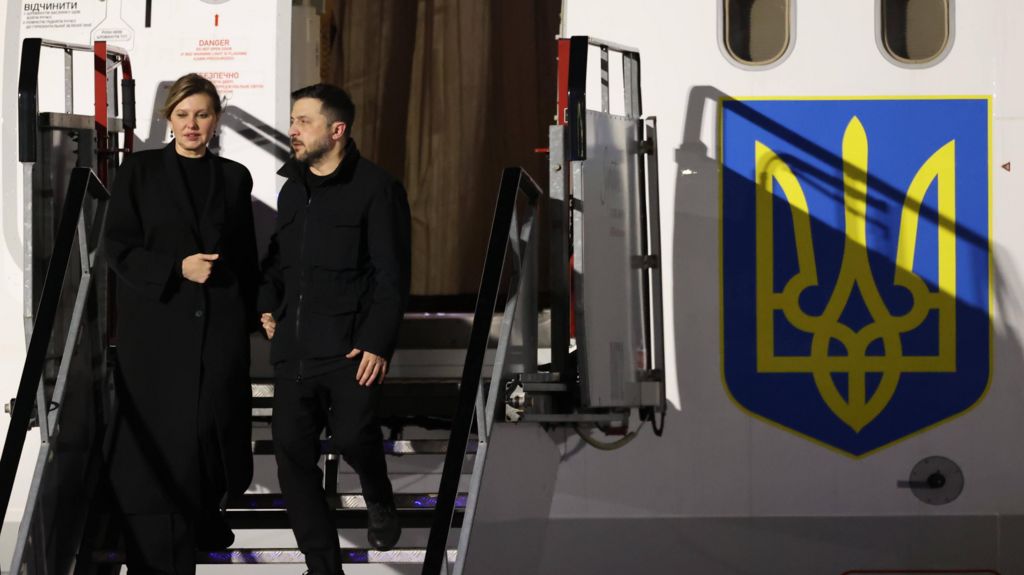
    DUBLIN — Ukrainian President Volodymyr Zelensky and First Lady Olena Zelenska concluded a high-profile official visit to Ireland on Monday amid reports of unauthorized drone activity in Irish airspace during their stay. The couple arrived in Dublin late Monday for a tightly scheduled one-day diplomatic engagement.

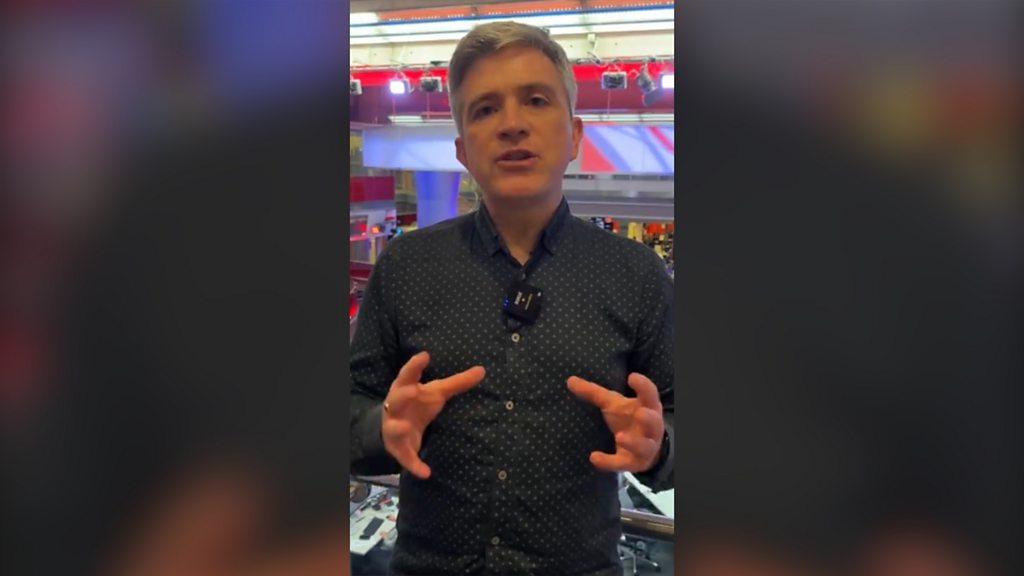
    BBC News NI has learned that senior Irish government officials received briefings concerning the presence of drones detected over Irish skies coinciding with President Zelensky’s arrival. While specifics of the incident remain undisclosed, the revelation points to potential security challenges during the visit of the wartime leader.

    The Irish Defence Forces, when contacted for commentary, declined to elaborate on operational details. A military spokesperson stated: ‘Defence Forces support to the security operation, led by An Garda Síochána, was successfully deployed in multiple means ultimately leading to a safe and successful visit by President Zelensky to Ireland.’

    In a parallel statement, a representative for An Garda Síochána, Ireland’s national police service, indicated that no formal investigation into the drone incident is currently underway. The spokesperson clarified jurisdictional protocols, noting that ‘any such incident occurring on Irish waters is a matter for the Defence Forces.’

    The visit underscores Ireland’s ongoing diplomatic support for Ukraine amid continued regional tensions, while the reported aerial activity highlights evolving security concerns for European leaders. The successful execution of the security operation demonstrates strengthened interagency coordination in handling high-risk diplomatic events.

  • German president compares UK ties post-Brexit to Oasis

    German president compares UK ties post-Brexit to Oasis

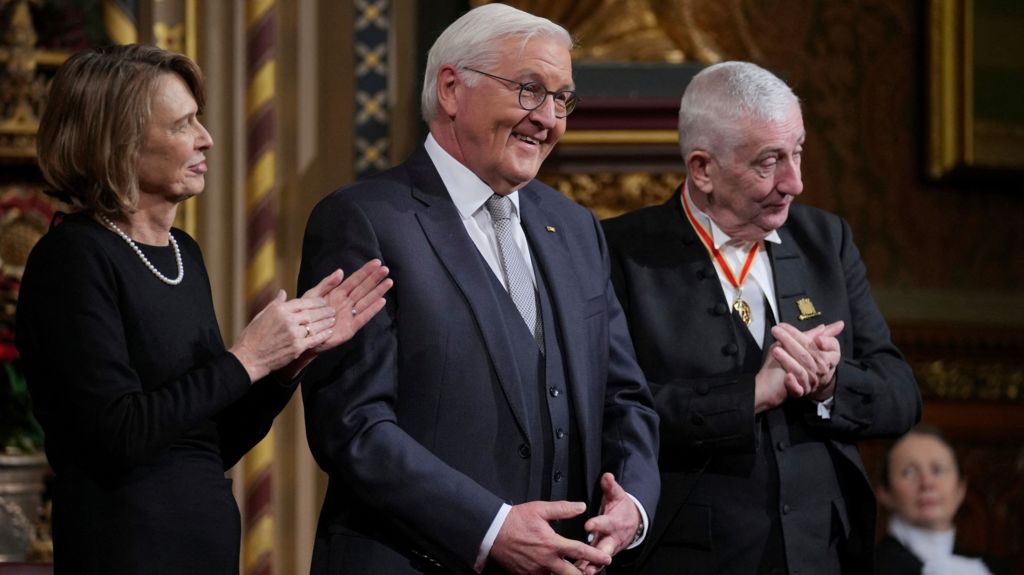
    In a landmark address to Parliament during the first German head of state visit in 27 years, President Frank-Walter Steinmeier masterfully blended diplomatic messaging with British pop culture references. Drawing parallels to Oasis’s recent reconciliation after years of fraternal discord, Steinmeier declared that Germany and the UK have moved beyond the initial “disappointment and uncertainty” of Brexit.

    Addressing MPs and peers in the Royal Gallery on Thursday, the German leader quoted the Manchester band’s anthem ‘Don’t Look Back in Anger’ to underscore his message of forward-looking cooperation. “I think that is typically British, keep calm and carry on – look ahead pragmatically, move on,” Steinmeier remarked, praising Britain’s pragmatic approach to post-EU relations.

    The presidential visit, which began with a ceremonial welcome by King Charles III and Queen Camilla at Windsor Castle, has been carefully choreographed to highlight evolving bilateral ties. Historical symbolism permeated the itinerary, from viewing Queen Victoria’s sleigh (designed by her German-born husband Prince Albert) to laying a wreath at Westminster Abbey’s Grave of the Unknown Warrior.

    Cultural diplomacy featured prominently as Steinmeier and his wife Elke Budenbender toured the V&A Museum’s archives, including David Bowie’s costumes—a nod to the musician’s deep connections with Berlin. The President’s schedule also included meetings with German footballers in the Premier League and plans to receive an honorary degree from Oxford University.

    The visit culminates symbolically on Friday with a trip to Coventry Cathedral, bombed by the Luftwaffe during World War II, mirroring King Charles’s earlier wreath-laying in Hamburg for civilian bombing victims. This reciprocal acknowledgment of historical wounds underscores both nations’ commitment to what Steinmeier called enduring affection: “Our relations may have changed, but, my dear Britons, our love remains.”