标签: Europe

欧洲

  • Frank Gehry, the most celebrated architect of his time, dies at 96

    Frank Gehry, the most celebrated architect of his time, dies at 96

    The architectural world mourns the passing of Frank Gehry, the revolutionary designer whose sculptural buildings transformed city skylines worldwide. The Pritzker Prize-winning architect died Friday at 96 in his Santa Monica home following a brief respiratory illness, confirmed his firm Gehry Partners LLP.

    Gehry’s extraordinary career spanned seven decades, during which he redefined architectural possibilities with his deconstructivist approach. His fascination with modern pop art manifested in breathtaking structures that became instant cultural landmarks, including the titanium-clad Guggenheim Museum in Bilbao, Spain, the stainless steel sails of Walt Disney Concert Hall in Los Angeles, and Berlin’s innovative DZ Bank Building.

    Beyond his iconic cultural institutions, Gehry designed significant corporate structures including Facebook’s Northern California headquarters expansion at the personal request of CEO Mark Zuckerberg. His professional accolades encompassed every major architectural honor, from the Royal Institute of British Architects gold medal to the Companion of the Order of Canada, his native country’s highest distinction.

    Gehry’s journey began in Toronto, where he was born Ephraim Owen Goldberg on February 28, 1929. He moved to Los Angeles in 1947, eventually becoming a U.S. citizen and changing his name at his first wife’s suggestion to counter potential antisemitism. His architectural awakening came unexpectedly when a college ceramics professor recognized his talent, leading him to pursue formal studies at the University of Southern California and later urban planning at Harvard.

    Despite universal acclaim, Gehry’s work occasionally faced criticism. Some detractors dismissed his structures as overscaled versions of the scrap-wood cities he built as a child in Timmins, Ontario. Princeton critic Hal Foster termed later works “oppressive” tourist attractions, while others compared Disney Hall to “cardboard boxes left in the rain.” The Eisenhower family notably objected to his proposed memorial design for the 34th president.

    Gehry typically responded to criticism with characteristic wit, even parodying his design process in a 2005 “Simpsons” episode where he created a concert hall from crumpled paper. He continued working into his eighties, leaving behind a legacy that includes Manhattan’s shimmering IAC Building and the 76-story New York By Gehry tower. He is survived by his wife Berta, three children, and the extraordinary architectural landmarks that will continue to define cities for generations.
  • Which European countries have mandatory or voluntary military service

    Which European countries have mandatory or voluntary military service

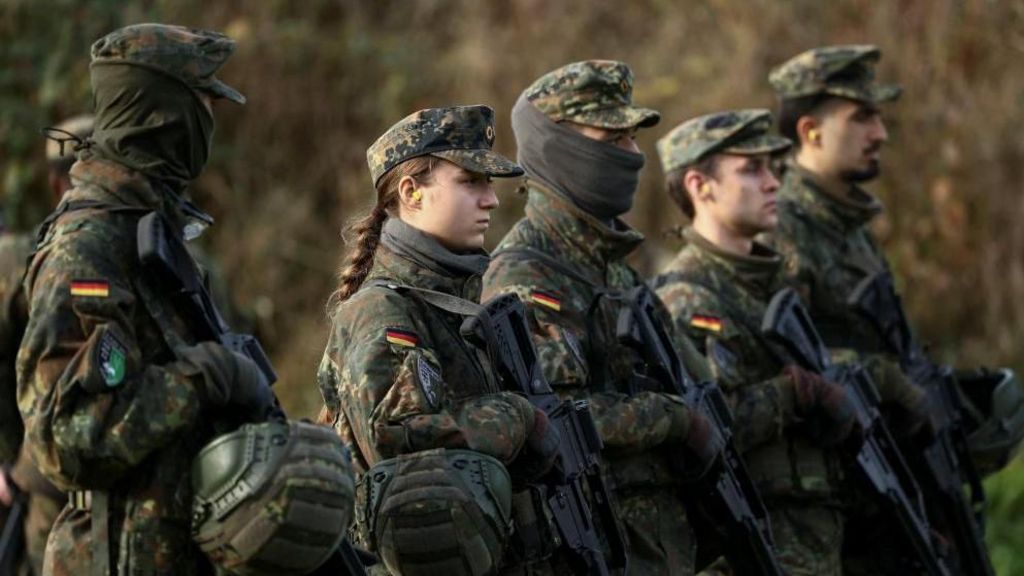
    In response to heightened security threats following Russia’s invasion of Ukraine, multiple European NATO members are implementing voluntary national service programs to bolster their military capabilities. This strategic shift marks a significant evolution from Cold War-era conscription models that diminished after the Soviet Union’s collapse.

    Currently, nine European NATO states maintain compulsory conscription systems: Denmark, Estonia, Finland, Greece, Latvia, Lithuania, Norway, Sweden, and Turkey. Turkey, hosting NATO’s second-largest military after the United States, requires male citizens aged 20-41 to serve 6-12 months. Norway has adopted gender-neutral conscription with typically 12-month service periods.

    Several nations are introducing innovative voluntary approaches. Belgium’s defense ministry recently contacted 17-year-olds with monthly €2,000 incentives to join a new reservist program aiming to expand forces from 6,000 to 20,000. Similarly, France is launching a 10-month paid ‘national service’ program offering €800 monthly, targeting 18-19-year-olds with planned participation growing to 50,000 by 2035.

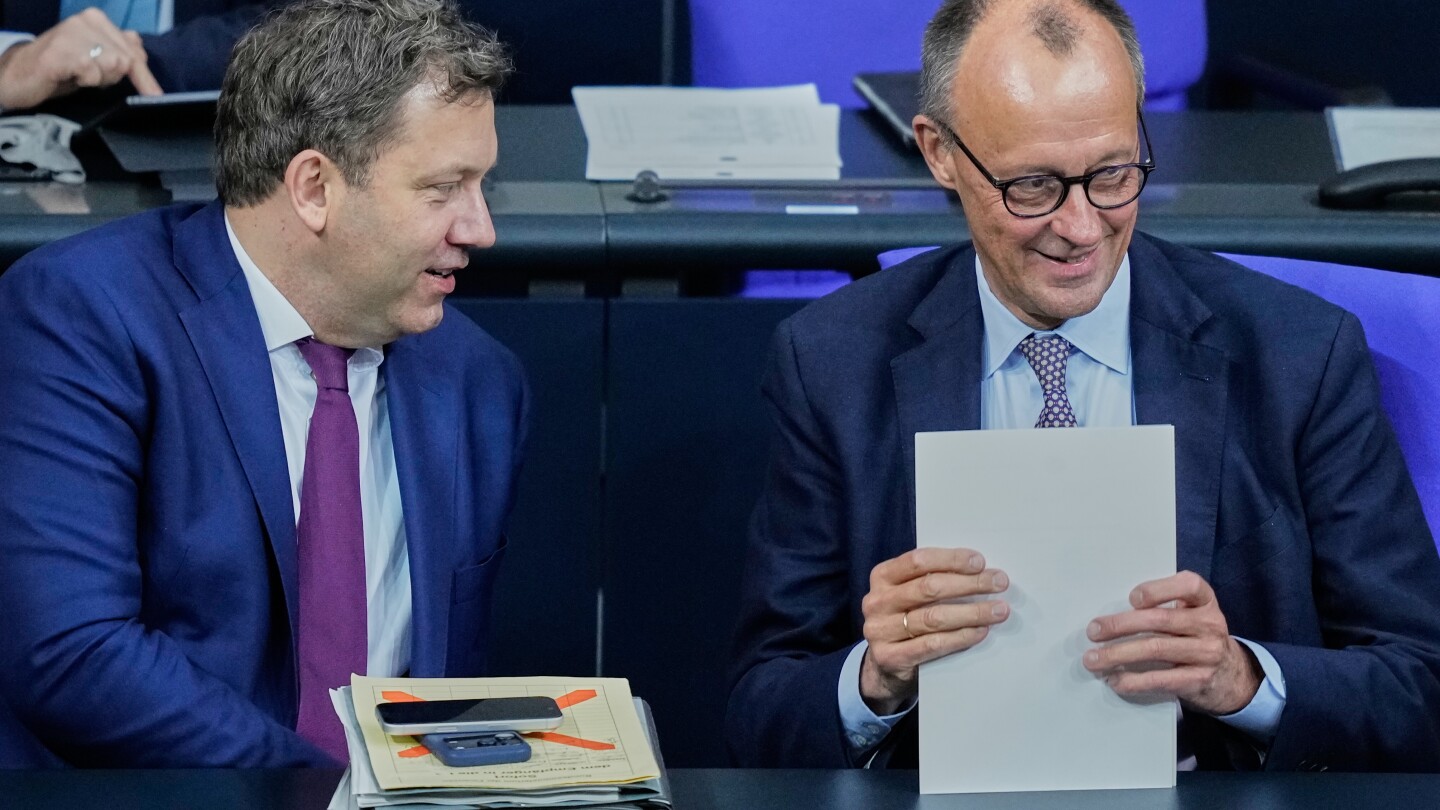
    Germany’s parliament approved a voluntary military service system requiring all 18-year-old men to complete questionnaires assessing their willingness and capability to serve. Chancellor Friedrich Merz aims to develop Europe’s ‘strongest conventional army,’ expanding active personnel from 183,000 to 260,000 by 2035 alongside 200,000 reservists. Despite government support, recent protests saw students in 90 German cities demonstrating against the initiative.

    Poland, possessing one of NATO’s largest armies, introduced one-month voluntary basic training in 2024, with Prime Minister Donald Tusk announcing plans for ‘large-scale military training for every adult male’ to build a 500,000-strong force including reservists.

    The United Kingdom maintains a professional military force comparable to France and Germany in conventional strength, uniquely permitting 16-year-olds to enlist with parental consent. Other NATO members with professional armies include Albania, Czechia, Hungary, Italy, Luxembourg, Montenegro, North Macedonia, Portugal, Slovakia, Slovenia, and Spain.

    Non-NATO European states demonstrate varied approaches: Austria maintains compulsory service for men aged 18-35, Cyprus mandates military service for male citizens over 18, while Switzerland requires male citizens aged 18-30 to serve in military or civilian capacities, recently rejecting a proposal to extend this obligation to women.

  • Irish police investigating drone activity during Zelensky visit

    Irish police investigating drone activity during Zelensky visit

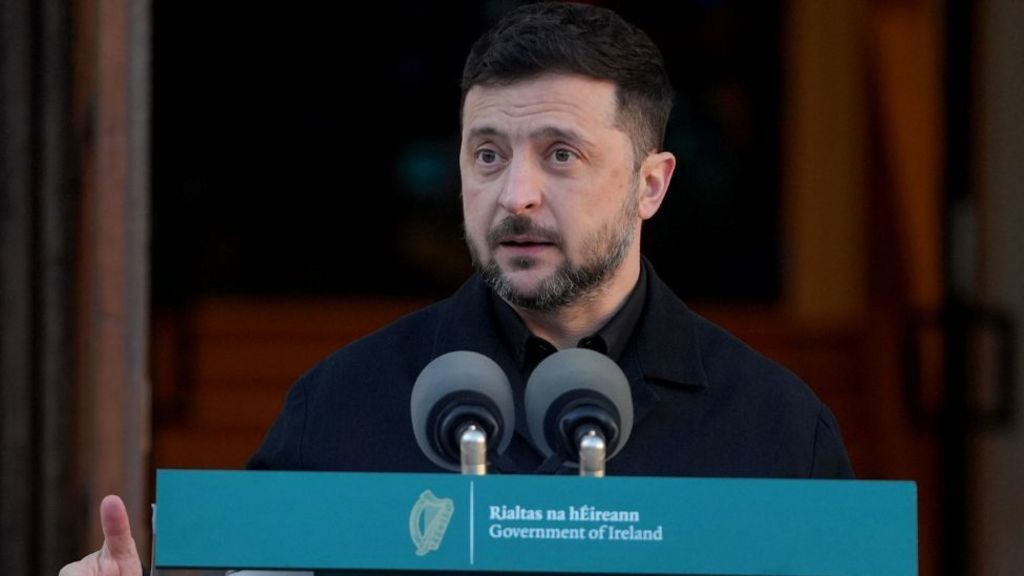
    Irish authorities have initiated a comprehensive security investigation following the detection of multiple unidentified drones in Irish airspace coinciding with Ukrainian President Volodymyr Zelensky’s official visit to Dublin. The incident occurred on Monday night as President Zelensky and First Lady Olena Zelenska arrived for their one-day diplomatic engagement.

    The Garda Síochána’s Special Detective Unit (SDU) has taken lead on the investigation, coordinating with Irish Defence Forces and international security partners. According to reports from Irish broadcaster RTÉ, naval personnel aboard the LÉ William Butler Yeats vessel observed several drones operating near Howth over the Irish Sea approximately simultaneous to the Ukrainian leader’s arrival at Dublin Airport.

    Taoiseach Micheál Martin confirmed that senior government officials have been briefed on the security matter, which will be formally addressed at an upcoming National Security Council meeting later this month. While praising the overall security operation during President Zelensky’s visit as particularly successful, Martin acknowledged the emerging challenge of drone incursions across European Union member states.

    Speaking at the British-Irish Council meeting in Cardiff, the Taoiseach noted that drone-related security concerns have become increasingly prevalent throughout Europe since the onset of the Ukraine conflict. ‘There’s been heightened activity on the cyber security front, in terms of maritime issues and in terms of drones,’ Martin stated, while declining to speculate about potential Russian involvement until the completion of a full security review.

    The Irish Defence Forces maintained their standard protocol of not commenting on specific operational incidents, emphasizing their ongoing coordination with gardaí in addressing national security matters. The investigation represents Ireland’s latest response to evolving security challenges in the current geopolitical landscape.

  • ‘I don’t want to be part of this war machine’: Young Germans protest against military service plans

    ‘I don’t want to be part of this war machine’: Young Germans protest against military service plans

    Berlin witnessed a surge of youth activism as demonstrators flooded the streets to voice staunch opposition to the German parliament’s recently approved voluntary military service initiative. The proposed program, designed to strengthen national defense capabilities in response to Russia’s full-scale invasion of Ukraine, has sparked intense debate about militarization and civic duty.

    Protest organizers characterized the parliamentary decision as a dangerous step toward normalizing warfare, with many participants carrying signs reading ‘I don’t want to be part of this war machine.’ The movement reflects growing concerns among younger generations about being drawn into military structures despite Germany’s historical stance against compulsory service, which was abolished over a decade ago.

    The demonstration highlights a significant generational divide in security perspectives, with many young Germans expressing skepticism about military solutions to geopolitical crises. The protest occurred amidst ongoing debates in the Bundestag about how best to address evolving security threats while respecting pacifist traditions that have shaped German identity since World War II.

    Government officials have defended the voluntary service proposal as a necessary measure to ensure national security amid rising tensions in Eastern Europe. However, protesters maintain that alternative forms of national service and diplomatic solutions should take precedence over military preparedness in contemporary German society.

  • France intercepts illegal drone overflight at nuclear submarine base

    France intercepts illegal drone overflight at nuclear submarine base

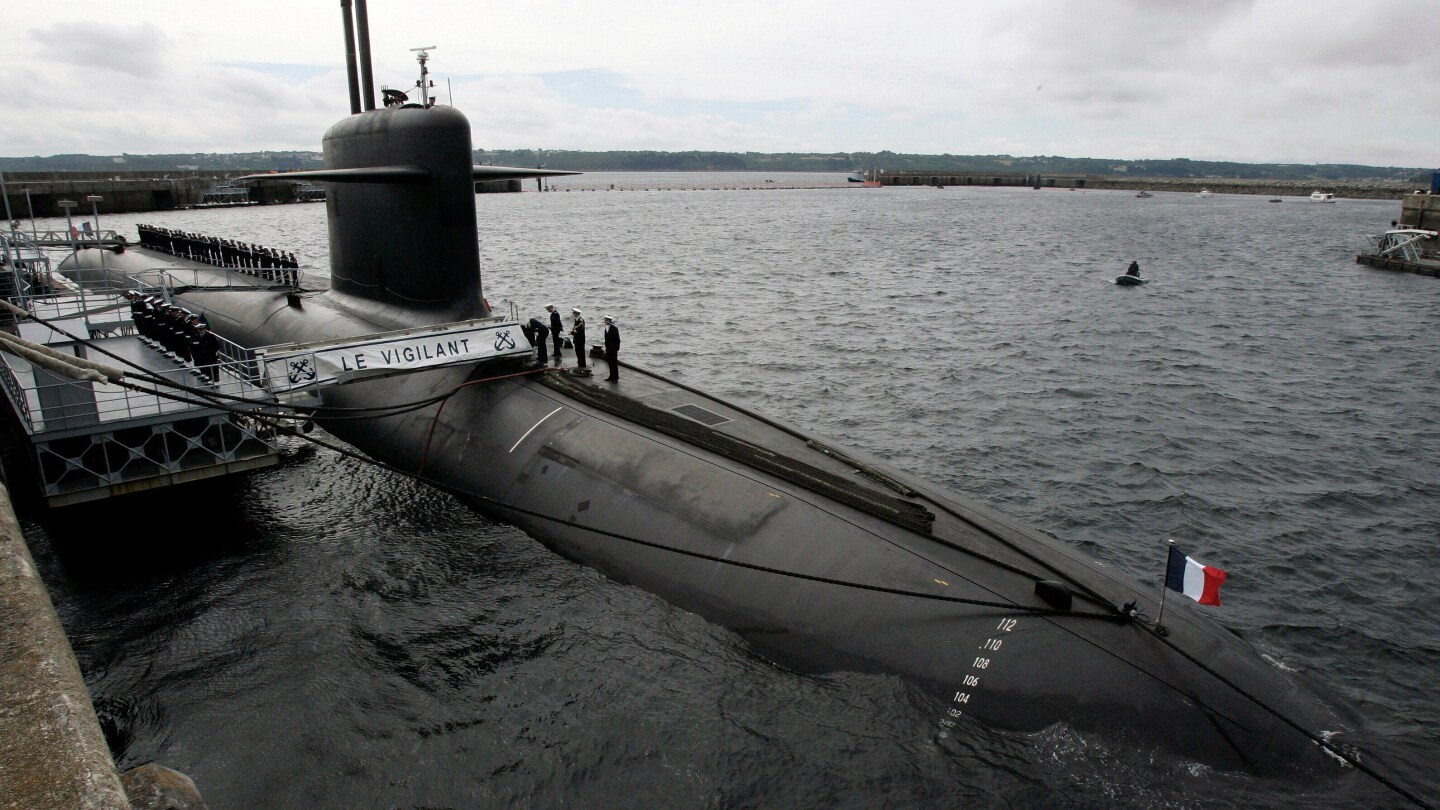
    French defense authorities have launched a formal investigation following the unauthorized drone penetration of a highly secure naval installation housing the nation’s nuclear deterrent forces. The incident occurred Thursday evening at the Île Longue strategic submarine base in Brittany, which serves as homeport for France’s four ballistic missile submarines: Le Triomphant, Le Téméraire, Le Vigilant and Le Terrible.

    Defense Minister Catherine Vautrin publicly confirmed that military personnel successfully intercepted the aerial intrusion, though specific countermeasure details remain classified. The minister declined to specify whether kinetic engagement, electronic warfare systems, or other defensive protocols were employed against the unidentified drones. Vautrin emphasized that “any overflight of a military site is prohibited in our country” while commending the base’s rapid response team.

    This security breach aligns with a concerning pattern across European airspace. Multiple NATO members have reported sophisticated drone operations near critical infrastructure throughout recent months. These incidents have included temporary airport closures disrupting civilian air traffic and numerous sightings above sensitive military installations.

    While no entity has claimed responsibility for the Île Longue violation, intelligence agencies have previously attributed similar airspace violations to Russian operations, particularly in Baltic states and Eastern European nations. The incident raises significant questions about the vulnerability of nuclear facilities to emerging aerial surveillance technologies and potential espionage activities.

  • Greek police fire tear gas at protesting farmers threatening to blockade airport

    Greek police fire tear gas at protesting farmers threatening to blockade airport

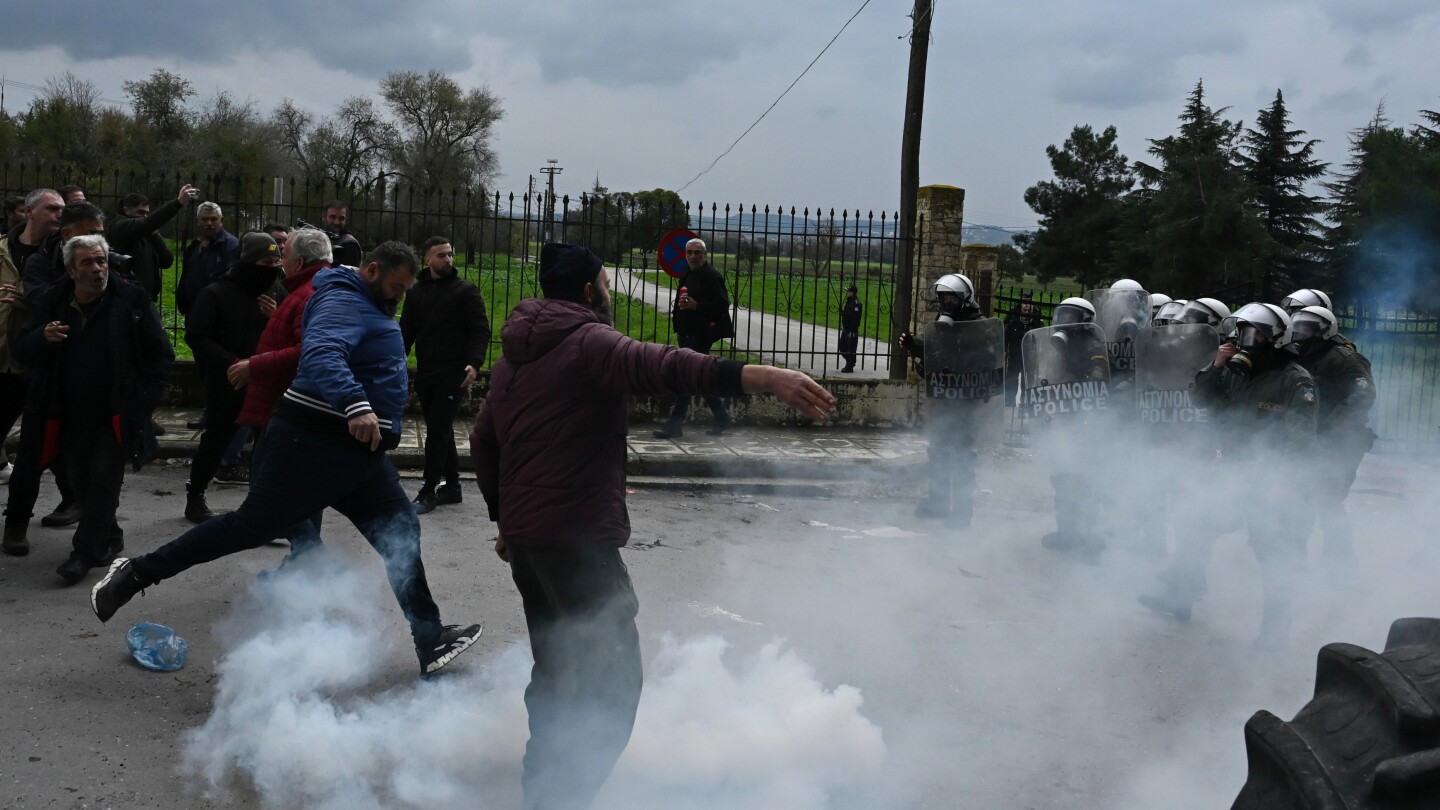
    Greek farmers intensified their demonstrations on Friday as riot police deployed tear gas against protesters attempting to blockade the primary access route to Thessaloniki International Airport. The escalating unrest stems from significant delays in European Union agricultural subsidy payments that have left farmers financially strained and unable to plant next season’s crops.

    Across Greece’s agricultural heartlands, thousands of tractors and farming vehicles have occupied strategic locations including border crossings, major highways, and transportation hubs. These coordinated actions have periodically halted traffic and threatened complete shutdowns of critical infrastructure. Authorities have implemented traffic diversions throughout northern and central regions to circumvent the blockades, while freight transportation at borders with Bulgaria, Turkey, and North Macedonia has already been severely disrupted.

    The payment delays emerged following revelations of widespread fraudulent claims within Greece’s agricultural subsidy system. Protesters argue that the resulting administrative review process constitutes collective punishment, leaving legitimate farmers indebted and incapable of purchasing essential planting materials. This crisis compounds existing challenges for Greece’s agricultural sector, including a recent outbreak of goat and sheep pox that necessitated large-scale livestock culling.

    Farmer Vasilis Mavroskas articulated the desperation felt by many: “We’re bankrupt and protesting when we should be sowing. Our inability to plant will directly impact urban food supplies—this is about survival.” Near Thessaloniki, approximately 200-300 farmers with over 100 tractors attempted to breach police cordons to completely seal airport access.

    While Public Order Minister Michalis Chrisochoidis maintained the government’s openness to dialogue, he simultaneously issued warnings against the disruption of major transit points. Christos Tsilias, vice president of the Thessaloniki farmers’ union, appealed for public support to pressure authorities into releasing the frozen payments.

    The current protests reflect a recurring pattern of agricultural demonstrations in Greece, though the underlying subsidy scandal has proven particularly consequential. The investigation led by the European Public Prosecutor’s Office uncovered systematic fraud and money-laundering activities, prompting the resignation of five senior government officials in June and the phased dissolution of the state agency responsible for subsidy distribution. Dozens of individuals have been arrested in connection with false claims, marking one of Greece’s most significant agricultural subsidy scandals in recent years.

  • Trump’s security strategy slams European allies and asserts US power in Western Hemisphere

    Trump’s security strategy slams European allies and asserts US power in Western Hemisphere

    The Trump administration has formally released its National Security Strategy, presenting a stark departure from previous foreign policy approaches by directly criticizing long-standing European allies while advocating for reinforced American dominance in the Western Hemisphere. The document, mandated by law and published Friday, characterizes European nations as facing potential “civilizational erasure” due to their immigration policies, declining birth rates, and restrictions on free speech.

    This strategic framework solidifies President Trump’s ‘America First’ doctrine, emphasizing non-interventionist foreign policy, reassessment of traditional alliances, and the unequivocal prioritization of American interests. The administration questions the long-term reliability of European partners, suggesting their current trajectory may render them unrecognizable within two decades and potentially incapable of maintaining robust economies or military capabilities.

    Despite its non-interventionist rhetoric, the strategy simultaneously outlines an expanded military approach in the Western Hemisphere, referencing a ‘Trump Corollary’ to the Monroe Doctrine. This includes targeted deployments and potential use of lethal force against cartels, alongside military strikes already conducted against alleged drug traffickers in Caribbean and Pacific waters.

    The document further acknowledges the administration’s intent to broker an end to the Russia-Ukraine conflict, identifying resolution of the nearly four-year war as vital to reestablishing strategic stability with Russia. This positioning marks a significant shift from the previous administration’s approach to Moscow, which treated Russia as a global pariah following its aggressive actions in Ukraine.

  • German parliament approves pension package after a rebellion in Merz’s party

    German parliament approves pension package after a rebellion in Merz’s party

    BERLIN — Germany’s legislative body has formally endorsed a comprehensive pension reform package following weeks of internal dissent within Chancellor Friedrich Merz’s governing coalition. The legislation passed with 319 votes in favor, 225 against, and 53 abstentions in the Bundestag’s lower house on Friday.

    The approved measures include a landmark provision that will maintain state pension levels at 48% of average wages until 2031, addressing immediate concerns about retirement security. The reform package also incorporates tax incentives designed to facilitate continued employment for retirees, a concession to Merz’s conservative bloc.

    Significant opposition emerged from 18 young legislators within Merz’s center-right Union alliance, who expressed concerns about post-2031 provisions that would establish slightly higher pension levels than current law mandates. These dissenters projected potential annual costs reaching €15 billion ($17.5 billion), arguing that this financial burden would disproportionately affect younger generations.

    Coalition leaders have attempted to mollify critics by emphasizing that an independent commission will deliver proposals for more extensive pension system reforms by mid-2026. This initiative responds to Germany’s demographic challenges, particularly its aging population trend that mirrors patterns seen across many developed nations.

    The parliamentary victory comes during a politically turbulent period for Merz’s administration, which has faced multiple governance challenges since assuming power seven months ago. The chancellor has publicly acknowledged excessive public disagreements within his coalition government, which has prioritized economic revitalization and migration reduction since taking office.

  • Evidence of burial ground at Tuam mother and baby home

    Evidence of burial ground at Tuam mother and baby home

    Archaeological investigators at the former Tuam Mother and Baby Home site in County Galway have confirmed the discovery of a historical burial ground containing infant remains, according to the latest report from the Office of the Director of Authorised Intervention, Tuam (ODAIT).

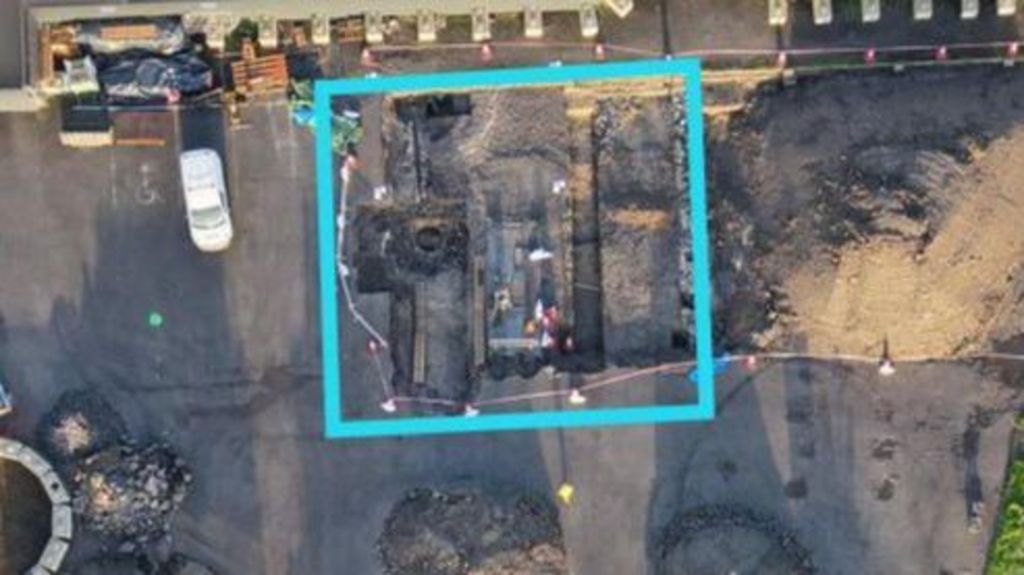
    The excavation team, which began operations in July with the objective of locating and identifying human remains, has uncovered graves of child and infant proportions in the western sector of the property. This finding aligns precisely with historical maps that previously designated the area as a ‘burial ground,’ though no surface indications remained visible prior to the current investigation.

    ODAIT’s fourth progress update reveals that eleven sets of infant remains have now been recovered from this location, with the most recent excavation uncovering four additional sets following seven previously identified last month. Initial forensic assessments indicate all remains were interred in coffins. The layout and dimensions of the graves provide conclusive evidence that this section served as a formal burial ground during the institution’s operational years from 1925 to 1961.

    The discovery validates the groundbreaking research of local historian Catherine Corless, whose 2014 investigation first revealed that 796 children died at the facility despite the absence of official burial records. Her work brought international attention to the Tuam institution and prompted the ongoing excavation.

    The site gained further notoriety in 2017 when government investigators discovered ‘significant quantities’ of remains in underground chambers approximately 100 meters from the current excavation area. The current forensic operation, conducted both mechanically and manually under protective tents, is expected to continue until 2027, with subsequent analysis anticipated to require additional years.

    The Tuam institution was operated by the Bon Secours Sisters religious order under the ownership of Galway County Council. Both entities have issued formal apologies acknowledging inadequate burial practices and institutional failures. The Bon Secours Sisters have contributed €2.14 million toward excavation costs, while Galway County Council apologized in 2021 for ‘failing mothers and children’ in their care.

  • From Pope Francis to Charlie Kirk, many deaths in 2025 had a wide impact

    From Pope Francis to Charlie Kirk, many deaths in 2025 had a wide impact

    The year 2025 witnessed the passing of numerous influential figures whose deaths created seismic shifts across global institutions, cultural landscapes, and political spheres. The transition within the Catholic Church reached historic proportions with the death of Pope Francis, leading to the unprecedented election of the first American pontiff to guide the world’s 1.4 billion Catholics. This religious milestone was overshadowed by political violence when conservative activist Charlie Kirk was fatally shot during a public appearance, triggering nationwide conversations about political extremism and security protocols at public events.

    The entertainment world suffered multiple devastating blows with the mysterious dual death of Oscar-winning actor Gene Hackman and his wife Betsy Arakawa in their home, and the passing of heavy metal icon Ozzy Osbourne shortly after his farewell concert. Boxing legend George Foreman’s death closed a remarkable narrative of athletic triumph and business success, while the suicide of Jeffrey Epstein accuser Virginia Giuffre brought renewed scrutiny to high-profile sexual abuse cases.

    Political spheres felt the absence of powerful figures including Dick Cheney, one of America’s most influential vice presidents, whose conservative legacy continued to shape political discourse. The year’s extensive list of notable deaths spanned generations and domains—from 114-year-old marathoner Fauja Singh to 29-year-old chess grandmaster Daniel Naroditsky, demonstrating that impact knows no age boundaries.

    Cultural icons including fashion designer Giorgio Armani, filmmaker David Lynch, musician Brian Wilson of The Beach Boys, and actress Diane Keaton left indelible marks on their respective industries. The collective passing of these figures created a cultural reset moment, with their deaths prompting global reflection on their contributions to arts, science, politics, and social movements.