标签: Asia

亚洲

  • Trump’s shadow looms over India-EU trade deal

    Trump’s shadow looms over India-EU trade deal

    In a landmark development with profound geopolitical implications, India and the European Union have concluded negotiations on a comprehensive free trade agreement, signaling a strategic realignment in response to global economic uncertainties. The deal, hailed as “the mother of all deals” by both Indian Prime Minister Narendra Modi and European Commission President Ursula von der Leyen, represents a significant breakthrough after two decades of stalled negotiations.

    The agreement emerges against a backdrop of escalating trade tensions and unpredictable US policy under the Trump administration. With the US imposing 50% tariffs on Indian goods—including a 25% penalty for India’s continued purchase of Russian oil—and threatening similar measures against EU countries, both powers have sought to diversify their economic partnerships and reduce strategic dependencies.

    Von der Leyen emphasized the partnership’s significance, stating: “This is the tale of two giants – the world’s second and fourth largest economies – choosing partnership in a true win-win fashion. By combining our strengths, we reduce strategic dependencies at a time when trade is increasingly weaponized.”

    Prime Minister Modi highlighted the agreement’s broader implications, noting that the global order is in “great turmoil” and that the pact would strengthen global supply chains while serving as “a new blueprint for shared prosperity.”

    The deal forms part of a broader pattern of nations seeking alternative alliances amid Washington’s aggressive trade stance. Recent weeks have seen Canada resetting ties with China, the UK pursuing strengthened trade relations with Beijing, and the EU finally concluding a trade accord with Mercosur after 25 years of negotiation—all developments experts attribute partly to the “Trump factor.”

    Michael Kugelman, senior fellow for South Asia at the Atlantic Council, observed: “The Trump factor provided a very strong impetus to the deal because both India and the EU are facing shock US tariffs that they never expected. Trump is a big reason why the EU and India have been able to overcome most of their differences.”

    While the agreement promises enhanced market access for both parties and helps the EU reduce its reliance on China, implementation challenges remain. The deal must undergo months of legal scrutiny before ratification by EU member states and the European Parliament—a process experts warn will be complex given contentious issues around intellectual property, agriculture, and carbon emissions.

    Despite these hurdles, business groups on both sides have welcomed the agreement as a crucial step toward stabilizing trade relations in an increasingly volatile global landscape.

  • Gansu leads China in museums per capita

    Gansu leads China in museums per capita

    Northwest China’s Gansu Province has emerged as the nation’s leader in museum accessibility per capita, marking a significant milestone in regional cultural development. Governor Ren Zhenhe announced this achievement during his government work report presentation at the fourth session of the 14th Gansu Provincial People’s Congress on Tuesday.

    According to data from the Gansu Cultural Relics Bureau, the province now hosts 263 registered museums following the recent addition of six new institutions. This translates to one museum for every 93,200 residents, representing the highest density of museum access among all Chinese provinces.

    The cultural sector demonstrated remarkable vitality throughout the past year, with more than 700 exhibitions and approximately 20,000 educational programs conducted both online and offline. These initiatives collectively attracted over 33 million visits, reflecting growing public engagement with cultural offerings.

    Gansu’s innovative approach to cultural heritage has yielded substantial economic benefits. Drawing inspiration from iconic artifacts such as the Dunhuang flying apsaras and the Bronze Galloping Horse from the Gansu Provincial Museum, developers have created more than 4,000 cultural and creative products. These items achieved annual sales exceeding 130 million yuan (approximately $18 million), demonstrating successful commercialization of cultural assets.

    The cultural achievements coincide with broader economic progress. During the 14th Five-Year Plan period (2021-25), Gansu’s GDP reached 1.37 trillion yuan, representing a 33.6 percent increase from the previous planning period. Since 2022, the province’s economic growth has consistently outperformed the national average for 16 consecutive quarters. In 2025 alone, Gansu’s GDP grew by 5.8 percent, ranking second nationwide, while per capita disposable income increased by 6.1 percent, the third-fastest growth rate in the country.

  • K2, WeRide sign agreement to operate autonomous buses in Abu Dhabi

    K2, WeRide sign agreement to operate autonomous buses in Abu Dhabi

    In a significant advancement for autonomous transportation, UAE-based mobility solutions provider K2 and global autonomous driving technology firm WeRide have formalized a strategic partnership to deploy and operate self-driving buses across Abu Dhabi. The landmark agreement was signed during the Unmanned Systems Exhibition and Conference (UMEX) 2026 with official endorsement from both the Smart and Autonomous Systems Council (SASC) and the Integrated Transport Centre (ITC).

    This collaboration represents a concrete step toward realizing Abu Dhabi’s comprehensive smart mobility strategy, facilitating the practical implementation of autonomous public transportation systems. The initiative aims to solidify the emirate’s standing as an international center for intelligent, sustainable transit solutions.

    K2 brings substantial regional operational expertise to the partnership, with subsidiaries having previously conducted extensive testing of robotic taxis and last-mile delivery solutions across tens of thousands of kilometers. WeRide contributes its advanced Level 4 autonomous driving technology and global deployment experience to the venture.

    Waleed Alblooshi, Vice President of Strategy at K2, emphasized the synergistic nature of the partnership: “K2 leverages its local expertise, fleet management capabilities, and experience in deploying real-world mobility solutions, while WeRide contributes its global AV expertise and extensive deployment experience.”

    Ryan Zhan, Regional General Manager for Middle East and Africa at WeRide, characterized the agreement as marking “the next phase of our growth” in the region. “By combining our proven L4 autonomous driving technology with K2’s deep local expertise,” Zhan noted, “we are accelerating safer, smarter, and more sustainable autonomous public transport across the UAE and the wider Middle East.”

    The autonomous bus initiative aligns with broader regional transportation modernization efforts, including Ras Al Khaimah’s recent consolidation of autonomous vehicle operations under a single transport authority and previous successful trials of fully driverless ride-hailing services in the Abu Dhabi metropolitan area.

  • Cornell students and faculty explore agricultural development in China during cultural exchange program

    Cornell students and faculty explore agricultural development in China during cultural exchange program

    A distinguished delegation of students and faculty from Cornell University recently concluded an extensive two-week cultural and educational exchange program across China, gaining firsthand insights into the nation’s agricultural modernization and rural revitalization initiatives. Organized by China Agricultural University, the program ran from January 4th to 16th, 2026, featuring immersive visits to multiple regions including Beijing, Hebei Province, and Sichuan Province.

    The comprehensive itinerary enabled participants to engage directly with local farming communities, rural residents, and leading agricultural experts. In Yixian County, Hebei Province, the Cornell delegation examined innovative farming techniques and sustainable practices that have contributed to China’s food security goals. The exchange facilitated meaningful dialogue about comparative agricultural systems and development strategies between American and Chinese academic perspectives.

    This program represents a significant step in academic diplomacy and cross-cultural knowledge sharing in the field of agricultural science. Participants gained practical understanding of China’s rural development policies while establishing professional connections that could foster future research collaborations. The initiative demonstrates how educational exchanges can build bridges between academic institutions despite different agricultural traditions and economic systems.

    The successful program highlights the growing importance of international cooperation in addressing global challenges such as food security, sustainable farming, and rural economic development. Such exchanges contribute to mutual understanding and create platforms for sharing best practices in agricultural innovation and policy implementation.

  • EU says India to slash tariffs on import of autos, wine and pasta

    EU says India to slash tariffs on import of autos, wine and pasta

    In a landmark move set to redefine bilateral trade, India and the European Union have officially unveiled a comprehensive free trade agreement. The pact, announced on Tuesday, January 27, 2026, will dramatically reduce or eliminate import duties on an unprecedented 97 percent of goods exported from the EU to India, creating an estimated annual duty savings of up to €4 billion ($4.75 billion).

    The agreement specifically targets several high-tariff sectors, signaling a new era of market access for European producers. The automotive industry will witness a profound transformation, with India’s notoriously high import duties on cars being systematically reduced from a peak of 110 percent down to a new low of 10 percent. Similarly, the wine sector is poised for a breakthrough as tariffs, previously as high as 150 percent, will be progressively lowered to a base rate of 20 percent.

    Furthermore, the EU confirmed that India will completely eliminate its current 50 percent tariff on a range of processed food products. This elimination will apply to key European exports including pasta, chocolate, and other gourmet food items, granting them unprecedented price competitiveness in the vast Indian consumer market.

    This agreement is widely regarded as one of the most significant trade deals negotiated by the EU, marking a decisive step in strengthening economic ties between the world’s largest trading bloc and one of its fastest-growing major economies. The tariff reductions are structured to be implemented progressively, allowing industries in both regions to adapt to the new competitive landscape.

  • What is Nipah virus? Outbreak in India; some airports increase precautions

    What is Nipah virus? Outbreak in India; some airports increase precautions

    Health authorities in India have confirmed an outbreak of the deadly Nipah virus in West Bengal, with five documented cases prompting immediate containment protocols. Local media reports indicate approximately 100 individuals have been placed under quarantine as precautionary measures intensify.

    The zoonotic pathogen, which transmits from animals to humans through contaminated food sources and subsequently between humans via bodily fluids, presents significant public health challenges due to the absence of approved vaccines or targeted treatments. Current medical intervention is limited to supportive care for symptomatic patients.

    In response to the outbreak, several Asian nations have implemented enhanced screening procedures at international airports. Thailand, Nepal, and Taiwan have notably strengthened border health security protocols to prevent potential cross-border transmission.

    Nipah virus infection manifests through a spectrum of symptoms including fever, respiratory distress, muscular pain, and neurological complications such as encephalitis (brain inflammation), disorientation, and seizures. Severe cases may progress to coma within 24-48 hours of symptom onset.

    Transmission occurs primarily through:
    – Direct contact with infected bats or animal carriers
    – Consumption of contaminated animal products
    – Human-to-human transmission via respiratory secretions, saliva, urine, or blood
    – Caregiving activities without adequate protective equipment

    The current outbreak underscores the persistent threat of zoonotic diseases and the critical importance of international health surveillance systems.

  • Setback for Vijay’s ‘Jana Nayagan’ release as India court stays order granting censor certificate

    Setback for Vijay’s ‘Jana Nayagan’ release as India court stays order granting censor certificate

    In a significant judicial reversal, the Madras High Court has suspended the censorship clearance for Tamil superstar Vijay’s highly anticipated film ‘Jana Nayagan,’ creating substantial obstacles for the political drama’s theatrical release. A division bench led by Chief Justice Manindra Mohan Shrivastava and Justice G Arul Murugan overturned a previous single-judge ruling that had mandated India’s Central Board of Film Certification (CBFC) to issue a ‘U/A 16+’ certificate for the project.

    The judicial panel determined that the lower court had acted prematurely by not allowing adequate time for the CBFC to present its counter-affidavit regarding certification concerns. The case has now been remanded back to the single judge for renewed proceedings, with permission for the producers to modify their legal petition.

    This development represents the latest chapter in an ongoing censorship battle that has delayed the film’s scheduled January 9 release during the lucrative Pongal festival season. The CBFC had initially withheld certification, citing concerns that specific scenes might offend religious sensibilities and referring the matter to a Revising Committee for additional evaluation.

    The production team, led by producer K Venkat Narayana, had previously sought urgent judicial intervention to compel certification after the CBFC declined clearance. While the single judge initially provided temporary relief by ordering certification, the division bench subsequently stayed this order on January 9, effectively halting the release process.

    The significance of ‘Jana Nayagan’ extends beyond entertainment circles, as industry observers note this marks Vijay’s final cinematic project before his full transition into politics through his recently established Tamilaga Vettri Kazhagam (TVK) party. The continued postponement represents both commercial and symbolic setbacks for the actor-politician’s carefully orchestrated career transition.

  • Fujian accelerates cross-Strait integration efforts

    Fujian accelerates cross-Strait integration efforts

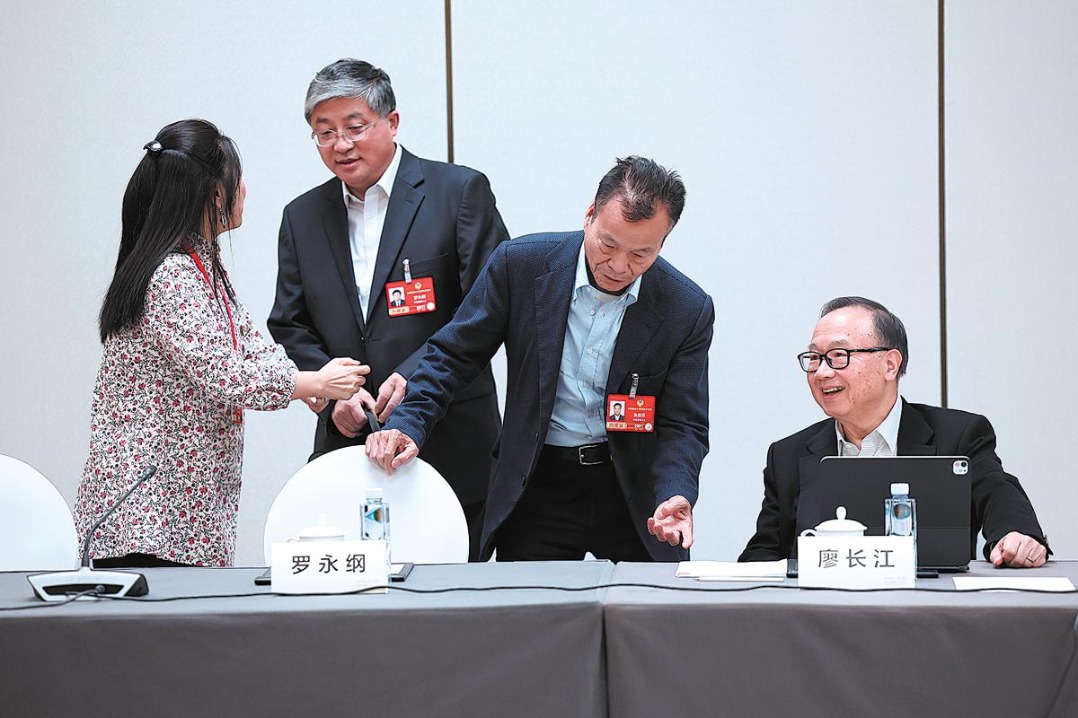
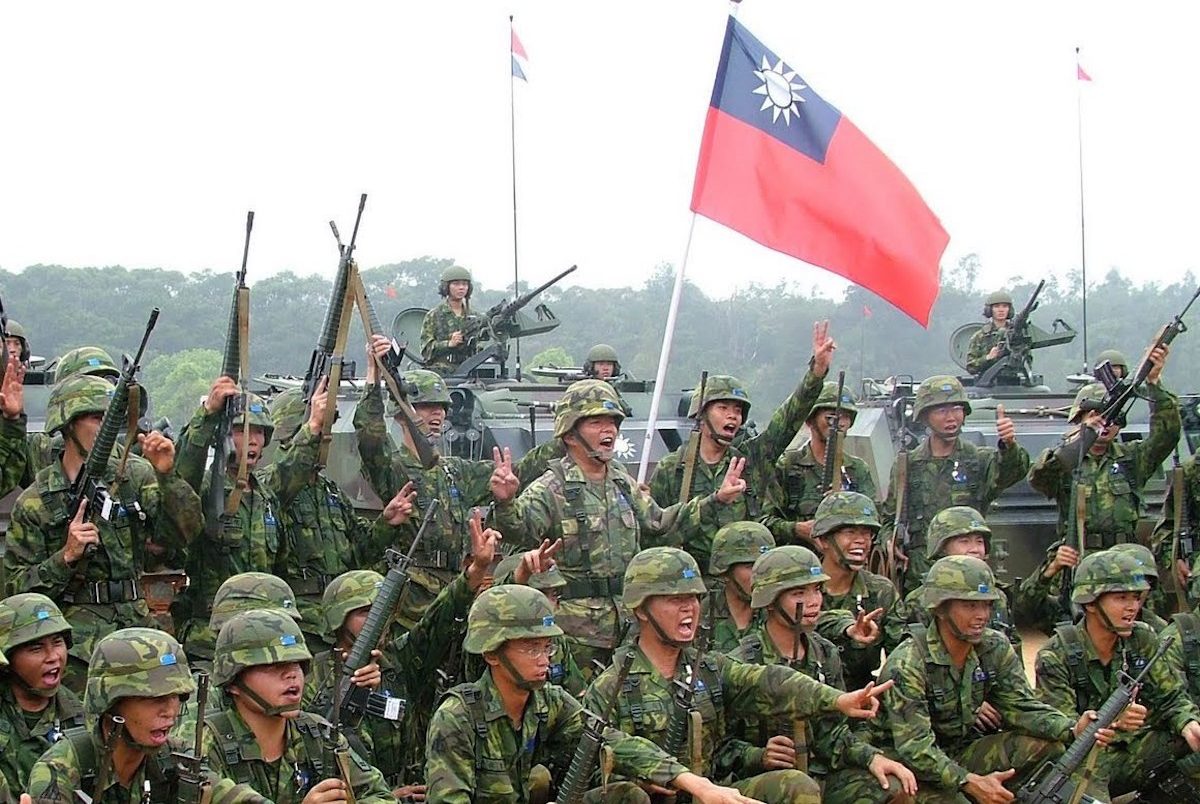
    Fujian Province has launched an accelerated initiative to establish itself as a premier demonstration zone for cross-Strait integration, marking a significant advancement in China’s national reunification strategy. Governor Zhao Long formally announced this strategic pivot during his government work report at the fourth session of the 14th Fujian Provincial People’s Congress.

    The coastal province, positioned directly opposite Taiwan, will implement comprehensive measures spanning economic, social, and cultural dimensions. Central to this initiative is the creation of a pioneering cross-Strait common market designed to streamline market access for Taiwan-funded enterprises while fostering innovative small-scale trade mechanisms between Fujian and Taiwan.

    Industrial collaboration will prioritize four key sectors: electronic information, mechanical equipment, petrochemicals, and biomedicine. The provincial government plans to establish specialized Taiwan-related industrial parks to facilitate these cooperative ventures, building on the impressive 2025 figures that saw 2,612 new Taiwan-funded enterprises established with actual utilized Taiwan capital reaching $724 million.

    Beyond economic integration, Fujian is developing extensive institutional frameworks to attract Taiwanese compatriots through enhanced education opportunities, internship programs, and employment pathways. The province will expand professional qualification recognition and initiate over thirty joint rural development projects.

    Cultural connectivity forms another critical component of the integration strategy. Fujian will promote the ‘Taiwan Compatriots Root-seeking Platform’ and advance legislative measures concerning cross-Strait family genealogies. Grassroots exchanges will be encouraged through shared sporting activities including baseball, softball, and dragon boat racing, complementing recent cultural successes like the television drama ‘The Silent Glory’ filmed in Fujian that has resonated across the Strait.

    Infrastructure development features prominently in the integration roadmap, with plans to deepen ‘living circles’ between Xiamen-Jinmen and Fuzhou-Matsu. Critical utility projects delivering water, electricity, and gas to Jinmen and Matsu will be expedited, while Xiamen is scheduled to complete its section of the Xiamen-Jinmen Bridge within the year.

    The initiative aligns with the commencement of China’s 15th Five-Year Plan (2026-30), positioning Fujian at the forefront of cross-Strait relations development.

  • Kanye West apologises for antisemitic remarks, says brain injury affected mental health

    Kanye West apologises for antisemitic remarks, says brain injury affected mental health

    In an extraordinary public mea culpa, music icon Kanye West (now known as Ye) has issued a formal apology for his history of antisemitic remarks and controversial behavior through a full-page advertisement in The Wall Street Journal. The rapper revealed previously undisclosed medical information that provides context for his erratic public conduct in recent years.

    The artist disclosed that a severe car accident twenty-five years ago resulted in an undiagnosed traumatic brain injury affecting his right frontal lobe. While immediate attention focused on his broken jaw and visible injuries, comprehensive neurological evaluation was overlooked at the time. This medical oversight, West explained, went undetected until proper diagnosis in 2023, significantly impacting his mental health and contributing to his bipolar type-1 diagnosis.

    West described experiencing a ‘four-month-long manic episode of psychotic, paranoid and impulsive behavior’ in 2025, during which he ‘lost touch with reality’ and gravitated toward ‘the most destructive symbols’ – including selling T-shirts bearing swastikas. He expressed particular remorse for how his actions affected loved ones, acknowledging they ‘endured fear, confusion, humiliation, and the exhaustion of trying to have someone who was, at times, unrecognizable.’

    The artist explicitly distanced himself from antisemitic ideologies, stating: ‘It does not excuse what I did, though. I am not a Nazi or an antisemite. I love Jewish people.’ He credited his wife, Bianca Censori, with encouraging him to seek professional help during his mental health crisis.

    West concluded his apology by outlining his recovery regimen involving medication, therapy, exercise, and clean living, which has provided him ‘newfound, much-needed clarity.’ He pledged to channel his energy into ‘positive, meaningful art: music, clothing, design, and other new ideas to help the world’ while seeking forgiveness from fans and those affected by his past actions.

  • China’s tech firm deploys AI model in orbit, unveils massive space computing plan

    China’s tech firm deploys AI model in orbit, unveils massive space computing plan

    In a groundbreaking advancement for space technology, Chinese commercial aerospace pioneer GuoXing Aerospace Technology has successfully deployed a general-purpose artificial intelligence model aboard its operational satellite constellation. The Chengdu-based startup announced this week that it has uplinked Alibaba’s Qwen3 large language model to its inaugural space-based computing center, enabling complete end-to-end reasoning tasks to be processed entirely in orbit.

    Executive Vice-President Wang Yabo confirmed this represents the world’s first deployment of a general-purpose large-scale AI model from terrestrial control systems to an operational satellite network in space. The achievement follows China’s launch last May of 12 space computing satellites, forming the initial cluster of GuoXing Aerospace’s ambitious orbital computing project.

    During recent trials, the Qwen3 model successfully completed multiple experiments with remarkable efficiency. Questions transmitted from Earth to the satellite were processed on-board, with results returned to ground stations within an impressive two-minute timeframe.

    This development emerges as artificial intelligence continues driving unprecedented demand for computing resources, sparking a new technological frontier that pushes intelligent computing capabilities into space. The movement gained momentum when SpaceX recently orbited its Starcloud-1 satellite equipped with Nvidia GPUs.

    Looking toward the future, Wang outlined the company’s visionary plan to construct an extensive network of 2,800 specialized computing satellites by 2035. This proposed constellation will comprise 2,400 inference satellites and 400 training satellites, deployed across sun-synchronous, dawn-dusk and low-inclination orbits at altitudes ranging from 500 to 1,000 kilometers.

    The sophisticated satellite network will employ laser inter-satellite links to facilitate high-speed data transfer, with ambitious targets to deliver 100,000 petaflops of inference compute capacity and 1 million petaflops of training compute power worldwide. The company anticipates deploying its second and third satellite clusters within the year, with plans to complete a 1,000-satellite network by 2030.