标签: Asia

亚洲

  • The nearly-forgotten cricketer who became India’s T20 World Cup hero

    The nearly-forgotten cricketer who became India’s T20 World Cup hero

    AHMEDABAD — In a career-defining performance, Indian cricketer Sanju Samson emerged as the unexpected architect of India’s T20 World Cup victory against New Zealand on Sunday, culminating a decade-long journey of perseverance and dedication to traditional batting fundamentals.

    The 31-year-old wicketkeeper-batter, who nearly missed selection due to prior inconsistent performances, delivered a tournament-transforming performance that ultimately secured India’s title defense with a decisive 96-run victory. Samson’s remarkable statistics—275 runs at a staggering strike rate of 199 throughout the knockout stages—belied his conventional technique that prioritizes precise footwork, impeccable balance, and textbook strokeplay over modern power-hitting aesthetics.

    Samson’s path to glory was nearly derailed multiple times. After struggling to translate his Indian Premier League success to international cricket—managing just one half-century in his first 23 innings—he had effectively played himself out of contention during bilateral series preceding the tournament. His inclusion came partly due to Rinku Singh’s personal circumstances, while his promotion to opener was initially intended to relieve pressure from struggling teammate Abhishek Sharma.

    The tournament’s turning point came during India’s virtual quarterfinal against West Indies in Kolkata, where Samson’s unbeaten 97 demonstrated the enduring value of classical batting in the T20 format. His mature innings throughout the knockout phase provided the foundation upon which India’s campaign was built, though individual accolades frequently went to teammates like Jasprit Bumrah, who received Player of the Match honors in the final despite Samson’s 89-run contribution.

    What made Samson’s triumph particularly noteworthy was his refusal to compromise his technique despite pressure to adopt more contemporary approaches. In an era dominated by high-risk, high-reward batting philosophies, Samson’s success validated the enduring relevance of traditional cricketing values—patience, process-oriented preparation, and technical discipline developed through years in unglamorous domestic tournaments like the Ranji Trophy.

    His journey from teenage IPL prodigy to World Cup hero represents not just personal redemption but the validation of cricket’s fundamental virtues, proving that in the modern game’s relentless evolution, there remains room for classical excellence executed with humility and perseverance.

  • Digital preservation brings Altay’s history alive

    Digital preservation brings Altay’s history alive

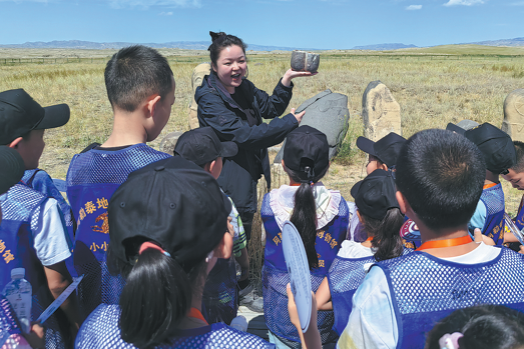
    In the remote landscapes of China’s Xinjiang Uygur autonomous region, a technological revolution is quietly unfolding to safeguard ancient cultural treasures. Zoya Baqit, a 37-year-old heritage conservationist and National People’s Congress deputy, is pioneering digital preservation efforts for Altay’s invaluable stone relics, blending traditional archaeology with 21st-century innovation.

    The Altay prefecture, home to 692 immovable cultural relic sites according to the third national survey, contains particularly significant rock art spanning from the Paleolithic era to the Qing Dynasty. These ancient canvases depict vivid scenes of hunting, herding, and ceremonial dancing, offering unprecedented insights into early human civilization. Among the most remarkable discoveries is a 12,000-year-old painting in Dundebrak Cave depicting hunters on skis—evidence suggesting Altay may be the historical birthplace of skiing.

    “Examining these rock artworks resembles browsing ancient social media feeds,” Baqit observes. “Each carving represents a deliberate communication—whether documenting daily life, spiritual practices, or communal activities—that we strive to interpret through careful analysis.”

    The preservation challenge is substantial. Many sites reside in geographically complex areas where traditional physical conservation—involving mountain reinforcement and cliff stabilization—proves logistically impractical. Instead, Baqit and her team at Altay Regional Museum have embraced digital solutions including high-precision 3D scanning, holographic imaging, and virtual reality technologies.

    Their meticulous process involves comprehensive field assessments considering variable weather patterns, sunlight exposure, erosion damage, and equipment transportation logistics. Each site requires customized digital preservation strategies due to unique environmental conditions and deterioration patterns. The team’s digital rubbing technique captures intricate details without physical contact, preventing damage while revealing previously unnoticed details about the artists’ techniques.

    He Huilai, director of Altay Regional Museum, emphasizes the historical significance of these sites: “Wherever rock art appears, it indicates areas that were—or remain—quality hunting or grazing grounds. These locations document not only nomadic life but also ancient belief systems, aesthetic values, and spiritual pursuits.”

    Baqit’s work intersects with regional development initiatives, particularly Altay’s growing reputation as a winter tourism destination. The ancient skiing depiction and associated fur-lined ski tradition (recognized as regional intangible cultural heritage) now form part of the area’s cultural identity promotion.

    As Altay completes the field investigation phase of the fourth national cultural relics survey, Baqit’s dual role as conservationist and legislative representative has enabled more informed advocacy for cultural preservation. Her efforts demonstrate how digital technology can create immutable records of fragile heritage while making ancient wisdom accessible to global audiences—ensuring that these stone narratives continue to speak across millennia.

    The project exemplifies how traditional cultural preservation and cutting-edge technology can merge to protect humanity’s shared heritage, transforming ancient rock surfaces into permanently accessible digital archives for future generations.

  • China’s tech drive spurs opportunities

    China’s tech drive spurs opportunities

    In the face of accelerating global economic fragmentation and technological competition, Southeast Asian nations are presented with unprecedented opportunities through strategic alignment with China’s technological advancement, according to analysis from Thai academic experts.

    Arm Tungnirun, Director of the Chinese Studies Center at Chulalongkorn University’s Institute of Asian Studies, contends that ASEAN member states must fundamentally reconsider their approach to globalization and development paradigms. The expert emphasizes that prevailing assumptions about temporary geopolitical disruptions are misguided, noting that the global framework has undergone permanent transformation requiring strategic reconfiguration at national and regional levels.

    The core opportunity for ASEAN lies in transitioning from competitive positioning to collaborative creation, leveraging the region’s unique structural advantages. These include geographical proximity to China, intricate production networks, political diversity, and expanding consumer markets. This positioning enables ASEAN to function as a crucial bridge connecting systems, standards, and innovation ecosystems for mutual benefit.

    China’s technological transformation is advancing at unprecedented velocity, accelerated by strategic competition with the United States that has elevated technology to a national priority. This has triggered massive capital redirection toward high-tech sectors and foundational research, with signals from China’s forthcoming 15th Five-Year Plan (2026-30) indicating a comprehensive shift toward technology-intensive industries deeply embedded in regional value chains.

    The transformation centers on developing “new quality productive forces” encompassing emerging sectors including quantum technology, 6G communications, embodied artificial intelligence, biomanufacturing, and advanced nuclear energy. Critical to this evolution will be integrating these general technologies within existing industrial frameworks, potentially reshaping production networks across the region.

    For Thailand and ASEAN members, this technological shift presents a dual reality: significant disruption for industries unprepared for rapid advancement, alongside substantial opportunities for those capable of strategic adaptation. The strategic discourse must pivot from impractical competition with China in frontier sectors toward integration within this burgeoning ecosystem through collaborative creation mechanisms.

    Potential collaboration formats include joint research initiatives, complementary manufacturing roles, shared applications platforms, and regionally integrated innovation networks. By aligning domestic capacity-building with China’s technological trajectory, ASEAN nations can ascend global value chains while maintaining strategic autonomy in the new technological landscape.

  • India erupts in celebration after T20 cricket World Cup victory

    India erupts in celebration after T20 cricket World Cup victory

    India has cemented its cricketing dominance by achieving an unprecedented consecutive victory in the ICC Men’s T20 World Cup, defeating New Zealand by a commanding 96-run margin in Sunday’s final. The championship match, held in Ahmedabad, witnessed India’s formidable performance against twenty competing nations, solidifying their status as the first team to retain the T20 World Cup title.

    The victory ignited spontaneous nationwide celebrations as ecstatic fans adorned in team jerseys flooded streets across the country. From Delhi’s India Gate to Mumbai’s airport vicinity, Chennai’s Marina Beach to Kolkata’s urban centers, impromptu gatherings featured drum-beating, flag-waving, and fireworks that illuminated the night sky. The celebrations commenced even before the final delivery, with stadium crowds and outdoor viewers expressing their euphoria simultaneously.

    Prime Minister Narendra Modi praised the team’s exceptional achievement, stating: ‘This remarkable triumph reflects exceptional skills, determination and teamwork. They have shown outstanding grit through the tournament. This victory has filled every Indian heart with pride and joy.’ The win marks India’s third T20 World Cup victory (2007, 2024, 2026) and follows their recent Women’s Cricket World Cup success four months prior.

    Fans expressed overwhelming emotion, with Mumbai supporter Shraddha Mokal telling news agencies: ‘I have no favorites, I love each member of the team. I can’t express in words how happy I am today.’ Another fan from Gurgaon noted: ‘Once again our team has proved that this is the best in the world.’

    The Board of Control for Cricket in India (BCCI) is expected to organize formal victory celebrations where team members will present the trophy to thousands of adoring fans, continuing the cricketing nation’s celebration of this historic achievement.

  • National law to boost ethnic progress, unity

    National law to boost ethnic progress, unity

    China is advancing comprehensive national legislation designed to foster ethnic progress and reinforce national unity, with deliberations currently underway during the National People’s Congress (NPC) annual session. The proposed legal framework aims to enhance safeguards for ethnic minority communities while promoting social cohesion across the country’s diverse population.

    Zhang Qiongli, an NPC deputy representing the Tujia ethnic group, emphasized the powerful unifying role of sports in bridging cultural divides. Speaking outside Beijing’s Great Hall of the People following the legislative session’s opening, the educator from Hubei province’s Enshi Tujia and Miao Autonomous Prefecture highlighted successful local initiatives that have effectively brought together China’s 56 ethnic groups.

    The deputy specifically referenced the enormously popular “EnBA” basketball tournament in her home prefecture, which has evolved beyond conventional athletic competition into a vibrant cultural platform. “This tournament represents far more than basketball,” Zhang explained. “It has become a dynamic stage for showcasing our unique ethnic heritage through traditional performances during games, while simultaneously strengthening understanding and exchanges between different ethnic communities.”

    Zhang’s advocacy centers on expanding support for similar sports events in ethnic regions, recognizing their dual capacity for cultural preservation and community building. The proposed national legislation would institutionalize such approaches, creating structured mechanisms for ethnic cultural expression while reinforcing what officials term “the sense of Chinese national community.”

    The legislative move occurs alongside various cultural demonstrations across China, including a recent multi-ethnic parade in Guiyang, Guizhou province, where approximately 3,600 participants showcased diverse cultural traditions, intangible cultural heritage, and regional tourism experiences. These parallel developments underscore the government’s comprehensive approach to ethnic relations, combining policy measures with grassroots cultural and athletic initiatives.

  • Waste mound collapse at Indonesia’s largest landfill kills at least 5 and leaves several missing

    Waste mound collapse at Indonesia’s largest landfill kills at least 5 and leaves several missing

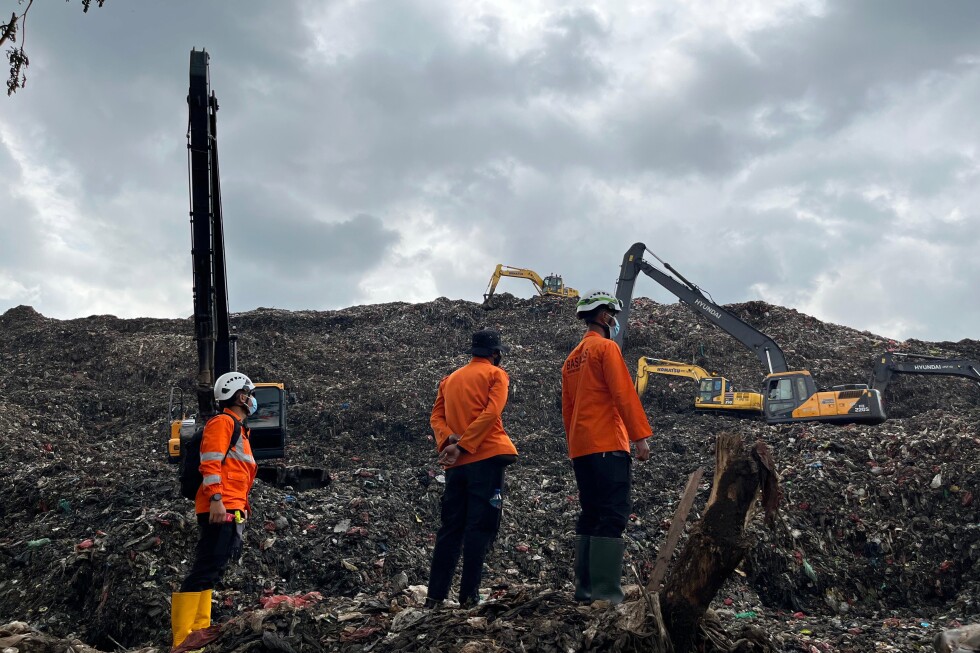
    A catastrophic garbage avalanche at Indonesia’s primary landfill site has resulted in multiple fatalities and missing persons following torrential rainfall that destabilized the waste accumulation. The calamity occurred Sunday evening at the Bantargebang Integrated Waste Treatment Facility in Bekasi, situated on the outskirts of Jakarta, prompting an extensive emergency response.

    Search and rescue operations involving over 300 personnel equipped with heavy machinery and canine units continue under hazardous conditions. Desiana Kartika Bahari, head of Jakarta’s Search and Rescue Office, confirmed the recovery of five victims while indicating several individuals remain unaccounted for. Among those lost were garbage truck operators and local food vendors operating near the landfill perimeter. Four individuals managed to escape the cascading waste unharmed.

    Visual documentation from the National Search and Rescue Agency reveals the scale of devastation, with excavators attempting to locate buried vehicles and structures beneath the unstable debris. Abdul Muhari, spokesperson for the National Disaster Management Agency, emphasized the ongoing risks to rescue teams due to forecasted precipitation and potential secondary movements within the compromised waste mound.

    This incident has intensified scrutiny of Indonesia’s waste management infrastructure, particularly regarding the Bantargebang facility which processes the majority of metropolitan Jakarta’s household refuse. The landfill has repeatedly faced capacity warnings, prompting national initiatives to revolutionize waste processing methods. The government recently announced an ambitious waste-to-energy conversion project with a two-year implementation timeline, supported by new presidential regulations designed to accelerate regulatory approvals and attract investment in sustainable waste management solutions.

    The tragedy echoes similar incidents across Southeast Asia, including a January landfill collapse in the Philippines that claimed multiple lives, and a 2005 Indonesian waste landslide that resulted in 31 fatalities near Bandung.

  • Bag containing weed and cash accidentally donated to a New Zealand charity shop

    Bag containing weed and cash accidentally donated to a New Zealand charity shop

    WELLINGTON, New Zealand — An ill-fated decision by two New Zealand teenagers culminated in their arrest after they inadvertently abandoned a knapsack containing illicit substances and a substantial sum of money at a charitable donation point. According to a police statement issued Monday, the incident transpired on February 18th in the Southland region on the nation’s South Island.

    The sequence of events began when the pair, awaiting vehicle servicing at a nearby garage, temporarily left the bag outside the charity establishment. A store volunteer subsequently detected a potent odor emanating from the unattended knapsack. Upon inspection, the volunteer discovered meticulously packaged plastic bags holding 43.2 grams of marijuana alongside NZ$3,700 (approximately US$2,200) in cash.

    Alerted by the distressed teens’ frantic return to retrieve their misplaced property, staff contacted law enforcement authorities. While recreational use and sale of cannabis remain prohibited under New Zealand law—though medicinal application is permitted with prescription—the investigation expanded significantly upon inspection of the adolescents’ vehicle.

    Police搜查 uncovered an air pistol, illegal for minors to possess without licensed adult supervision, alongside a police scanner and additional currency. Although scanner ownership itself doesn’t violate statutes, utilizing or disseminating intercepted communications constitutes a criminal offense.

    Authorities have deliberately withheld specifics regarding potential charges or court appearances, citing stringent legal protections governing youth justice proceedings. Cases involving alleged offenders under 17 typically undergo hearings in specialized Youth Courts, which enforce rigorous reporting restrictions.

  • Mojtaba Khamenei, son of Ali Khamenei, selected as Iran’s new supreme leader

    Mojtaba Khamenei, son of Ali Khamenei, selected as Iran’s new supreme leader

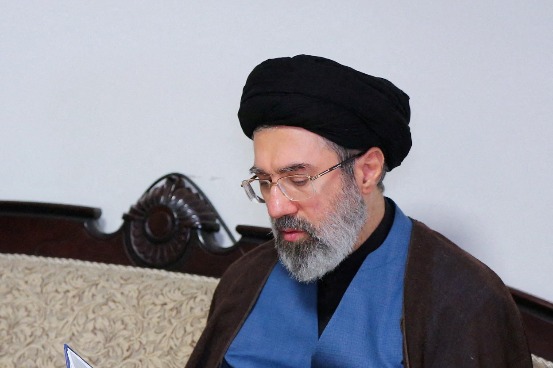
    TEHRAN – In a landmark decision that will shape Iran’s political future, the country’s Assembly of Experts formally announced the election of Mojtaba Khamenei as the Islamic Republic’s third Supreme Leader on Sunday. The announcement concludes a critical succession process triggered by the death of former leader Ali Khamenei.

    The clerical body confirmed the appointment through an official statement, highlighting the “decisive vote of the respected representatives” that resulted in Mojtaba Khamenei’s ascension to Iran’s highest authority position. The 57-year-old assumes leadership during a period of significant regional tension and domestic challenges.

    The transition follows the death of the previous Supreme Leader, Ali Khamenei, who was killed during joint U.S.-Israeli military strikes across Iran on February 28. The unprecedented attack created a power vacuum that required immediate resolution according to Iran’s constitutional procedures.

    Mojtaba Khamenei, born in 1969, has maintained a relatively low public profile compared to other political figures but has been widely regarded as a influential behind-the-scenes operator within Iran’s power structure. His selection represents continuity in the Islamic Republic’s leadership while positioning a new generation to guide the nation’s religious and political direction.

    The Supreme Leader wields ultimate authority over Iran’s foreign policy, military operations, and religious matters, making this transition particularly significant for regional stability and international relations. The Assembly of Experts, composed of 88 Islamic scholars, conducted the selection process in accordance with Iran’s constitutional framework governing leadership succession.

  • Japan prepares for deployment of its first home-developed long-range missile

    Japan prepares for deployment of its first home-developed long-range missile

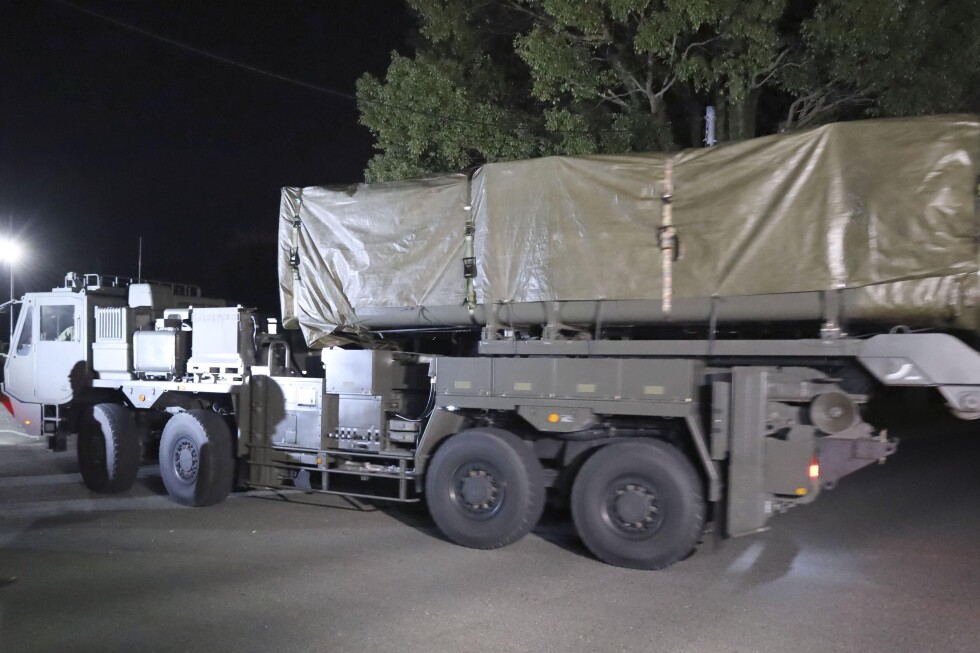
    Japan has initiated the deployment of its first domestically developed long-range missiles, marking a significant escalation in the nation’s offensive military capabilities. The advanced Type-12 land-to-ship missiles, manufactured by Mitsubishi Heavy Industries, began arriving at Camp Kengun in Kumamoto Prefecture during a covert midnight operation that drew immediate local protests.

    The deployment, confirmed by Chief Cabinet Secretary Minoru Kihara, will be completed by March’s end. The move comes as Japan accelerates its military modernization timeline by one year in response to growing regional security concerns, particularly regarding China’s activities around Taiwan.

    The newly upgraded missiles represent a substantial capability enhancement, with an operational range extending to approximately 1,000 kilometers (620 miles)—a fivefold increase over the original 200-kilometer version. This extended range places mainland China within striking distance, fundamentally altering Japan’s defensive posture.

    Local opposition has been vocal, with dozens of protesters gathering outside the military camp holding banners that read ‘Stop long-range missile deployment.’ Kumamoto Governor Takashi Kimura expressed frustration over the lack of transparency, noting his administration learned of the deployment through media reports rather than official channels.

    Defense Minister Shinjiro Koizumi has outlined additional deployment plans, with Camp Fuji in Shizuoka scheduled to receive the missiles later this year. Further military enhancements include deploying midrange surface-to-air missiles on Yonaguni Island, located just east of Taiwan, by March 2031.

    The military expansion aligns with Prime Minister Sanae Takaichi’s stated policy that Chinese military action against Taiwan could warrant Japanese response. Her administration is pursuing comprehensive defense reforms, including developing unmanned combat systems and potentially lifting restrictions on lethal arms exports to strengthen international defense cooperation.

  • Iran threatens regional retaliation if fuel facilities attacked again

    Iran threatens regional retaliation if fuel facilities attacked again

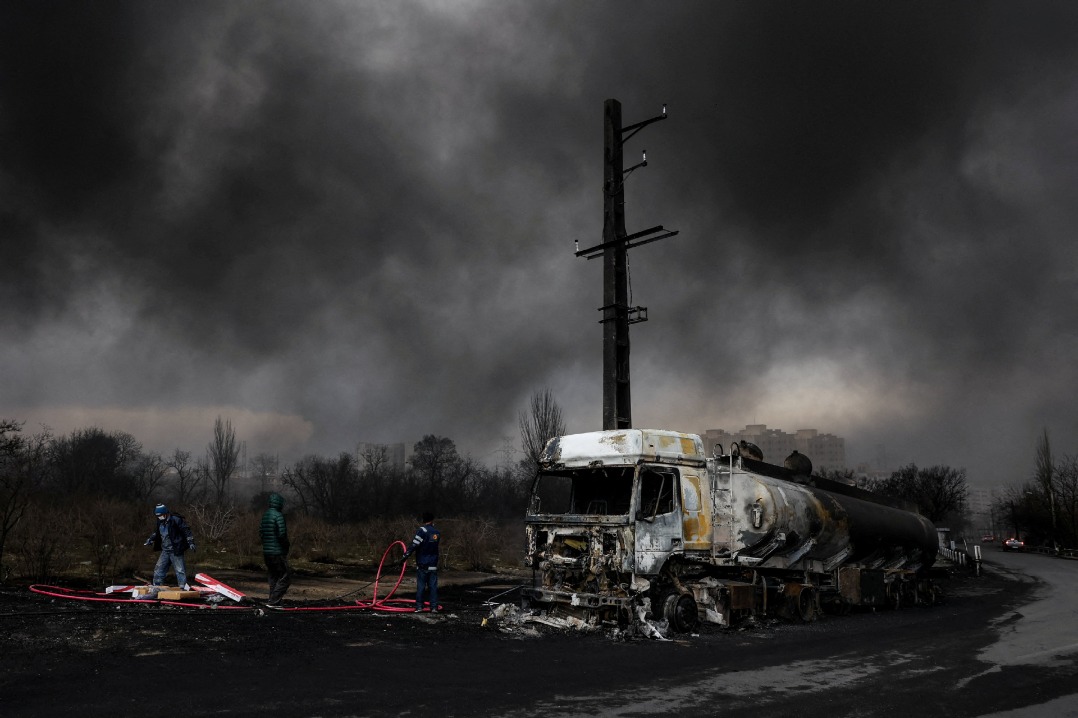
    Iran’s Khatam al-Anbiya Central Headquarters issued a stark warning on Sunday, threatening retaliatory measures across the region if attacks on its fuel and energy facilities persist. The declaration came in response to coordinated US-Israeli strikes that targeted multiple fuel storage sites in Tehran and Alborz province on Saturday night, causing temporary disruptions to fuel supplies and raising significant environmental health concerns.

    Spokesman Ebrahim Zolfaghari, addressing reporters through the Iranian Students’ News Agency, accused the United States and Israel of conducting ‘brutal assaults’ against Iran’s critical energy infrastructure and civilian service centers. He emphasized that these actions represented unacceptable aggression against both national assets and civilian populations.

    Zolfaghari called upon Muslim nations throughout the region to intervene and pressure Washington and Jerusalem to cease their ‘cowardly and inhumane operations.’ He delivered an unequivocal ultimatum: ‘Should these attacks continue, parallel retaliatory actions will be implemented across the region. If Western powers believe they can withstand oil prices exceeding $200 per barrel, they may proceed with this dangerous game.’

    This escalation follows the devastating February 28 joint operations by Israeli and American forces that struck multiple Iranian cities, resulting in the death of Supreme Leader Ali Khamenei, several family members, senior military officials, and numerous civilians. Iran subsequently launched extensive missile and drone counterstrikes targeting Israeli territory and US military installations throughout the Middle East, significantly heightening regional tensions and threatening broader conflict escalation.