标签: Asia

亚洲

  • South Korea says North Korea has launched ballistic missiles toward the sea

    South Korea says North Korea has launched ballistic missiles toward the sea

    SEOUL, South Korea — North Korea initiated multiple ballistic missile launches toward its eastern waters on Sunday morning, according to South Korea’s military authorities. The launches occurred approximately at 7:50 a.m. from the capital region, marking the latest in a series of weapons demonstrations by the reclusive nation.

    South Korea’s Joint Chiefs of Staff confirmed the missile activity but withheld specific details regarding flight distance or trajectory. The military agency emphasized enhanced surveillance measures and ongoing intelligence coordination with United States and Japanese counterparts regarding North Korea’s provocative actions.

    Japanese defense officials concurrently reported detecting suspected missile launches from North Korean territory. Initial assessments indicated no immediate threats to maritime vessels or aircraft in the targeted area.

    Security analysts interpret these tests as strategic displays of military capability preceding North Korea’s Workers’ Party congress—the first such gathering in five years. The international community anticipates potential policy announcements concerning U.S. relations and possible resumption of dormant diplomatic talks during this significant political event.

    The timing of these launches coincides with South Korean President Lee Jae Myung’s departure for China, where he is scheduled to engage in bilateral discussions with President Xi Jinping. During this four-day diplomatic mission, President Lee intends to advocate for China’s constructive involvement in fostering stability across the Korean Peninsula.

    Recent weeks have witnessed escalating weapons demonstrations from North Korea, including tested long-range cruise missiles and visible advancements in nuclear-powered submarine development, further complicating regional security dynamics.

  • England wins the toss and batting first in final Ashes test amid heavy security at SCG

    England wins the toss and batting first in final Ashes test amid heavy security at SCG

    SYDNEY — The fifth and decisive Ashes test commenced at Sydney Cricket Ground under unprecedented security measures following recent tragic events in Bondi Beach. England captain Ben Stokes won the toss and elected to bat first in what marks Usman Khawaja’s farewell appearance in his 88th and final test match for Australia.

    Both teams implemented strategic changes to their lineups. England introduced pace bowler Matthew Potts as replacement for injured Gus Atkinson, while Australia gave all-rounder Beau Webster his series debut in place of Jhye Richardson. Notably, Webster’s inclusion marks Australia’s first test at SCG without a specialist spinner since the 1887-88 season, a decision captain Steve Smith attributed to current pitch conditions favoring pace over spin.

    The match began with solemn tributes honoring victims and first responders of the recent Bondi Beach attack that claimed 15 lives three weeks prior. The emotional pre-game ceremony featured a guard of honor and collective applause from the capacity crowd.

    Security presence exceeded normal sporting event protocols, with tactical police units, mounted officers, and riot squad personnel deployed throughout the venue. England enters the final test having broken their losing streak with a four-wicket victory in the Boxing Day test, though previous matches saw Australia retain the Ashes within just 11 days of play.

    Lineups:
    Australia: Travis Head, Jake Weatherald, Marnus Labuschagne, Steve Smith (captain), Usman Khawaja, Alex Carey, Cameron Green, Beau Webster, Michael Neser, Mitchell Starc, Scott Boland.
    England: Zak Crawley, Ben Duckett, Jacob Bethell, Joe Root, Harry Brook, Ben Stokes (captain), Jamie Smith, Will Jacks, Matthew Potts, Brydon Carse, Josh Tongue.

  • How UK plush toy Jellycat conquered China

    How UK plush toy Jellycat conquered China

    In the midst of pandemic-era uncertainty, a surprising emotional lifeline emerged for young Chinese adults: the soft, whimsical plush toys of British brand Jellycat. What began as children’s toys has evolved into a global phenomenon, particularly in China where disenchanted youth have embraced them as tools for emotional regulation and social connection.

    The journey of Stella Huang illustrates this cultural shift. Her first Jellycat purchase in 2021, a gingerbread house plushie discovered on Chinese social platform RedNote, marked the beginning of a collection that now numbers 120 toys with a total value exceeding 36,000 yuan ($5,145). For Stella, now a 32-year-old tourism sales manager in Beijing, these aren’t mere collectibles but emotional companions in challenging times. “At my age, there are many things you can’t share with others,” she reflects. “The plushies help me regulate my emotions.

    Jellycat’s remarkable success story is rooted in strategic market positioning and perfect timing. The company’s Amuseable line—featuring inanimate objects like toilet rolls and boiled eggs with tiny faces—became breakout products that resonated deeply with Gen-Z and millennial audiences globally. According to Statista analyst Kasia Davies, these toys “appeal to a wide Gen-Z and millennial audience” by tapping into contemporary desires for comfort and companionship.

    The brand’s ascent coincided with broader demographic challenges facing toy manufacturers. With birth rates declining worldwide, companies needed to identify new markets. Jellycat had already established Chinese market presence in 2015, providing crucial groundwork for pandemic-era expansion. Business consultant Kathryn Read, with 15 years’ China experience, notes the company “captured the tone of the pandemic” when people sought comfort amid heightened uncertainty.

    Jellycat’s commercial performance has been extraordinary. Recent Companies House accounts reveal the UK-based firm’s revenue surged by two-thirds to £333m ($459m) in 2024. Chinese consumers purchased approximately $117m worth of Jellycat toys through major e-commerce platforms, according to Beijing-based Moojing Market Intelligence.

    This success reflects broader trends in China’s collectible toy market, projected to exceed 110bn yuan this year according to a 2024 report by the Chinese Academy of Social Sciences. The phenomenon parallels the success of domestic brands like Pop Mart’s Labubu elf-like dolls, highlighting growing appetite for emotional comfort objects among Chinese youth.

    Professor Erica Kanesaka of Emory University identifies this as part of a global “kidult” trend where young adults question “outdated understandings of adulthood.” Market research company Circana reports that while global toy sales declined slightly in 2024, collectible toy sales increased by nearly 5% to record highs.

    Jellycat’s marketing strategy has been particularly effective in China. Limited edition releases, pop-up experiences featuring celebrity partnerships (including A-list actress Yang Mi in Shanghai), and strategic localization— offering fish and chips plushies in London while featuring teapot designs in Beijing—have created buzz and exclusivity. Many Chinese consumers describe this approach as “hunger marketing,” driving social media desirability.

    The toys have also become vehicles for cultural expression. The Amuseable aubergine, nicknamed “the boss” by Chinese fans, has spawned numerous memes where users depict the vegetable in various states of emotional distress—complete with drawn dark circles and glasses—to humorously represent workplace exhaustion. Hong Kong marketing professional Wendy Hui posted her modified aubergine on Threads captioned: “The mental state of workers on Monday.”

    For many young Chinese, Jellycat represents an accessible luxury in economically challenging times. As 34-year-old medical sales representative Jessie Chen notes: “You have to consider for a long time before buying a luxury bag. But you don’t need to do that for a Jellycat.” The brand’s practical offerings, including bags costing just a few hundred yuan, offer both emotional and functional value.

    However, signs suggest China may have reached peak Jellycat, with some fans noting decreased social media discussion. Some collectors are turning to more affordable alternatives like Teletubbies blind boxes, while others consider “quitting the pit”—Chinese slang for retiring a hobby. As Stella Huang observes: “It is so difficult to buy them. Our daily life is not easy already and why should we make things harder for ourselves?”

    Despite these challenges, Jellycat’s impact on China’s emotional economy remains significant, offering soft comfort in hard times and illustrating how global brands can successfully adapt to local emotional landscapes.

  • First super moon of 2026 makes appearance in sky

    First super moon of 2026 makes appearance in sky

    The night sky unveiled a breathtaking astronomical phenomenon on January 3, 2026, as the first super moon of the year made its spectacular appearance. This celestial event, characterized by the moon’s unusually close orbital proximity to Earth, created a visually larger and significantly brighter lunar display than typical full moons.

    The remarkable phenomenon was captured in stunning photographs over Tongjiang city in Northeast China’s Heilongjiang province, where the super moon appeared as a magnificent luminous orb against the night canvas. This occurrence marks the initial of several super moons anticipated throughout 2026, each offering unique opportunities for astronomical observation and photography.

    Super moons occur when the moon’s elliptical orbit brings it to the closest point to Earth (perigee) simultaneously with the full moon phase. This orbital alignment can make the moon appear up to 14% larger and 30% brighter compared to its appearance at the farthest point (apogee). The scientific community emphasizes that while super moons create visually striking appearances, they remain a predictable orbital phenomenon rather than an unusual astronomical event.

    The January super moon attracted attention from both amateur stargazers and professional astronomers worldwide, serving as a reminder of the dynamic relationships within our celestial neighborhood. Such events continue to inspire public interest in astronomy and space science while providing researchers with opportunities to study the moon’s surface features under enhanced lighting conditions.

  • Iran protests: What is driving the unrest?

    Iran protests: What is driving the unrest?

    Iran has been plunged into a state of escalating civil unrest as merchant strikes originating in Tehran’s historic Grand Bazaar have rapidly transformed into nationwide protests, resulting in violent confrontations with security forces and multiple casualties.

    The initial demonstrations emerged Sunday in central Tehran near key commercial districts, quickly spreading to over thirty urban centers. The protests have claimed at least seven lives with dozens injured, marking a significant escalation from economic discontent to broader political opposition against the ruling authorities.

    Economic instability served as the primary catalyst, with the Iranian rial experiencing catastrophic devaluation. The currency has plummeted from approximately 55,000 rials to the US dollar in 2018 to a staggering 1.45 million rials currently—a decline accelerated by recent regional conflicts, international sanctions targeting Iran’s energy exports, and widespread banking restrictions.

    Additional economic pressures include the government’s introduction of a three-tiered gasoline pricing system and a proposed budget increasing taxes on businesses while projecting reduced oil revenues. These measures exacerbated existing frustrations over inflation and economic management.

    Tehran’s bazaar merchants, historically influential in Iranian politics, initiated the strikes in a tradition dating back to the Constitutional Revolution of 1905-1911. Their actions created political space for broader public participation, with protests particularly concentrated in western and southwestern regions home to ethnic minorities.

    The government response has included economic concessions such as tax breaks and subsidized currency access, the resignation of Central Bank governor Mohammad Reza Farzin, and the shutdown of state offices under the pretext of weather conditions. Universities have transitioned to online instruction to prevent campus gatherings.

    Despite these measures, demonstrations have continued with significant violence reported in cities including Kuhdasht and Azna. The situation has drawn international attention, with former US President Donald Trump threatening intervention if protesters are harmed—a statement Iranian authorities have characterized as foreign interference.

    Security forces including riot police and Basij paramilitary units maintain heavy deployment across multiple cities, with pro-government media accusing protesters of acting as foreign pawns. The unrest echoes previous anti-government movements while demonstrating distinct geographical patterns of resistance outside the capital.

  • Thick fog at Dubai’s Half Desert turns camping nights into rare, unreal experiences

    Thick fog at Dubai’s Half Desert turns camping nights into rare, unreal experiences

    An extraordinary meteorological event transformed Dubai’s Half Desert into an ethereal landscape as unusually dense fog enveloped the region in the early hours of January 3, 2026. What began as a typical clear night for desert campers rapidly evolved into a rare atmospheric phenomenon that reduced visibility to near-zero conditions, creating both magical experiences and significant travel challenges.

    According to eyewitness accounts, the fog system began developing around 1:30 AM, gradually obscuring sand dunes and access roads with an impenetrable white blanket. Mohammed Ardashir, an Iranian resident camping with friends, described the surreal transformation: ‘The desert appeared completely enveloped in clouds. We could scarcely see the adjacent tents, creating an almost supernatural atmosphere that defied our typical desert expectations.’

    While some adventurers embraced the unusual conditions as a unique natural spectacle, others prioritized safety considerations. Mantuf Khan and his camping group made the cautious decision to depart around 4:30 AM, navigating desert roads at reduced speeds below 30 km/h with hazard lights activated. ‘The driving conditions became exceptionally challenging with virtually no visibility beyond our immediate vicinity,’ Khan reported. ‘All vehicles maintained extended following distances and extreme caution.’

    Local desert caretaker Shahnawaz Khan provided meteorological context, noting that such dense fog formations represent characteristic winter weather patterns typically occurring during December and January. However, the intensity and duration of this particular event distinguished it from ordinary seasonal occurrences, potentially persisting throughout the weekend according to historical weather patterns.

    The phenomenon generated contrasting responses among desert visitors. Those who remained described an exceptionally tranquil environment where the typical auditory landscape became muffled and transformed. The experience of observing fog movement around traditional camping arrangements while consuming warm beverages created unexpectedly peaceful moments despite the unusual circumstances.

    This event highlights the dynamic intersection between desert tourism and natural weather variability in the UAE region, demonstrating how environmental conditions can rapidly alter recreational experiences while emphasizing the importance of safety preparedness during winter camping expeditions.

  • Israel’s opposition leader urges Iran to ‘pay close attention’ to Venezuela

    Israel’s opposition leader urges Iran to ‘pay close attention’ to Venezuela

    In a significant escalation of diplomatic rhetoric, Israeli opposition leader Yair Lapid issued a stark warning to Iranian leadership, urging them to “pay close attention to what is happening in Venezuela.” This statement, delivered via social media platform X, appeared to reference the recent U.S. military operation that resulted in the capture of Venezuelan President Nicolas Maduro.

    The comments emerged amidst widespread international condemnation of the United States’ intervention in the oil-rich South American nation, with numerous global officials decrying the action as a violation of international law. Iran, a key ally of Venezuela, was among the first nations to condemn the U.S. operation, characterizing it as a “flagrant violation of Venezuela’s national sovereignty and territorial integrity.”

    The Iranian foreign ministry released an official statement asserting that “the US military attack on Venezuela constitutes a clear violation of the fundamental principles of the United Nations Charter and the basic rules of international law.” The ministry further warned that American military aggression could trigger global consequences, emphasizing Venezuela’s “inherent right to defend its national sovereignty, territorial integrity, and right to self-determination.”

    In contrast to the international criticism, Israel expressed support for Maduro’s removal. Israeli Foreign Minister Gideon Sa’ar stated on X: “Israel welcomes the removal of the dictator who led a network of drugs and terror and hopes for the return of democracy to the country and for friendly relations between the states.”

    The geopolitical tensions escalated further when former U.S. President Donald Trump threatened potential intervention in Iran amid domestic protests, declaring: “If Iran shoots and violently kills peaceful protesters, which is their custom, the United States of America will come to their rescue. We are locked and loaded and ready to go.”

    Iran’s Supreme National Security Council Secretary Ali Larijani responded with a warning that U.S. intervention “corresponds to chaos in the entire region and the destruction of US interests,” likely referencing Iranian capabilities to target American military bases in the region.

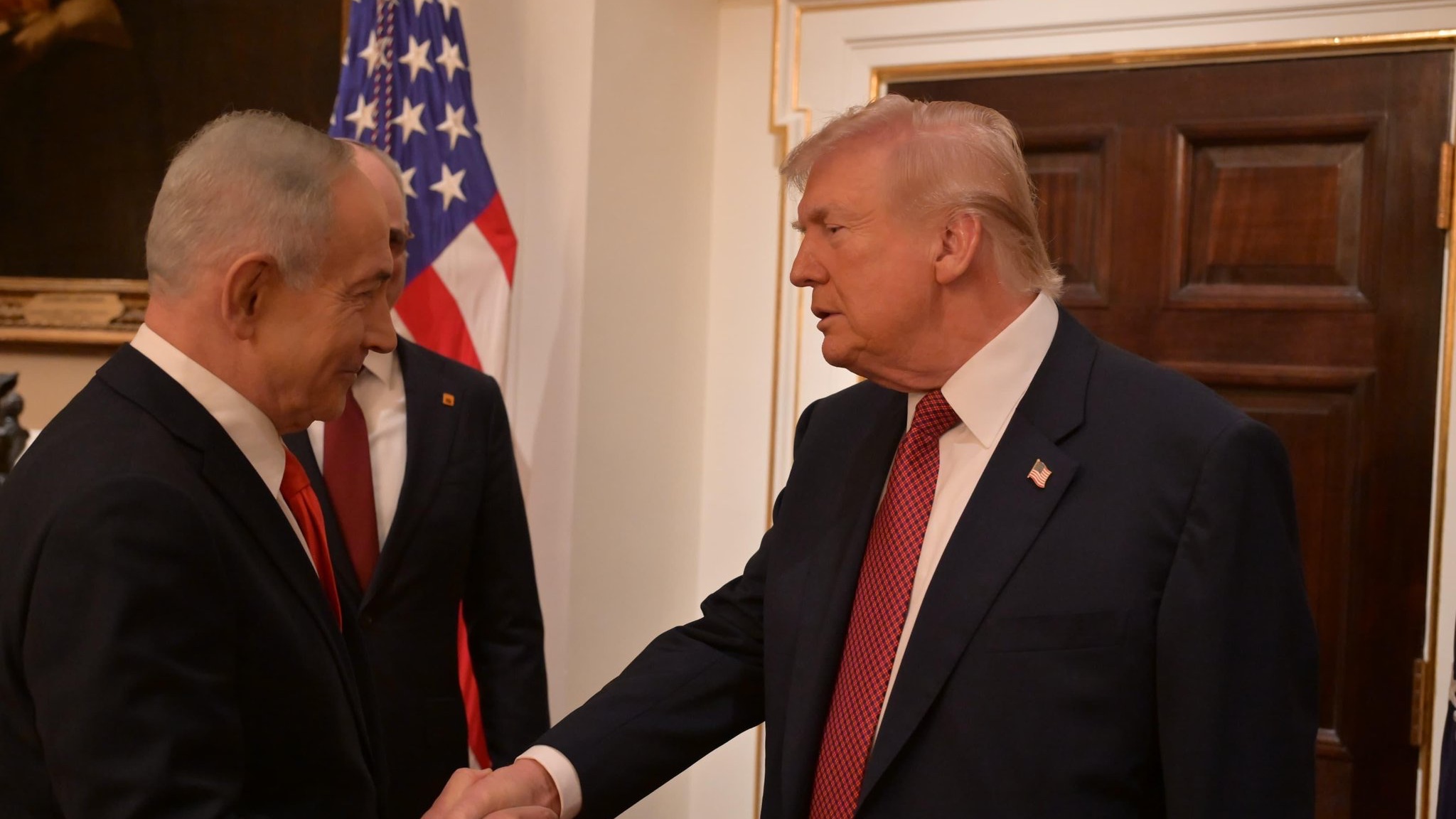
    Meanwhile, Israeli Prime Minister Benjamin Netanyahu, following meetings with Trump, publicly advocated for renewed military action against Iran, accusing Tehran of “exporting terrorism not only to every part of the Middle East, but to Venezuela” and alleging Iranian collaboration with the Maduro regime.

  • Bodies of first 4 victims of Swiss bar fire, including two children, identified

    Bodies of first 4 victims of Swiss bar fire, including two children, identified

    Swiss authorities have made progress in identifying victims of the devastating New Year’s Eve bar fire that claimed 40 lives at the popular Crans-Montana ski resort. Valais canton police confirmed Saturday the identification of four Swiss nationals, including two teenagers, marking the first formal victim notifications from the tragedy that also injured 119 revelers.

    The identified victims include a 21-year-old woman, an 18-year-old man, and two 16-year-olds—one girl and one boy. Their remains have been returned to grieving families as forensic teams continue the painstaking process of identifying other victims, a challenge compounded by the severity of burns sustained in the blaze.

    Valais area chief Mathias Reynard provided sobering updates regarding the injured, noting that many remain in critical condition fighting for their lives. Approximately 50 patients have been or will be transferred to specialized burn units across Europe, with Germany and France among countries providing medical assistance.

    Police Chief Frederic Gisler revealed the international scope of the tragedy, confirming that 113 injured individuals have been identified thus far. The breakdown includes 71 Swiss nationals, 14 French citizens, 11 Italians, and additional victims from Serbia, Bosnia, Belgium, Poland, Portugal, and Luxembourg.

    Authorities continue to treat the incident as a catastrophic fire rather than an intentional attack. Preliminary investigations suggest sparklers ignited foam-clad ceiling materials at the packed bar, though the establishment’s owner maintains that all safety protocols were properly followed. The investigation remains ongoing as forensic teams work at the scene to determine the exact sequence of events.

  • Trump says Maduro ‘captured’ as US bombs Venezuela

    Trump says Maduro ‘captured’ as US bombs Venezuela

    In a dramatic escalation of tensions, former U.S. President Donald Trump declared on his Truth Social platform that American military forces had successfully captured Venezuelan President Nicolás Maduro during a series of large-scale strikes within Venezuela. Trump asserted that Maduro and his wife, Cilia Flores, had been extracted from the country by U.S. forces.

    The announcement followed reports of significant explosions near key civilian and military installations in Caracas, as well as in the states of La Guaira, Aragua, and Miranda. According to U.S. officials speaking to CBS News, the high-risk operation was executed by the elite Delta Force unit, which Trump later praised as a ‘brilliant’ mission in communications with The New York Times.

    Venezuelan Vice President Delcy Rodríguez, who stands next in the line of succession, immediately challenged Trump’s claims, stating that the whereabouts of both Maduro and his wife were unknown. She publicly demanded that the U.S. provide verifiable proof that Maduro was alive and in their custody.

    The Venezuelan government reported numerous casualties from the attacks, though no specific death toll was immediately provided. U.S. authorities confirmed they sustained no American casualties during the operation.

    Contradictory narratives emerged regarding the circumstances of Maduro’s apparent removal. Sky News cited senior Venezuelan opposition sources suggesting Maduro’s exit had been ‘negotiated’ with the United States, while U.S. Senator Mike Lee of Utah stated on social media platform X that Secretary of State Marco Rubio anticipated ‘no further action in Venezuela now.’ Lee further revealed that Rubio informed him Maduro would face criminal charges in the United States.

    In response to the military action, Venezuelan Defense Minister Vladimir Padrino condemned the strikes as ‘the worst aggression’ against the nation and announced the full deployment of military forces across Venezuela, vowing to resist any foreign troop presence.

  • China’s railways see New Year holiday return passenger flow peak

    China’s railways see New Year holiday return passenger flow peak

    China’s extensive railway system experienced a significant surge in return passenger traffic on Saturday, January 3rd, 2026, marking the conclusion of the New Year holiday period. According to official data released by China State Railway Group Co Ltd, the national rail network prepared to accommodate approximately 17.45 million passenger journeys on the final day of the holiday break.

    In response to the substantial travel demand, railway authorities implemented enhanced operational measures, scheduling an additional 1,343 passenger trains to ensure efficient transportation services nationwide. The strategic deployment of extra capacity aimed to facilitate smooth travel experiences for millions of citizens returning from their holiday destinations.

    Geographical analysis of passenger flow patterns identified Guangzhou, Beijing, and Chengdu as primary departure hubs, while Beijing, Guangzhou, and Shanghai emerged as the most frequented destination cities. This bidirectional traffic pattern reflects the extensive interregional mobility characteristic of China’s major holiday periods.

    The preceding day, Friday January 2nd, already demonstrated substantial transportation activity with railways processing over 12 million passenger trips nationwide. The 2026 New Year holiday period officially spanned from Thursday December 31st, 2025 through Saturday January 3rd, 2026, creating a concentrated three-day window for holiday travel and family reunions across the country.

    China’s railway management continues to demonstrate remarkable operational capability in managing these periodic mass migration events, which represent some of the largest organized human movements globally. The efficient handling of such substantial passenger volumes underscores the advanced logistical planning and infrastructure development within China’s transportation sector.